How to Preserve a Vegetable Harvest by Canning
Can only low-acid vegetables be canned safely in a pressure canner? Yes. Tomatoes need added acid in approved recipes. Ignore those rules, and you risk spoilage or botulism. This guide sorts common garden crops into can, acidify, freeze, or store, with the safety rule for each.
What should you preserve first?


Start with the crops that will spoil fastest, then sort the rest by the safest method. Soft, bruised, overripe, or rain-cracked vegetables need attention first. Firm roots and storage crops can often wait. For a mixed harvest, can the low-acid vegetables only if you have a tested pressure canning recipe, then freeze or store the rest.
Vegetable preservation decision table
| Crop | Safe preservation method | Canning type | Acidification needed? | Storage life | Common failure risk | Yes/no decision rule |
|---|---|---|---|---|---|---|
| Green beans | Pressure can, freeze, or refrigerate briefly before processing | Pressure canning | No | Freezing or canning depends on method used | Boiling-water processing is unsafe for plain beans | Yes if you have a tested pressure canning recipe; no for water-bath canning |
| Asparagus | Pressure can or freeze | Pressure canning | No | Method-dependent | Soft texture if packed poorly | Yes for pressure canning only; pack in spears or pieces as the recipe allows |
| Beets | Pressure can or store whole roots if sound and cool | Pressure canning | No | Stored roots vary by condition and space | Unsafe if processed in a water bath alone | Yes for pressure canning; they may be canned whole or cut into halves or quarters |
| Tomatoes | Acidified canning, freezing, sauce, salsa, or ketchup | Water-bath canning only in a tested acidified recipe | Yes | Depends on the method used | Wrong acidity can make a sealed jar unsafe | Yes only if the recipe specifies acidification and processing; no for plain unacidified jars |
| Peas | Pressure can or freeze | Pressure canning | No | Method-dependent | Low-acid food in a boiling-water canner | Yes for pressure canning; no for water-bath canning |
| Carrots | Pressure can, freeze, or store cool if harvested sound | Pressure canning | No | Method-dependent | Seal does not prove safety if the process was wrong | Yes for pressure canning with a tested recipe; no for water-bath canning |
| Sweet corn | Pressure can or freeze | Pressure canning | No | Method-dependent | Wrong jar fill or headspace can lead to seal failure | Yes only with tested pressure canning directions |
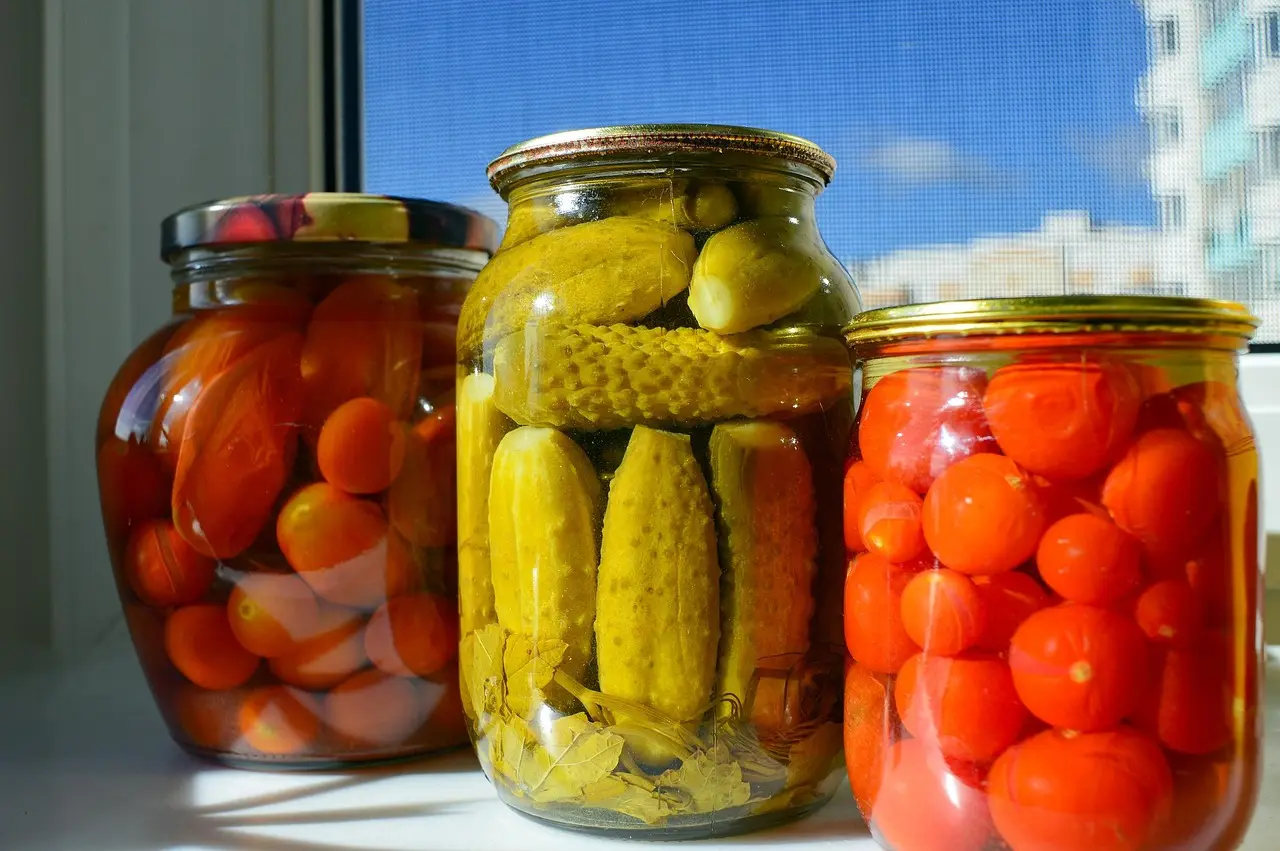
| Cucumbers | Pickle, refrigerate, or use for quick pickling | Water-bath canning only as pickles | Yes | Depends on recipe | Unpickled cucumber jars are not safe for water-bath canning | Yes if the recipe is an approved pickle recipe; no for plain canning |
| Summer squash | Freeze, shred, or use soon | Usually not a canning crop | No | Short if left fresh | Texture loss and no safe plain canning path | No for plain home canning; freeze instead |
| Lettuce and greens | Use fresh, blanch and freeze some greens | Not a canning crop | No | Short | Wilted texture after canning | No for canning; yes for quick freezing after blanching in some cases |
| Potatoes | Store cool, dark, and dry if sound; pressure can only with a tested recipe | Pressure canning | No | Storage depends on condition | Unsafe if canned without pressure | Yes for pressure canning only; no for water-bath canning |
| Onions | Store in a cool, dry, airy place if cured; freeze chopped pieces | Usually not canned plain | No | Storage varies by cure and variety | Softening or mold if stored damp | No for plain canning; store or freeze instead |
Say your bean row filled two dozen pint jars after a Saturday pick. If the beans are plain, pressure can them with a tested recipe or freeze them after blanching. A water-bath canner is the wrong tool here, even if the jars seal tightly.
Suppose your tomato plants produced a late flush of split fruit. Sort the sound tomatoes for sauce or salsa made with an approved acidified recipe, then freeze the bruised fruit for later cooking if you cannot can it the same day. Do not put plain tomatoes in a water-bath jar without a tested acidified process.
How does canning preserve food?
Home canning preserves food by heating filled jars until the food and jar contents reach a safe temperature, then sealing the jars as they cool. Heat drives out air, slows spoilage, and creates a vacuum seal. For low-acid vegetables, the process must be strong enough to control botulism, which can be present without obvious spoilage signs.
Water bath versus pressure canning
Water-bath canning uses boiling water and works only for foods with naturally high acidity. It is not safe for unpickled vegetables. Pressure canning heats jars above boiling-water temperature and is required for low-acid foods, including most plain vegetables and vegetable soups or stocks.
A pressure canner has a vent, a pressure gauge, and screw clamps. Those parts matter because they help the canner reach and hold the higher temperature needed for low-acid foods. Use only tested processing times and methods for the exact crop, jar size, and style of pack.
Which vegetables can you can safely?
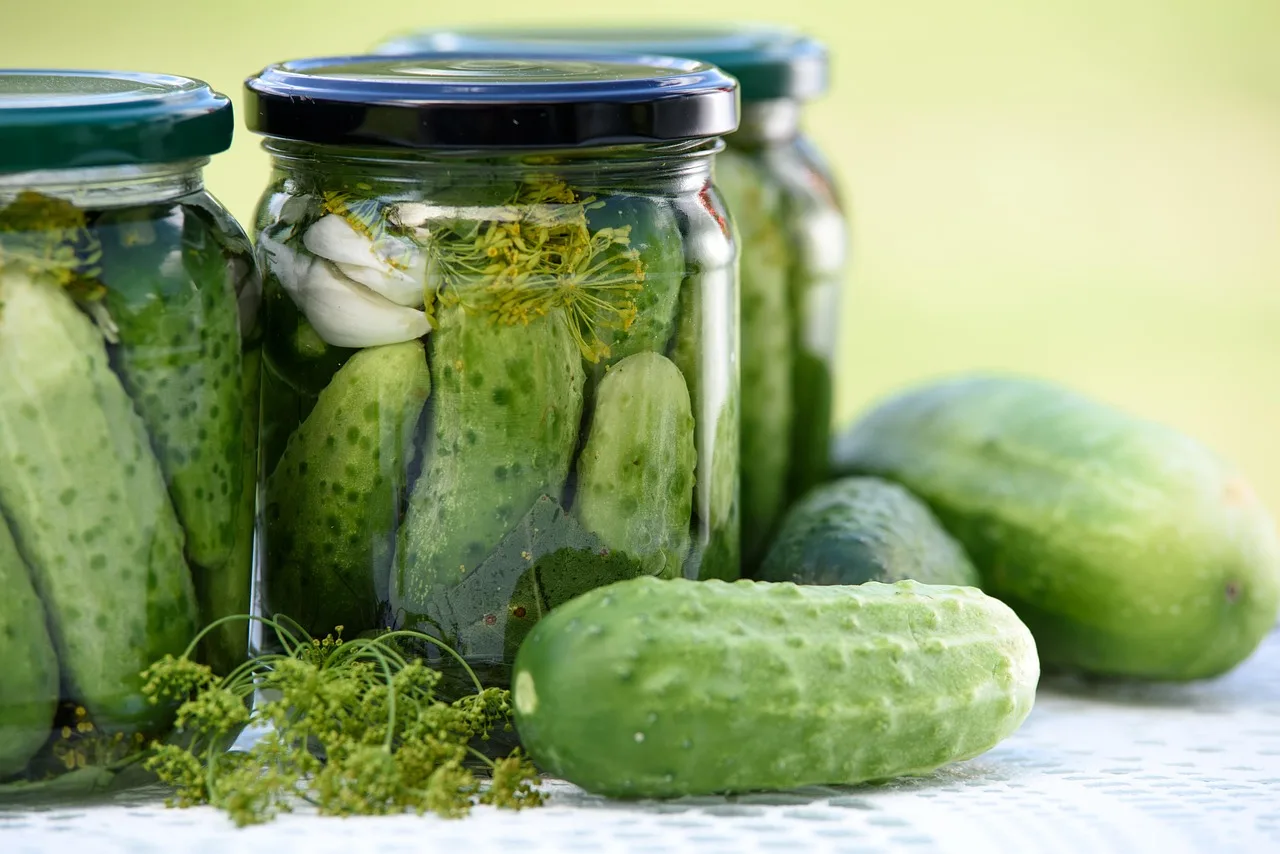
The safe answer is narrower than many gardeners expect. Most plain vegetables are low-acid and need pressure canning. A few crops can be water-bath canned only after acidification in an approved recipe. Others are better frozen or stored whole, because canning is not the best fit.
Low-acid vegetables that need pressure canning
Green beans, peas, carrots, beets, asparagus, corn, and potatoes belong in the pressure canner when you want shelf-stable jars. The USDA’s Complete Guide to Home Canning is one tested source to check before you start. Never substitute a boiling-water bath for these crops.
Vegetables that must be acidified first
Tomatoes are the main example many gardeners ask about. They can be used as they are or made into sauce, salsa, or ketchup only when the recipe specifies the acid and process. Pickled cucumbers also belong here because the vinegar or approved acid is part of the safety step.
Vegetables better frozen or stored instead
Leafy greens, summer squash, onions, and some peppers are often better frozen, used fresh, or stored in another way. Blanching before freezing helps preserve color, texture, and flavor, and the Gardeners’ World guidance says it also helps kill bacteria and maintain vitamin content. Blanching is not a canning safety step.
What vegetables can I can safely? Use the crop itself as the first filter, then the recipe. If the recipe says water-bath canning, it must be an acidified food. If the crop is low-acid and plain, pressure canning is the correct path. If no tested recipe fits, freeze or store the crop another way.
What equipment do you need?
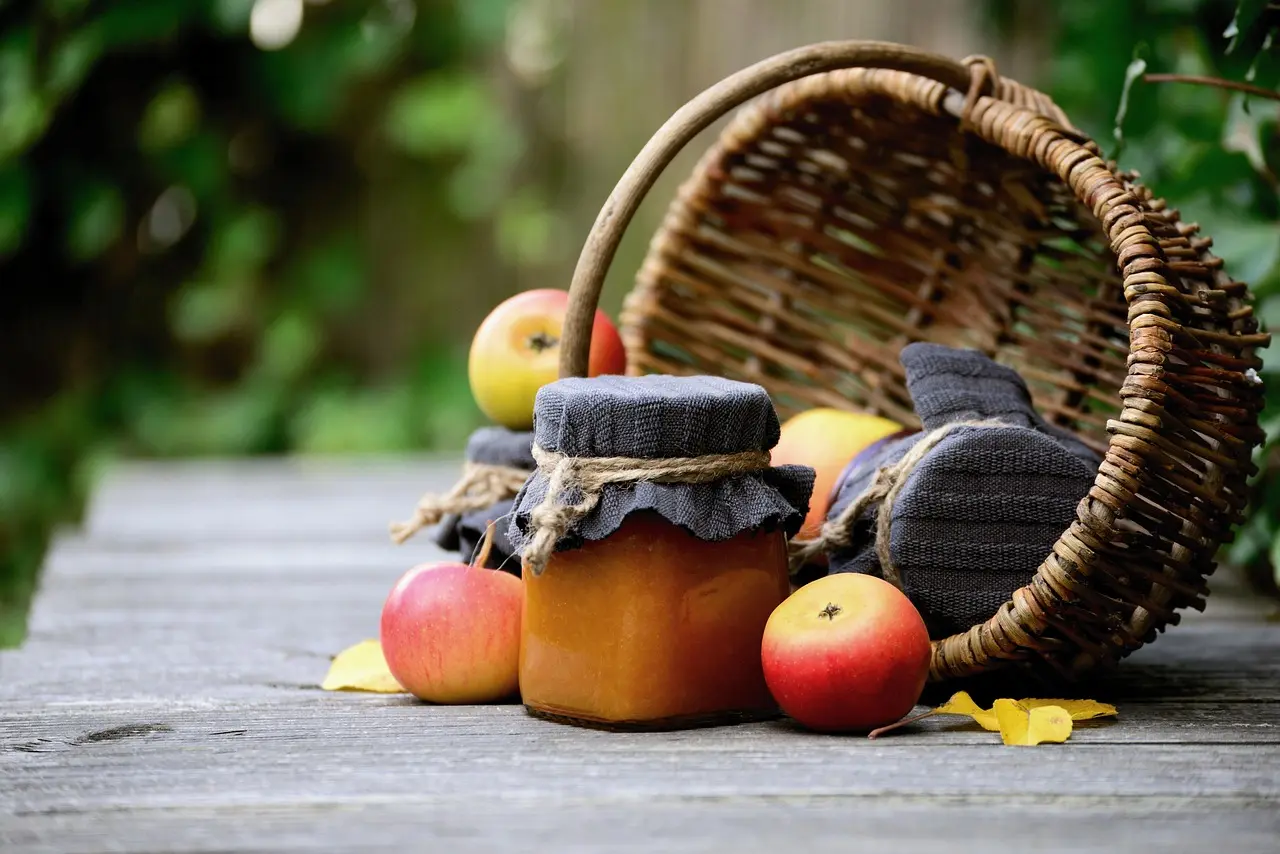
For safe vegetable canning, you need the right canner, the right jars, and a tested recipe source. Do not improvise with weights, lids, acid amounts, or process times. The jar may seal and still be unsafe if the wrong method or timing was used.
Pressure canner versus water-bath canner
Choose a pressure canner for low-acid vegetables and most vegetable mixtures. Choose a water-bath canner only when the recipe calls for it and the food is high-acid or properly acidified. A water-bath canner is not a backup option for plain garden vegetables.
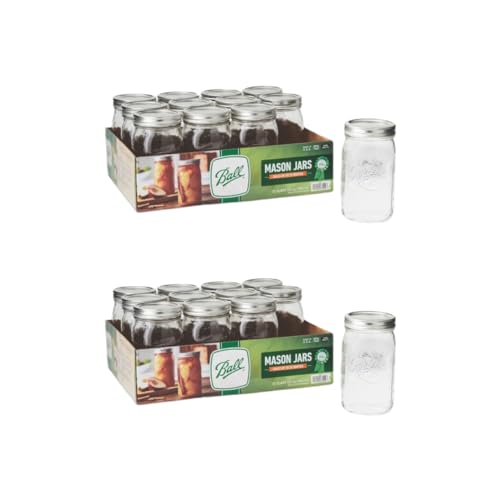
Jars, lids, seals, and headspace
Canning jars must be clean, fitted with proper lids, and filled according to the recipe’s headspace rules. After processing, check each lid for a secure seal. If a jar does not seal, refrigerate it and use it promptly, or reprocess only if the tested recipe allows that step.
Prep tools and recipe sources
- Wash the vegetables well.
- Trim stems, peel if needed, and remove damaged spots.
- Pack the jars as the tested recipe says.
- Add brine, liquid, or acid only as directed.
- Leave the exact headspace listed in the recipe.
- Process for the full tested time in the correct canner.
- Cool, label, and check the seal before storage.
What equipment do I need for canning vegetables? At minimum, you need jars, lids, a reliable pressure canner for low-acid crops, a jar lifter, clean towels, and a tested recipe guide. A pressure gauge or weighted system also matters, because the correct pressure is part of the safety process.
What are the common safety mistakes?
The biggest mistakes are simple, and they are serious. Using the wrong canner, skipping a tested recipe, or assuming a sealed lid means safe food can all put you at risk. Botulism is the main concern in improperly canned vegetables, and it may not show smell, bubbles, or mold.
Skipping tested processing times
Processing time is not a guess. It is part of the safety step for each crop, jar size, and style of pack. If you shorten the time, change the jar size, or alter the pack density, the result may look fine and still be unsafe.
Using the wrong canner for the food
Water-bath canning is for high-acid foods only. It is not safe for unpickled vegetables. Pressure canning is required for low-acid vegetables, including most plain garden crops and vegetable soups or stocks. If a recipe does not match the food, choose another preservation method.
Trusting the seal instead of the process
A sealed jar is not proof that the food inside is safe. A jar can seal after an underprocessed or improperly acidified batch and still contain botulism risk. Do not taste-test questionable vegetables. When in doubt, discard the food rather than risk illness.
What are common canning mistakes that make vegetables unsafe? The usual problems are wrong acid levels, wrong canner choice, incorrect headspace, dirty rims, and guessing at time. Another common error is treating a shelf-stable seal as a safety check. It is only a seal if the recipe and process were correct.
How do you use canned vegetables later?
Use canned vegetables by opening, inspecting, and heating them safely. Store unopened jars in a cool, dark place and check the seal before moving them to the pantry shelf. Once opened, move leftovers to the refrigerator and use them soon, following food-safety guidance for cooked foods.
Open, inspect, and reheat safely
Before serving, look for spurting liquid, off odors, broken seals, or swollen lids. If anything seems wrong, do not taste it. Heat canned vegetables fully in soups, side dishes, casseroles, or skillet meals. If the jar came from a safe recipe and process, that later reheating step is routine.
Ways to use shelf-stable jars
Pressure-canned green beans can go into a quick skillet side or soup. Beets can be chilled for salads or warmed as a side dish. Tomato jars can become pasta sauce, chili base, or soup starter when they were preserved through a tested acidified recipe.
How do I use canned vegetables after I preserve them? Treat them as ready-to-heat ingredients, not raw produce. Check the seal, inspect the food, and then heat it in the dish you are making. If a jar is damaged, leaking, or suspicious, throw it out.
Frequently asked questions
How to preserve vegetables in jars
Use clean jars, a tested recipe, and the correct canner for the crop. Plain low-acid vegetables need pressure canning. Acidified vegetables may be water-bath canned only when the recipe says so. Fill jars at the listed headspace, process for the full time, then check the seal after cooling.
How to preserve garden vegetables for winter
Move quickly on the crops that bruise or wilt first. Pressure-can safe low-acid vegetables, freeze crops that do not suit canning, and store roots or cured produce in a cool place when the crop allows it. For mixed harvests, sort by ripeness and shelf life before you start packing jars.
What vegetables can I can safely?
Safe choices include green beans, asparagus, beets, peas, carrots, corn, potatoes, and some tomato products, but only when the recipe and method match the food. Plain low-acid vegetables need pressure canning. Tomatoes and pickles need approved acidification. If no tested recipe fits, freeze or store instead.
What is the best canning method for low-acid vegetables?
Pressure canning is the correct method for low-acid vegetables. It heats jars above boiling-water temperature and is required for most plain vegetables and vegetable soups or stocks. A boiling-water canner is not safe for these foods, even if the jars seal tightly after processing.