Do Coffee Grounds Help Vegetable Gardens
Coffee culture and gardening might seem worlds apart, but in recent years, the humble coffee ground has become a hot topic among vegetable gardeners. With over 2.25 billion cups of coffee consumed daily worldwide, the resulting mountain of spent coffee grounds has inspired an eco-friendly movement to repurpose this kitchen waste. Gardeners everywhere are asking: do coffee grounds really help vegetable gardens , or is this just another gardening myth?
This question matters. As urban gardening and sustainable practices gain traction, home growers are eager for solutions that are environmentally friendly, cost-effective, and genuinely beneficial for their crops. The internet is awash with anecdotes, conflicting advice, and scientific studies about coffee grounds in the garden.
This comprehensive guide cuts through the noise, exploring the latest research, expert opinions, and real-world experiences to answer whether coffee grounds are a boon or a bane for your vegetable patch.
Key Takeaways
- Coffee grounds offer both benefits and drawbacks for vegetable gardens, depending on how they’re used.
- Used correctly, grounds can improve soil structure, add nutrients, and support composting efforts.
- Overuse or improper application can harm plant growth and soil health.
- Scientific research shows mixed results; context and crop type matter.
- Integrating grounds with other soil amendments yields the best results.
- Always consider your garden’s unique needs before adding coffee grounds.
Understanding Coffee Grounds: Composition And Properties
What Are Coffee Grounds?
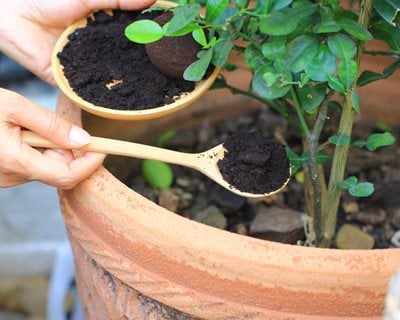
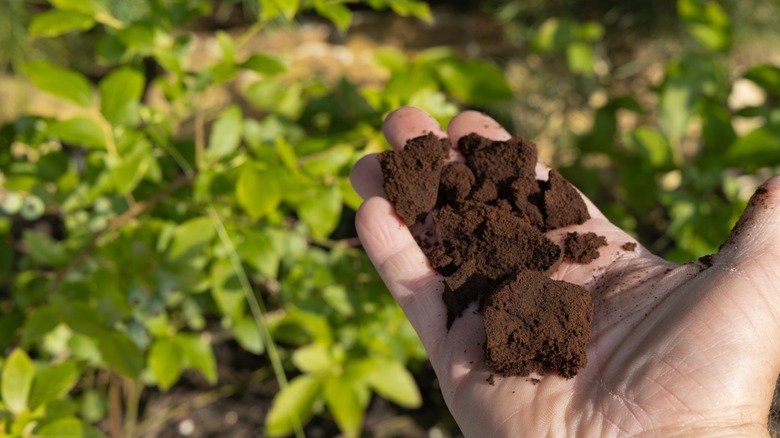
Coffee grounds are the solid residue left after brewing coffee. Rich in organic matter, they contain a mixture of carbohydrates, proteins, oils, minerals, and traces of caffeine and acids. The color, texture, and nutrient content vary depending on the coffee type and brewing method. While espresso grounds tend to be finer and denser, drip-brewed or French press grounds are coarser, affecting how they integrate into soil and compost.
Coffee grounds are also a byproduct available in abundance, making them an accessible amendment for both small-scale and large-scale gardeners. Whether you brew at home or collect grounds from local cafés, the opportunity to recycle this resource is widespread and increasingly popular.
Nutrient Content
Spent coffee grounds are frequently touted as a valuable source of nutrients. Analysis by the US Department of Agriculture shows the following average nutrient composition per 100 grams of dry grounds:
- Nitrogen (N): 1.5–2.2%
- Phosphorus (P): 0.06–0.09%
- Potassium (K): 0.6–0.7%
- Calcium, magnesium, and other micronutrients in trace amounts
The relatively high nitrogen content is especially appealing for gardeners seeking to boost leafy vegetable growth. However, it’s important to note that most of this nitrogen is in an organic form, requiring microbial decomposition before it becomes available to plants. This slow-release effect can be advantageous for maintaining steady soil fertility.
Coffee grounds also contain small amounts of micronutrients such as copper, chromium, and iron, which contribute to soil enrichment. These trace minerals can support healthy plant development when part of a balanced soil amendment strategy.
Ph Levels: Acidic Or Neutral?
Contrary to popular belief, used coffee grounds are close to neutral pH (typically 6.5–6.8), as most acids are water-soluble and leach out during brewing. However, slight acidity may persist, depending on coffee variety and preparation. This means coffee grounds are generally safe for most vegetables but may affect sensitive crops if applied excessively.
In contrast, fresh (unbrewed) coffee grounds are much more acidic, with pH levels as low as 5. 0. Thus, it’s crucial to use only spent grounds in the garden. Gardeners should also consider the cumulative impact of repeated applications, as even near-neutral amendments can shift soil chemistry over time.
Organic Matter And Soil Structure
Coffee grounds are rich in organic material, which can improve soil texture, aeration, and water retention. Their fine particle size helps break up heavy clay soils and enhance sandy soils’ capacity to retain nutrients. This organic matter also fuels the soil food web, providing a substrate for beneficial microbes, fungi, and earthworms.
Over time, the decomposition of coffee grounds can contribute to the formation of humus, the stable organic component of soil that is vital for long-term fertility and moisture management. The improved aggregation of soil particles results in better root penetration and resilience against erosion.
Caffeine Content
Residual caffeine in spent grounds ranges from 0.3–0.6%. While this is much lower than unbrewed coffee, caffeine can affect plant growth and soil microorganisms, especially with high application rates. Caffeine acts as a natural pesticide and growth inhibitor in the plant world—a defense mechanism that can be both helpful and harmful in the garden.
Some studies have shown that caffeine can suppress the germination of weed seeds and deter insect pests, but it may also impede the growth of garden crops if not broken down through composting. This dual effect underscores the need for careful, informed application.
The Benefits Of Using Coffee Grounds In Vegetable Gardens
Soil Enrichment
One of the primary attractions of coffee grounds is their ability to enrich garden soil. The nutrients they provide, especially nitrogen, support robust foliage development and overall plant vigor. Over time, as the grounds decompose, they contribute to the soil’s organic matter, enhancing fertility.
The slow mineralization of nutrients from coffee grounds means that they offer a steady, ongoing supply rather than a quick burst. This makes them particularly suitable for long-season crops or perennial beds. When combined with other amendments, coffee grounds help maintain a balanced nutrient profile and reduce dependency on synthetic fertilizers.
Data Table: Nutrient Comparison Of Common Soil Amendments
| Amendment | Nitrogen (N) | Phosphorus (P) | Potassium (K) | pH |
|---|---|---|---|---|
| Coffee Grounds | 1.5–2.2% | 0.06–0.09% | 0.6–0.7% | 6.5–6.8 |
| Composted Manure | 0.5–1.0% | 0.3–0.5% | 0.5–0.8% | 6.0–7.0 |
| Compost | 0.5–2.0% | 0.1–0.5% | 0.5–1.0% | 6.0–8.0 |
| Blood Meal | 12–15% | 1–2% | 0.5–1% | 6.5–7.0 |
Improving Soil Structure
By adding organic matter, coffee grounds help loosen compacted soils, increasing drainage and root penetration. In sandy soils, they add bulk, supporting better moisture retention. This dual benefit makes coffee grounds a versatile amendment for a range of soil types.
For gardeners dealing with heavy clay, coffee grounds can be transformative, creating small pockets of air that facilitate root expansion and microbial activity. In sandy beds, the fine particles slow water movement, reducing drought stress. The improvement in tilth—how easily soil can be worked—also makes planting and weeding easier.
Supporting Soil Microbial Life
Earthworms, beneficial bacteria, and fungi thrive on the organic material in coffee grounds. Studies such as those by Washington State University highlight that moderate applications of grounds can boost earthworm activity and microbial diversity, leading to healthier soil ecosystems (Washington State University).
A thriving soil ecosystem helps with nutrient cycling, disease suppression, and improved soil structure. Beneficial fungi like mycorrhizae form symbiotic relationships with plant roots, improving access to water and minerals. The presence of organic matter from coffee grounds supports these communities, promoting long-term soil health.
Composting Accelerator
Coffee grounds are considered a “green” compost material due to their nitrogen content. When layered with “browns” like leaves or straw, they heat up compost piles, speeding decomposition. According to the Cornell Waste Management Institute, adding grounds can reduce composting time by up to 25% (Cornell Waste Management Institute).
The heat generated by microbial activity helps kill weed seeds and pathogens, producing high-quality compost. The fine texture of coffee grounds also ensures even distribution throughout the pile, preventing the formation of anaerobic pockets and foul odors.
Pest Deterrent
Some gardeners report that coffee grounds help deter common garden pests, including slugs, snails, and ants. While scientific evidence is limited, the abrasive texture and residual caffeine are believed to play a role in discouraging these pests from crossing treated soil.
In practice, spreading a thin ring of grounds around vulnerable plants may create a mild barrier, though effectiveness varies. For organic gardeners, coffee grounds can be one tool among many in an integrated pest management approach.
The Potential Drawbacks And Risks Of Coffee Grounds In Gardens
Allelopathic Effects
Coffee grounds contain compounds, including caffeine and diterpenes, that can inhibit seed germination and plant growth—a phenomenon known as allelopathy. Studies published in the Journal of Agricultural and Food Chemistry confirm that concentrated applications can suppress the growth of certain vegetables, especially seedlings and young plants (Journal of Agricultural and Food Chemistry).
The allelopathic effects are most pronounced when coffee grounds are applied in thick layers or mixed directly into seed-starting mixes. Sensitive crops, such as lettuce and radish, can experience slowed germination and reduced vigor, making it critical to avoid excessive use or direct contact with seeds.
Nitrogen Immobilization
Although coffee grounds are high in nitrogen, their carbon-to-nitrogen (C:N) ratio means that soil microbes may temporarily “lock up” available nitrogen during decomposition, leaving less for plants. This can stunt growth, particularly if large amounts are incorporated directly into the soil without composting.
Gardeners may notice yellowing leaves and slowed growth in the weeks following heavy coffee ground application. This effect is usually temporary, resolving as decomposition progresses and nitrogen is released, but it can set back fast-growing crops or seedlings during critical early stages.
Ph Imbalance
While spent grounds are generally near-neutral, excessive use can shift soil pH, especially in already acidic soils. This is problematic for vegetables that prefer neutral to slightly alkaline conditions, such as beans, peas, and brassicas.
Regular soil testing can help prevent accidental pH drift. If your soil is already acidic, consider using coffee grounds more sparingly or balancing them with alkaline amendments like lime or wood ash.
Moisture Retention Issues
A thick layer of coffee grounds can compact and form a water-repellent crust, impeding water infiltration and gas exchange at the soil surface. This can lead to root rot and other moisture-related problems.
To avoid this, always mix coffee grounds with looser materials when mulching or amending soil. Monitoring soil moisture and ensuring good drainage are also essential, especially in regions with high rainfall.
Case Study: Lettuce Growth Suppression
Researchers at Royal Botanic Gardens Victoria found that lettuce seeds sown in soil with a 25% volume of coffee grounds showed a 40% reduction in germination rate and stunted growth compared to controls (Royal Botanic Gardens Victoria). The negative effects were attributed to allelopathic compounds and rapid nitrogen immobilization.
This research highlights the importance of using coffee grounds in moderation and avoiding direct application in seed-starting mixes or beds with sensitive crops.
Potential For Mold
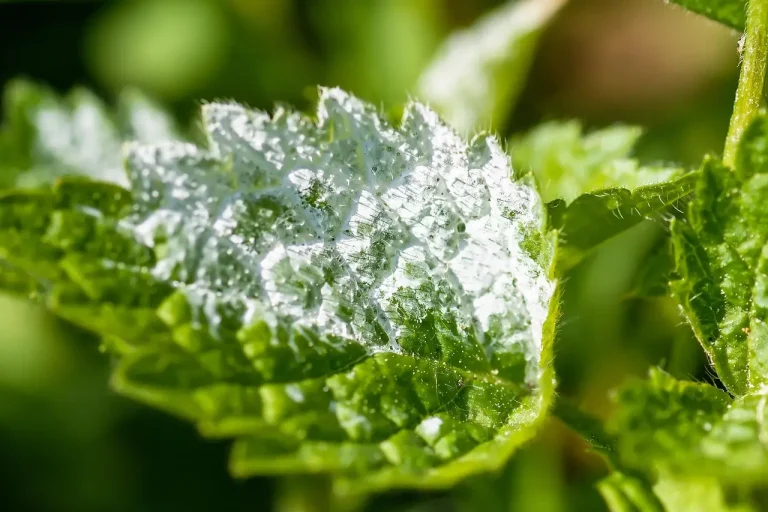
Improperly stored or applied coffee grounds can develop mold, especially in humid climates. While many molds are harmless, some can produce toxins or compete with desirable soil microbes.
To minimize mold risk, always dry coffee grounds before storage and use, and ensure good airflow in compost piles and garden beds. Mold is less likely to be a problem when grounds are properly composted.

Best Practices For Using Coffee Grounds In Vegetable Gardens
Compost First For Best Results
Experts consistently recommend composting coffee grounds before applying them to the garden. Composting neutralizes most allelopathic chemicals, reduces caffeine content, and balances the C:N ratio, making the finished compost safe and beneficial for vegetables.
- Add grounds in thin layers, alternating with dry “brown” materials like leaves or straw.
- Limit coffee grounds to no more than 20% by volume of the total compost pile.
Composting also ensures even distribution of nutrients and reduces the risk of compaction or poor aeration. Finished compost containing coffee grounds can be used universally across vegetable beds with minimal risk.
Direct Application: Guidelines And Limits
If applying grounds directly:
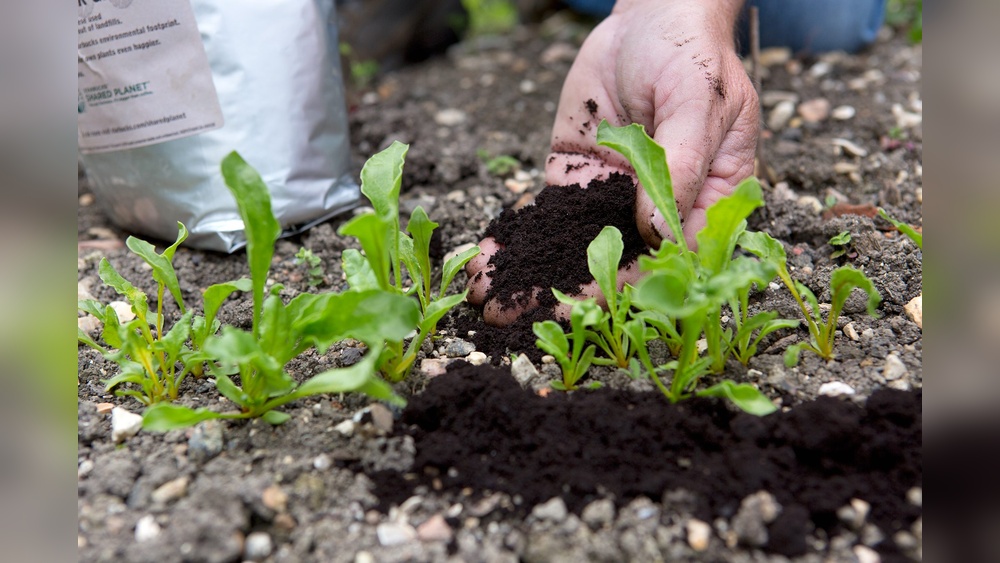
- Use sparingly—a thin sprinkle (no more than ½ inch deep) worked into the topsoil is safest.
- Mix well with other organic matter to prevent crusting and compaction.
- Avoid contact with young seedlings and freshly sown seeds.
- Monitor plant response and adjust usage if signs of stress appear.
Careful observation is key—if you notice leaf discoloration, wilting, or slowed growth, reduce or pause coffee ground applications. Consider using a hand rake or hoe to incorporate the grounds lightly into the top few inches of soil.
Table: Safe Usage Rates Of Coffee Grounds By Vegetable Type
| Vegetable Type | Recommended Maximum Application | Notes |
|---|---|---|
| Leafy Greens (lettuce, spinach) | ¼ inch per month | Best composted; avoid direct contact with seeds |
| Root Crops (carrots, beets) | ¼ inch per month | Mix thoroughly with soil |
| Fruit Vegetables (tomato, pepper) | ½ inch per month | Composted grounds preferred |
| Legumes (beans, peas) | Sparingly | Sensitive to pH changes |
Mulching With Coffee Grounds
Coffee grounds can be used as a mulch layer, but never alone. Always mix with other mulching materials (e.g., shredded leaves, straw) to maintain airflow and prevent compaction. A 1:4 ratio of grounds to other mulch is ideal.
When mixed with coarse materials, coffee grounds provide a slow-release nutrient boost while insulating the soil and suppressing weed growth. Avoid piling mulch too deeply around plant stems to prevent rot.
Vermicomposting
Red wiggler worms enjoy coffee grounds in moderation. Add small amounts to worm bins, always balanced with more carbon-rich bedding, to avoid overheating or acidifying the bin.
Worms help break down coffee grounds quickly, incorporating the nutrients into worm castings—a premium fertilizer. However, excessive amounts can make the bedding too acidic, so use coffee grounds as a supplement rather than the main feedstock.
Sourcing And Storing Coffee Grounds
- Cafés and coffee shops often give away spent grounds for free—ask for their “grounds for gardens.”
- Dry grounds before storing to prevent mold.
- Store in breathable containers, such as paper bags or buckets with loose lids.
Collecting grounds from local businesses can foster community connections and reduce waste. Some gardeners even set up regular pickup arrangements with neighborhood cafés.
Scientific Evidence: What Research Really Says
Mixed Results In Peer-reviewed Studies
The scientific community is divided on the value of coffee grounds in vegetable gardens . While many studies confirm the potential benefits, others highlight significant risks if grounds are overused or applied incorrectly.
Positive Outcomes
- Washington State University Extension found that moderate applications (up to 20% of soil volume) improved soil fertility and supported earthworm populations.
- University of Arizona research showed that coffee grounds compost increased tomato yields by 15% over two growing seasons.
These findings suggest that, when used as part of a balanced soil-building program, coffee grounds can have real agronomic benefits.
Negative Outcomes
- Royal Botanic Gardens Victoria observed that coffee grounds inhibited the growth of several common vegetables, including lettuce and radishes, when used as a direct soil amendment.
- Australian Institute of Horticulture cautioned that high caffeine levels and allelopathic chemicals could harm sensitive crops.
Direct application, especially at high rates, appears to be the most problematic. The negative effects are most acute in seedlings and young plants, which are less resilient than mature specimens.
The Role Of Caffeine And Phenolics
Caffeine, tannins, and other phenolic compounds in coffee grounds are natural plant defense mechanisms. While they can suppress weeds and pests, they may also inhibit desired vegetable growth if not broken down through composting.
This complexity explains the varied results seen by gardeners and researchers. Composting helps degrade these compounds, mitigating their allelopathic effects and making the finished product safer for all crops.
Meta-analysis Table: Effects Of Coffee Grounds On Vegetable Growth
| Study/Source | Application Method | Outcome | Notes |
|---|---|---|---|
| Washington State University | Composted, 20% by volume | Positive | Improved soil, higher earthworm count |
| Royal Botanic Gardens Victoria | Direct, 25% by volume | Negative | Suppressed lettuce, radish growth |
| University of Arizona | Composted, 15% by volume | Positive | Increased tomato yield |
| Australian Institute of Horticulture | Direct, >10% by volume | Negative | Stunted seedlings |
Expert Consensus
The consensus among soil scientists and extension agents is clear: moderation and composting are key. Used thoughtfully, coffee grounds can be a valuable part of a sustainable gardening strategy.
Real-world Examples And Case Studies
Example 1: Urban Community Garden Success
The Green Thumb Community Garden in Seattle incorporated coffee grounds into their compost system, supplied by local cafés. Over three years, tomato and zucchini yields increased by 12%, and soil organic matter content rose by 18%. The garden’s coordinator credits careful composting and balanced application for these results.
The community also noted improved soil texture and reduced reliance on purchased fertilizers. Their systematic approach—tracking application rates and monitoring soil health—helped them refine their technique for optimal results.
Example 2: Home Gardener’s Lettuce Setback
A home gardener in Melbourne, Australia, applied a thick layer of coffee grounds directly around her lettuce and carrot beds. Within weeks, she noticed yellowing leaves and poor germination. After consulting with the Royal Botanic Gardens Victoria and switching to composted grounds, plant health improved and yields recovered the following season.
Her experience underscores the importance of understanding how different crops respond to soil amendments, and the value of seeking expert advice when things go wrong.
Example 3: School Garden Experiment
At Lincoln Elementary School in Chicago, students ran a side-by-side trial: one bed amended with composted coffee grounds, another with direct application, and a control with no grounds. The composted bed produced the largest spinach leaves and highest radish yields, while the direct application bed underperformed.
This hands-on experiment reinforced the lessons of moderation and composting for the next generation of gardeners.
Coffee Grounds And Specific Vegetable Crops
Favorable Crops
Certain vegetables benefit more from coffee grounds, especially when composted:
- Tomatoes and peppers: Thrive with increased soil organic matter.
- Leafy greens (kale, chard): Respond well to the slow-release nitrogen.
- Squash and zucchini: Enjoy improved soil structure and fertility.
In addition, crops with robust root systems or high nutrient demands are typically more tolerant of coffee ground amendments. Perennial herbs such as rosemary and sage can also benefit when grounds are composted first.
Sensitive Crops
Some crops are more susceptible to negative effects, especially if grounds are not composted:
- Beans and peas: Sensitive to pH shifts and allelopathic chemicals.
- Carrots and parsnips: Young roots may be inhibited by direct contact.
- Lettuce and spinach: Seedlings especially vulnerable to caffeine residues.
When growing these crops, it’s best to err on the side of caution—compost coffee grounds thoroughly and apply in moderation.
Companion Planting Considerations
When planning your vegetable garden , consider grouping coffee ground-friendly crops together and keeping sensitive varieties separate, especially if experimenting with direct application.
For example, designate specific beds for compost-enriched soil where tomatoes, squash, and kale thrive, and reserve other beds for beans and root crops, relying on alternative amendments.
Environmental And Sustainability Considerations
Waste Reduction
Globally, coffee grounds represent millions of tons of organic waste each year. Repurposing them for gardening diverts waste from landfills, reducing methane emissions and supporting circular economies (US EPA).
Home and community gardeners play a key role in this movement by turning a waste product into a resource. On a larger scale, some municipalities are exploring partnerships with cafés and composting facilities to streamline collection and reuse.
Carbon Footprint
Using local coffee grounds as a soil amendment reduces the need for commercial fertilizers, which are energy-intensive to produce and transport. This small change can lower your garden’s carbon footprint and environmental impact.
Additionally, the use of coffee grounds supports the sequestration of carbon in soil through the buildup of organic matter, contributing to climate change mitigation efforts.
Community Engagement
Many community gardens and urban agriculture initiatives build partnerships with local cafés, fostering a culture of sustainability and resource sharing. These collaborations can also raise awareness about food waste and sustainable practices.
Such partnerships can extend beyond coffee grounds—engaging local businesses in composting initiatives, educational workshops, and food security programs.
Long-term Soil Health
Regular, moderate use of composted coffee grounds contributes to soil resilience, microbial diversity, and fertility over time—key components of sustainable gardening.
Improved soil structure increases water infiltration and retention, reduces erosion, and creates a more robust environment for both plants and beneficial organisms. This holistic improvement in soil health pays dividends in productivity and ecosystem stability.
Frequently Asked Questions
How Much Coffee Ground Can I Safely Add To My Vegetable Garden?
Limit direct application to a thin layer (no more than ½ inch per month) and always mix with other organic matter. For composting, coffee grounds should not exceed 20% of the total compost pile by volume. Overuse can lead to nutrient imbalances and inhibit plant growth.
Are Coffee Grounds Good For All Types Of Vegetables?
No. While many vegetables benefit from the nutrients and organic matter in composted coffee grounds, sensitive crops such as beans, peas, and lettuce may be harmed by direct application due to caffeine and allelopathic chemicals. Always compost grounds before using them with these crops.
Do Coffee Grounds Acidify Garden Soil?
Spent coffee grounds are nearly neutral in pH (6. 5–6. 8), so they do not significantly acidify soil when used in moderation. However, excessive use can shift pH, especially in already acidic soils. Regular soil testing is recommended if applying coffee grounds frequently.
Can Coffee Grounds Help Deter Garden Pests?
Some gardeners report reduced slug, snail, and ant activity in areas treated with coffee grounds, possibly due to the abrasive texture and residual caffeine. However, scientific evidence is limited, and results vary. Grounds should not be relied upon as the sole pest control method.
Is It Better To Compost Coffee Grounds Or Apply Them Directly To The Garden?
Composting is strongly preferred. The process breaks down allelopathic chemicals and balances nutrients, making the finished product safe and beneficial for all vegetable crops. Direct application can be risky, especially for young plants and sensitive species.
With the right approach, coffee grounds can be a valuable asset in the vegetable garden. Their nutrient content, ability to improve soil structure, and role in sustainable gardening make them worth considering—provided you use them wisely. Composting, moderation, and crop sensitivity are the keys to harnessing their benefits while avoiding potential pitfalls.
By integrating coffee grounds thoughtfully, you can cultivate healthier soil, boost yields, and contribute to a more sustainable gardening ecosystem.
For further reading, consult resources from the Washington State University Extension, US EPA, and Royal Horticultural Society.