How to Prune Vegetable Plants for Better Production
The crops covered here are the ones most often pruned in mixed beds and containers: indeterminate and determinate tomatoes, basil, peppers, cucumbers, squash, beans, peas, lettuce, carrots, radishes, and onions.
Prune vegetable plants by crop: remove about one or two low suckers from indeterminate tomatoes, pinch herbs back to a leaf pair, thin crowded leaves, and leave root crops, peas, beans, and determinate tomatoes mostly alone. Cut too hard, and you can lose yield, slow ripening, and leave fruit open to sunscald or disease. This guide shows what to cut, what to leave, and when pruning works against production.
Pruning techniques, airflow, and risks


Pruning means cutting away unwanted growth. In a vegetable garden, that usually means weak side shoots, diseased leaves, crowded stems, or growth that blocks light and airflow. Used well, pruning can sometimes improve fruit size and help the plant ripen by shifting energy away from excess foliage.
Pruning vs. pinching
Pinching is a light removal of tender growth with fingers. It is best for soft tips on herbs and young shoots, and tender growth is commonly pinched by hand when stems are still soft and easy to remove cleanly. Pruning uses scissors, snippers, or pruners on tougher stems. Use pinching for soft tips. Use pruning for stems that resist a clean finger pinch.
Why airflow matters
Pruning can improve air circulation and light into the plant center. That matters because leaves dry faster, less moisture sits on foliage, and fungal disease has a harder time getting started. It also helps fruit color up and ripen more evenly on dense plants. Airflow matters most in humid weather, tight spacing, and containers with little room. Removing crowded growth can reduce disease pressure in moist conditions, while open canopies also help leaves dry faster after rain or dew.
When pruning backfires
Pruning backfires when too much leaf area disappears at once. Fruit can get sunscald. Growth can stall. Yield can drop because the plant has less leaf surface to feed developing fruit. The risk is highest on stressed plants, heat-wave crops, overgrown containers, and tomatoes already carrying a heavy fruit load. Removing so much canopy that fruit is suddenly exposed to direct sun can be especially risky during hot spells.
Say your tomato bed is packed after a rainy week. Removing the lowest leaves and a few suckers opens the canopy, but stripping half the plant at once can leave fruit exposed and slow ripening instead of speeding it up.
Which vegetable plants need pruning?
Some crops respond well to regular pruning. Others want only a light cleanup, and a few should stay mostly untouched. The right choice depends on whether the plant fruits from side shoots, whether new growth keeps producing, and whether leaf loss will hurt harvest quality more than it helps airflow. If you are also planning around planting windows, use our frost-date planning guide before you make late-season cuts.
High-priority crops to prune
Tomatoes are the main crop to manage closely, especially indeterminate types. Basil benefits from repeat pinching. Peppers usually need light pruning or pinching only. Cucumbers and squash may need selective thinning when vines become crowded, especially on trellises. Overgrown herbs also benefit from regular tip removal during active growth.
Crops that need only light cleanup
Peppers usually get only light pruning for shape and airflow. Cucumbers often need a few leaves or side shoots removed where they crowd a trellis, not a full haircut. Bush beans, pole beans, peas, root crops, and many brassicas usually need little more than removal of dead or damaged foliage.
Plants to leave mostly alone
Root crops should generally be left alone above ground. Beans and peas are often poor candidates for routine pruning because leaf loss can reduce pod set and vine strength. Determinate tomatoes also need restraint; they fruit in a specific timeframe, so heavy cutting can remove too much productive leaf area. For disease-prone beds, combine only-light pruning with disease management practices like spacing, debris removal, and prompt cleanup.
Tomato pruning by type
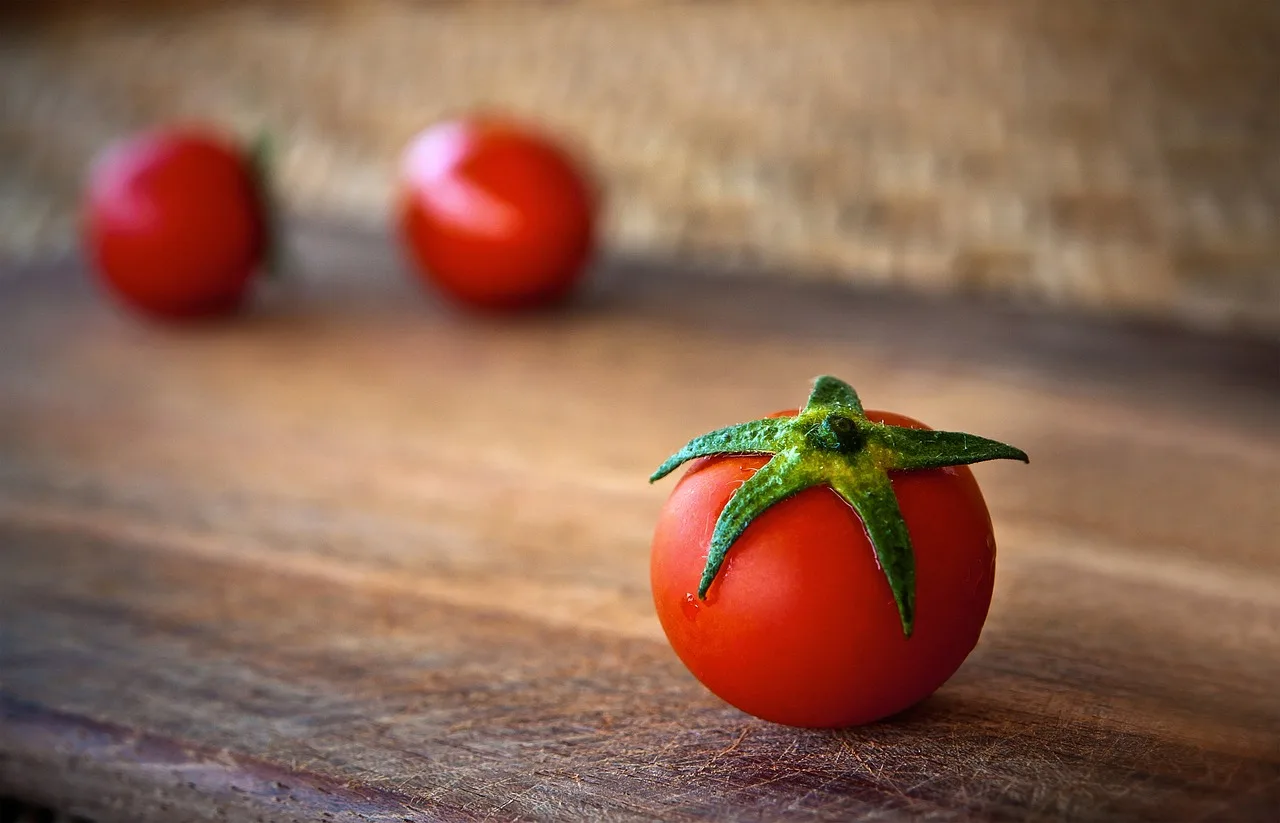
Tomatoes need the clearest pruning decisions. A sucker is the new growth that appears between the main stem and a leaf. Removing a few suckers can help direct energy into fruit production rather than excess leaves, but the right amount depends on whether the plant is determinate or indeterminate.
Determinate tomatoes
Determinate tomatoes produce fruit earlier but in a specific timeframe. Because of that, they should be pruned only lightly, if at all. Remove damaged leaves, any foliage touching soil, and a few crowded stems if airflow is poor. Do not strip the plant in search of more fruit. It often needs those leaves to finish its crop.
Indeterminate tomatoes
Indeterminate tomatoes can often be pruned more heavily than determinate tomatoes. A steady program of removing a few suckers, especially the lowest ones, can help keep the plant organized on stakes or trellises. Tomato pruning should occur in stages throughout the growing season, not all at once.
Suckers, lower leaves, and topping before frost
Remove suckers that crowd the center or spill into the row. Keep healthy leaves that are feeding fruit. Take off lower leaves that touch soil or splash zone, since they are more likely to carry disease. For late-season work, use frost timing rather than the calendar alone: about four weeks before the first expected frost, remove the growing tip of each main stem on indeterminate tomatoes so the plant can finish ripening existing fruit. That timing works best when you check your first frost date first.
A common first-timer mistake is topping every tomato hard in midsummer because the plant looks wild. On an indeterminate plant with green fruit, that can reduce future yield and expose clusters to sunscald. A better move is gradual thinning, then late-season topping only when frost is close. Too much foliage removal can increase sunscald risk on exposed fruit.
Vegetable pruning decision table
This table gives a crop-by-crop rule for what to cut, what to leave, and when pruning helps or hurts. Use it before you start snipping. If a plant is stressed, recently transplanted, or short on leaf mass, choose the lighter option in the table. The final column adds a seasonal decision filter: prune now only if the crop is actively growing, temperatures are not extreme, humidity is encouraging disease pressure, and the plant is not already stressed.
| Crop | Crop type logic | Prune now? | What to remove | What never to remove | Best timing | Seasonal decision filter | Risk if overdone |
|---|---|---|---|---|---|---|---|
| Tomato, indeterminate | Continues vining and flowering all season | Yes | Low leaves touching soil, crowded suckers, weak side shoots | Main stem, healthy leaf canopy feeding fruit | Throughout the season; top about four weeks before first frost | Prune in active growth if heat is moderate, humidity is high enough to reward airflow, and the plant is not drought-stressed | Sunscald, smaller yield, stalled ripening |
| Tomato, determinate | Sets most fruit in a shorter, more fixed window | Light cleanup only | Damaged leaves, soil-touching foliage, clearly diseased growth | Most healthy foliage and fruiting stems | Early to midseason, only as needed | Prune only if airflow is poor or disease is present; skip pruning in peak heat or when transplant shock is obvious | Reduced yield on a fixed fruiting window |
| Basil | Responds to tip removal by branching from nodes below the cut | Yes | Top tips above a leaf pair, flower buds | At least one healthy leaf pair below each cut | Repeat during active growth | Prune when growth is fast and the plant is not flowering; avoid hard cuts during drought or extreme heat | Leggy plants, reduced leaf harvest if cut too hard |
| Peppers | Benefits more from shaping than from heavy leaf removal | Lightly | Weak lower growth, crowded interior shoots | Main stems and healthy fruiting branches | Midseason, after plants are established | Prune only if the canopy is dense and humidity is trapping moisture; leave more foliage during heat waves | Less fruit set if foliage is removed too aggressively |
| Cucumber | Treillised vines can be thinned to reduce congestion | Sometimes | Overcrowded leaves, nonproductive lower laterals on trellised vines | Main vine and healthy fruiting nodes | After vines begin climbing and crowding | Prune only when trellised and actively growing; avoid extra cutting if the plant is already heat-stressed or flowering heavily | Slower growth, fewer cucumbers |
| Squash | Large-leaved vines usually need less pruning than training | Rarely | Disease-damaged leaves, leaves blocking access | Healthy leaves near fruit and crowns | Only when canopy is congested | Prune only for sanitation or access; leave more canopy in hot sun to protect fruit | Lower yield, more sunscald on fruit |
| Beans | Leaves and stems support ongoing pod production | No | Dead or diseased leaves only | Most foliage | Only if cleanup is needed | Do not prune for shape; only remove damaged tissue when weather is damp or disease is spreading | Reduced pod production |
| Peas | Vines rely on foliage for climbing and pod fill | No | Dead or diseased leaves only | Healthy vines and tendrils | Only if cleanup is needed | Keep growth intact unless sanitation requires action; avoid pruning in heat because peas fade quickly anyway | Lower vigor and fewer pods |
| Lettuce | Best treated as a harvest crop, not a pruning crop | Light harvest only | Outer leaves for cut-and-come-again harvest | Growing center | Repeatedly, while young and tender | Harvest lightly in cool weather; stop or reduce cutting when heat triggers bolting | Bolting stress if too much is removed in heat |
| Carrot | Root crop that depends on intact top growth | No | Yellow or dead tops only | Healthy ferny foliage | Only cleanup | Leave foliage alone unless removing dead tissue or cleaning disease from a crowded bed | Reduced root growth |
| Radish | Fast root crop with little benefit from cutting | No | Dead leaves only | Healthy leaves | Only cleanup | Skip pruning in normal conditions; thin only if diseased leaves appear in damp weather | Smaller roots if foliage is removed |
| Onion | Bulb sizing depends on healthy tops | No | Dead or diseased tops only | Green tops until harvest time | Only cleanup | Keep tops intact during bulb fill; remove only tissue that is clearly dead or diseased | Slower bulb sizing |
When should you prune vegetables?
Prune when the plant is growing actively, stable in the ground, and showing crowded or unhealthy growth. Most pruning works best in stages. If the plant is stressed by transplant shock, drought, heat, or pest damage, wait or keep cuts very light until growth resumes. For disease-prone seasons, combine pruning with disease management practices that reduce splash and leaf wetness.
Early season and active growth
Early season is the time to shape basil, guide indeterminate tomatoes, and remove damaged leaves from young plants. This is also when pinching produces the strongest branching response in herbs. On tomatoes, early pruning should stay modest so the plant keeps enough leaf area to build a strong canopy.
Mid-season cleanup
Mid-season is the best time for light cleaning on peppers, cucumbers, and tomatoes on trellises. Remove leaves touching soil, crowded side shoots, and anything diseased or broken. This is also the right window to thin plants that have outgrown their spacing or are shading fruit clusters. If you are still setting up support, consult our trellising vegetables page first so pruning complements the structure.
Heat, humidity, and frost timing
Heat and humidity change the plan. In hot weather, leave more foliage to shield fruit from sunscald and reduce stress. In humid climates, airflow matters more, so thin carefully instead of stripping heavily. As frost approaches, indeterminate tomatoes should be topped about a month ahead so fruit can finish ripening. If you need a more precise deadline, use your local frost-date planning and watch for the first sustained cool nights.
How much should you cut?
Remove only what the plant can afford to lose. The safest rule is to cut in stages and leave most of the leaf factory intact. As a general rule, avoid removing too much foliage at once.
How much foliage to remove safely
Start with dead, damaged, diseased, or soil-touching growth. Then decide whether a few crowded suckers or interior leaves should go. On indeterminate tomatoes, light to moderate thinning is usually safer than a hard cut. On basil, pinching back to a leaf pair keeps the plant bushy without stripping it bare.
Signs of over-pruning
Over-pruned plants often look suddenly open, with fruit exposed to sun, stems left bare, or the plant slowing down after cuts. New leaves may appear smaller. Fruit may ripen unevenly. In vegetables that rely on leaf mass, yield can fall because the plant has less energy to finish the crop.
What to do with overgrown plants
For an overgrown plant, reduce the canopy in phases. Remove the worst crowding first, then wait for recovery before taking more. In containers, aim for the lightest cleanup that restores airflow. If a plant is already stressed, focus on watering, spacing, and trellising before making another cut. A good support system, especially for tomatoes and cucumbers, often solves more problems than aggressive pruning does.
Tools, cuts, and cleanup
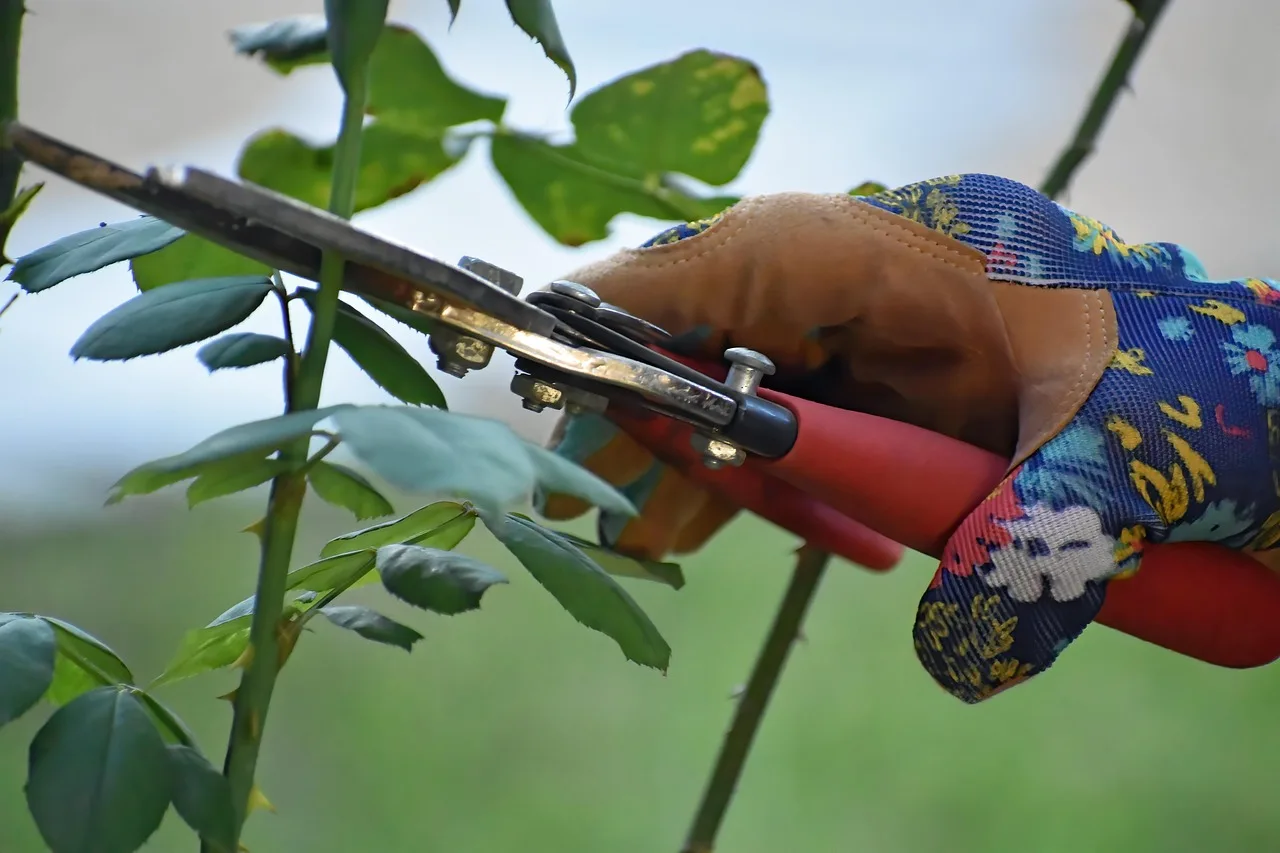
Use the right tool for the stem. Scissors, snippers, or pruners are best on tougher stems, while finger pinching works on tender growth. Sharp tools make cleaner cuts, and clean tools reduce the chance of moving disease from one plant to the next. For especially disease-prone beds, sanitation matters as much as the cut itself.
Bypass pruners, hand pruners, and scissors
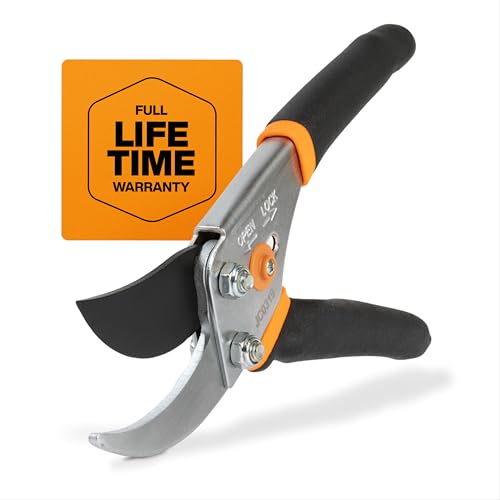
Bypass pruners or hand pruners are the best all-purpose choice for tougher stems on tomatoes, peppers, and vines. Sharp scissors or snippers work well for basil and other soft growth. Choose a tool that fits the stem size and your hand. A tool that feels awkward usually leads to ragged cuts.
How to make clean cuts
Make one clean cut just above a leaf node or branch junction when shaping herbs and removing side growth. Do not tear soft stems. Cut close enough to avoid leaving a stub, but not so close that you nick the main stem. Clean cuts heal faster and are less likely to invite disease.
Sanitize tools and remove clippings
Wipe blades between plants, especially if you have cut diseased tissue. Sanitizing tools between plants matters more in humid conditions and when moving from one tomato to the next. Collect clippings from the bed and remove them, especially if they show spotting, mildew, or rot. Do not leave infected debris on the soil. Sanitation recommendations stress that pruning cuts and tool hygiene should work together, not separately.
- Inspect the plant from base to tip.
- Remove dead, damaged, diseased, or soil-touching growth first.
- Decide whether the crop wants pinching, light thinning, or no pruning.
- Make clean cuts with sharp tools.
- Stop before the plant loses too much leaf area.
- Clean up clippings and sanitize blades before the next plant.
Frequently asked questions
What plants need pruning in a vegetable garden?
Tomatoes, basil, peppers, cucumbers, and some squash are the main candidates. Tomatoes need the most decision-making, while basil needs repeated pinching to stay bushy. Peppers usually need only light cleanup. Beans, peas, carrots, radishes, and onions usually need little more than removal of dead tissue.
How do I prune tomatoes without hurting yield?
Remove a few lower leaves that touch soil and some crowded suckers, but keep enough foliage to feed fruit. Indeterminate tomatoes can take more pruning than determinate types. Leave at least two-thirds of the plant, and top indeterminate stems about four weeks before first frost. The basic point is to prune for airflow, not for bare stems.
When should I prune my vegetable plants?
Prune during active growth, after transplant shock has passed, and before crowding gets severe. Use midseason cleanup for tomatoes, peppers, and trellised vines. In humid weather, thin lightly for airflow. As frost nears, top indeterminate tomatoes so existing fruit has time to ripen. For timing decisions, frost-date planning is more useful than a fixed calendar date.
How much should I remove when pruning vegetables?
Take the least that solves the problem. Start with dead or diseased leaves, then remove only enough extra growth to improve light and airflow. On tomatoes, avoid taking off more than about one-third of the plant at once. If the plant looks stripped, stop and let it recover.
What tools do I need to prune vegetable plants properly?
Use bypass pruners or hand pruners for tougher stems and sharp scissors or snippers for soft growth. Clean, sharp cuts matter more than the brand. Sanitize blades between plants when disease is present, and keep a bag or bucket nearby for clippings so diseased debris does not stay in the bed.