Are Dead Leaves Good for Vegetable Gardens? Surprising Truth
Are Dead Leaves Good For Vegetable Gardens? Surprising Truth
Gardening enthusiasts, from hobbyists to professional growers, constantly seek ways to enrich their soil and boost vegetable yields. Among the many organic materials available, dead leaves often accumulate in abundance every autumn. But are these fallen leaves a secret weapon for vegetable gardens , or do they pose hidden risks? The surprising truth is that dead leaves can be both a blessing and a curse, depending on how they’re used.
With growing interest in sustainable gardening and regenerative agriculture, understanding the real impact of dead leaves is essential for anyone looking to cultivate a thriving vegetable garden . This article dives deep into the science, practical applications, myths, and real-life case studies surrounding dead leaves in vegetable gardens , revealing data-driven insights and actionable strategies to help you make the most of nature’s free resource.
Key Takeaways
- Dead leaves are a valuable resource when properly managed, offering nutrients, moisture retention, and weed suppression.
- Not all leaves are equally beneficial; some contain compounds harmful to vegetables or decompose too slowly.
- Improper use can introduce pests, diseases, or nutrient imbalances.
- Composting is the safest and most effective way to use leaves in vegetable gardens.
- Real-world examples demonstrate substantial yield improvements with leaf mulch and compost.
- Practical steps and best practices maximize benefits and minimize risks.
The Science Behind Dead Leaves And Soil Health
Dead leaves are more than just garden debris; they are a powerful source of organic matter and nutrients. Their role in soil health is supported by extensive scientific research, and their decomposition is a cornerstone of the natural nutrient cycle.
Nutrient Content Of Dead Leaves
Leaves contain a range of essential nutrients:
- Nitrogen: Vital for plant growth, though leaves are relatively low compared to other organic matter like grass clippings or manure.
- Phosphorus: Important for root development and energy transfer within plant cells.
- Potassium: Helps with overall plant health, disease resistance, and regulation of water.
- Micronutrients: Including calcium (essential for cell wall structure), magnesium (central to chlorophyll), and iron (important for enzyme functions and chlorophyll synthesis).
The nutrient composition varies by tree species, stage of decomposition, and whether the leaves are fresh or fully decayed. For example, maple leaves are rich in potassium and decompose quickly, making them highly beneficial for most garden soils. Oak leaves decompose more slowly due to their higher lignin content and waxy coating, but they offer a steady, long-term supply of organic matter.
| Leaf Type | Nitrogen (%) | Phosphorus (%) | Potassium (%) | Decomposition Rate |
|---|---|---|---|---|
| Maple | 1.0 | 0.12 | 0.75 | Fast |
| Oak | 0.9 | 0.08 | 0.55 | Slow |
| Pine | 0.6 | 0.05 | 0.30 | Very Slow |
The carbon-to-nitrogen (C:N) ratio is another important factor. Leaves typically have a high C:N ratio, meaning they contain more carbon relative to nitrogen. This ratio influences how quickly leaves decompose and how they affect soil nitrogen availability.
Microbial Activity And Soil Structure
Dead leaves feed soil microbes and earthworms, which break down organic matter. This process does more than just recycle nutrients:
- Improves soil structure: As microbes and soil fauna digest leaves, they produce glues and slimes that help bind soil particles together, creating aggregates that improve aeration and water movement.
- Enhances water infiltration: Well-structured soil absorbs and retains water more efficiently, reducing runoff and the risk of erosion.
- Increases nutrient cycling: Microbial decomposition releases locked-up nutrients, making them available to plants.
A study published in the journal *Soil Biology & Biochemistry* found that gardens using leaf mulch saw a 30% increase in microbial biomass compared to bare soil. The same study noted higher populations of beneficial nematodes and mycorrhizal fungi, both of which support plant health.
Moisture Retention And Erosion Control
Leaf mulch acts as a natural barrier, reducing evaporation and protecting soil from erosion. This is particularly beneficial in regions with dry summers or heavy rainfall. The fibrous nature of shredded leaves helps them form a loose mat that holds soil in place, even during intense rainstorms. In drought-prone climates, leaf mulch can reduce irrigation needs by up to 50%, as observed in multiple extension trials.
Potential Risks
Leaves can also harbor fungal pathogens, pests, or allelopathic chemicals that inhibit vegetable growth. For example, black walnut leaves contain juglone, which is toxic to tomatoes and potatoes. Leaves from diseased trees may carry pathogens that overwinter in the garden, increasing the risk of outbreaks the following growing season.

Benefits Of Using Dead Leaves In Vegetable Gardens
Dead leaves offer several advantages when integrated thoughtfully into vegetable garden management. Utilizing leaves closes the nutrient loop and mimics natural forest ecosystems, where organic matter is continually recycled.
Organic Mulch
Applying shredded leaves as mulch provides:
- Weed suppression: A thick layer of leaf mulch prevents sunlight from reaching weed seeds, reducing germination.
- Moisture retention: Mulch insulates the soil, slowing evaporation and maintaining even moisture levels.
- Temperature moderation: Mulch keeps soil cooler in the summer and warmer in the winter, protecting roots from temperature extremes.
- Gradual nutrient release: As leaves break down, they slowly release nutrients, feeding plants throughout the season.
Studies from the University of California Agriculture and Natural Resources show that gardens mulched with leaves have up to 60% fewer weeds and require 30% less irrigation. These benefits are especially valuable for organic gardeners seeking to reduce labor and inputs.
Compost Ingredient
Leaves are ideal for composting, balancing carbon-rich “brown” materials with nitrogen-rich “green” materials. Properly composted leaves:
- Break down faster: Shredded leaves decompose more quickly, accelerating the composting process.
- Reduce risk of disease: Hot composting kills most pathogens and weed seeds, making the finished compost safe for vegetables.
- Produce rich, crumbly humus: This improves soil structure and fertility.
The Environmental Protection Agency (EPA) recommends leaf compost as a sustainable soil amendment for vegetable gardens (EPA Composting Guide). Integrating leaves into compost piles also diverts significant organic waste from landfills.
Soil Improvement
Over time, leaf mulch and compost:
- Increase soil organic matter: Higher organic matter means better water-holding capacity, reduced compaction, and enhanced fertility.
- Enhance cation exchange capacity (CEC): This enables soils to hold onto essential nutrients, making them more available to plants.
- Support beneficial fungi and bacteria: The complex carbohydrates in leaves, especially those with higher lignin content, feed decomposers and mycorrhizal fungi, which form symbiotic relationships with vegetables.
A long-term trial at Cornell University showed that plots amended annually with leaf compost produced 20% higher yields of root vegetables such as carrots and beets, compared to unamended controls.
Habitat Creation
Leaves provide shelter for beneficial insects, such as ladybugs, ground beetles, and spiders, which help control pests naturally. The presence of these insects is crucial for integrated pest management and reducing reliance on chemical pesticides. In addition, leaf litter supports decomposers like springtails and isopods, which further break down organic matter and contribute to soil health.
Cost Savings
Using leaves reduces the need for purchased mulch, fertilizers, and soil amendments. For the average home gardener, this can mean annual savings of $50–$200, depending on garden size and local mulch prices. On larger scales, such as community gardens or small farms, these savings multiply, freeing up resources for other sustainable practices.

Risks And Challenges: When Dead Leaves Are Problematic
While the advantages are substantial, improper management of dead leaves can create problems that undermine the health and productivity of a vegetable garden.
Disease And Pest Issues
Leaves left in thick, wet layers can:
- Promote fungal diseases: Fungal spores can thrive in damp, compacted leaf piles, leading to issues like powdery mildew, leaf spot, and damping-off in seedlings.
- Provide winter habitat for slugs, snails, and other pests: Dense, moist leaf layers are ideal overwintering sites for slugs, which emerge in spring to feed on tender seedlings.
A survey by the Royal Horticultural Society found that gardens with unshredded leaf piles had 40% higher slug populations. In addition, leaf piles from diseased trees (e.g., those suffering from anthracnose or tar spot) may reintroduce pathogens to the garden if not properly composted.
Allelopathic Effects
Some leaves, such as black walnut and eucalyptus, release chemicals that suppress or damage vegetable growth.
- Juglone from black walnut affects tomatoes, peppers, and eggplants, causing yellowing, wilting, and poor yields.
- Eucalyptus oils inhibit seed germination and stunt young plants. Even after composting, these compounds can persist unless thoroughly broken down.
Gardeners should always identify the source of their leaves before use, especially in areas with diverse tree populations.
Slow Decomposition And Nitrogen Drawdown
Thick layers of whole leaves decompose slowly, leading to:
- Nitrogen drawdown: Soil microbes use available soil nitrogen to break down high-carbon materials, temporarily depriving plants of this essential nutrient. This is often visible as yellowing leaves and stunted growth in nitrogen-hungry crops like corn and leafy greens.
- Anaerobic conditions: If leaves mat and block air flow, decomposition becomes anaerobic, leading to foul odors and the production of phytotoxic compounds.
To avoid these problems, always shred leaves and apply them in thin layers, or incorporate them into hot compost piles with adequate green material.
Nutrient Imbalances
Excessive leaf mulch may alter soil pH or cause potassium overload in sensitive crops, especially when applied repeatedly over several seasons without soil testing or amendment.
| Problem | Cause | Vegetables Affected | Prevention |
|---|---|---|---|
| Nitrogen Drawdown | Thick, unshredded leaves | Corn, lettuce | Shred leaves, add manure |
| Allelopathy | Black walnut, eucalyptus leaves | Tomatoes, potatoes | Avoid these leaves |
| Disease | Wet, compacted leaf piles | All vegetables | Use only dry, shredded leaves |
Real-world Example: Garden Failure Due To Walnut Leaves
A gardener in Indiana reported a 50% drop in tomato yield after mulching with black walnut leaves. Soil tests showed high juglone levels, confirming allelopathic poisoning. Removal of walnut mulch and the addition of fresh compost restored yields the following year, highlighting the importance of leaf selection.
Best Practices For Using Dead Leaves In Vegetable Gardens
Maximizing the benefits and minimizing risks requires careful management. Here are proven strategies for integrating leaves into your vegetable garden:
Shredding And Mulching
- Shred leaves to accelerate decomposition and prevent matting. A simple lawn mower with a bag attachment is effective for home gardeners.
- Apply a 2–3 inch layer around vegetables, keeping mulch at least 1–2 inches away from stems to prevent rot.
- Replenish mulch as it breaks down, especially after heavy rain or wind.
Shredding increases surface area, making it easier for microbes and soil fauna to do their work. It also creates a light, fluffy mulch that resists compaction.
Composting Leaves
- Mix leaves with green materials like grass clippings, vegetable scraps, or manure to balance the C: N ratio (ideal range: 25–30:1).
- Turn compost piles every 2–3 weeks to aerate and speed up breakdown. Moisture should be similar to a wrung-out sponge—damp but not soggy.
- Finished compost is dark, crumbly, and free from visible leaf fragments. It should smell earthy, not sour or rotten.
Composting is especially recommended for leaves from questionable sources or those likely to contain pathogens or allelopathic compounds.
Avoiding Problematic Leaves
- Do not use leaves from black walnut, eucalyptus, or pine in vegetable beds. If you’re unsure of the species, err on the side of caution and compost thoroughly before use.
- Test new mulches on a small area first to watch for adverse effects before widespread application.
Monitoring Soil Health
- Test soil pH and nutrients annually. Leaf mulch may acidify soil over time, especially under conifers. Amend as needed with lime or organic fertilizers.
- Supplement with organic nitrogen sources (like blood meal, alfalfa meal, or composted manure) if plants show signs of deficiency, such as yellowing leaves or slow growth.
Timing
- Apply leaf mulch in late fall to protect soil over winter, prevent erosion, and suppress early spring weeds.
- Remove or incorporate mulch in spring before planting. Rake aside or lightly till in to give seeds and seedlings a better start.
Case Study: Urban Community Garden Success
The NYC GreenThumb Program (NYC GreenThumb) mulched vegetable beds with shredded leaves collected from city parks. The result: a 35% increase in vegetable harvests and a 50% reduction in water usage over two years. Gardeners also reported improved soil tilth and fewer pest outbreaks.
Comparing Dead Leaves To Other Mulching Materials
Vegetable gardeners often choose between leaves, straw, wood chips, or commercial mulches. Each has unique characteristics, costs, and environmental impacts.
| Mulch Type | Weed Suppression | Moisture Retention | Nutrient Release | Cost | Best Use |
|---|---|---|---|---|---|
| Shredded Leaves | Excellent | Very Good | Moderate | Free | All vegetables |
| Straw | Good | Good | Low | Low | Root crops, tomatoes |
| Wood Chips | Very Good | Good | Slow | Low | Perennial beds |
| Commercial Mulch | Excellent | Excellent | High | High | High-value crops |
Bullet Points: Pros And Cons
Shredded Leaves:
- Pros: Free, abundant, good for most vegetables, encourages soil life, easy to spread and incorporate.
- Cons: May require shredding, avoid problematic species, can blow away if not weighted.
Straw:
- Pros: Easy to apply, light, good for root crops, widely available, less likely to mat than leaves.
- Cons: Lower nutrient content, may contain weed seeds, sometimes expensive depending on region.
Wood Chips:
- Pros: Long-lasting, excellent weed control, slowly builds soil organic matter, good for pathways and perennials.
- Cons: Slow to decompose, not ideal for annual vegetables, can tie up nitrogen if mixed into soil.
Commercial Mulch:
- Pros: Consistent texture, high weed and moisture control, often attractive in appearance.
- Cons: Expensive, may contain synthetic materials or dyes, less sustainable.
Real-world Examples And Case Studies
Example 1: Suburban Garden Transformation
A gardener in Ohio used shredded maple leaves as mulch for their raised beds. Over three years, soil organic matter increased from 3% to 6%, and yields of lettuce and carrots doubled. The gardener reported fewer weeds, better water retention, and improved soil friability, reducing irrigation by half and labor spent on weeding.
Example 2: School Garden Project
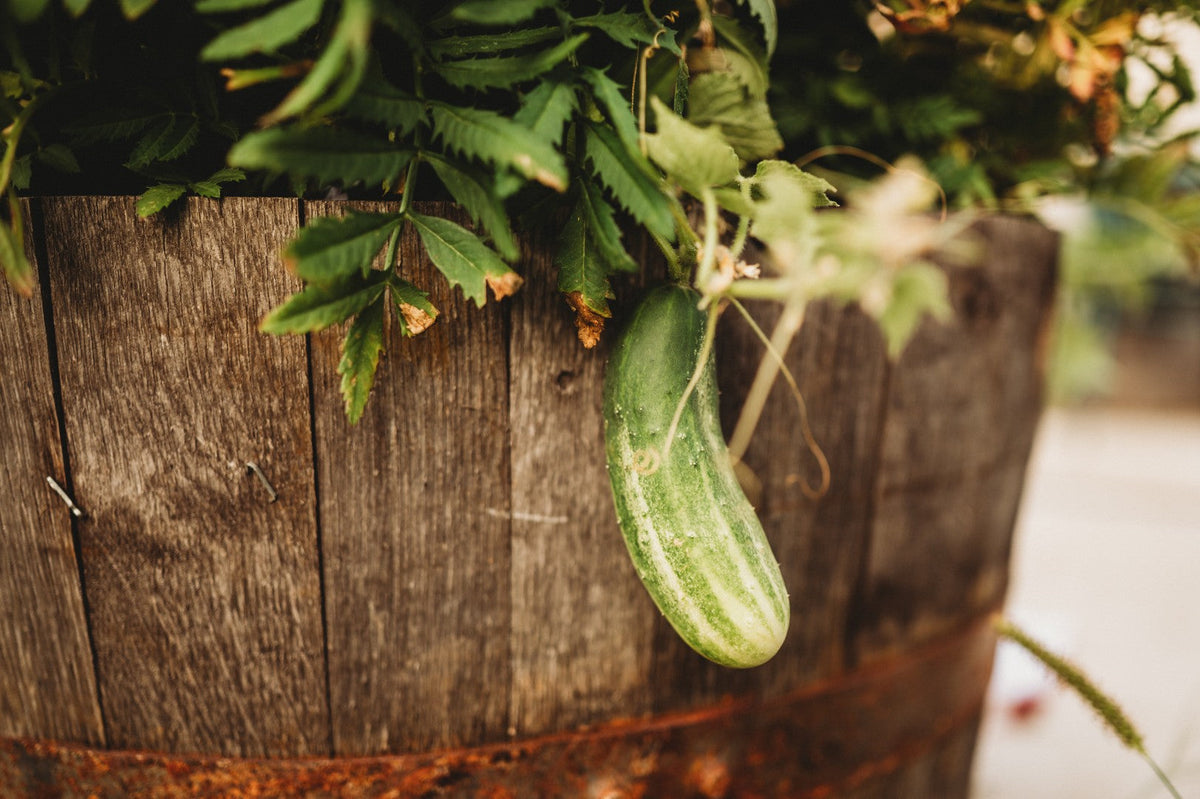
The Edible Schoolyard Project (Edible Schoolyard) in California incorporated leaf compost into vegetable beds. Students tracked plant growth and found a 40% increase in cucumber harvests compared to beds without compost. The project also fostered environmental stewardship among students, who learned the value of recycling garden waste.
Example 3: Organic Farm Innovation
The Rodale Institute (Rodale Institute) trialed leaf mulch versus straw on organic vegetable plots. Leaf mulch resulted in higher yields for spinach and kale, while straw was more effective for potatoes due to its lighter texture and better drainage.
Example 4: Community Composting Success
A community garden in Seattle partnered with the city’s leaf recycling program, producing compost for vegetable beds. The garden saw reduced fertilizer costs and improved tomato and pepper growth, with anecdotal reports of richer soil texture and earthworm abundance.
Example 5: Urban Rooftop Garden
An urban rooftop garden in New York City used shredded leaves as mulch to mitigate heat stress. Soil temperatures were 5°F cooler during summer, and vegetable yields increased by 25%. The garden also benefited from reduced runoff and improved resilience against summer drought.
Steps To Use Dead Leaves Effectively In Vegetable Gardens
Follow these practical steps for maximum benefit:
- Collect Leaves: Choose healthy, disease-free leaves from deciduous trees. Avoid leaves with obvious signs of mold, mildew, or disease.
- Shred Leaves: Use a leaf shredder, lawn mower, or manual methods. Shredded leaves decompose more quickly and stay in place better than whole leaves.
- Apply Mulch: Spread a 2–3 inch layer around vegetables, keeping mulch away from stems to prevent rot and pest issues.
- Compost Excess: Balance with green materials for efficient decomposition. Turn piles regularly and monitor moisture.
- Monitor Soil: Check for signs of nitrogen deficiency (pale leaves, slow growth) or disease, adjusting mulch and fertilizer as needed.
- Avoid Problematic Species: Black walnut, pine, and eucalyptus leaves should not be used in vegetable gardens.
- Adjust Timing: Apply mulch in fall to protect soil; remove or incorporate in spring before planting. This cycle ensures soil is ready for seeds and transplants each year.
Myths And Misconceptions About Dead Leaves In Vegetable Gardens
Despite scientific evidence, several myths persist:
Myth 1: Dead Leaves Always Harm Vegetable Gardens
Fact: Most leaves are beneficial when shredded and composted. Only specific species or improper use cause problems, and these are easily avoided with proper management.
Myth 2: Leaves Decompose Too Slowly To Be Useful
Fact: Shredded leaves break down quickly, especially when mixed with nitrogen-rich materials. Hot composting further accelerates decomposition, producing usable compost in a matter of months.
Myth 3: Leaf Mulch Attracts Pests
Fact: Properly managed leaf mulch supports beneficial insects and reduces pest outbreaks. Problems usually arise only when mulch is too thick, wet, or in contact with stems.
Myth 4: All Leaves Are Safe
Fact: Some leaves contain harmful chemicals or pathogens. Always know your leaf source and compost questionable materials before use.
Myth 5: Leaves Make Soil Acidic
Fact: Most leaves have a neutral effect on soil pH once decomposed. Only pine needles significantly acidify soil, and even then, the effect is minor and localized.
Environmental Impact And Sustainability
Using dead leaves supports sustainable gardening and reduces landfill waste. According to the U.S. Department of Agriculture (USDA), leaves comprise up to 20% of municipal solid waste (USDA). By recycling leaves into gardens:
- Carbon footprint is reduced: Organic waste is kept out of landfills, where it would otherwise produce methane, a potent greenhouse gas.
- Municipal waste is minimized: Communities save on waste collection and disposal costs, freeing resources for other sustainability initiatives.
- Soil health is improved naturally: Leaf mulch and compost restore fertility, reduce erosion, and build resilience against climate extremes.
Many cities, such as Toronto, run leaf recycling programs that provide free compost to residents (City of Toronto Yard Waste). By participating, gardeners contribute to a circular economy and healthier urban environments.
In addition, using leaves as mulch or compost reduces the need for synthetic fertilizers and commercial mulches, further decreasing the environmental footprint of home and community gardens.
Frequently Asked Questions
Can I Use Dead Leaves Directly In Vegetable Beds Without Composting?
Yes, but it’s best to shred leaves before applying as mulch. Whole leaves may mat and prevent air and water movement. Shredded leaves decompose faster and provide better weed suppression.
Which Types Of Leaves Should I Avoid In Vegetable Gardens?
Avoid leaves from black walnut, eucalyptus, and pine. Black walnut leaves contain juglone, which is toxic to many vegetables. Eucalyptus and pine needles decompose slowly and can acidify soil.
How Much Leaf Mulch Should I Apply To My Vegetable Garden?
Apply a 2–3 inch layer of shredded leaves around vegetables, keeping mulch away from stems. Too much mulch can cause nitrogen drawdown or promote disease.
Will Leaf Mulch Attract Pests Like Slugs Or Snails?
Leaf mulch can provide habitat for slugs if applied too thickly or left wet. Shredded, well-aerated mulch reduces this risk. Consider using organic slug controls if pest populations rise.
Does Leaf Mulch Change Soil Ph?
Most leaves have a neutral effect on soil pH once decomposed. Pine needles can acidify soil slightly, but their impact is minimal unless used in large quantities.
Dead leaves are a remarkable, sustainable resource for vegetable gardens when used with care and knowledge. By shredding, composting, and choosing the right species, gardeners can unlock the full benefits of leaf mulch while avoiding common pitfalls. Real-world examples and scientific studies confirm that leaves boost yields, improve soil health, and support environmental sustainability.
Embracing dead leaves as part of your gardening toolkit not only saves money but also nurtures healthier, more productive vegetable gardens for years to come.