Is Diatomaceous Earth Safe For Vegetable Gardens? Find Out
Thinking about using diatomaceous earth in your garden? It’s a natural way to handle pests. But is it truly safe for the veggies you plan to eat?
This is a common question for gardeners wanting to go organic. Let’s explore this together.
Diatomaceous earth is generally considered safe for vegetable gardens when used correctly. It can be an effective natural pest control method. However, understanding its application and potential drawbacks is key to ensuring safety for both plants and people.
Understanding Diatomaceous Earth
Diatomaceous earth, or DE, comes from tiny fossilized organisms. These are called diatoms. They are aquatic organisms.
Their shells are sharp and powdery. When bugs crawl over DE, it scratches their outer shells. This makes them lose moisture.
They then dry out and die. It’s a physical process, not a chemical poison.
There are two main types of DE. Food-grade DE is the kind you want for gardens. It has a lower crystalline silica content.
This makes it safer for people and pets. Industrial-grade DE is more processed. It has higher silica.
This is used for filters. It can be harmful to breathe.
DE works on many crawling insects. Think ants, slugs, and earwigs. It can also help with some flying insects.
Gardeners often use it as a barrier. They sprinkle it around plants. This stops pests from reaching the tender leaves.
The Safety of Food-Grade DE in Gardens
For your vegetable patch, food-grade diatomaceous earth is the way to go. It’s labeled as safe for food processing and animal feed. This means it has passed safety tests.
The main concern with any DE is inhaling the dust. This is true for both types. You need to be careful when applying it.
When used outside, the wind can carry the dust. This can be a problem if you or your pets are nearby. Wearing a mask is a good idea.
It protects your lungs from the fine particles. Most of the DE settles on the plants and soil. This is where it does its pest-fighting work.
The DE on your plants is washed off by rain. It also breaks down over time. It doesn’t build up in the soil like chemical pesticides.
This is a big plus for organic gardening. It’s a temporary barrier that does its job and then fades away.
DE Application: What to Watch For
Application Time: Apply when it’s dry and calm. Avoid windy days. This helps keep dust down.
Where to Apply: Focus on plant bases and pathways. Target areas where pests travel.
Breathing Protection: Always wear a mask. Protect yourself from inhaling dust.
Pets & Kids: Keep them away during application. Once settled, it’s less of a risk.
How Diatomaceous Earth Affects Edible Plants
Does the DE on your vegetables make them unsafe to eat? Generally, no. Because you’re using food-grade DE, it’s not toxic.
The main thing is to wash your produce well before eating. This is good practice anyway. Washing removes any lingering DE dust.
DE doesn’t get absorbed by the plant. It sits on the leaves and stems. It’s like a fine powder coating.
Rain will wash it off. Harvesting will remove some of it too. Washing your harvest is the final step.
It ensures you get clean, healthy food from your garden.
Some gardeners worry about DE affecting beneficial insects. This is a valid point. DE is not selective.
It can harm good bugs too. This includes bees and ladybugs. However, it tends to affect crawling insects more.
Flying insects are less exposed.
The key is careful application. If you only apply DE where pests are a problem, you can reduce harm. Avoid spraying it all over the garden.
Focus on the affected plants and areas. This helps protect the helpful insects in your garden ecosystem.
Real-World Experience: My First Time with DE
I remember my first serious slug problem. It was a damp spring. My lettuce and hostas were getting munched.
Every morning, there were holes everywhere. It was so frustrating. I tried picking them off by hand.
That felt gross and wasn’t very effective.
I had heard about diatomaceous earth. I bought a big tub of food-grade DE. The first time I applied it, I made a mess.
It was a bit windy. Dust got everywhere. I coughed and my eyes watered.
I realized I needed a better plan.
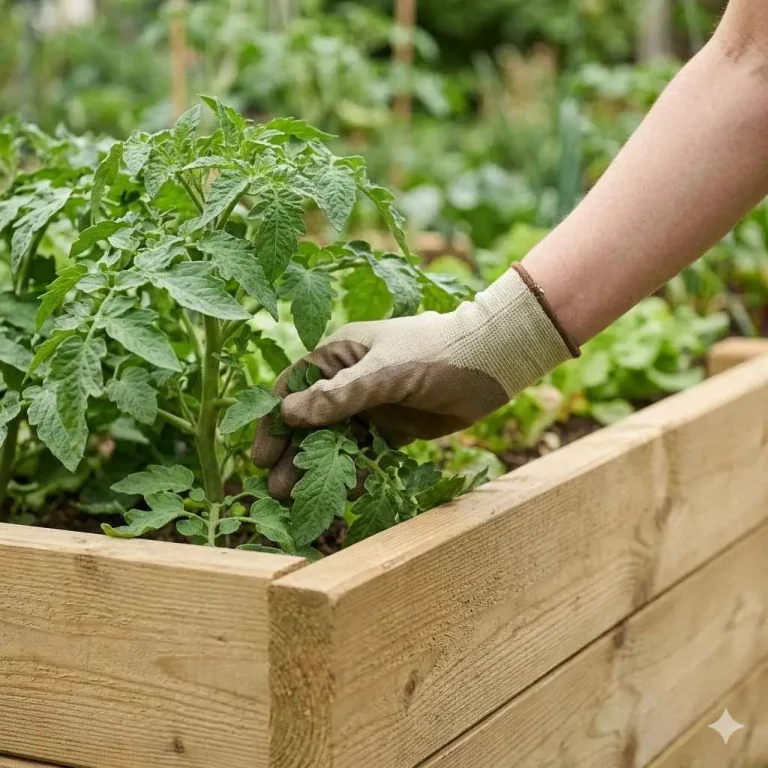
The next day, I waited for a calm morning. I put on a mask and gloves. I carefully sprinkled the DE around the base of my plants.
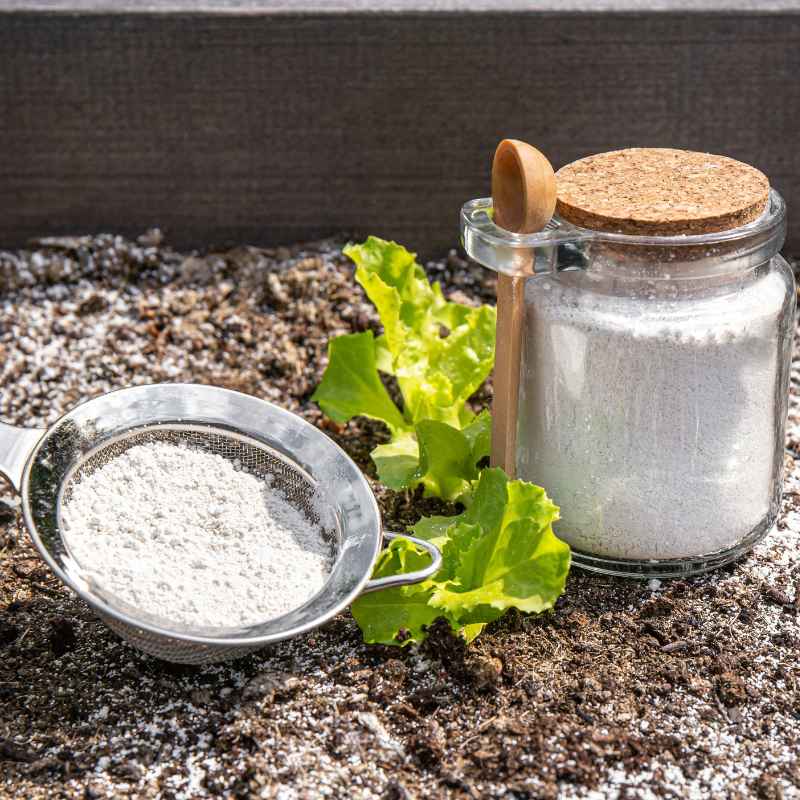
I made a ring of it. It looked like white chalk lines on the dark soil.
That evening, I checked. The slugs had tried to cross the DE. I saw a few dead ones near the border.
They had dried out. The plants looked much better the next day. It wasn’t perfect, but it was a huge improvement.
I learned that timing and care in application make all the difference.
DE vs. Other Pest Controls
Natural vs. Chemical: DE is natural. Chemicals can be harsh.
Selective vs. Broad: DE can harm good bugs. Some chemicals are more targeted.
Residue: DE washes off. Chemical residues can last.
Mechanism: DE is physical. Chemicals are often poison.
When is Diatomaceous Earth Most Effective?
DE works best in dry conditions. It needs to be dry to scratch insect shells. If it gets wet, it loses its effectiveness.
Rain will wash it away. Damp soil can also make it clump up. This makes it harder for insects to crawl over.
This means you might need to reapply DE after rain. It’s a bit of a dance with the weather. If you have a persistent pest problem, you’ll be reapplying more often.
Think of it as a maintenance task. It’s part of keeping your garden healthy.
The best time to apply is in the morning. After the dew has dried. Or in the evening.
Before the night crawlers come out. You want a dry surface. This helps the DE stick to the insects.
Consider the type of pests you have. DE is great for ground-dwelling pests. Ants, earwigs, roly-polies, and slugs are prime targets.
It’s less effective against pests that live mostly on the plant itself. Like aphids that stay on leaves. Or borers inside stems.
Quick Scan: DE Effectiveness
Works Best On: Crawling insects (ants, slugs, beetles, earwigs).
Needs Dry Conditions: Rain reduces effectiveness.
Reapplication Needed: After rain or heavy watering.
Application Window: Dry mornings or evenings.
Potential Downsides and Precautions
While DE is generally safe, there are precautions. The biggest is inhalation. Breathing in the fine silica dust can irritate your lungs.
This is why wearing a mask is crucial. Especially when applying it. It’s not like breathing regular garden dust.
It’s much finer.
Even food-grade DE has some crystalline silica. Too much inhalation over time can be bad. This is more of a concern for people who work with DE regularly.
Like farmers or pest control professionals. For home gardeners, occasional use with a mask is usually fine.
Another thing to consider is how it looks. A fine white powder on your plants might not be what you want. Some people find it unsightly.
It does wash off, but it’s there until it does. This is a minor point for many. The benefits often outweigh the looks.
DE can also harm beneficial insects. Bees, ladybugs, and other helpful critters can be affected. This is why targeted application is key.
You don’t want to create a DE desert. You want to create a barrier where pests are a problem.
Finally, remember that DE is not a quick kill. It’s a slow process. The insect has to crawl over it.
Then the DE starts to work. It takes time for them to dry out. So, don’t expect instant results.
You need patience with this method.
DE Precautions: The Short List
Inhalation Risk: Always wear a mask.
Beneficial Insects: Apply carefully to protect them.
Appearance: Can leave a white dusty residue.
Patience Needed: It’s not an instant killer.
Alternatives to Diatomaceous Earth
What if DE isn’t the right fit for you? Or you want to use it alongside other methods? There are many natural pest control options.
Hand-picking pests is always an option. It works well for larger bugs.
Insecticidal soaps are another good choice. They are made from fatty acids. They break down the outer layer of soft-bodied insects.
Things like aphids and spider mites. They are generally safe for beneficial insects. They also wash off plants easily.
Neem oil is derived from the neem tree. It’s a natural insecticide, fungicide, and miticide. It works in several ways.
It can disrupt insect hormones. It can also make plants taste bad to pests. Like DE, it should be applied carefully.
And washed off produce.
Beneficial insects are a fantastic natural control. Ladybugs eat aphids. Praying mantises eat many flying insects.
You can buy these insects. Or attract them to your garden with specific plants. This creates a balanced ecosystem.
Pests are kept in check naturally.
Companion planting can also help. Some plants repel certain pests. Marigolds are known to deter nematodes.
Basil can keep flies and mosquitoes away. Planting these near your vegetables can offer protection.
Natural Pest Control Methods
Hand-Picking: Effective for visible pests.
Insecticidal Soap: Good for soft-bodied insects.
Neem Oil: Broad-spectrum natural pesticide.
Beneficial Insects: Natural predators for pests.
Companion Planting: Plants that repel pests.
What This Means for Your Vegetable Garden
Using diatomaceous earth in your vegetable garden is a viable organic strategy. It’s a way to manage common garden pests without harsh chemicals. The key is to understand its strengths and weaknesses.
And to use it mindfully.
When it’s dry, DE can be very effective. It targets crawling insects well. It does this by physically damaging their exoskeletons.
This causes them to dehydrate. It’s a natural and non-toxic mechanism.
The main things to remember are safety and application. Always use food-grade DE. Always wear a mask when applying it.
Try to apply it when it’s calm and dry. And avoid coating your entire garden. Target problem areas.
You will need to reapply it after rain. This is a part of using DE. Think of it as a tool in your organic gardening toolbox.
It works best when combined with other good practices. Like healthy soil and diverse plantings.
The produce you grow will be safe to eat. Just remember to wash everything before you prepare it. This removes any lingering dust.
This is a standard practice for any garden harvest. Overall, DE can be a helpful ally for your vegetable garden.
Quick Checks for DE Use
Is it raining? Wait to apply DE. It needs to be dry to work best.
Are you applying it? Wear a mask and gloves. Protect yourself from the dust.
Are beneficial insects around? Try to apply DE only where pests are. Don’t broadcast it everywhere.
Did it just rain? You might need to reapply DE. Its effectiveness washes away.
Are you harvesting? Wash your vegetables well before eating.
Frequently Asked Questions About Diatomaceous Earth in Gardens
Can I use DE on my lettuce?
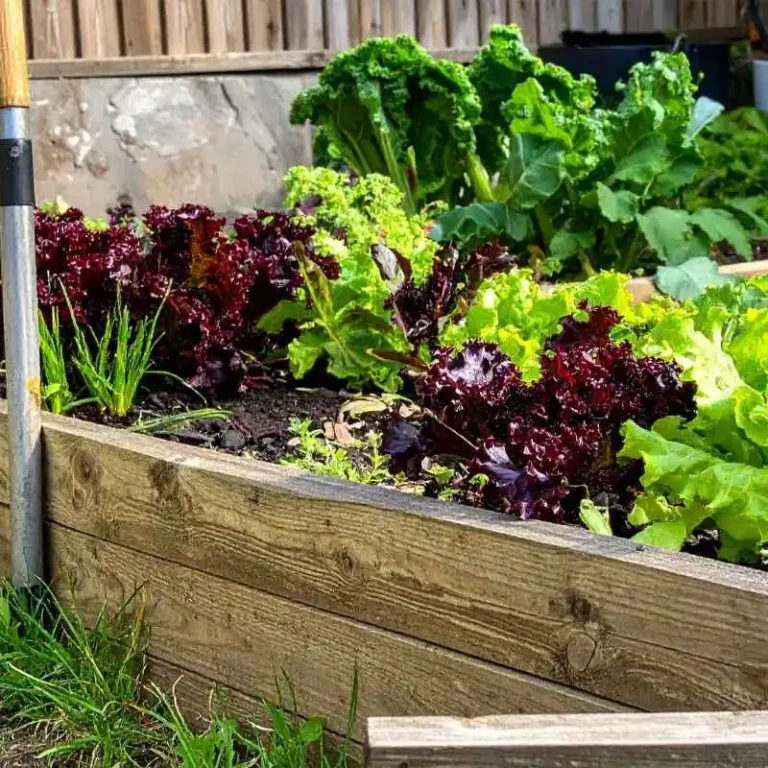
Yes, you can use food-grade diatomaceous earth on lettuce. Sprinkle it around the base of the plants. Target areas where slugs and other crawling pests are active.
Always wash lettuce thoroughly before eating.
Will DE harm my earthworms?
Food-grade diatomaceous earth is generally considered safe for earthworms in small amounts. Earthworms are important for soil health. Over-application could potentially harm them.
Apply it sparingly and focus on pest trails.
How long does DE last in the garden?
Diatomaceous earth’s effectiveness is temporary. It works as long as it stays dry and fine. Rain and moisture will wash it away or make it clump.
It also breaks down slowly. You’ll likely need to reapply it periodically, especially after rain.
Can I put DE directly on tomato plants?
You can apply food-grade DE directly to tomato plants. Focus on the lower leaves and the base of the stem. This helps deter crawling pests like ants and hornworms.
Ensure you wash tomatoes well before eating them.
Is DE safe for organic gardening certifications?
Yes, food-grade diatomaceous earth is approved for use in organic gardening by organizations like OMRI (Organic Materials Review Institute). It is a natural substance. It does not leave harmful chemical residues.
What is the difference between food-grade and pool-grade DE?
Food-grade DE is processed to have a lower crystalline silica content, making it safer for consumption and handling. Pool-grade DE has a higher crystalline silica content and is used for filtering pool water. It is not safe for gardens or breathing.
Final Thoughts on DE Safety
Diatomaceous earth can be a valuable tool for gardeners. It offers a natural way to combat many common garden pests. When used correctly, it is safe for your vegetable patch.
Remember to always opt for food-grade DE. Protect yourself by wearing a mask during application. And be patient, as it’s not an instant solution.
Your healthy, home-grown veggies are worth the extra effort!