Are Squirrels a Threat to Vegetable Gardens? Yes
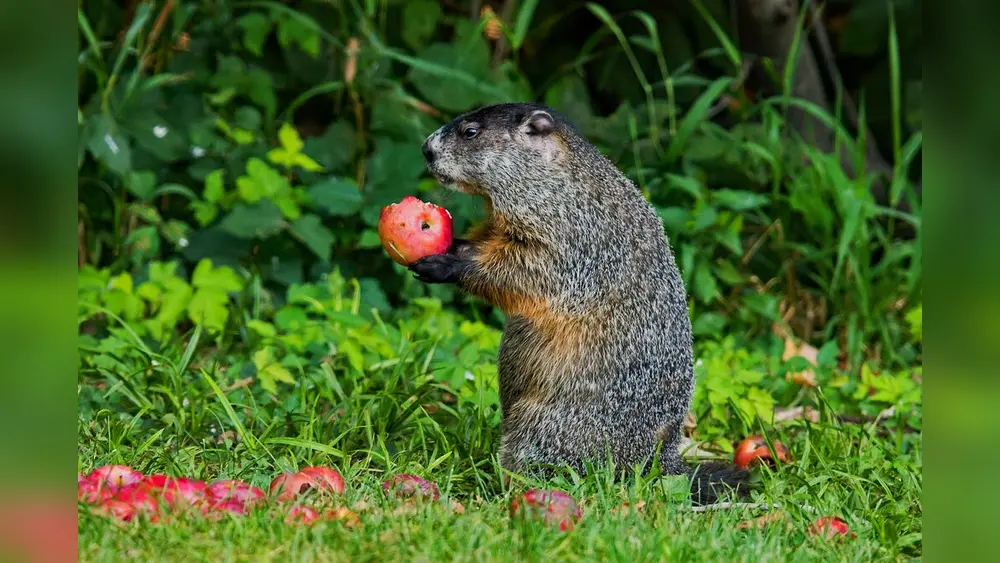
Squirrels are often considered adorable backyard visitors, but for gardeners, their presence can quickly become a source of frustration. These agile rodents are notorious for raiding bird feeders and performing acrobatic tricks among the trees, but their impact on vegetable gardens is far more serious. Every year, countless gardeners struggle to protect their hard-earned harvests from the relentless appetites of local squirrel populations. The question arises: are squirrels truly a threat to vegetable gardens ? The answer is a resounding yes.
The damage caused by squirrels extends beyond a few missing tomatoes or nibbled leaves. Squirrels can devastate entire crops, dig up newly planted seeds, and even cause structural harm to garden infrastructure. Their cunning and persistence make them a formidable adversary, forcing gardeners to adopt sophisticated strategies for defense.
This article delves deeply into the ways squirrels threaten vegetable gardens, provides data-backed insights, and offers actionable solutions for those determined to protect their harvest.
Key Takeaways
- Squirrels are a significant threat to vegetable gardens due to their destructive feeding and digging behaviors.
- Common crops targeted include tomatoes, corn, squash, beans, and leafy greens.
- Squirrel damage can result in substantial economic losses for home and commercial gardeners.
- Prevention methods like fencing, repellents, and habitat modification are essential for garden protection.
- Real-world examples demonstrate the persistent and adaptive nature of squirrel threats.
- Integrated pest management offers the most effective long-term solution for mitigating squirrel damage.
Understanding The Squirrel Threat
Squirrels, both tree squirrels and ground squirrels, are among the most common urban and suburban wildlife species in North America. Their adaptability and opportunistic feeding habits allow them to thrive in a variety of environments, from city parks to rural homesteads.
Squirrel Species And Their Behaviors
There are over 200 species of squirrels worldwide, but in North America, the most common types found in vegetable gardens are:
- Eastern Gray Squirrel (Sciurus carolinensis)
- Fox Squirrel (Sciurus niger)
- Red Squirrel (Tamiasciurus hudsonicus)
- Ground Squirrel (Spermophilus spp.)
These species share several behaviors that make them problematic for gardeners:
- Foraging: Squirrels are omnivores that feed on fruits, seeds, nuts, young shoots, and even insects.
- Caching: They dig to bury and retrieve food, often disturbing planted seeds and seedlings.
- Gnawing: Squirrels must gnaw constantly to keep their teeth filed, leading them to chew on plant stems, garden structures, and irrigation lines.
- Nesting: Some squirrels use garden spaces to build nests, causing further plant damage.
Why Vegetable Gardens Attract Squirrels
Vegetable gardens offer a buffet of highly nutritious and easily accessible foods. Squirrels are particularly drawn to:
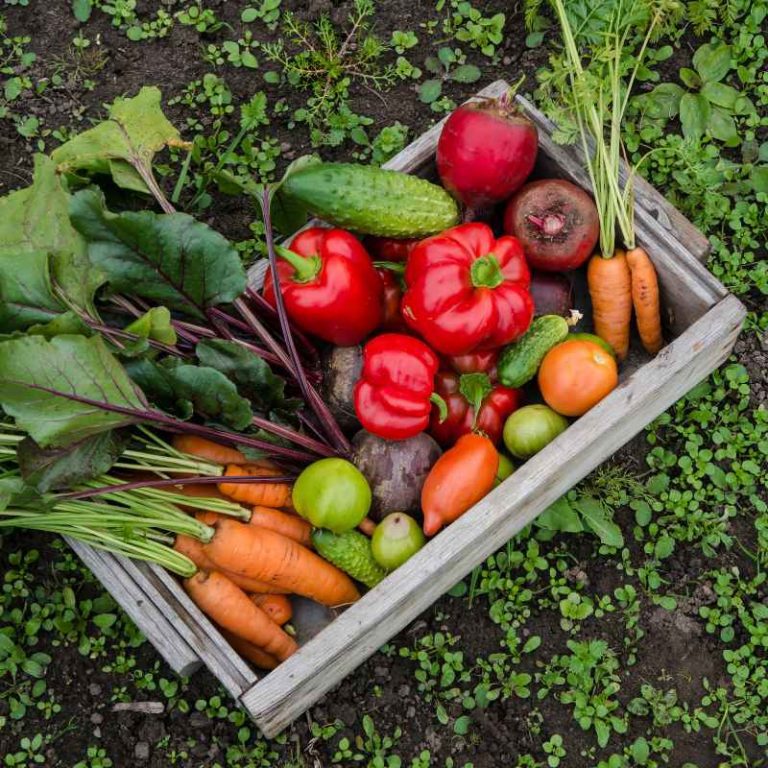
- Fresh produce such as tomatoes, corn, and squash.
- Seeds and seedlings which are high in energy and easy to dig up.
- Water sources found in well-irrigated gardens or birdbaths.
A study by the University of California Agriculture and Natural Resources found that squirrels are among the top three wildlife pests responsible for economic losses in home vegetable gardens, with losses averaging $50-$200 per season for small plots.
Seasonal Patterns Of Squirrel Activity
Squirrel pressure on vegetable gardens tends to peak during certain times of the year:
- Spring: Digging up newly planted seeds and bulbs.
- Summer: Feeding on ripening fruits and vegetables.
- Fall: Increased foraging and caching in preparation for winter.
Understanding these patterns is critical for timing preventive measures.

Types Of Damage Squirrels Cause In Vegetable Gardens
The variety and extent of damage caused by squirrels is often underestimated. Their activities can have both immediate and long-term effects on garden health and productivity.
Direct Damage To Crops
Squirrels target a wide range of vegetables and fruits, causing:
- Partial consumption: Taking bites from multiple fruits and vegetables, ruining more produce than they eat.
- Complete removal: Carrying away entire fruits, ears of corn, or seed pods.
- Seed predation: Digging up and eating seeds before they can germinate.
Example: In a 2026 survey by the National Gardening Association, 37% of respondents reported losing at least 25% of their tomato crop to squirrels.
Indirect And Structural Damage
Beyond eating crops, squirrels cause indirect harm by:
- Digging up young plants while searching for buried nuts or seeds.
- Gnawing on plastic drip irrigation lines or wooden garden beds, leading to costly repairs.
- Damaging protective netting or garden enclosures with their sharp teeth.
Disease And Pest Introduction
Squirrels can inadvertently introduce diseases and parasitic pests into gardens, including:
- Fungal pathogens carried on their fur or feet.
- Ticks and fleas that can affect humans and pets.
- Bacterial wilt and other soil-borne diseases spread through digging.
Case Study: Community Garden Devastation
At the Green Thumb Community Garden in Chicago, squirrels destroyed over 50% of the corn and sunflower crop in a single season. Despite using netting and scare devices, gardeners observed squirrels tearing through barriers and feasting on cobs, leading to a collaborative effort to install more robust fencing and motion-activated deterrents.
Most Vulnerable Crops And Garden Features
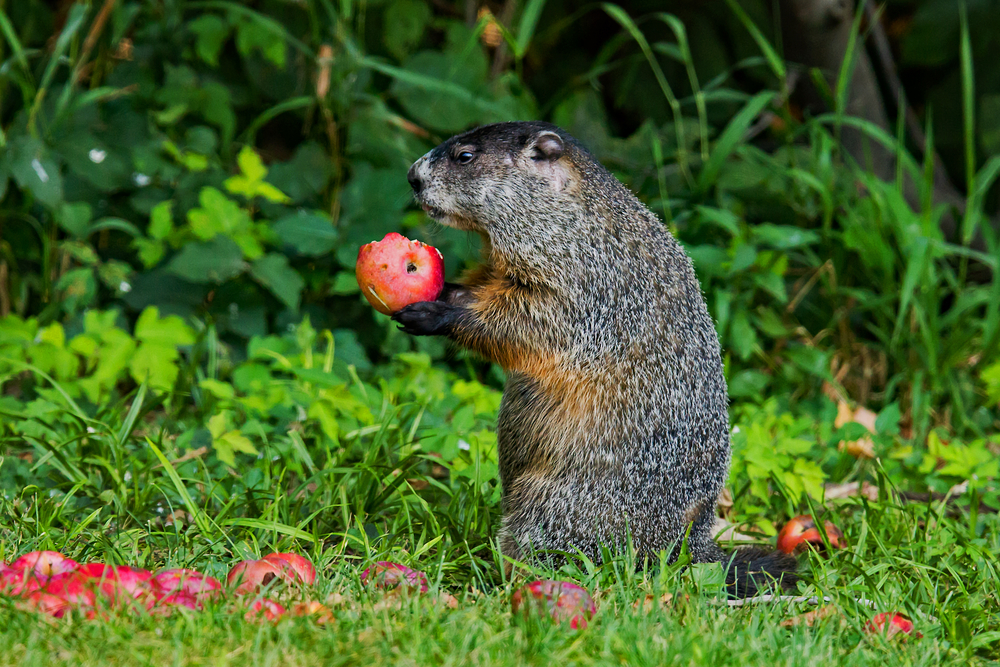
Not all crops are equally attractive to squirrels. Understanding which plants are most at risk can help gardeners prioritize their defenses.
Top Vegetables And Fruits Targeted By Squirrels
Squirrels show a marked preference for certain crops:
- Tomatoes: Attracted by their color, softness, and high water content.
- Corn: Ears are often stripped before fully mature.
- Squash and Melons: Squirrels gnaw through rinds to reach the sweet flesh.
- Beans and Peas: Pods are eaten fresh off the plant.
- Leafy Greens: Young lettuce and spinach plants are nibbled to the ground.
- Strawberries and Berries: Fruits are plucked as soon as they ripen.
Table: Squirrel Preference for Common Garden Crops
| Crop | Attractiveness to Squirrels | Common Damage Type |
|---|---|---|
| Tomato | High | Partial eating, fruit removal |
| Corn | High | Entire ears stripped |
| Squash/Melon | Medium | Rind gnawing, flesh eating |
| Beans/Peas | Medium | Pod predation |
| Leafy Greens | Low-Medium | Defoliation, uprooting |
Features That Increase Squirrel Activity
Certain garden characteristics make them more susceptible to squirrel invasion:
- Proximity to trees or wooded areas providing easy access and escape routes.
- Open compost bins that attract foraging squirrels.
- Accessible water sources like birdbaths or fountains.
- Loose, mulched soil which is easier for squirrels to dig.
Case Study: Urban Rooftop Garden
A rooftop gardener in New York City reported persistent squirrel raids on potted tomatoes and herbs. Despite the garden’s elevated location, squirrels accessed the site via adjacent trees and rooftops, illustrating their remarkable adaptability and problem-solving abilities.
Economic Impact Of Squirrel Damage
The financial toll of squirrel damage is significant. According to USDA reports, small-scale vegetable growers in the Midwest lose an estimated $5-10 million annually to squirrel and rodent pests. Home gardeners often underestimate these costs, which include:
- Lost produce value
- Replacement of damaged infrastructure
- Investment in exclusion materials and deterrents
Table: Estimated Annual Economic Losses from Squirrels (U.S. Home Gardens)
| Garden Size | Average Loss per Year | Main Sources of Loss |
|---|---|---|
| Small (<200 sq ft) | $50-$200 | Crop theft, seed digging |
| Medium (200-500 sq ft) | $200-$600 | Crop theft, infrastructure damage |
| Large (>500 sq ft) | $600-$2000+ | Crop loss, repeated repairs |
How To Identify Squirrel Damage
Differentiating squirrel activity from that of other garden pests is critical for implementing effective control strategies.
Signs Of Squirrel Presence
Look for these clues to confirm squirrel involvement:
- Large, clean bites taken from fruits and vegetables, often with the remains left on the plant or ground.
- Shallow holes in soil or mulch, indicating seed or nut caching.
- Chewed irrigation lines or wooden structures with visible tooth marks.
- Scattered plant debris and partially eaten seedlings.
Distinguishing Squirrel Damage From Other Pests
Squirrels are often confused with other garden pests such as rabbits, voles, or birds. Here’s how to tell them apart:
- Squirrels: Large bites, digging, damage at various heights.
- Rabbits: Clean-cut stems, damage near ground level.
- Birds: Pecks and punctures, no digging.
- Voles/Moles: Tunnels, root disturbance.
Using Cameras And Tracking
Installing motion-activated trail cameras can help confirm squirrel activity. Gardeners can also look for squirrel tracks (small, five-toed prints) and droppings around affected areas.
Example: The Tomato Test
A gardener in Seattle set out decoy tomatoes with a trail camera. Footage revealed multiple squirrels visiting during the early morning, confirming suspicions and guiding the choice of deterrents.
Strategies For Preventing And Controlling Squirrel Damage
While squirrels are clever and persistent, a combination of strategies can greatly reduce their impact on vegetable gardens.
Physical Barriers And Exclusion
Physical barriers are often the most effective first line of defense:
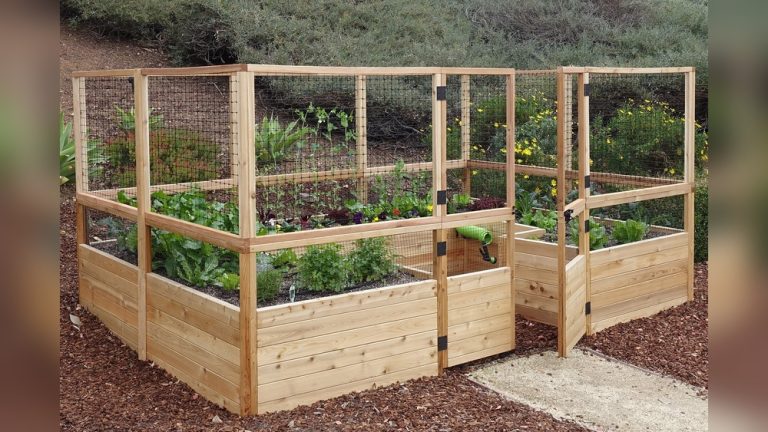
- Fencing: Use 1/2-inch hardware cloth at least 18 inches above and below the soil surface.
- Cages and cloches: Individual plant protection using wire cages or mesh.
- Netting: Heavy-duty bird or wildlife netting over vulnerable crops.
Installation Tip: Ensure all barriers are tightly secured to prevent squirrels from squeezing through or lifting edges.
Repellents And Deterrents
Repellents can help but often require regular reapplication:
- Commercial sprays: Products containing capsaicin or predator urine.
- Homemade solutions: Garlic, hot pepper, or vinegar sprays.
- Visual and auditory deterrents: Reflective tape, motion-activated sprinklers, and ultrasonic devices.
Note: Squirrels often habituate to deterrents, so rotate types for best results.
Habitat Modification
Making the garden less attractive to squirrels can reduce pressure:
- Remove bird feeders or switch to squirrel-proof designs.
- Prune overhanging branches that serve as bridges.
- Cover compost bins and secure garbage cans.
Biological Controls And Pets
Natural predators can help manage squirrel populations:
- Dogs and cats: Allowing pets to patrol the garden can deter squirrels.
- Raptors: Encouraging owls or hawks by installing perches.
However, these methods are best used as part of an integrated approach.
Integrated Pest Management (ipm)
Combining multiple tactics is the key to success. An IPM approach might include:
- Regular monitoring and early detection.
- Immediate removal of damaged produce.
- Use of barriers and repellents.
- Adjusting strategies seasonally.
Table: Comparison of Squirrel Control Methods
| Method | Effectiveness | Cost | Maintenance |
|---|---|---|---|
| Fencing | High | Moderate-High | Low |
| Repellents | Medium | Low-Moderate | High |
| Deterrents | Low-Medium | Low-Moderate | Medium |
| Habitat Modification | Medium | Low | Low |
| Biological Control | Low-Medium | Low | Low |
Case Study: Suburban Victory Garden
A family in Atlanta, Georgia, lost three consecutive bean crops to squirrel raids. After installing a combination of hardware cloth fencing, motion-sprinklers, and daily garden patrols by their dog, their harvest improved dramatically, with squirrel incursions dropping by over 80%.
Legal And Ethical Considerations
Controlling squirrels in the garden is not just a practical matter; there are important legal and ethical factors to consider.
Wildlife Protection Laws
In many regions, squirrels are protected by local or state laws. For example, the Eastern Gray Squirrel is a game species in several states, and trapping or relocating squirrels without a permit may be illegal. Always check with your local wildlife agency before taking lethal or relocation measures.
- Lethal control is rarely justified for home gardens and may attract other pests.
- Relocation can disrupt local ecosystems and is often prohibited.
For more information, consult the U.S. Fish and Wildlife Service.
Humane Control Methods
Ethical wildlife management prioritizes non-lethal, humane strategies:
- Focus on exclusion, deterrence, and habitat modification.
- Use live traps only if allowed by law and follow best practices for animal welfare.
- Avoid poisons, which are dangerous to pets, beneficial wildlife, and children.
Community Coordination
In urban and suburban areas, coordinating with neighbors can enhance effectiveness. Community-wide efforts to secure compost bins, remove attractants, and install barriers can reduce overall squirrel pressure.
Example: School Garden Project
A school in San Francisco coordinated with local wildlife experts to design a squirrel-resistant garden, using raised beds with hardware cloth bottoms and custom netting. The project served as a model for humane, collaborative pest management.
Integrating Squirrel Management Into Sustainable Gardening
Sustainable gardening balances productivity with ecological responsibility. Squirrels, as native wildlife, play important roles in seed dispersal and urban ecosystems, but their numbers must be managed to protect food crops.
Companion Planting And Crop Selection
Some plants are less attractive to squirrels or can act as deterrents:
- Onions, garlic, and chives: Strong odors repel many rodents.
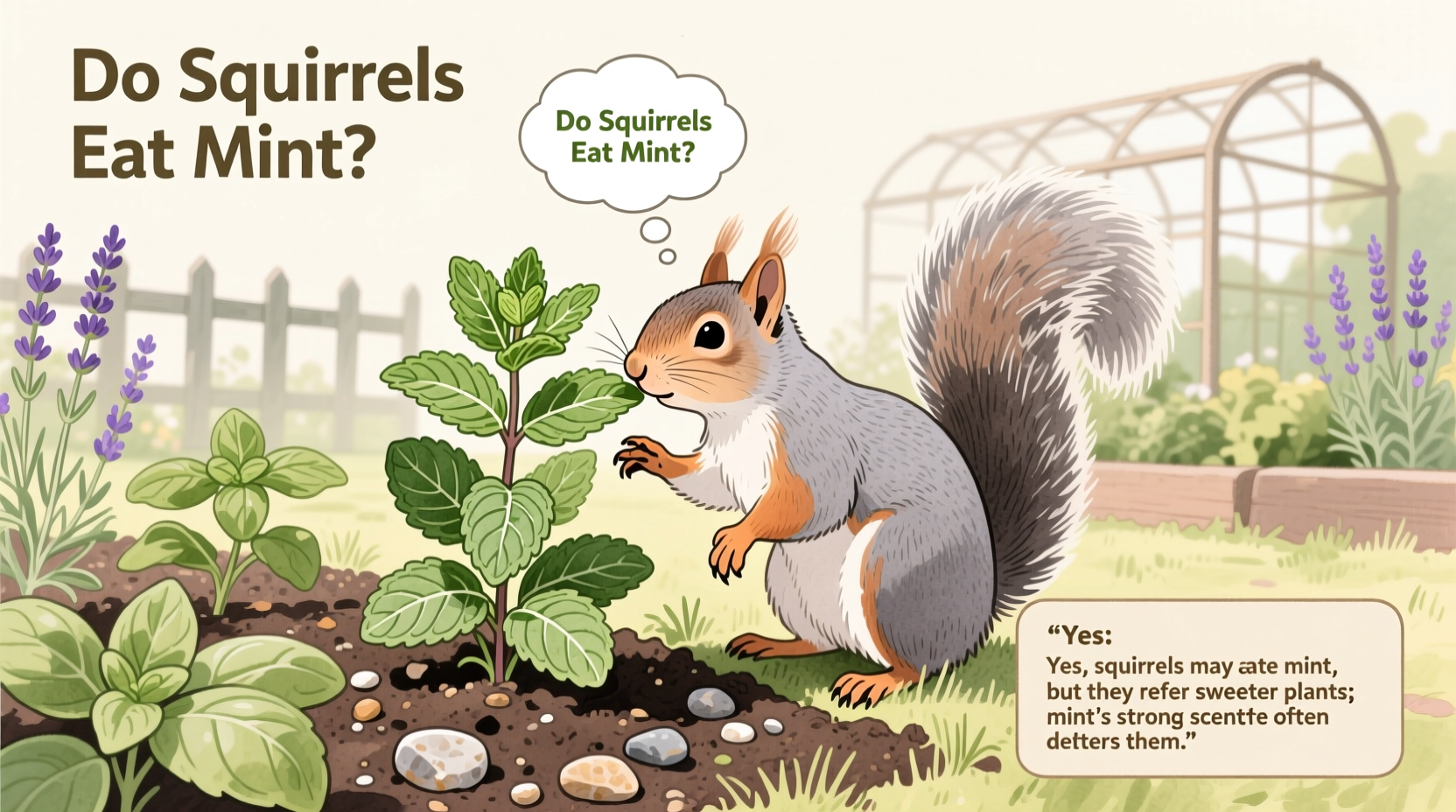
- Herbs: Rosemary, mint, and lavender may discourage foraging.
- Squirrel-resistant crops: Root vegetables like carrots and beets are less frequently targeted.
Planting these alongside vulnerable crops can help reduce damage.
Mulching And Soil Management
Deep mulching with coarse materials can make digging more difficult for squirrels and may deter them from uprooting seeds and bulbs.
Diversified Planting And Succession
Planting a variety of crops and staggering planting dates can help ensure that not all produce is lost to squirrels at once.
Encouraging Biodiversity
Welcoming natural predators and promoting a diverse garden ecosystem can keep squirrel populations in check without the need for chemical controls.
For more on sustainable pest management, see the EPA Safe Pest Control Guide.
Real-world Examples Of Squirrel Management Success
Examining real-world cases can offer valuable lessons for both new and experienced gardeners.
Example 1: Commercial Urban Farm
A commercial urban farm in Los Angeles faced annual crop losses of up to 30% due to squirrels. After consulting with the University of California IPM Program, the farm implemented:
- Perimeter fencing with buried hardware cloth
- Overhead netting on key crops
- Regular monitoring and rapid removal of damaged produce
Within two seasons, squirrel-related losses dropped below 5%, making the investment in prevention highly cost-effective.
Example 2: Community Garden In Boston
A Boston community garden combined physical barriers with habitat modification, including:
- Removing bird feeders during peak harvest months
- Installing squirrel-proof compost bins
- Pruning back overhanging tree limbs
The garden reported a 60% reduction in squirrel sightings and crop damage over a single growing season.
Example 3: Home Gardener In Portland
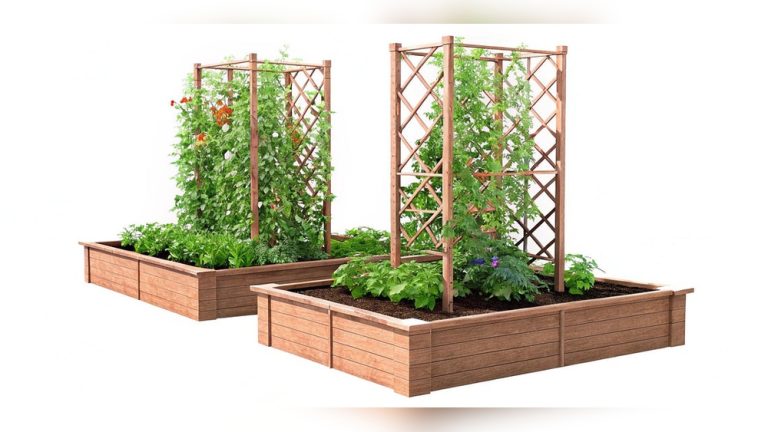
A home gardener documented a season-long battle with squirrels using a blog and trail cameras. After trying repellents with limited success, she installed raised beds with mesh covers and began companion planting with garlic. Her tomato and bean yields improved by over 70%, and she shared her findings with a local gardening group.
For more case studies and best practices, visit the Gardener’s Supply Company Animal Control Guide.
The Role Of Education And Community In Squirrel Management
Education and community engagement are critical in managing squirrel threats on a larger scale.
Sharing Knowledge And Resources
Garden clubs, extension offices, and online forums are excellent resources for learning about squirrel management. The Master Gardener Program in many states offers free advice and workshops.
Citizen Science And Reporting
Participating in citizen science projects, such as the Project Squirrel initiative by the Chicago Academy of Sciences, helps track squirrel populations and inform research on effective management strategies.
Learn more at Project Squirrel.
Local Policy And Advocacy
Community action can encourage municipalities to support wildlife-friendly yet protective gardening policies, fund public education campaigns, and enforce regulations on the feeding and relocation of squirrels.
For practical guides and policy examples, see the National Wildlife Federation Garden for Wildlife program.
Frequently Asked Questions
How Can I Tell If Squirrels Or Another Animal Are Damaging My Garden?
Look for large, clean bites on fruits, shallow digging in soil, and chewed irrigation lines. Trail cameras and identifying tracks or droppings can help distinguish squirrels from other pests like rabbits or birds.
Are There Any Plants That Naturally Repel Squirrels?
Yes, onions, garlic, chives, mint, and rosemary are less attractive to squirrels due to their strong scent and taste. Companion planting these with vulnerable crops may help reduce squirrel activity.
Is It Legal To Trap Or Relocate Squirrels From My Garden?
Laws vary by region, but in many areas, trapping and relocating squirrels is regulated or prohibited. Always check with your local wildlife agency before taking action, and prioritize humane, non-lethal deterrents.
Do Ultrasonic Repellents Work To Keep Squirrels Away?
Ultrasonic repellents have mixed results. Some gardeners report short-term benefits, but squirrels often become accustomed to the noise. These devices are best used in combination with other deterrents and barriers.
What Is The Most Effective Way To Keep Squirrels Out Of My Vegetable Garden?
The most effective method is an integrated approach combining physical barriers (like hardware cloth fencing), habitat modification, repellents, and regular monitoring. No single solution works for all gardens, so adapt strategies as needed.
Squirrels can pose a formidable challenge to vegetable gardeners, but their impact can be greatly reduced with knowledge, preparation, and persistence. By understanding squirrel behavior, identifying at-risk crops, and employing a blend of humane, effective prevention techniques, gardeners can protect their harvests and maintain a productive, wildlife-friendly space.
Community engagement and ongoing education are essential to long-term success. With the right strategies, your vegetable garden can thrive—even in the face of these clever, determined adversaries.