Is Redwood Mulch Good for Vegetable Gardens?
In short, redwood mulch can be a beneficial option for vegetable gardens due to its excellent weed suppression, moisture retention, and aesthetic appeal. However, it’s important to be aware of its potential acidity and to use it strategically, especially around acid-sensitive plants, opting for shredded or needle forms for best results and avoiding excessive layering.

GARDENWISE
GARDENWISE Premium Organic Wood Mulch for Gardens,…
- 🌿 100% Organic Mulch: Made from natural wood, GARDENWISE Premium Organic Mulch is free from chemicals and additives, making it per…
- 🌱 Ideal for Gardens and Vegetables: Enhance your vegetable garden, flower beds, and landscaping projects with this organic mulch.…
- 💧 Superior Moisture Retention: Keeps soil moist longer by reducing evaporation. Perfect for maintaining healthy plants with less f…
As an Amazon Associate I earn from qualifying purchases.

Key Takeaways
- Redwood mulch effectively suppresses weeds, reducing competition for nutrients and water in your vegetable garden.
- It significantly improves soil moisture retention, lessening the need for frequent watering.
- The natural acidity of redwood mulch can benefit certain plants but may harm others if not managed carefully.
- Shredded redwood bark or redwood needles are generally preferred over larger chunks for better decomposition and soil integration.
- Using redwood mulch strategically, avoiding direct contact with plant stems and not applying too thickly, maximizes its benefits.
What is Redwood Mulch and Where Does It Come From?
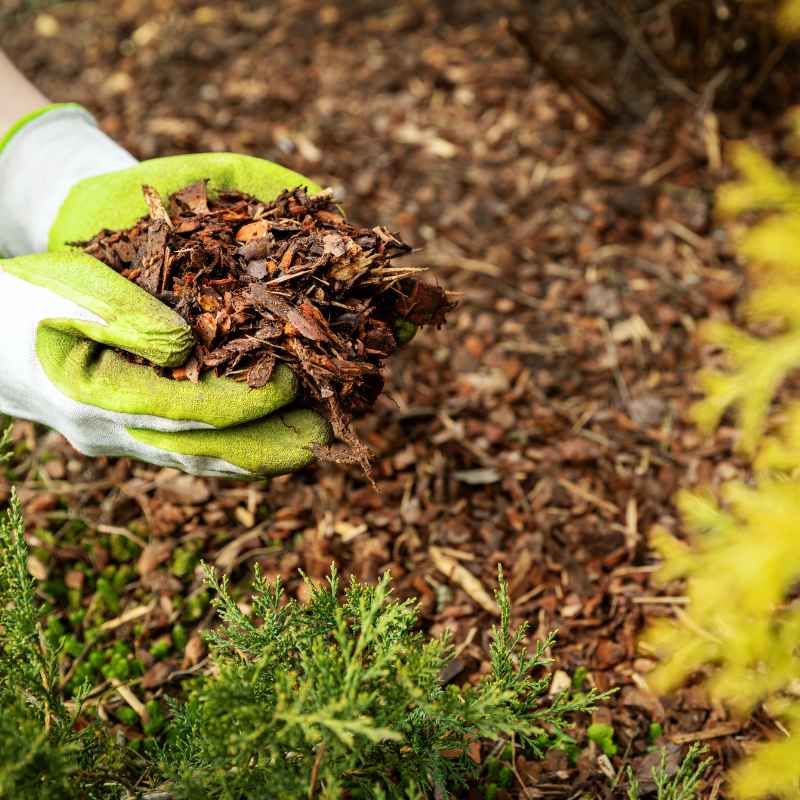
Redwood mulch is a popular organic landscaping material derived from the bark and wood of redwood trees. These trees are primarily found in specific regions of Northern California. The process typically involves harvesting byproducts from lumber operations, meaning the mulch is often a sustainable choice as it utilizes materials that would otherwise be discarded.
The bark is processed into various forms, including shredded bark, nuggets, and fine chips, each offering slightly different characteristics for garden use.
The natural oils and tannins present in redwood bark contribute to its resistance to decay and pests, which can be advantageous in a garden setting. This natural resilience also means it breaks down more slowly than some other organic mulches, providing longer-lasting ground cover. Its distinctive reddish-brown color adds an attractive visual element to any garden bed, complementing the vibrant greens of vegetables.
When considering its use in a vegetable garden, it’s essential to understand its origin and composition. Unlike mulches made from composted materials or manure, redwood mulch is a wood-based product. This distinction is important because wood mulches can have a different impact on soil pH and nutrient availability.
Many gardeners choose redwood mulch for its durability and attractive appearance, but its suitability for vegetables requires a closer look at its specific properties.
- Source: Byproducts of redwood lumber and forestry operations in Northern California.
- Composition: Primarily redwood bark, available in shredded, chip, or nugget forms.
- Properties: Naturally resistant to decay, pests, and UV degradation.
- Appearance: Distinctive reddish-brown hue that adds aesthetic appeal.
- Decomposition: Slow to moderate, providing long-lasting coverage.
- Sustainability: Often considered sustainable as it uses waste materials from the timber industry.

Benefits of Using Redwood Mulch in Vegetable Gardens
Redwood mulch offers several significant advantages for vegetable gardeners. One of its most celebrated benefits is its exceptional weed suppression capability. The dense layer it forms creates a physical barrier that prevents weed seeds from germinating and reaching sunlight, drastically reducing the need for manual weeding and chemical herbicides.
This reduction in weed competition means your vegetables can access more water, nutrients, and sunlight, leading to healthier growth and better yields.
Another key benefit is its superior moisture retention. The thick bark particles interlock, forming a protective layer that reduces evaporation from the soil surface. This is particularly valuable in vegetable gardens, where consistent soil moisture is critical for plant development and preventing issues like blossom end rot in fruiting vegetables.
By keeping the soil consistently moist, redwood mulch also helps regulate soil temperature, keeping roots cooler during hot summer days and warmer during chilly nights, providing a more stable environment for vegetable growth.
Furthermore, redwood mulch can contribute to improved soil structure over time as it slowly decomposes. As the organic material breaks down, it enriches the soil with valuable organic matter, which enhances soil aeration, drainage, and the ability to hold moisture and nutrients. Its natural acidity can also be a plus for certain vegetables that thrive in slightly acidic conditions.
The aesthetic appeal of redwood mulch, with its rich color, also enhances the overall look of the garden, making it more visually pleasing.
- Excellent Weed Suppression: Acts as a natural barrier against weed growth, saving time and effort.
- Superior Moisture Retention: Significantly reduces water evaporation from the soil surface.
- Temperature Regulation: Helps maintain stable soil temperatures, protecting roots from extremes.
- Soil Improvement: Slowly decomposes to add organic matter, improving soil structure and fertility.
- Pest Resistance: Its natural compounds can deter some common garden pests.
- Aesthetic Appeal: Offers a beautiful, rich color that enhances garden visuals.
- Durability: Decomposes slowly, meaning it needs to be replenished less frequently than some other mulches.
Potential Drawbacks and Considerations for Vegetable Gardens
While redwood mulch has many positives, it’s not without its potential downsides for vegetable gardens. One of the primary concerns is its natural acidity. Redwood bark tends to be acidic, with a pH that can range from 4.5 to 6.0.
While some vegetables, like blueberries, potatoes, and some leafy greens, can tolerate or even thrive in slightly acidic conditions, many common vegetables, such as tomatoes, peppers, beans, and brassicas, prefer a more neutral pH (around 6.0 to 7.0). Applying too much redwood mulch can lower the soil pH to a level detrimental to these plants, hindering nutrient uptake and overall growth.
Another consideration is the slow decomposition rate. While this can be a benefit for long-term coverage, it also means that redwood mulch doesn’t add nutrients to the soil as quickly as faster-composting mulches like compost or straw. For vegetable gardens, which are heavy feeders, this slow nutrient release might not be sufficient.
Gardeners may need to supplement with additional fertilizers or compost to ensure their vegetables receive adequate nutrition. Also, very large chunks or nuggets of redwood mulch can sometimes form a barrier that hinders water and air penetration to the soil, especially if applied too thickly.
The presence of natural oils and tannins in redwood bark, while beneficial for its durability, can also potentially inhibit seed germination if mulch is applied too close to newly sown seeds. Some gardeners also find that shredded redwood mulch, while generally better than large nuggets, can still mat down if applied in excessively thick layers, creating a hydrophobic surface that repels water rather than absorbing it. It’s crucial to select the right form of redwood mulch and apply it judiciously to avoid these issues.
| Redwood Mulch Considerations | Potential Issues |
|---|---|
| Natural Acidity (pH 4.5-6.0) | Can harm acid-sensitive vegetables like tomatoes, beans, and peppers. |
| Slow Decomposition Rate | Releases nutrients slowly, potentially requiring additional fertilization for heavy feeders. |
| Form: Large Chunks/Nuggets | Can impede water and air penetration to soil if applied too thickly. |
| Potential for Matting | Thick layers can become hydrophobic, repelling water. |
| Inhibition of Seed Germination | May occur if applied directly over newly sown seeds. |
It’s important to balance these potential issues with the benefits to determine if redwood mulch is the right choice for your specific vegetable garden needs.
How to Use Redwood Mulch Effectively in Your Vegetable Garden
To maximize the benefits of redwood mulch while mitigating its potential drawbacks, proper application is key. Start by choosing the right type of redwood mulch. Shredded redwood bark or redwood needles are generally preferred for vegetable gardens over larger chunks or nuggets.
These finer materials decompose more evenly, allow better water and air penetration, and create a more consistent soil surface.
Before applying, ensure your soil is adequately moist. Water your garden beds thoroughly. Then, spread a layer of redwood mulch approximately 2-3 inches deep around your plants.
Crucially, keep the mulch a few inches away from the base of plant stems. This “mulch-free zone” is vital to prevent moisture buildup against the stems, which can lead to rot and disease, and also to allow for better airflow. For newly seeded areas, it’s best to wait until seedlings have emerged and are established before applying mulch, or to use a very thin layer.
Regularly check the moisture level of the soil beneath the mulch. While redwood mulch is excellent at retaining moisture, a thick, matted layer can sometimes prevent water from reaching the soil. If you notice the soil surface is dry but the mulch seems saturated, gently loosen the top layer with a rake to improve aeration and water absorption.
You may also need to supplement with organic fertilizers or compost, especially for heavy-feeding vegetables, given the mulch’s slow nutrient release.
- Choose the Right Form: Opt for shredded bark or needle mulch.
- Apply to Moist Soil: Water beds thoroughly before mulching.
- Depth is Key: Aim for a 2-3 inch layer.
- Create a Buffer Zone: Keep mulch several inches away from plant stems.
- Avoid Direct Seeding: Delay mulching or use a very thin layer over new seeds.
- Monitor Moisture: Check soil moisture regularly and loosen mulch if it mats down.
- Supplement Nutrients: Add compost or fertilizers for heavy feeders.
- Top Up as Needed: Replenish the mulch layer annually or as it breaks down significantly.
Comparing Redwood Mulch to Other Popular Vegetable Garden Mulches
When deciding on the best mulch for your vegetable garden, it’s helpful to compare redwood mulch with other common options. Each mulch type brings a unique set of pros and cons. For instance, straw mulch, particularly wheat or oat straw, is a popular choice for vegetable gardens.
It’s readily available, decomposes relatively quickly, adds organic matter, and has a neutral pH, making it ideal for a wide range of vegetables.
Composted wood chips or bark from other tree species (like pine or fir) are also excellent choices. These often decompose at a moderate rate and offer good weed suppression and moisture retention. Their pH tends to be less acidic than redwood, making them a safer bet for a broader spectrum of vegetables.
However, they may not offer the same visual appeal as redwood mulch for some gardeners.
Grass clippings (from untreated lawns) are a readily available and free mulch option. They decompose quickly, adding nitrogen and organic matter to the soil. However, they can mat down easily if applied too thickly, forming a barrier, and should be applied in thin layers, allowing each layer to dry before adding another.
They also tend to have a neutral pH, which is beneficial for most vegetables. Finally, compost itself can be used as a mulch, providing excellent nutrients and soil improvement, but it typically decomposes very rapidly, requiring frequent replenishment.
| Mulch Type | Pros for Vegetable Gardens | Cons for Vegetable Gardens |
|---|---|---|
| Redwood Mulch | Excellent weed suppression, great moisture retention, attractive color, durable. | Can be acidic (harmful to some veggies), slow to decompose, may mat. |
| Straw Mulch | Neutral pH, readily available, adds organic matter, good insulation. | Can blow away in wind, may harbor weed seeds if not clean, decomposes quickly. |
| Composted Wood Chips/Bark | Good decomposition rate, improves soil, neutral pH, readily available. | Appearance may be less attractive than redwood, availability can vary. |
| Grass Clippings | Free, readily available, adds nitrogen, decomposes quickly. | Can mat easily, potential for weed seeds or herbicide residue if untreated lawn, decomposes very fast. |
| Compost | Excellent soil amendment, adds diverse nutrients, improves structure, neutral pH. | Decomposes very quickly, needs frequent reapplication, can be costly if purchased. |
For vegetable gardens, mulches with a neutral pH and moderate decomposition rate are often ideal. Redwood mulch can be a strong contender if its acidity is managed and it’s used strategically.
pH Considerations for Vegetable Growth
The pH of your soil is a critical factor influencing nutrient availability for plants. Most vegetables thrive in a slightly acidic to neutral range, typically between 6.0 and 7.0. In this range, essential nutrients like nitrogen, phosphorus, and potassium are readily available for plant uptake.
If the soil becomes too acidic (below 6.0) or too alkaline (above 7.5), certain nutrients become locked up and unavailable to the plants, even if they are present in the soil. This can lead to deficiencies and stunted growth.
Redwood mulch, as mentioned, typically falls within the acidic range of 4.5 to 6.0. While this might be beneficial for acid-loving plants like blueberries or rhododendrons, it can pose a challenge for many common vegetables. For instance, tomatoes prefer a pH of 6.0-6.8; corn and beans prefer 6.0-7.0; and peppers and eggplant are best around 6.0-7.0.
If redwood mulch is applied heavily and consistently, it can gradually lower the soil pH over time, creating an unfavorable environment for these crops.
Important: Regularly test your soil’s pH, especially if you are using redwood mulch in your vegetable garden. Kits are readily available at garden centers. Adjustments can be made by adding lime to raise pH or sulfur to lower it, but this should be done cautiously and based on test results.
To use redwood mulch without negatively impacting your vegetables’ pH, consider these strategies: test your soil pH before applying, use a thinner layer of mulch, keep it away from the base of plants, and consider mixing it with other, more neutral mulches. If you have particularly acid-sensitive vegetables, it might be wise to choose an alternative mulch altogether or ensure rigorous pH management.
- Ideal Vegetable pH Range: 6.0 – 7.0
- Redwood Mulch pH Range: 4.5 – 6.0
- Impact of Low pH: Nutrient lockout, stunted growth, reduced yields.
- Vegetables sensitive to acidity: Tomatoes, peppers, beans, cucumbers, carrots, corn.
- Strategy: Test soil pH regularly.
- Strategy: Use thinner layers of redwood mulch.
- Strategy: Mix with neutral mulches like straw or compost.
- Strategy: Apply lime to raise soil pH if necessary, based on soil tests.
Alternatives to Redwood Mulch for Vegetable Gardens
Given the potential acidity concerns, many vegetable gardeners opt for mulches that are pH-neutral or slightly alkaline. Straw, especially wheat or oat straw, is a top choice. It decomposes well, adds organic matter, and is readily available.
It has a neutral pH, making it safe for virtually all vegetables.
Composted manure is another excellent option, providing rich nutrients as it decomposes. Ensure it is fully composted to avoid burning plants or introducing weed seeds. This type of mulch significantly improves soil fertility and structure.
Similarly, a well-rotted compost can serve as a highly beneficial mulch, feeding the soil and suppressing weeds.
Pine bark or fir bark mulches, especially those that have been composted or aged, are also good alternatives. While they originate from trees, their decomposition process often results in a more neutral pH compared to fresh redwood bark. These offer good durability and weed suppression.
Shredded hardwood mulches are also a common and effective choice, generally having a more neutral pH than redwood and decomposing at a moderate rate.
- Straw: Excellent pH balance, readily available, adds organic matter.
- Composted Manure: Highly nutritious, improves soil structure, balances pH.
- Compost: Superior soil amendment, nutrient-rich, excellent for all plants.
- Pine/Fir Bark: Good weed suppression, moderate decomposition, more neutral pH than redwood.
- Shredded Hardwood: Moderate decomposition, neutral pH, durable.
- Grass Clippings: Free, adds nitrogen, but must be applied in thin layers.
- Leaf Mold: Decomposed leaves; rich in organic matter and slightly acidic to neutral.
These alternatives provide the benefits of mulching—weed control, moisture retention, and temperature regulation—without the significant risk of altering soil pH to a level unsuitable for most vegetables.

Frequently Asked Questions
Is redwood mulch safe for edible plants?
Redwood mulch is generally safe for edible plants when used correctly. Its main concern is its potential acidity, which can affect certain vegetables. It’s important to monitor soil pH and keep the mulch away from plant stems.
For acid-loving vegetables, it can be beneficial, but for most common vegetables, careful application is necessary.
How thick should redwood mulch be in a vegetable garden?
A layer of 2-3 inches of shredded redwood mulch is typically recommended for vegetable gardens. This depth is sufficient to suppress weeds and retain moisture without becoming too dense, which could impede water and air penetration or become hydrophobic.
Will redwood mulch attract pests to my vegetable garden?
Redwood mulch’s natural oils and tannins can actually help deter some pests. While no mulch is entirely pest-proof, redwood mulch is not generally known to attract common vegetable garden pests. In fact, it can provide a habitat for beneficial insects.
How often should I replenish redwood mulch in my vegetable garden?
Redwood mulch decomposes slowly. Depending on the thickness of the application and environmental factors, you may need to replenish it once a year, typically in the spring or fall. You’ll know it’s time to add more when the layer has significantly thinned or decomposed.
Can I use redwood mulch around root vegetables like carrots or potatoes?
For root vegetables that prefer slightly acidic to neutral soil, redwood mulch can be used with caution. Ensure the soil pH is in the optimal range before applying. If the soil is already leaning towards acidic, it might be safer to use a neutral mulch like straw or composted bark to avoid impacting root development and nutrient uptake.
Final Thoughts
In conclusion, redwood mulch can indeed be a beneficial addition to your vegetable garden, offering excellent weed control and moisture retention. However, its natural acidity requires careful consideration, especially for pH-sensitive vegetables. By choosing shredded varieties, applying it judiciously, maintaining a buffer zone around plants, and monitoring soil pH, you can effectively leverage its advantages while minimizing potential risks.
For many gardeners, a balanced approach that combines redwood mulch with other materials or alternatives may offer the most robust solution for a thriving and productive vegetable patch.
For related guidance, see our article on Where to Buy Arctic Gardens Vegetables. For related guidance, see our article on Here’S The Proof.
Related pick: Check today's price on Amazon