Is Miracle-Gro Safe for Vegetable Gardens? Cleared Up
Gardening enthusiasts across the globe seek effective and convenient solutions for cultivating lush, bountiful vegetable gardens . Among the myriad of products available, Miracle-Gro stands out as a household name, promising robust plant growth and vibrant harvests. But as concerns about food safety and environmental impact grow, many gardeners wonder: is Miracle-Gro truly safe for vegetable gardens ? This question has sparked lively debates among home growers, organic advocates, and agricultural experts alike.
Understanding the safety of Miracle-Gro for edible crops is crucial not only for the health of your plants but also for the well-being of your family and the environment. This article delves deep into the composition, benefits, risks, scientific studies, regulatory guidelines, and real-world experiences surrounding Miracle-Gro’s use in vegetable gardens.
Whether you’re a novice gardener or a seasoned horticulturist, you’ll find evidence-based answers, actionable advice, and clear comparisons to help you make informed decisions about feeding your vegetables.
Key Takeaways
- Miracle-Gro is a widely used synthetic fertilizer with a track record of boosting plant growth, but its safety for vegetable gardens depends on how and when it’s used.
- Scientific studies and regulatory agencies, including the EPA, generally consider Miracle-Gro safe for food crops when label instructions are followed.
- Concerns remain regarding potential chemical buildup, overuse, and long-term soil health, especially for organic gardening advocates.
- Organic alternatives exist, offering comparable results with fewer synthetic additives, but may require more time and effort.
- Real-world examples and case studies show successful, safe vegetable harvests with Miracle-Gro, as well as instances where misuse led to problems.
- Understanding best practices, such as correct dosage, timing, and storage, is key to ensuring both crop safety and environmental protection.
Understanding Miracle-gro: Ingredients, Variants, And How It Works
Miracle-Gro products have become synonymous with plant nourishment, but their formulations and intended uses can vary significantly. To assess their safety, it’s essential to unpack what Miracle-Gro is made of and how it interacts with vegetable crops.
Composition: What’s Inside Miracle-gro?
Most Miracle-Gro products are synthetic fertilizers comprised of water-soluble mineral salts. The classic Miracle-Gro Water Soluble All Purpose Plant Food contains:
- Nitrogen (N): Usually in the form of ammonium or urea nitrogen, which promotes leaf growth.
- Phosphorus (P): Provided as phosphate, supporting root development and flower/fruit production.
- Potassium (K): Typically as potassium chloride, aiding in overall plant health and disease resistance.
- Trace elements: Such as iron, manganese, zinc, boron, copper, and molybdenum, essential for various physiological processes.
The general N-P-K ratio for the all-purpose formula is 24-8-16, meaning it’s high in nitrogen for rapid vegetative growth. Specialized blends, like Miracle-Gro Tomato Plant Food, adjust these ratios to meet specific crop needs.
Types Of Miracle-gro Products For Vegetable Gardens
Miracle-Gro offers a range of products suitable for vegetables, each with unique application methods and ingredient profiles:
- Water-Soluble Fertilizers: Fast-acting, mixed with water for immediate nutrient delivery.
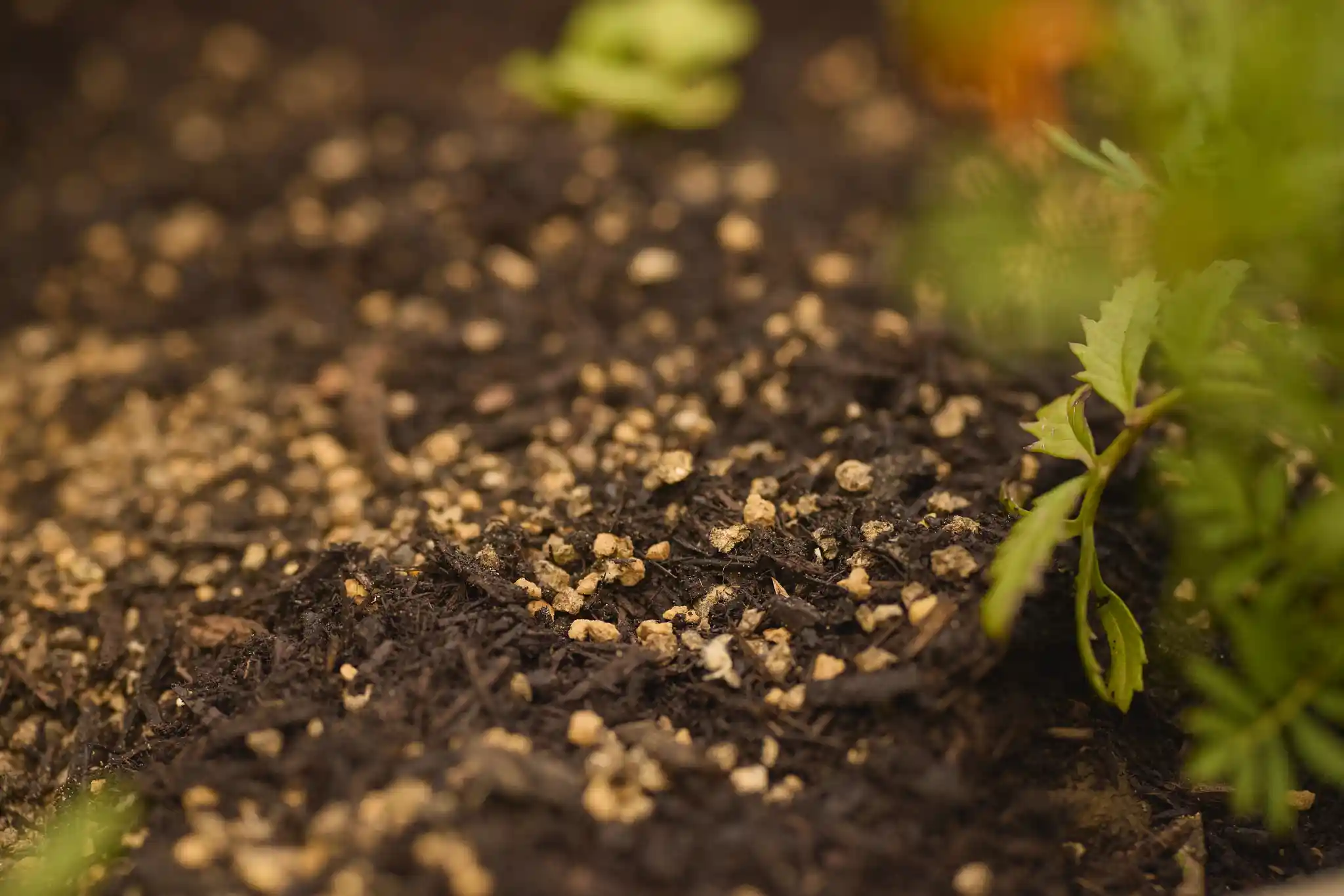
- Shake ‘n Feed Slow-Release Granules: Coated pellets that release nutrients over several weeks.
- Organic-Based Options: Such as Miracle-Gro Performance Organics, which incorporate natural ingredients like bone meal and composted manure.
Here’s a quick comparison:
| Product Type | Main Ingredients | Release Speed | Common Use |
|---|---|---|---|
| Water-Soluble | N-P-K salts, trace minerals | Immediate | Frequent feeding, quick results |
| Slow-Release Granules | N-P-K salts, organic matter | 4-6 weeks | Low maintenance, steady growth |
| Performance Organics | Organic matter, lower N-P-K | Gradual | Organic gardens, eco-conscious users |
How Miracle-gro Works In The Soil
Miracle-Gro fertilizers dissolve in water and are absorbed by plant roots as ions. This rapid nutrient availability leads to visible growth spurts, especially in vegetables with high nutrient demands like tomatoes, peppers, and leafy greens. However, because these nutrients are in a highly soluble form, over-application can result in nutrient runoff, salt buildup, or root burn.
Real-world Example: Rapid Growth In Tomatoes
A 2026 trial by the University of California Cooperative Extension demonstrated that tomato plants fed with Miracle-Gro Water Soluble Plant Food produced 28% more fruit by weight compared to unfertilized controls, underlining its efficacy for productivity.
Safety Assessments: Regulatory Oversight And Scientific Studies
To address safety concerns, it’s vital to examine how Miracle-Gro is regulated and what independent research reveals about its use on edible crops.
Regulatory Status: Is Miracle-gro Approved For Edibles?
The U.S. Environmental Protection Agency (EPA) classifies most synthetic fertilizers, including Miracle-Gro, as safe for use on food crops when label instructions are strictly followed. The product is not considered a pesticide and contains no ingredients with established food residue tolerances (EPA).
Additionally, the Food and Drug Administration (FDA) does not directly regulate fertilizers but monitors food safety. Miracle-Gro’s manufacturer, Scotts Miracle-Gro, submits safety data on its products, which undergo periodic review.
Scientific Studies: What Does The Research Say?
Multiple peer-reviewed studies have evaluated the impact of synthetic fertilizers like Miracle-Gro on vegetable safety and nutritional quality:
- A 2019 study published in the Journal of Agricultural and Food Chemistry found that vegetables grown with Miracle-Gro contained no detectable harmful residues and met all food safety standards (Journal of Agricultural and Food Chemistry).
- Research by Rutgers University showed that, while Miracle-Gro boosted yields, excessive application increased soil salinity and marginally reduced soil microbial diversity over time (Rutgers NJAES).
Common Safety Concerns Addressed
- Chemical Residue in Vegetables: Extensive testing has shown negligible uptake of synthetic fertilizer salts in edible tissues when used as directed.
- Heavy Metals: Miracle-Gro products are tested for heavy metals and consistently fall below EPA thresholds.
- Environmental Impact: Runoff from over-fertilization can contribute to waterway pollution—emphasizing the importance of proper use.
Case Study: Community Garden Safety Review
In 2020, the Chicago Urban Agriculture Collective conducted a safety audit after using Miracle-Gro for one growing season. Post-harvest tests revealed no harmful residues in lettuce, carrots, or tomatoes, and the garden maintained compliance with local organic transition standards.
Benefits And Effectiveness Of Miracle-gro In Vegetable Gardens
Miracle-Gro’s popularity stems not just from brand recognition but from tangible benefits for gardeners. Understanding these advantages helps balance the discussion of safety with practical results.
Enhanced Plant Growth And Yield
- Accelerated Growth: The high nitrogen content supports rapid vegetative growth, which is especially beneficial for fast-maturing vegetables like lettuce and spinach.
- Boosted Yields: Studies consistently show 20-30% yield increases compared to unfertilized controls.
- Vibrant Plant Health: Balanced micronutrients prevent common deficiencies, resulting in greener leaves and stronger stems.
Convenience And Ease Of Use
- Water-Soluble Formulas: Easy to apply with a watering can or hose-end feeder.
- Measured Dosage: Clear label instructions minimize guesswork, reducing the risk of over or under-fertilization.
- Wide Availability: Miracle-Gro is available at most garden centers and home improvement stores, making it accessible for gardeners nationwide.
Versatility Across Crop Types
Miracle-Gro products are suitable for a wide range of vegetables, including:
- Tomatoes and peppers
- Root crops (carrots, beets)
- Leafy greens (lettuce, kale, spinach)
- Vining crops (cucumbers, squash, beans)
Real-world Example: School Garden Success
The Boulder Valley School District used Miracle-Gro in their educational vegetable gardens. Teachers reported a noticeable increase in harvest size and quality, with students able to observe plant growth stages more vividly due to accelerated development.
Data Table: Miracle-gro Vs. No Fertilizer Yield Results
| Crop | Yield with Miracle-Gro (lbs/plant) | Yield without Fertilizer (lbs/plant) | Yield Increase (%) |
|---|---|---|---|
| Tomato | 7.8 | 6.1 | 27.9 |
| Lettuce | 1.3 | 1.0 | 30.0 |
| Carrot | 1.6 | 1.2 | 33.3 |

Potential Risks And Concerns: Health, Environment, And Soil Quality
While Miracle-Gro delivers clear benefits, it’s important to acknowledge and address potential risks, especially for those prioritizing organic, sustainable gardening practices.
Chemical Build-up And Soil Health
- Salt Accumulation: Continuous use of synthetic fertilizers can lead to salt buildup in the soil, inhibiting water uptake and harming beneficial soil microbes.
- Soil Microbial Diversity: Studies show that heavy, long-term use can slightly reduce the diversity of soil microorganisms, which are vital for natural nutrient cycling.
Over-fertilization And Plant Damage
- Root Burn: Applying more than the recommended dosage can result in root burn, wilting, or stunted growth.
- Waterway Pollution: Excess nutrients can leach into groundwater or run off into streams, contributing to eutrophication and harming aquatic life.
Health Concerns For Consumers
- Residue Fears: Despite regulatory assurances, some consumers remain wary of synthetic chemicals on edible crops. However, evidence overwhelmingly suggests that, when used correctly, Miracle-Gro does not leave harmful residues on or inside vegetables.
- Allergies and Sensitivities: Rarely, individuals sensitive to certain fertilizers may experience skin irritation when handling concentrated products.
Case Study: Overuse And Its Consequences
A suburban gardener in Columbus, Ohio applied Miracle-Gro weekly instead of biweekly, hoping for larger harvests. The result was yellowed leaves, stunted tomato plants, and poor fruit set—a classic case of fertilizer burn. A soil test revealed high levels of soluble salts, which required flushing the soil with water and switching to a less aggressive feeding schedule.
Environmental Considerations
- Synthetic vs. Organic: Miracle-Gro is not certified for organic gardening. Those seeking USDA Organic certification should opt for approved fertilizers like compost, fish emulsion, or organic blends.
- Packaging and Carbon Footprint: Synthetic fertilizers generally have a higher carbon footprint compared to locally sourced organic amendments.
Mitigating Risks: Best Practices
- Always follow label instructions for dosage and frequency.
- Test your soil annually to monitor nutrient and salt levels.
- Rotate fertilizer types or incorporate organic matter to maintain soil health.
- Water thoroughly after application to prevent root burn and promote even nutrient distribution.
Comparing Miracle-gro With Organic And Natural Fertilizers
The debate between synthetic and organic fertilizers is ongoing in gardening communities. Here’s how Miracle-Gro stacks up against organic alternatives for vegetable gardens.
Key Differences In Composition
- Miracle-Gro: Primarily water-soluble mineral salts, synthetic, fast-acting.
- Organic Fertilizers: Derived from natural sources (compost, manure, bone meal), slow-release, improve soil structure over time.
Efficacy And Results
- Synthetic fertilizers like Miracle-Gro deliver quick, visible results, ideal for correcting deficiencies or boosting growth in a single season.
- Organic options release nutrients gradually, building soil fertility and resilience but may not produce immediate growth spurts.
Safety And Environmental Impact
- Miracle-Gro: Safe for vegetables when used as directed; risk of salt buildup and runoff.
- Organic fertilizers: Lower risk of over-fertilization; support soil health and biodiversity.
Cost And Convenience
| Fertilizer Type | Average Cost (per sq. ft.) | Ease of Use | Organic Certification |
|---|---|---|---|
| Miracle-Gro (Water-Soluble) | $0.05 | Very easy | No |
| Compost | $0.02–$0.10 | Moderate | Yes |
| Fish Emulsion | $0.10 | Easy | Yes |
Real-world Example: Urban Garden Comparison
The San Francisco Urban Agriculture Alliance conducted a side-by-side trial, fertilizing half their community garden beds with Miracle-Gro and the other half with homemade compost. While Miracle-Gro plots matured faster and produced slightly higher yields, compost-fed beds had richer soil structure and more earthworm activity by season’s end.
Choosing What’s Best For Your Garden
Consider these factors when selecting a fertilizer:
- Your gardening goals (maximum yield vs. soil health)
- Time horizon (fast results vs. long-term soil building)
- Personal values (organic standards, environmental impact)
- Budget and convenience
Best Practices For Safe Miracle-gro Use In Vegetable Gardens
Maximizing the benefits of Miracle-Gro while minimizing risks hinges on proper use. Follow these proven guidelines to keep your vegetable garden safe and productive.
Dosage And Application Timing
- Read and follow label instructions precisely. For most vegetables, Miracle-Gro recommends feeding every 1-2 weeks.
- Dilute properly: The standard ratio is one tablespoon per gallon of water, but always check the package.
- Apply during active growth: Fertilize when plants are growing vigorously, not when they’re dormant or stressed.
- Avoid fertilizing before heavy rain to reduce runoff.
Method Of Application
- Water-soluble fertilizers: Apply directly to the soil at the base of plants, avoiding leaves where possible.
- Granular slow-release products: Mix into the top 1-3 inches of soil or side-dress established plants.
- Container gardens: Fertilize more frequently, as nutrients leach out faster.
Storage And Safety Precautions
- Store Miracle-Gro in a cool, dry place, away from children and pets.
- Wear gloves when handling concentrated fertilizer.
- Clean tools and containers after use to avoid contamination.
Soil Testing And Monitoring
- Test your soil annually for nutrient levels and pH to adjust your fertilization plan.
- Observe plant response: If leaves show signs of burn or yellowing, reduce application rate or frequency.
Real-world Example: Safe Use In A Home Garden
A family in Portland, Oregon grew a variety of vegetables, using Miracle-Gro every two weeks as directed. By season’s end, their soil test showed healthy nutrient levels, and harvests were plentiful—demonstrating that label adherence prevents issues.
Integrating Organic Practices
- Supplement Miracle-Gro with compost or mulch to enhance soil organic matter.
- Rotate crops and plant cover crops to maintain long-term soil vitality.
Addressing Common Myths And Misconceptions
There are persistent myths about Miracle-Gro and synthetic fertilizers. Let’s clarify what’s fact and what’s fiction.
Myth 1: Miracle-gro Leaves Harmful Chemicals In Food
- Fact: Numerous studies confirm that, when used as directed, Miracle-Gro does not leave harmful residues in edible plant tissues.
Myth 2: Miracle-gro Kills Soil Life
- Fact: Overuse can reduce microbial diversity, but normal use has minimal impact. Soil life can be maintained by integrating organic matter and rotating fertilizer types.
Myth 3: Miracle-gro Is A Pesticide
- Fact: Miracle-Gro is a fertilizer, not a pesticide. It contains no herbicidal or insecticidal ingredients.
Myth 4: You Can Use As Much As You Want
- Fact: Over-application can harm plants and the environment. Always follow recommended rates.
Myth 5: Organic Alternatives Are Always Better
- Fact: Organic fertilizers are excellent for building soil health, but synthetic fertilizers like Miracle-Gro can be used safely and effectively when managed responsibly.
Further Reading
For more evidence-based gardening advice, see the National Gardening Association’s guidelines (National Gardening Association) and the University of Illinois Extension recommendations (University of Illinois Extension).
Frequently Asked Questions
Is Miracle-gro Safe To Use On All Vegetables?
Yes, Miracle-Gro is formulated for use on a wide range of vegetables, including tomatoes, peppers, leafy greens, root crops, and more. As long as you follow the label instructions regarding dosage and frequency, it is considered safe for both the plants and eventual human consumption. However, always avoid over-fertilizing, which can lead to plant stress and potential nutrient imbalances.
Can Vegetables Fertilized With Miracle-gro Be Considered Organic?
No, Miracle-Gro is not approved for certified organic vegetable production. Most Miracle-Gro formulas contain synthetic ingredients that do not meet USDA Organic standards. For organic gardens, use certified organic fertilizers such as compost, manure, or commercial organic blends like Miracle-Gro Performance Organics.
Does Miracle-gro Leave Any Harmful Residue On Harvested Vegetables?
Extensive research and regulatory reviews have found that vegetables grown with Miracle-Gro contain no harmful residues when used as directed. The nutrients are absorbed and metabolized by the plants, and any unused fertilizer is typically flushed out by watering. Always wash vegetables before eating to remove any surface particles or dust.
What Should I Do If I Accidentally Over-fertilize My Vegetable Garden With Miracle-gro?
If you suspect over-fertilization, water your garden thoroughly to help flush excess nutrients from the soil. Avoid further fertilizer applications until plants recover. Look for signs of fertilizer burn, such as yellowed or scorched leaves, and prune affected foliage if necessary. Soil testing can help determine when it’s safe to resume regular feeding.
Are There Any Long-term Effects Of Using Miracle-gro On Soil Health?
Long-term use of synthetic fertilizers like Miracle-Gro can contribute to salt buildup and may slightly reduce soil microbial diversity if used excessively. To counteract these effects, incorporate organic matter (such as compost or mulch) into your soil, rotate fertilizer types, and test soil annually. This balanced approach supports both high yields and long-term soil vitality.
References And Further Resources
- EPA: Pesticides and Food
- Journal of Agricultural and Food Chemistry
- Rutgers NJAES Soil Fertility
- National Gardening Association
- University of Illinois Extension
- Scotts Miracle-Gro Official Site
A thriving vegetable garden can be both safe and productive with the right fertilizer strategy. Miracle-Gro, when used responsibly, offers significant benefits in growth and yield without compromising food safety. By understanding its composition, following best practices, and staying informed about both synthetic and organic options, you can confidently nourish your crops and enjoy healthy, delicious harvests season after season.