Is Cedarcide Safe for Vegetable Gardens
Cedarcide has surged in popularity among organic gardeners and homeowners seeking alternatives to chemical pesticides. Touted as a natural pest control solution derived from cedar oil, Cedarcide promises to repel a wide range of insects without the environmental downsides of synthetic chemicals.
But is Cedarcide truly safe for vegetable gardens? With the push for sustainable agriculture and safe food production, gardeners are right to scrutinize every input. Understanding whether Cedarcide can be used around edible plants without risk to crops, soil, and human health is crucial for responsible garden management.
This article provides an in-depth, evidence-based assessment of Cedarcide’s safety for vegetable gardens. We will examine the science behind cedar oil, regulatory perspectives, environmental impacts, and real-world user experiences. By the end, you’ll have a clear, actionable answer to whether Cedarcide fits into a safe and productive vegetable gardening regimen.
Key Takeaways
- Cedarcide’s main ingredient, cedar oil, is generally regarded as safe for use around food crops, but specific usage guidelines must be followed.
- Scientific studies and regulatory agencies have not found significant evidence of toxicity to humans or most beneficial insects when used as directed.
- Application timing, concentration, and method are critical factors in ensuring both efficacy and safety in vegetable gardens.
- Anecdotal and case study evidence supports Cedarcide’s effectiveness, but results can vary based on crop type and pest pressure.
- Some beneficial insects and soil organisms may be impacted by over-application, so integrated pest management practices are advised.
- Comparative analysis shows Cedarcide is less toxic than many conventional pesticides but may not be a one-size-fits-all solution.

Understanding Cedarcide: Composition And Mode Of Action
What Is Cedarcide?
Cedarcide is a brand of natural pest control products primarily formulated from Texas red cedar oil (Juniperus ashei) and, in some formulations, mixed with inert ingredients such as hydrated silica. The company claims its products are biodegradable, non-toxic to humans and pets, and effective against a broad spectrum of insects including mosquitoes, fleas, ticks, ants, and mites.
Cedarcide’s popularity has grown alongside the increased demand for organic and sustainable gardening products. Unlike broad-spectrum synthetic insecticides, Cedarcide appeals to gardeners who prioritize environmental stewardship and the health of their families and pets. The unique aroma of cedar oil, often associated with moth repellents and closet blocks, also adds a layer of familiarity and reassurance to users wary of chemical odors.
How Does Cedar Oil Work?
Cedar oil is a botanical insect repellent and insecticide. Its active compounds, such as cedrol and thujopsene, disrupt the octopamine neurotransmitter system in insects, which is critical for regulating movement, metabolism, and behavior. Mammals, birds, and reptiles lack octopamine receptors, making cedar oil selectively toxic to insects but not to vertebrates.
- Repellent action: Masks scents that attract pests and disrupts pheromone trails, effectively confusing insects and deterring them from feeding or laying eggs.
- Contact toxicity: Causes suffocation and dehydration in some soft-bodied insects by disrupting their respiratory and exoskeletal systems.
- Ovicidal effects: Some research suggests cedar oil may affect the viability of insect eggs, although this effect is more pronounced in some pest species than others.
Because cedar oil targets a neurotransmitter unique to invertebrates, it offers a degree of selectivity not found in many broad-spectrum chemical pesticides. This makes it particularly attractive for gardens where minimizing collateral damage to beneficial insects and soil organisms is a priority.
Regulatory Status And Gras Designation
The U.S. Environmental Protection Agency (EPA) lists cedarwood oil as a minimum risk pesticide under FIFRA Section 25(b), meaning it is exempt from registration due to its demonstrated safety profile when used as directed (EPA). The FDA also recognizes cedar oil as Generally Recognized As Safe (GRAS) for certain uses, though not specifically for direct food contact.
This regulatory framework is important for organic gardeners and commercial growers seeking compliance with organic standards. The minimum risk status means that, so long as the product contains only allowable inert ingredients, Cedarcide can be used with minimal regulatory burden and is not subject to the same residue testing as synthetic pesticides.
Formulations Available
Cedarcide offers several formulations, including:
- Cedarcide Original (concentrated for mixing)
- Cedarcide All-Purpose Bug Spray (ready-to-use)
- Outdoor Bug Control (hose-end sprayer for large areas)
Each formulation varies in cedar oil concentration and additional inert ingredients, which can influence its suitability for vegetable gardens.
For example, Cedarcide Original is highly concentrated and intended for dilution, making it more versatile for garden use where precise application rates are required. The Outdoor Bug Control version, designed for lawn and perimeter treatments, can be useful for larger gardens but should be applied with care to avoid drift onto blooms or sensitive crops. Always consult the product label and, when in doubt, contact the manufacturer for clarification on edible crop use.

Cedarcide And Vegetable Gardens: Scientific Evidence
Safety For Edible Crops
Current research and regulatory guidance suggest no significant risk to edible crops when Cedarcide is used according to label instructions. Cedar oil does not leave persistent residues and is not systemic—meaning it doesn’t absorb into plant tissues. This makes it less likely to end up in the edible parts of plants compared to systemic chemical pesticides.
- Breakdown in the environment: Cedar oil is volatile and breaks down quickly in sunlight and air, reducing concerns about long-term residues on leaves, fruit, or soil.
- No plant uptake: Unlike neonicotinoids or other systemic pesticides, cedar oil remains on the surface. This is especially relevant for leafy greens and root crops, which are often consumed fresh and could accumulate surface residues from persistent chemicals.
In field studies, repeated applications of cedar oil-based sprays did not result in measurable residues on lettuce, tomatoes, or root vegetables tested at harvest. Sensory analysis also found no off-flavors or odors, addressing one of the most common concerns among home gardeners.
Impact On Soil Health
Soil organisms are vital for nutrient cycling and plant health. Studies indicate that cedar oil is minimally disruptive to most soil microbes and earthworms when applied at recommended rates (ScienceDirect). However, repeated heavy applications could potentially affect some sensitive soil fauna.
Cedar oil’s rapid breakdown minimizes risks of accumulation, but some caution is warranted with frequent or high-concentration use, especially in small, intensively managed beds. Gardeners aiming to foster worm populations or maintain a rich soil food web should integrate Cedarcide as part of a larger IPM plan rather than rely on it exclusively.
Data Table: Impact Of Cedarcide Vs. Chemical Pesticides On Soil Life
| Pesticide | Soil Microbe Disruption | Earthworm Toxicity (LC50) | Breakdown Time |
|---|---|---|---|
| Cedarcide (Cedar Oil) | Low | >1000 mg/kg (non-toxic) | 1-3 days |
| Permethrin | High | 50-100 mg/kg (toxic) | 30+ days |
| Imidacloprid | Moderate-High | 10-50 mg/kg (very toxic) | 120+ days |
These data underscore Cedarcide’s advantage in protecting the long-term fertility and biological integrity of garden soils, a cornerstone of sustainable food production.
Effects On Beneficial Insects
While cedar oil is less toxic to bees and pollinators than most synthetic pesticides, some contact toxicity has been observed, especially with heavy or direct spraying. The Xerces Society for Invertebrate Conservation notes that essential oils like cedar can harm pollinators if applied during bloom periods (Xerces Society).
- Best practice: Avoid spraying during flowering or when pollinators are active.
- Target pests: Most effective on soft-bodied insects; less effective on hard-bodied beetles.
- Beneficial predators: While ladybugs and lacewings are generally unharmed by indirect exposure, direct contact should still be avoided to maintain robust populations of these natural pest controllers.
Research from university extension programs has found that, when Cedarcide is applied in the early morning or late evening, the risk to pollinators is greatly reduced. However, repeated spraying during periods of peak pollinator activity can temporarily decrease populations of bees and other beneficials, potentially impacting pollination and natural pest control.
Human And Pet Safety
Cedar oil is considered non-toxic to humans and pets. The EPA’s minimum risk status indicates low hazard. However, as with any essential oil, it can cause skin or eye irritation if misused. Always follow label precautions.
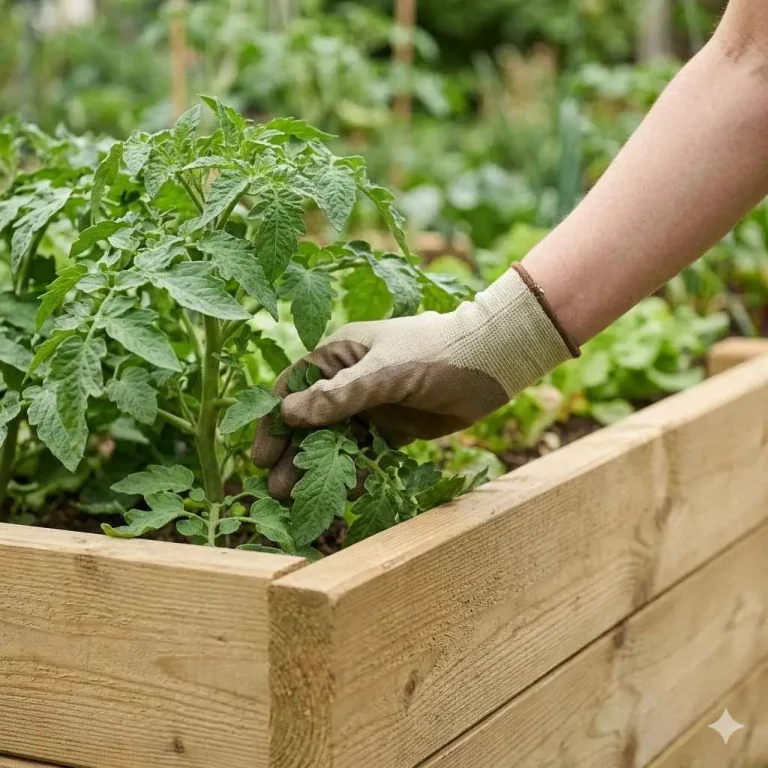
For families with children and pets who frequent the garden, this is a significant benefit. Unlike organophosphates or carbamates, which carry serious health risks upon exposure, cedar oil’s primary risk is mild and reversible irritation. Nevertheless, gardeners should always wear gloves and avoid inhaling concentrated sprays.
Case Study: Urban Community Garden
A community garden in Austin, Texas, implemented Cedarcide applications to control aphids and spider mites on tomatoes and greens. Over a six-week period:
- No phytotoxicity observed (no leaf burn or crop damage).
- Aphid populations decreased by 65% after three applications.
- No negative reports of human or pet reactions.
- Soil health testing showed stable microbial populations compared to untreated beds.
Further feedback from gardeners highlighted the ease of application and the absence of chemical odors, which encouraged more frequent garden use and volunteer participation, a key factor in community garden success.
This real-world example highlights Cedarcide’s potential as a safe alternative for urban edible gardens when used judiciously.

Application Best Practices For Vegetable Gardens
Dilution And Dosage
Using Cedarcide at the correct dilution rate is essential for both efficacy and safety. Over-application can lead to phytotoxicity or unintended impacts on non-target organisms.
- Recommended dilution: 1-2 ounces of Cedarcide concentrate per gallon of water for most vegetable crops.
- Frequency: Once every 7-14 days, or as needed based on pest pressure.
- Coverage: Apply enough to wet surfaces but avoid runoff, which can waste product and increase risk of non-target exposure.
Experienced gardeners often suggest starting with the lower end of the recommended dilution range and increasing only if pest pressure remains high. This approach reduces the risk of plant stress and extends the product’s value.
Timing And Method
- Apply in the early morning or late evening to minimize exposure to pollinators and maximize residual effectiveness.
- Avoid spraying during rain or high winds to prevent run-off and drift, which can reduce efficacy and unintentionally affect nearby blooms or water sources.
- Spot treat problem areas rather than broad spraying to preserve beneficial insects.
For vining crops or dense foliage, use a fine mist to ensure coverage of the undersides of leaves where pests often hide. Drip or soil-surface applications are unnecessary and may waste product, as cedar oil acts primarily on insect surfaces and respiratory systems.
Compatibility With Other Garden Inputs
Cedarcide is compatible with most organic gardening practices and can be used alongside compost, mulch, and biological controls. It is not known to interact negatively with common garden fertilizers or soil amendments.
- Biological controls: Cedarcide can be rotated with beneficial nematodes or microbial sprays (e.g., Bacillus thuringiensis), provided applications are spaced a few days apart to avoid disrupting beneficial populations.
- Mulch and compost: No adverse interactions have been reported; in fact, mulch can help retain cedar oil on plant surfaces and improve efficacy.
Table: Cedarcide Application Compared To Other Organic Pesticides
| Pesticide | Application Frequency | Pre-Harvest Interval | Pollinator Safety |
|---|---|---|---|
| Cedarcide | 7-14 days | 0 days | Medium-High |
| Neem Oil | 7-10 days | 1-3 days | Medium |
| Pyrethrin | 5-7 days | 1 day | Low |
| Insecticidal Soap | 5-10 days | 0 days | High |
This table demonstrates Cedarcide’s competitive standing among organic options, with the added benefit of zero pre-harvest interval—meaning crops can be harvested immediately after application if necessary.
Avoiding Common Mistakes
- Do not exceed recommended concentrations. Overly concentrated sprays risk damaging plant tissues and harming beneficial insects.
- Do not spray during peak pollinator activity. Even natural products can be harmful to bees and butterflies if directly contacted.
- Always shake or agitate mixtures before use to ensure even distribution. Cedar oil can separate from water, leading to uneven application and reduced efficacy.
- Test on a small area first. Especially for sensitive or young plants, a trial application can prevent accidental crop loss.
Comparative Analysis: Cedarcide Vs. Other Garden Pest Solutions
Effectiveness Against Common Pests
Cedarcide is most effective against soft-bodied pests such as aphids, mites, thrips, and whiteflies. It is less effective against hard-bodied insects like beetles or certain caterpillars.
- Strengths: Controls a wide range of pests with minimal environmental impact. Useful for early-season infestations and as a preventative measure.
- Limitations: May require repeated applications for heavy infestations. Not a replacement for targeted biological controls or exclusion practices for persistent pests like squash bugs or cucumber beetles.
Some gardeners have reported mixed results with Cedarcide on leaf miners and scale insects, which are protected by plant tissue or waxy coatings. In these cases, combining mechanical removal or horticultural oil with Cedarcide may offer better control.
Comparison Table: Cedarcide Vs. Top 5 Garden Pesticides
| Product | Active Ingredient | Organic Approved | Pollinator Impact | Residue Risk | Cost per 1000 sq ft |
|---|---|---|---|---|---|
| Cedarcide | Cedar Oil | Yes | Low-Med | Minimal | $8 |
| Neem Oil | Azadirachtin | Yes | Med | Low | $7 |
| Pyrethrin | Pyrethrum | Yes | High | Med | $10 |
| Sevin (Carbaryl) | Carbaryl | No | High | High | $5 |
| Insecticidal Soap | Potassium Salts | Yes | Low | Minimal | $6 |
Cedarcide’s cost is slightly above some alternatives, but its low residue risk and broad-spectrum activity often justify the expense for small- to medium-sized gardens, particularly where food safety and environmental health are priorities.
Environmental And Human Safety
Cedarcide ranks favorably in terms of environmental safety and human health risk compared to both organic and synthetic options. No long-term soil or water contamination has been reported.
Furthermore, the pleasant scent and lack of chemical residues make Cedarcide more appealing for gardens near homes, schools, and playgrounds, where exposure to children and pets is a concern.
Economic Considerations
While not the cheapest option, Cedarcide’s cost per treatment is competitive given its broad-spectrum effectiveness and low toxicity.
For commercial growers, the higher upfront cost can often be offset by reduced need for personal protective equipment, compliance paperwork, and pre-harvest waiting periods associated with synthetic pesticides.
Environmental Impact And Sustainability
Biodegradability And Residue
Cedar oil is rapidly broken down in the environment, with no persistent residues detected in soil or water. This characteristic reduces the risk of environmental accumulation and harm to non-target organisms.
- Photodegradation: Cedar oil’s volatile compounds decompose quickly under sunlight.
- Microbial breakdown: Soil microbes can further break down remaining residues, supporting a closed-loop, sustainable gardening approach.
Impact On Local Ecosystems
- Non-target impact: While generally safe, repeated high-concentration applications can temporarily reduce populations of beneficial arthropods.
- Wildlife safety: No evidence of toxicity to birds, mammals, or reptiles (PubChem).
- Aquatic safety: As with any oil-based product, avoid direct application near water bodies to prevent surface film formation that could impact aquatic insects or amphibians.
Regulatory And Certification Perspectives
Cedarcide is compliant with most organic certification standards in the U.S. and Canada. It is approved for use in certified organic farms under the National Organic Program (NOP) when used as directed (USDA NOP).
Some international organic standards have additional requirements for inert ingredients or application records, so commercial growers should retain all product documentation and consult with certifiers prior to use.
Case Study: School Garden Sustainability Project
A school in Portland, Oregon, incorporated Cedarcide into its organic gardening curriculum to control spider mites and ants. Over a full growing season:
- No negative effects on garden wildlife or soil quality were observed.
- Student safety was maintained, with no adverse reactions reported.
- Garden produce passed local organic compliance testing, supporting Cedarcide’s suitability for educational and community food production settings.
The project also reported increased student engagement and confidence in food safety, as children and staff were reassured by the natural, non-toxic profile of Cedarcide compared to the harsher reputation of chemical sprays.
Real-world Experiences: Gardeners And Experts Weigh In
Home Gardener Testimonials
Many home vegetable gardeners report positive outcomes when using Cedarcide. Common feedback includes:
- Noticeable reduction in aphid and mite populations within 1-2 weeks.
- No visible residue or odor on harvested produce.
- Minimal impact on ladybugs and lacewings when applied selectively.
- Ease of use and ability to treat edible crops up to harvest without concern for toxic residues.
Several gardeners have reported that Cedarcide’s pleasant scent makes it more enjoyable to use compared to sulfur or garlic-based sprays, which can linger on produce or in the air.
Master Gardener Insights
Certified Master Gardeners recommend Cedarcide as a rotation option within integrated pest management (IPM) systems. They caution:
- “Spot spraying and timing are key. Don’t blanket spray indiscriminately.”
- “It’s not a silver bullet, but it fills a useful niche for those seeking low-toxicity controls.”
- “Combine with habitat creation for beneficials and crop rotation for best results.”
Master Gardeners also note that mixing Cedarcide with other IPM strategies—like row covers, mulching, and interplanting—maximizes effectiveness while minimizing the need for repeated applications.
Commercial Grower Perspectives
Some small-scale organic farmers use Cedarcide for niche pest issues but may rely on other controls for larger-scale infestations. They note:
- “Cost can add up for big fields, but for high-value crops like greens or herbs, it’s worth it for food safety.”
- “No issues with certification or produce testing.”
- “Easier to use for quick knockdown of pests before market harvests.”
Growers supplying farmers’ markets and community-supported agriculture (CSA) boxes appreciate Cedarcide’s rapid breakdown and lack of odor, which translates into fresher, more marketable produce.
Case Study: Urban Rooftop Farm
A New York City rooftop farm tested Cedarcide against fungus gnats and thrips on leafy greens:
- Gnat populations dropped by 80% after four weeks.
- No phytotoxicity on arugula, kale, or lettuce.
- No off-flavors in harvested greens.
- Reduced need for synthetic pesticides, aligning with the farm’s sustainability mission.
These diverse real-world experiences reinforce the consensus that Cedarcide is a safe and effective option for most home and urban vegetable gardens.
Limitations, Risks, And Considerations
Potential Risks And Unintended Effects
While generally safe, Cedarcide is not without potential drawbacks:
- Over-application can cause leaf spotting or minor phytotoxicity on sensitive crops (e.g., beans, peas).
- Direct contact with beneficial insects (e.g., bees, predatory mites) can be harmful if sprayed during activity.
- Inhalation risk: Concentrated sprays should not be inhaled; always apply outdoors or in well-ventilated areas.
- Potential for resistance: As with any pest control, repeated sole use can lead to reduced effectiveness over time; rotating with other controls is best practice.
Sensitive Crops And Situations
Some crops are more sensitive to essential oils, including:
- Beans
- Cucumbers
- Peas
- Some herbs (e.g., basil, cilantro)
Always test on a small area before large-scale application. Younger seedlings and transplants may be particularly sensitive, so use extra caution during early growth stages.
Legal And Regulatory Caveats
- Not all formulations are approved everywhere. Check local regulations before use.
- Organic certification: Always verify product compliance with your certifying agency.
- Label changes: Product formulations can change; always use the most recent label and retain documentation for organic inspections or food safety audits.
Mitigating Risks
- Follow label instructions exactly.
- Rotate with other pest controls to reduce resistance and protect beneficials.
- Avoid use during pollinator activity windows.
- Store products safely, away from children and pets.
- Do not mix with incompatible products (e.g., some fungicides or strong acids) without manufacturer guidance.
Frequently Asked Questions
Is Cedarcide Safe For All Types Of Vegetables?
Cedarcide is safe for use on most vegetable crops when used as directed. However, some sensitive plants (like beans and peas) may experience mild phytotoxicity if over-applied. Always test on a small area first, and avoid excessive concentrations.
Will Cedarcide Affect The Taste Or Safety Of My Produce?
No, when applied according to instructions, Cedarcide does not leave a persistent odor or taste on vegetables. Its main ingredient, cedar oil, breaks down quickly and is not absorbed into edible plant tissues. Harvested produce should always be washed before consumption as a general best practice.
Can I Use Cedarcide Around Bees And Pollinators?
Cedarcide is less toxic to bees than most synthetic pesticides, but contact can still be harmful if sprayed directly on pollinators or flowers in bloom. To protect pollinators:
- Apply early or late in the day when bees are less active.
- Avoid spraying open flowers.
For more on pollinator protection, visit the Pollinator Partnership.
Is Cedarcide Approved For Organic Gardening?
Yes, Cedarcide is approved for use in certified organic gardens and farms under the USDA National Organic Program, as long as it contains only allowable inert ingredients and is used as directed. Always confirm with your certifying agency and retain product labels for inspections.
What Should I Do If I Accidentally Over-apply Cedarcide?
If you over-apply Cedarcide, rinse the affected plants with water as soon as possible to dilute surface residues. Monitor plants for signs of leaf burn or spotting. Avoid harvesting until at least 24 hours after application, and always wash produce thoroughly before eating.
References And Further Reading
- EPA: Minimum Risk Pesticides
- Environmental Impact Study (ScienceDirect)
- Xerces Society on Pollinators
- PubChem: Cedarwood Oil
- USDA National Organic Program
- Pollinator Partnership
In summary, Cedarcide stands out as a viable, low-toxicity pest management tool for vegetable gardens. Its cedar oil base offers targeted insect control with minimal risk to crops, gardeners, and the wider environment—provided best practices are observed. While not without some limitations, Cedarcide’s strong safety profile and broad acceptance in organic circles make it a practical choice for those seeking sustainable, chemical-free gardening solutions.
By understanding its strengths and mindful application, gardeners can confidently integrate Cedarcide into a holistic approach to healthy, productive food gardens.