Is Charleston Dirt Good for Vegetable Gardening? Answered
Charleston dirt presents a unique mix of challenges and opportunities for vegetable gardeners. This post explains what makes this coastal soil different and how to work with it for healthy produce.
Simply put, Charleston dirt can be good for vegetable gardening, but only after you amend it. The native soil is heavy clay or sand, often acidic and low in organic matter. With proper composting, pH adjustment, and drainage improvements, you can grow most vegetables successfully.
Key Takeaways
- Charleston dirt is typically clay-based or sandy, both requiring organic matter amendments for vegetables.
- Soil pH in Charleston often ranges from 4.5 to 6.0, which is too acidic for many vegetables and needs lime.
- Raised beds and container gardening are popular workarounds that bypass native soil issues entirely.
- Vegetable gardening in Charleston soil benefits from fall planting to avoid summer heat stress.
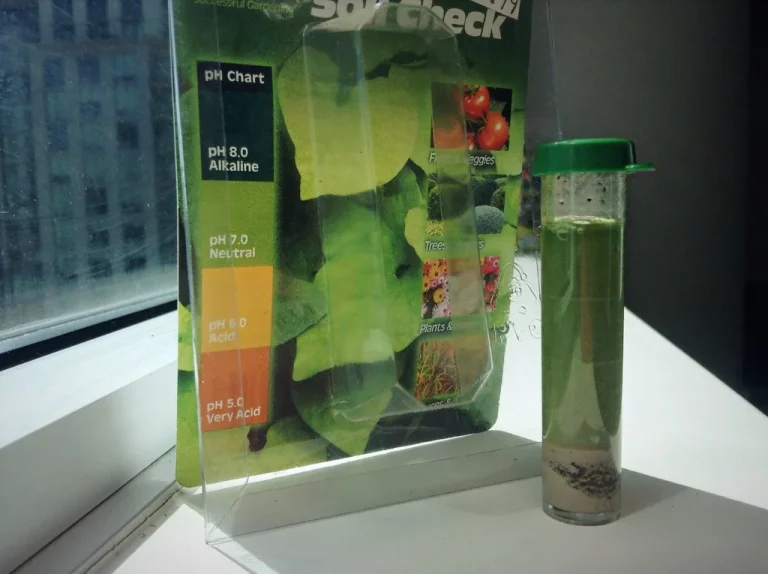
- Regular soil testing every 6-12 months is critical to track pH and nutrient levels.

What Type of Soil Does Charleston Have?
Charleston sits within the Coastal Plain region of South Carolina, an area defined by ancient marine deposits. The dominant soil order here is Ultisols, which are heavily weathered, acidic, and low in natural fertility. These soils formed under forest cover over thousands of years, so they lack the rich organic layer found in prairie regions.
Two main soil textures dominate Charleston gardens: dense clay and deep sand. Clay soils hold nutrients well but drain poorly, while sandy soils drain fast but leach nutrients. Neither is ideal straight out of the ground for most vegetables.
- Clay soils — Common in older neighborhoods and areas near marshes; sticky when wet, rock-hard when dry.
- Sandy soils — Found closer to the coast and barrier islands; loose, warm up fast, but dry out quickly.
- Loamy pockets — Rare but present in areas with decades of organic matter buildup from leaf litter.
- Fill dirt — Many new developments use imported fill, which can be compacted and nutrient-dead.
- High water table — In low-lying areas, water sits close to the surface, causing root rot.
- Salinity risk — Proximity to tidal marshes means salt levels can spike in certain zones.
The USDA classifies most Charleston area soils as Bohicket or Lakeland series. Bohicket is a silty clay loam found in floodplains, while Lakeland is deep sand on upland terraces. Both require significant amendments for vegetable production.
Warning: Do not assume that dark soil color means good soil. Many Charleston soils appear dark due to tannins from decaying pine needles, not rich organic matter. A soil test is the only reliable way to know what you are working with.
Is Charleston Dirt Good for Vegetable Gardening?
The short answer is: not without intervention. Native Charleston dirt lacks the structure, nutrients, and pH balance that most vegetables need. However, with the right amendments, it can become productive.
The key issue is that vegetables are heavy feeders, and Charleston soils are naturally low in nitrogen, phosphorus, and potassium.
Vegetables also need a pH between 6.0 and 7.0 for optimal nutrient uptake. Charleston soils typically test between 4.5 and 5.8, which locks up phosphorus and makes aluminum more available — toxic to plant roots. Raising the pH with dolomitic lime is almost always necessary.
| Factor | Native Charleston Soil | After Amendment |
|---|---|---|
| pH | 4.5 – 5.8 | 6.0 – 6.8 |
| Organic matter | 1 – 2% | 4 – 6% |
| Drainage | Poor (clay) or excessive (sand) | Moderate and consistent |
| Nutrient holding | Low to moderate | High |
| Microbial activity | Low | High |
According to Clemson University Extension, over 70% of soil samples from Charleston County test below the optimal pH range for vegetables. They recommend applying lime at least 2-3 months before planting to give it time to react. In short, native Charleston dirt is not naturally good for vegetable gardening, but it can be made good with lime, compost, and patience.
Common Challenges with Charleston Soil for Vegetables
Gardeners new to the area often run into predictable problems when they try to grow vegetables in native Charleston dirt. The first is poor drainage. After a heavy rain, clay soils become waterlogged and stay wet for days, which suffocates roots and invites fungal diseases like root rot and damping-off.
The second challenge is compaction. Charleston clay is dense, and foot traffic or heavy equipment can turn soil into a brick-like layer that roots cannot penetrate. Vegetables like carrots and radishes that grow underground will deform or fail entirely in compacted clay.
- Waterlogging — Roots rot when soil stays saturated longer than 24 hours after rain.
- Nutrient lockout — Low pH prevents uptake of calcium, magnesium, and phosphorus.
- Aluminum toxicity — Acidic soil releases aluminum, stunting root growth and turning leaves yellow.
- Nematodes — Root-knot nematodes thrive in warm, sandy Charleston soils and attack tomato roots.
- Salt buildup — In gardens near the Ashley or Cooper rivers, salt spray or brackish groundwater can raise sodium levels.
- Low organic matter — Without regular compost additions, microbial life declines and soil structure collapses.
Tip: If your garden floods after rain, dig a small test hole 12 inches deep. If water stands in the hole for more than 6 hours, you have a drainage problem. French drains or raised beds are your best solutions.
The third major challenge is the heat. Charleston’s long, humid summers mean soil temperatures can exceed 90°F by July, which shuts down root growth for cool-season crops like broccoli, lettuce, and spinach. Vegetables that thrive in cool soil will bolt or fail if planted too late in the spring.
How to Improve Charleston Dirt for Vegetable Gardening
Improving Charleston dirt requires a systematic approach that addresses pH, organic matter, and drainage all at once. The most effective method is to start with a soil test from Clemson Extension, which costs about $10 and gives you specific lime and fertilizer recommendations for your exact location.
Once you have your test results, you can follow a step-by-step amendment plan. The goal is to move from a dense, acidic clay or loose, nutrient-poor sand toward a loose, dark, crumbly loam that holds moisture but drains well.
Step 1: Adjust pH with Lime
Dolomitic lime adds calcium and magnesium while raising pH. Apply it in fall or early winter so it has months to react before spring planting. The typical rate for Charleston clay is 50 pounds per 1,000 square feet, but follow your soil test exactly.
Step 2: Add Organic Matter
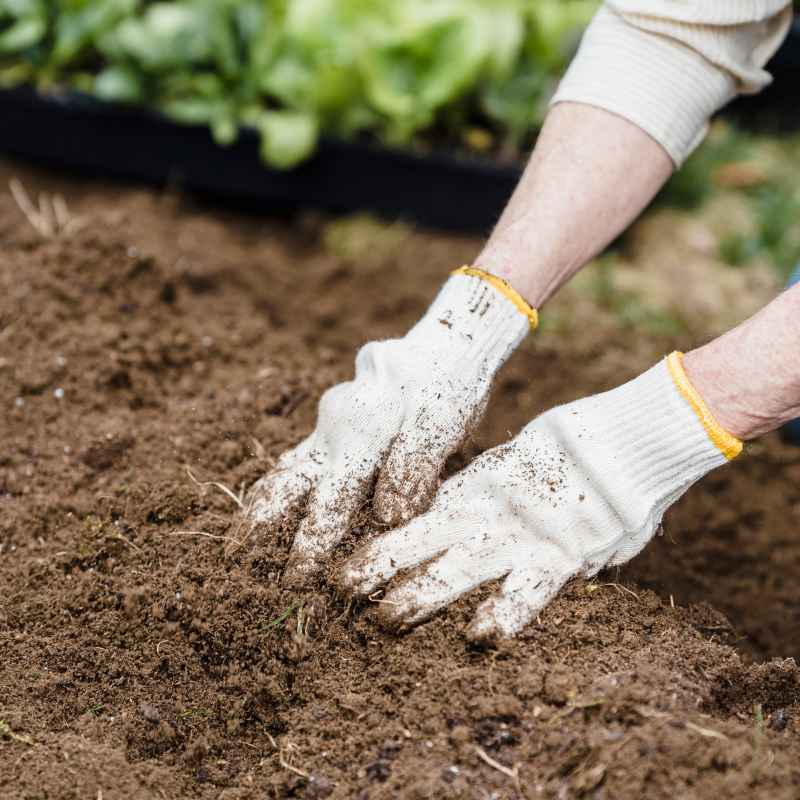
Work 2-4 inches of compost, aged manure, or leaf mold into the top 8-10 inches of soil. For sandy soils, organic matter acts like a sponge to hold water and nutrients. For clay, it separates the particles, creating air pockets for root respiration.
Step 3: Improve Drainage
If you have heavy clay, consider building raised beds 8-12 inches tall. Fill them with a mix of 50% topsoil, 30% compost, and 20% coarse sand or perlite. This bypasses native soil issues entirely and gives you immediate control.
Important: Do not add sand to clay soil unless you mix it thoroughly at a 1:2 ratio. Adding sand to clay without proper mixing creates a concrete-like substance that is worse than either alone. Use compost instead.
| Amendment | Best For | Application Rate | When to Apply |
|---|---|---|---|
| Dolomitic lime | Raising pH | 50 lbs / 1,000 sq ft | Fall or winter |
| Compost | Organic matter, nutrients | 2-4 inch layer | Spring and fall |
| Aged manure | Nitrogen boost | 1-2 inch layer | Fall only |
| Leaf mold | Water retention | 2-3 inch layer | Anytime |
| Greensand | Potassium, trace minerals | 10 lbs / 100 sq ft | Spring |
Mulch is another critical tool for improving Charleston dirt. A 2-3 inch layer of straw, pine straw, or shredded leaves keeps soil temperatures down, retains moisture, and slowly adds organic matter as it breaks down. In Charleston’s heat, bare soil can reach 100°F, which kills surface roots and beneficial microbes.
Best Vegetables to Grow in Charleston Soil
Not all vegetables struggle in Charleston dirt. Some actually prefer the warm, humid conditions and can handle the heavier soil texture once it is amended. The key is matching the crop to the season and choosing varieties that tolerate heat and humidity.
Cool-season crops like lettuce, spinach, and peas do best when planted in early March or again in September, avoiding the summer heat. Warm-season crops like tomatoes, peppers, and okra thrive from April through October, as long as the soil has been amended for drainage.
- Tomatoes — Need well-drained, slightly acidic soil (pH 6.0-6.5). Use raised beds in clay areas. Varieties like ‘Celebrity’ and ‘Better Boy’ perform well.
- Okra — Thrives in heat and handles clay soil better than most vegetables. Plant after soil reaches 65°F.
- Southern peas — Cowpeas, crowder peas, and purple hull peas are heat-tolerant and fix nitrogen in the soil.
- Collards and kale — These brassicas tolerate the heat and grow well in fall and early spring. They handle clay if drainage is adequate.
- Sweet potatoes — They love sandy soil and hot weather. A perfect match for coastal Charleston gardens.
- Peppers — Bell peppers and hot peppers both need warm soil and consistent moisture. Mulching is essential.
- Beans — Bush beans and pole beans germinate quickly and grow fast, making them good for short spring windows.
Tip: Plant your warm-season vegetables after April 15, when the last frost date has passed. Use black plastic mulch to warm the soil faster in spring, then switch to straw mulch once temperatures hit 85°F.
According to the South Carolina Vegetable Gardening Guide, the state’s coastal zone allows for three distinct planting windows: early spring (March-April), late summer (August-September), and fall (October-November). Many gardeners in Charleston find that fall gardening is actually more productive than spring because the soil stays warm longer and pests are less active.
Raised Beds vs. In-Ground Gardening in Charleston
One of the biggest decisions Charleston gardeners face is whether to plant directly in the native soil or build raised beds. Both approaches have merits, but raised beds offer distinct advantages when dealing with heavy clay, poor drainage, and nematode pressure.
In-ground gardening costs less upfront and allows roots to spread freely, but it requires more intensive soil amendment and labor. Raised beds give you immediate control over soil composition and drainage, and they warm up faster in spring.
| Factor | In-Ground | Raised Beds |
|---|---|---|
| Initial cost | Low | Moderate to high |
| Drainage control | Poor (depends on site) | Excellent |
| Nematode risk | Higher | Lower (with clean soil) |
| Soil warming | Slow | Fast |
| Root depth | Unlimited | Limited to bed depth |
| Maintenance | Higher (tilling, weeding) | Lower (less weeding) |
For most Charleston gardeners, a combination works best: use raised beds for heat-loving vegetables like tomatoes and peppers, and use amended in-ground beds for root crops and large plantings of okra, corn, or beans. This hybrid approach spreads your labor and lets you work with the soil rather than against it.
Important: If you build raised beds, use untreated cedar or pine lumber. Do not use railroad ties or pressure-treated wood, as they can leach chemicals like creosote or arsenic into the soil where your vegetables grow.
Common Mistakes When Gardening with Charleston Dirt
Even experienced gardeners make predictable errors when they first start working with Charleston dirt. The most common mistake is planting too early. The soil stays cold and wet until mid-March, and seeds rot quickly in cold clay.
Wait until soil temperature reaches at least 55°F for cool-season crops and 65°F for warm-season crops.
Another frequent error is overwatering. Because clay holds moisture so tightly, gardeners often water on a schedule rather than checking actual soil moisture. Stick your finger 2 inches into the soil — if it feels damp, do not water.
Overwatering in clay leads to root rot, fungal diseases, and stunted growth.
- Skipping the soil test — Guessing at lime and fertilizer rates wastes money and produces poor results. Test every 12 months.
- Tilling wet soil — Working clay when it is wet destroys soil structure and creates hard clods. Wait until the soil crumbles in your hand.
- Using fresh manure — Fresh manure burns roots and can introduce pathogens. Only use aged or composted manure.
- Ignoring nematodes — If your tomatoes look stunted and wilted midday, dig up the roots. Knots and galls mean nematodes are present. Rotate crops and use resistant varieties.
- Planting the same crop in the same spot — Crop rotation is critical in Charleston soil to prevent pest and disease buildup. Wait 3 years before planting tomatoes in the same bed.
Tip: To test soil moisture, squeeze a handful into a ball. If it stays in a tight ball and feels slick, it is too wet to work. If it crumbles when you poke it, it is ready for planting.
According to the Charleston County Master Gardener program, the number one question they receive is why vegetables turn yellow and stop growing. The answer is almost always a combination of low pH, poor drainage, or nitrogen deficiency — all of which are fixable with a solid soil management plan.

Frequently Asked Questions
Can I use native Charleston dirt in raised beds?
Yes, but mix it with equal parts compost and a drainage material like coarse sand or perlite. Straight native clay or sand will not drain well in a confined bed and can become waterlogged or too compact for root growth.
How often should I test my Charleston garden soil?
Test at least once every 12 months, ideally in the fall. This gives you time to apply lime and organic matter before spring planting.
If you are correcting a known deficiency, test again after 6 months to track progress.
What is the best mulch for Charleston vegetable gardens?
Straw and pine straw are the most popular choices. They break down slowly, keep soil cool, and suppress weeds. Avoid cypress mulch because it is harvested unsustainably and may repel water once dry.
Do I need to add sand to Charleston clay soil?
Only if you are building a raised bed with a precise mix.
For in-ground soil, adding sand without thorough mixing creates a cement-like layer. Stick to compost, leaf mold, and gypsum to improve clay structure without the risk.
Can I grow tomatoes directly in Charleston dirt?
You can, but the results will be much better with amendments. Without lime and compost, tomatoes in native clay often suffer from blossom-end rot (calcium deficiency) and stunted growth from low pH.
Raised beds with amended soil produce larger, healthier plants.
Final Thoughts
Charleston dirt is not naturally good for vegetable gardening, but it can be transformed with lime, compost, and proper drainage management. The key is to test your soil, work with the seasons, and match your crops to the conditions. With consistent effort and smart amendments, your Charleston garden can produce healthy, abundant vegetables year after year.
Start with a soil test, build your organic matter, and watch your soil improve each season.