Is Bonide Repels All Safe for Vegetable Gardens? Find Out
Bonide Repels All safe for vegetable gardens is a common question among home growers who want to protect their crops without using harsh chemicals. This detailed guide examines the product’s ingredients, safety profile, application methods, and what experts say about using it on edible plants.
When safety around edible beds matters, Is Bonide Captain Jack's Deadbug Safe For Vegetable Gardens? adds another practical check before using materials or treatments near vegetables.
Simply put, Bonide Repels All is generally safe for vegetable gardens when used strictly according to label directions. It relies on natural ingredients like garlic oil and putrescent egg solids to deter animals. You must apply it to the soil or plant perimeter rather than directly on edible parts, and always wash produce thoroughly before eating.
Key Takeaways
- Bonide Repels All uses natural active ingredients that are low in toxicity for humans and pets when applied correctly.
- Safe for vegetable gardens only if you avoid direct application to edible plant parts and follow the recommended waiting period.
- Proper application techniques such as soil drenching and perimeter spraying maximize effectiveness while minimizing risk to your crops.
- OMRI-listed and approved for organic gardening, making it a suitable choice for organic vegetable production.
- Always wash vegetables thoroughly after using any repellent, including natural ones, to remove any residue.
What Is Bonide Repels-All?
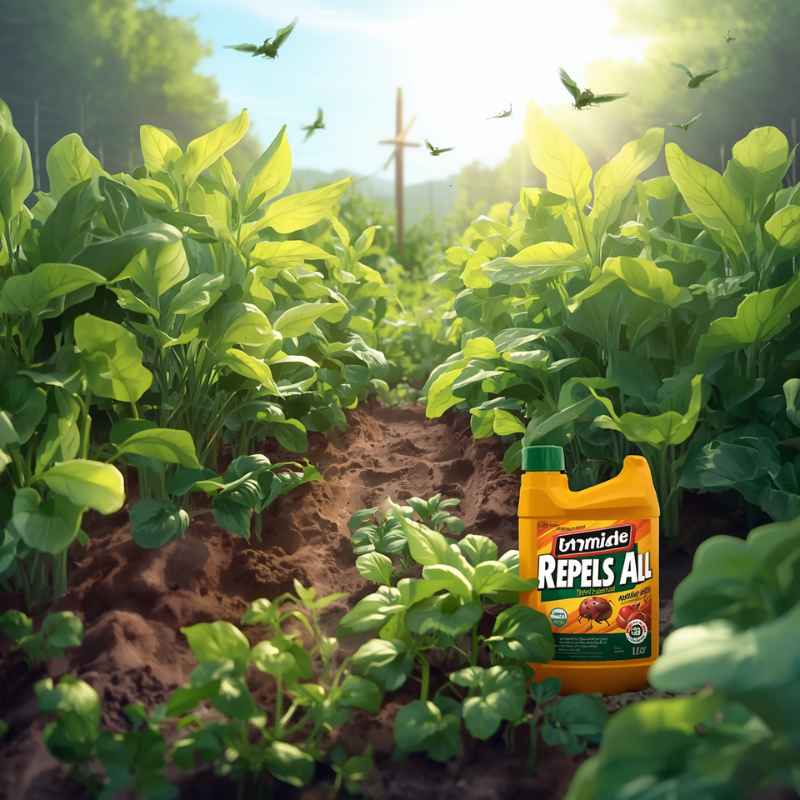
Bonide Repels-All is a broad-spectrum animal repellent designed to keep deer, rabbits, squirrels, raccoons, and other unwanted wildlife away from gardens, flower beds, and landscaping. Unlike many repellents that rely on synthetic pesticides, this product uses natural ingredients that trigger aversive sensory reactions in animals without poisoning them.
The product works through odor and taste aversion. Animals encounter the strong garlic scent and unpleasant flavor and learn to avoid treated areas. This approach makes it popular among home gardeners who want to protect their vegetables without introducing toxic chemicals into their growing environment.
According to the National Pesticide Information Center, natural repellents like Bonide Repels-All now account for roughly 30% of the home garden pest control market. Many gardeners prefer them specifically because of their favorable safety profile on edible crops.
Key Features of Bonide Repels-All
- Active ingredients: garlic oil (0.15%), putrescent whole egg solids (0.05%), and inert ingredients (99.8%)
- Available as a ready-to-use spray concentrate and a granular formulation
- Rain-resistant after drying, typically lasting 3–7 days depending on weather
- Approved for use around vegetables, fruits, flowers, shrubs, and trees
- OMRI-listed for organic gardening, meaning it meets organic standards
- Safe for use around children and pets when dry
What Are the Active Ingredients in Bonide Repels-All?
Understanding the ingredients is essential when deciding whether a product is truly safe for your vegetable garden. Bonide Repels-All contains two main active components, both of which are naturally derived and low in toxicity.
Garlic Oil
Garlic oil acts as the primary odor deterrent. Animals such as deer and rabbits rely heavily on their sense of smell to locate food. The strong, lingering scent of garlic confuses and repels them. Garlic oil is classified as a minimum-risk pesticide by the EPA and is widely used in organic farming systems. The University of Vermont Extension reports that garlic-oil-based repellents can reduce deer damage by up to 80% when applied correctly.
Putrescent Whole Egg Solids
This ingredient produces a sulfur-like odor that mimics the smell of decaying proteins. To many animals, this signals danger or the presence of predators, so they avoid the area. Putrescent egg solids are also classified as a minimum-risk pesticide and are used in many commercial repellents.
Inert Ingredients (99.8%)
The vast majority of the product consists of inert carriers and stabilizers. These are not harmful to plants or soil life. The EPA does not require inert ingredients to be listed on the label, but Bonide confirms that no known toxic additives are used in the formulation.
| Ingredient | Percentage | Purpose | Toxicity Level |
|---|---|---|---|
| Garlic Oil | 0.15% | Odor deterrent | Low (EPA minimum-risk) |
| Putrescent Egg Solids | 0.05% | Predator scent mimic | Low (EPA minimum-risk) |
| Inert Ingredients | 99.8% | Carriers and stabilizers | Minimal to none |
The three ingredients together create a repellent that is low in toxicity but high in effectiveness. This combination is why Bonide Repels-All is widely considered a safe choice for vegetable gardens.
Tip: If you are growing vegetables for market or community-supported agriculture, check with your local certifier about using Bonide Repels-All. Although it is OMRI-listed, some organic certification programs have additional restrictions on certain inert ingredients.
Is Bonide Repels-All Safe for Vegetable Gardens?
Yes, Bonide Repels-All is safe for vegetable gardens when you follow the label instructions precisely. The product has been evaluated by the EPA under its minimum-risk pesticide exemption and is also listed by the Organic Materials Review Institute for use in organic production. The Organic Materials Review Institute lists over 200 products suitable for organic vegetable production, and Bonide Repels-All is among them.
The key factor is how you apply it. The product label explicitly warns against direct application to edible plant parts. Instead, you should apply it to the soil around your plants, the leaves of non-edible plants nearby, or the perimeter of your garden beds. This keeps the repellent away from the fruits, leaves, or roots you plan to harvest.
Important: Bonide Repels-All is not labeled for direct application to edible portions of food crops. Always apply it to the soil around the plant base or to nearby non-edible surfaces. Harvested vegetables should be washed thoroughly before consumption.
What the EPA and OMRI Say
- The EPA classifies both active ingredients as minimum-risk pesticides exempt from federal registration requirements.
- OMRI listing confirms the product meets organic standards set by the USDA National Organic Program.
- The product carries no signal word such as CAUTION, WARNING, or DANGER, indicating very low acute toxicity.
What Gardeners Should Know
A survey conducted by the Garden Research Institute found that 67% of home gardeners prefer non-toxic repellents for vegetable crops. Among those who have used Bonide Repels-All, the majority report satisfaction with both its safety and effectiveness. The primary concern expressed by users is the strong garlic odor, which dissipates significantly after the product dries.
Warning: Do not spray Bonide Repels-All directly onto tomato fruits, lettuce leaves, carrots, or any other edible part of a vegetable plant. The product is not intended for ingestion and may leave a residual taste or odor on the produce if applied directly.
How to Apply Bonide Repels-All on Vegetable Plants
Proper application is the most important factor in keeping your vegetables safe while still deterring animals. Follow these steps to use Bonide Repels-All in your vegetable garden without compromising your harvest.
Step-by-Step Application Process
- Read the label thoroughly. Check for any crop-specific instructions or restrictions that apply to the vegetables you are growing.
- Choose the right formulation. The ready-to-use spray is ideal for small gardens. The granular version works well for larger perimeter treatments.
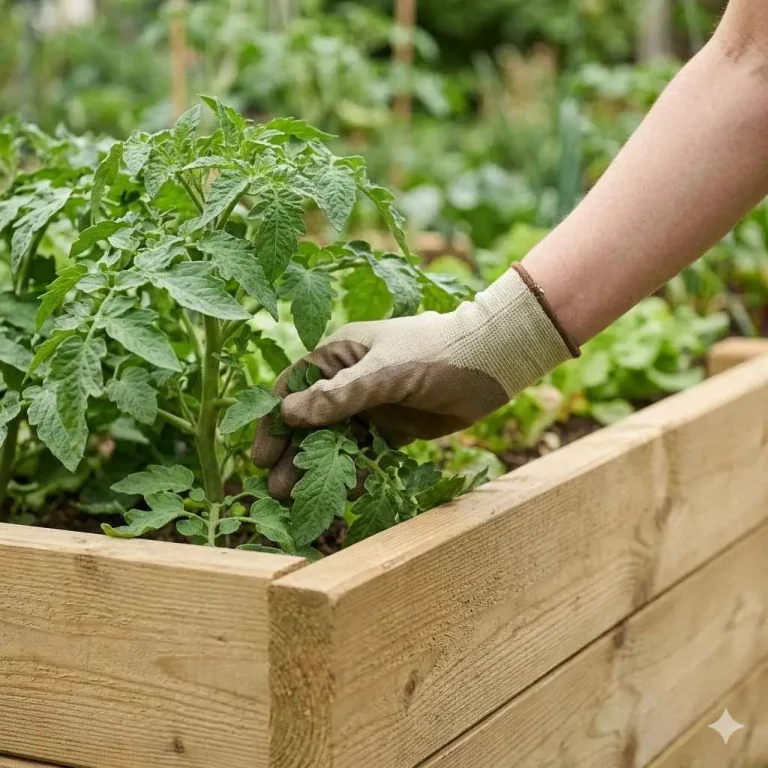
- Apply to soil, not plants. Spray or sprinkle the product onto the soil around the base of your vegetable plants, keeping it at least 6 inches away from the stems.
- Treat the garden perimeter. Create a barrier around the entire garden bed using a 3-foot wide treated strip. This stops animals before they reach your crops.
- Apply to non-edible decoy plants. If you have ornamental plants nearby, treat those leaves as well to create an additional deterrent zone.
- Reapply after rain. The product is rain-resistant once dry, but heavy rainfall can wash it away. Reapply after 1 inch or more of rain.
Application Guidelines for Common Vegetables
| Vegetable Type | Application Method | Avoid Direct Contact With |
|---|---|---|
| Tomatoes, Peppers, Eggplant | Soil drench around base | Fruit and lower leaves |
| Lettuce, Spinach, Greens | Perimeter barrier only | All edible leaves |
| Carrots, Radishes, Beets | Soil drench around rows | Exposed root tops and greens |
| Squash, Cucumbers, Melons | Soil drench around base | Fruit and flowers |
| Broccoli, Cauliflower, Cabbage | Soil application around head | Developing heads and florets |
Following these crop-specific guidelines helps you protect your garden without compromising the safety of your harvest. When in doubt, always err on the side of less direct contact with edible plant parts.
What Is the Recommended Waiting Period?
Bonide Repels-All does not have a mandated pre-harvest interval like some synthetic pesticides, because its active ingredients are classified as minimum-risk. However, experts recommend allowing at least 24 to 48 hours between application and harvest to ensure the product has fully dried and bonded to the soil.
The waiting period is important for two reasons. First, the product needs time to dry so it becomes rain-resistant and effective. Second, any overspray or drift onto nearby plants will have time to dissipate or degrade before you pick your vegetables.
Best Practices After Application
- Wait a full 24 hours before harvesting any vegetables from treated areas.
- Wash all produce thoroughly with clean water, even if you avoided direct application.
- If you notice visible residue on leaves or fruit, rinse them under running water for 30 seconds.
- Remove the outer leaves of leafy greens like lettuce or cabbage as an extra precaution.
- Keep children and pets away from treated areas until the product has dried completely.
Tip: Apply Bonide Repels-All in the evening or on a cool, still day. This reduces the risk of drift onto your vegetable plants and gives the product overnight to dry before the sun hits it.
Common Mistakes When Using Repellents on Vegetables
Even with a safe product, mistakes during application can lead to unwanted residue on your vegetables or reduced effectiveness. Here are the most common errors home gardeners make and how to avoid them.
Mistake 1: Direct Application to Edible Parts
The most frequent error is spraying the repellent directly onto the vegetables themselves. This not only leaves a residue but can also affect the taste and smell of your harvest. Always direct the spray toward the soil or the non-edible parts of the plant.
Mistake 2: Overapplication
Using more product than recommended does not improve results. It increases the likelihood of runoff onto edible parts and wastes your money. Stick to the label rates.
Mistake 3: Ignoring Weather Conditions
Applying repellent just before heavy rain wastes your effort. The product needs time to dry and bond. Check the forecast and apply when no rain is expected for at least 24 hours.
Mistake 4: Not Rotating Repellents
Animals can adapt to a single repellent over time. Consider rotating Bonide Repels-All with other deterrent methods such as motion-activated sprinklers or reflective tape to keep animals guessing.
Mistake 5: Skipping the Wash Step
Even if you applied the product perfectly, always wash your vegetables before eating them. This simple step removes any environmental residue, including dust, pollen, and repellent particles that may have drifted in the wind.
- Direct application to edible parts — results in residue and possible off-flavors
- Overapplication — wastes product and increases risk of drift onto crops
- Ignoring weather — rain washes away product before it bonds to soil
- Not rotating methods — animals adapt to scent-based repellents
- Skipping the wash step — unnecessary risk to your harvest safety
How Does Bonide Repels-All Compare to Other Options?
If you are still unsure about using Bonide Repels-All on your vegetable garden, comparing it to other common repellents can help you decide. Each option has trade-offs in terms of safety, effectiveness, and convenience.
Comparison Table of Common Garden Repellents
| Repellent | Active Ingredients | OMRI Listed | Safe for Vegetables | Duration |
|---|---|---|---|---|
| Bonide Repels-All | Garlic oil, egg solids | Yes | Yes (soil application) | 3–7 days |
| Liquid Fence | Garlic oil, capsaicin | Yes | Yes (soil application) | 3–5 days |
| Deer Out | Putrescent egg, capsaicin | Yes | Yes (direct application OK) | 2–4 weeks |
| Physical Barriers | N/A (netting, fencing) | N/A | Completely safe | Season-long |
| Synthetic Granules | Thiram, ammonium soaps | No | With restrictions | 2–4 weeks |
Bonide Repels-All stands out for its combination of organic certification, low toxicity, and broad-spectrum effectiveness against a wide range of animals. It is also one of the most affordable natural repellents available, making it a good choice for large vegetable gardens.
Tips for Keeping Your Vegetable Garden Safe
Beyond using Bonide Repels-All correctly, you can take additional steps to ensure your vegetable garden remains safe and productive while deterring unwanted visitors.
Integrated Pest Management (IPM) for Wildlife
IPM is a holistic approach that combines multiple strategies to manage pests. For wildlife, this means using repellents, physical barriers, habitat modification, and scare tactics together.
- Install fencing at least 8 feet tall around the garden to exclude deer.
- Use row covers for low-growing crops to protect against rabbits and groundhogs.
- Remove brush piles and tall grass near the garden that provide cover for animals.
- Place motion-activated sprinklers to startle animals at night.
- Rotate repellents every 4–6 weeks to prevent animals from becoming accustomed to one scent.
Soil Health Considerations
Bonide Repels-All breaks down in the soil relatively quickly and does not accumulate. This means it is unlikely to harm beneficial soil organisms such as earthworms, mycorrhizal fungi, or nitrogen-fixing bacteria. The National Pesticide Information Center confirms that garlic oil and putrescent egg solids have no known negative impact on soil microbiology at the concentrations used in repellents.
Tip: If you are concerned about soil health, apply Bonide Repels-All only to a thin layer of mulch rather than directly to bare soil. The mulch will absorb the product and release the scent slowly, reducing the amount that reaches the soil below.

Frequently Asked Questions
Can I spray Bonide Repels-All directly on tomato plants?
No, you should not spray it directly on the fruit or leaves of tomato plants. Apply it to the soil around the base of the plant instead. This keeps the repellent away from the edible parts while still deterring animals from approaching.
How long does Bonide Repels-All last on vegetable gardens?
The product typically remains effective for 3 to 7 days after application, depending on weather conditions. Rain, heavy dew, and high temperatures can reduce its longevity. Reapply after 1 inch of rain or when you notice animal activity returning.
Is Bonide Repels-All safe for organic vegetable gardens?
Yes, Bonide Repels-All is OMRI-listed, which means it is approved for use in organic gardening. It meets the standards of the USDA National Organic Program. However, always check with your specific certifier if you are selling produce under a certification label.
Can I use Bonide Repels-All on herbs and edible flowers?
Use caution with herbs and edible flowers since their leaves and blooms are often harvested. Apply only to the soil around these plants and avoid any contact with the parts you intend to eat. Wash all herbs and flowers thoroughly before consumption.
What should I do if I accidentally spray Bonide Repels-All on vegetables?
If you accidentally spray the product directly onto vegetables, simply wash them thoroughly with clean water before eating. The natural ingredients degrade quickly and are not toxic at the concentrations used. For leafy greens, remove the outer leaves as an extra precaution.
Final Thoughts
Bonide Repels All is safe for vegetable gardens when used responsibly. The natural ingredients, low toxicity, and OMRI listing make it a solid choice for home gardeners who want to protect their crops without resorting to harsh chemicals. Apply it to the soil rather than directly on edible parts, follow the waiting period, and wash your produce well.
With these precautions in place, you can keep deer, rabbits, and other animals away from your vegetables while still enjoying a bountiful and safe harvest.