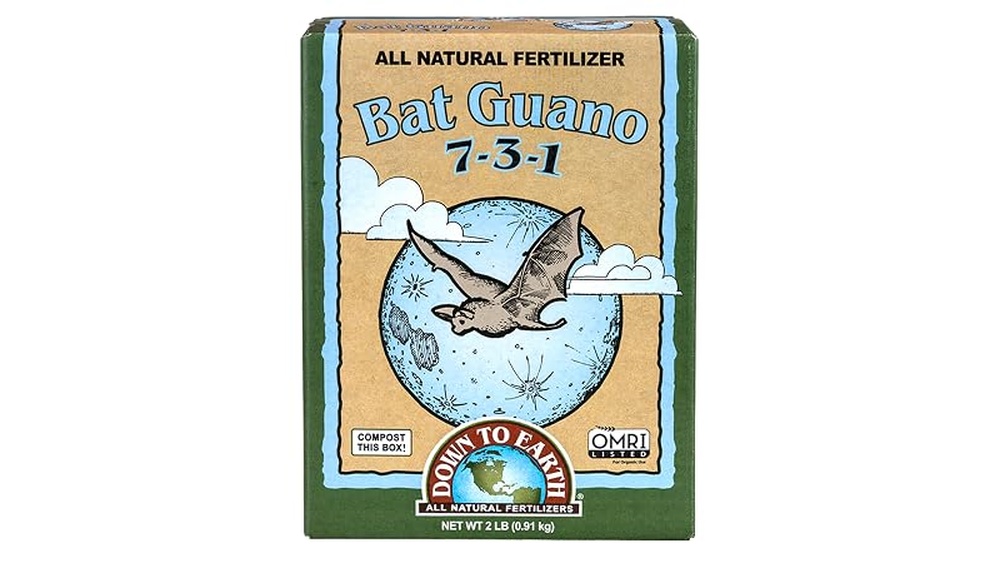
Is Bat Guano Safe for Vegetable Gardens
Bat guano has long been touted as a powerhouse natural fertilizer, prized by gardeners for its remarkable nutrient profile and soil-enhancing properties. But as organic gardening gains popularity and health-conscious consumers demand transparency in their growing methods, the question arises: Is bat guano safe for vegetable gardens ? This seemingly simple inquiry uncovers a complex web of benefits, risks, scientific studies, and best practices that every gardener should understand before adding this substance to their soil.
With sustainability and food safety in the spotlight, gardeners are increasingly seeking organic amendments that support robust plant growth without compromising the health of their families or the environment. Bat guano, a rich source of nitrogen, phosphorus, and potassium, promises lush harvests and improved soil structure.
Yet, the use of animal-based fertilizers also carries potential hazards—from pathogens to heavy metals—that can impact both crops and consumers. In this comprehensive guide, we’ll analyze the safety of bat guano for vegetable gardens by reviewing research, real-world experiences, industry standards, and expert recommendations, helping you make an informed decision for your own garden.
Key Takeaways
- Bat guano is a nutrient-rich organic fertilizer that can significantly boost vegetable garden productivity when used properly.
- Potential risks include pathogens, heavy metals, and environmental concerns, but these can be managed with proper handling and sourcing.
- Composting and correct application methods reduce health risks associated with raw guano.
- Scientific studies and real-world cases show that bat guano is generally safe for vegetables if guidelines are followed.
- Choosing reputable suppliers and adhering to food safety protocols are critical for safe use.
- Alternatives to bat guano are available for those seeking different organic fertilizer options.
Understanding Bat Guano
What Is Bat Guano?
Bat guano refers to the accumulated droppings of bats, typically collected from caves or roosting areas. This organic matter is renowned for its exceptional concentration of plant nutrients—particularly nitrogen, phosphorus, and potassium (N-P-K)—making it a sought-after fertilizer in organic gardening and commercial agriculture. Historically, civilizations such as the Inca and Chinese dynasties utilized bat guano to enrich their soils, recognizing its value long before modern science could explain its effects.
In modern horticulture, bat guano is often favored for its ability to provide both immediate and residual fertility. Its unique composition, which can vary depending on the bat species and their diet (fruit-eating, insectivorous, or nectar-feeding), makes it a versatile option for a wide array of crops.
Because guano is the result of bat digestion, it is often more readily available to plants than some mineral-based fertilizers, which require more time to break down in the soil.
Nutritional Composition
The primary appeal of bat guano lies in its nutrient density. Depending on the species of bat, their diet, and the guano’s age, its N-P-K ratio generally falls within:
- Nitrogen (N): 5-12%
- Phosphorus (P): 3-10%
- Potassium (K): 1-5%
These macronutrients are essential for vegetative growth, root development, and fruit production. Bat guano also contains trace minerals such as calcium, magnesium, sulfur, and iron, which contribute to overall plant health. Additionally, guano often contains beneficial microbes that can enhance soil biodiversity and plant resilience against disease.
For example, the high phosphorus content in guano makes it especially valuable during the flowering and fruiting stages of crops like tomatoes and peppers, while its nitrogen content supports leafy vegetable production. Because the N-P-K balance can differ by guano source, gardeners often select specific guano types for targeted results, such as high-nitrogen guano for leafy greens and high-phosphorus guano for root vegetables and fruiting crops.
How Bat Guano Works In Soil
When applied to soil, bat guano acts as a slow-release fertilizer, gradually providing nutrients as it decomposes. This gradual nutrient release helps prevent the dramatic spikes and drops in soil fertility that can occur with synthetic fertilizers, leading to more stable and sustained plant growth. It also enhances soil structure, increases microbial activity, and improves water retention. The presence of beneficial microorganisms in guano can help suppress soil-borne diseases and promote robust root systems.
Guano’s high organic matter content contributes to the formation of soil aggregates, improving aeration and drainage in heavy soils while increasing water-holding capacity in sandy soils. This results in improved root development and greater resilience to environmental stress. Moreover, the microbial diversity introduced by guano can outcompete pathogenic organisms, thus reducing the incidence of soil-borne diseases and supporting organic production methods.
Types Of Bat Guano
There are several types of bat guano available on the market, primarily categorized by their origin and processing method:
- Fresh Guano: Unprocessed and high in nutrients but contains the highest risk of pathogens.
- Aged Guano: Naturally decomposed over time, lower pathogen risk, and milder nutrient release.
- Composted Guano: Treated to eliminate pathogens, offering a safer and more balanced fertilizer.
Each type has its unique advantages and considerations. Fresh guano, while highly potent, is best reserved for experienced gardeners who are equipped to handle it safely and understand the risks. Aged and composted guano are preferable for most home gardens, as they offer a good balance of safety and nutrient availability.
| Type | Nutrient Content (N-P-K) | Pathogen Risk | Best Use Case |
|---|---|---|---|
| Fresh Guano | 10-3-1 | High | Soil amendment (with caution) |
| Aged Guano | 8-5-1 | Medium | Top dressing, compost tea |
| Composted Guano | 5-7-3 | Low | All-purpose garden use |

Benefits Of Bat Guano For Vegetable Gardens
Enhanced Plant Growth
Bat guano’s high nitrogen content is particularly beneficial during the vegetative stage of vegetables such as lettuce, spinach, and brassicas, fostering lush foliage and rapid growth. Its phosphorus content is crucial for root development and fruiting, making it ideal for tomatoes, peppers, and root crops. Gardeners often report improved yields and crop quality after applying bat guano, attributing this to the balanced nutrient availability.
For instance, a home gardener may notice that leafy greens develop deeper color and increased vigor, while fruiting crops set more blossoms and bear larger, tastier fruits. In climates with short growing seasons, bat guano can help plants mature faster, allowing gardeners to maximize harvests before the first frost.
There are also anecdotal reports of improved resistance to pest and disease pressure, likely due to the enhanced health and resilience of plants receiving a balanced, organic nutrient supply.
Improved Soil Health
Beyond its fertilizing capacity, bat guano stimulates beneficial microbial activity. These microorganisms break down organic matter, increase nutrient cycling, and combat harmful pathogens in the soil. The organic matter in guano also improves soil texture and enhances water retention, creating a more resilient garden ecosystem.
For example, research has shown that soils amended with bat guano have higher levels of beneficial fungi and bacteria, such as mycorrhizae and actinomycetes, compared to soils treated only with synthetic fertilizers. These microbes help plants absorb nutrients more efficiently and can even produce natural antibiotics that inhibit harmful organisms.
Improved soil structure translates into better root penetration and increased drought tolerance, reducing the need for frequent irrigation and lowering overall garden maintenance.
Organic And Sustainable
Bat guano is classified as an organic fertilizer by the USDA National Organic Program, making it suitable for certified organic vegetable production (USDA). Its use supports sustainable practices by reducing reliance on synthetic fertilizers, which can lead to runoff and environmental degradation.
Because it is a naturally occurring byproduct, bat guano has a smaller carbon footprint compared to the manufacturing and transportation of synthetic fertilizers. When sourced sustainably, it supports a circular ecosystem—bats help control pests and pollinate plants, and their guano nourishes the soil.
This aligns with the values of regenerative agriculture, which seeks to improve soil health and biodiversity over time.
Versatility In Application
Bat guano can be used in various ways:
- Soil amendment prior to planting
- Top dressing during the growing season
- Compost tea for foliar feeding
- Greenhouse and container gardening
This versatility allows gardeners to tailor applications to crop needs and garden conditions. For example, guano can be mixed into seed starting mixes for a gentle nutrient boost or applied as a liquid tea to quickly address deficiencies during peak growth periods.
In raised beds and containers, where nutrients can be depleted rapidly, bat guano provides a steady supply of essential elements.
Case Study: Urban Community Garden
A 2026 pilot program at the Chicago Community Gardens Association integrated bat guano into raised beds growing tomatoes and leafy greens. Compared to control beds using only compost, the guano-amended plots saw a 22% increase in tomato yield and noticeable improvement in leaf color and size. No adverse effects were reported, and soil microbial diversity was higher in guano-treated beds.
Further analysis of the program revealed that gardeners found the guano easy to apply and observed fewer instances of blossom end rot and other nutrient-related disorders. The program’s leaders attributed this success to both the nutrient density of guano and the boost in beneficial soil microbes, which together created a healthier, more productive garden environment.
Risks And Safety Concerns
Pathogens And Human Health
Bat guano can harbor pathogens that are harmful to humans, including:
- Histoplasma capsulatum: Fungus causing histoplasmosis, a respiratory disease.
- Salmonella and E. coli: Bacteria that may contaminate vegetables if guano is improperly handled.
Risks are greatest with fresh guano, as aging and composting substantially reduce pathogen viability. According to the Centers for Disease Control and Prevention (CDC), handling raw guano without protection can lead to infection, especially in enclosed spaces (CDC).
Histoplasmosis is of particular concern in regions where bat populations are dense and guano is harvested from confined spaces. The disease can be contracted by inhaling spores present in guano dust. Symptoms range from mild, flu-like conditions to severe lung infections, particularly in immunocompromised individuals.
Proper composting, ventilation, and use of personal protective equipment can dramatically reduce this risk.
Heavy Metals And Contaminants
Some bat guano deposits contain elevated levels of heavy metals such as cadmium, lead, or mercury, which can accumulate in vegetables and pose long-term health risks. A 2017 study published in the Journal of Environmental Management found that guano from certain caves exceeded safe thresholds for agricultural use (Elsevier).
The presence of heavy metals is often linked to the geological features of the cave environment and the bats’ diet. Regular testing by suppliers and independent verification by agricultural extension services can help ensure that guano used in gardens is free from dangerous contaminants.
Home gardeners are encouraged to request documentation from suppliers and, when in doubt, perform soil tests before and after application.
Environmental Impact
Unsustainable harvesting of bat guano can disturb bat populations and cave ecosystems. Over-harvesting can lead to bat colony decline, affecting pollination and pest control services in surrounding environments. Reputable suppliers adhere to sustainable sourcing practices to minimize ecological disruption.
For instance, some guano harvesters collaborate with conservation organizations to monitor bat populations and restrict collection to periods when bats are not breeding or roosting. This helps maintain the delicate balance of cave ecosystems and ensures that bats continue to play their vital roles in local environments.
Over-application And Nutrient Burn
Applying too much bat guano can result in nutrient burn, where excess nitrogen and salts damage plant roots and foliage. Symptoms include leaf yellowing, browning edges, and stunted growth. Following application guidelines and conducting soil tests can prevent these issues.
It is important to remember that more is not always better when it comes to organic fertilizers. Excessive application can also increase the risk of nutrient runoff into local waterways, potentially contributing to algal blooms and water pollution. Moderation and monitoring are key to maximizing benefits while minimizing environmental impact.
Real-world Incident: Pathogen Outbreak
In 2018, a small organic farm in Florida experienced an outbreak of E. coli traced to un-composted bat guano used as a side dressing on leafy greens. The incident prompted a temporary recall and highlighted the importance of using properly processed guano and adhering to pre-harvest intervals.
This case underscores the need for education and adherence to best practices. While such incidents are rare, they serve as important reminders of the potential risks associated with animal-based fertilizers and the value of rigorous safety protocols.
Safe Use Practices For Bat Guano In Vegetable Gardens
Choosing The Right Product
- Opt for composted or aged guano from reputable suppliers who test for pathogens and heavy metals.
- Verify certification from organizations such as the Organic Materials Review Institute (OMRI).
Reputable suppliers will provide transparency about their sourcing and processing methods. Look for clear labeling, batch testing results, and third-party certifications to ensure product safety and quality.
Application Methods
- Incorporate guano into soil at least two weeks before planting to allow decomposition and reduce pathogen risk.
- For side dressing, apply guano away from edible plant parts and water it in thoroughly.
- Use compost tea made from guano for foliar feeding, ensuring it is properly brewed to destroy pathogens.
When making compost tea, ensure the tea is aerated and maintained at appropriate temperatures to prevent the proliferation of harmful bacteria. Avoid applying guano tea directly to edible plant surfaces close to harvest.
Personal Protective Measures
- Wear gloves and a mask when handling raw or dried guano to avoid inhaling dust or spores.
- Wash hands and tools after application.
In addition, avoid working with guano on windy days or in poorly ventilated spaces to minimize inhalation risks. Dispose of any unused or spoiled guano safely to prevent accidental exposure by children or pets.
Timing And Pre-harvest Intervals
- Apply guano well before harvest (minimum 90–120 days for crops in contact with soil, per USDA recommendations).
- Avoid application during wet weather to reduce runoff risk.
Following pre-harvest intervals is especially important for root and leafy crops that are more likely to come into contact with soil particles. For fruiting crops, applications can be timed earlier in the season to further minimize risks.
Storage And Handling
- Store guano in a dry, sealed container away from food and living areas.
- Keep out of reach of children and pets.
Label storage containers clearly and check periodically for signs of moisture or contamination. If guano develops mold, odd smells, or clumping, discard it according to local hazardous waste guidelines.
| Best Practice | Purpose | Safety Impact |
|---|---|---|
| Compost or age guano | Reduce pathogens | High |
| Use gloves/mask | Prevent exposure | Medium |
| Apply before planting | Allow breakdown | High |
| Test soil regularly | Monitor heavy metals | Medium |
Case Example: Home Garden Safety Protocol
A home gardener in Austin, Texas, began using bat guano in her raised vegetable beds in 2026. She purchased composted, OMRI-listed guano, wore gloves and a mask during application, and applied it only during soil preparation. After two growing seasons, she reported no health issues, robust vegetable growth, and improved soil texture.
Her experience highlights the benefits of combining safe sourcing, proper timing, and personal protective equipment. She also conducted annual soil tests to monitor nutrient levels and heavy metals, ensuring the long-term safety of her garden’s produce.
Scientific Evidence And Expert Opinions
Research On Pathogen Survival
A 2014 study from the University of Florida found that composting bat guano at 131°F (55°C) for at least 15 days effectively eliminated Salmonella, E. coli, and Histoplasma spores (University of Florida IFAS). This supports the use of properly composted guano as a safe soil amendment for vegetable production.
Other studies have shown that even partial composting significantly lowers the risk of pathogen survival, especially when combined with moisture control and regular turning of compost piles. These findings emphasize the importance of processing over raw application.
Heavy Metals Research
Analysis of commercial bat guano samples in a 2018 Environmental Toxicology report revealed that 90% of products tested were within safe heavy metal limits for agricultural use (Wiley Online Library). However, the study cautioned that source location matters, and emphasized the need for ongoing supplier testing.
This means that gardeners should not assume all guano is safe by default. Instead, they should rely on documented analysis from suppliers and consider periodic testing of their own soil, especially if using large quantities or growing crops for sale.
Extension Service Recommendations
Cooperative Extension Services such as the University of California Agriculture and Natural Resources recommend using only processed guano and following standard pre-harvest intervals for animal-based fertilizers (UCANR). They note that when proper guidelines are followed, bat guano presents minimal risk to gardeners and consumers.
These guidelines are based on years of research and field observation, and they are regularly updated to reflect new scientific findings. By adhering to extension service recommendations, gardeners can confidently use guano in their vegetable gardens.
Expert Panel Consensus
In a 2020 panel hosted by the Soil Science Society of America, experts agreed that bat guano is safe for vegetable gardens when:
- It is sustainably harvested and pathogen-tested.
- Proper application and pre-harvest practices are followed.
- Users are educated on risks and mitigation strategies.
Panelists emphasized that education is key—misuse or misunderstanding of organic amendments can create avoidable risks, while informed gardeners can enjoy the benefits of guano without compromising safety.
Comparing Bat Guano With Other Organic Fertilizers
To provide perspective, it’s helpful to compare bat guano with other common organic fertilizers used in vegetable gardening .
| Fertilizer | N-P-K Ratio | Pathogen Risk | Release Speed | Best For |
|---|---|---|---|---|
| Bat Guano | 8-5-1 (avg) | Medium (low if composted) | Moderate (slow-release) | All vegetables, soil amendment |
| Compost | 1-1-1 | Low (well-composted) | Slow | Soil health, general feeding |
| Chicken Manure | 2-2-1 | High (raw); Low (composted) | Fast | Heavy feeders |
| Fish Emulsion | 5-1-1 | Low | Fast | Leafy vegetables |
| Worm Castings | 1-0-0 | Very low | Slow | Seedlings, container plants |
Takeaways From The Comparison
- Bat guano outperforms compost and worm castings in N-P-K content, making it suitable for boosting productivity.
- Composted guano’s pathogen risk is comparable to other well-processed organic fertilizers.
- Chicken manure has a higher initial pathogen risk if not fully composted.
- Fish emulsion offers quick nitrogen but lacks phosphorus and potassium.
Each organic fertilizer has its place in the garden. Many experienced gardeners use a combination of these amendments to provide a broad spectrum of nutrients and microbial benefits, rotating or blending them according to crop needs and soil test results.
Sustainable Sourcing And Environmental Responsibility
Impact On Bat Populations
Bats play a critical role in pollination and insect control. Unsustainable guano mining can disrupt these populations, leading to ecological imbalances. Gardeners should seek products from suppliers who:
- Harvest guano without disturbing bat colonies
- Follow international conservation guidelines, such as those from Bat Conservation International (Bat Conservation International)
- Support habitat restoration efforts
For example, some guano producers invest in bat conservation projects or collaborate with local scientists to monitor bat health and population trends. By choosing such suppliers, gardeners can support both their gardens and global biodiversity.
Certification And Transparency
Look for certifications such as:
- OMRI Listed: Approved for organic agriculture
- Fair Trade: Ensures ethical sourcing practices
Transparent supply chains and third-party certifications help consumers make informed choices and drive industry standards toward more sustainable and ethical practices.
Environmental Case Study
A guano collection initiative in Malaysia partners with local communities and conservationists to monitor bat populations and limit collection to abandoned guano deposits. This model has been cited by the International Union for Conservation of Nature (IUCN) as a best practice for balancing agricultural needs with wildlife protection.
Such initiatives not only safeguard bat populations but also provide local economic benefits, supporting community development and encouraging stewardship of natural resources. This demonstrates how sustainable sourcing can be both environmentally and socially responsible.
Alternatives To Bat Guano
For gardeners who prefer to avoid bat guano, several effective alternatives exist:
Plant-based Fertilizers
- Alfalfa meal: Provides nitrogen and trace minerals.
- Soybean meal: Offers a slow-release source of nitrogen.
Plant-based fertilizers are renewable, have low pathogen risks, and can be used in vegan or animal-free gardening systems.
Animal-based Fertilizers
- Composted chicken manure: High in nitrogen, good for heavy feeders.
- Fish emulsion: Rapidly available nutrients for leafy greens.
These products are widely available and, when properly composted, pose minimal risks to human health or the environment.
Mineral Amendments
- Rock phosphate: Supplies phosphorus.
- Greensand: Contains potassium and trace minerals.
Mineral amendments are useful for addressing specific soil deficiencies and are often used in combination with organic matter to achieve a balanced fertility program.
Homemade Compost
Well-made compost is safe, sustainable, and supports diverse soil biology. It can be enriched with small amounts of other organic amendments to meet specific crop needs.
Composting kitchen scraps, yard waste, and cover crops is a cost-effective way to build soil fertility, reduce waste, and create a closed-loop system in the home garden.
Case Example: Switching To Alternatives
A school garden in Portland, Oregon, transitioned from bat guano to a mix of composted chicken manure and alfalfa meal due to concerns about bat conservation. The garden maintained high yields and student safety while supporting local suppliers and minimizing ecological impact.
By choosing alternatives, the garden community maintained both productivity and peace of mind, demonstrating that a variety of organic inputs can deliver healthy, abundant harvests.
Frequently Asked Questions
Is Bat Guano Safe For All Types Of Vegetables?
Bat guano is generally safe for most vegetables when properly composted and applied according to guidelines. However, it’s particularly beneficial for fruiting and leafy crops due to its balanced nutrient content. Always follow recommended pre-harvest intervals, especially for root and leafy crops that may contact the soil.
Certain sensitive crops, such as carrots and radishes, may be more susceptible to nutrient burn if guano is over-applied, so always start with the lower end of recommended rates and observe plant response.
Can Bat Guano Transmit Diseases To Humans?
Raw or improperly handled bat guano can harbor pathogens such as Histoplasma capsulatum, Salmonella, and E. coli. Composting or aging guano before use, and wearing protective gear during handling, significantly reduces the risk of disease transmission.
For households with children, pets, or immunocompromised individuals, extra caution is warranted, and composted guano is strongly recommended.
How Much Bat Guano Should I Use In My Vegetable Garden?
The recommended rate for composted bat guano is generally 1–2 tablespoons per square foot or 1–2 pounds per 100 square feet for soil amendment. Always follow the manufacturer’s instructions and conduct a soil test before application to prevent over-fertilization.
If using guano as a liquid feed, dilute according to package directions and apply sparingly, as concentrated solutions can cause root damage.
Is Bat Guano Better Than Other Organic Fertilizers?
Bat guano offers a higher N-P-K ratio and unique microbial benefits compared to many other organic fertilizers. However, alternatives like well-composted manure, worm castings, and fish emulsion can also provide excellent results, especially when chosen based on specific crop needs and local environmental concerns.
Many gardeners find that integrating several organic fertilizers as part of a holistic fertility plan yields the best results.
Where Can I Buy Safe, Sustainably Sourced Bat Guano?
Look for OMRI-listed or certified organic guano products from reputable garden centers or online retailers. Suppliers should provide testing documentation for pathogens and heavy metals and share information about their sourcing practices. Examples include Down To Earth and Dr. Earth brands, or check with local organic gardening suppliers.
When in doubt, ask for a certificate of analysis and inquire about the company’s harvesting and processing policies.
As with any organic amendment, informed use and responsible sourcing are key to reaping the benefits of bat guano while protecting your health, your garden, and the environment. By following science-backed practices and ethical guidelines, you can safely harness the power of this remarkable natural fertilizer in your vegetable garden .