Is Pig Manure Safe for Vegetable Gardens? Facts & Caution
The use of animal manure in vegetable gardens is a time-honored tradition, providing essential nutrients and improving soil structure. However, not all manures are created equal, and one in particular—pig manure—raises questions about its safety for growing edible crops. With concerns over pathogens, nutrient balance, and proper application, it’s vital for gardeners to understand the facts, risks, and best practices before introducing pig manure into their vegetable plots.
As organic gardening surges in popularity, many are searching for sustainable ways to enrich their soil. Pig manure stands out for its high nutrient content, but it also carries potential hazards that, if ignored, could jeopardize both plant and human health.
This article delves deeply into the science, risks, and realities of using pig manure in vegetable gardens. We’ll examine expert guidance, compare pig manure to other animal manures, and offer actionable steps to use it safely—or find alternatives if necessary.
Key Takeaways
- Pig manure is nutrient-rich but poses higher risks of pathogens than other common manures.
- Proper composting is crucial to reduce health hazards and make pig manure safe for vegetable gardens.
- Direct application of raw pig manure is unsafe for edible crops due to potential contamination.
- Alternatives like cow, horse, and chicken manure may be safer and easier to manage.
- Following strict guidelines and safety precautions is essential for home gardeners using pig manure.

Understanding Pig Manure: Composition And Characteristics
Nutrient Profile Of Pig Manure
Pig manure is valued for its high nitrogen, phosphorus, and potassium content, which are essential macronutrients for plant growth. The actual nutrient content varies depending on the pigs’ diet, bedding, and storage method. On average, fresh pig manure contains:
- Nitrogen (N): 0.5–0.7%
- Phosphorus (P2O5): 0.3–0.5%
- Potassium (K2O): 0.4–0.6%
These levels make pig manure an excellent organic fertilizer for nutrient-hungry crops. However, the high nitrogen content can also lead to plant burn if applied excessively or improperly. For example, leafy greens or tender seedlings may exhibit yellowed or scorched leaves if exposed to too much nitrogen, which disrupts their natural nutrient uptake and can inhibit root development.
Additionally, pig manure contains essential micronutrients such as magnesium, calcium, sulfur, and trace elements like boron, manganese, and iron. These micronutrients are often present in lower quantities but play critical roles in enzymatic activities and overall plant health. However, the concentration of these elements can fluctuate based on the pigs’ feed and whether mineral supplements are used in their diet.
Physical And Chemical Characteristics
Compared to other manures, pig manure tends to be:
- Moist and dense, especially if little bedding is used. This makes it challenging to handle and spread evenly, particularly in wet conditions when compaction and runoff are more likely.
- High in soluble salts, which can accumulate in soil and harm sensitive plants if over-applied. Elevated salt levels can lead to poor seed germination, stunted growth, and in severe cases, plant death. Salt-sensitive crops such as beans and strawberries are particularly at risk.
- Often strong-smelling and more challenging to handle than cow or horse manure. The odor is due to volatile organic compounds and ammonia, which can be unpleasant and may deter gardeners from frequent application.
The pH of pig manure is typically slightly alkaline (ranging from 7. 0 to 8. 0), which can also influence soil chemistry over time. When used in large amounts, this alkalinity may gradually raise the soil pH, potentially causing micronutrient deficiencies in acid-loving plants like blueberries or potatoes.
Microbial Content And Pathogen Risks
Pig manure is a known carrier of several pathogens that can harm humans, including:
- E. coli: Can cause severe gastrointestinal illness, especially dangerous for children, elderly, and immunocompromised individuals.
- Salmonella: Responsible for foodborne outbreaks, with symptoms ranging from mild stomach upset to severe dehydration and hospitalization.
- Listeria: Particularly hazardous for pregnant women, leading to miscarriage or severe illness in newborns.
- Parasitic worms (e.g., roundworms, tapeworms): These can persist in soil and infect humans through contaminated produce.
These pathogens can survive in manure for weeks or even months, especially if the manure is not properly composted. Studies have shown that E. coli O157:H7 can persist for up to 77 days in manure-amended soils, emphasizing the need for rigorous composting protocols. Furthermore, the risk is elevated when manure is applied to soils where root or leafy vegetables are grown, as these crops are more likely to come in direct contact with contaminated particles.
Comparison With Other Animal Manures
Here’s how pig manure stacks up against other common manures in terms of nutrients and safety:
| Manure Type | Nitrogen (%) | Phosphorus (%) | Potassium (%) | Pathogen Risk | Composting Requirement |
|---|---|---|---|---|---|
| Pig | 0.5-0.7 | 0.3-0.5 | 0.4-0.6 | High | Essential |
| Cow | 0.4-0.6 | 0.2-0.4 | 0.5-0.7 | Moderate | Recommended |
| Chicken | 1.1-1.5 | 0.8-1.0 | 0.5-0.8 | Moderate-High | Essential |
| Horse | 0.3-0.6 | 0.2-0.3 | 0.4-0.6 | Low-Moderate | Recommended |
| Sheep | 0.7-0.9 | 0.3-0.4 | 0.9-1.0 | Low | Recommended |
Key takeaway: Pig manure offers robust nutrients but carries higher pathogen risks than most other manures. It also typically requires more rigorous management to ensure safe and effective use.

Health And Safety Risks Of Using Pig Manure
Pathogen Transmission And Food Safety
The greatest concern with pig manure is its ability to harbor zoonotic pathogens—diseases that can jump from animals to humans. These pathogens can contaminate:
- Vegetables (especially root and leafy crops)
- Soil
- Water supplies
If vegetables are consumed raw or undercooked, there is a real risk of foodborne illness. Notably, the Centers for Disease Control and Prevention (CDC) and other agencies warn against using untreated pig manure on edible crops due to these hazards (CDC).
For example, the risk is highest for crops like lettuce, spinach, and carrots, which grow close to or within the soil. Even surface washing may not remove all pathogens, especially if contaminated manure particles adhere to rough surfaces or small crevices in produce.
Heavy Metal Accumulation
In some regions, pig feed may contain copper, zinc, or antibiotics, which can end up in the manure. Long-term use of pig manure can lead to:
- Heavy metal buildup in garden soil
- Plant toxicity
- Potential transfer to food crops
Excessive copper and zinc can inhibit plant growth, cause leaf chlorosis (yellowing), and reduce overall yields. Over time, accumulation of these metals may reach levels that are unsafe for human consumption, especially if edible plant parts are affected. Routine soil testing is recommended if pig manure is used consistently over multiple seasons.
Antibiotic Resistance
The routine use of antibiotics in pig farming is another concern. Manure from medicated pigs may contain:
- Antibiotic residues
- Resistant bacteria
These can contribute to the spread of antibiotic resistance in the environment, a growing global health threat (WHO). Resistant bacteria in the soil can transfer their resistance genes to other microbes, making infections harder to treat if they reach humans or animals. This risk is amplified in home gardens where manure is not managed according to strict agricultural standards.
Environmental Risks
Improper storage or over-application of pig manure can result in:
- Runoff into waterways, causing pollution and algal blooms
- Odor problems affecting neighbors
- Soil salinization
Runoff from manure piles, especially during heavy rains, can introduce nutrients and pathogens into streams, rivers, or lakes. This can lead to algal blooms that deplete oxygen, harm aquatic life, and render water unsafe for recreational or drinking purposes.
Real-world Example: Disease Outbreak Linked To Manure
In 2006, a multi-state outbreak of E. coli O157:H7 in the United States was traced back to contaminated spinach fields. Investigators found that the fields had been fertilized with improperly composted animal manure, highlighting the risks of using raw manure in vegetable gardens (NCBI). While the exact animal source was not pinpointed, the case underscores the broader risk associated with any raw manure, especially that of high-pathogen species like pigs.
Similar outbreaks have been documented in other countries, reinforcing the need for strict adherence to composting guidelines and harvest intervals when manure is used.
Composting Pig Manure: The Path To Safety
Why Composting Is Essential
Composting is the single most important step for making pig manure safe for vegetable gardens. Proper composting:
- Destroys harmful pathogens by raising temperatures to levels that kill bacteria, viruses, and parasites.
- Reduces weed seeds that may be present in bedding or feed residues.
- Stabilizes nutrients, making them more available to plants and less likely to leach away.
- Reduces odors by breaking down volatile compounds.
During composting, microbial activity generates heat, which is necessary for breaking down organic matter and eradicating pathogens. This process also reduces the volume of manure, making it easier to handle and apply.
Best Practices For Composting Pig Manure
To effectively compost pig manure:
- Mix manure with bedding (straw, sawdust) to balance carbon and nitrogen. The ideal carbon-to-nitrogen (C: N) ratio is about 25-30:1. Too much nitrogen (as found in pure manure) can create odors and slow decomposition, while too much carbon (as in excessive straw) can stall the process.
- Pile the mixture in a well-drained location, away from water sources. A concrete pad or lined compost bin can help prevent leaching into groundwater.
- Monitor temperature: Compost should reach at least 131°F (55°C) for 3 consecutive days to kill pathogens. Use a long-stem compost thermometer to check various spots in the pile.
- Turn the pile regularly to maintain aeration and even heating. Turning introduces oxygen, which is essential for aerobic microbes, and ensures all parts of the pile get hot enough.
- Allow compost to mature for at least 6-12 months before use. Maturation allows further breakdown of complex compounds and ensures pathogen die-off.
Larger compost piles (at least 3x3x3 feet) retain heat better and are more effective at pathogen reduction. Covering the pile with a tarp or compost cover can help retain moisture and heat, accelerating decomposition.
Signs Of Finished Compost
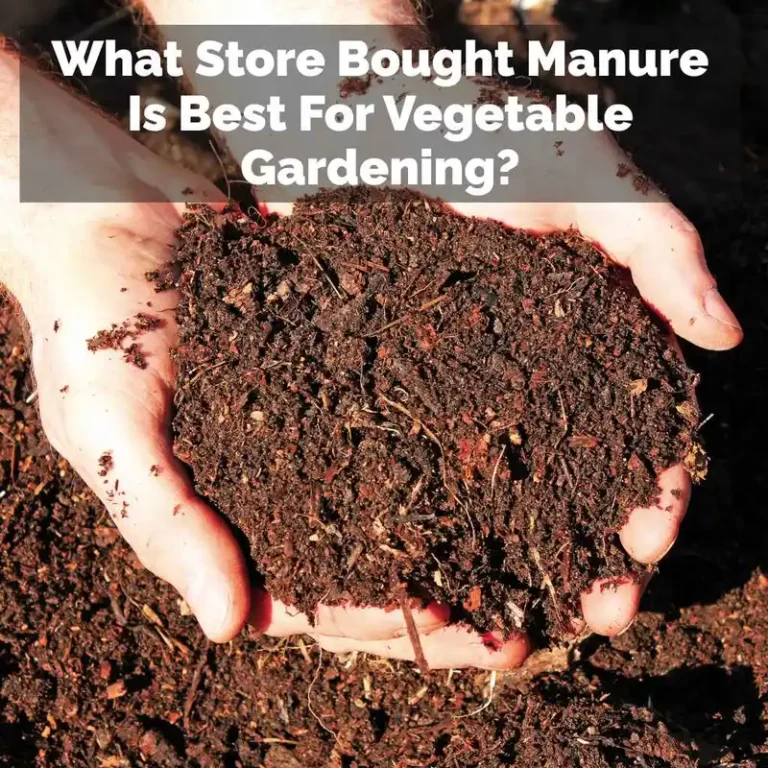
- Dark, crumbly texture: The material should resemble rich garden soil, not the original manure or bedding.
- Earthy smell (not like manure): Finished compost should smell pleasant and natural, with no sharp or offensive odors.
- Temperature returns to ambient: When the pile no longer heats up after turning, decomposition is largely complete.
- No recognizable manure or bedding pieces: Any large, undecomposed fragments should be sifted out before application.
Properly finished compost is safer to use and less likely to introduce pathogens or weed seeds into your garden.
Composting Methods Compared
| Method | Time Required | Pathogen Reduction | Ease of Use |
|---|---|---|---|
| Hot Composting | 3-6 months | High | Moderate |
| Cold Composting | 12-24 months | Low | Easy |
| Vermicomposting | 6-12 months | Moderate | Moderate |
Hot composting is strongly recommended for pig manure due to its effectiveness in pathogen destruction (US Composting Council). Vermicomposting (using worms) can be effective for small quantities, but it requires pre-composting to avoid exposing worms to pathogens and excess ammonia.
Legal And Regulatory Guidelines
Many local and national agricultural agencies have specific rules on manure use for edible crops. For example:
- USDA National Organic Program requires that raw manure must be incorporated into the soil at least 120 days before harvest of food crops in contact with soil, or 90 days for crops not in contact (USDA).
- Some states prohibit the use of raw pig manure entirely on food crops.
Additionally, organic certification programs may have their own requirements for composting, documentation, and application timing. Always consult your local extension office or regulatory authority to ensure compliance.

How To Use Pig Manure Safely In Vegetable Gardens
When And How To Apply
- Never apply raw pig manure directly to soil where vegetables will be grown.
- Use fully composted manure only.
- Apply in the off-season (fall or early spring) to allow further decomposition and pathogen die-off.
When applying, spread the composted manure evenly across the garden bed. Avoid placing manure in direct contact with plant stems or edible parts, as even composted manure may carry residual risks if not fully matured.
Application Rates
- Apply 1–2 inches of composted pig manure as a top dressing, or
- Incorporate into the top 6–8 inches of soil before planting.
Avoid over-application to prevent nutrient imbalances and salt buildup. Excess nutrients, particularly nitrogen and phosphorus, can leach into groundwater or cause excessive vegetative growth at the expense of fruit or root development.
For new gardens or depleted soils, start with a lower rate and monitor plant response. Established gardens with regular organic inputs may require less frequent manure application.
Crops To Avoid
Because pig manure poses higher risks, some crops are especially vulnerable:
- Leafy greens (lettuce, spinach)
- Root crops (carrots, radishes)
- Low-growing fruits (strawberries)
These crops are more likely to come in contact with contaminated soil or water. If you must use pig manure, focus on crops with minimal soil contact, such as tomatoes or corn. For added safety, consider using pig manure only on ornamental beds or for soil-building in off-years.
Safety Tips For Gardeners
- Always wear gloves when handling manure or compost.
- Wash hands thoroughly after gardening.
- Wash all produce carefully before eating.
- Keep pets and children away from fresh manure or compost piles.
- Clean all tools and equipment used with manure to prevent cross-contamination.
Additional precautions include using dedicated footwear in manure-handling areas and practicing crop rotation to minimize the risk of persistent pathogens.
Real-world Example: Small Farm Success Story
A small organic farm in Iowa successfully transitioned from using raw pig manure to fully composted manure after a local food safety audit. By following best practices in hot composting and applying only in the fall, the farm reported improved soil fertility, higher crop yields, and no foodborne illness incidents over five years.
The farm also implemented regular soil and compost testing, confirming the absence of E. coli and other pathogens before each application. This proactive approach not only safeguarded their crops but also met organic certification standards and increased consumer confidence in their produce.
Alternatives To Pig Manure For Vegetable Gardens
Cow And Horse Manure
Cow and horse manure are popular alternatives due to their lower pathogen loads and easier composting requirements. They tend to break down quickly and improve soil texture.
- Cow manure: Rich in organic matter, low odor, moderate nutrients. It is widely available from local farms and garden centers and is less likely to contain high levels of antibiotics or heavy metals.
- Horse manure: Slightly higher in fiber, good for soil aeration. However, it may contain more weed seeds if not composted thoroughly, as horses’ digestive systems do not always destroy all seeds.
Both types are excellent for general soil improvement and can be safely composted using standard backyard methods.
Chicken And Sheep Manure
Chicken manure is highly concentrated in nitrogen and phosphorus, making it a powerful fertilizer when composted. However, raw chicken manure is even more likely than pig manure to burn plants if applied fresh, so composting is essential.
Sheep manure is considered one of the safest and easiest to handle, with minimal odor. It is relatively dry and pelletized, making it easy to spread and less likely to harbor pathogens compared to wetter manures.
Commercial Organic Fertilizers
For those concerned about pathogens or lacking composting facilities, commercially produced organic fertilizers are widely available. These products are:
- Sterilized to eliminate pathogens and weed seeds.
- Labeled with nutrient content for precise application.
- Convenient and consistent, removing the variability inherent in raw or home-composted manures.
Products range from pelleted chicken manure to blended organic amendments containing bone meal, kelp, and rock phosphate. Using these can simplify nutrient management and ensure food safety.
Green Manures And Cover Crops
Growing cover crops like clover, alfalfa, or rye and incorporating them into the soil is another sustainable option. These plants:
- Fix nitrogen from the atmosphere, enriching the soil naturally.
- Improve soil structure through extensive root systems.
- Suppress weeds by outcompeting them for space and resources.
Cover cropping also reduces erosion and increases biodiversity, supporting beneficial soil microbes and pollinators.
Comparison Table: Manure And Organic Fertilizer Options
| Fertilizer Type | Nutrient Content | Pathogen Risk | Ease of Use |
|---|---|---|---|
| Composted Pig Manure | High | Low (if properly composted) | Moderate |
| Composted Cow Manure | Moderate | Low | Easy |
| Composted Chicken Manure | Very High | Low (if properly composted) | Moderate |
| Commercial Organic Fertilizer | Varies (labeled) | None | Very Easy |
| Green Manure/Cover Crops | Moderate | None | Easy |
Real-world Example: Urban Gardeners’ Choice
In a survey of 200 urban gardeners in Portland, Oregon, less than 5% reported using pig manure. The majority preferred composted cow manure or commercial organic products for reasons of convenience, odor, and perceived safety (Oregon State University). Urban gardeners also cited limited access to pig manure and a lack of knowledge about safe composting as barriers.
Regulatory Guidelines And Expert Recommendations
Usda And Fda Regulations
The USDA and FDA provide clear guidelines on the use of manure in food production. Key points include:
- Minimum application intervals: 90–120 days before harvest, depending on crop type.
- No use of raw manure for crops likely to be eaten raw.
- Composted manure is preferred and may have shorter pre-harvest intervals.
For certified organic growers, these intervals are strictly enforced and documented. Home gardeners are encouraged to adopt similar precautions to ensure food safety.
International Standards
The European Food Safety Authority (EFSA) and other international bodies similarly recommend:
- Composting all animal manures before use on food crops.
- Testing compost for pathogens before application when possible (EFSA).
International guidelines often require additional record-keeping, such as tracking compost pile temperatures and turning schedules, especially for larger-scale or commercial operations.
Best Practice Summary
- Compost pig manure thoroughly using a hot composting method.
- Test finished compost if possible, especially for E. coli and Salmonella.
- Apply only in the off-season to allow further breakdown and reduce risk.
- Follow legal intervals before harvesting crops, even if using composted manure.
Expert Advice
Leading soil scientists advise home gardeners to avoid raw pig manure and opt for fully composted materials. Where uncertainty exists, safer alternatives or commercial products are recommended. If in doubt, consult your local extension service or a certified soil scientist for site-specific guidance.
Environmental Impact Of Pig Manure Use
Nutrient Runoff And Water Pollution
Pig manure contains high levels of soluble nitrogen and phosphorus. Without proper management, these nutrients can:
- Leach into groundwater and contaminate drinking water sources.
- Run off into streams and lakes, contributing to nutrient pollution.
- Cause eutrophication (harmful algal blooms), which devastate aquatic ecosystems.
Home gardeners should use setbacks and buffer strips between manure piles and water bodies to minimize these risks.
Soil Health Benefits
When composted and used correctly, pig manure:
- Builds soil organic matter, improving tilth and structure.
- Enhances microbial activity, fostering beneficial bacteria and fungi.
- Improves water retention, which is especially valuable in sandy or drought-prone soils.
Long-term use can increase soil fertility and resilience, but only if managed to avoid salt or metal buildup.
Odor And Air Quality
Pig manure is notorious for its strong odor. Poorly managed manure piles can emit ammonia and other gases, affecting air quality and neighbor relations. Odor can be minimized by:
- Turning compost regularly to encourage aerobic decomposition.
- Covering compost piles with straw or tarps.
- Avoiding over-application to fields, which can release odors and gases.
Sustainable Practices
To minimize negative impacts:
- Compost manure fully before application.
- Store manure away from water sources and use proper containment.
- Use vegetative buffer strips to intercept runoff and filter nutrients.
- Conduct periodic soil tests to monitor nutrient and metal levels.
Practicing integrated nutrient management—blending organic, cover crop, and commercial amendments—can further reduce environmental risks.
Real-world Example: Environmental Mismanagement
A 2018 incident in North Carolina saw several home gardens and a local stream contaminated after pig manure runoff from a smallholding. The event led to local regulation changes requiring covered compost piles and setback distances from water bodies (New York Times). This case highlights the importance of responsible manure management at all scales.
Frequently Asked Questions
Is Pig Manure Safe To Use On All Vegetable Crops?
Pig manure, even when composted, is best avoided on root crops and leafy greens due to higher contamination risks. If used, only fully composted manure should be applied, and never directly on edible parts.
How Long Should Pig Manure Be Composted Before Use?
Compost pig manure for a minimum of 6–12 months, ensuring the pile reaches temperatures above 131°F (55°C) for several days to destroy pathogens. Longer composting may be necessary in colder climates or if the pile is not maintained at optimal conditions.
Can I Apply Raw Pig Manure If I Till It Into The Soil?
No. Raw pig manure should never be applied to soil used for growing vegetables, even if tilled in. Pathogens can persist and contaminate crops, posing serious health risks. The only exception may be for soil-building in areas where edible crops will not be planted for at least a year, and even then, composting is preferable.
Are There Legal Restrictions On Using Pig Manure In Home Gardens?
Yes. Many jurisdictions have regulations regarding the use of pig manure, especially on crops for human consumption. Always check with local agricultural extension offices or health departments for current rules. Some areas may require registration of manure use or prohibit certain practices outright.
What Is The Best Manure For Vegetable Gardens If Safety Is My Top Priority?
Composted cow manure or commercial organic fertilizers are generally considered the safest options for home vegetable gardens, as they present lower pathogen risks and are easier to manage. For those seeking the highest degree of food safety, green manures or cover crops offer a pathogen-free alternative.
The careful use of pig manure in vegetable gardens demands a thorough understanding of its benefits and risks. While it offers rich nutrients, the potential for pathogen transmission, environmental harm, and legal complications means it should only be used after thorough composting and in accordance with strict guidelines.
For most home gardeners, safer alternatives like composted cow manure or commercial organic fertilizers provide peace of mind and healthy, bountiful crops. By following best practices and staying informed, you can cultivate a productive and safe vegetable garden, whether you choose pig manure or another organic amendment.