How to Use Bone Meal in Vegetable Gardens Effectively
Bone meal is making a remarkable comeback among modern gardeners who want to grow healthier, more productive vegetable gardens . Despite the array of synthetic fertilizers on the market, many home growers and professionals are rediscovering the enduring benefits of this organic, slow-release soil amendment.
But using bone meal effectively is about more than simply sprinkling some powder into your beds—it requires a nuanced understanding of your soil, your crops, and the chemistry that underpins healthy plant growth.
In this comprehensive guide, you’ll learn not only what bone meal is and why it’s valuable, but also how to select, apply, and troubleshoot its use for maximum results. Backed by research, real-world examples, and actionable advice, this article will empower you to harness the full potential of bone meal for your vegetable garden —while sidestepping common mistakes.
Whether you’re a new gardener or a seasoned horticulturist, these strategies will help you grow stronger, more abundant vegetables in an eco-friendly and sustainable way.
Key Takeaways
- Bone meal is a natural source of phosphorus and calcium, making it ideal for root and flower development in vegetables.
- Effectiveness depends on proper soil pH; bone meal works best in slightly acidic to neutral soils (pH 6.0–7.0).
- Over-application can harm plants or disrupt soil balance; correct dosage and timing are crucial.
- Combine bone meal with other organic amendments for a well-rounded fertility program.
- Always test your soil and choose the right application method for your crops.
Understanding Bone Meal: Composition, Benefits, And Limitations
What Is Bone Meal?
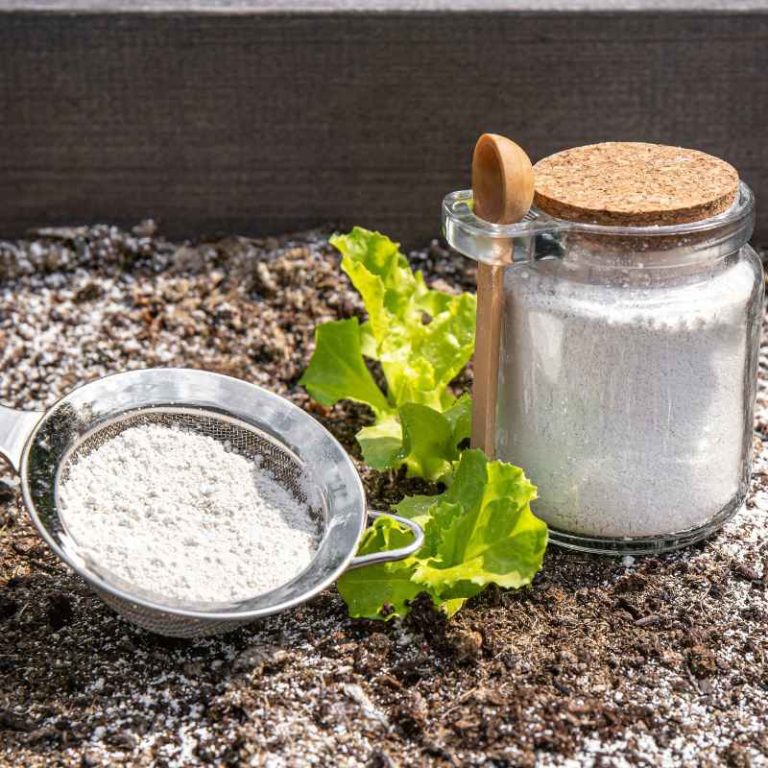
Bone meal is a finely ground powder made from animal bones, typically from cattle. The bones are steamed or pressure-cooked to remove fat and pathogens, then crushed into a powder. This process preserves valuable nutrients—primarily phosphorus (P) and calcium (Ca)—which are essential for plant growth. Unlike synthetic fertilizers, bone meal is slow-release, providing nutrients over several months.
Bone meal has been used for centuries as a soil amendment, dating back to traditional agricultural practices in Europe and other regions. The transition from raw, untreated bones to the sanitized, standardized products available today reflects advances in agricultural science and a greater understanding of soil health and plant nutrition.
Modern bone meal is thoroughly sterilized to eliminate pathogens, making it safe for both home and professional use.
Nutrient Profile And How It Works
Bone meal typically contains:
- Phosphorus: 12-16% (essential for root, flower, and fruit development)
- Calcium: 15-22% (vital for cell wall strength and disease resistance)
- Nitrogen: Trace amounts (not a significant source)
Phosphorus from bone meal is less water-soluble than synthetic forms. It becomes available to plants as soil microbes break down the organic matter, making it a slow-release fertilizer. This gradual availability ensures sustained nutrition, especially during critical growth phases.
The slow-release nature is particularly beneficial because it means nutrients are less likely to leach away during heavy rains or irrigation, making bone meal a reliable source of phosphorus and calcium over an extended period. This makes it ideal for crops with long growing seasons or those that require consistent nutrient availability throughout their development.
Benefits Of Bone Meal In Vegetable Gardens
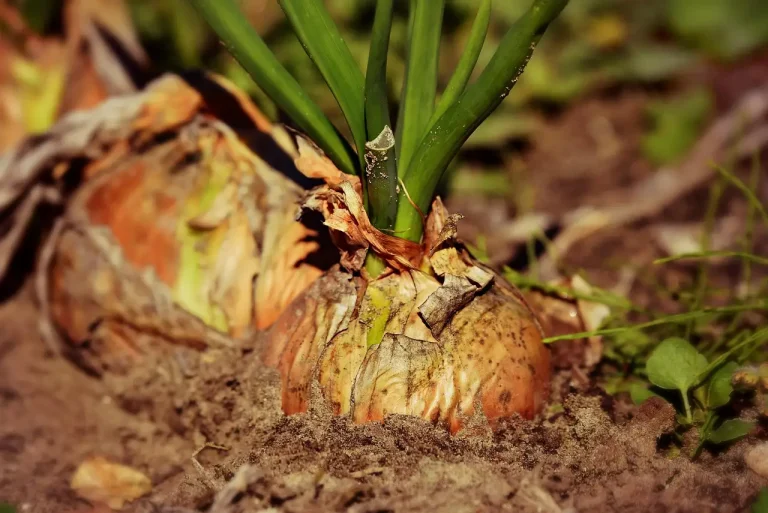
- Enhanced root growth: Phosphorus is key to strong root systems, especially in root crops like carrots, onions, and beets. Well-developed roots enable plants to access water and nutrients more efficiently, resulting in larger, healthier vegetables.
- Improved flowering and fruiting: Essential for tomatoes, peppers, and squashes, which require ample phosphorus for fruit set. Adequate phosphorus leads to more blossoms, improved pollination, and ultimately, greater yields.
- Increased disease resistance: Calcium strengthens cell walls, making plants more resilient to pathogens, fungal diseases, and environmental stressors such as drought and heat. Calcium-deficient plants are more susceptible to issues like blossom end rot and tip burn.
- Long-lasting effect: Slow release reduces the risk of nutrient burn and leaching. Unlike quick-release fertilizers that can spike nutrient levels and cause imbalances, bone meal provides steady, moderate nutrition.
Limitations And Considerations
- Ineffective in alkaline soils: Bone meal works best in soils with pH 6.0–7.0. At higher pH, phosphorus becomes insoluble and unavailable, leading to little or no benefit from application.
- Not a complete fertilizer: Lacks significant nitrogen or potassium; should be paired with other amendments to supply a full spectrum of nutrients. Plants need a balanced diet for optimal health and productivity.
- Animal source: Not vegan-friendly and may attract scavengers if not incorporated properly. Some gardeners may prefer plant-based alternatives for ethical or practical reasons.
- Pathogen risk: Reputable brands undergo sterilization to eliminate disease risk, but always choose certified products. This is particularly important for food crops to prevent contamination and ensure safety.
| Nutrient | Bone Meal (%) | Blood Meal (%) | Rock Phosphate (%) |
|---|---|---|---|
| Phosphorus (P) | 12–16 | 0 | 8–12 |
| Calcium (Ca) | 15–22 | 0 | 20–30 |
| Nitrogen (N) | 1–3 | 12–15 | 0 |
When And Why To Use Bone Meal In Vegetable Gardens
Matching Nutrient Needs To Vegetable Crops
Different vegetables have varying phosphorus and calcium demands. Bone meal is particularly beneficial for:
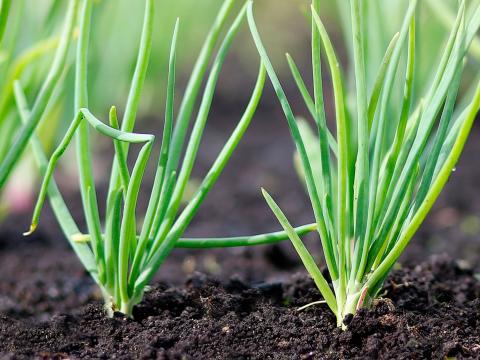
- Root vegetables: Carrots, beets, onions, garlic—these crops develop large root systems that directly benefit from phosphorus-enhanced cell division and elongation.
- Fruit-bearing vegetables: Tomatoes, peppers, eggplants, squash—phosphorus is a key driver of flowering and fruit production, leading to more and larger fruits.
- Brassicas: Broccoli, cauliflower (need calcium to prevent disorders like blossom end rot)—adequate calcium prevents physiological disorders that can lead to crop loss or poor quality.
Conversely, leafy greens (lettuce, spinach, kale) require less phosphorus, so bone meal is less critical. Overapplication for these crops may be wasteful and could risk nutrient imbalances.
Understanding crop-specific requirements allows you to tailor your soil amendment strategy. For example, nightshades (tomatoes, peppers, eggplants) are often prone to blossom end rot—a disorder primarily caused by calcium deficiency but exacerbated by inconsistent watering or root damage. Bone meal helps prevent this by ensuring a steady supply of available calcium.
Soil Conditions: The Importance Of Ph
Bone meal is only effective in soils with a slightly acidic to neutral pH (6.0–7.0). In alkaline soils (pH >7), phosphorus binds to calcium and magnesium, becoming unavailable to plants. Always perform a soil test before applying bone meal.
Soil pH is one of the most critical factors influencing nutrient availability. In acidic soils, bone meal dissolves more readily, releasing phosphorus and calcium that plants can absorb. In contrast, alkaline soils cause phosphorus to precipitate out of solution, rendering it inaccessible to roots.
Therefore, even generous applications of bone meal may have little effect in high-pH soils.
How To Test Soil Ph
- Use a digital soil pH meter or pH test kit for accurate, user-friendly readings.
- Collect samples from multiple garden spots at root depth to get a representative average.
- If persistent alkaline soils are found, consider acidifying amendments such as elemental sulfur, composted pine needles, or peat moss. Coffee grounds can also be used in moderation to gently lower pH over time.
Soil testing should be repeated every 2–3 years, or annually if you are making significant changes to your soil amendment program.
Timing: When To Apply Bone Meal
The best times to apply bone meal are:
- At planting: Incorporate into the planting hole or bed before sowing seeds or transplanting seedlings. This ensures phosphorus is available as roots develop, which is when demand is highest.
- Early growth stage: For perennials or established beds, apply in early spring before active growth. This supports root expansion and early vigor.
- After heavy harvests: Replenish phosphorus after intensive cropping, especially in beds where high-yielding vegetables have been grown.
Avoid late-season application, as excess phosphorus isn’t mobile in soil and may not benefit late-developing crops. Additionally, unused phosphorus can accumulate, potentially causing future nutrient imbalances.
Case Study: Tomato Blossom End Rot Prevention
A 2026 trial by the University of California Agriculture and Natural Resources demonstrated that incorporating bone meal at planting reduced blossom end rot in tomatoes by 45% compared to control plots. The calcium from bone meal helped prevent the common disorder, leading to higher marketable yields.
This study highlights how proactive soil amendment can prevent physiological disorders that are not always easily corrected with foliar sprays or after symptoms appear. Bone meal’s slow-release calcium ensures a steady supply as plants grow, reducing the risk of calcium-related problems throughout the season.
How To Apply Bone Meal For Maximum Effect
Dosage Guidelines: How Much To Use
Correct dosing is essential to avoid over-fertilization. General guidelines:
- Planting holes: 1 tablespoon per seedling or transplant
- Garden beds: 5–10 pounds per 100 square feet
- Rows: 1/2 cup per 10 feet of row
Always follow manufacturer recommendations and adjust based on soil test results.
Applying too little may not correct deficiencies, while applying too much can lead to phosphorus buildup, which not only wastes resources but can also harm soil health. For soils already high in phosphorus, a lighter touch or even skipping bone meal altogether may be appropriate.
| Crop Type | Bone Meal Dosage | Application Frequency |
|---|---|---|
| Tomatoes, Peppers | 1 tbsp/plant | At planting only |
| Root Vegetables | 2 lbs/100 sq ft | At sowing or pre-plant |
| Onions, Garlic | 1/2 cup/10 ft row | At planting |
| Perennial Beds | 5 lbs/100 sq ft | Every 1–2 years |
Step-by-step Application Methods
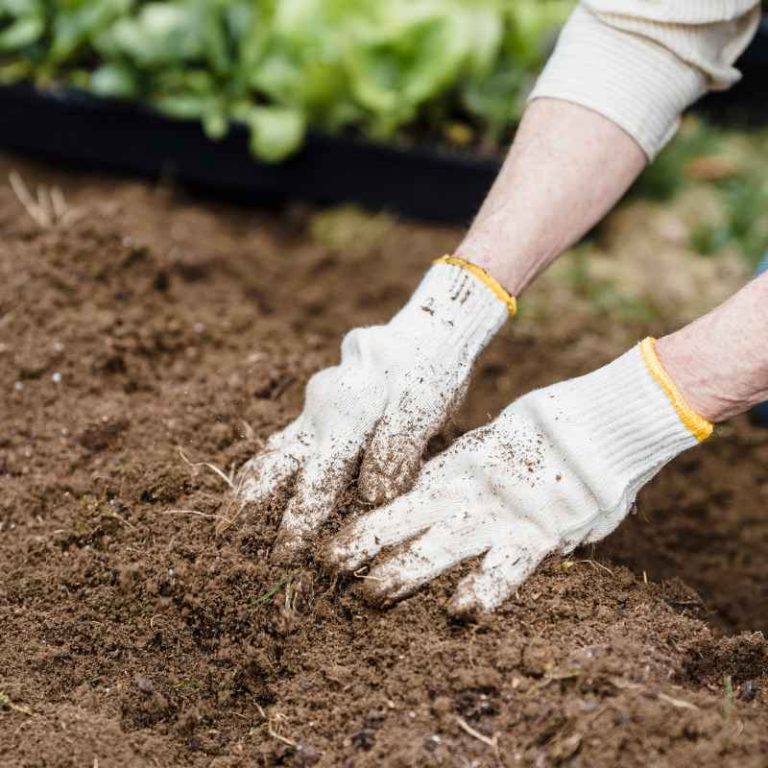
- Broadcasting: Spread bone meal evenly over the soil surface, then mix 3–6 inches deep with a hoe or tiller. This is ideal for preparing large beds or pre-planting before direct sowing.
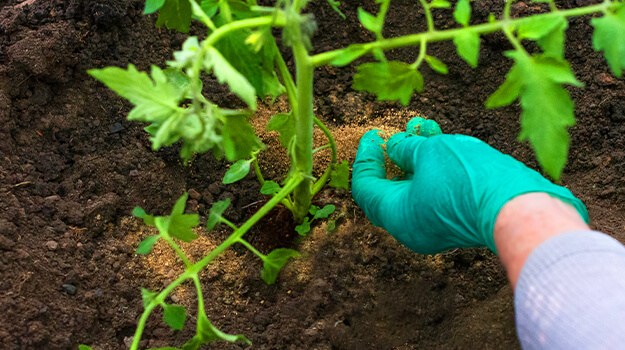
- Side-dressing: Apply a small amount in a shallow trench beside rows or around established plants. Cover with soil and water in well. This method is effective for supplementing nutrients during the growing season.
- In planting holes: Place bone meal directly in the hole, then backfill with soil before inserting the plant. This targets the nutrient boost right where roots will develop.
For container gardens, mix bone meal thoroughly into the potting mix before planting. Avoid surface applications in containers, as this can lead to uneven distribution and attract pests.
Tips For Safe And Effective Application
- Wear gloves and a dust mask when handling bone meal powder to avoid inhalation and skin irritation.
- Water thoroughly after application to help nutrients begin breaking down and to settle the amendment into the root zone.
- Avoid direct contact with plant stems or leaves to prevent burning or other damage.
- Store bone meal in a cool, dry place away from pets (it can be attractive but harmful if ingested). Reseal bags tightly after each use.
Proper incorporation into the soil not only maximizes nutrient availability but also minimizes risks of attracting animals or creating nutrient hotspots.
Integrating Bone Meal With Other Fertilizers
Because bone meal is low in nitrogen and potassium, consider blending it with:
- Compost: Adds organic matter and micronutrients, improves soil structure, and supports beneficial microbes.
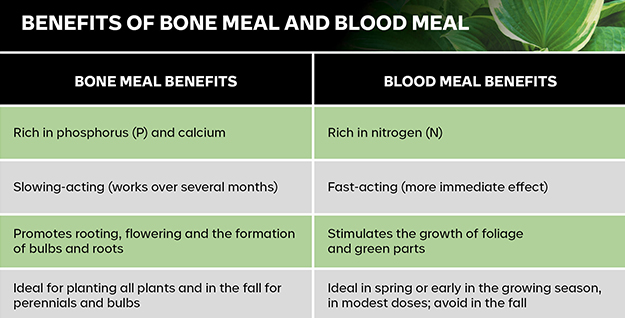
- Blood meal: Boosts nitrogen for leafy growth, especially useful for crops like lettuce, spinach, and brassicas.
- Kelp meal: Supplies potassium and trace minerals that complement bone meal’s phosphorus and calcium.
A balanced approach ensures all essential nutrients are available without excesses. Many gardeners create custom blends tailored to their specific crop and soil needs, achieving optimal plant health and productivity.
Case Study: Raised Bed Success Story
At Seattle Tilth’s Giving Garden Project, volunteers used bone meal in combination with compost to revitalize depleted raised beds. Within one season, they documented a 30% increase in carrot and beet yields, attributing the improvement to better root development from enhanced phosphorus availability.
This example demonstrates the power of combining organic amendments. Compost improves soil biology and structure, while bone meal specifically targets phosphorus deficiencies. The synergy between these amendments promotes both short-term and long-term soil fertility.
Maximizing Benefits And Avoiding Common Mistakes
Over-application Risks
Excess phosphorus from bone meal can:
- Lead to nutrient runoff and water pollution, especially in regions with heavy rainfall or near bodies of water.
- Cause micronutrient deficiencies (zinc, iron) due to competitive uptake, resulting in poor plant growth despite adequate macronutrient levels.
- Inhibit beneficial soil microbes, potentially reducing soil health and fertility over time.
Stick to recommended rates and never exceed label instructions. If in doubt, err on the side of caution and apply less, supplementing only if clear deficiencies are observed.
Soil Testing: Your Best Friend
Annual soil testing helps:
- Prevent over-fertilization, which can lead to environmental harm and wasted resources.
- Detect imbalances before they cause crop problems, allowing you to adjust your fertility program proactively.
- Save money by targeting only deficient nutrients, rather than applying broad-spectrum amendments unnecessarily.
Use a professional lab or high-quality home kit, and retest after major amendments. Keep records of your soil test results and amendment applications to track progress over time.
Animal Attraction And Safety
Bone meal’s odor can attract dogs, raccoons, and rodents. To minimize risk:
- Incorporate thoroughly into the soil so the scent is less accessible.
- Water deeply after application to help mask the odor and bind nutrients to soil particles.
- Cover beds with mulch or row cover if pests are persistent. In some cases, physical barriers or deterrents may be necessary.
Never leave bone meal exposed on the soil surface, especially if pets or wildlife frequent your garden.
Environmental Considerations
Responsible sourcing matters. Choose products certified by the Organic Materials Review Institute (OMRI) or similar organizations for assurance of safety and sustainability. Avoid applying bone meal near water bodies to prevent phosphorus runoff.
Consider the full lifecycle of the product, including transportation, packaging, and ethical sourcing. Some brands provide transparency about their supply chains, ensuring that bones are sourced as byproducts from the meat industry rather than from unsustainable or unethical practices.
Troubleshooting: If You See No Results
If plants fail to respond:
- Check soil pH—phosphorus lock-up is common in alkaline soils, rendering bone meal ineffective.
- Evaluate your watering—bone meal needs moisture to break down, so dry soils may delay nutrient release.
- Confirm that crops planted are actually phosphorus-responsive; some vegetables may not show visible benefits if phosphorus is not a limiting factor.
Also, consider the age and storage of your bone meal. Old or improperly stored bone meal may have reduced effectiveness due to clumping or nutrient loss.
| Problem | Likely Cause | Solution |
|---|---|---|
| Poor root growth | Soil pH too high | Lower pH with sulfur, retest |
| No visible effect | Soil already phosphorus-rich | Skip bone meal, use compost |
| Animal digging | Poor incorporation | Bury deeper, use mulch |
Comparing Bone Meal With Other Phosphorus Sources
Bone Meal Vs. Synthetic Phosphorus Fertilizers
- Bone meal: Organic, slow-release, improves soil structure, minimal leaching, lower immediate availability. Supports soil biology and long-term fertility.
- Synthetic phosphorus (e.g., superphosphate): Fast-acting, high solubility, but can burn roots and leach into groundwater. Often lacks the micronutrients and organic matter found in bone meal.
Research from the Rodale Institute found that organic phosphorus sources like bone meal support higher soil microbial activity and long-term fertility compared to synthetics. This means that while synthetics may offer a quick boost, bone meal provides broader benefits for soil health.
Bone Meal Vs. Rock Phosphate
- Rock phosphate: Another organic source, but releases phosphorus even more slowly and is less effective in cool soils. Requires acidic conditions for best results.
- Bone meal: More available to plants, especially in the first season, making it preferable for immediate improvement of phosphorus-deficient soils.
Gardeners in cooler climates or with short growing seasons often find bone meal more effective than rock phosphate due to its faster nutrient availability.
Bone Meal Vs. Blood Meal
- Blood meal: High in nitrogen, no phosphorus. Used to boost leafy growth but does not support root or fruit development.
- Bone meal: High in phosphorus and calcium, little nitrogen. Supports root development, flowering, and fruiting.
For balanced growth, many gardeners combine these amendments, applying blood meal for nitrogen-demanding crops and bone meal for phosphorus and calcium needs.
Cost And Availability
Bone meal is widely available at garden centers and online. Prices vary depending on granulation, brand, and certification. On average, it costs $0. 80–$1. 50 per pound for OMRI-certified products.
Bulk purchases or local sourcing may reduce costs further. Check for regional brands that use local materials, supporting sustainability and reducing transportation emissions.
Example: Side-by-side Yield Comparison
In a 2026 field trial, the Royal Horticultural Society compared carrots grown with bone meal, rock phosphate, and synthetic phosphate. Carrots with bone meal yielded 22% more than rock phosphate and had similar yields to synthetics, but with improved soil microbial health.
Soil microbial diversity was also higher in the bone meal plots, supporting long-term soil fertility and resilience. These results reinforce the value of bone meal as part of an integrated organic fertility program.
Integrating Bone Meal Into Organic And Regenerative Gardening
Principles Of Organic Fertility
Organic gardening emphasizes feeding the soil, not just the plant. Bone meal contributes to:
- Building long-term soil fertility by adding organic matter and slow-release nutrients.
- Encouraging beneficial microbes that aid in nutrient cycling, disease suppression, and soil structure improvement.
- Reducing reliance on synthetic inputs, supporting sustainable, closed-loop systems.
Organic gardeners often pair bone meal with compost, green manures, and other natural amendments to create a resilient, self-sustaining ecosystem.
Regenerative Practices
Regenerative gardening seeks to restore ecosystem function. Bone meal is compatible with:
- Crop rotation: Apply to phosphorus-demanding crops in the rotation, ensuring each bed receives appropriate nutrients without overloading any single area.
- Cover cropping: Legumes supply nitrogen, bone meal supplies phosphorus. This combination supports healthy soil and balanced fertility.
- Composting: Mix bone meal into compost piles for enhanced nutrient value. The slow decomposition of bone meal in compost further stabilizes nutrients, reducing leaching and improving availability.
Integrated regenerative approaches not only improve yields but also build soil carbon, enhance biodiversity, and improve water retention.
Certification And Regulatory Compliance
Certified organic growers must ensure bone meal is allowed by their regulatory body (e.g., USDA Organic). Always check labels for OMRI or equivalent certification.
Keep documentation of purchases and application rates for inspection and compliance verification. Some organic programs have specific rules regarding animal-derived amendments, so always review local regulations.
Real-world Example: Community Garden Transformation
At the New York Restoration Project’s community gardens, integrating bone meal into planting beds boosted yields and reduced blossom end rot in tomatoes and peppers. By combining bone meal with compost and crop rotation, gardeners achieved healthier soil and consistent productivity.
Workshops and educational programs helped gardeners understand the role of bone meal in the context of holistic soil management, leading to long-term improvements in both soil health and community food security.
Sourcing Sustainable Bone Meal
For sustainability, look for products from:
- Local rendering facilities (reduces transportation emissions and supports the local economy)
- Transparent supply chains (animal welfare standards, environmental stewardship)
- OMRI-listed brands (ensures organic compliance and responsible production)
For more on sustainable sourcing, see the US Department of Agriculture guidelines: USDA Organic Regulations.
Advanced Strategies For Experienced Gardeners
Custom Blending Fertilizers
Experienced gardeners often mix bone meal with:
- Rock dust: Adds micronutrients like magnesium, iron, and trace elements that support plant health.
- Greensand: Supplies potassium and additional trace minerals, balancing the nutrient profile.
- Alfalfa meal: Boosts nitrogen for balanced early growth, especially beneficial for heavy-feeding crops.
Tailor blends to match your soil test results and crop needs. Blending allows precise control over nutrient supply, minimizing waste and maximizing effectiveness.
Foliar Feeding Vs. Soil Application
Bone meal is best used as a soil amendment, but for phosphorus-deficient plants showing symptoms (purple leaves, stunted growth), foliar sprays of water-soluble phosphorus can provide rapid relief. Use bone meal for long-term correction, building up soil reserves and supporting sustained plant health.
Foliar feeding should be seen as a short-term fix, not a replacement for comprehensive soil fertility management.
No-till And Permaculture Systems
In no-till or permaculture beds, gently rake bone meal into surface mulch or compost layers. Earthworms and microbes will incorporate nutrients over time without disturbing soil structure.
This approach maintains soil integrity, preserves soil life, and supports the long-term health and fertility that are central to permaculture and regenerative agriculture.
Monitoring Plant Health
Track plant response to bone meal with:
- Visual inspection: Look for improved root growth and flowering, fewer signs of deficiency, and increased vigor.
- Tissue testing: Labs can analyze plant tissue for phosphorus and calcium levels, offering precise data for fine-tuning your amendment strategy.
- Yield tracking: Keep records to see if bone meal applications correlate with better harvests, improved crop quality, and fewer physiological disorders.
Systematic observation and recordkeeping are key to optimizing your fertility program and adapting to changing conditions.
Example: Market Garden Optimization
A small-scale market garden in Oregon experimented with bone meal as part of a no-till, organic fertility program. After three years, soil phosphorus stabilized at optimal levels, and root crop yields increased by 18% without synthetic inputs—demonstrating bone meal’s value in regenerative systems.
The grower also noted improvements in soil structure, earthworm populations, and water retention, illustrating the broad benefits of integrating bone meal into holistic management.
Frequently Asked Questions
What Is The Best Time Of Year To Apply Bone Meal In A Vegetable Garden?
The most effective time to apply bone meal is in early spring before planting, or at the time of transplanting seedlings. This allows the slow-release phosphorus to become available as plants establish roots. For perennial beds, one application every 1–2 years in spring is usually sufficient.
Can Bone Meal Burn Plants If Over-applied?
Bone meal is much less likely to cause fertilizer burn than synthetic fertilizers, but excessive application can still disrupt soil nutrient balance and harm beneficial microbes. Always stick to recommended rates and incorporate bone meal into the soil to minimize risks.
Is Bone Meal Safe For Organic Gardening?
Yes, bone meal is approved for use in organic gardening by most certification bodies, provided it is OMRI-listed or similarly certified. Always check your local organic regulations and choose reputable brands to ensure compliance and safety.
How Long Does It Take For Bone Meal To Break Down And Become Available To Plants?
Bone meal is a slow-release fertilizer. Depending on soil temperature, moisture, and microbial activity, phosphorus may become available over 4–6 months. Warmer, moist soils with good biological activity will see faster nutrient release.
What Alternatives Exist For Vegans Or Those Who Prefer Not To Use Animal Products?
For non-animal-based phosphorus sources, consider rock phosphate, soybean meal, or specially formulated vegan fertilizers. While these may release nutrients more slowly than bone meal, they are effective when paired with organic matter and proper soil management. For more on vegan fertilizers, see the Vegan Society’s gardening guide: Vegan Society Gardening Guide.
External Resources
To further expand your knowledge and make informed decisions on bone meal use, explore these authoritative sources:
- Wikipedia: Bone Meal
- University of Minnesota Extension: Bone Meal Garden Use
- Royal Horticultural Society: Bone Meal
- USDA Organic Regulations
- University of California ANR: Home Vegetable Gardening
- Vegan Society Gardening Guide
Applying bone meal in vegetable gardens is both art and science. With the right knowledge and careful management, you can unlock healthier plants, higher yields, and a more sustainable gardening practice. Test your soil, apply bone meal thoughtfully, and integrate it with holistic soil-building strategies for the greatest return on your investment—both for your harvest and for the health of your soil.