Vegetable garden soil preparation: what to do first
For vegetable garden soil preparation, first test moisture: if a squeezed handful forms a sticky ball, wait; if it crumbles, loosen the soil to a moderate depth, pull weeds, add a layer of compost, and plant only after the bed is friable. Bad prep leaves roots short of air and water, turns watering into a chore, and slows early growth. This guide gives a bed-by-bed checklist for clay, sand, weeds, and already workable soil, so you know exactly what to do next.
What you’ll need



- Steel rake or hoe
- Shovel or digging fork
- Soil test kit
- Gloves
- Wheelbarrow
- Compost
- Aged manure
- Lime or sulfur, if the soil test calls for them
- Clear plastic for solarization
According to How to Prepare Garden Soil for Planting: 3 Easy Steps to… — Most vegetables prefer a soil pH between 6.0 and 7.0.
What to do before you plant
Start with texture, moisture, weeds, and depth. Loam is the target; clay drains poorly and compacts easily, sandy soil drains too fast, and silty soil can erode and compact easily. If the bed is wet and sticky, wait. If it crumbles, you can prep it.
- Grab a handful of soil and squeeze it.
- Check for stones, sticks, roots, and dead stems.
- Probe the bed with a fork or shovel to judge loosened depth.
- Decide whether this needs full prep or only a light top-dress.
If the bed is a first-time garden, plan on deeper work. If it is already producing and the soil is still loose, top-dressing may be enough.
How do I prepare soil for a vegetable garden before planting?
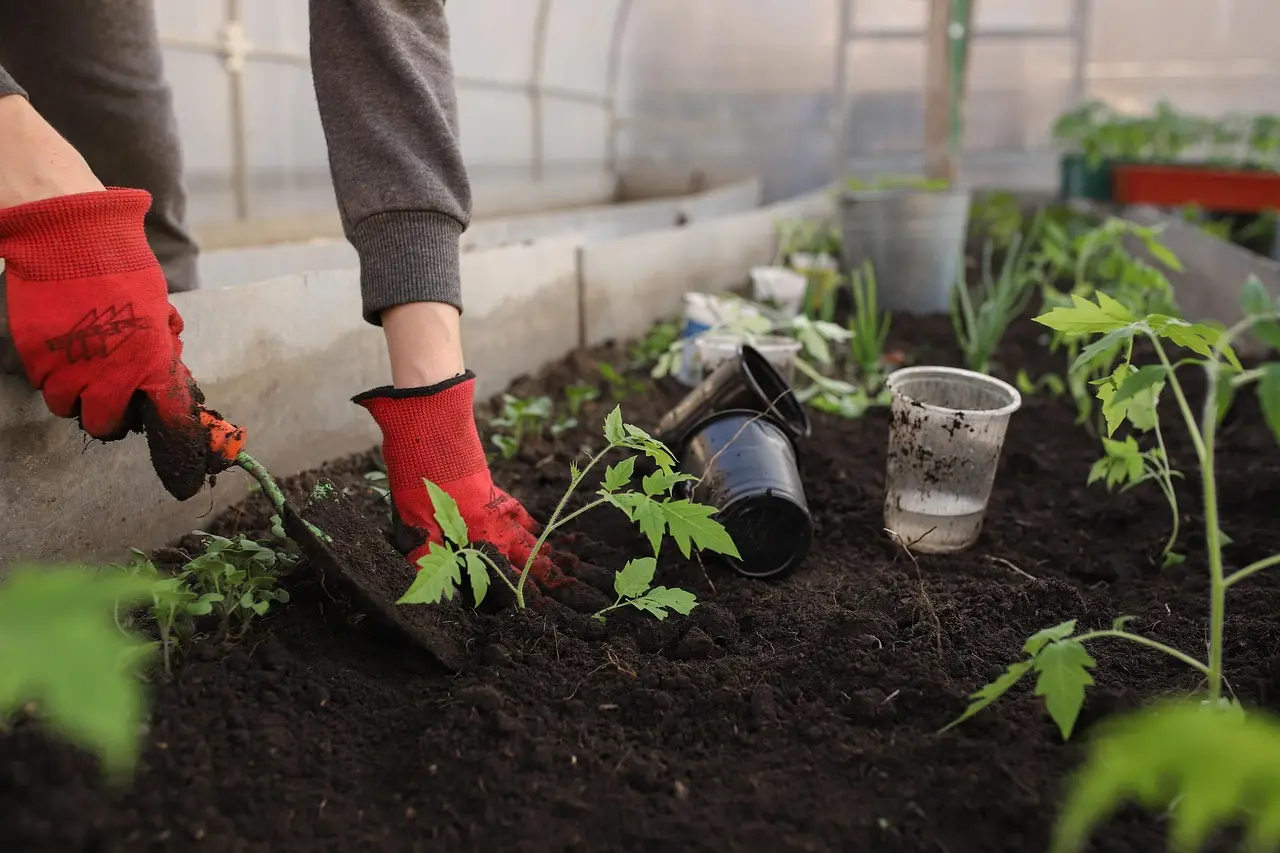
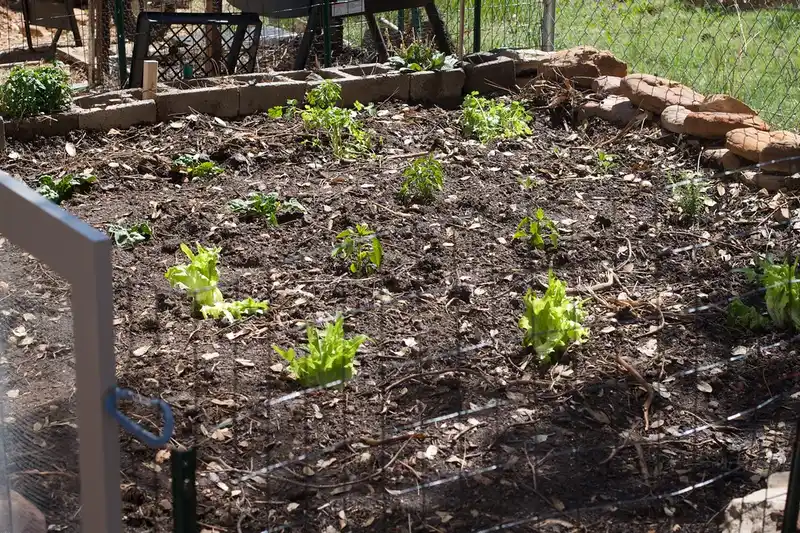
Clear the bed first, then loosen the soil to a moderate depth, mix in a suitable amount of compost, and finish with a level surface. Do not work wet soil. Clay turns dense when handled wet, and overworking it can leave hard clods that roots dislike.
Step-by-step bed prep
- Remove stones, sticks, roots, and dead stems.
- Cut out sod or thick weed crowns at the base.
- Loosen soil to at least 8 inches deep; 12 inches is better for root growth.
- Mix in compost or aged manure.
- Break up clumps and rake the bed flat.
- Finish with a steel rake or hoe so water spreads evenly.
Use fibrous organic matter on stubborn clay. Straw or shredded bark can help open heavy soil, but compost remains the main amendment for most beds.
Should I add compost before planting vegetables?
Yes. Compost is the main amendment for new vegetable beds, and it also keeps established beds productive. For a new bed, work in 2 to 3 inches. For an established bed, top-dress with 1 to 2 inches each year instead of digging deeply every time.
How much compost to use
| Bed type | Compost rate | Best use | What to avoid |
|---|---|---|---|
| New bed | 2 to 3 inches | Mix into loosened soil | Leaving it on the surface only |
| Established bed | 1 to 2 inches | Top-dress each year | Over-digging roots already in place |
Too much organic matter dumped into a shallow layer can create an uneven seedbed. Keep the bed level, then plant. That helps watering and reduces crusting after rain.
What your soil test should tell you
A soil test kit helps identify missing nutrients before planting. Add water to the sample, compare the color to the kit’s code, and read pH first, then nutrient levels. Most vegetables prefer a soil pH between 6.0 and 7.0. Lime raises pH. Sulfur lowers it.
How to read the result
- Collect soil from several spots in the bed.
- Mix the sample and add the kit’s water amount.
- Wait for the color change and compare it to the chart.
- Adjust pH only if the result is outside the vegetable range.
- Add lime only when pH is low; add sulfur only when pH is high.
Do not guess. pH changes slowly in soil, and applying the wrong amendment wastes time and can push the bed farther from the target.
Bed-by-bed prep plan for common starting conditions
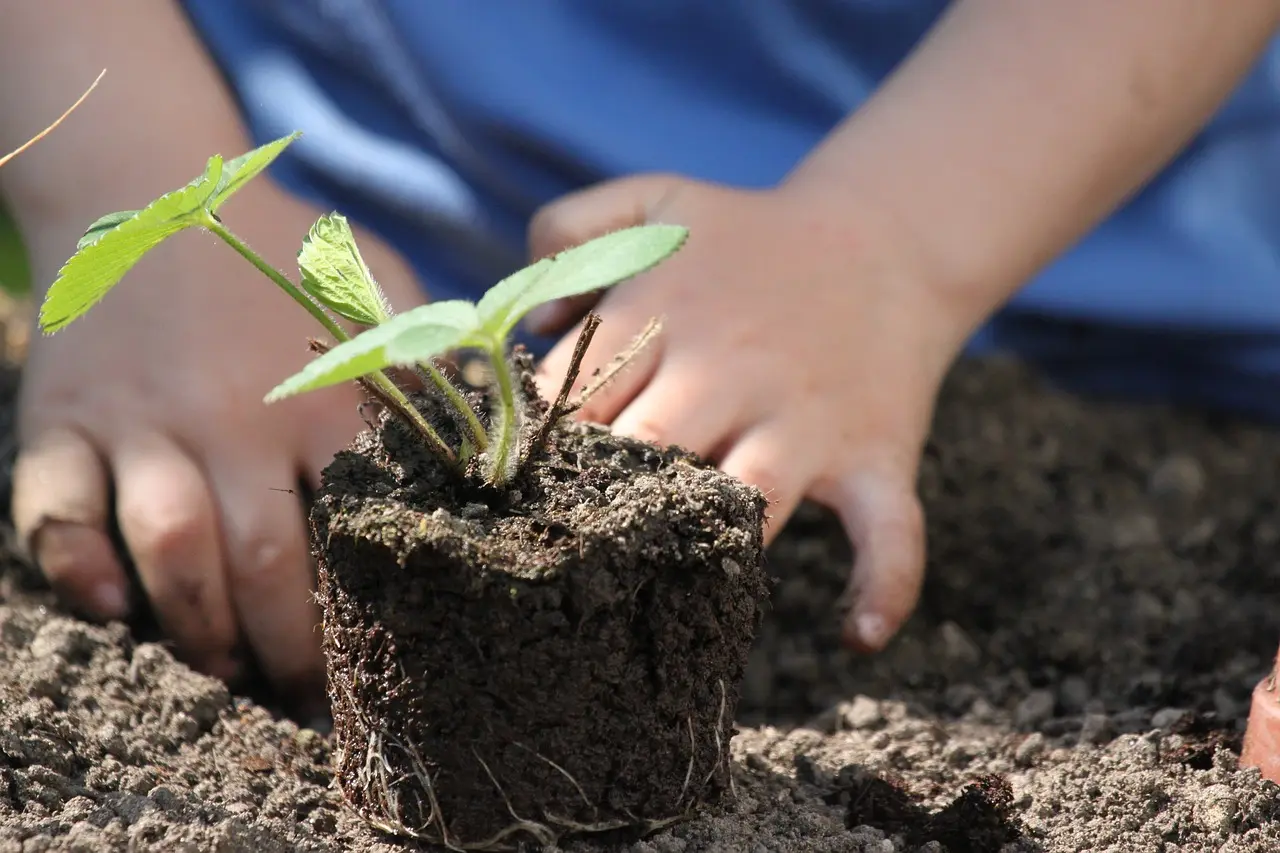
The right prep depends on the starting bed. A compacted clay bed needs loosening and added organic matter. A sandy bed needs compost and manure to help hold moisture and nutrients. A weedy bed needs suppression before planting. An established bed usually needs only top-dressing and leveling.
Compacted clay
Clay holds water too well and drains poorly, so roots can sit in stale, tight soil if the bed is rushed. Loosen the bed deeply, mix in compost, and add fibrous material such as straw or shredded bark if the soil is still dense.
- Fork the bed when it is just moist, not wet.
- Mix in 2 to 3 inches of compost.
- Blend in aged manure if the bed is weak or exhausted.
- Avoid adding sand as a fix for clay.
Sandy soil
Sandy soil drains fast and loses nutrients quickly. Compost helps it hold water better, and aged manure can add more body. A raised bed can also help if the native soil is very poor or dry.
- Top the bed with compost and work it in lightly.
- Add aged manure if the soil is very lean.
- Water after mixing so fine particles settle evenly.
- Avoid shallow, frequent tilling that leaves the bed loose but weak.
Weedy soil
Weedy beds need more than a quick rake-through. Remove the tops and roots you can reach, then use solarization when the bed is badly infested. Clear plastic laid over moist soil can help warm the surface and encourage weed seeds to germinate, which can make them easier to remove.
- Cut weeds down to the crown.
- Pull or dig out roots, rhizomes, and runners.
- Cover with clear plastic during a late-winter warm spell.
- Inspect again before planting and remove any new flush of weeds.
Established bed
If the bed is already workable, skip deep digging. Top-dress with compost, level the surface, and plant. This is the better choice when roots from last season are still active or the soil already drains well.
- Spread 1 to 2 inches of compost across the bed.
- Use a hoe or steel rake to level low spots.
- Leave the lower soil layers alone unless they are compacted.
- Plant after the surface is even and crumbly.
When should I prepare garden soil for spring planting?
Fall is the best time to prep soil, especially for heavy or weedy ground. Late winter works for beds that need solarization. Right before planting is fine only when the bed is already loose and clean. Cold climates also benefit from raised beds because they warm and dry faster in spring.
Timing by season
- Fall: loosen heavy ground and add compost before winter.
- Late winter: solarize weedy beds with clear plastic.
- Just before planting: rake, level, and top-dress already workable beds.
Plants still need enough sun and water after planting. A vegetable bed should get at least 6 hours of sunlight daily and stay close to a water source so new roots are not stressed while they settle in. (wikihow.com)
What should I remove from garden soil before planting?
Remove stones, sticks, roots, dead stems, and any sod or weed crowns that would compete with crops. Clear debris before amending the bed. If you leave old root pieces in place, they get in the way of cultivation and can make planting holes uneven.
Common debris to clear
- Stones and gravel
- Sticks and woody fragments
- Old roots and rhizomes
- Dead annual stems
- Sod and weed crowns
After clearing, level the bed. A steel rake or hoe is enough for most home gardens. That final pass matters because water pools in low spots and dries too fast on high ones.
Should I till or no-dig a vegetable garden?
Use no-dig or light top-dressing when the bed is already loose, living, and easy to work. Till or dig only when you need to open compacted soil or break a neglected site the first time. Avoid tilling wet soil, because it smears and compresses instead of opening.
Choose the right method
- Choose no-dig for established beds and light spring touch-ups.
- Choose digging or forking for compacted clay or first-time ground.
- Stop if the soil sticks to the tool in wet clumps.
- Level the bed after either method.
If that didn’t work: the bed may need a raised-bed build instead of another round of digging. That is especially useful where native soil is poor, cold, or slow to drain.
Common mistakes to avoid
The biggest failures are simple: adding sand to clay, working wet soil, skipping the leveling step, and using one fix for every bed. Those mistakes create worse texture, poor drainage, or an uneven seedbed that makes watering inconsistent.
Failure cases and the next fix
- Clay still feels dense: add more compost, not sand.
- Bed is sticky after rain: wait before digging again.
- Water runs to one side: re-rake and level with a hoe.
- Weeds return fast: solarize or repeat removal before planting.
Prevention: keep a yearly top-dress schedule for established beds, and test pH before adding lime or sulfur.
Frequently asked questions
How do I prepare soil for a vegetable garden before planting?
Clear the bed, test moisture, and loosen the soil to at least 8 inches deep. Mix in 2 to 3 inches of compost for a new bed, then level the surface with a steel rake or hoe. Stop if the soil is wet and sticky.
Should I add compost before planting vegetables?
Yes. New beds need 2 to 3 inches mixed in. Established beds do better with 1 to 2 inches top-dressed each year. Compost helps loosen compacted soil and improves drainage, so it is usually the first amendment to reach for.
How deep should I loosen soil for a new vegetable bed?
Loosen first-time garden soil to at least 8 inches deep. Twelve inches is better where roots need more room. If a fork or shovel hits a hard layer below that depth, work it gradually rather than forcing big clods apart all at once.
Do I need to test my soil before planting vegetables?
Yes. A soil test kit helps check pH and nutrient levels before you amend the bed. Add water to the sample, read the color code, and use the result to decide whether lime, sulfur, or another nutrient adjustment is actually needed.
What soil pH is best for vegetables?
Most vegetables prefer a soil pH between 6.0 and 7.0. If the test is below that range, lime raises pH. If it is above that range, sulfur lowers pH. Do not apply either one without a test result.
Can I plant vegetables in clay soil?
Yes, if you improve the structure first. Clay drains poorly and compacts easily, so loosen it deeply and mix in compost. Aged manure and fibrous materials such as straw or shredded bark can help, but compost should remain the main amendment.
How do I prepare a weedy garden bed for vegetables?
Remove visible weeds and roots, then decide whether the bed needs solarization. Clear plastic over moist soil can help in late winter. If weeds are light, a deep cleanup and compost top-dress may be enough before planting.
When should I prepare garden soil for spring planting?
Fall is best for heavy or weedy ground. Late winter works for solarization. If the bed is already loose and clean, prep it right before planting by raking it flat, top-dressing if needed, and checking moisture again before seeds or transplants go in.