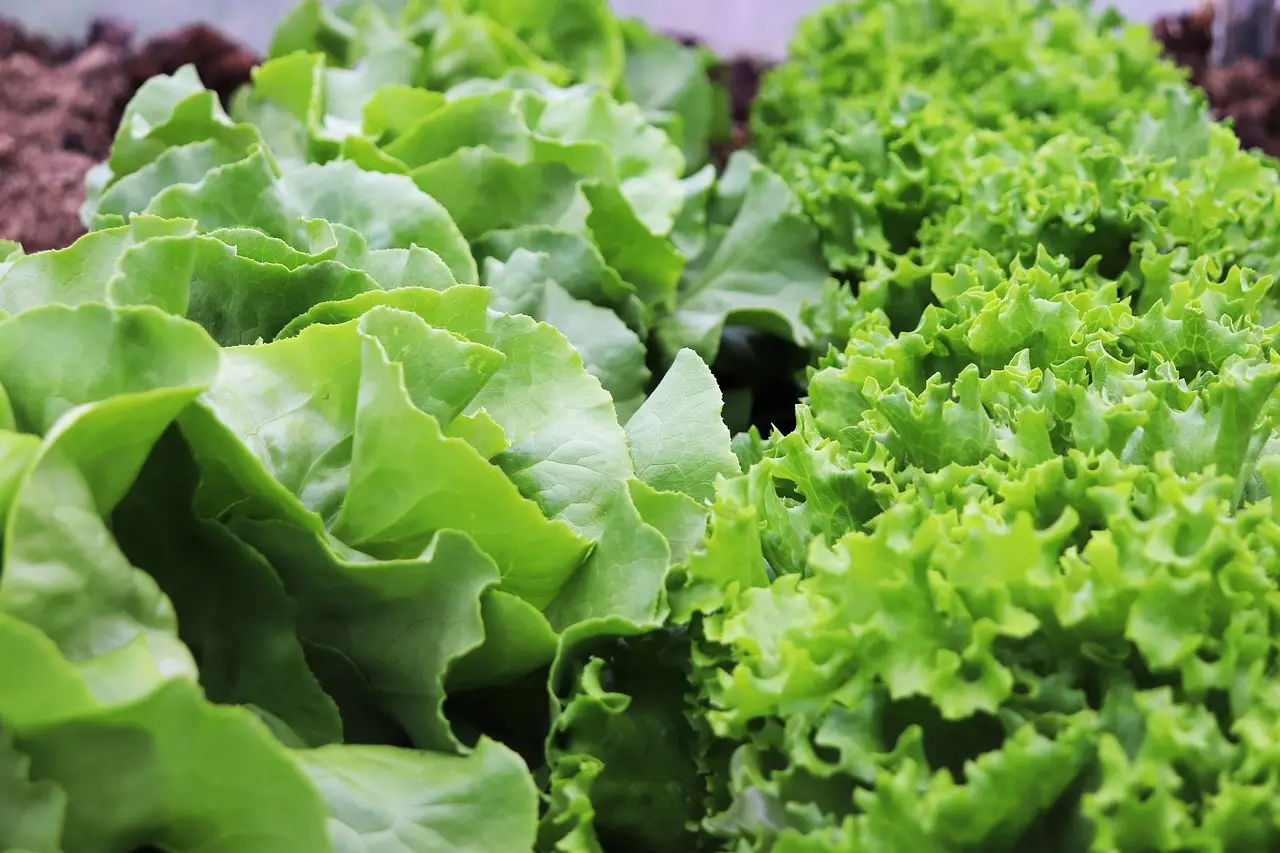
How to Grow Lettuce for a Continuous Harvest
Grow lettuce for a continuous harvest by sowing small batches about every 10 to 14 days, choosing looseleaf or cut-and-come-again types, and cutting leaves about 1 to 2 inches above the crown. If you sow once, harvest too low, or let plants bolt, you get a brief flush and then tough, bitter leaves. This guide shows how to time sowings, pick varieties, cut correctly, and keep a bed or container producing from spring through fall.
Best lettuce types for repeat picking
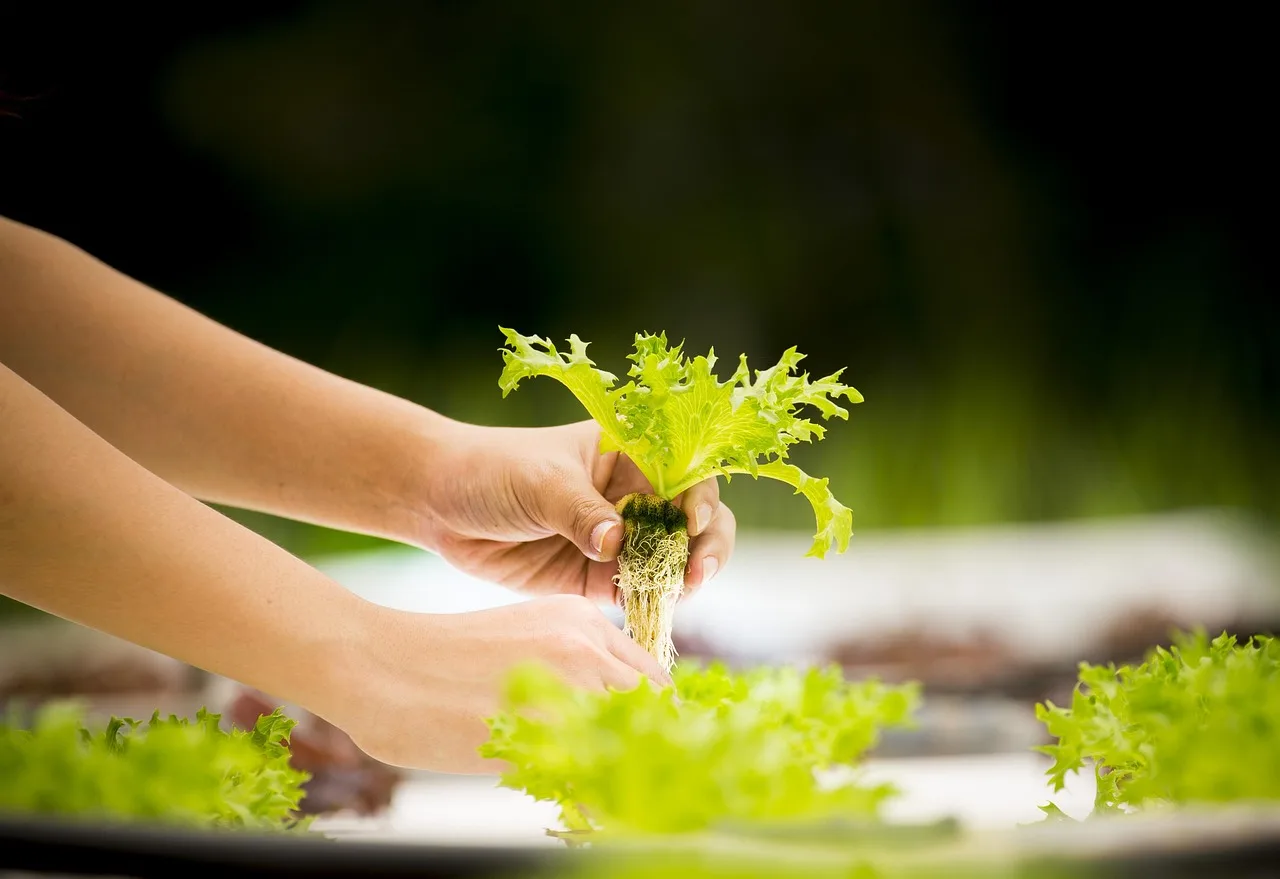


Loose-leaf lettuce is the easiest choice for repeated harvests. It reaches picking size fast, can be cut more than once, and gives you the most flexible harvest schedule. Romaine, butterhead, and crisphead can still fit a continuous plan, but they work better as later, single-cut crops or outer-leaf picks.
Loose-leaf lettuce: the easiest cut-and-come-again choice
Loose-leaf lettuce is the best starting point for a repeat-picking system. It is the easiest type for continuous harvesting, and it can come to harvest in 40 to 50 days, with baby leaves ready at about six weeks. That short cycle makes it ideal when you want fast turnover from one small patch.
Use loose-leaf lettuce for cut-and-come-again harvests. Remove outer leaves or shear the top growth while leaving the crown intact, and the plant can push new leaves if it stays healthy and watered on a steady schedule. Dense planting also works well here because each plant does not need to form a tight head.
Romaine, butterhead, and crisphead: what changes in harvest timing
Romaine, butterhead, and crisphead lettuce take longer and need a different harvest plan. Romaine matures in 80 to 85 days and handles more heat than many lettuces. Butterhead matures in 65 to 80 days and is more sensitive to temperature swings. Crisphead matures in 80 to 90 days and needs more space and steady moisture.
These types are better for one main harvest, though young outer leaves can still be picked before heading. Hearting types are usually picked at about 10 weeks, so they suit a staggered system only if you also keep new sowings coming behind them.
When should you sow lettuce for steady harvests?
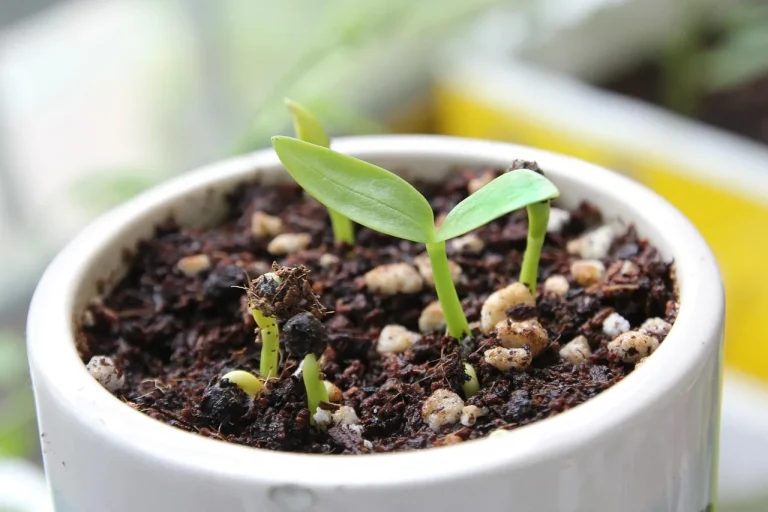
Sow lettuce in small batches instead of all at once. A 14-day rhythm works well, and many gardeners use 2 to 3 weeks between sowings. That spacing keeps new plants reaching harvest as older ones slow down, especially in spring and fall when weather is more forgiving.
Spring sowing window
Spring is the easiest time to build a continuous lettuce patch. Lettuce seeds are often sown outdoors from March to August, and spring sowings give you the longest cool-weather run before heat pushes plants toward bolting. Start the first sowing as soon as the soil can be worked.
Repeat sowing every 14 days if you want a steady supply. If a batch is used mainly for baby leaves, it can be replaced sooner because the turnover is faster. In spring, that pattern helps you move from quick leaf harvests to larger cuts without a gap.
Summer adjustments for heat and shade
Summer sowings can work, but they need more shade and moisture control. Use afternoon shade when temperatures rise, and give lettuce about 4 to 6 hours of direct sun if full-day sun is too intense. Heat stress shortens the harvest window and can make leaves bitter faster.
In warm weather, favor loose-leaf and romaine over more temperature-sensitive butterhead and crisphead types. Sow smaller batches more often if germination and growth slow down, and watch for bolting after dry spells or hot afternoons.
Fall sowing window
Fall is the other strong season for succession sowing. Cooler days support crisp leaves, slower bolting, and cleaner regrowth after cutting. Keep sowing every 14 days or every 2 to 3 weeks until cold weather ends active growth.
Fall plantings often give the best second wave of harvests from the same bed. That is especially true for loose-leaf lettuce, which can keep producing after the first cut if you do not strip it too low.
How do you plant lettuce for continuous harvests?
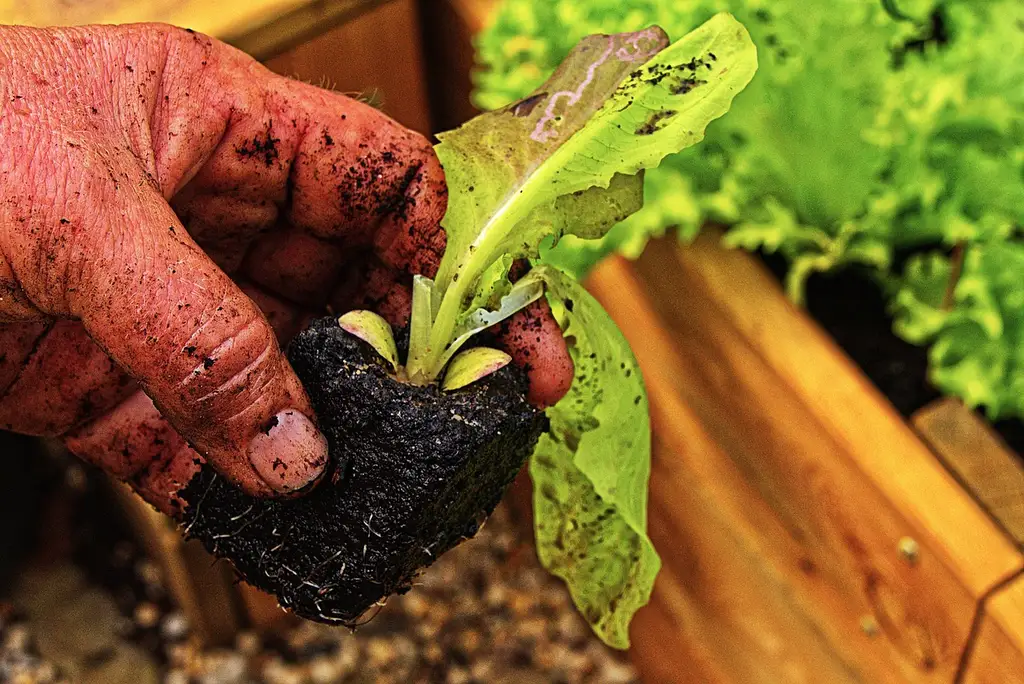
Plant for turnover, not for one big final head. Use fertile, well-drained soil, keep it evenly moist, and space plants so you can reach the center leaves without crowding. Leaf lettuce can be sown more densely, while head types need wider spacing and room to size up.
Soil prep and moisture setup
-
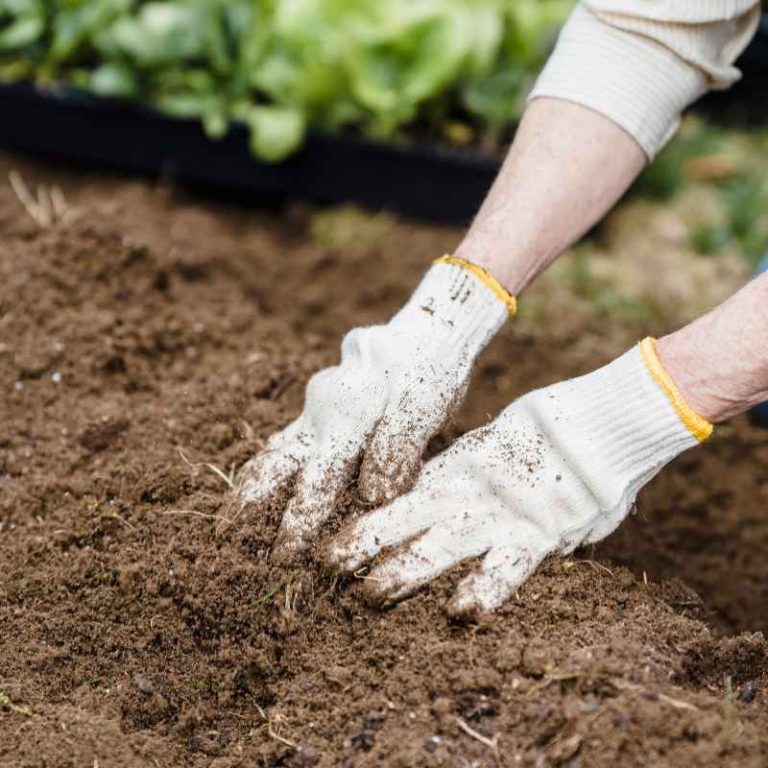
Work in compost.
Mix compost into the top layer of soil before sowing. Lettuce grows best in fertile, well-drained soil, and steady nutrition helps plants recover after repeated leaf harvests. -
Level the bed surface.
Smooth the planting area so water spreads evenly. Uneven ground creates dry pockets, and dry soil encourages bolting and weak regrowth. -
Add mulch after seedlings establish.
Use a light mulch to hold moisture and keep the root zone cooler. Keep the mulch away from the crown so new leaves do not rot.
Spacing for leaf lettuce versus head lettuce
Spacing changes the harvest plan. Loose-leaf lettuce should be spaced to 4 inches apart, which leaves enough room for repeated leaf removal and faster baby-leaf picking. Romaine and butterhead lettuce should be spaced to 8 inches apart so they can form larger plants.
Rows are commonly about 12 to 18 inches apart. That spacing gives you access for cutting, watering, and checking for pests. If rows are too tight, outer leaves stay damp longer and regrowth can become cramped.
Container and raised-bed spacing
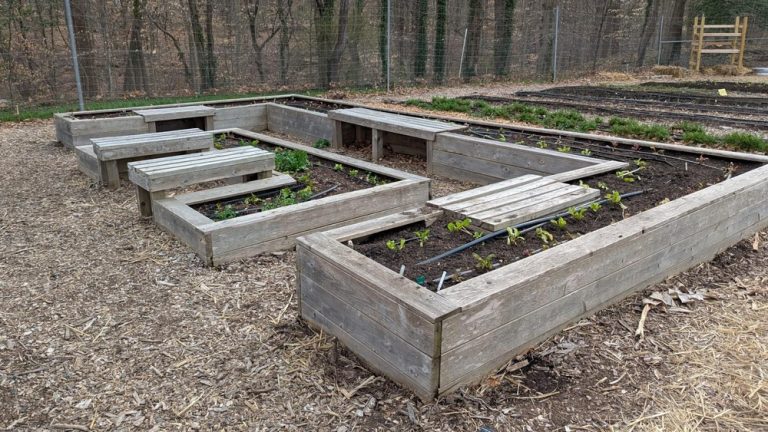
Containers work well when space is limited, but they dry out faster than in-ground beds. Use loose-leaf types for the most reliable repeat harvests, and choose a pot deep enough to hold evenly moist soil. In small beds, stagger plantings down the row so each cut exposes another plant at a slightly different stage.
Picture a 12-inch pot with three loose-leaf lettuce plants. If you harvest outer leaves from one plant and leave the other two untouched, the container keeps producing while one plant recovers. That staggered approach matters more in pots because there is less root space and less room for mistakes.
Lettuce harvest planning table
Use this table to match lettuce type, cut height, and re-sow timing to the season. The decision column gives a simple call for each stage: keep cutting, let it regrow, or re-sow now. For best results, check the plant age and weather together, not just the calendar.
| Lettuce type | First harvest window | Cut height | Regrowth potential | Re-sow interval | Decision |
|---|---|---|---|---|---|
| Loose-leaf | 40 to 50 days; baby leaves at about 6 weeks | 1 to 2 inches above the crown | High if the crown stays intact and soil stays moist | Every 14 days in spring and fall | Keep cutting |
| Loose-leaf in warm spells | 40 to 50 days, but growth may slow | Outer leaves only, or a light top cut | Moderate if shaded and watered evenly | Every 10 to 14 days if bolting risk rises | Let regrow |
| Romaine | 80 to 85 days; outer leaves earlier | Harvest outer leaves, leave the center growing point | Moderate; better for leaf-picking than full cutbacks | Every 2 to 3 weeks for new sowings | Let regrow |
| Butterhead | 65 to 80 days; head at about 10 weeks | Outer leaves only until the head forms | Low to moderate, especially in heat | Every 2 weeks in cool weather | Re-sow now |
| Crisphead / iceberg | 80 to 90 days; mature heads later | Single cut at the base when the head is firm | Low after heading | Every 2 to 3 weeks, with space reserved | Re-sow now |
| Any type after bolting starts | Harvest window is closing | Do not cut low; remove usable leaves quickly | Very low | Re-sow immediately | Re-sow now |
How do you harvest lettuce without stopping regrowth?
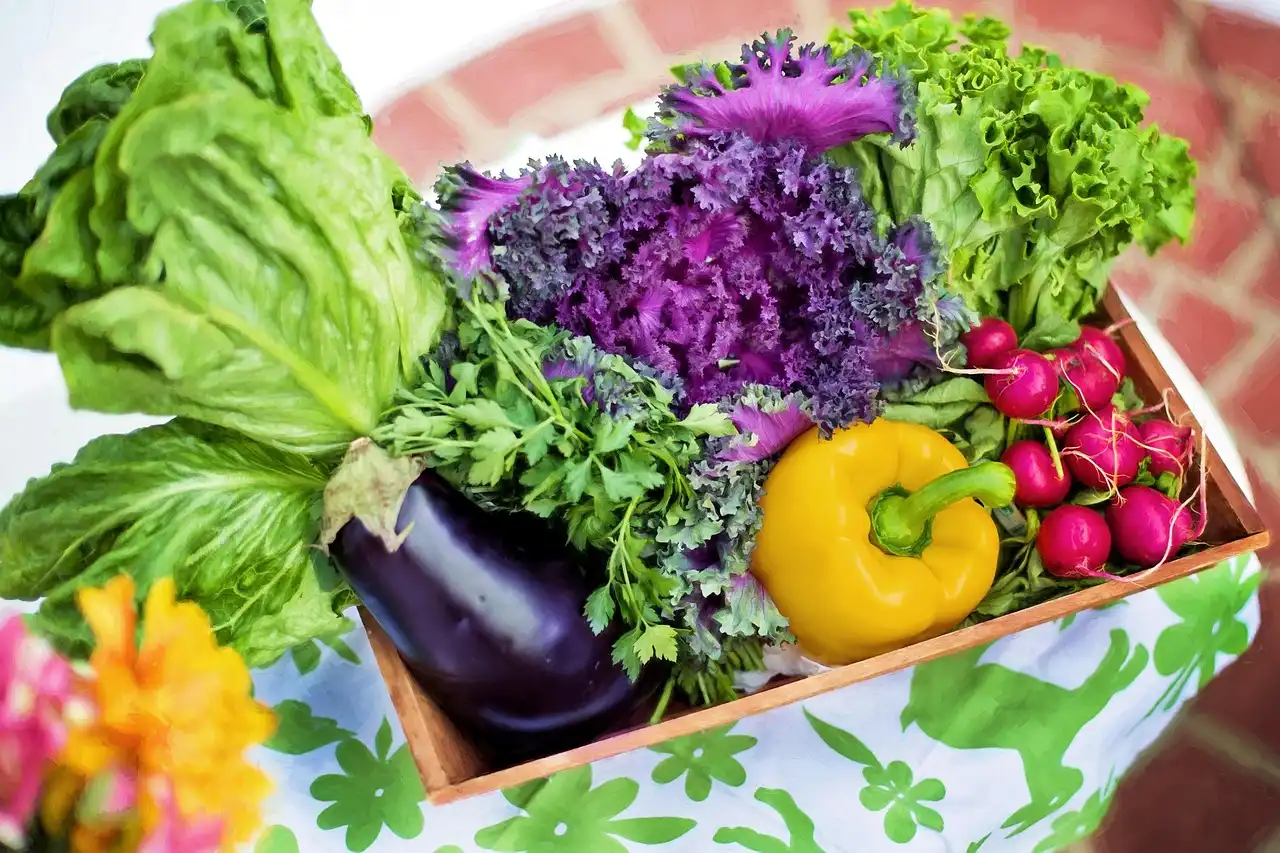
Harvest by plant type and age, not by habit. Loose-leaf lettuce can be cut repeatedly if you leave the crown and lower growth intact. Larger plants should be picked leaf by leaf until the head is ready, then removed in one cut. If regrowth slows, stop cutting and re-sow.
Cut-and-come-again method for loose-leaf types
-
Choose outside leaves first.
Pick the outer leaves once they reach usable size, or trim the top growth lightly. Leave the center crown and the lower inch of the plant untouched so new leaves can form. -
Cut high enough.
Keep the cut 1 to 2 inches above the crown. Cutting too low often damages the growing point and leads to sparse regrowth or failure. -
Harvest early in the day.
Pick in the morning for the best crispness. Leaves are usually firmer then, and they wilt less after cutting.
Outer-leaf harvest for larger plants
Outer-leaf harvest works well for romaine and butterhead while they are still building size. Remove the oldest leaves first and leave the center intact. That method extends the picking window without forcing the plant to regrow from a hard cut.
A common first-timer mistake is waiting for a plant to become a full head before picking anything. By the time the head is tight, the outer leaves may already be overmature. Harvesting a few outer leaves along the way gives you usable greens sooner and reduces waste.
When to stop cutting and let the plant recover
Stop cutting when regrowth becomes thin, bitter, or slower than normal. If a loose-leaf plant sends up a flower stalk, begins to taste sharp, or produces small leaves after repeated harvests, it is done for the season. Pull it and re-sow instead of forcing another weak flush.
Say your loose-leaf patch is cut to 1 inch above the crown, but the next flush comes back sparse and thin. That usually means the plant was stressed by heat, dryness, or a cut that was too low. Leave the last leaves alone, water deeply, and re-sow a new batch 10 to 14 days later.
How much water, sun, and shade does lettuce need?
Lettuce needs even moisture more than deep drought tolerance. Dry soil speeds bolting and can make leaves bitter. Give it full sun in cool weather, then switch to afternoon shade when temperatures rise. Mulch and regular watering do more for repeat harvests than extra fertilizer does.
Moisture rules that slow bolting
Keep the soil evenly moist, not soggy. Water on a steady schedule so the root zone never dries out for long, because dry soil encourages bolting and rough-textured leaves. A steady watering pattern helps loose-leaf plants regrow after cutting.
Raised beds and containers need closer attention because they dry faster than ground soil. Check them often in warm weather, especially after harvests, when cut plants need moisture to replace lost leaf tissue.
Sun exposure by season
In cool conditions, lettuce can take full sun. In warm weather, afternoon shade helps protect leaf texture and slows bolting. If your site only offers part-day sun, about 4 to 6 hours of direct sun is acceptable, especially for spring and fall crops.
Romaine usually tolerates more heat than many lettuces, while butterhead and crisphead react more quickly to warmth and moisture stress. Match the type to the season instead of forcing every lettuce into the same bed at the same time.
Mulch and shade for warm spells
Mulch helps hold moisture and smooth out temperature swings near the roots. Temporary shade during hot afternoons can buy extra harvest days, especially for baby-leaf plantings and pots that heat up fast. That matters most when the forecast turns hot right after a cut.
What problems reduce repeat harvests?
Bolting, bitterness, and weak regrowth are the main reasons a lettuce patch stops producing. Most of these problems trace back to heat, dryness, tight spacing, or cutting too low. Pests and weather stress can make the same issue worse, especially in small beds and containers.
Bolting, bitterness, and heat stress
Bolting is the point where leaves turn coarse and the plant shifts from leaf growth to flowering. Heat and dry soil make that happen sooner. If leaves start tasting bitter or the center stalk rises, harvest what you can and re-sow a cooler-weather batch.
Sparse regrowth after cutting too low
Weak regrowth usually means the crown was damaged or the plant was cut too close to the soil. Loose-leaf lettuce can recover well if the crown remains intact, but a hard cut below the growing point often stalls the plant. The fix is simple: leave more stem next time and re-sow sooner.
Pests and weather pressure
Slugs and snails can strip young leaves overnight, and heavy rain can pack soil around the crown. Both reduce repeat harvests by slowing recovery. Protect seedlings with copper tape, iron phosphate bait, or hand-picking after dark, keep rows open for airflow, and avoid harvesting when leaves are wet and fragile.
Frequently asked questions
How long does lettuce take to harvest?
It depends on the type. Some lettuce can be harvested in less than six weeks, looseleaf lettuce comes to harvest in 40 to 50 days, butterhead matures in 65 to 80 days, and romaine and crisphead take longer. Baby loose-leaf lettuces can be picked at six weeks.
How to harvest leaf lettuce
Pick the outer leaves first and leave the center crown growing. If you want a stronger cut-and-come-again response, trim the plant 1 to 2 inches above the crown instead of stripping it to the soil line. Keep the soil evenly moist so new leaves form quickly.
How to harvest lettuce seeds
Let the plant flower, dry fully, and set seed before collecting any seed heads. That is a separate task from leaf harvest and it usually means the plant is no longer good for eating. For a continuous crop, focus on fresh sowings rather than saving seed from every plant.