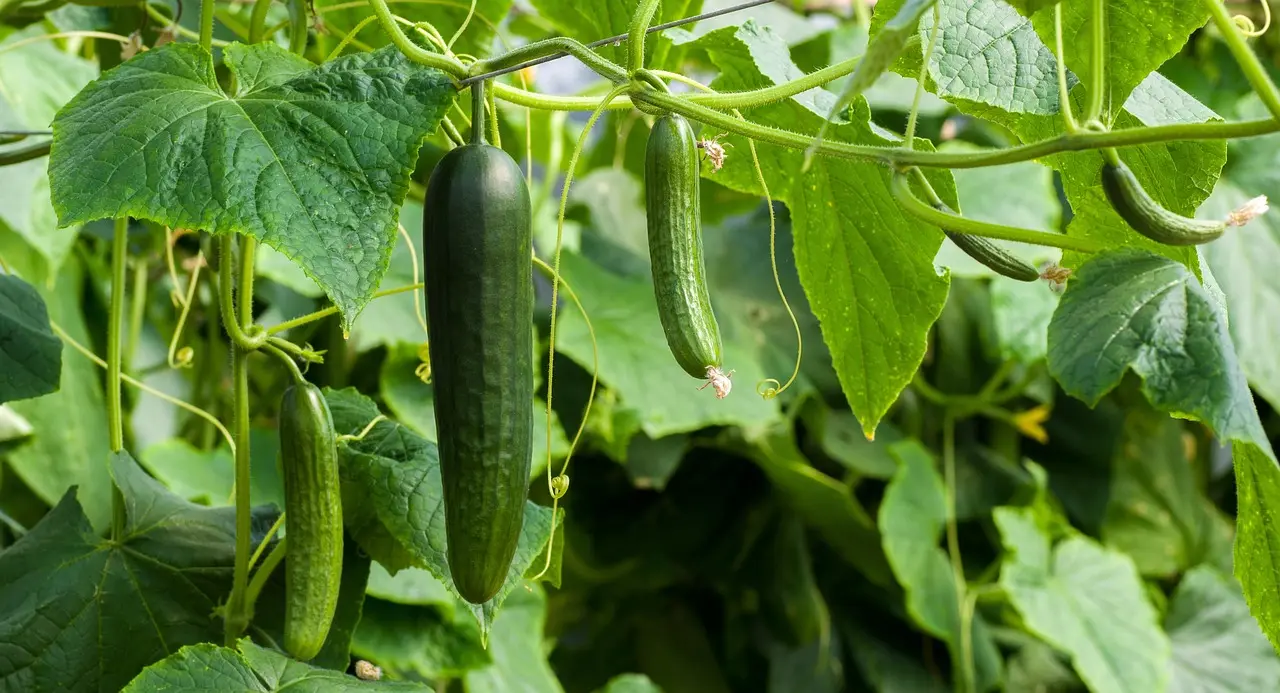
How to Grow Cucumbers in a Small Garden
For a small garden, grow cucumbers on a trellis, choose compact vining or bush types, and give each plant about 1 square foot of soil space or a large container. Without that setup, vines sprawl, fruit stays hidden, and yield drops fast. This guide shows how to match cucumber type, support, spacing, and care to patios, beds, and small plots.
What you’ll need


- Cucumber seed or seedlings of Cucumis sativus
- Bush or compact vining varieties for tight spaces
- A sturdy trellis, fence panel, canes, string, wire, or netting
- A container at least 30cm wide and deep
- Peat-free multi-purpose compost for pots
- Well-prepared soil with compost, manure, or mulch added
- High-potash fertiliser
- Watering can or hose with a fine rose
- Soft ties or plant clips
- Slug and pest checks, especially for cucumber beetles
Which cucumber setup fits your space?
Pick the setup that matches the space you actually have, then choose the variety to fit it. A compact bush cucumber suits a pot or a tight bed, while a trellis suits most small gardens because it saves ground space and keeps fruit easier to see and pick.
Bush varieties for tight beds
Bush cucumber varieties have a compact growth habit and need less training than vining types. They still may need light staking, especially once fruit starts to set and the stems lean. Use them when you have a narrow border, a small raised bed, or only one planting slot.
Containers for patios and balconies
Yes, cucumbers can grow in pots in a small garden if the pot is large enough. RHS guidance calls for containers at least 30cm wide and deep, filled with peat-free multi-purpose compost. That gives roots enough room to hold moisture and support regular feeding.
Trellises and other supports
A trellis or support system usually gives the best return for limited space. It can be made from canes, wire, string, netting, or a fence panel, but it must be sturdy because cucumber fruit adds weight fast. Upright plants also get better airflow and cleaner fruit.
When sprawl still makes sense
Letting cucumbers sprawl only makes sense when you have floor space to spare. BBC Gardeners’ World says sprawling cucumbers should be planted 90cm apart. That option is the least space-efficient, but it can work for one plant in a generous bed where a support is not practical.
Cucumber setup matrix
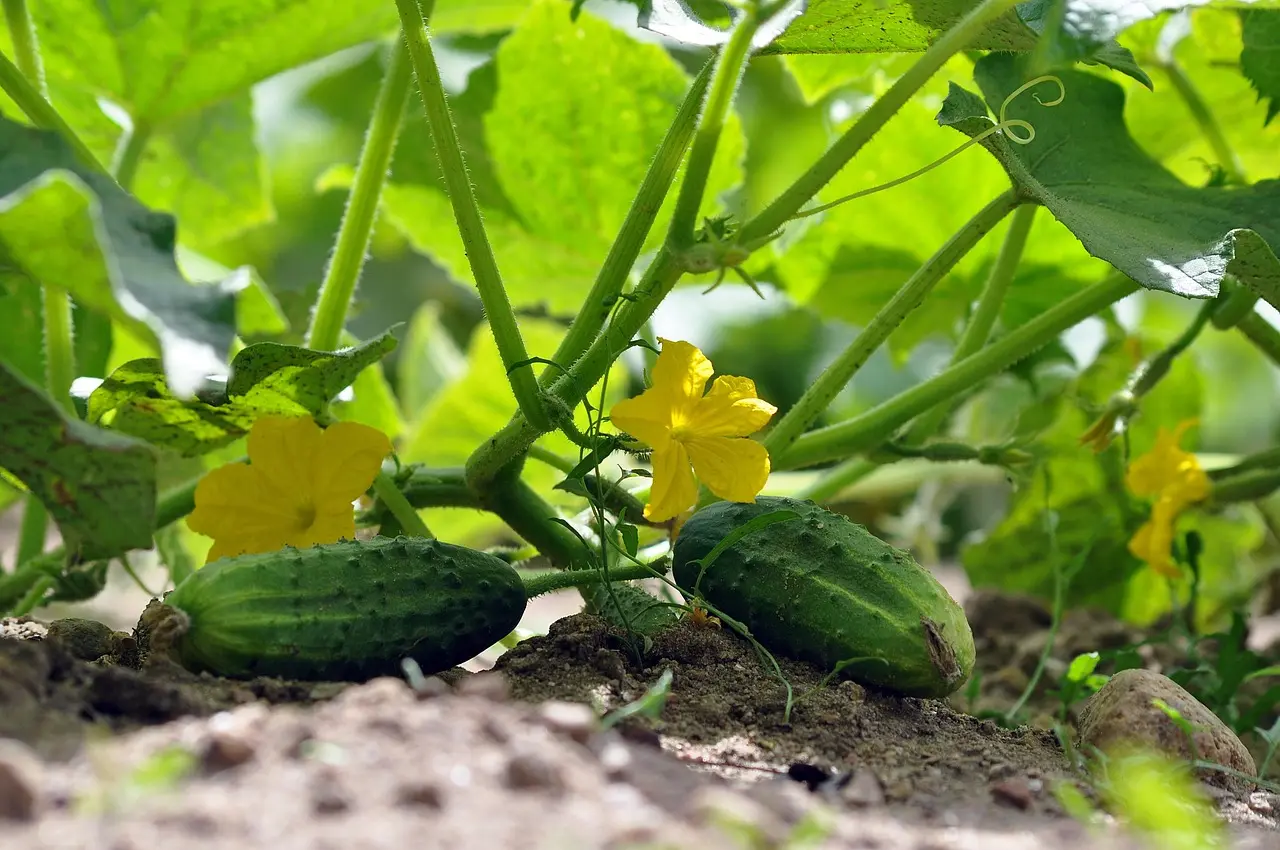
This table gives a quick decision guide for the most common small-garden setups. Use it to match space, support, water, and feed to the growing method before you buy seed or set out plants.
| Setup | Space required | Best variety type | Support needed | Watering frequency | Feeding cadence | Likely yield tradeoff |
|---|---|---|---|---|---|---|
| 1 plant in a 30cm container | One pot at least 30cm wide and deep | Bush or compact vining | Light staking or a short cage | Check daily; water when the top dries | High-potash feed weekly after flowering | Lowest root volume, so fruit size and total crop can be lower |
| 1 plant on a trellis | About 30cm to 45cm at the base, plus vertical room | Vining or trained outdoor type | Strong trellis, canes, netting, or fence panel | Regular, steady moisture | High-potash feed weekly or every two weeks after fruit set | Best use of space; usually better airflow and cleaner fruit |
| 1 plant allowed to sprawl | About 90cm or more of ground space | Vining outdoor type | None, or minimal guidance | Keep soil evenly moist across a wider area | High-potash feed every two weeks after flowering | Uses the most space and hides fruit more easily |
| 2 plants in a raised bed | Two growing sites with about 30cm to 45cm between them | Compact vining or bush types | Trellis preferred; light staking helps bush types | Often, because beds dry faster than ground soil | High-potash feed weekly after fruit starts forming | Higher total crop if airflow and spacing stay open |
How do you plant cucumbers in a small garden?
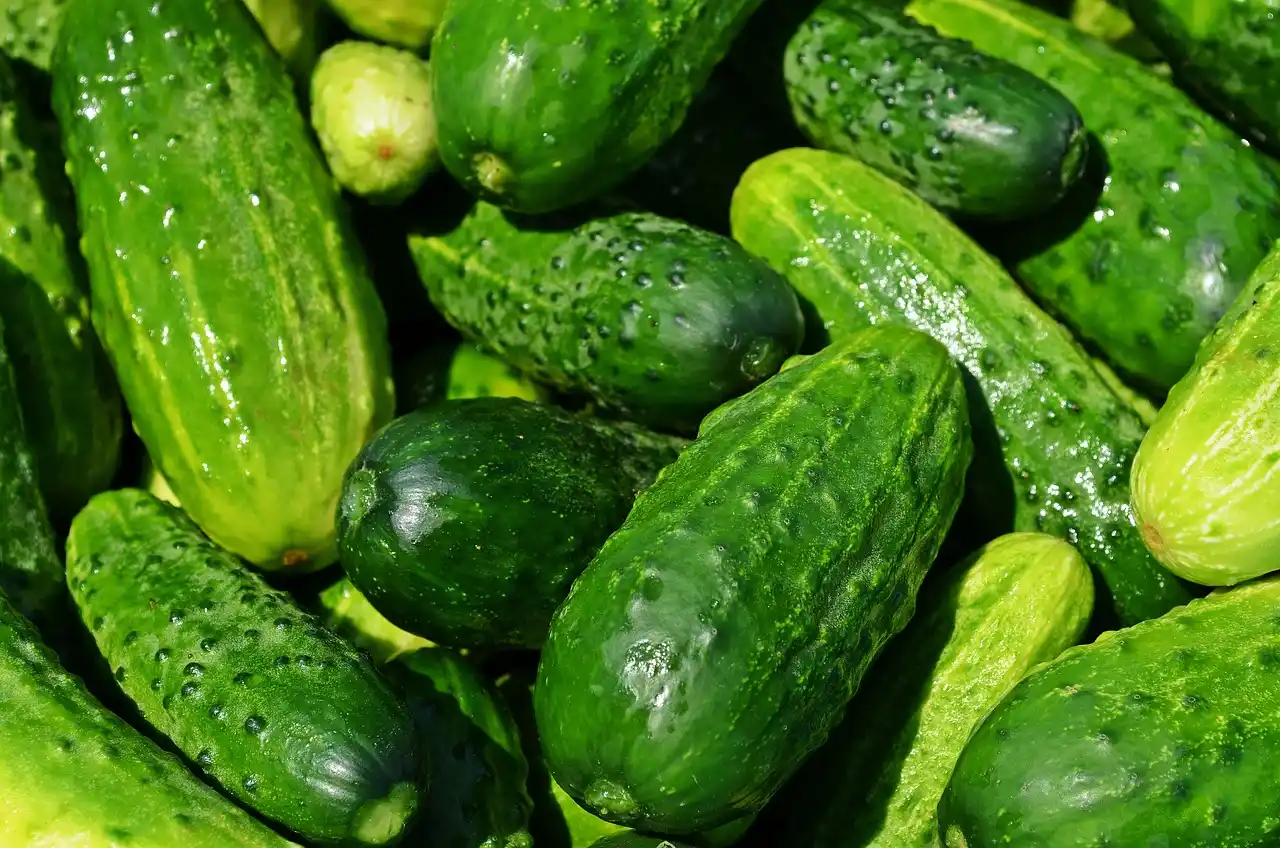
Start seeds indoors in late winter to early spring, or sow outdoors in late spring to early summer once frost risk has passed. Cucumis sativus is a warm-season, moisture-loving crop, and germination needs warm soil; BBC Gardeners’ World says at least 20°C, while other guidance puts germination at 60°F or warmer, preferably 70 to 90°F.
- Choose the right site. Give cucumbers full sun, a warm wall, and protection from frost. A south-facing bed or patio usually works better than a cool, shaded corner.
- Warm the soil first. Wait until the soil feels properly warm before sowing outdoors. Cold soil slows germination and weakens early growth.
- Sow shallowly. Place seeds about half an inch deep if you are sowing directly, then water gently so the seed zone stays moist without becoming soggy.
- Set final spacing early. Use 30cm between growing sites as a compact guide, or 45cm for trained outdoor cucumbers if you are following BBC spacing. Leave 90cm only if you plan to let vines sprawl.
- Plant into rich soil. Mix in compost, manure, or mulch before planting. That adds organic matter, holds moisture, suppresses weeds, and improves soil fertility.
Say your only option is a balcony pot that is 30cm wide. One compact plant in peat-free multi-purpose compost can work well if you add a sturdy cane and keep the compost evenly damp, but the plant will still need more frequent watering than one in open ground.
How do you keep small-garden cucumbers productive?
Productive cucumbers in small spaces come from steady growth, not from pushing the plant hard. Keep the root zone moist, feed after flowering, and avoid crowding. A trellis often gives the best return because it keeps fruit visible, improves airflow, and lets light reach more leaves.
- Train vines upward. Tie stems loosely to a trellis, fence, canes, string, or netting as they grow. This keeps fruit off the soil and makes picking easier.
- Water before stress shows. Keep the soil evenly moist, especially in containers and raised beds. Dry stress can lead to bitter fruit and poor fruit fill.
- Feed after flowering. Start a high-potash feed when flowers open or fruit set begins. BBC Gardeners’ World says weekly feeding at that stage; Homes & Gardens suggests every two weeks after fruit starts forming.
- Top up mulch. Add compost, manure, or another mulch layer around the base, but keep it off the stem. Recheck after watering, then add about 2 to 3cm more only if the surface dries quickly.
- Pick often. Harvest young fruits before they swell and slow the plant. Regular picking keeps new cucumbers coming.
Suppose a single trellised plant starts flowering heavily in a raised bed, but the leaves droop by afternoon. That usually points to water pressure, not a lack of feed. Water deeply, then keep the schedule steady before changing the fertiliser rate.
What keeps cucumbers from getting bitter?
Bitter cucumbers usually come from stress, especially uneven water supply, heat, or a plant that is trying to carry too much fruit in too little root space. In a small garden, the fix is usually steadier moisture, timely harvesting, and a setup that does not crowd the roots or leaves.
- Keep moisture even. Water on a regular schedule rather than waiting for wilting. Container plants may need daily checks in warm weather, and Homes & Gardens advises daily watering once fruits start to develop.
- Do not overcrowd. Stick to the spacing that matches the setup. RHS says cucumber growing sites should be 30cm apart, while BBC says 45cm for trained outdoor cucumbers and 90cm for sprawling plants.
- Choose resistant types. Pick disease-resistant varieties when space is tight. If mildew or virus damage wipes out one plant, there may be no room for a replacement crop.
- Watch pests closely. Cucumber beetles are a major pest because they can spread bacterial wilt and mosaic. Check leaves and stems often, since one or two plants can be lost quickly in a small planting.
A common first-timer mistake is to let a pot dry out for one hot afternoon, then drench it the next day. That swing can stress the plant more than a steady, smaller watering routine, and bitterness is more likely when the root zone keeps changing from dry to saturated.
Common mistakes
The biggest small-garden mistake is treating all cucumber setups the same. A pot, a trellis, and a sprawling bed need different spacing, support, and watering habits, even if they use the same seed packet.
- Using a pot that is too small. A container under 30cm wide and deep usually dries too fast and limits roots.
- Skipping support for vining plants. Weak or absent support leads to broken stems, hidden fruit, and lower yield.
- Overcrowding the bed. Crowding cuts airflow and makes mildew more likely.
- Feeding before flowering and ignoring water later. High-potash feed helps after fruit set, but water consistency matters more.
- Ignoring beetles and disease. A small planting has less room to recover from bacterial wilt, mosaic, or mildew.
Frequently asked questions
How can I grow cucumbers in a small garden space?
Use one compact plant per pot or one trained vine per small growing site, then keep it watered and supported. A trellis, fence, or sturdy cane system gives the most space-efficient result. Start seeds warm, place them in full sun, and harvest often.
Can cucumbers grow in pots in a small garden?
Yes. Use a container at least 30cm wide and deep, filled with peat-free multi-purpose compost. A bush or compact vining type is the best fit, and the pot should be watered more often than in-ground soil because it dries faster.
Should cucumbers be grown on a trellis in a small space?
Usually, yes. A trellis saves ground space, keeps fruit cleaner, and improves airflow around the leaves. Use canes, string, wire, netting, or a fence panel, but make sure the support is sturdy enough for heavy fruit later in the season.
How far apart should cucumber plants be spaced in a small garden?
Use 30cm between growing sites for a compact guide, 45cm for trained outdoor cucumbers, and 90cm only if you let the vines sprawl. Tight spacing works best when the plants are vertical and regularly harvested, not when they are left to spread across the bed.
Which cucumber varieties are best for small gardens?
Bush cucumber varieties are best when space is very limited, because they stay compact and need less training. Disease-resistant types are also worth choosing in a small garden, since one sick plant can take away most of the season’s crop.
How often should cucumbers be watered and fed?
Keep the root zone evenly moist, with daily checks for pots in warm weather. Start a high-potash feed when flowers appear or fruit begins to set, then follow a weekly routine or a two-week routine depending on the product and the plant’s growth rate.
How do I keep cucumbers from getting bitter in a small garden?
Avoid water stress. Keep the soil evenly moist, do not let the plant dry out between soakings, and pick fruits while they are still young. Bitter fruit is more likely when a cramped plant is stressed by heat, dryness, or overcrowding.