How to Keep Squash Plants Healthy All Season
Keep squash plants healthy all season by watering deeply about 1 to 2 times a week, mulching early, feeding at first bloom, and checking leaves twice weekly for pests and mildew. Skip those basics and vines stall, fruit set drops, and plants can fail before harvest. This guide shows how to establish, support, and rescue squash at each growth stage from transplanting through picking.
Squash care basics


Squash plants need full sun, warm soil, and steady care that changes as the vines grow. Summer squash and winter squash use the same fundamentals, but they differ in harvest timing, fruit load, and what you do near the end of the season. Crowding, weak watering, and delayed pest checks are what usually turn a healthy start into a midseason decline.
Full sun and warm soil
Give squash the sunniest bed you have, ideally one that gets direct sun from morning to late afternoon. Plants in bright sun dry out faster than those in lower light, so soil moisture needs more attention there, not less. Warm-season growth matters here too: cool soil slows rooting, flowering, and fruit set.
For outdoor beds, wait for soil that is warm enough for quick growth and keep the root zone evenly moist. If the site stays cold and wet after rain, drainage is poor and roots stay stressed.
Summer squash vs winter squash
Summer squash should be picked young and often, because fruit size and texture change fast. Winter squash stay on the vine longer, so the late-season goal is healthy leaves that can keep feeding larger fruit until the rind hardens. That difference changes how you prune, water, and harvest.
Summer squash usually needs more frequent picking to keep production going. Winter squash needs more patience and more attention to vine health once the fruits start sizing up.
Spacing, airflow, and drainage
Give vines enough space for air to move through the leaves. Tight spacing holds moisture on foliage and makes powdery mildew and squash bug scouting harder. Good airflow also helps flowers dry after rain and lowers disease pressure.
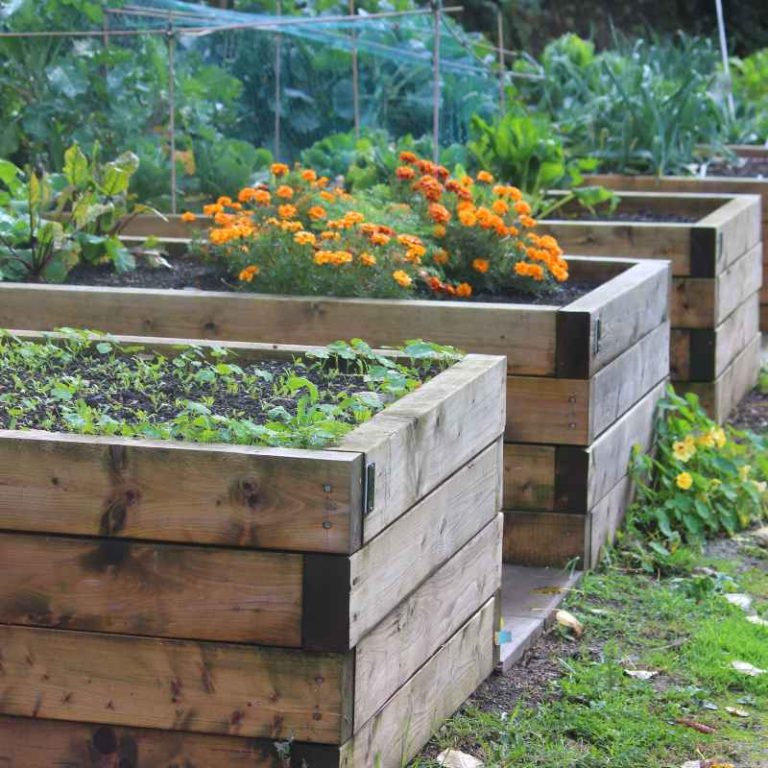
Drainage matters as much as airflow. Squash roots dislike soggy soil, so raised beds or well-drained ground are a better fit than heavy, compacted sites.
A common first-timer mistake is planting two squash starts too close together because the bed looks empty in spring. By midsummer, the leaves overlap, watering gets sloppy, and the first sign of trouble is usually white mildew or poor pollination on the inner flowers.
How should you water squash plants?
Water squash deeply and steadily at the root zone, then check the soil before watering again. The goal is even moisture in the root zone, not a constant wet surface. Mulch helps hold that moisture, but it does not replace deep soaking. Avoid wet foliage when possible, because leaf disease starts faster when leaves stay damp.
Deep watering at the roots
Water at the soil line so the root zone gets soaked without splashing leaves. A finger test of 1 to 2 inches helps judge soil moisture before watering. If the top layer is dry but the soil below is still moist, wait.
When the weather is hot and vines are expanding, a deep soak is better than a quick sprinkle. Shallow watering trains roots to stay near the surface, which makes plants more vulnerable during heat and fruit fill.
Mulch to hold moisture
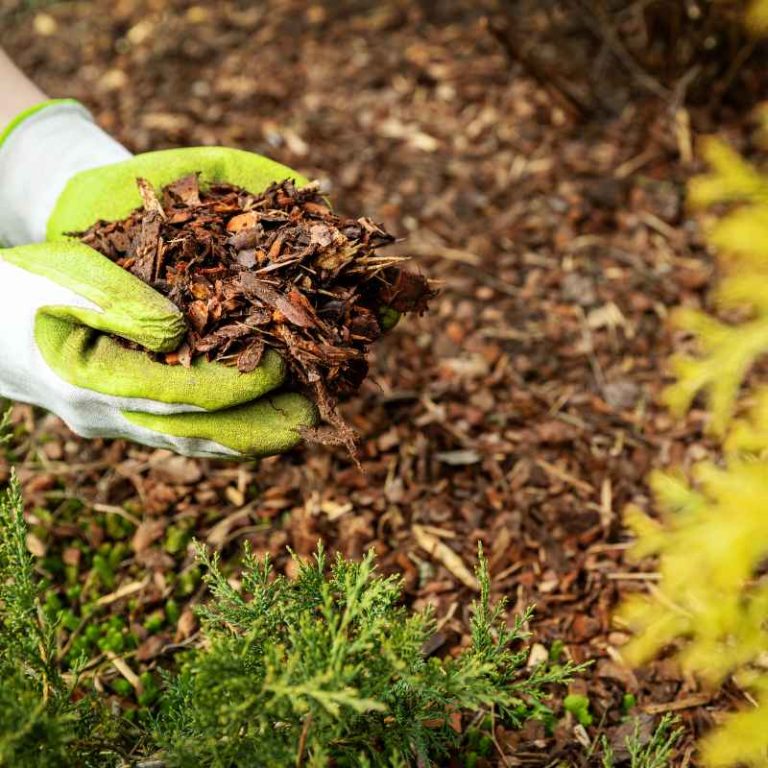
Mulch reduces evaporation, keeps weeds from stealing water, and steadies soil temperature. Use organic mulch such as straw, shredded leaves, or untreated grass clippings that have dried a bit. Keep the layer about 2 to 4 inches deep and pull it back slightly from the stem.
That buffer matters most during dry spells. It slows evaporation, so you do not have to water as often, and it keeps soil from swinging too hard between wet and dry.
What overwatering and drought stress look like
Overwatering often shows up as limp growth in wet soil, yellowing lower leaves, and slow recovery after rain. Drought stress looks different: leaves droop in the afternoon, fruit size stalls, and new flowers may drop before setting. Both problems reduce yield.
Soil that stays wet for long stretches also raises root stress. If water runs straight through the pot, the mix may need replacing; in beds, that same problem means drainage is too fast or the soil structure is poor. If the soil feels dry only at the surface, water may still be adequate below.
How often should you feed squash plants?
Feed squash lightly at planting, then again once vines are running and flower buds appear. The point is to support steady growth without pushing excess leaf growth. Too much nitrogen gives you large vines and fewer usable fruits, especially once flowering starts.
Starter feeding after planting
Use a balanced starter feed after planting or transplanting if the bed was not amended well beforehand. That helps roots establish without forcing soft, leafy growth too early. Compost-rich soil helps too, but it should still drain well.
If the plants look pale after transplanting, check moisture before adding more fertilizer. Poor water management can mimic a nutrient problem.
When to side-dress during vine growth
Side-dress when vines are established and again as flowering begins, especially for heavy-feeding winter squash. Apply nutrients to the soil beside the row rather than right against the stem. Then water them in deeply.
That timing supports fruiting without overfeeding. Once the plants are set, they need steadier support, not a strong push of nitrogen.
Why too much nitrogen causes trouble
Excess nitrogen drives leafy growth at the expense of flowers and fruit. It can also make a dense canopy that stays damp longer, which raises disease pressure. If the plant is very large but the flowers are weak, too much nitrogen is one likely reason.
Resist the urge to keep feeding heavily when fruit is already forming. At that stage, the plant needs balance more than raw growth.
Squash season checklist
Use this stage-by-stage checklist as a maintenance system. Each phase has a different job: establish the plant, keep growth steady, protect flowers and fruit, then manage peak production and decline. The weekly checks matter because squash can look fine one week and unravel the next.
| Phase | Inspect | Water | Feed | Troubleshoot |
|---|---|---|---|---|
| Transplanting | Leaf turgor, stem firmness, soil contact around roots | Water deeply after planting, then check moisture every 2 to 3 days | Use a balanced starter feed once plants are settled | Reset any leaning transplant, refresh mulch, confirm drainage after rain |
| Early vine growth | Runner length, leaf color, weed pressure, first pest eggs | Water at the root zone when the top 1 to 2 inches dry out | Side-dress lightly if growth slows | Open crowded foliage, scout leaf undersides, correct dry spots |
| Flowering and fruit set | Male and female flowers, pollinator activity, fruit swelling | Keep moisture even through bloom and fruit set | Feed lightly if plants are still growing strongly | Hand-pollinate weakly set fruit, remove badly diseased leaves |
| Peak harvest | Fruit size, stem damage, powdery mildew, squash bug clusters | Do not let soil swing from dry to soggy | Stop heavy feeding; use only light support if needed | Harvest on time, remove infested leaves, clean up dropped fruit |
Transplanting
At transplanting, focus on root establishment. Water in well, mulch once the soil has warmed, and protect young plants from drying wind. If the root ball dries out fast, the plant will stall before it starts vine growth.
Check once a week for settling around the stem and for signs that roots are not taking hold. If the plant is still drooping the next morning after a deep watering, drainage may be the issue rather than lack of water.
Early vine growth
This is the stage where you build a strong canopy without crowding the bed. Water deeply, keep weeds down, and keep the mulch layer in place. The vines should spread steadily, not race into soft, weak growth.
Scout for eggs and leaf damage now, before the plant becomes hard to move through. Early detection is easier than fixing a full infestation later.
Flowering and fruit set
Flowering is where many healthy-looking squash plants fail. If bees are active and flowers are opening normally, fruit should begin to swell soon after. If blossoms open and then drop without setting, pollination is the first thing to check.
Keep moisture even during this phase. Drought stress or wet soil can cause flower drop and small, misshapen fruit.
Peak harvest
Once the plant is carrying a heavy crop, it needs rescue care more than growth push. Pick summer squash often, and let winter squash finish on the vine until mature. Watch for leaf decline, pest buildup, and mildew on lower foliage.
Suppose a zucchini plant has six large fruit and new flowers are fading before they open fully. That is a sign to harvest immediately, water deeply, and check for squash bugs or mildew around the lower leaves.
How do you protect flowers and fruit set?
Protect fruit set by learning the flower types, watching pollinator activity, and stepping in when flowers open but fruit does not form. Squash flowers are short-lived, so timing matters. Missed pollination is one of the most common reasons a plant looks healthy but produces little.
Male and female flowers
Male flowers usually open first and carry pollen on a plain stem. Female flowers have a small swollen ovary at the base that becomes the fruit if pollination succeeds. Both open in the morning, and both close later in the day.
If female flowers are present but the tiny fruit shrivels and turns yellow, pollination likely failed. That is different from disease, which usually leaves other visible signs on the plant.
Bee activity and missed pollination
Bees do most of the work. If bee traffic is low, fruit set can be weak even when foliage looks excellent. Cold mornings, rain, and crowded vines can all reduce visits.
When pollination misses, the small fruit behind the flower stops growing and may dry up. That is a fruit-set problem, not a watering problem by itself, although moisture stress can make it worse.
Hand pollination as a backup
Use hand pollination only when bee activity is poor or fruit set is clearly failing. Transfer pollen from a freshly opened male flower to the center of a female flower in the morning. That backup can save a crop that is otherwise stalled.
It works best when you catch the flowers early, before they close. Once blossoms fade, the window is usually gone.
Squash pests and disease
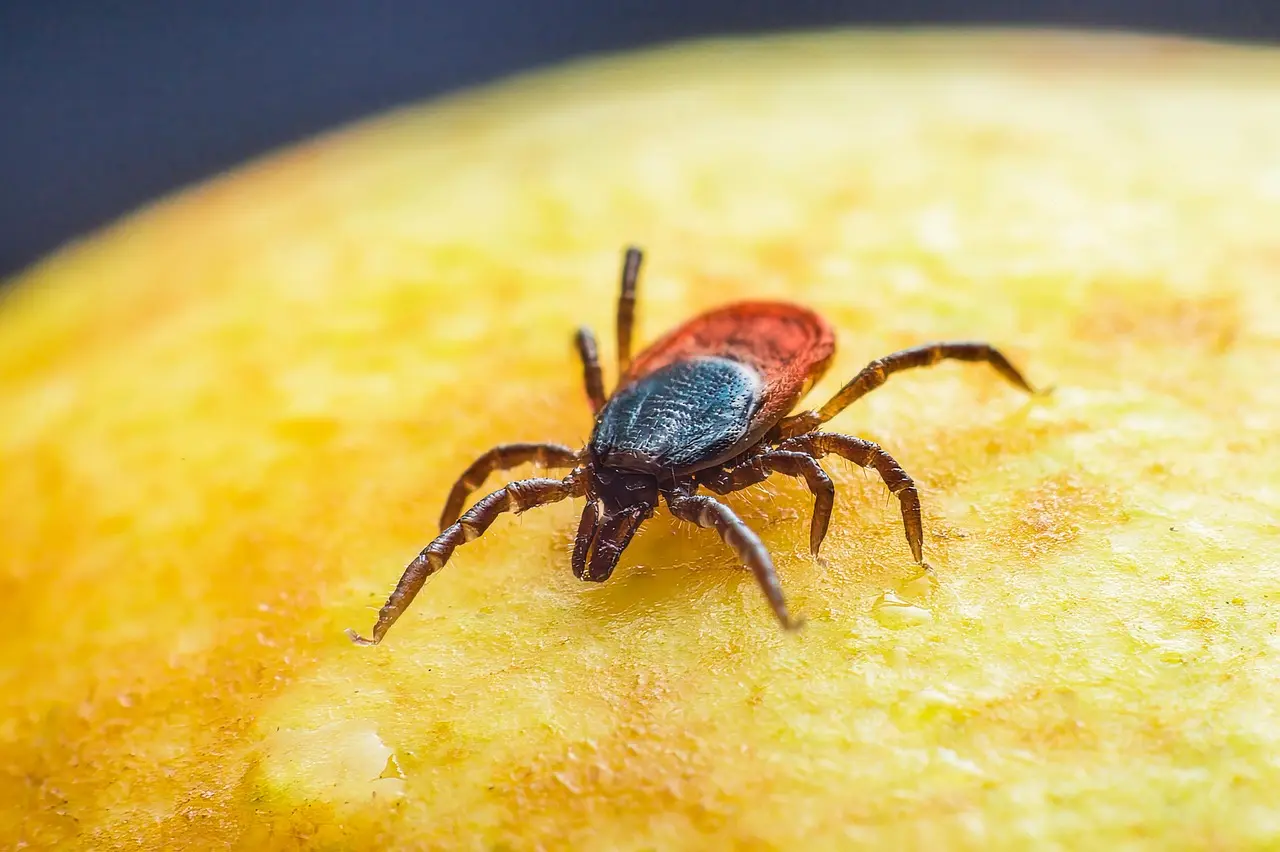
Squash plants face steady pressure from pests and fungal disease, especially once the canopy thickens. The main job is to catch symptoms early, then choose the right response. That means looking under leaves, checking stems, and removing the worst affected growth before it spreads.
Squash vine borer signs and timing
Squash vine borer damage is often reported as sudden wilting even when the soil is moist. Look for frass near the stem base and a small entry hole where the larva has tunneled in. The timing often lines up with warm-season growth, when vines are large and tender enough to attack.
Row cover can help early, but it must be removed when flowering starts so pollinators can reach the blossoms. After that, monitoring and cleanup matter more than protection alone.
Squash bug eggs and nymphs
Squash bugs lay bronze egg clusters on leaf undersides. The nymphs are smaller, gray to green, and gather on stems and undersides of leaves. Hand removal is most effective when you spot them early, before numbers build. (Illinois)
Sanitation helps too. Remove dropped fruit, old vines, and debris where adults can hide. The cleaner the bed, the fewer places they have to regroup.
Powdery mildew prevention and cleanup
Powdery mildew appears as a white fungal coating on leaves and usually starts when vines are crowded and airflow is weak. Water at the soil level, not over the foliage, and keep enough spacing for leaves to dry quickly after rain. Resistant varieties help, including squash plants with resistance to downy mildew — US patent 11384362.
Late in the season, remove heavily infected leaves if they are crowding the plant or blocking airflow. Do not strip the vine bare. Keep enough healthy foliage to feed the fruit while reducing spread.
Picture a bed of winter squash where the lower leaves have white patches, but the upper vine still looks sound. The right move is to improve airflow, water at the base, and remove the worst leaves, not to flood the bed with fertilizer or prune every leaf at once.
What to do when squash plants get heavy with fruit
When squash plants start producing heavily, switch from growth mode to support mode. Keep picking on schedule, prune only when necessary, and remove declining leaves that are no longer helping the plant. Heavy fruit load can drain a vine fast if you let watering or cleanup slip.
Prune only when needed
Prune to improve airflow, remove diseased tissue, or clear a path for harvest. Do not remove healthy leaves just because the vine looks dense. Leaves are the plant’s food source, and overpruning can reduce fruit fill.
For winter squash, preserve as much healthy canopy as possible until fruit matures. For summer squash, light thinning around sick leaves is usually enough.
Keep picking to keep plants producing
Harvest summer squash often so the plant keeps making new fruit. If zucchini or yellow squash are left to grow oversized, the plant shifts energy into seed development and slows down. Frequent picking is one of the simplest ways to keep production going.
Winter squash are different. Leave them on the vine until the rind is mature, then harvest before hard frost if possible.
When to remove declining leaves
Remove leaves that are badly mildewed, bug-damaged, or collapsing from stem disease. The aim is to reduce disease pressure and improve airflow, not to strip the plant. Clean cuts also make scouting easier the next time you check the bed.
Once the plant is overloaded with fruit and lower leaves are aging, a little cleanup can keep it productive longer. Just avoid removing healthy foliage that still shades the fruit and powers growth.
Frequently asked questions
How do I care for squash plants?
Give squash full sun, warm soil, deep watering, and enough space for airflow. Feed lightly at planting, then side-dress once vines are established. Check leaves twice weekly for squash bugs, vine borer signs, and mildew, and harvest on schedule so the plant keeps producing.
Do squash plants need full sun?
Yes. Squash plants do best in full sun because warm, bright conditions support faster growth, flowering, and fruit set. Partial shade usually means weaker vines, fewer blossoms, and slower drying after rain, which raises disease pressure.
What is the best watering schedule for squash plants?
Water deeply about 1 to 2 times a week, then adjust for heat, rain, and soil type. Use the finger test of 1 to 2 inches to check moisture before watering again. The goal is even moisture, not soggy soil or repeated shallow watering.
How often should I fertilize squash plants?
Feed once after planting with a balanced starter fertilizer, then side-dress lightly as vines begin to run and again near flowering if growth slows. Avoid heavy nitrogen, because it can push leaf growth while reducing flowers and fruit set.
How do I stop squash plants from getting powdery mildew?
Give plants space, keep airflow moving, water at the soil line, and avoid wetting the leaves. Remove heavily infected leaves when needed, especially late in the season. Resistant varieties also help, especially where mildew pressure is common every year.
What should I do when squash plants start producing heavily?
Shift to support mode. Harvest summer squash frequently, keep watering evenly, and remove only declining or diseased leaves. If the plant is carrying a heavy crop, stop pushing nitrogen and focus on fruit fill, airflow, and pest checks.