Can You Have A Front Yard Vegetable Garden In Richardson Texas?
Growing your own food is a wonderful idea. Many people dream of fresh tomatoes and crisp lettuce right from their doorstep. But when you live in a place like Richardson, Texas, questions pop up.

As an Amazon Associate I earn from qualifying purchases.
Can you really put a vegetable garden out front? What if your neighbors think it looks messy? What about the city rules?
It feels like a lot to figure out. This guide will help clear the air.
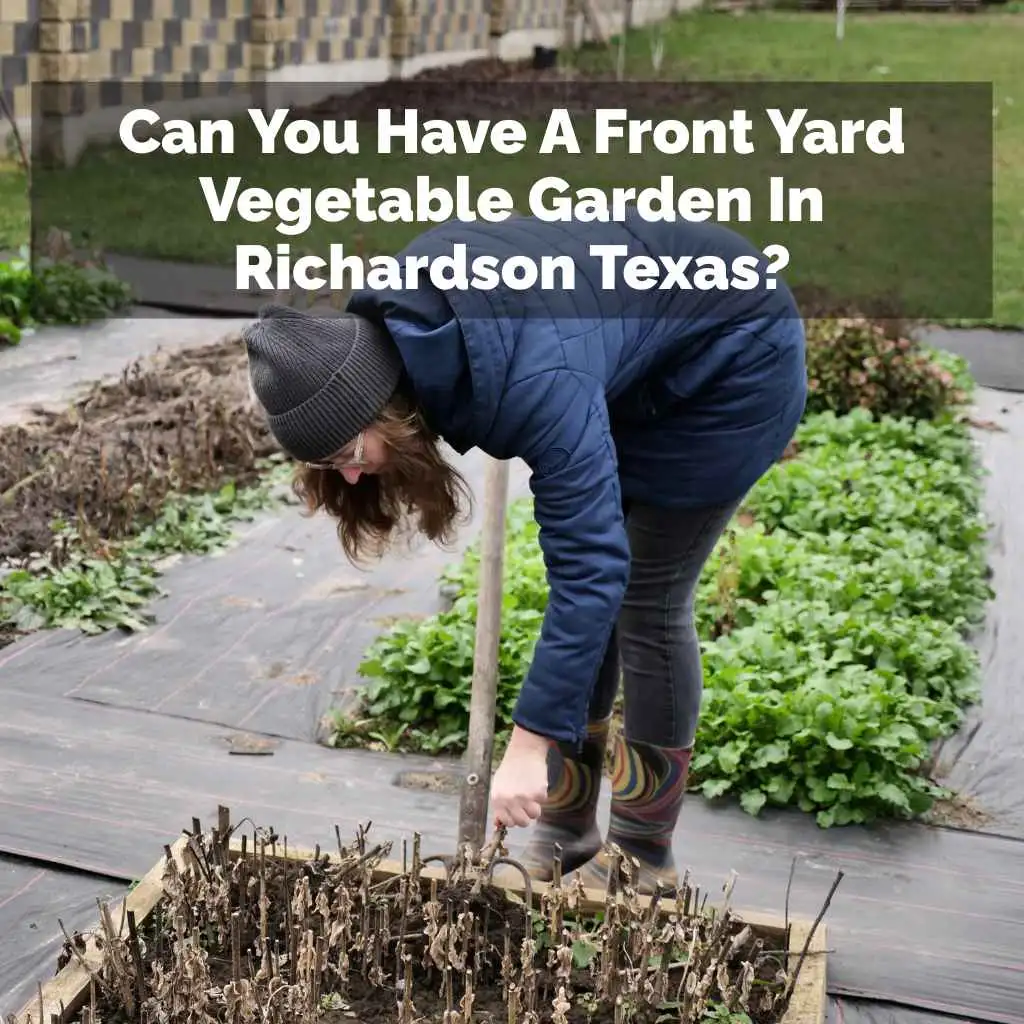
Yes, you can have a front yard vegetable garden in Richardson, Texas. While there isn’t a city-wide ban, you need to be mindful of neighborhood rules and general aesthetics. Planning carefully for the Texas climate and local regulations will help your garden thrive and be welcomed.
Understanding Front Yard Gardens in Richardson
A front yard garden is one right by your street. It’s the first thing people see. In many towns, these spaces are just for pretty flowers.
Some places worry about how they look. They want everything to be neat and tidy. This is especially true in planned communities or areas with strict homeowner rules.
Richardson, Texas, has a generally welcoming approach. But it’s not a free-for-all. The city itself doesn’t have many specific rules against vegetable gardens in front yards.
However, your specific neighborhood or Homeowners Association (HOA) might. HOAs often have design guidelines. These rules aim to keep property values up.
They might limit what you can plant or how you store garden items. It’s super important to check these rules first. Ignoring them can lead to trouble.
Think about the Texas weather too. It’s hot in the summer. It can be dry.
Strong winds can blow through. These are big factors for any garden, especially one in a sunny front yard. You need to pick plants that can handle the heat.
You also need to think about watering. A front yard garden needs care and attention to look good and produce well. It’s more than just digging and planting.
My Own Front Yard Garden Adventure
I remember my first attempt at a front yard garden. It was years ago, in a different city. I was so excited to grow some basil and a few bell pepper plants.
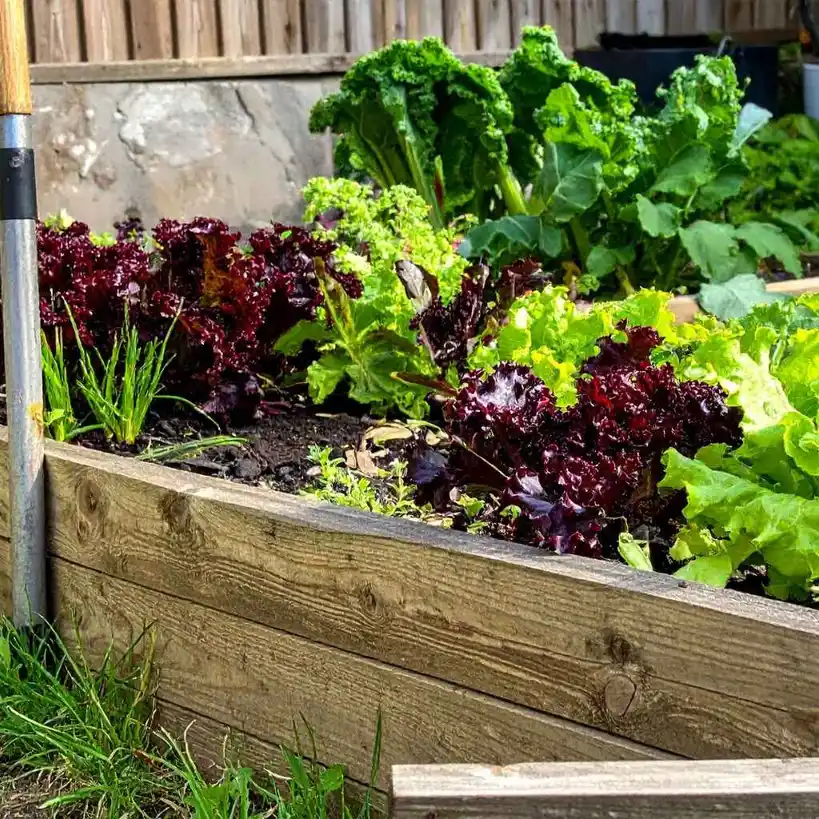
I set up a small raised bed right in front of my porch. It was sunny, and I thought it was perfect. Well, a few weeks later, I got a nice letter from my HOA.
Apparently, I had to get approval for any new structures, even small garden beds. They also had a list of approved plants for the front yard. Vegetables weren’t on the list.
I felt so deflated. All that work and excitement seemed wasted. It taught me a big lesson: always check the rules first.
And also, think about how your garden fits into the neighborhood’s look. It’s a balance between your dream garden and being a good neighbor.
Key Steps Before You Start
1. Check Your HOA Rules: This is your absolute first step. Look for any rules about front yard landscaping or gardening.
See if there are any restrictions on what you can grow or how it should look.
2. Review City Ordinances: While less common for gardens, it’s good to know if Richardson has any general rules about yard maintenance or structures. You can usually find this on the city’s official website.
3. Talk to Neighbors: Sometimes, a friendly chat with your neighbors can give you insight. They might know about unspoken expectations or past issues with front yard gardens.
Why Grow Vegetables Out Front?
So, why would someone choose the front yard for their vegetables? There are several good reasons. First, it’s often the sunniest spot.
Many front yards get more direct sunlight throughout the day than backyards. This is crucial for plants that love the sun, like tomatoes, peppers, and corn.
Second, accessibility. Your front yard is usually easier to get to. You might be carrying groceries from your car or just stepping outside for a moment.
Having a garden close by makes it simpler to tend to. You can water it, weed it, or pick something ripe quickly. It encourages more frequent interaction with your garden.
Third, it can be a conversation starter. A well-maintained vegetable garden can be beautiful. It shows off your commitment to fresh food and sustainability.
People passing by might stop to admire your plants or ask questions. It can even inspire others to try gardening. It adds a unique charm to your home that plain grass or flowers might not.
Finally, it’s about maximizing space. If your backyard is small, shady, or already used for other things (like a patio or play area), the front yard becomes a prime spot. It’s making the most of the land you have.
You turn an underused area into a productive one. This is smart for any homeowner.
Front Yard Garden Benefits
- More Sunlight: Often gets the best sun exposure.
- Easy Access: Simple to water, weed, and harvest.
- Aesthetic Appeal: Can be beautiful and a conversation starter.
- Space Maximization: Uses often underutilized areas.
- Educational Value: Great for teaching kids about food.
- Community Connection: Can foster interaction with neighbors.
Richardson’s Climate and Your Garden
Richardson, Texas, is in the heart of North Texas. This region has a unique climate. Summers are very hot and humid.
Winters are generally mild but can have sudden cold snaps. Spring and fall are usually pleasant, but can also bring unpredictable weather like hailstorms or strong winds.
Summer Heat: The biggest challenge is the intense summer heat. Temperatures often soar into the 90s and 100s for weeks on end. Many vegetables struggle in this extreme heat.
You need to choose heat-tolerant varieties. Plants like okra, sweet potatoes, southern peas, and certain types of peppers do well. Tomatoes can be tricky; they may stop producing fruit when temperatures get too high.
Melons like watermelon and cantaloupe can thrive if they get enough water.
Water Needs: Because of the heat and dry spells, watering is critical. Your front yard garden will likely need consistent watering. Early mornings are the best time to water.
This helps plants stay hydrated through the hot day. It also reduces the chance of fungal diseases that can happen with wet leaves at night.
Soil Quality: Texas soil can vary a lot. It’s often clay-heavy. This can make it hard for water to drain.
It can also become very hard when dry. Improving your soil is key. Adding compost and other organic matter helps.
This makes the soil easier to work with. It also helps it hold moisture better while still draining well. Raised beds are a fantastic solution for poor soil.
They let you control the soil mix entirely.
Pests and Diseases: Hot, humid weather can also encourage pests and diseases. Keep an eye on your plants. Healthy plants are less susceptible.
Good air circulation is also important. This is where garden spacing comes in. Watch for common Texas garden pests like aphids, spider mites, and caterpillars.
Climate-Smart Gardening Tips
Choose Heat-Tolerant Varieties: Look for plant types known to do well in heat.
Mulch Generously: Use a thick layer of mulch around plants. This keeps soil cool and moist.
Water Deeply and Less Often: Encourage roots to grow deeper. This makes plants more drought-resistant.
Provide Shade: For sensitive plants like lettuce, consider temporary shade cloth during the hottest part of summer.
Amend Your Soil: Mix in plenty of compost to improve drainage and water retention.
Navigating Homeowner Association (HOA) Rules
This is where many front yard garden dreams can hit a snag. Homeowners Associations (HOAs) exist to maintain a certain look and feel in a neighborhood. This usually means standard landscaping.
They want uniformity. Vegetable gardens, with their rows of plants and sometimes less-than-perfect appearance, can be seen as outside this standard.
Read Your Covenants, Conditions & Restrictions (CC&Rs): Your HOA has official rules, often called CC&Rs. You should have received a copy when you bought your home. If not, you can usually get it from your HOA board or management company.
Read it carefully, looking for sections on landscaping, yard appearance, or prohibited items.
What to Look For:
- Front Yard Landscaping Guidelines: Do they specify certain types of plants? Are there rules about the height or appearance of plantings?
- Structures: Are raised beds or trellises considered structures that need approval?
- “Unsightly” Items: Some rules prohibit anything deemed “unsightly” or detrimental to the neighborhood’s appearance. This is subjective and can be a gray area.
- Home-Based Businesses: If you plan to sell produce, some HOAs have rules against running a business from your home, especially if it involves customer traffic.
Seeking Approval: If your CC&Rs are unclear or seem to allow some flexibility, the best approach is to ask for permission. Submit a formal request to your HOA board. Explain your plans clearly.
Include drawings or photos of what you envision. Emphasize how you plan to maintain the garden. Highlight that it will be neat and tidy.
Tips for a HOAs-Approved Garden:
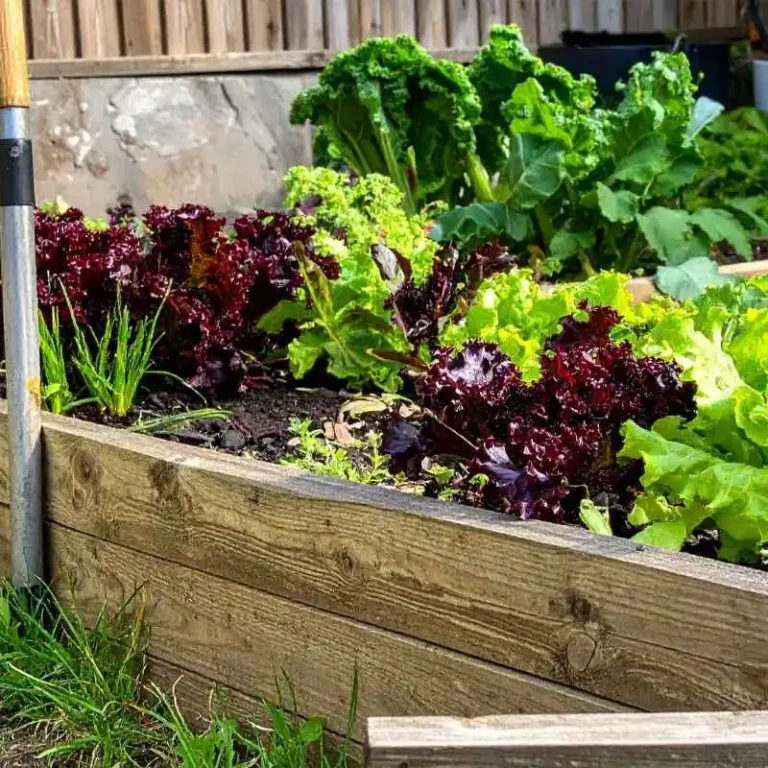
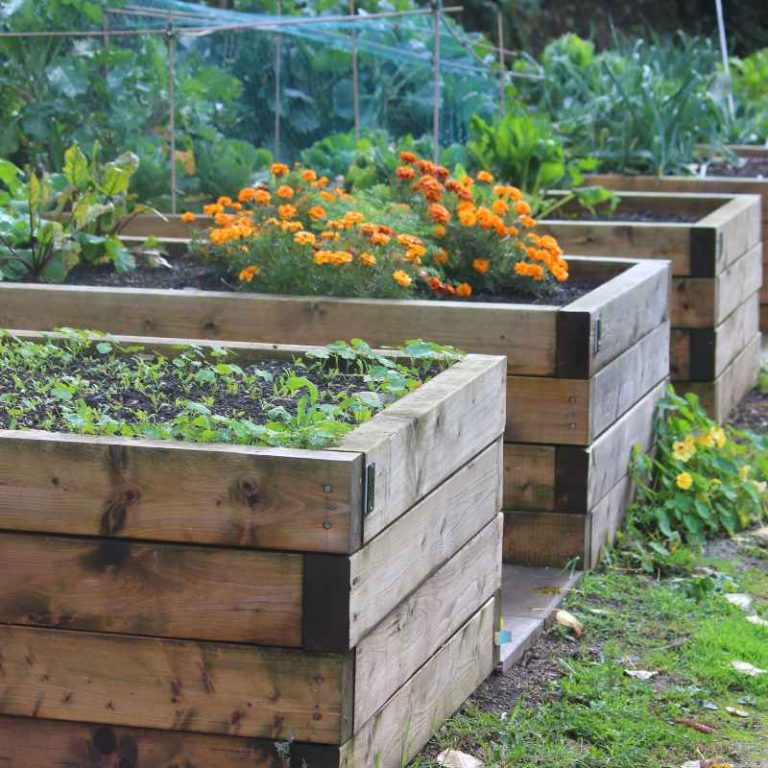
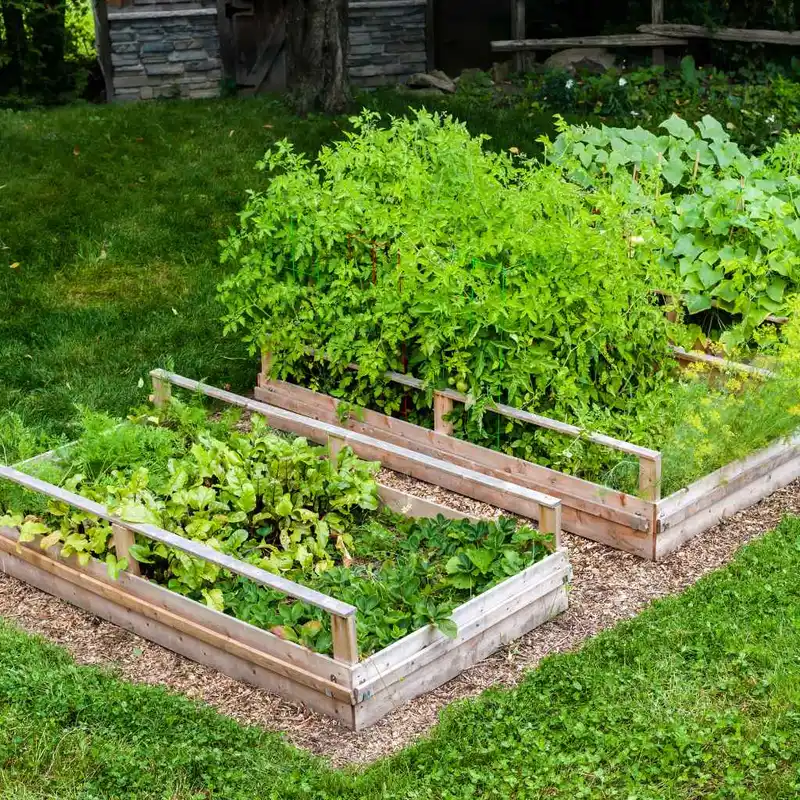
- Use Raised Beds: Neatly built raised beds look more intentional than in-ground rows. Use attractive materials like wood or stone.
- Edge Your Garden: A clean, well-defined edge makes any garden look tidier.
- Choose Attractive Plants: Some vegetables are more visually appealing than others. Think about edible flowers or plants with interesting foliage.
- Keep it Tidy: Regularly weed, prune, and remove any dead or yellowing leaves.Harvest promptly.
- Contain Your Tools: Store any garden tools, hoses, or watering cans out of sight.
- Limit Vegetable Types: Maybe start with just a few things that look good.
I know of a family that wanted to grow tomatoes in their front yard. Their HOA said no to rows of plants directly in the lawn. So, they built a beautiful, low wooden planter box along the side of their driveway.
They filled it with rich soil and planted cherry tomatoes and some herbs. It looked like an extension of their landscaping, not an eyesore. They kept it impeccably maintained, and everyone loved it.
It was all about presenting it in the right way.
HOA Garden Presentation Checklist
Neat Appearance: Is it weed-free and tidy?
Defined Edges: Is the garden border clean and clear?
Attractive Materials: Are raised beds or containers visually pleasing?
Plant Choice: Do the plants look intentional and well-kept?
Tool Storage: Are gardening supplies put away neatly?
City Ordinances in Richardson
Generally, the City of Richardson is more concerned with public safety and property blight than with what you grow in your front yard. There aren’t widespread ordinances that specifically prohibit vegetable gardens in front yards for aesthetic reasons alone. However, there are some general city codes you should be aware of.
Property Maintenance Codes: Most cities have codes about maintaining your property. This usually means keeping your yard free of debris, overgrown weeds, and junk. A neglected vegetable garden could fall under this.
If your garden becomes overgrown and unkempt, it could lead to a notice from the city. They want properties to look cared for. This protects neighborhood property values for everyone.
Structure Regulations: If you plan to build substantial structures for your garden, like large trellises, pergolas, or sheds, there might be building permit requirements. Smaller, movable planters or standard raised beds usually don’t require permits. But it’s always wise to check if you’re building something significant.
Water Runoff: Be mindful of how you water. You don’t want water from your garden running off your property and causing issues for your neighbors or the street. Proper drainage and soil management help with this.
Access to Public Areas: Ensure your garden doesn’t obstruct sidewalks, public pathways, or fire hydrants. Your plants should stay within your property lines. Overhanging branches or encroaching vines can become a problem.
Where to Find Information: The City of Richardson’s official website is your best resource. Look for sections on Planning & Zoning, Code Enforcement, or City Ordinances. You can also call the city directly.
They can point you to the right department to answer your questions.
In my experience, cities are usually reactive. They address problems when they arise. So, if your front yard garden is neat, well-maintained, and doesn’t cause issues for neighbors or public access, it’s unlikely to attract negative attention from the city.
The HOA is typically the more common hurdle for front yard gardening.
City Code Watchlist
Overgrown Weeds: Keep the garden weed-free.
Debris Accumulation: Don’t let garden waste pile up.
Property Boundaries: Ensure plants stay within your yard.
Sidewalk Obstructions: Keep pathways clear.
Large Structures: Check permit needs for big garden additions.
Designing Your Front Yard Vegetable Garden
Designing a front yard garden is about blending beauty with bounty. You want it to look intentional and attractive, not like a chaotic mess. Think of it as an extension of your home’s curb appeal.
Here’s how to approach it:
Choosing the Right Location
Sunlight is key. Most vegetables need at least 6–8 hours of direct sunlight per day. Observe your front yard throughout the day.
Note which areas get the most sun. Consider the angle of the sun in different seasons. Mornings are great for many plants, but some, like tomatoes, benefit from intense afternoon sun too.
However, in Richardson, intense afternoon sun in July can be too much for delicate greens, so a spot with morning sun and afternoon shade might be better for those.
Think about water access. Is there a hose bib nearby? Will you need to drag a long hose or carry watering cans?
Easy access makes consistent care much more likely. Also, consider visibility. Do you want your garden to be a focal point, or more subtle?
This will influence your design choices.
Garden Bed Styles
In-Ground Beds: This is the simplest option. You dig directly into your existing soil. This works best if you have decent soil.
You’ll need to amend it heavily with compost in Texas. It’s also harder to maintain clean edges for an in-ground garden in a front yard.
Raised Beds: These are very popular for front yard gardens. You build a frame (using wood, stone, or metal) and fill it with a good soil mix.
- Pros: They look neat and contained.Drainage is excellent. You control the soil quality completely. They are easier to weed.
They can be designed to fit specific spaces.
- Cons: They cost more to build initially. The soil needs to be purchased.
Containers: Large pots or grow bags can be used for smaller gardens. They offer great flexibility. You can move them if needed.
- Pros: Easy to start. Good for renters or small spaces. Less physical labor.
- Cons: They dry out very quickly, especially in Texas heat.You need to water them very frequently. They can be expensive if you need many large ones.
For Richardson, raised beds are often the best compromise. They provide the structure and neatness that HOAs often prefer, while giving you control over soil and watering.
Plant Selection for Texas Front Yards
This is where your research really pays off. You need plants that can handle the Texas climate and look good doing it.
Heat Lovers:
- Okra: Loves heat and produces prolifically.
- Southern Peas (Black-eyed peas, etc.): Tough and tasty.
- Sweet Potatoes: Grow well in heat and produce edible tubers and greens.
- Peppers (Bell, Jalapeno, Cayenne): Many varieties thrive in the heat.
- Eggplant: Also loves hot weather.
- Melons (Watermelon, Cantaloupe): Need space but love the sun.
Heat-Tolerant Greens (for cooler seasons or with afternoon shade):
- Lettuce: Choose heat-tolerant varieties or provide shade.
- Spinach: Best in cooler parts of spring and fall.
- Kale: More tolerant of heat than many other greens.
Herbs: Many herbs do very well. Basil, rosemary, thyme, and oregano love the sun. They also add lovely fragrance and visual appeal.
Edible Flowers: Nasturtiums, marigolds, and pansies add color and are edible. They can fill gaps and make the garden look more ornamental.
Companion Planting and Layout
Think about how plants grow together. Some plants help each other. Others can deter pests.
For example, planting basil near tomatoes is said to improve their flavor and repel some insects. Marigolds are known to deter nematodes in the soil. Carrots and radishes can be planted together, as carrots grow deep while radishes grow shallow.
When planning your layout, consider plant height. Put taller plants like corn or sunflowers at the back or north side of the garden. This way, they don’t shade out shorter plants.
Allow enough space for plants to grow to their mature size. Overcrowding leads to poor air circulation and increased risk of disease.
A tiered approach can be visually appealing. Taller plants in the back, medium-sized ones in the middle, and low-growing or trailing plants at the front edge. This creates depth and interest.
Front Yard Garden Design Elements
Focal Point: Where will the eye be drawn?
Pathways: How will you access plants? Use gravel or mulch for neat paths.
Edging: Use attractive materials like brick, stone, or metal.
Vertical Elements: Trellises for beans, cucumbers, or small melons can add height and visual interest.
Aesthetic Plants: Mix in some flowers or herbs that look good.
Maintaining Your Front Yard Garden in Richardson
A front yard garden needs consistent care to look its best. This is especially true in Texas. It’s not a “set it and forget it” kind of thing.
Watering Wisely
As mentioned, watering is crucial. Deep watering encourages strong root growth. Aim to water the soil, not the leaves.
This reduces disease. Early morning is the ideal time. If you can’t water in the morning, evening is the next best option.
Check the soil moisture regularly. Stick your finger about two inches down. If it feels dry, it’s time to water.
Container gardens and raised beds dry out faster than in-ground gardens.
Weeding and Mulching
Weeds compete with your vegetables for water, nutrients, and sunlight. Regular weeding is essential. It’s much easier to pull small weeds than large, established ones.
A thick layer of mulch is your best friend. It suppresses weeds, keeps the soil cool, and retains moisture. Organic mulches like straw, shredded bark, or compost are excellent choices.
Fertilizing for Growth
Your plants will need nutrients to grow and produce. Start with good quality soil. Add compost before planting.
As the growing season progresses, you may need to fertilize. Use a balanced fertilizer or one suited to vegetables. Follow the package directions carefully.
Over-fertilizing can harm plants or lead to excessive leafy growth without much fruit.
Pest and Disease Management
Inspect your plants regularly for signs of pests or diseases. Early detection is key. Many common garden pests can be removed by hand or with a strong spray of water.
If you need to use a pesticide, opt for organic or least-toxic options first. Consider beneficial insects that prey on pests. Good air circulation and healthy soil help prevent many diseases.
I always keep a small notebook by my garden. I jot down what I see – any pests, any plants that aren’t doing well. This helps me track patterns.
For example, I noticed one year that my tomato leaves were turning yellow early. I realized I hadn’t added enough compost that spring. A good feeding with some balanced fertilizer fixed it right up.
It’s about observation and responding.
Daily Garden Check-up
Look: Are plants healthy? Any bugs? Any spots on leaves?
Feel: Is the soil dry? Are plants wilting?
Water: If needed, water deeply.
Weed: Pull any small weeds you see.
Harvest: Pick ripe vegetables.
When is it Normal, and When to Worry?
It’s natural for plants to have ups and downs. Here’s a guide to what’s usually normal and when you might need to take action:
Normal Garden Behavior
- Yellowing Leaves: Sometimes, the lower leaves of a plant naturally yellow and fall off as the plant grows taller and older. This is often normal aging.
- Leaf Damage: Small holes in leaves from insects are common. Many plants can tolerate some damage.
- Occasional Wilting: If it’s a very hot afternoon, plants might wilt slightly. If they perk up when the sun goes down or after watering, it’s usually fine.
- Fewer Fruits: Production can slow down during extreme heat or if a plant is stressed.
When to Worry
- Widespread Yellowing: If many leaves turn yellow, or if the yellowing is accompanied by stunted growth, it could indicate a nutrient deficiency or a root problem.
- Significant Pest Infestations: If you see large numbers of insects covering plants, or signs of them destroying leaves rapidly, you need to act.
- Diseased Leaves: Spots, powdery mildew, or strange growths on leaves that spread quickly are signs of disease.
- Plants Wilting Even When Watered: If plants are wilted in the morning or after watering, it could signal root rot (too much water) or a serious disease.
- No Growth: If plants are not growing at all for an extended period, something is likely wrong with the soil, water, or sunlight.
If you’re unsure, take a clear picture of the problem. Look up common plant diseases and pests for Texas. Your local county extension office is also a great resource.
They have experts who can help identify issues.
Quick Garden Health Check
Leaves: Color, spots, holes, wilting?
Stems: Any signs of rot or damage?
Soil: Too wet, too dry, or compacted?
Pests: Can you see any insects or signs of their work?
Quick Tips for Front Yard Garden Success
Here are some easy-to-remember tips to help your front yard vegetable garden thrive in Richardson:
- Start Small: Don’t try to do too much in your first year. A small, well-maintained garden is better than a large, unmanageable one.
- Focus on Easy Crops: Begin with vegetables known to be easy to grow and productive in Texas heat. Okra, peppers, and certain herbs are good starting points.
- Embrace Mulch: Use a generous layer of organic mulch. It’s a game-changer for water retention and weed control.
- Water Early: Always water in the morning. This is the most efficient time.
- Keep it Tidy: Regular weeding and harvesting make a huge difference in appearance.
- Use Attractive Containers: If HOAs are a concern, well-designed planters can look great.
- Plan for Succession Planting: As one crop finishes, plant something new. This keeps your garden productive and looking full. For example, after spring greens, plant heat-loving crops.
- Learn Your Microclimate: Observe which parts of your yard get sun, shade, wind, or stay wet. Use this to your advantage.
Frequently Asked Questions About Front Yard Vegetable Gardens in Richardson
Can I plant vegetables in my front yard in Richardson, Texas, if I don’t have an HOA?
Yes, if you don’t have an HOA, you generally have more freedom. You will still need to adhere to general city property maintenance codes, which means keeping your yard tidy and free of debris. Overgrown or neglected gardens could still attract attention from the city.
What are the best vegetables to grow in Richardson’s heat?
Excellent choices for Richardson’s heat include okra, black-eyed peas, southern greens like collards, sweet potatoes, peppers (jalapenos, bell peppers), eggplant, and melons. These plants are known to withstand high temperatures.
How can I make my front yard vegetable garden look attractive?
To make it attractive, use neat raised beds with nice materials, define your garden edges clearly, choose plants that offer visual appeal, keep it weed-free, and consider mixing in some edible flowers or herbs. Good design and maintenance are key.
Do I need a permit to build a raised garden bed in my front yard?
Generally, no. Standard raised garden beds are usually considered landscaping elements and do not require permits. However, if you plan to build something larger or more permanent, like a substantial trellis or structure, it’s best to check with the City of Richardson’s building department.
How often should I water my front yard garden in Texas?
Watering frequency depends on the weather, plant type, and soil. In Richardson’s hot summers, you might need to water deeply every day or every other day, especially for raised beds and containers. Always check the soil moisture by sticking your finger about two inches down.
If it’s dry, water.
What should I do if my HOA disapproves of my front yard garden?
First, calmly review your HOA’s CC&Rs again. If there’s ambiguity, try to meet with the HOA board to discuss your plans. You can propose modifications to make the garden more aesthetically pleasing.
Sometimes, a compromise like a smaller garden, or one in a less prominent spot, can be reached. Document all your communications.
Final Thoughts on Your Front Yard Garden
Having a vegetable garden in your front yard in Richardson, Texas, is definitely possible. It just takes a little planning and attention. Understand your HOA rules.
Respect city codes. Pick plants suited for the Texas heat. Design your garden to be beautiful and functional.
With care and smart choices, your front yard can become a source of fresh food and neighborhood pride.
Related pick: Check today's price on Amazon