How to Grow Vegetables in a Small Backyard
To grow vegetables in a small backyard, divide the space into sun, shade, and support zones, put full-sun crops in 6 to 8 hours of direct light, and use vertical supports for climbers. Without that layout, you waste scarce light, crowd plants, and get smaller harvests. This guide shows how to map micro-zones, pick crops, and fit beds, containers, and trellises into tight space.
How small backyards still work


A small backyard can still grow a useful amount of food if each area has a job. Stop treating it as one open plot, and split it into micro-zones: the sunniest patch, the fence line, the narrow strip by a wall, and the partly shaded corners.
That approach lets you place crops where they fit best instead of forcing one bed to do everything. It also keeps maintenance simpler, because plants with similar light and water needs stay together.
What usually gets overlooked
Fence lines, corners, and the strip beside a path are often the most underused parts of a backyard. These spaces can hold trellises, slim beds, or containers without blocking the main traffic route.
Deep shade under trees is different. It should not be treated as dead space, but it is usually better for herbs, leafy greens, and a few root crops than for fruiting vegetables that want stronger light.
How much sun vegetables need in a small garden
Most vegetables need 6 to 8 hours of direct sunlight daily. Leafy greens, herbs, and some root vegetables can still produce with 4 to 6 hours of sun, so map a small backyard by full sun, partial shade, and deep shade before anything is planted.
Walls, fences, and trees change that map. A south-facing wall may reflect heat and light, while a tree canopy can create a cooler pocket that suits lettuce or parsley better than tomatoes.
How tree roots and walls affect the plan
Tree roots compete for water and nutrients, so beds placed too close to mature trees often dry out faster and need more frequent watering. In those spots, containers or raised beds with better soil control may work better than in-ground planting.
Walls and fences can be assets. They create protected edges for trellises and can reduce the footprint needed for climbing crops.
Raised beds, ground beds, or containers?
Raised beds are often a good fit in small backyards because they give you soil control, drainage control, and a defined footprint. Standard raised beds are typically 4 feet wide for easy reach from both sides, and they are often 6 to 12 inches deep, with 12 inches minimum for many root crops.
A classic small-backyard size is a 4-by-8-foot raised bed. The Old Farmer’s Almanac is reported to recommend a 4×4 or 4×8 raised bed for beginners, and it also notes that a 10×10-foot in-ground garden can be manageable for beginners.
When each setup makes sense
Choose raised beds when the soil is poor, drainage is uneven, or you want a clean layout that is easy to manage. Choose in-ground planting when the soil is already healthy, drainage is good, and you want to use a larger open patch without building frames.
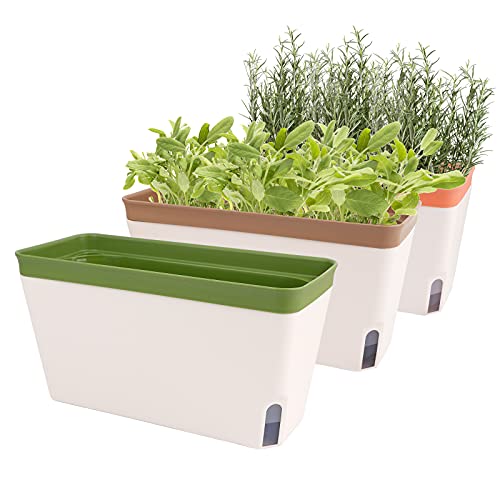
Containers are best for awkward leftover spaces, rented yards, or areas where roots from trees make in-ground beds unreliable. They are also useful when you need to keep water-demanding plants close to a faucet.
Backyard vegetable placement matrix
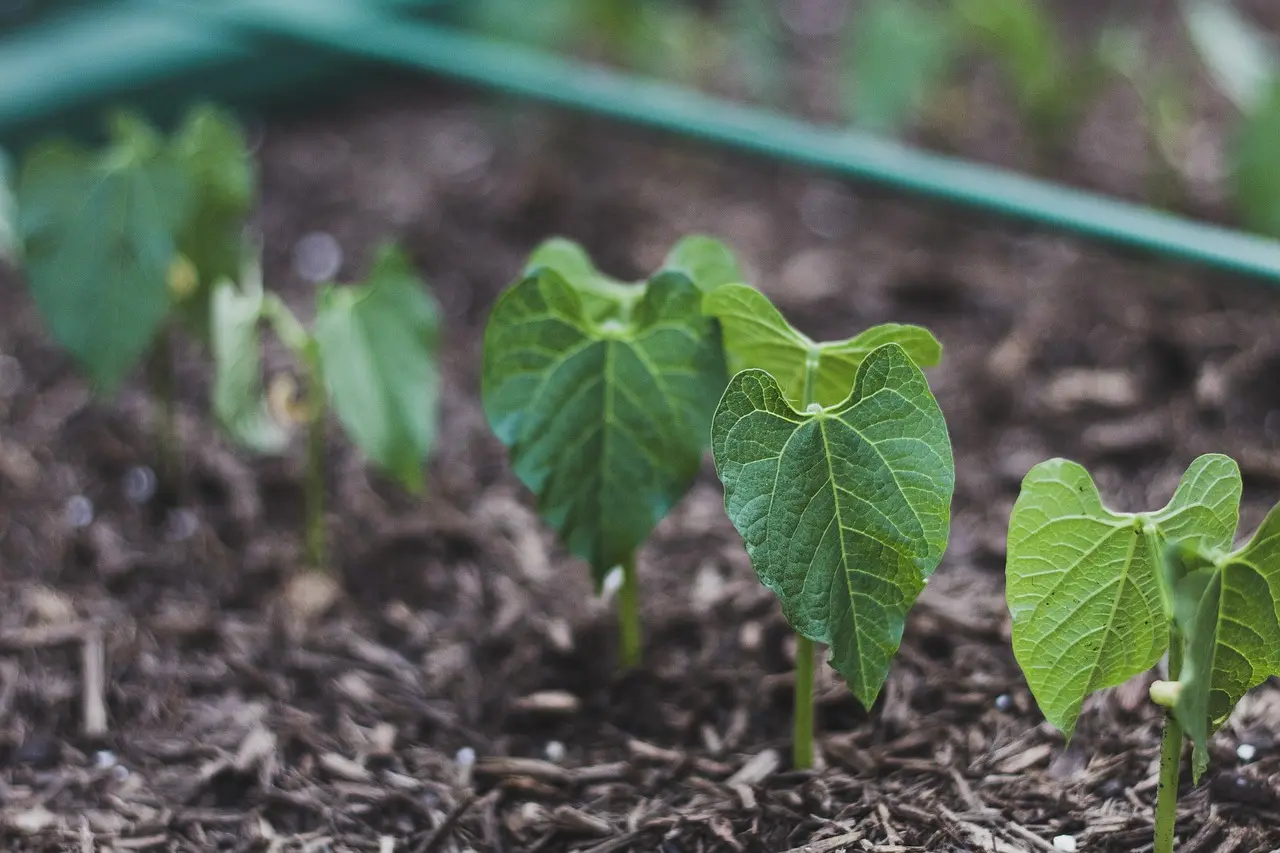
This placement matrix turns a small backyard into a set of workable zones. Use it to match crop type, bed size, spacing, and support needs to the spot that suits each plant best.
| Zone | Good crops | Suggested bed size | Spacing range | Support need | Best first crop |
|---|---|---|---|---|---|
| Full sun | Cherry tomatoes, bush beans, cucumbers, peppers | 4×4 or 4×8 raised bed | Tomatoes 18 to 24 inches; bush beans 4 to 6 inches; cucumbers 6 to 12 inches | Cages or trellises for tomatoes and cucumbers; bush beans need none | Bush beans |
| Partial shade | Lettuce, herbs, radishes, chard, some leafy greens | 4×4 bed or narrow border strip | Lettuce 6 to 12 inches; radishes 2 to 3 inches; herbs 8 to 12 inches | Usually none; low hoops can help if wind is strong | Lettuce |
| Vertical edge space | Pole beans, climbing cucumbers, small tomatoes on cages, peas in cool weather | 2-foot-wide edge strip or one side of a 4-foot bed | Pole beans 4 to 6 inches; climbers 12 to 18 inches apart along the support | Trellis, fence, arch, or cage | Pole beans |
That table also helps with bed count. The Old Farmer’s Almanac advises using three to five vegetables in a beginner plot, which is enough to learn spacing and watering without crowding the yard.
How do you prepare soil and water access?
Start with soil that drains well and has enough organic matter to hold moisture without staying soggy. Add 1 to 2 inches of compost or other organic matter before planting, then check nutrient levels and pH with a reliable soil test. If you have contamination concerns, a lab test is safer than relying on a basic home kit.
Water access matters just as much as soil. Beds far from an outdoor faucet or hose are harder to keep evenly moist, so place thirsty crops where watering is easiest. If hose reach is limited, rainwater collection can serve as a backup source.
Why layout should follow water access
A bed near the faucet is easier to manage through hot weather, especially for shallow-rooted crops that dry out fast. Place the most water-demanding plants closest to the source, and put drought-tolerant herbs or lower-water greens farther away.
Suppose your only sunny area is a 4-by-6-foot strip beside the patio and the faucet sits just three steps away. That strip is a better place for tomatoes on cages and basil in containers than for scattered beds in the shaded back corner, because watering and support are both easier there.
Choose compact crops that fit
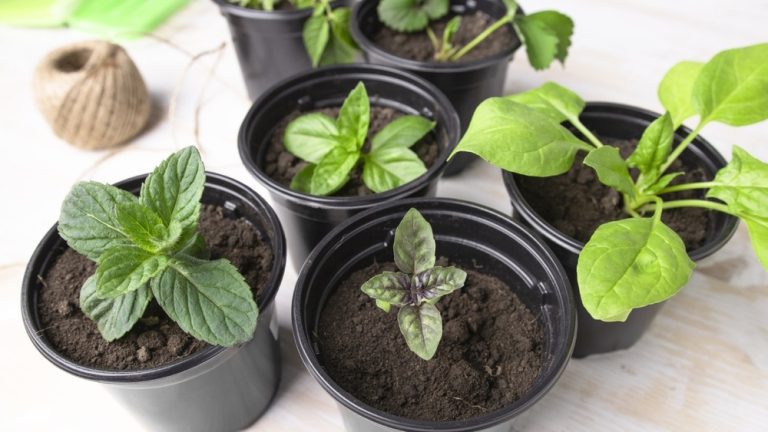
Compact or dwarf growth habits matter in tight spaces because they keep the canopy smaller and reduce crowding. Bush beans are usually better than pole beans if you want a low-maintenance bed, while pole beans make more sense when you need to grow upward instead of outward.
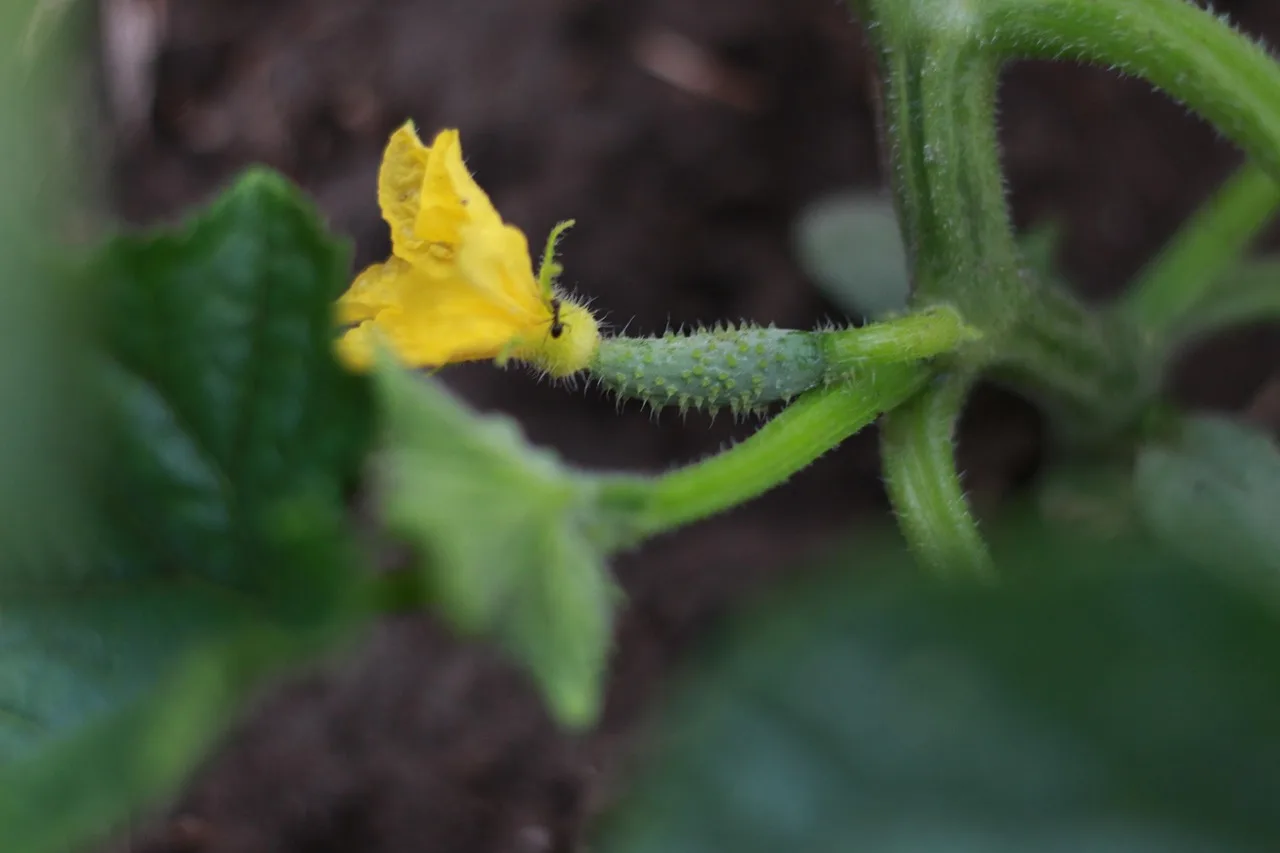
Cherry tomatoes, lettuce, radishes, herbs, and cucumbers are all common small-space crops, but they need different spacing and support. Tomatoes want more room and usually benefit from cages; lettuce and radishes fit tighter pockets; cucumbers can be trellised to save floor space.
How spacing affects airflow
Proper spacing reduces disease issues because air can move around leaves more easily. Real Homes notes tomato plants may be spaced 18 to 24 inches apart, while lettuce and cucumber spacing can be 6 to 12 inches depending on variety and support. Trellised cucumbers need less floor space than sprawling ones.
MorningChores identifies pole beans as a vertical choice for small gardens, and it notes that radishes can be grown in a one-gallon planter. It also says chard is suitable for small spaces because it regrows after harvesting leaves.
When should you plant and replant?
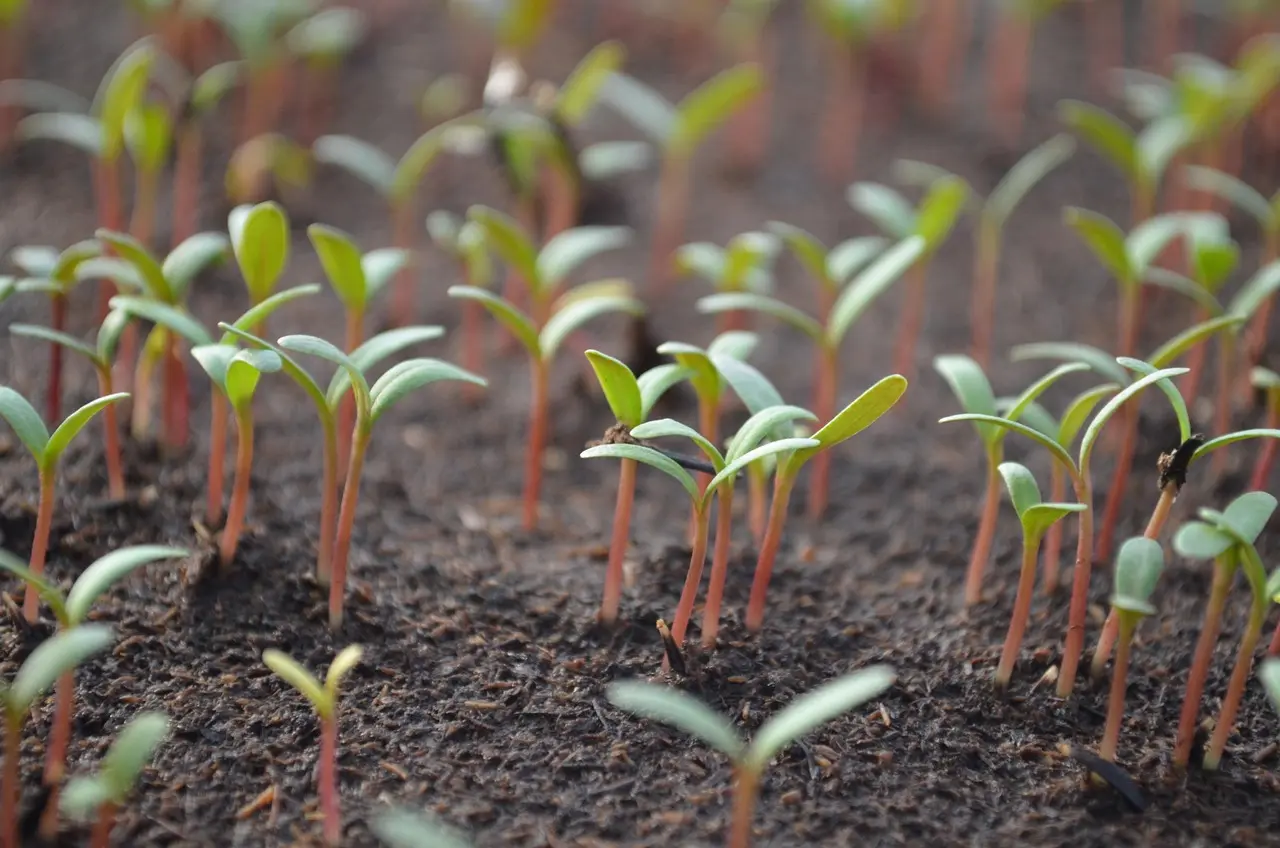
Cool-season crops go in early spring, while warm-season crops wait until after the last frost. In a small backyard, succession planting keeps beds full by replacing quick crops with the next one as soon as space opens.
That rhythm matters more in limited space than in a large garden. A bed that sits empty for weeks gives back no food, so quick turnover is part of the plan.
Use the season to sort crops
Plant cool-season crops such as lettuce, radishes, peas, and many herbs as soon as the soil can be worked in spring. After the last frost, switch the warmest spots to tomatoes, beans, peppers, and cucumbers.
MorningChores says lettuce can yield a crop in about 45 days, which makes it a useful starter crop for succession planting. Once it is harvested, the space can move to beans or a second sowing of greens if the weather still favors them.
Keep beds productive all season
Rotate through quick crops and slower crops instead of planting every square foot at once. A full-sun bed can start with lettuce or radishes in early spring, then shift to tomatoes or cucumbers after frost risk passes.
A common first-timer mistake is filling a 4×8 bed with too many crops at once. The result is crowded leaves, poor airflow, and hard-to-reach plants; a smaller, planned mix is easier to water, harvest, and keep healthy.
How to grow vegetables in a small garden
Map the yard first, then plant by zone. Give full-sun crops the brightest area, use partial shade for greens and roots, and put climbers on fences or trellises so they do not steal floor space from shorter crops.
How to grow vegetables in backyard
Use the backyard’s natural layout instead of flattening it into one bed plan. Put beds near water, keep paths clear, and choose crops that match the site’s light, soil, and support options so maintenance stays manageable.
How to start a small backyard garden
Start with one or two beds, not the entire yard. A 4×4 or 4×8 raised bed is a practical beginning point, and three to five vegetables are enough to learn how sun, watering, and spacing work in your space.
Can I grow vegetables in my backyard?
Yes, if you can match crops to the available light and soil. Even a yard with partial shade can support lettuce, herbs, and some root crops, while the sunniest section handles tomatoes, beans, and cucumbers better.
Can I grow vegetables in my front yard?
Yes, if local rules allow it and the site gets enough sun. Front yards often have the best light, but they may also have more foot traffic, less privacy, and stricter design limits, so compact beds or containers can work better than open rows.
Frequently asked questions
How much sun do vegetables need in a small garden?
Most vegetables need 6 to 8 hours of direct sunlight daily. Leafy greens, herbs, and some root vegetables can still do well with 4 to 6 hours, so a partially shaded backyard is still usable if you place the right crops there.
What vegetables grow best in a small garden?
Choose compact crops with quick turnaround and small footprints. Lettuce, radishes, herbs, bush beans, cherry tomatoes, and trellised cucumbers are strong choices because they fit narrow beds, grow in containers, or climb instead of spreading widely.
Should I use raised beds in a small backyard?
Raised beds are often a smart choice because they control soil quality and drainage, and a 4-foot width keeps the center reachable from both sides. Use 6 to 12 inches of depth for many crops, but give root crops more depth when needed.
How do I plan a small backyard vegetable garden layout?
Divide the space into full sun, partial shade, and vertical edge zones, then assign crops to each one. Place water-needy plants near the faucet, use fences or walls for climbers, and leave enough path space to harvest without stepping into beds.
How do I keep a small vegetable garden productive all season?
Use succession planting. Start with cool-season crops in early spring, switch warm spots to summer crops after the last frost, and replant quickly when a bed is harvested so no area sits empty for long.