Do Rats Like Vegetable Gardens? How To Keep Them Out Fast
Every year, countless gardeners discover nibbled leaves, vanished seedlings, and mysterious droppings in their lush vegetable plots. The culprit, more often than not, is the common rat—a persistent pest that thrives in urban and suburban landscapes alike. As vegetable gardening surges in popularity, understanding how rats interact with these cultivated spaces has never been more crucial. The presence of rats isn’t just an annoyance; it poses real risks to both crops and human health.
Why do rats flock to vegetable gardens, and what can you do to protect your harvest? This comprehensive guide explores the relationship between rats and vegetable gardens, the specific factors that draw them in, and—most importantly—proven strategies to keep them out fast. Drawing on scientific research, expert advice, and real-world examples, you’ll learn how to reclaim your garden and ensure a bountiful, pest-free season.
Key Takeaways
- Rats are highly attracted to vegetable gardens due to abundant food, water, and shelter.
- Detecting early signs of rat activity is critical for fast and effective control.
- Integrated pest management—combining sanitation, exclusion, and humane deterrents—offers the best long-term results.
- Natural predators, traps, and barriers can provide rapid relief when used correctly.
- Proactive maintenance is essential to prevent re-infestation and protect garden yields.
- Health risks from rats in gardens include disease transmission and crop contamination.

Why Rats Are Drawn To Vegetable Gardens
Rats are opportunistic survivors, and vegetable gardens offer a buffet of resources that cater to their needs. Understanding what attracts them is the foundation of effective prevention.
Abundant Food Sources
Vegetable gardens provide a rich selection of fresh produce, seeds, and compost—ideal for rats. Crops like tomatoes, corn, squash, and beans are particularly enticing. Unlike many pests, rats are omnivores, so they’ll feed on:
- Ripening vegetables and fruits
- Fallen produce left on the soil
- Seeds and seedlings
- Insect larvae and worms
Beyond these common foods, rats are also drawn to garden waste, including discarded plant matter and kitchen scraps added to compost piles. Even the smallest scraps can lure rats if left exposed. In addition, rats have been observed raiding bird feeders, pet food bowls, and even garbage bins that are improperly secured near the garden.
This wide dietary range makes them highly adaptable and able to thrive in a variety of garden environments.
A 2019 study by the University of California Agriculture and Natural Resources found that urban rats can consume up to 10% of a small garden’s produce in a single night if left unchecked. In larger gardens or community plots, losses can be even more significant, especially if multiple rats establish a colony.
Additional Example: Rat Attraction To Compost
A gardener in Chicago noticed increased rat activity after switching to an open compost pile. The addition of fruit peels and vegetable scraps created a reliable food source. By switching to a sealed compost tumbler, rat visits dropped dramatically, illustrating the importance of food security.
Shelter And Nesting Opportunities
Dense vegetation, mulch layers, compost bins, and garden sheds provide excellent cover and nesting sites for rats. These areas protect them from predators and extreme weather.
Common nesting spots include:
- Overgrown brush piles
- Wood or debris stacks
- Compost heaps
- Under garden sheds
Rats seek out places where they can remain hidden during daylight hours, often burrowing beneath structures or within thick groundcovers. Old pots, discarded lumber, or unused equipment can quickly become potential rat homes if not cleared regularly. Mulch, especially straw or wood chips, offers a soft substrate for burrowing and nesting, and dense groundcovers shield rats from aerial predators.
Example: Garden Shed As Rat Haven
A UK allotment holder found a rat nest beneath a seldom-used garden shed, constructed from shredded paper and plant fibers scavenged from the plot. Removal of clutter and sealing the shed base eliminated nesting opportunities.
Water Accessibility
Rats need consistent access to water. Gardens often supply this through:
- Birdbaths
- Drip irrigation systems
- Leaky hoses or faucets
- Puddles after rain
Even small amounts of water are sufficient for rats, making gardens with frequent irrigation or poorly maintained watering systems especially attractive. Water trays under pots, open rain barrels, and saucers left beneath container plants are commonly overlooked sources. Rats are also known to drink from pet bowls or livestock troughs if these are left outdoors overnight.
Example: Water Source Management
In Phoenix, a gardener reduced rat presence by covering rain barrels and using self-watering containers with enclosed reservoirs, limiting open water access.
Safe Travel Corridors
Rats prefer to move under cover, avoiding open spaces. Garden layouts with thick groundcovers, climbing vines, or perimeter fences allow rats to travel undetected.
Dense plantings, stacked wood, and connected beds can form rat “highways,” letting them move from shelter to food with minimal exposure. Vining crops such as beans or squash that spread across trellises also provide overhead concealment. Fences and walls, if not properly sealed, can serve as boundaries that rats follow, using the edges for navigation and cover.
Example: Strategic Plant Spacing
A gardener in Boston discovered that rats were using dense strawberry patches as a corridor. Thinning the plants and adding open gravel paths disrupted their movement patterns, reducing activity.
Real-world Example: Community Garden Infestation
In 2026, a San Francisco community garden experienced a sudden surge in rat activity. Investigations revealed that overgrown borders and unharvested produce provided both food and shelter. By addressing these attractants, the garden saw a 70% reduction in rat sightings within two months. The garden committee implemented regular harvests, removed clutter, and pruned dense hedges, creating a less hospitable environment for rats.

Signs Of Rat Activity In Your Garden
Early detection is key to minimizing damage. Rats are nocturnal and secretive, but they leave behind several telltale signs.
Visible Droppings And Urine Trails
Rat droppings are dark, pellet-shaped, and about 1/2 to 3/4 inch long. Clusters near compost bins, along garden paths, or under raised beds are strong evidence. A UV flashlight can reveal urine trails, which glow under blacklight.
In addition to droppings, rats often leave greasy marks along walls or fences—known as “smear marks”—from their fur rubbing against surfaces as they travel. These marks are especially noticeable in dusty environments or on lighter-colored materials.
Example: Identifying Droppings
A gardener in Melbourne used a UV flashlight to spot urine trails leading to a burrow beneath a tomato bed, confirming the presence of rats despite their elusive behavior.
Gnaw Marks And Damaged Crops
Rats have strong teeth and chew marks are common on:
- Vegetables and fruits (clean-edged bites)
- Seed packets or garden tools in sheds
- Wooden raised beds
Rats will gnaw through plastic, wood, and even thin metal to reach food or nesting sites. Damage to irrigation tubing, hose connectors, and compost bin lids is often a sign of rat activity. Unlike squirrels or birds, rat bites are usually straight-edged and sometimes leave visible tooth marks.
Example: Gnawed Tools And Packaging
A gardener in Vancouver found seed packets shredded inside a shed, with gnaw marks on a plastic watering can, indicating rats were seeking nesting material and water.
Burrows And Runways
Look for:
- Rat burrows: Round holes (2-4 inches diameter) at soil level, often near compost or dense plantings
- Runways: Well-worn paths through grass or mulch, sometimes with flattened vegetation
Burrows typically have smooth edges and may be accompanied by excavated soil piles. Multiple entrances can indicate established colonies. Runways appear as regular, narrow paths, usually connecting food sources to shelter.
Example: Mapping Burrows
A gardener in New Jersey mapped five burrows beneath a pumpkin patch. After filling the holes and installing barriers, rat activity dropped.
Nocturnal Sounds And Movement
Rats are most active at night. Listen for:
- Scurrying in mulch or under sheds
- Squeaking or scratching noises
These sounds may be accompanied by movement of leaves or mulch. In some cases, rats can be spotted with a red light or night-vision camera, revealing their activity in real time.
Example: Night Surveillance
A gardener in Minneapolis installed a motion-activated camera and captured videos of rats emerging from a compost heap, prompting targeted exclusion measures.
Tracks And Footprints
Dusty or muddy garden surfaces may reveal rat tracks—four-toed front feet and five-toed hind feet, often with a drag mark from the tail.
Tracks are most visible after rain or watering, or in areas with fine soil. Gardeners can sprinkle flour or talcum powder near suspected runways to confirm rat presence.
Example: Footprint Tracking
A gardener in London used flour sprinkled across a garden path, revealing rat footprints and tail marks leading directly to a burrow under a shed.
Short Case Study: Suburban Garden Discovery
A gardener in Austin, TX noticed tomatoes with neatly chewed holes and tiny footprints in the mulch. Setting a motion-activated camera confirmed a family of Norway rats feasting at night, prompting immediate intervention. The gardener used exclusion fencing and snap traps, quickly regaining control of the plot.
Fast And Effective Rat Exclusion Techniques
Once you’ve confirmed rat activity, swift action is essential to protect your garden. Integrated exclusion techniques target both immediate removal and long-term prevention.
Physical Barriers And Fencing
Barrier methods are highly effective when installed correctly.
- Use hardware cloth (1/4-inch mesh) to line the bottom of raised beds and fences. Bury at least 12 inches deep to deter burrowing.
- Install rat-proof fencing at least 24 inches high, with an outward-facing overhang.
- Cover compost bins and vents with wire mesh.
Proper installation is crucial: gaps larger than 1/2 inch can allow rats to squeeze through. When lining beds, overlap mesh edges and secure with staples or screws. For fences, ensure there are no gaps at ground level or between panels.
| Barrier Type | Effectiveness | Maintenance Level | Cost Estimate |
|---|---|---|---|
| Hardware Cloth (1/4″) | High | Low | $2–$3/ft |
| Plastic Sheeting | Low | Medium | $0.50–$1/ft |
| Wooden Planks | Medium | High | $1.50–$2.50/ft |
Example: Multi-layer Barriers
A gardener in Denver combined hardware cloth with wooden planks along the garden perimeter, creating a dual-layer defense. This approach stopped both burrowing and climbing attempts.
Sealing Entry Points
Inspect sheds, greenhouses, and compost containers for gaps larger than 1/2 inch. Seal with:
- Expanding foam (for small gaps)
- Metal flashing or sheet metal (for larger holes)
- Weather stripping around doors
Regular inspection is important, as rats can enlarge existing holes over time. Pay special attention to corners, vents, and rooflines.
Example: Shed Renovation
A gardener in Toronto sealed a shed with metal flashing and replaced damaged weather stripping, eliminating rat access and preventing future infestations.
Raised Beds And Container Gardening
Growing in raised beds or containers makes it harder for rats to access crops. Elevate beds at least 18 inches and use solid bottoms or mesh linings.
Containers should be placed on paved surfaces or concrete blocks to prevent burrowing from below. For vertical gardens, secure pots and racks to prevent tipping.
Example: Elevated Container Gardens
A gardener in Miami switched to container gardening using tall planters on patio stones. Rat damage dropped to zero, and yields improved due to reduced pest pressure.
Case Study: Fast Results With Hardware Cloth
A gardener in Portland, OR, lined all new raised beds with hardware cloth and saw immediate cessation of burrowing activity. The investment paid off with higher yields and no further rat intrusion. Over the next season, the gardener expanded the mesh to include compost bins and the base of the garden shed, ensuring comprehensive exclusion.
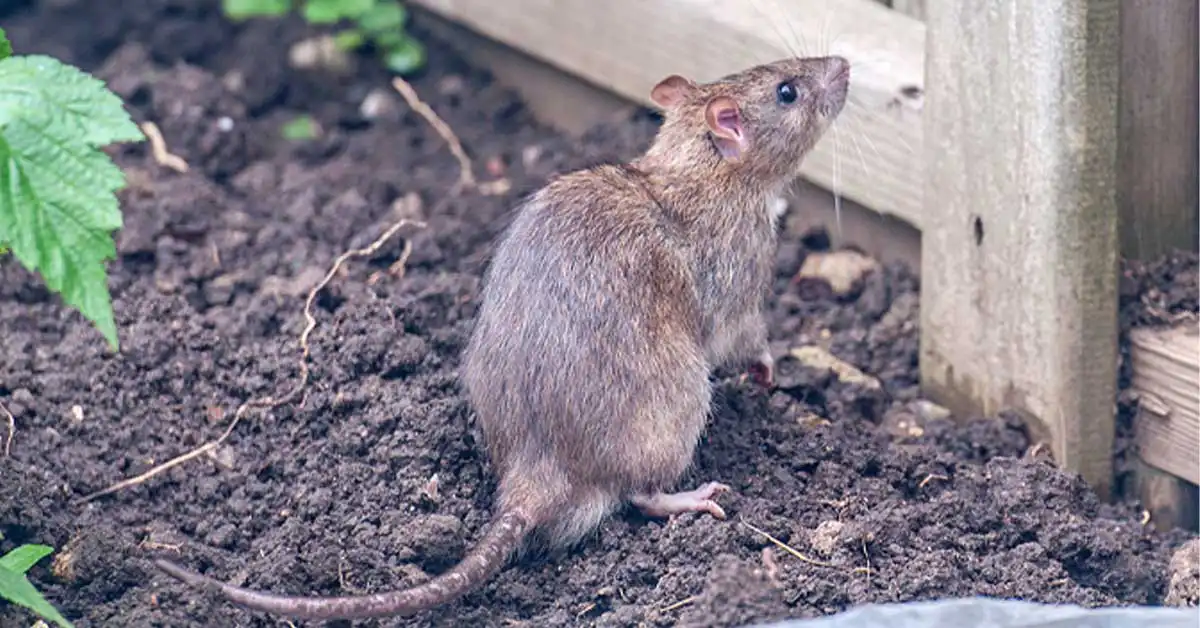
Immediate Rat Control Methods
For existing infestations, rapid reduction of rat populations is sometimes necessary. Choose methods that are safe, effective, and compliant with local laws.
Trapping
Snap traps and electronic traps offer quick results.
- Place traps along rat runways, near burrows, or against shed walls.
- Bait with peanut butter, unsalted nuts, or dried fruit.
- Check traps daily and dispose of rats safely.
Live traps are suitable for those who prefer non-lethal methods, but require quick relocation far from urban areas.
Trap placement is critical: rats rarely venture into open spaces, so traps should be set along established paths or near food sources. Use gloves to avoid transferring human scent, which can deter cautious rats.
Example: Trap Rotation
A gardener in Sacramento rotated trap locations every few days to avoid rats learning to avoid the devices, increasing catch rates.
Rodenticides: Risks And Regulations
While rodenticides are effective, their use is increasingly restricted due to risks to pets, wildlife, and the environment. The Environmental Protection Agency has banned certain second-generation anticoagulant rodenticides for consumer use (EPA). Always follow label instructions and consider safer alternatives.
Rodenticides should never be used in open gardens where children, pets, or non-target wildlife may be exposed. Bait stations must be tamper-proof and placed in locations inaccessible to non-target animals.
Example: Rodenticide Safety
A gardener in Dallas used professional-grade bait stations placed inside locked sheds, minimizing risk to pets and local wildlife.
Ultrasonic Repellents
Electronic ultrasonic devices claim to repel rats with high-frequency sound. Scientific evidence is mixed, but some gardeners report moderate success when used in combination with other methods (NIH Study).
These devices are best placed in enclosed spaces, such as sheds or greenhouses, as outdoor effectiveness can be reduced by wind and noise. They are most effective when combined with exclusion and sanitation.
Example: Combined Ultrasonic Approach
A gardener in San Diego used ultrasonic repellents inside a greenhouse along with hardware cloth, observing a drop in rat activity over several weeks.
Professional Pest Control
Severe infestations may require licensed pest control. Professionals can deploy advanced traps, baits, and exclusion methods, often achieving rapid results.
Professional services often include site inspections, custom exclusion solutions, and ongoing monitoring. Many pest control companies offer eco-friendly or humane options, such as live trapping and habitat modification.
Example: Professional Intervention
A community garden in Atlanta hired pest control experts to install bait stations and reinforce fences, resolving a chronic rat problem within two weeks.
Table: Speed And Effectiveness Of Common Rat Control Methods
| Method | Action Speed | Effectiveness | Safety |
|---|---|---|---|
| Snap Traps | Fast (1–3 days) | High | High (if placed correctly) |
| Rodenticides | Medium (3–7 days) | High | Low (risk to pets/wildlife) |
| Ultrasonic Devices | Immediate | Low–Medium | High |
| Professional Services | Fast (1–5 days) | Very High | High |
Long-term Prevention Strategies
While quick fixes may reduce current rat numbers, sustained success comes from integrated pest management and ongoing vigilance.
Sanitation And Garden Cleanliness
- Harvest produce promptly and remove fallen fruits or vegetables daily.
- Store seeds, fertilizers, and animal feed in rat-proof containers.
- Turn compost piles regularly and avoid adding meat, dairy, or oily scraps.
- Clear brush, weeds, and dense plantings where rats may hide.
Maintaining a clean, organized garden is one of the most effective deterrents. Regularly inspect hidden corners, under benches, and behind sheds. Encourage all household members or community garden participants to follow strict sanitation protocols.
Example: Weekly Cleanup Routine
A gardener in Seattle scheduled weekly cleanups, removing debris and harvesting ripe produce. Rat sightings dropped, and the garden stayed productive throughout the season.
Reducing Water Sources
- Fix leaky hoses, faucets, and irrigation lines.
- Empty birdbaths and water trays at night.
- Ensure proper garden drainage to prevent puddling.
Regular maintenance of irrigation systems and water features is essential. Installing drip irrigation with timer-controlled shutoff can reduce water waste and minimize rat access.
Example: Water Management Success
A gardener in Dallas installed automatic shutoff valves and covered birdbaths overnight, reducing water-related attractants.
Habitat Modification
- Space plants to reduce dense cover.
- Prune lower branches of shrubs to eliminate ground-level hiding spots.
- Use inorganic mulches (like gravel) instead of straw or wood chips, which can harbor nests.
Modifying garden layouts to promote openness and visibility discourages rats from establishing territory. Strategic plant placement and open pathways allow for easier inspection and monitoring.
Example: Mulch Substitution
A gardener in St. Louis replaced straw mulch with gravel, making the garden less appealing for nesting rats and improving drainage.
Supporting Natural Predators
Encourage owls, hawks, and snakes—natural rat predators—by installing nest boxes and minimizing rodenticide use (Audubon Society). Domestic cats and dogs can also help deter rats.
Predator-friendly gardens include perches, water sources, and native plantings. Avoid using poisons that could harm these beneficial species.
Example: Owl Box Installation
A gardener in rural Oregon installed owl boxes, resulting in fewer rats and increased sightings of barn owls hunting at dusk.
Community-wide Action
Coordinate with neighbors and community gardens to:
- Share information and best practices
- Maintain shared spaces
- Monitor for rat activity collectively
Community engagement can amplify prevention efforts, reduce re-infestation risk, and ensure everyone follows consistent protocols.
Example: Neighborhood Watch
A group of gardeners in San Francisco formed a rat watch committee, sharing monthly reports and organizing joint cleanups, resulting in fewer infestations.
Real-world Example: Community Rat Management
In 2026, a Seattle urban garden coalition implemented monthly cleanups, hardware cloth fencing, and owl boxes. After six months, rat complaints dropped by over 60%, and vegetable yields improved.
Natural And Humane Rat Deterrents
Many gardeners prefer eco-friendly solutions that avoid harm to animals or beneficial insects. Several natural deterrents have demonstrated effectiveness.
Scent-based Repellents
Rats have sensitive noses and dislike strong odors. Popular options include:
- Peppermint oil: Soak cotton balls and place around garden perimeters.
- Ammonia: Fill small containers and set near burrows (use with caution).
- Predator urine: Commercially available and can be sprinkled near known rat paths.
These repellents need to be reapplied regularly, especially after rain or heavy watering, to maintain effectiveness. Ammonia should be used sparingly and kept away from edible crops.
Example: Scent Rotation
A gardener in Los Angeles alternated peppermint oil and predator urine every week, maintaining a consistent deterrent effect.
Companion Planting
Some plants naturally repel rats due to their scent or toxicity:
- Mint
- Lavender
- Daffodils
- Onions and garlic
Interplant these species among vegetables for added protection. In addition, some gardeners report success with marigolds and chives, which can deter both rats and other pests.
Example: Mixed Planting Scheme
A gardener in Philadelphia surrounded lettuce beds with onions and mint, observing reduced rat interest and improved crop health.
Motion-activated Devices
Install motion-sensor sprinklers or lights to startle and deter nocturnal rats. These devices are humane and can be effective in open garden layouts.
Motion-activated sprinklers are especially effective in larger gardens, as they provide unpredictable bursts of water that rats learn to avoid. Solar-powered lights can serve a similar purpose, illuminating runways and discouraging activity.
Example: Sprinkler Defense
A gardener in Las Vegas installed motion-activated sprinklers around raised beds. Within two weeks, rat sightings ceased, and crops remained untouched.
Diy Barriers
Use upturned glass jars or metal collars around seedling stems to prevent gnawing. Physical obstacles can protect young plants until they mature.
Additional DIY options include mesh cones, plant cages, and homemade trap covers to protect bait from pets or wildlife.
Example: Seedling Protection
A gardener in Houston used cut soda bottles as collars for young squash plants, preventing rat damage during the vulnerable seedling stage.
Case Study: Peppermint Oil Success
A Los Angeles gardener surrounded her raised beds with peppermint oil–soaked cotton balls and observed a noticeable reduction in rat activity within a week, without harming pollinators or pets. She refreshed the cotton balls after each rainfall and continued to monitor for signs of return.
Health Risks: Why Rat Control In Gardens Matters
Beyond crop losses, rats pose significant health risks to gardeners and their families. Understanding these dangers underscores the importance of prompt action.
Disease Transmission
Rats are vectors for numerous diseases, including:
- Leptospirosis: Spread via rat urine; can cause flu-like symptoms or severe complications in humans.
- Salmonella: Contaminated produce can lead to food poisoning.
- Hantavirus and rat-bite fever: Rare but serious illnesses.
According to the Centers for Disease Control and Prevention, outbreaks of leptospirosis and salmonella have been linked to contaminated homegrown vegetables (CDC).
Rats also carry parasites such as fleas and ticks, which can transfer to pets or humans. In some cases, rat infestations have led to secondary pest issues, including outbreaks of mites.
Example: Disease Prevention In Gardens
A gardener in Baltimore wore gloves and sanitized tools after handling contaminated soil, reducing risk of disease transmission during cleanup.
Allergen And Asthma Risks
Rat droppings, dander, and urine can trigger allergies and worsen asthma, especially in children.
Proper cleaning and air circulation are important in enclosed garden spaces such as greenhouses or sheds. Regular removal of droppings and urine trails, using disinfectants, helps minimize allergen buildup.
Impact On Food Safety
Crops nibbled or contaminated by rats should not be consumed. Always wash produce thoroughly and discard any with visible damage.
Even crops that appear untouched can harbor pathogens if exposed to rat urine or feces. It’s recommended to use a mild bleach solution or food-safe disinfectant to wash tools and surfaces after rat activity.
Table: Rat-transmitted Diseases In Gardens
| Disease | Transmission Method | Symptoms | Prevention |
|---|---|---|---|
| Leptospirosis | Contact with urine/soil | Fever, headache, muscle pain | Gloves, hygiene, rat control |
| Salmonella | Contaminated produce | Diarrhea, vomiting, cramps | Wash produce, exclude rats |
| Hantavirus | Aerosolized droppings/urine | Fever, respiratory distress | Clean safely, avoid droppings |
Real-world Example: Disease Outbreak
In 2018, a New York City community garden was closed temporarily after several cases of salmonella were traced to rat contamination in shared compost bins. Enhanced exclusion and sanitation measures allowed the garden to reopen safely (NYC Health Department).
Frequently Asked Questions
How Can I Tell If Rats Or Mice Are In My Garden?
Rats leave larger droppings (1/2 to 3/4 inch, blunt ends) compared to mice (1/4 inch, pointed ends). Rats create bigger burrows and cause more extensive gnaw marks. Mice are more likely to climb and nest above ground, while rats prefer burrowing.
Rats are also heavier and can cause more pronounced damage to garden structures. If you see gnawed holes in compost bins or shed walls larger than 1 inch, it’s likely rats rather than mice.
Are There Vegetables That Rats Avoid?
Rats are less interested in aromatic or toxic plants such as onions, garlic, leeks, and daffodils. However, they will eat most vegetables if food is scarce, so don’t rely solely on crop selection for rat prevention.
Some gardeners report that pungent herbs (rosemary, sage) and alliums provide some protection, but integrated exclusion and cleanliness are still required.
Will Having A Compost Pile Attract More Rats?
Yes, compost piles can attract rats if not managed properly. Avoid adding meat, dairy, and oily foods. Use a rat-proof bin with a secure lid and fine mesh at the base. Turn compost regularly to deter nesting (Royal Horticultural Society).
Open piles are especially vulnerable. Switching to enclosed tumblers or bins with metal mesh bases can dramatically reduce rat attraction.
Are Ultrasonic Repellents Effective For Garden Rats?
Evidence is mixed. Some studies and gardeners report modest success with ultrasonic devices, especially as part of a broader strategy. They are best used in combination with physical exclusion and sanitation, rather than as a standalone solution.
Ultrasonic devices should be placed in enclosed spaces and regularly checked for functionality.
Is It Safe To Eat Vegetables After A Rat Problem?
Do not eat produce with visible gnaw marks, droppings, or contamination. Wash all harvests thoroughly. After eliminating rats, sanitize garden surfaces and tools. Consider replacing mulch and topsoil if contamination was severe.
If uncertain, consult local extension offices for guidance on soil remediation and safe harvesting practices.
A thriving vegetable garden can be a magnet for rats, but with vigilance and the right strategies, you can protect your harvest and peace of mind. Combining fast-acting controls with long-term prevention creates a resilient, productive, and safe garden environment. Stay proactive, collaborate with your community, and enjoy the many rewards of successful vegetable gardening —without unwanted rodent guests. For further reading, consult resources like the University of California IPM and your local extension office.