How to Grow Beans for Beginners
For beginners, beans are commonly sown after frost in warm soil of about 60°F or warmer, about 1 inch deep and 3 to 4 inches apart, and bush beans are often the easiest place to start. Plant too early or in cold soil, and seeds rot, sprouts stall, and harvests shrink. This guide helps you pick the right bean type, planting method, and harvest timing before you sow.
Choose the right bean type

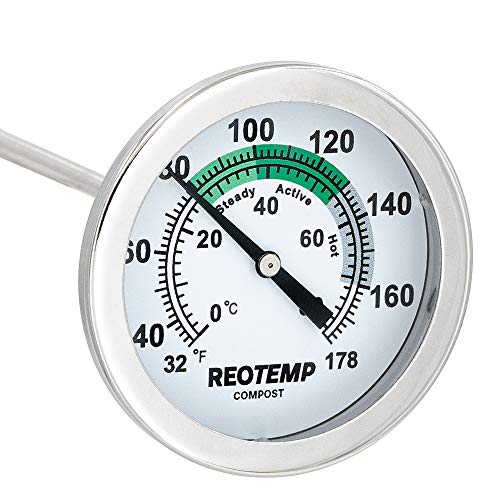
The first decision is not seed color or variety name. It is whether you want a short, concentrated harvest from bush beans or a longer picking season from pole beans. That choice should match your space, your climate, and how much support you want to install.
Bush beans
Bush beans are compact, typically under 2 feet tall, and need no trellis. They usually give most of their crop in two to three weeks, which makes them the fastest route to a beginner harvest. They are also often a good fit for raised beds and pots that are about 12 inches deep or more.
Pole beans
Pole beans are climbers that typically grow 6 to 10 feet tall and need vertical support. They take a little more setup, but they keep producing over a longer window and often give a higher total yield. They suit gardeners who want repeated picking instead of one short flush.
Best bean type for your goal
If you want the simplest start, choose bush beans. If you have space for support and want a longer harvest, choose pole beans. If your season is short, bush beans usually fit better because they reach harvest sooner. In hot climates with a long frost-free period, pole beans can keep producing well once established.
Bean decision table
Use this table before you buy seed. It ties bean type to space, climate, support, and harvest pace so you can match the plant to your site instead of forcing one type into the wrong setup.
| Space | Climate | Support needed | First harvest speed | Harvest window | Best bean type |
|---|---|---|---|---|---|
| Small bed or pot | Cool spring or short season | No trellis | Fast | Short, concentrated | Bush beans |
| Raised bed with room for stakes | Warm season with long frost-free stretch | Trellis, teepee, bamboo stakes, or chain-link fence | Slower than bush beans | Longer, repeated picking | Pole beans |
| Container, at least 12 inches deep | Warm, sunny site | No support for bush beans; support for pole beans if tall enough | Fast for bush beans | Short to moderate | Bush beans |
| Space for vertical growth | Hot climate or long growing season | Yes | Moderate | Long | Pole beans |
When should you plant beans?
Plant beans outdoors only after frost risk has passed and the soil is warm. Seeds should be planted when soil reaches 65°F (18°C), with the ideal germination range at 70°F to 85°F. Cold soil leads to poor germination, slow sprouting, or rot before the seedling can emerge.
Cool springs, hot climates, and short seasons
Cool springs favor waiting a little longer rather than sowing into cold ground. Short seasons favor bush beans because they finish faster. Hot climates can support either type, but pole beans often make better use of a long frost-free stretch because they keep climbing and producing after bush beans have slowed.
Say your soil feels warm at the surface but stays damp and cool an inch down after a spring rain. Wait. Bean seeds placed too early in wet, cool soil often fail to germinate evenly, and the stand ends up patchy.
Can you start beans indoors?
Beans should be direct sown outdoors because they dislike transplanting and their roots are fragile. Indoor starts often lose time and vigor when moved outside. If you want an earlier harvest, warm the soil outdoors, choose a fast bush bean, and sow as soon as conditions allow.
Why direct sowing works better
Direct sowing avoids root disturbance and keeps the seedling growing in one place from the start. That matters for beans because the plant does not recover well from root injury. If you want to speed germination, soaking seeds overnight is optional, but the bigger factor is warm soil.
Suppose you sow beans in a tray, then transplant them with curled roots and cramped stems. The plant may survive, but it usually stalls after planting out, which delays harvest more than a direct sow would have.
Where beans grow best
Beans grow best in full sun and loose, well-drained soil. Give them 6 to 8 hours of direct sun each day. Waterlogged ground slows growth and can rot seeds, while soil that drains well lets roots breathe and spread.
Sunlight
Full sun improves growth and yield. In partial shade, beans may still grow, but they often make fewer pods and slower stems. If you are deciding between two sites, pick the one with the longest uninterrupted sun exposure.
Soil and drainage
Beans do not need deep, fertile ground to get started, but they do need soil that stays loose and drains well after rain. Work compost into clay so it opens up and drains faster. In sandy soil, compost helps hold moisture longer. Avoid adding a lot of nitrogen-rich fertilizer at planting, because beans set more leaves and fewer pods when nitrogen is too high.
Containers and raised beds
Bush beans are especially well-suited to raised beds and grow well in pots at least 12 inches deep. Containers dry out faster than ground soil, so they need closer attention to watering. Pole beans can also grow in containers, but only if the pot is large, stable, and fitted with a strong support.
How to plant beans
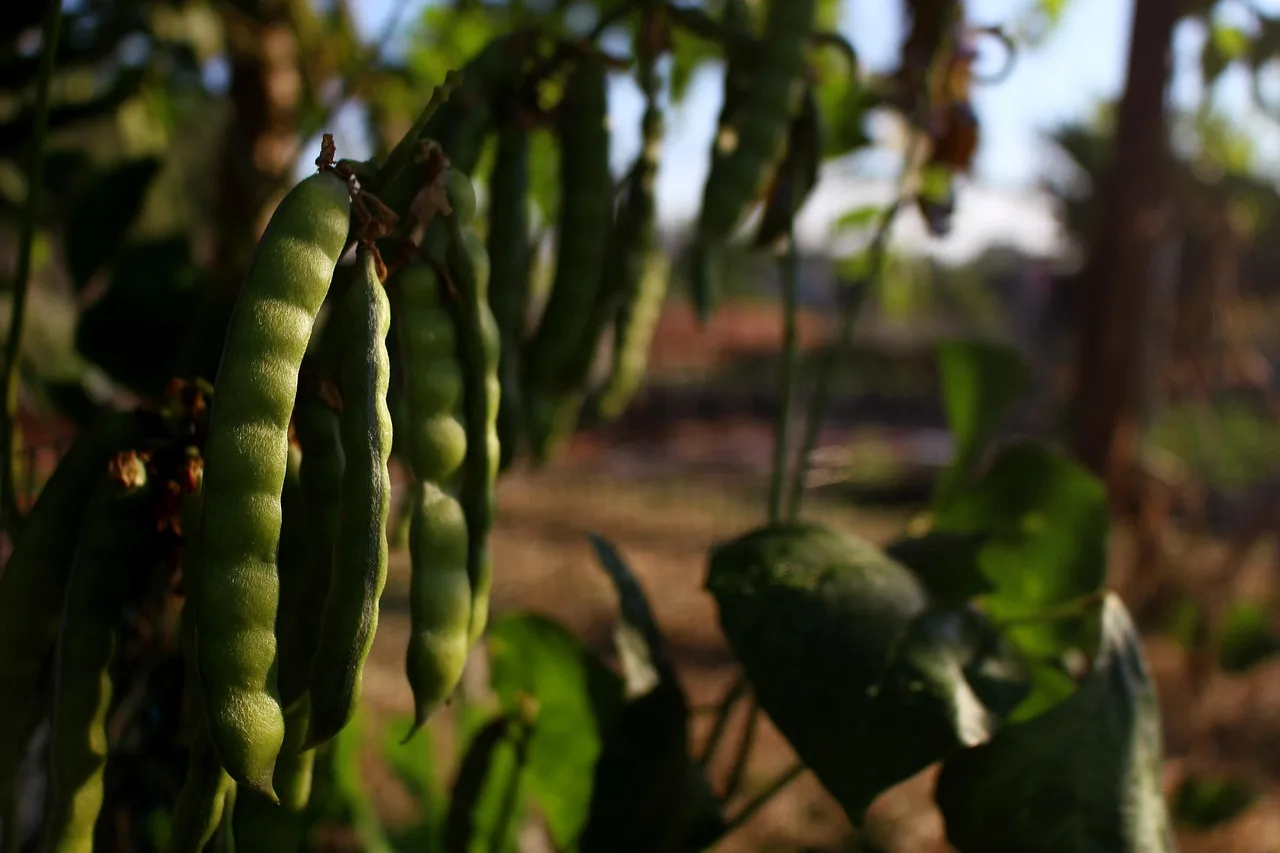
Plant beans after the soil is warm, in a sunny site with drainage. Set seeds about 1 inch deep and 3 to 4 inches apart, then thin only if crowding becomes severe. The goal is an even stand, not a dense tangle of stems.
Prepare a loose bed. Work the top layer of soil until it breaks apart easily and drains well. Mix in compost if the soil is heavy or very sandy, but do not bury the row in rich fertilizer.
Mark the planting line. Make a shallow row or holes about 1 inch deep. Keep spacing at 3 to 4 inches between seeds for a simple beginner planting, and allow wider spacing if you want larger, easier-to-pick plants.
Sow the seeds directly. Place seeds in the ground and cover them lightly with soil. Press the soil gently so the seed has contact with moisture without being packed tight.
Water to settle soil. Water just enough to moisten the seed zone. Keep the top layer evenly damp until seedlings emerge, but do not keep it soggy.
Plan for repeat sowing. Sow a fresh round every 2 to 3 weeks if you want a longer harvest window. This works especially well with bush beans, which finish quickly.
How much support do beans need?
Bush beans need no trellis. Pole beans do. If you choose pole beans, install support at planting time so you do not disturb roots later. A teepee, bamboo stakes, a trellis, or even a chain-link fence can work if it is strong enough to hold the vines.
Trellis, teepee, bamboo stakes, and chain-link fence
A trellis works well along a bed edge. A teepee is useful in a small space and lets the vines climb from the center outward. Bamboo stakes need firm tying and regular checking as vines gain weight. A chain-link fence can support pole beans well if it is already in place.
A common first-timer mistake is planting pole beans, then waiting until they are 8 inches tall to add support. By then, the stems are already searching for something to climb and can tangle or sprawl.
Water and feed bean plants
Water beans consistently, but avoid soggy soil. Even moisture helps germination and pod fill, while waterlogging invites rot. Beans do not need a lot of fertilizer. If your soil is poor, start with compost or a low-nitrogen feed rather than a high-nitrogen product.
When low-nitrogen feeding helps
Low-nitrogen feeding makes sense when soil is truly weak, pale, or lacking organic matter. It is not a fix for every bean problem. If the plant is leafing out heavily but producing few flowers or pods, too much nitrogen is a likely reason. In that case, stop feeding high-nitrogen products and let the plant shift toward pod set.
How often should you water bean plants?
Water when the top inch of soil starts to dry, especially in pots and during flowering. Beans need steady moisture, but not standing water. In containers, that may mean watering more often than in raised beds because pots lose moisture faster.
What bean harvest should you expect?
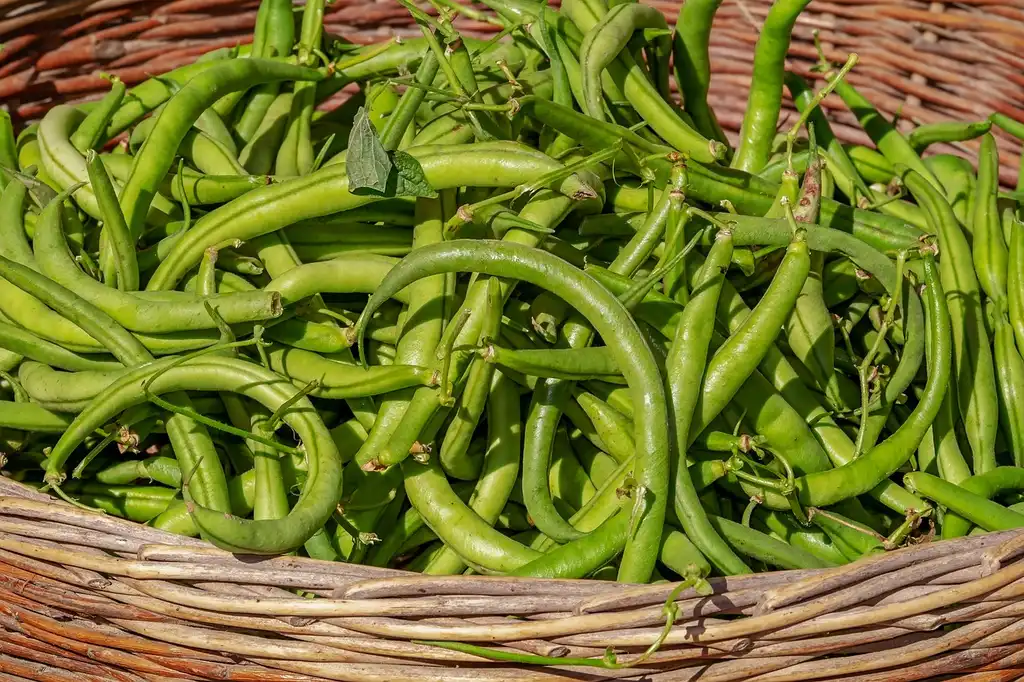
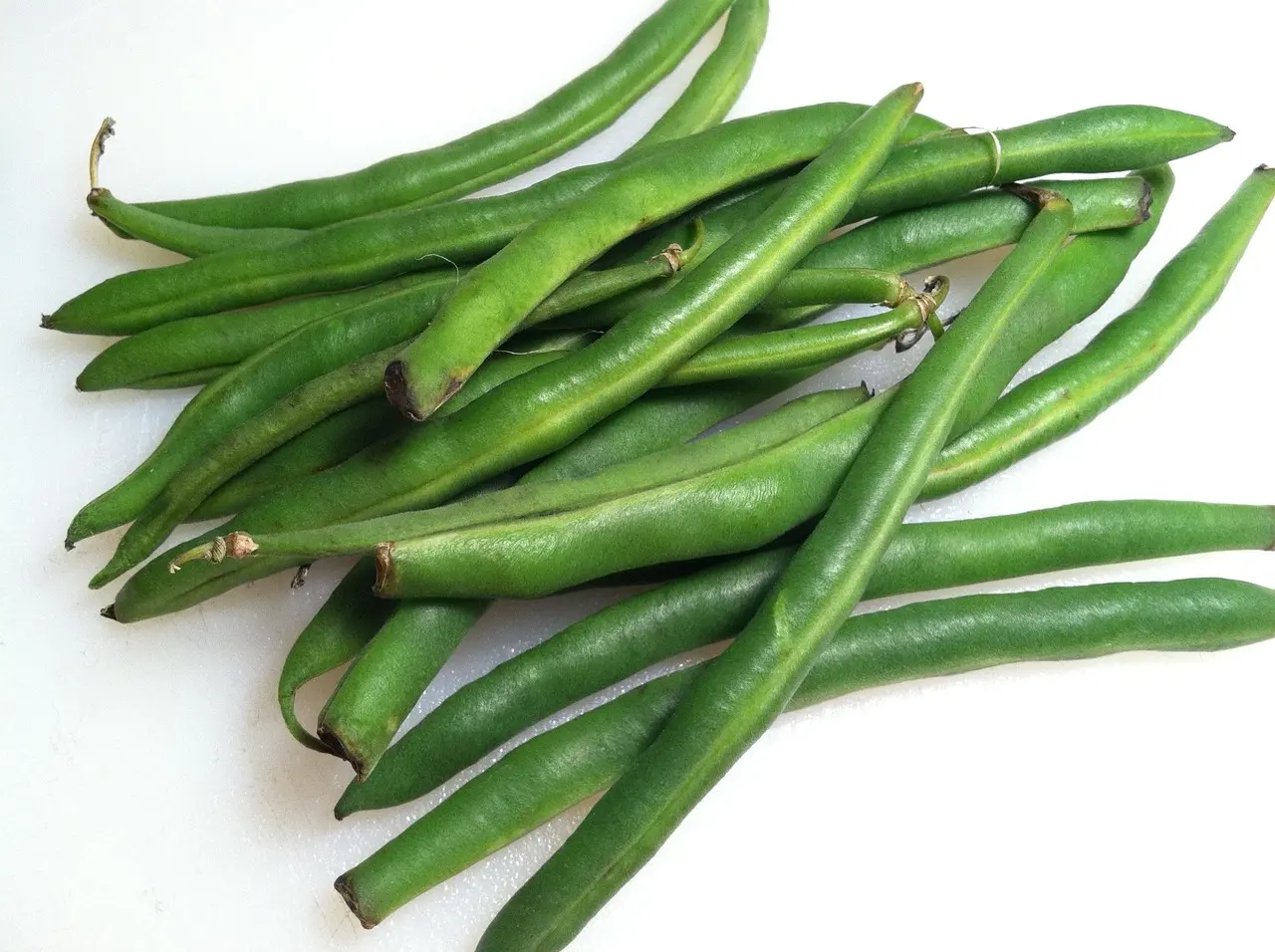
Harvest depends on the type of bean and your goal. Snap beans are picked young and tender. Shelling beans are left longer so the seeds inside mature. Dry beans stay on the plant until the pods dry. If you want a steady table crop, pick snap beans young and keep picking often.
Snap beans
Snap beans are harvested before the seeds inside the pod swell much. The pods should still bend cleanly and feel tender. Pick them regularly, because older pods get stringy and less pleasant to eat.
Shelling beans
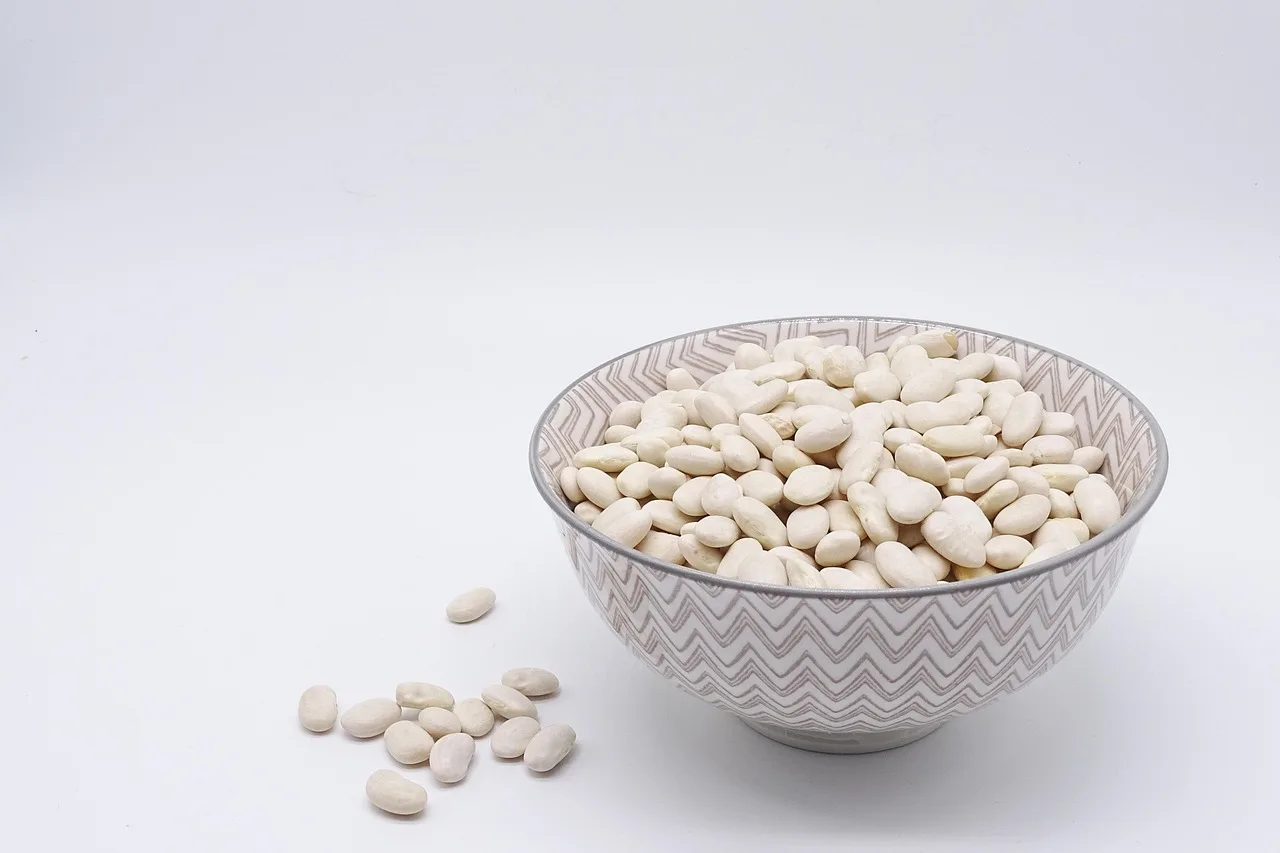
Shelling beans are left on the plant longer than snap beans so the seeds inside grow larger. Pick when the pods are filled out but not fully dry. You want developed seeds without fully hardened pods.
Dry beans
Dry beans stay on the plant until the pods dry down. This takes patience, but it lets you store the seeds for later use. If wet weather threatens, you may need to finish drying pods indoors after cutting the plants.
Succession sowing
Sow another round every 2 to 3 weeks if you want to stretch your harvest. This is one of the easiest ways to avoid a single overwhelming flush followed by nothing. It works best with bush beans because their harvest window is short.
If your beans fail
Most beginner bean failures trace back to timing, moisture, or feeding. Use the symptoms below to narrow the cause quickly and correct the next sowing or the current bed before more plants are lost.
| Symptom | Likely cause | Fix |
|---|---|---|
| Seeds do not sprout, or sprouts collapse | Cold soil | Wait until soil is at least 65°F (18°C), and aim for 70°F to 85°F for faster germination |
| Yellowing plants with weak roots | Poor drainage | Improve soil structure with compost, raise the bed, or switch to a better-drained site |
| Lush leaves, few pods | Too much nitrogen | Stop high-nitrogen fertilizer and use compost or a low-nitrogen feed only if the soil is poor |
| Pods look tough or overgrown | Missed harvest timing | Pick snap beans younger, and harvest every 2 to 3 days during peak production |
Frequently asked questions
What beans are easiest to grow for beginners?
Bush beans are usually the easiest starting point because they are compact, do not need a trellis, and produce a crop quickly. They also suit raised beds and pots at least 12 inches deep. If you want the simplest beginner setup, choose bush beans first.
Should I grow bush beans or pole beans?
Choose bush beans if you want speed, small-space planting, or the least setup. Choose pole beans if you have support in place and want a longer harvest window. Bush beans are better for short seasons. Pole beans are better if you want repeated picking over time.
When is the best time to plant beans outdoors?
Plant beans outdoors after the last frost when soil is warm enough to germinate, around 65°F (18°C) or higher. The ideal range is 70°F to 85°F. Planting earlier than that often leads to poor germination, rot, or weak seedlings.
Do beans need a trellis?
Bush beans do not need a trellis. Pole beans do need vertical support because they climb to 6 to 10 feet tall. A trellis, teepee, bamboo stakes, or chain-link fence can all work if the support is sturdy and installed early.
Can you start beans indoors or should you direct sow them?
Direct sow beans outdoors. They dislike transplanting, and their roots are easy to damage when moved. Indoor starts usually lose the advantage of early planting because the seedlings stall after transplanting. Warm soil outdoors gives better results.