Is Terro Safe For Vegetable Gardens? The Honest Answer
Few gardening dilemmas are as persistent as battling ant infestations in vegetable beds. When these pests invade, many gardeners turn to popular ant baits like Terro, hoping for a quick, effective solution. But is Terro truly safe for vegetable gardens ?
The honest answer isn’t as straightforward as marketing claims, and understanding both the risks and benefits is essential before introducing any pesticide near your edible plants.
With organic gardening on the rise and increasing scrutiny of what goes into our food, the safety profile of products like Terro has never been more important. This article dives deep into the science, real-world applications, regulatory guidelines, and alternatives, giving you a comprehensive look at whether Terro is a wise choice for your vegetable garden —or if safer methods exist.
By the end, you’ll have actionable insights to protect both your harvest and your health.
Key Takeaways
- Terro’s main ingredient (borax) is considered low-toxicity for humans but can pose risks if misapplied in vegetable gardens.
- Regulatory agencies recommend careful placement and strict adherence to label directions when using Terro near edible crops.
- Case studies show mixed outcomes: Some gardeners report success, others cite concerns about soil and plant contamination.
- Organic and physical control methods may offer safer alternatives to Terro for vegetable gardens.
- Understanding the mechanisms, risks, and best practices is crucial before using Terro on or near edible plants.
What Is Terro And How Does It Work?
Terro is a widely recognized name in household ant control, renowned for its effectiveness and ease of use. But what’s in Terro, and how does it target ants?
Terro’s Active Ingredient: Borax
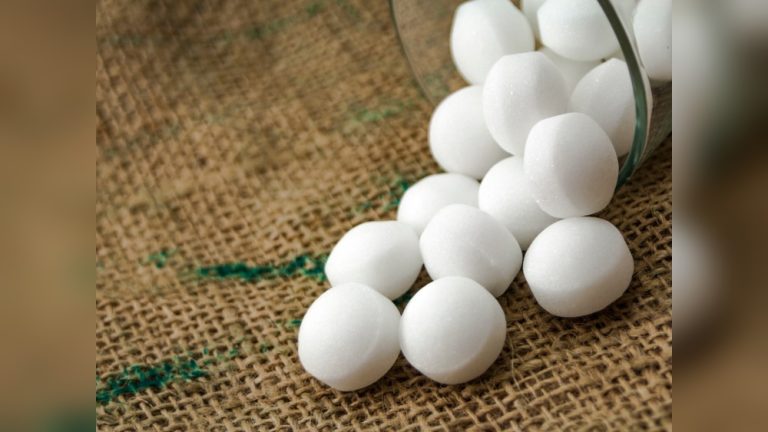
The primary ingredient in Terro’s liquid ant baits is borax (sodium tetraborate). Borax is a naturally occurring mineral, often used in cleaning products and pest control. In Terro, it acts as a slow-acting poison:
- Mode of action: Ants ingest the sweet liquid and carry it back to their colony, sharing it with others. Borax disrupts their digestive systems, eventually killing the colony.
- Concentration: Most Terro products contain borax at concentrations between 3–5%.
This slow-acting quality is key to Terro’s effectiveness. Ants have time to return to the nest and distribute the toxicant widely, ensuring that not just the foraging ants but also the queen and larvae are affected. This colony-level impact is a major advantage compared to contact insecticides, which often kill only those ants directly exposed.
Application In Home And Garden Settings
Terro is marketed for indoor and outdoor use, including around homes, patios, and sometimes gardens. Its popularity stems from:
- Ease of use: Pre-packaged, spill-proof containers that minimize direct handling of chemicals.
- Effectiveness: Highly attractive to common ant species such as Argentine ants, odorous house ants, and pavement ants.
However, there’s a critical distinction between using Terro in purely decorative or non-edible landscapes and applying it within or near vegetable gardens where food safety is paramount. While it is tempting to simply place Terro wherever ants are spotted, extra care must be taken when edible crops are present.
The proximity of the bait to plant roots, the potential for rainwater to spread residues, and the potential for children or pets to access the baits are all enhanced concerns in a food garden setting.
Regulatory Status
According to the Environmental Protection Agency (EPA), borax is classified as a “low-risk pesticide.” Still, the EPA and other agencies like the National Pesticide Information Center (NPIC) caution against direct application to edible crops or soil destined for food production ([EPA Borax Fact Sheet](https://www.epa.gov/ingredients-used-pesticide-products/boric-acid-and-borates)). Regulations are designed to protect both consumers and the environment, and while borax is less hazardous than many synthetic pesticides, it must still be handled responsibly.
Terro Product Types
Terro offers several formulations:
- Liquid ant baits: For trails and colonies, typically used indoors or in sheltered outdoor locations.
- Granular and powder baits: For broader outdoor coverage, often intended for lawns and ornamental beds rather than food gardens.
- Spray products: For perimeter treatment, targeting ant entry points around structures.
Not all products are suitable for use near vegetables; always check the label. For example, Terro’s outdoor liquid baits are designed for use in bait stations, while granular baits and sprays may be more challenging to keep away from food crops.
Always follow the manufacturer’s and regulatory guidelines on where and how to apply each product type.

Risks And Safety Concerns When Using Terro In Vegetable Gardens
While Terro is effective against ants, its use in vegetable gardens raises crucial safety questions. Understanding these risks helps you make informed decisions.
Borax Toxicity Profile
Borax is generally considered low-toxicity for humans and mammals, but:
- Ingestion risks: Consuming borax can cause nausea, vomiting, and diarrhea, and in higher doses, it can be toxic, especially to children and pets. Accidental ingestion of baits by curious pets or children is a real concern, so baits should always be placed out of reach.
- Soil impact: Excessive borax alters soil chemistry, potentially harming plant roots and beneficial microorganisms. Boron, the element in borax, is an essential micronutrient for plants but is required in only trace amounts. Slightly elevated levels can quickly become toxic. Symptoms in plants include yellowing, leaf burn, and stunted growth.
- Plant uptake: Studies show borax can be absorbed by certain plants, especially if applied directly to soil ([NCBI Borax Toxicity Study](https://www.ncbi.nlm.nih.gov/pmc/articles/PMC3267304/)). Root vegetables like carrots and beets, as well as leafy greens, are particularly susceptible to boron uptake. Chronic exposure to borax in the soil can lead to cumulative effects, where boron levels build up season after season, ultimately impacting yield and crop quality.
Effects On Beneficial Insects And Soil Life
Borax doesn’t discriminate between pests and beneficial insects. It can harm:
- Pollinators: If bait spills or is misapplied, bees may contact borax. Flowering plants in or near the garden can attract pollinators, which may inadvertently encounter bait residues, especially if bait stations are not well-contained.
- Earthworms and soil microbes: Disruptions in soil life can affect plant growth and soil health. Healthy soil teems with beneficial organisms that help decompose organic matter and recycle nutrients. Borax can negatively impact these organisms, leading to reduced soil fertility and structure over time.
In addition, garden predators such as ladybugs, lacewings, and spiders may be exposed if they feed on contaminated ants, although the risk is generally lower than with broad-spectrum insecticides.
Residue And Food Safety
The most significant concern is residue transfer:
- Borax isn’t easily broken down in soil. Unlike some pesticides that degrade rapidly, borax can persist for months or longer, depending on climate and soil conditions.
- Edible plant parts may contain trace amounts if Terro is applied irresponsibly. This is especially problematic for root crops and leafy greens, which may absorb and retain boron more readily.
- Regulatory agencies recommend avoiding direct application to soil or foliage of edible plants ([CDC Borax Guidance](https: //www.cdc.gov/niosh/topics/borax/)). Even indirect exposure, such as runoff from a bait station knocked over by rain or irrigation, can result in contamination.
Because home gardeners rarely test soil for boron, it’s easy to exceed safe thresholds unknowingly. Chronic exposure through repeated, careless use could eventually lead to unhealthy crops or even unsafe food.
Comparison Table: Terro Vs. Other Ant Control Methods
| Method | Active Ingredient | Human Toxicity | Soil Impact | Recommended for Edible Gardens? |
|---|---|---|---|---|
| Terro Liquid Bait | Borax | Low | Moderate | With Restrictions |
| Diatomaceous Earth | Silica | Very Low | Minimal | Yes |
| Pyrethrin Spray | Pyrethrin | Low-Moderate | Low | Limited Use |
| Boiling Water | None | None | Minimal | Yes |
| Homemade Vinegar Solution | Acetic Acid | Low | Can Harm Plants | With Caution |
Regulatory Guidelines And Expert Recommendations
- The EPA and CDC agree: Never apply Terro directly to plant foliage or soil where vegetables are grown.
- Use only in bait stations or containers, placed away from roots and edible parts.
- Follow all label instructions and check for any updated recommendations, as pesticide guidelines can change with new research.
Real-world Example: Overuse Consequences
In a California community garden, excessive use of borax-based ant bait led to stunted tomato and pepper crops. Soil tests revealed boron toxicity, underscoring the importance of moderation and label adherence. In this situation, the gardeners were forced to remove and replace the contaminated soil before replanting, resulting in lost time, money, and produce.
Case Studies: Terro In Vegetable Gardens
Examining real-world experiences provides valuable perspective on Terro’s safety and effectiveness. Each garden and situation is unique, but these examples help illustrate the potential outcomes.
Case Study 1: Suburban Home Garden
A home gardener in Illinois faced persistent ant trails in raised beds. She placed Terro bait stations adjacent to the beds but not directly on soil. Result:
- Ants vanished within a week.
- No signs of plant distress.
- Soil tests showed no detectable boron increase.
She reported that the ants did not return for the remainder of the season, and subsequent years saw only minor ant activity, easily controlled with non-chemical methods. She credits careful placement and containment of Terro for both protecting her crops and eradicating the ants.
Lesson: Proper placement can minimize risks. Using bait stations rather than loose bait, and keeping them off the soil, greatly reduces the chance of contamination.
Case Study 2: Community Garden Mishap
A community garden in Oregon used Terro directly on the soil of carrot beds. After harvest, several gardeners reported bitter-tasting carrots. Soil analysis indicated elevated boron levels.
The garden committee learned that even small amounts of borax, if applied directly to the soil or allowed to leach into the root zone, can result in crop damage and off-flavors. They subsequently banned all chemical ant controls in edible beds and switched to physical and organic methods.
Lesson: Avoid direct soil contact; stick to bait stations. Always communicate pest control policies in shared spaces to avoid accidents.
Case Study 3: Organic Farm Test
An organic farm trialed Terro in bait stations around the perimeter of vegetable fields. Results included:
- Reduced ant populations.
- No measurable boron uptake in crops.
- Maintained organic certification due to strict placement.
The farm’s pest management team monitored both ant activity and boron levels in the soil and crops throughout the season. Their experience demonstrated that, with responsible use, Terro can be compatible with organic principles if not applied directly to the soil and if OMRI-approved baits are used.
Lesson: Perimeter placement is generally safe if baits aren’t accessible to wildlife or pollinators. Documenting application and monitoring results is essential.
Case Study Comparison Table
| Location | Application Method | Outcome | Soil/Crop Impact | Safety Notes |
|---|---|---|---|---|
| Illinois Home Garden | Bait stations adjacent to beds | Ants controlled | No impact | Safe |
| Oregon Community Garden | Bait directly on soil | Bitter carrots | Boron increase | Unsafe |
| Organic Farm | Bait stations around perimeter | Reduced ants | No boron detected | Safe |
These case studies reinforce the message: placement and containment are everything. Even a “safe” product can have unintended consequences if misapplied.
Terro Label Directions And Regulatory Compliance
Reading and adhering to Terro’s product label is the first step toward safe use in any garden, especially those with edible crops.
Manufacturer Recommendations
Terro’s official guidelines specify:
- Do not apply directly to edible plant surfaces or soil.
- Use in enclosed bait stations.
- Place stations near ant trails but away from vegetable roots and fruit.
- Check and replace bait stations as needed, and remove them once the ant problem is resolved.
Manufacturers provide these directions not only to comply with regulations but also to protect users and the environment from unnecessary exposure. Disregarding label instructions can void product warranties, result in ineffective control, and create hazards.
Epa And State Regulations
The EPA requires all pesticide labels to state if a product can be used near edible crops. In most cases, borax-based baits like Terro are not approved for direct soil application in food gardens ([EPA Pesticides Portal](https://www.epa.gov/pesticides)). State regulations may be even stricter, reflecting local soil types, climate, and environmental priorities.
Some states require additional signage or notification if pesticides are used in community gardens or public spaces. Always check your local Department of Agriculture or Cooperative Extension for up-to-date rules.
Best Practices For Compliance
- Always use bait stations, never loose bait. If a station is damaged or leaks, replace it promptly.
- Place stations several inches away from plant stems and leaves—generally a minimum of 12 inches is recommended, but further is better if possible.
- Remove any spilled bait immediately, and clean the area with water to dilute any residue.
- Monitor for signs of plant distress, such as yellowing, wilting, or poor growth, which may indicate accidental exposure.
State-by-state Variations
Some states, like California, have stricter guidelines due to environmental concerns. For example, California’s Department of Pesticide Regulation may require additional restrictions on borax-based products in sensitive areas or near water sources. Always check local regulations before using Terro near food crops.
What To Do If You Accidentally Misapply Terro
- Remove contaminated soil immediately. If bait spills directly onto soil, scoop up and dispose of as much as possible.
- Water thoroughly to dilute boron concentration, but avoid overwatering, which can cause runoff into other beds.
- Avoid harvesting affected crops. If exposure is significant, consider removing and disposing of those plants.
- Monitor for symptoms such as leaf burn, necrosis, and poor growth, and conduct a soil test if in doubt.
For extensive contamination, consult your local extension service or a soil scientist for remediation advice.
Alternatives To Terro For Vegetable Garden Ant Control
If Terro’s risks outweigh its benefits, consider safer, effective alternatives. Organic and physical methods often provide reliable ant control without compromising garden safety.
Diatomaceous Earth
This fine powder, made from fossilized algae, kills ants by dehydrating them. It’s:
- Non-toxic to humans and pets.
- Safe for use directly in vegetable beds.
- Effective when dry; loses effectiveness when wet, so reapply after rain or watering.
Sprinkle diatomaceous earth around ant trails, plant bases, and nest entrances. It works mechanically, not chemically, so ants cannot develop resistance.
Physical Barriers
Simple barriers can deter ants:
- Sticky tapes or bands around plant stems prevent ants from climbing up to aphid-infested plants.
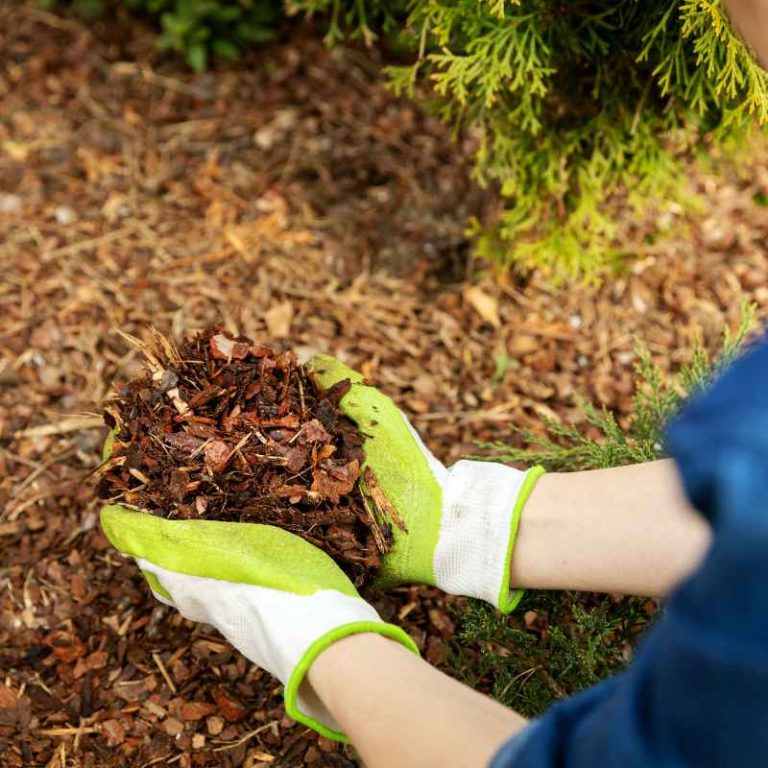
- Mulch layers disrupt ant trails and make it more difficult for ants to establish nests.
- Raised bed designs with legs or moat-style water barriers can physically block ant access.
Physical barriers are particularly useful for small-scale gardens and container plantings.
Boiling Water
Pouring boiling water onto ant hills destroys nests without chemicals. It’s:
- Instant, but must be used carefully to avoid harming plants and beneficial soil life.
- Not suitable for large infestations or where nests are too close to plant roots.
Boiling water is best reserved for isolated mounds away from desired crops.
Organic Baits
Homemade ant baits using sugar and yeast or very mild borax concentrations (always in containers) can be effective. For example, a mixture of sugar, water, and yeast attracts ants, and the fermentation process can kill them over time. Always monitor for results and keep baits out of reach of children and pets.
Commercial Organic Pesticides
Products certified by the Organic Materials Review Institute (OMRI) are safer options. Examples include:
- Spinosad sprays, derived from soil bacteria, are effective against a variety of insects including ants. Spinosad breaks down quickly in sunlight and is considered safe for most beneficials.
- Neem oil disrupts insect hormone systems and deters feeding. It is generally safe if applied according to label directions.
Both products should be used as a last resort and never applied directly to blooms visited by pollinators.
Comparison Table: Organic Vs. Conventional Ant Control
| Method | Safety for Edible Crops | Ease of Use | Effectiveness | Cost |
|---|---|---|---|---|
| Diatomaceous Earth | High | Moderate | Moderate | Low |
| Sticky Barriers | High | Easy | Low-Moderate | Low |
| Boiling Water | High | Easy | Low | Free |
| Terro Bait | Moderate | Easy | High | Moderate |
| OMRI Organic Spray | High | Easy | Moderate | High |
Real-world Example: Organic Ant Management
A school garden in Texas used diatomaceous earth and sticky barriers to control ants. The result was a pest-free, chemical-free harvest, demonstrating the efficacy of organic methods. Teachers and students were able to harvest and eat produce with confidence, knowing no harmful residues were present.
Additionally, the garden became a demonstration site for local families and community groups interested in sustainable pest management. The school documented improved pollinator activity and soil health, underscoring the wider ecosystem benefits of organic controls.
Best Practices For Using Terro Safely In Vegetable Gardens
If you choose to use Terro, following best practices is essential to minimize risks.
Placement And Containment
- Only use bait stations. Never apply liquid or granular Terro directly to the ground or on plants.
- Keep stations at least 12 inches from plant stems, roots, and leaves, but further is better, especially for sprawling crops like squash or tomatoes.
- Avoid placing baits where rain, sprinklers, or irrigation might wash them into soil or edible plant areas.
- Elevate bait stations if possible, using small bricks or platforms to prevent contact with soil and garden debris.
Monitoring And Maintenance
- Check bait stations regularly for spills, leaks, or signs of tampering by animals.
- Remove stations after ant activity subsides to prevent unnecessary exposure and reduce risks to wildlife or children.
- Monitor plants for signs of boron toxicity (leaf burn, stunted growth, yellowing, or necrosis at leaf tips and edges).
- Rotate ant control methods seasonally to reduce the risk of resistance and minimize cumulative environmental impact.
Harvest Timing And Soil Testing
- Wait at least two weeks after removing bait stations before harvesting, as an added precaution.
- Conduct soil tests annually, especially if you have used any borax-containing products, to monitor boron levels and prevent long-term buildup.
- If soil tests reveal elevated boron, amend the soil with organic matter, increase irrigation to leach excess boron, or rotate to less-sensitive crops.
Safe Disposal
- Dispose of used bait stations in sealed containers. Check with your local waste authority for proper pesticide disposal options.
- Never compost Terro-contaminated materials, as borax will not break down in a standard compost pile and may contaminate the finished compost.
Community Guidelines
- Share your pest control plan with fellow gardeners if using Terro in a shared space. Transparency prevents accidental exposure and fosters community trust.
- Post signs or notices if baits are in use, especially in school, community, or children’s gardens.
Scientific Evidence And Expert Opinions
Research and expert consensus provide a balanced perspective on Terro’s safety in edible gardens.
Scientific Studies
- A 2012 study published in the Journal of Environmental Science and Health found that borax residues persist in soil for months, with potential uptake by root vegetables ([Journal of Environmental Science and Health](https: //www.tandfonline.com/doi/full/10.1080/03601234.2012.667797)). The study highlighted the importance of limiting borax application in areas used for food production.
- The NPIC concludes that borax should not be applied directly to soil in food gardens ([NPIC Borax Fact Sheet](https: //npic.orst.edu/factsheets/boricgen.html)). Their guidance is based on the potential for cumulative soil contamination and the difficulty of removing excess boron once present.
Expert Recommendations
- Dr. Linda Chalker-Scott, horticulture professor at Washington State University, recommends bait stations as the safest approach, never direct soil application. She also emphasizes the value of alternative controls, especially in organic or children’s gardens.
- The University of California Integrated Pest Management (UC IPM) program emphasizes physical and organic controls as preferred methods ([UC IPM Ant Management](https: //ipm.ucanr.edu/PMG/PESTNOTES/pn7411.html)). Their research shows that ants can often be managed without chemical intervention, especially if food and water sources are minimized.
Key Points From Scientific Literature
- Borax is safe when contained, but risky if it contacts soil or edible plants. Even small overapplications can result in cumulative soil contamination.
- Organic alternatives are preferred for sustainable gardening, supporting long-term soil health and ecosystem balance.
- Soil testing, proper placement, and containment are essential best practices if any borax-based product is used.
Frequently Asked Questions
Is Terro Safe For Use Directly On Vegetable Plants?
No, Terro should not be applied directly to vegetable plants or their soil. Use only in bait stations placed away from edible crops to prevent residue transfer. Direct contact with foliage or soil can lead to plant toxicity, crop contamination, and food safety risks.
Can Ants Harm Vegetable Gardens, And Is Terro Necessary?
Ants rarely harm vegetables directly. However, they can protect and “farm” aphids, which damage plants by sucking sap and transmitting viruses. In many cases, physical and organic controls (such as removing aphids, using barriers, or improving garden hygiene) suffice without resorting to Terro. Only use chemical baits as a last resort, and never for minor infestations.
How Do I Know If My Soil Has Been Contaminated By Terro?
Signs of boron toxicity include leaf burn (especially at the edges and tips), stunted growth, poor germination, and bitter-tasting produce. Root crops and leafy greens are most sensitive. The most reliable method to detect contamination is a laboratory soil test for boron. If you suspect overexposure, contact your local cooperative extension for testing options.
Are Terro’s Ingredients Approved For Use In Organic Gardens?
Terro’s main ingredient, borax, is not approved for organic gardening. OMRI-certified products and physical controls are recommended for gardens seeking organic certification or following organic principles. Always check product labels for OMRI seals and consult your certifying agency for approved lists.
What Should I Do If Terro Bait Spills In My Vegetable Garden?
Remove contaminated soil immediately, water thoroughly to dilute boron, and avoid harvesting affected crops. Monitor plants for symptoms of toxicity, and consider soil testing if you suspect significant contamination. If in doubt, err on the side of safety and dispose of questionable produce.
Gardeners seeking a solution for ant invasions in vegetable beds must weigh Terro’s effectiveness against its potential risks. Used responsibly—in contained bait stations, away from soil and edible plant parts—Terro offers a low-toxicity solution. However, the safest path remains organic and physical controls, which protect your harvest, your health, and the environment.
By understanding the science, real-world examples, and regulatory guidance, you’re empowered to make the best choice for your vegetable garden. With careful management, you can enjoy both bountiful harvests and a healthy, thriving ecosystem.