Is Riverbed Sand Good for Vegetable Gardens? Real Answer
The question of whether riverbed sand is good for vegetable gardens is a topic that gardeners, landscapers, and soil scientists have debated for decades. On the one hand, sand is often touted as a solution for poor drainage and compacted soils. On the other, riverbed sand comes with its own set of challenges and potential risks, especially when it comes to growing healthy, productive vegetables. As gardening becomes more science-driven and sustainability-focused, understanding the real properties, benefits, and drawbacks of riverbed sand is crucial for anyone aiming to optimize their garden’s soil.
This article dives deep into the facts, scientific evidence, and practical experiences surrounding riverbed sand in vegetable gardens . We’ll examine its physical properties, nutrient profile, ecological concerns, and compare it to other soil amendments. Real-world examples and case studies illustrate how riverbed sand has performed in various gardening contexts, helping you make an informed decision.
Whether you’re starting a new vegetable plot or troubleshooting an existing one, this comprehensive guide will give you the answers you need.
Key Takeaways
- Riverbed sand improves drainage but offers limited nutrients for vegetables.
- Its use is controversial due to potential contamination and legal restrictions.
- Best results are achieved when sand is blended with organic matter and tested for purity.
- Alternatives like horticultural sand or compost often outperform riverbed sand.
- Soil structure, local regulations, and sustainability must be considered before use.
Understanding Riverbed Sand: Properties And Composition
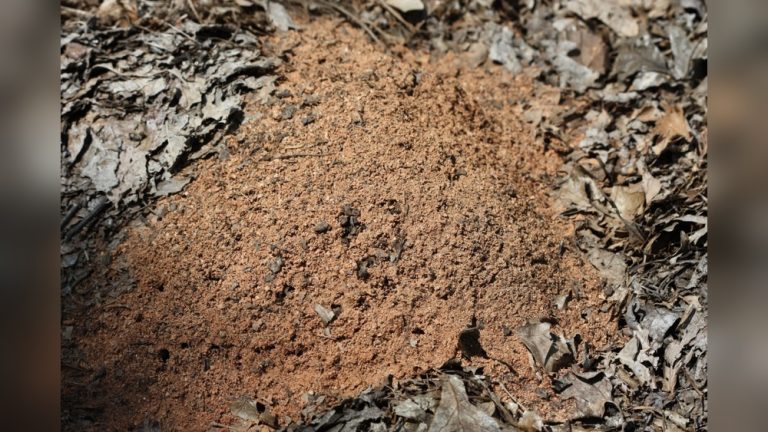
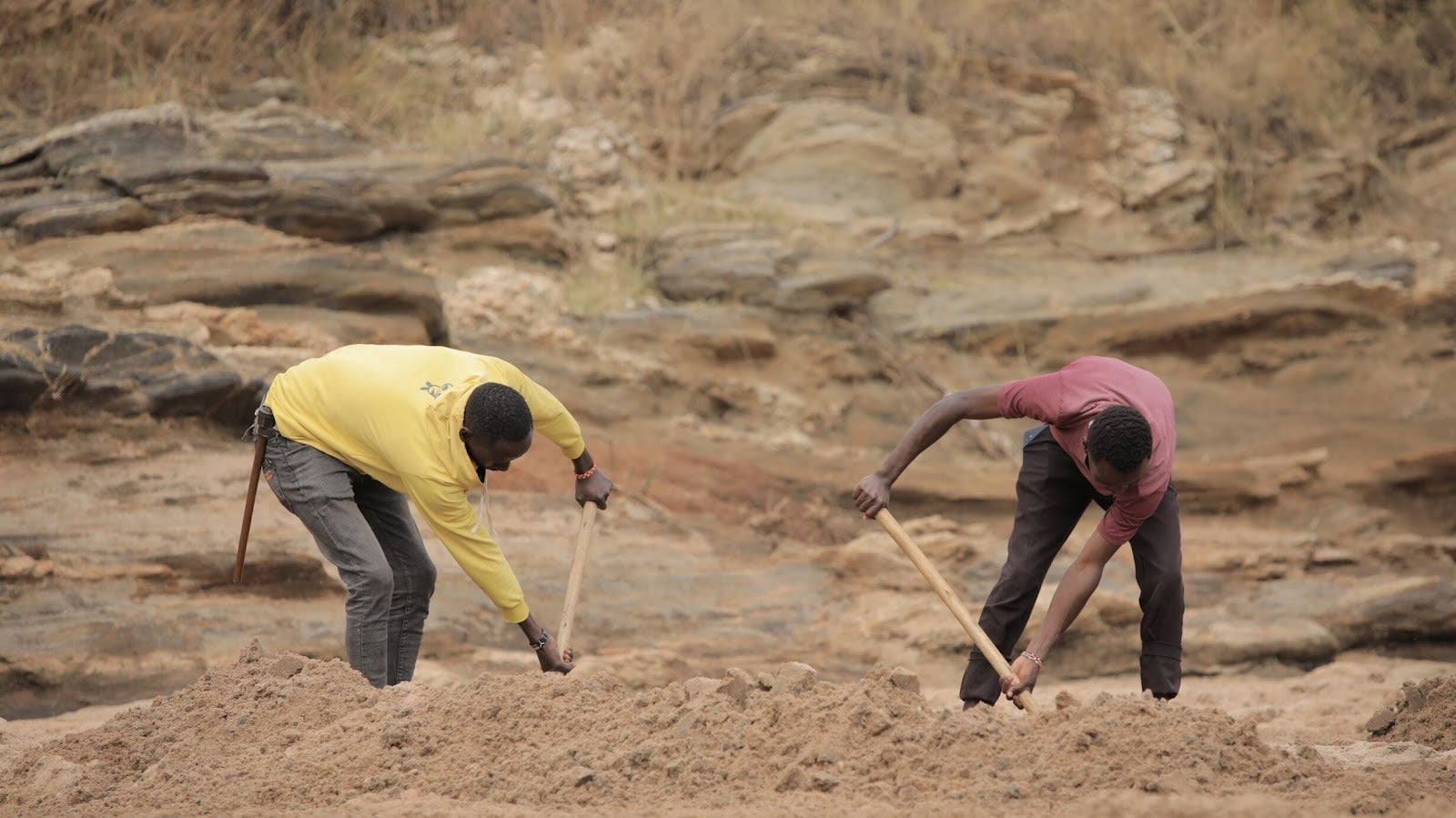
Riverbed sand is naturally occurring sediment found in river channels, floodplains, and riverbanks. Its physical and chemical properties vary based on geology, water flow, and regional factors.
Physical Characteristics
Riverbed sand typically features:
- Particle size: Ranges from fine to coarse grains (0.06–2 mm).
- Shape: Rounded due to water abrasion.
- Color: Varies from pale yellow to dark brown depending on mineral content.
- Texture: Smooth and gritty.
These characteristics influence water retention, aeration, and root growth. The rounded grains promote drainage but reduce soil cohesion, which can impact plant anchoring and nutrient retention.
The size and uniformity of sand particles also affect how easily roots can penetrate the soil. Fine sand can lead to compaction, especially if not mixed thoroughly with other amendments, while coarser sand is better at maintaining air pockets that benefit root systems.
However, too much coarse sand can create a substrate that drains water excessively, risking drought stress for vegetables during hot or dry periods.
Chemical Composition
The mineral makeup of riverbed sand often includes:
- Silica (quartz): Main component, chemically inert.
- Feldspar: Minor amounts, adds potassium.
- Clay particles: Variable, may influence fertility.
- Trace minerals: Iron, calcium, and magnesium.
Most riverbed sand is nutrient-poor. Its low cation exchange capacity (CEC) means it doesn’t hold nutrients well, which is problematic for vegetables requiring fertile soils.
Silica, as the dominant component, is not harmful but does not contribute much to soil fertility. Occasionally, trace minerals from feldspar or other inclusions can provide marginal benefits, but their concentrations are typically too low to sustain healthy vegetable growth.
This is why riverbed sand is rarely used as a standalone amendment.
Potential Contaminants
Riverbed sand can contain:
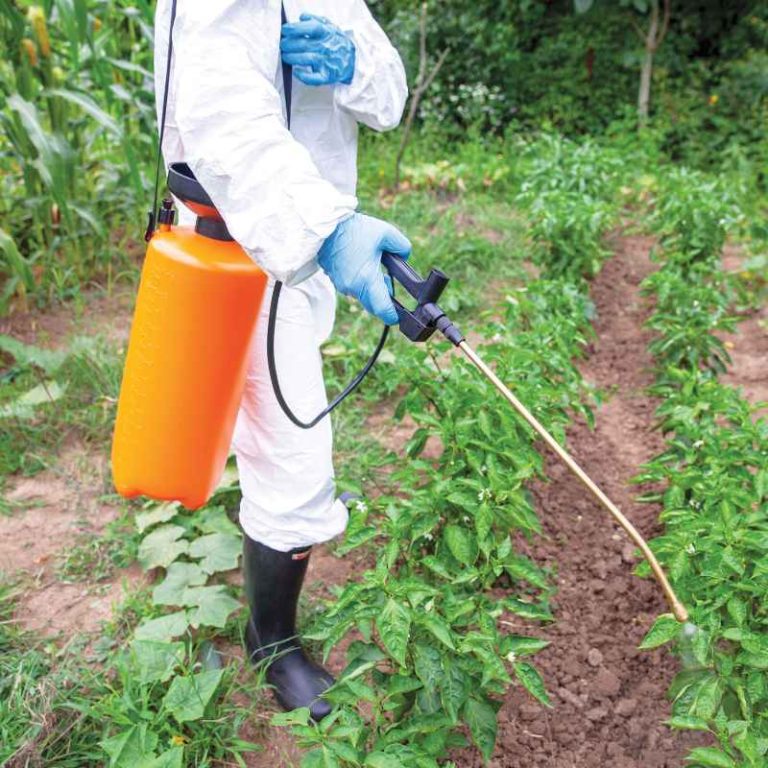
- Heavy metals: Lead, arsenic, mercury from industrial runoff.
- Organic pollutants: Pesticides, oil residues.
- Biological contaminants: Pathogens, weed seeds.
A study by the United States Geological Survey (USGS) found that sand collected from urban riverbeds often contained higher levels of heavy metals than rural sites (USGS Fact Sheet).
These contaminants can accumulate in the edible parts of vegetables, presenting health risks to consumers. The variability in contamination means that even sand from seemingly pristine rivers can harbor unseen dangers, particularly after heavy rains or upstream industrial activity. Moreover, organic pollutants like petroleum residues or agricultural chemicals can persist in sand for years, further complicating the safety profile for garden use.
Riverbed Sand In Vegetable Gardens: Benefits And Drawbacks
The use of riverbed sand in vegetable gardens is rooted in its ability to modify soil structure, but its actual impact depends on several factors.
Benefits Of Riverbed Sand
- Improved Drainage: Sand increases soil porosity, preventing waterlogging.
- Root Aeration: Promotes oxygen flow to roots, aiding growth.
- Loosening Heavy Soils: Breaks up clay-rich soils for easier tilling.
- Cost-Effective: Often cheaper than commercial amendments.
In addition to these benefits, riverbed sand can help correct specific soil issues. For example, in regions with extremely compacted or heavy clay soils, a targeted application of sand can make a significant difference in the workability and performance of the soil.
Gardeners with limited budgets sometimes opt for riverbed sand due to its local availability and lower cost compared to bagged or processed amendments.
Drawbacks And Risks
- Nutrient Deficiency: Sand lacks essential plant nutrients.
- Contamination Risk: Possible presence of toxins or pollutants.
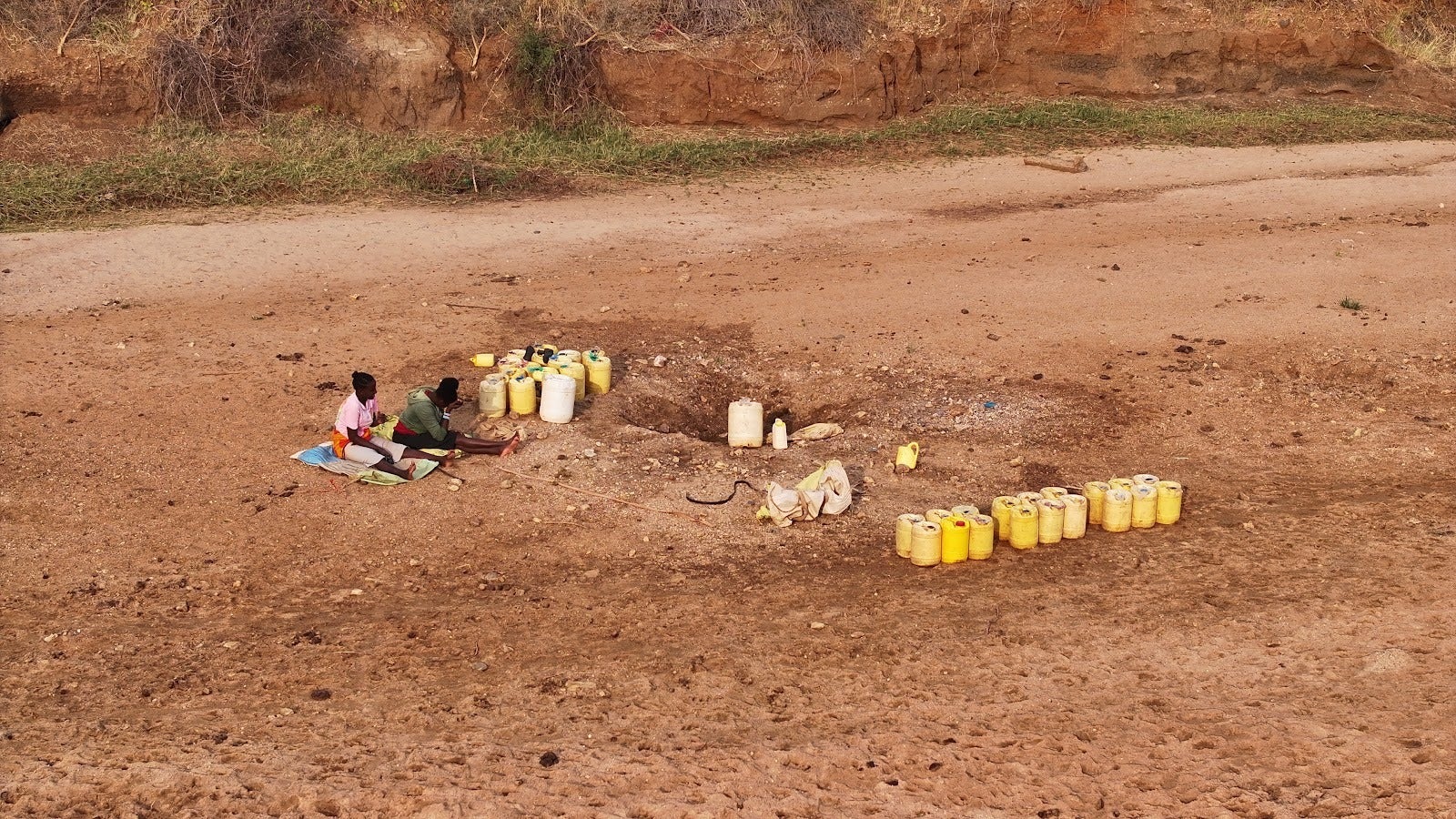
- Legal Concerns: Harvesting riverbed sand is regulated or banned in many areas.
- Soil Imbalance: Excess sand can cause soil to dry out quickly and leach nutrients.
The downside is that sand alone cannot supply the organic matter or nutrients vegetables need. Over-reliance on sand often leads to soils that are fast-draining but infertile, with poor water and nutrient retention. This can result in drought stress during warm spells and frequent fertilization needs, which may not be sustainable for home gardeners.
Case Study: Drainage Vs Fertility
In a California community garden, riverbed sand was added to a clay-heavy plot. While drainage improved, vegetable yields fell by 30% due to nutrient leaching and poor water retention. Organic matter additions later restored productivity.
This case underscores a common challenge: while sand can fix drainage, it often creates new problems if not balanced with compost or manure. Similar patterns have been observed in other community gardens, where adding organic material after sand application usually restores both structure and fertility.
Regulatory Issues
Many states restrict riverbed sand collection to prevent riverbank erosion and ecosystem disruption. For example, the California Department of Fish and Wildlife prohibits sand removal without a permit (California DFW). Always check local laws before sourcing sand.
Violations of sand mining regulations can carry hefty fines and even criminal charges, depending on the jurisdiction. In addition, unsanctioned sand removal damages riparian environments, reducing water quality and threatening wildlife. Responsible gardeners must ensure their amendments are both legal and sustainable.

Comparing Riverbed Sand To Other Soil Amendments
Choosing the right soil amendment requires understanding how riverbed sand stacks up against alternatives like horticultural sand, compost, and perlite.
| Amendment | Drainage Improvement | Nutrient Content | Contamination Risk | Cost | Sustainability |
|---|---|---|---|---|---|
| Riverbed Sand | High | Low | Medium-High | Low | Poor |
| Horticultural Sand | High | Low | Low | Medium | Good |
| Compost | Medium | High | Low | Medium | Excellent |
| Perlite | High | None | Low | High | Fair |
| Vermiculite | Medium | Moderate | Low | High | Fair |
Horticultural Sand
Specially processed for gardening, horticultural sand is free from contaminants and provides similar drainage benefits. However, it is more expensive and still lacks nutrients.
Horticultural sand is made from crushed quartz or granite, washed to remove silt, clay, and organic matter. Its uniform grain size and purity are ideal for sensitive crops, seed starting, or root cuttings. It is widely recommended in professional greenhouse production and high-value horticulture where soil contamination is unacceptable.
Compost
Rich in organic matter, compost improves both drainage and fertility. It supports beneficial microbes and enhances moisture retention, making it superior for most vegetable gardens.
Compost offers slow-release nutrients and fosters a living soil ecosystem. It improves soil tilth, reduces compaction, and buffers pH imbalances, making it one of the most versatile and sustainable amendments. Even small amounts of compost, when combined with sand or native soil, can dramatically increase vegetable yields and resilience to drought or disease.
Perlite And Vermiculite
These are mineral amendments that boost drainage and aeration. Perlite is inert and lightweight, while vermiculite adds some nutrient-holding capacity. Both are used in potting mixes but are costly for large plots.
Perlite is especially valuable in container gardening, where compaction and drainage are frequent issues. Vermiculite, being slightly spongy, can retain moisture and nutrients, making it useful for seed germination and transplant mixes. However, their cost and limited availability make them impractical for large-scale or in-ground vegetable beds.
Real-world Example: Urban Vs Rural Sand
A Michigan urban garden used riverbed sand and experienced stunted tomato growth due to lead contamination, while a rural garden sourced clean horticultural sand and saw improved yields. This highlights the risks of urban sand sources.
In another example, a community garden in the Pacific Northwest switched from riverbed sand to a mix of compost and coconut coir, resulting in a notable decrease in plant disease and improved root development, further demonstrating the advantages of alternatives over raw sand.
Soil Structure And Vegetable Growth: How Sand Interacts
The relationship between sand and soil structure is fundamental to vegetable health. The balance of sand, silt, and clay determines soil texture, affecting water movement, root penetration, and nutrient cycling.
Ideal Soil Composition
A productive vegetable garden typically requires loam, which consists of:
- 40% sand
- 40% silt
- 20% clay
This blend offers optimal drainage, fertility, and moisture retention. Adding riverbed sand can help clay soils move toward loam but must be done carefully.
A well-balanced loam supports robust root systems, maximizes nutrient uptake, and enables consistent moisture levels. The addition of sand to heavy clay soils can shift the texture toward this ideal, but precise ratios are essential. Too little sand yields negligible results; too much creates a soil that behaves more like beach sand than garden loam.
Sand’s Impact On Soil Properties
- Water Drainage: Excess sand causes rapid water loss.
- Nutrient Retention: Sand reduces soil’s capacity to hold nutrients.
- Microbial Activity: Sandy soils have fewer microbes due to low organic matter.
Additionally, sandy soils are more prone to erosion, especially on slopes or in areas with heavy rainfall. This can lead to loss of topsoil and further reduction in soil fertility. Mixing sand with compost or aged manure helps mitigate these issues by providing organic matter to retain moisture and nutrients while supporting microbial life.
How Much Sand To Add?
General guidelines recommend:
- For heavy clay soils: Mix 1 part sand to 2 parts clay.
- Always combine sand with compost to prevent nutrient depletion.
Soil testing before and after sand application is important to avoid over-correction. It’s advisable to amend small test areas first and observe results for a season before treating the entire garden.
Case Study: Sandy Loam Success
A Texas vegetable farm blended riverbed sand with compost and clay, achieving a rich sandy loam. Yields of peppers and lettuce increased by 25% compared to previous seasons. The key was balancing sand with organic matter.
This farm also noted improvements in root vegetable quality, with carrots and beets developing more uniformly and with fewer deformities. However, ongoing compost additions were essential to maintain fertility and prevent the sand from causing excessive nutrient leaching.
Environmental And Sustainability Concerns
Using riverbed sand raises serious environmental and ethical questions. The extraction process affects river ecosystems, water quality, and local habitats.
Ecological Impact
- Erosion: Sand removal destabilizes riverbanks, causing erosion and habitat loss.
- Biodiversity loss: Disrupts fish, amphibian, and plant communities.
- Sediment transport: Alters downstream sediment flow, affecting agriculture.
Riverbed sand mining reduces the river’s ability to buffer floods, increases downstream sedimentation, and can lower water tables, impacting both wildlife and local agriculture. In many regions, over-extraction has led to irreversible changes in river morphology, increased flooding, and loss of arable land.
Sustainable Alternatives
- Recycled sand: Reclaimed from construction waste, offers similar properties.
- Manufactured sand: Produced from crushed rock, designed for gardening use.
- Organic amendments: Compost, leaf mold, and coconut coir are eco-friendly options.
These alternatives reduce pressure on natural river systems and are often more consistent in quality and performance. Manufactured sands are engineered to specific particle sizes, making them predictable and safe for garden use. Recycled materials, when properly screened, can be both cost-effective and sustainable.
Legal Restrictions
Many countries enforce strict regulations on riverbed sand mining due to environmental concerns. For example, India banned riverbed sand mining in several states (Wikipedia: Sand Mining), highlighting the global movement toward sustainability.
In the United States, local and federal agencies regulate sand extraction to varying degrees. Penalties for illegal sand mining include fines, restoration requirements, and in some cases, imprisonment. These legal frameworks are designed to protect both the environment and long-term agricultural productivity.
Real-world Example: Community Restoration
A community garden in Oregon switched from riverbed sand to compost and manufactured sand after local river erosion increased. Vegetable productivity improved, and the riverbank stabilized.
The garden reported healthier soil structure, improved water retention, and a resurgence of beneficial insect and bird populations, demonstrating that environmentally friendly choices benefit both gardeners and the broader ecosystem.
Practical Guidelines For Using Riverbed Sand In Vegetable Gardens
If you decide to use riverbed sand, follow these best practices to minimize risks and maximize benefits.
Sourcing And Testing
- Source sand legally: Obtain from approved suppliers or riverbeds with permits.
- Test for contaminants: Use a soil lab to screen for heavy metals and pathogens.
- Check particle size: Fine sand compacts, coarse sand drains better.
Testing should be repeated periodically, especially if you notice unexplained plant health issues or if the garden is located downstream of industrial or urban areas. Local agricultural extensions often offer affordable testing services and can interpret results.
Application Methods
- Mix with compost: Always blend sand with organic matter for nutrient balance.
- Use moderate amounts: Excess sand can degrade soil structure.
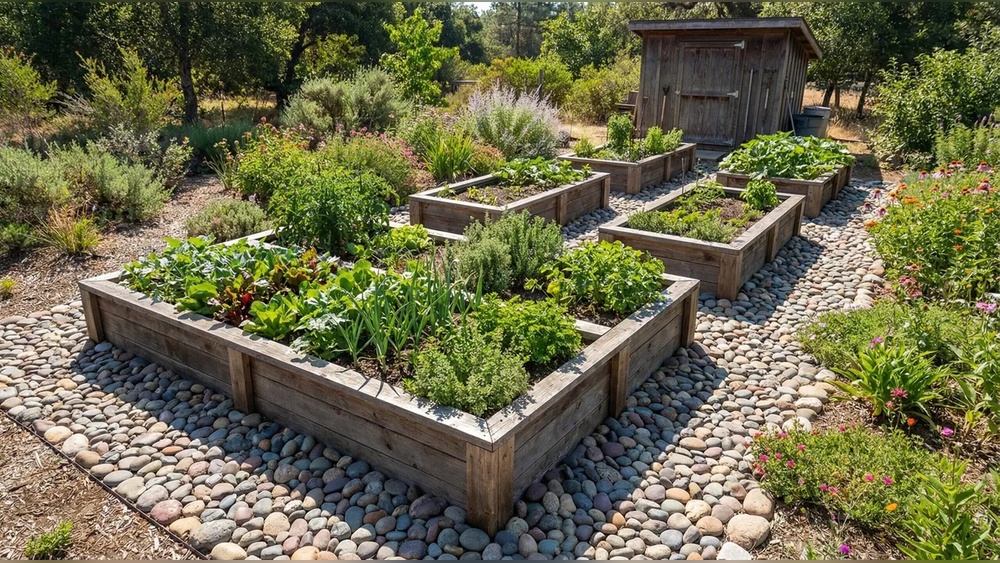
- Apply in layers: Spread sand evenly, avoiding thick deposits.
Thorough mixing is essential. Layering sand without integrating it can create impermeable barriers that restrict root growth and water movement. Use a rototiller or garden fork to work sand and compost into the top 8–12 inches of soil for best results.
Monitoring And Maintenance
- Test soil annually: Monitor pH, nutrient levels, and texture.
- Amend as needed: Add compost or fertilizers to maintain fertility.
- Observe plant growth: Watch for signs of stress like yellowing or stunted growth.
Proactive observation and soil testing help you catch and correct deficiencies early. Applying mulch and practicing crop rotation can further improve soil health and reduce the risks associated with sand amendments.
Table: Riverbed Sand Application Dos And Don’ts
| Dos | Don’ts |
|---|---|
| Mix sand with compost | Use pure riverbed sand |
| Test sand for contaminants | Collect sand illegally |
| Apply in thin layers | Dump thick piles |
| Monitor plant health | Ignore signs of nutrient deficiency |
| Follow local regulations | Disrupt river ecosystems |
Short Case Study: Vegetable Garden Recovery
A New York gardener used riverbed sand to improve drainage but saw poor yields. After adding compost and testing for contaminants, the soil’s health and vegetable growth rebounded.
This example highlights the importance of not relying solely on sand, and demonstrates how simple interventions like compost addition and soil testing can rescue a struggling garden.
Alternatives To Riverbed Sand: Best Practices For Healthy Vegetable Gardens
Many gardeners find greater success by using alternatives to riverbed sand. These materials improve drainage, fertility, and sustainability.
Compost
- Boosts nutrients: Supplies nitrogen, phosphorus, and potassium.
- Improves structure: Enhances soil porosity and water retention.
- Supports microbes: Encourages beneficial bacteria and fungi.
Compost also helps buffer soil pH and provides a slow, steady release of nutrients that matches the growth cycles of most vegetables. It can be produced on-site from kitchen and yard waste, reducing input costs and environmental footprint.
Horticultural Sand
- Clean and uniform: Free from contaminants.
- Consistent results: Manufactured to specific standards.
- Easy to blend: Works well with organic amendments.
Horticultural sand is particularly useful in raised beds and container gardens, where control over soil composition is critical. Its predictable texture and composition make it preferable for seed starting and root crops.
Perlite And Vermiculite
- Excellent aeration: Prevents compaction.
- Ideal for potting mixes: Used in seed starting and container gardens.
These amendments are especially valuable in small-scale or high-value production, such as growing herbs, microgreens, or nursery transplants. Their inert nature means they do not interact with fertilizers or pesticides, providing a stable growing medium.
Coconut Coir
- Eco-friendly: Made from coconut husks.
- Retains moisture: Balances drainage and water holding.
Coconut coir is renewable and widely available. It resists compaction, is pH-neutral, and provides a good balance of air and water for roots. It’s particularly popular among organic and sustainable gardeners.
Leaf Mold
- Rich in humus: Improves soil structure and fertility.
- Slow-release nutrients: Sustains vegetables over time.
Leaf mold is easy to produce by composting autumn leaves. While slower to break down than other composts, it creates a soil rich in beneficial fungi and long-lasting organic matter, ideal for no-dig and regenerative gardening methods.
Table: Amendment Performance For Vegetable Gardens
| Amendment | Drainage | Fertility | Ease of Use | Environmental Impact |
|---|---|---|---|---|
| Riverbed Sand | High | Low | Medium | Poor |
| Compost | Medium | High | High | Excellent |
| Horticultural Sand | High | Low | High | Good |
| Perlite | High | None | High | Fair |
| Coconut Coir | Medium | Moderate | Medium | Excellent |
Example: Sustainable Vegetable Gardening
A Colorado gardener switched from riverbed sand to a blend of compost and coconut coir. The garden saw improved drainage, healthier plants, and higher yields, with no environmental impact.
This sustainable approach is being adopted by more community gardens and urban farms, who report fewer soil-borne diseases and a reduction in supplemental fertilization needs. The use of renewable or recycled amendments also aligns with broader environmental goals.
Scientific Evidence And Expert Opinions
The scientific consensus on riverbed sand is mixed, largely due to its variability and environmental risks.
Research Findings
- Drainage Improvement: Multiple studies confirm sand’s ability to enhance soil aeration and water movement (ScienceDirect).
- Nutrient Leaching: Research shows sand-rich soils lose nutrients faster than clay or silt soils.
- Contamination: Urban riverbed sand often contains heavy metals above safe thresholds (NCBI).
Additional studies highlight that sand amendments must be paired with organic matter to prevent rapid nutrient loss and to support soil biology. Research at agricultural universities consistently shows that organic amendments outperform sand for sustained vegetable productivity.
Expert Recommendations
- Soil scientists recommend blending sand with organic matter and testing for contaminants.
- Extension agents advise against using riverbed sand in urban areas due to pollution risks.
- Environmentalists urge gardeners to use sustainable alternatives to protect river ecosystems.
These recommendations are echoed in gardening literature and extension bulletins. Many experts now advocate for regenerative practices, such as cover cropping and mulching, rather than relying solely on mineral amendments like sand.
Example: University Extension Advice
The University of Minnesota Extension recommends horticultural sand over riverbed sand and stresses the importance of organic amendments for vegetable gardens (University of Minnesota Extension).
Their guidelines also emphasize the need for routine soil testing and the integration of compost to maintain long-term soil health.
Case Study: Agricultural Research Station
A Kansas research station compared riverbed sand, horticultural sand, and compost in vegetable beds. Compost outperformed both sands, producing 40% higher yields and better soil health.
The research also found that beds amended with compost had more earthworms, higher organic matter content, and lower disease incidence, reinforcing the scientific consensus on the superiority of organic amendments.
Frequently Asked Questions
Is Riverbed Sand Safe For Vegetable Gardens?
Riverbed sand can be safe if sourced legally and tested for contaminants. However, urban riverbed sand often contains heavy metals and pollutants, making it risky for edible crops. Always test sand before use and blend with compost.
How Much Riverbed Sand Should I Use In My Garden Soil?
For clay-heavy soils, mix one part sand to two parts clay, but always combine with organic matter to prevent nutrient depletion. Avoid using pure sand, which can degrade soil structure and reduce fertility.
What Are The Best Alternatives To Riverbed Sand?
The best alternatives are compost, horticultural sand, perlite, and coconut coir. These amendments improve soil structure, drainage, and fertility without environmental risks.
Are There Legal Restrictions On Using Riverbed Sand?
Yes, many regions regulate or ban riverbed sand extraction to prevent ecosystem damage and riverbank erosion. Check local laws before sourcing sand for your garden (Australian Government).
Can Riverbed Sand Improve Vegetable Yields?
Riverbed sand can improve drainage but often reduces yields due to nutrient leaching and contamination risks. Best results are achieved when sand is blended with compost and used in moderation.
Gardening is both art and science, and soil amendments like riverbed sand require thoughtful consideration. While sand can enhance drainage in compacted soils, its nutrient limitations, contamination risks, and environmental impacts outweigh the benefits for most vegetable gardens. Sustainable alternatives such as compost, horticultural sand, and coconut coir deliver better results, supporting healthy plants and protecting natural resources.
Always test materials, follow local regulations, and prioritize soil health for a productive, eco-friendly vegetable garden.