Are Red Ants Bad for Vegetable Gardens
Red ants, with their fiery color and formidable reputation, are a common sight in many gardens across the United States and worldwide. For vegetable gardeners, their presence often triggers concern: Are these small invaders a threat to your carefully tended crops, or might they play a beneficial role in your garden ecosystem? The answer is not as straightforward as it may seem. While some gardeners dread the arrival of red ants, others find them to be unexpected allies in pest control. Understanding the true impact of red ants on vegetable gardens requires a closer look at their behavior, diet, potential benefits, and risks.
This article offers an in-depth exploration of red ants—particularly the notorious fire ant, but also other common red ant species—and their influence on vegetable gardens. By examining scientific research, real-world case studies, and practical gardening experience, we’ll provide you with the nuanced knowledge you need to manage red ant populations in your vegetable garden wisely.
Whether you’re dealing with a minor ant problem or facing a full-blown infestation, the insights below will help you make informed decisions for a healthier, more productive garden.
Key Takeaways
- Red ants can be both beneficial and harmful in vegetable gardens, depending on the species and context.
- Certain red ants help control pests, while others (notably fire ants) may damage plants and pose health risks.
- Understanding ant biology and behavior is crucial for effective management in gardens.
- There are eco-friendly ways to control red ants without harming beneficial insects or soil health.
- Real-world examples show that integrated pest management often yields the best results.

Understanding Red Ants: Species, Biology, And Behavior
Common Red Ant Species In Gardens
In the context of vegetable gardens, the term red ants commonly refers to several species:
- Red imported fire ant (*Solenopsis invicta*): Notorious for painful stings and aggressive behavior.
- European red ant (*Myrmica rubra*): Sometimes called the European fire ant, less aggressive but still a concern.
- Native red ants (*Formica* and *Myrmica* species): Generally less problematic but still present in gardens.
The red imported fire ant is particularly important in the United States, especially in the Southeast, where it has spread rapidly since its introduction in the 1930s. According to the USDA Agricultural Research Service, fire ants now infest over 300 million acres across the southern U.S.
Life Cycle And Nesting Habits
Red ants live in colonies that can range from a few hundred to several hundred thousand individuals. Their nests, often visible as mounds, are built underground or in sheltered locations. Ant colonies have a caste system:
- Queen: Lays eggs; the sole reproductive female.
- Workers: Forage, tend to young, defend the nest.
- Soldiers: Larger ants specializing in defense (especially in fire ant species).
Red ant colonies are highly organized and can adapt quickly to changes in their environment. Their nests can be problematic for gardeners, especially when located near plant roots or high-traffic areas.
Feeding Behavior And Diet
Red ants are omnivorous. Their diet includes:
- Insects: Aphids, caterpillars, beetle larvae (both pests and beneficials).
- Honeydew: A sugary secretion produced by aphids and other sap-sucking insects.
- Seeds and young plant material: Some red ants are seed harvesters or may damage seedlings.
This diverse diet means red ants can be both predators and protectors of garden pests, depending on the situation.
Aggression And Stinging
Fire ants are infamous for their aggressive defense of their nests. Their stings inject venom containing alkaloids and proteins, leading to intense burning pain, swelling, and sometimes allergic reactions. This makes them a health hazard for gardeners and pets.
Positive Impacts Of Red Ants In Vegetable Gardens
Natural Pest Control
One of the most significant benefits of red ants is their role as natural predators. They help control populations of:
- Caterpillars
- Beetle larvae
- Flea beetles
- Termites
- Other soft-bodied pests
A study published in the journal *Environmental Entomology* found that fire ants reduced crop-damaging caterpillar populations by up to 70% in certain vegetable plots (Oxford Academic). This natural pest control can decrease the need for chemical pesticides, supporting healthier and more sustainable gardening.
Soil Aeration And Nutrient Cycling
Red ants tunnel extensively, which has positive effects on soil structure:
- Improved aeration: Tunnels allow oxygen and water to penetrate deeper into the soil.
- Enhanced nutrient cycling: Ants bring organic material underground, aiding decomposition and nutrient distribution.
Research from the European Journal of Soil Biology suggests that ant activity increases nutrient levels and microbial diversity in garden soils.
Case Study: Ants As Allies In An Organic Vegetable Garden
In a California community garden, organic growers noticed a dramatic reduction in aphid infestations following the establishment of a large native red ant colony. The ants preyed on pest insects, resulting in higher yields of leafy greens and tomatoes. This real-world example highlights how ants can become valuable partners in organic gardening when populations are balanced and not dominated by invasive fire ants.
Pollination Assistance
While ants are not major pollinators, their movement across plants sometimes aids in pollination, particularly for low-growing crops like strawberries and beans. However, their contribution is minor compared to bees or butterflies.
Negative Effects Of Red Ants On Vegetable Gardens
Damage To Plants And Seeds
Although red ants can be beneficial, they are also known for:
- Feeding on seeds: Some red ant species collect and consume seeds, potentially reducing germination rates in direct-seeded beds.
- Damaging seedlings: Young plants with tender stems or roots may be attacked or uprooted.
- Farming aphids: Red ants sometimes protect and “farm” aphids and mealybugs for honeydew, leading to larger pest populations that harm plants.
Aggressiveness Toward Humans And Pets
The presence of fire ants in a vegetable garden can pose significant health risks:
- Painful stings: Multiple stings can occur quickly when a nest is disturbed.
- Allergic reactions: About 1-2% of people are hypersensitive to fire ant venom, risking severe reactions or anaphylaxis (CDC).
- Pet injuries: Curious pets may be stung when digging or sniffing around nests.
Disruption Of Beneficial Insects
While ants consume some pests, they may also:
- Attack pollinators: Red ants have been observed harassing bees and butterflies.
- Outcompete beneficial predators: Ladybugs, lacewings, and predatory beetles may be driven away by aggressive ant colonies.
Soil Disruption And Mound Formation
Large ant mounds can disrupt garden beds, smothering seedlings and making harvesting difficult. They may also damage root systems if nests are built directly beneath plants.
Case Study: Fire Ant Infestation In A Community Garden
A community garden in Houston, Texas, reported a severe fire ant infestation that resulted in several gardeners being stung. The ants built mounds in raised beds, disrupted root systems, and protected large aphid colonies on okra and eggplant. Yields dropped by 25% compared to previous years, and the garden required extensive intervention to restore productivity.

Red Ants Versus Other Garden Ants: A Comparative Analysis
To better understand the unique impact of red ants, it’s helpful to compare them with other common garden ants, such as black ants (*Lasius niger*) and carpenter ants (*Camponotus* spp. ).
| Ant Species | Common Color | Aggressiveness | Impact on Plants | Sting/Bite | Pest Control Role |
|---|---|---|---|---|---|
| Red Imported Fire Ant | Red | High | Damages seedlings, protects aphids | Painful sting | Strong predator of pests |
| European Red Ant | Reddish brown | Moderate | Occasional plant damage | Mild sting | Predator, but less aggressive |
| Black Garden Ant | Black | Low | Rarely damages plants | No sting | Helps control some pests |
| Carpenter Ant | Black/red | Moderate | Can nest in wood, rare garden impact | Strong bite, no sting | Some pest control |
This comparison highlights why fire ants are especially problematic in vegetable gardens, while other ant species are usually less of a concern.
Differences In Ecological Impact
- Fire ants: Disruptive, aggressive, pose health risks, but excellent at controlling soft-bodied pests.
- Black ants: Generally harmless, occasionally protect aphids but rarely cause direct plant damage.
- Carpenter ants: More of a concern for wooden structures than for vegetable beds.
Interactions With Other Wildlife
Red ants can alter the balance of your garden ecosystem by competing with native ants and predators. Their aggressive behavior often leads to reduced biodiversity in heavily infested areas.
Case Study: Comparing Pest Pressure With And Without Fire Ants
A North Carolina study compared vegetable plots with and without fire ant activity. Plots with fire ants had 60% fewer caterpillar pests but experienced a 40% increase in aphid outbreaks due to ant protection of aphid colonies. This underscores the complex trade-offs involved in managing red ant populations (Journal of Economic Entomology).
Signs Of Red Ant Activity And Infestation In Vegetable Gardens
Visual Indicators
To determine if red ants are present in your garden, look for:
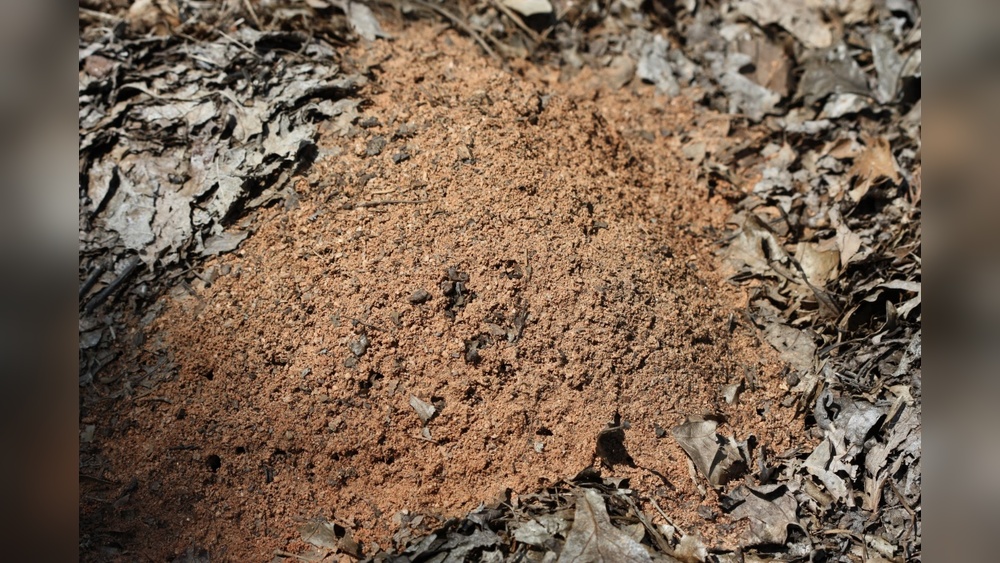
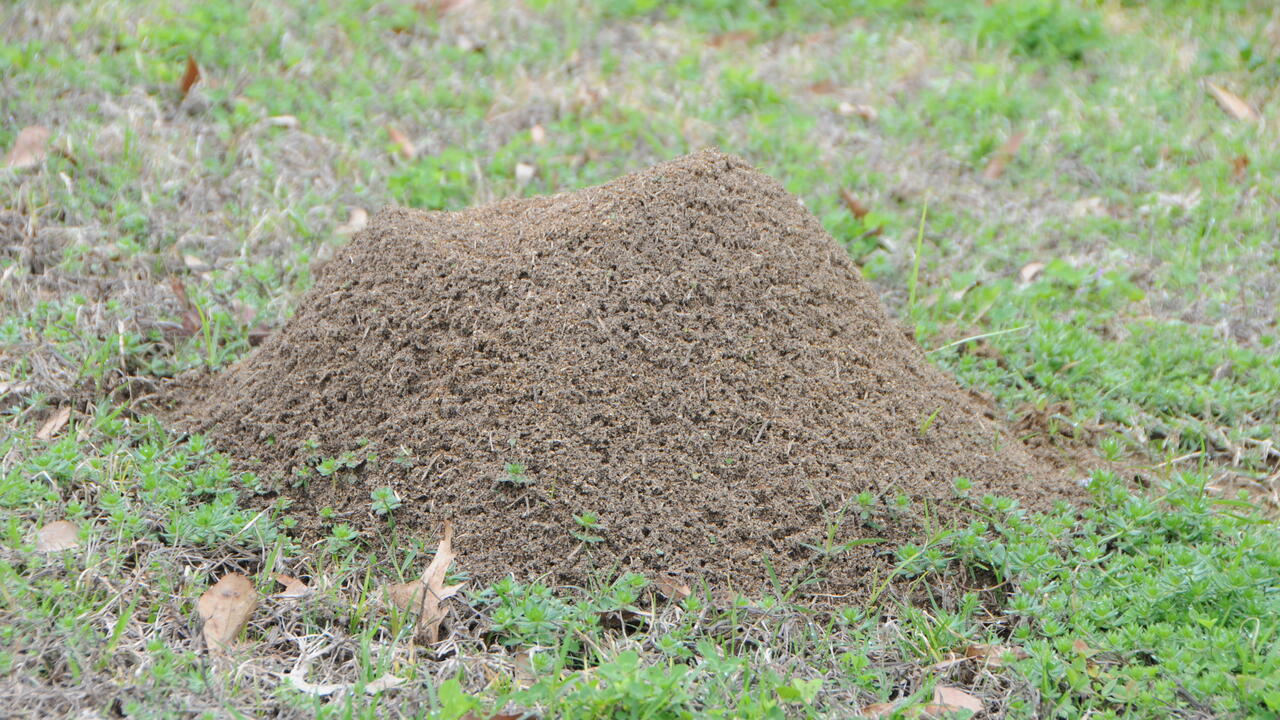
- Soil mounds: Especially after rain or irrigation.
- Foraging trails: Lines of ants moving to and from food sources.
- Clusters of aphids: Protected by ants on stems and leaves.
- Disturbed soil: Around the base of plants, indicating tunneling activity.
Plant Symptoms
Red ant infestations may be accompanied by:
- Wilting or stunted seedlings: Especially if roots are damaged or disturbed.
- Unexplained seed loss: In direct-seeded beds.
- Sticky residue: Honeydew from aphid colonies protected by ants.
Risk Assessment
It’s important to distinguish between nuisance ant activity and a harmful infestation. Occasional ant trails are normal in healthy gardens, but large mounds, frequent stings, or visible plant damage warrant intervention.
Monitoring Tools
- Sticky traps: Help detect ant and pest activity.
- Visual surveys: Regularly inspect under leaves, at soil level, and around irrigation sources.
Managing Red Ants In Vegetable Gardens: Strategies And Solutions
Prevention: Building A Less Attractive Garden
To discourage red ants from colonizing your garden:
- Remove food sources: Clean up dropped fruit, compost scraps, and pet food.
- Control aphids and scale insects: Reduce honeydew production that attracts ants.
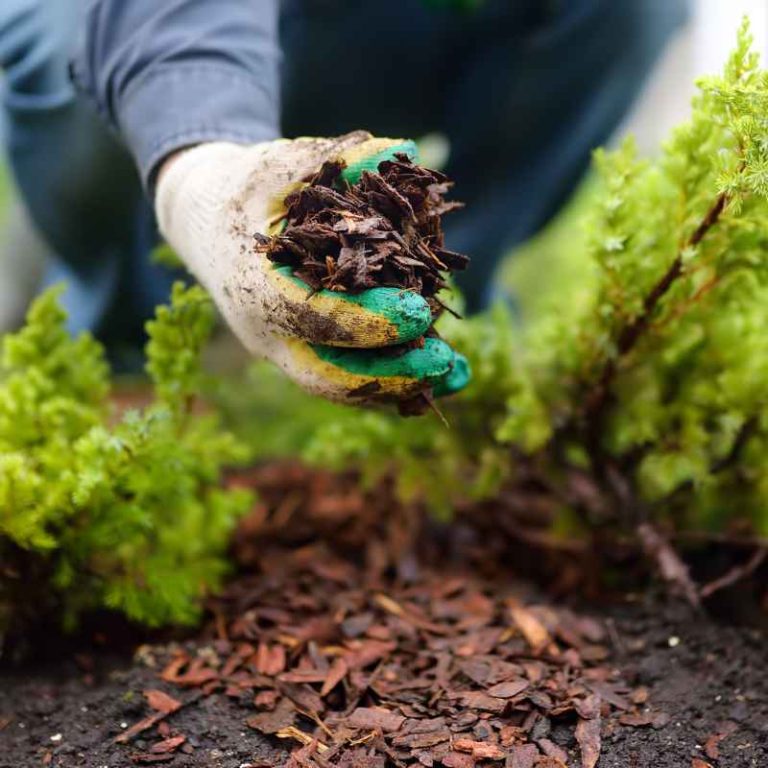
- Mulch carefully: Thick mulch can provide nesting sites; use sparingly.
Physical And Mechanical Controls
- Boiling water: Pour directly onto ant mounds (effective for small infestations, but may harm plants).
- Barrier methods: Diatomaceous earth or sticky bands around plant bases can deter ant movement.
- Hand removal: For small colonies, digging out nests (with caution) can be effective.
Biological Controls
- Beneficial nematodes: Certain nematode species (e.g., *Steinernema carpocapsae*) attack ant larvae.
- Predatory insects: Encouraging ground beetles and spiders may help control ant populations, though not fire ant-specific.
Chemical Control: When And How To Use
Chemical controls should be a last resort, especially in food-producing gardens. If necessary, opt for:
- Baits: Slow-acting ant baits containing hydramethylnon or spinosad, placed away from vegetables.
- Insecticidal dusts: For direct mound treatment, but avoid use near edible crops.
Many fire ant baits are approved for use around vegetables when applied according to label directions (EPA). Always follow safety guidelines to prevent contamination.
Integrated Pest Management (ipm) Approach
A successful red ant management plan often combines several methods:
- Monitor: Regularly check for ants and pest populations.
- Identify: Confirm species before taking action.
- Control: Use cultural, mechanical, and biological methods first; apply chemicals only if necessary.
- Evaluate: Assess effectiveness and adjust strategies as needed.
Case Study: Successful Ipm In A School Garden
In a Florida elementary school garden, an integrated approach combined removal of aphid-infested plants, careful use of ant baits, and regular monitoring. Within two months, fire ant numbers dropped by 80%, aphid outbreaks declined, and vegetable harvests improved. This underscores the value of IPM in managing red ants with minimal environmental impact.
Eco-friendly And Organic Solutions For Red Ant Control
Natural Repellents
Several natural substances deter red ants without harming plants or beneficial insects:
- Cinnamon: Sprinkle around plant bases or ant trails.
- Citrus peels: Place near mounds; limonene is toxic to ants.
- Vinegar: Mix with water and spray on ant trails (avoid direct plant contact).
Companion Planting
Some plants are thought to repel ants or disrupt their activity:
- Mint
- Tansy
- Garlic
- Chives
These can be planted around garden borders to help keep ants at bay.
Organic Insecticides
- Diatomaceous earth: Food-grade DE damages ants’ exoskeletons, leading to dehydration.
- Boric acid: Mixed with sugar water as a bait; use with caution to avoid non-target impacts.
Encouraging Ant Predators
Birds, toads, and some reptiles feed on ants. Providing habitat features (such as water sources and shelter) can increase natural predation.
Table: Effectiveness And Safety Of Common Red Ant Controls
| Control Method | Effectiveness | Safety for Edibles | Environmental Impact |
|---|---|---|---|
| Boiling Water | Moderate (small nests) | Safe if applied carefully | Minimal, risk to nearby plants |
| Diatomaceous Earth | Moderate | Safe | Low, non-toxic to humans |
| Commercial Ant Baits | High | Safe if used per label | Low-moderate |
| Chemical Insecticides | High | Risk of contamination | High, harmful to non-targets |
| Companion Planting | Low-moderate | Safe | None |
Real-world Example: Organic Red Ant Control In A Market Garden
An organic vegetable farm in Georgia successfully reduced fire ant populations by 60% using a combination of diatomaceous earth, citrus oil sprays, and intensive aphid management. The grower reported fewer ant mounds, less plant damage, and no reduction in beneficial insect activity—a testament to the power of organic strategies.
Long-term Red Ant Management: Prevention And Garden Health
Building Resilient Garden Ecosystems
Healthy, biodiverse gardens are less likely to experience severe red ant problems. Key practices include:
- Crop rotation: Reduces pest buildup and disrupts ant food sources.
- Diverse plantings: Attracts a range of beneficial insects and predators.
- Healthy soil management: Regular addition of compost improves structure and resilience.
Regular Monitoring And Maintenance
Consistent observation allows early detection and intervention:
- Weekly walk-throughs: Check for mounds, trails, and pest outbreaks.
- Record-keeping: Note changes in ant activity, plant health, and effectiveness of control methods.
Community-based Efforts
Red ant management is most effective when neighbors coordinate efforts. Community gardens, homeowners’ associations, and local extension offices can share resources and strategies.
Utilizing Extension Resources
Many state universities and agricultural agencies provide detailed, region-specific guidance on managing fire ants and other red ants (University of Kentucky Extension). Tapping into these resources ensures you’re using the latest, most effective recommendations.
Real-world Example: Neighborhood Ant Control Program
A residential neighborhood in Alabama organized a “fire ant week,” during which residents applied baits simultaneously. Over 80% of properties saw a dramatic decline in mound numbers, and vegetable gardens experienced fewer pest outbreaks and less plant damage.
Frequently Asked Questions
Are All Red Ants Harmful To Vegetable Gardens?
No, not all red ants are harmful. While fire ants can damage plants and pose health risks, many native red ant species are largely neutral or even beneficial, preying on pest insects and improving soil structure.
How Can I Tell If I Have Fire Ants Or Another Red Ant Species?
Fire ants build dome-shaped mounds and react aggressively when disturbed. They are reddish in color with darker abdomens. Native red ants are usually less aggressive and build smaller, less conspicuous nests. For positive identification, consult a local extension office or entomologist (Natural History Museum).
Will Ants Eat My Vegetable Plants?
Most ants, including red ants, do not eat healthy vegetable plants. However, some may feed on seeds, seedlings, or root material, especially if other food sources are scarce. The greater risk is indirect—when ants protect sap-sucking pests like aphids that damage plants.
What Is The Safest Way To Remove Red Ants From My Vegetable Garden?
The safest methods include using boiling water, diatomaceous earth, or organic ant baits. Start with non-chemical approaches and only use pesticides as a last resort, carefully following all label instructions for edible crops (Gardening Know How).
Can Red Ants Be Beneficial To My Garden?
Yes, in moderate numbers, red ants can be beneficial by preying on pest insects and aerating the soil. However, invasive species like fire ants can quickly become a problem if not monitored and managed.
Red ants are complex members of the garden ecosystem—capable of both harm and help. While fire ants and other aggressive species require careful management, it’s important to recognize the potential benefits that controlled ant populations can bring to your vegetable garden. By staying vigilant, practicing integrated pest management, and choosing eco-friendly solutions, you can minimize the risks and maximize the rewards of gardening alongside these industrious insects. For further reading and expert advice, consult your local extension office or reputable sources like the Gardens Alive and Wikipedia. With the right knowledge and proactive care, your vegetable garden can thrive—red ants and all.