How to Fertilize a Vegetable Garden Without Overdoing It
To fertilize a vegetable garden without overdoing it, test the soil first, feed only when the crop stage and soil results call for it, and stop once growth is steady and leaves stay healthy. Too much fertilizer wastes money, pushes leafy growth ahead of fruiting, and can burn roots or wash into drains and streams. This guide shows how to choose the right timing, amount, and stopping point for common garden crops.
This guide is part of our Vegetable gardening guide series.
What fertilizer is, and when a garden actually needs it


Fertilizer supplies plant nutrients. A garden needs it when the soil cannot provide enough of the nutrients a crop is using, or when a crop’s growth stage calls for a small boost beyond what compost and existing soil fertility can provide.
Compost builds organic matter and helps soil hold water and nutrients. It is a strong base, but in many gardens it does not replace fertilizer entirely, especially for heavy-feeding vegetables or beds with low nutrient reserves.
Which crops usually need more feeding
Crops like corn, squash, tomatoes, and potatoes may need mid-season feeding. Beans and peas usually require minimal fertilizer. Leafy greens often need feeding at planting and again when they are one-third grown, but they can also be overfed easily if the soil is already fertile.
Tomatoes are a common example of a crop that changes its appetite over time. They often need feeding at planting and again when first fruits set, then may be fed every 2 to 4 weeks if the soil and growth rate justify it. After tomatoes start flowering, low-nitrogen fertilizer is usually the better choice because it shifts growth toward flowers and fruit instead of extra foliage.
Should you do a soil test before fertilizing?
Yes. A soil test should be your starting point before adding nutrients, especially in a new garden. The guide recommends a basic soil test in autumn before fertilizing a new garden, and cooperative extension testing is often free or low cost. A soil test helps you avoid adding nutrients that are already high.
Why autumn is the best time for testing
Autumn testing gives you time to plan amendments before spring planting. It is especially useful when you are building beds, correcting pH, or deciding whether compost alone is enough for part of the garden. Soil tests do not need to be done every year in every bed.
Repeat a test when you are changing beds, seeing repeated poor growth without another clear cause, or starting over in a spot with unknown history. If a bed already tested high in the nutrient you want to add, stop there and choose a lighter feeding plan instead of routine fertilizing.
How soil tests keep you from overapplying
Soil tests tell you what is already present. That matters because vegetable fertilizer mistakes usually come from treating every bed as if it needs the same dose. A rich bed may only need compost and careful watering, while a depleted bed may need targeted fertilizer based on the crop.
How much fertilizer should you use without overdoing it?
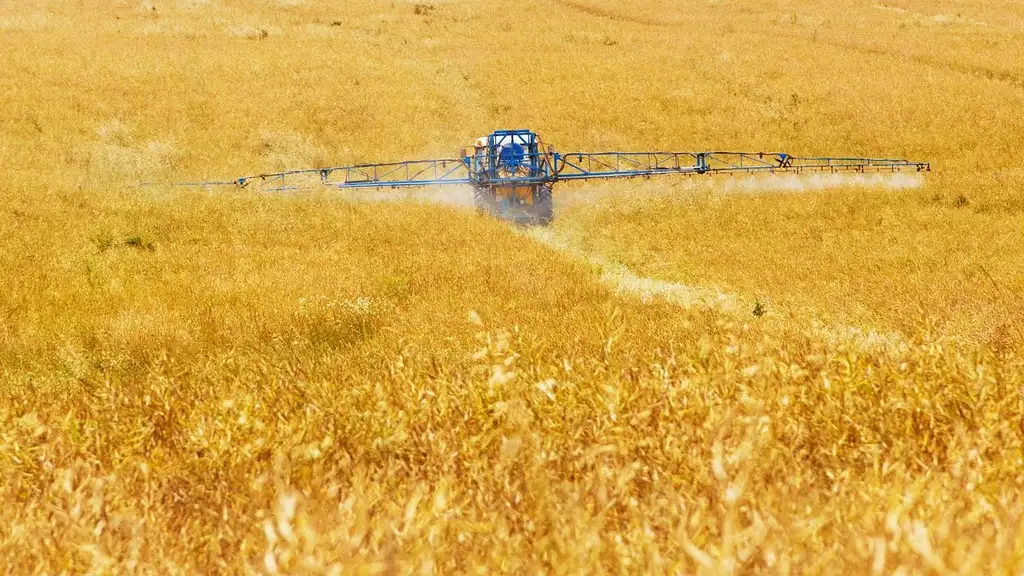
Use the label rate, then stop. Do not round up because the bed “looks hungry.” Overapplication can burn roots, push too much leafy growth, reduce flowering and fruiting, and send excess nutrients into runoff. The safest amount is the smallest amount that matches the crop, the soil test, and the season.
Read the label like a limit, not a suggestion
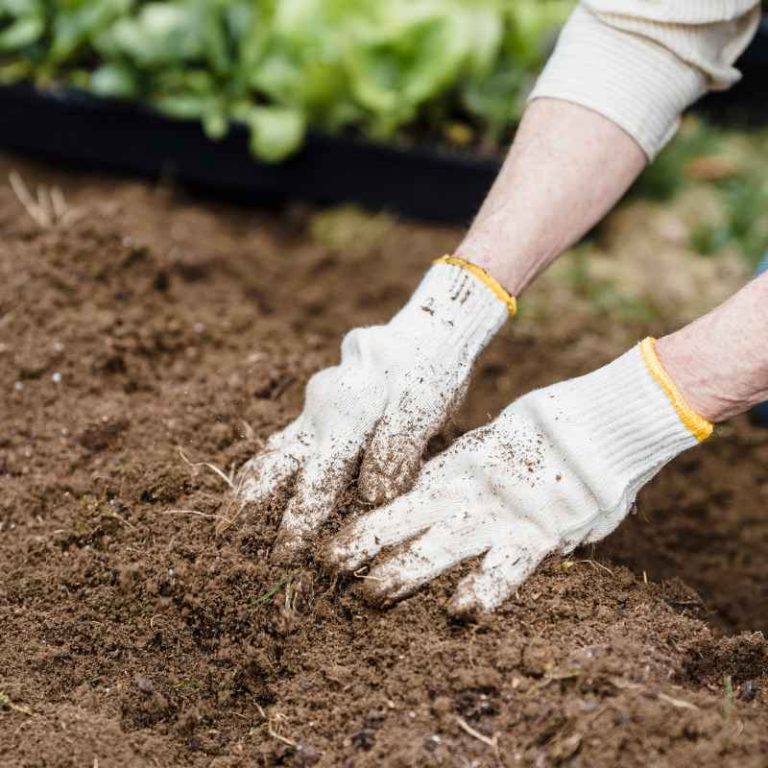
Granular fertilizer can be gently worked into the upper 3 to 5 inches of soil, and after applying granular fertilizer, the guide says to water it in. That is a controlled application, not a broadcast-and-hope approach. Overlapping passes, double-feeding the same row, and guessing at “a little extra” are common mistakes.
Say your raised bed has tomatoes on one end and beans on the other. The tomatoes may justify a side-dressing, while the beans likely do not. Applying the tomato rate across the whole bed would overfeed the legumes and may create excess leafy growth where you want pods.
Container, raised bed, and in-ground differences
Containers dry out faster, so fertilizer salts can concentrate more quickly if watering is irregular. Use smaller, more cautious doses and check moisture before feeding. Raised beds often warm faster and can support steadier growth, but they still need crop-specific rates rather than a blanket dose.
In-ground beds generally hold more moisture and buffer nutrients better, which lowers burn risk compared with containers, but runoff risk still rises if you feed before rain or on already wet soil. For any bed type, feeding should match what the plant can use now, not what the gardener hopes it will use later.
When should you fertilize vegetables in spring?
For edible crops, fertilizer is usually applied in spring before planting. That gives young roots access to nutrients as they establish. If a crop seems to need a starter fertilizer, use only a small amount at seeding, then consider a later application only if the crop and soil appear to need it.
Before planting: base fertility and starter fertilizer
Starter fertilizer helps long-season crops at seeding. It supports early growth, but it is not a license to keep feeding heavily all season. The second application should follow crop stage, not habit. Corn and tomatoes are common examples of crops that often need a later feeding.
Compost can be mixed in before planting as the soil-building base. Then fertilizer fills the gap if the soil test or crop demand shows that compost alone will not carry the crop through the season.
After planting: side-dressing established crops
Established plants can be side-dressed with granular fertilizer when growth or crop stage justifies it. Work it gently into the top soil layer near the root zone, then water it in. This is a better fit than pouring liquid fertilizer around young roots, which carries a higher burn risk when applied incorrectly.
Liquid fertilizer is not the safest default around young roots. It can be useful in some programs, but it asks for more care with dilution, placement, and timing. If the bed is already moist, rich, or close to a storm, wait.
What fertilizer is best for tomatoes, peppers, and leafy greens?
The best fertilizer depends on crop stage. Tomatoes usually do best with starter fertilizer at planting, then low-nitrogen fertilizer after flowering begins. Leafy greens often need feeding at planting and again when they are about one-third grown. Peppers generally need gentler, steady feeding rather than heavy doses.
Leafy greens need caution, not a heavy hand
Leafy greens can respond quickly to nitrogen, which is why they are also easy to overfertilize. Too much feeding can lead to lush leaves, weak texture, and poor overall balance. Feed them at planting, then recheck growth before adding more when they are one-third grown.
Heavy feeders need mid-season attention
Corn, squash, tomatoes, and potatoes often need mid-season feeding because they move through demand spikes as they grow. Corn is identified as a heavy feeder needing extra fertilizer during rapid growth. The key is to feed during that active stage, not repeatedly on a calendar.
Suppose a corn patch looks pale during rapid growth after a stretch of dry weather. The first move is usually to water, not to pour on fertilizer. Drought stress can mimic deficiency, and feeding a stressed crop can worsen burn risk.
How do you avoid fertilizer burn and runoff?
Stop rules matter more than brand names. Do not feed if the soil already seems rich, plants are drought-stressed, or heavy rain is likely soon. Those three conditions are where burn and runoff problems usually start, especially with quick-release products or repeated applications.
Granular fertilizer around established plants
Granular fertilizer is usually the safer form for established plants because it can be placed more precisely. Gently work it into the upper 3 to 5 inches of soil where appropriate, then water it in after application. Avoid piling it against stems, and do not feed the same row twice by accident.
Liquid fertilizer and burn risk
Liquid fertilizer can move quickly, which is helpful only when the dose and dilution are correct. It is less forgiving around young roots and can burn more easily than granular fertilizer when applied incorrectly. If you are unsure, the steadier choice is usually a slow-release form.
Stop-when-satisfied checklist
- Check the soil test first.
- Feed only if the crop stage justifies it.
- Skip feeding if the bed is already rich.
- Skip feeding if plants are wilted from drought.
- Skip feeding if heavy rain is likely within 24 hours.
- Water in granular fertilizer after application.
- Recheck plant response before feeding again.
What are signs of too much fertilizer on vegetables?
Too much fertilizer often shows up as excessive leaf growth with weak flowering or fruiting, leaf edge burn, wilting after feeding, or a salt-stress look even when the soil is moist. Those signs point to overfertilizing more often than to a need for more nutrients.
Overfertilizing, nitrogen deficiency, or watering problem?
Excess fertilizer usually causes scorched edges, very dark leafy growth, or a plant that looks lush but does not set fruit well. Nitrogen deficiency tends to show as overall pale growth and slow development, while watering problems often cause wilting that improves after irrigation.
A common first-timer mistake is feeding a wilting tomato because it looks hungry. If the soil is dry, the plant may simply need water first. Fertilizer on dry, stressed roots can make the problem worse.
Decision matrix: when to feed, what to use, and when to stop
Use this as a one-page check before each feeding. It ties crop type, growth stage, fertilizer form, and stop rules together so you do not default to a blanket routine. If any stop rule applies, wait and reassess instead of feeding automatically.
| Crop type | Growth stage | Fertilizer form | Stop-when-satisfied rule |
|---|---|---|---|
| Leafy greens | At planting; again when one-third grown | Granular or slow-release organic fertilizer | Stop if leaves are deep green, growth is steady, and the soil test was already fertile |
| Tomatoes | At planting; again at first fruit set; then as needed every 2 to 4 weeks | Starter fertilizer, then low-nitrogen fertilizer | Stop if flowering is good, fruits are setting, and foliage is already vigorous |
| Corn | Rapid growth | Granular side-dress | Stop if the soil is rich, the stand is already dark green, or rain is due within 24 hours |
| Squash | Vine growth and early flowering | Granular or slow-release organic fertilizer | Stop if leaves are oversized and fruiting is behind foliage growth |
| Potatoes | Early growth to tuber set | Granular fertilizer worked into soil gently | Stop if soil tests high or tops are overly lush |
| Beans and peas | Most stages | Minimal fertilizer, if any | Stop unless soil test or visible deficiency calls for correction |
Organic versus synthetic, in plain terms
Organic fertilizers come from biological materials and often release nutrients more slowly. Synthetic fertilizers are manufactured nutrient sources and can act faster. A slow-release organic fertilizer is often preferred when lower burn risk and steadier growth matter more than quick correction.
Milorganite advises avoiding high-nitrogen fast-release fertilizers for garden pest resilience and recommends low nitrogen slow release fertilizer instead. It also says compost may help soil hold fertilizer better and reduce washing into waterways. Those ideas fit the same stop-when-satisfied approach.
Frequently asked questions
How do I fertilize a vegetable garden without overdoing it?
Start with a soil test, feed only when the crop stage justifies it, and stop when growth is steady and healthy. Use the label rate, not a guessed-up dose. Skip feeding if soil is already rich, plants are drought-stressed, or heavy rain is expected within 24 hours.
How much fertilizer should I use in a vegetable garden?
Use the rate on the label as your cap, then adjust downward if the soil test shows good fertility or if the crop is a light feeder. Containers usually need smaller, more careful doses than in-ground beds because salts build up faster and burn risk is higher.
When should I fertilize vegetables in spring?
For edible crops, the usual timing is spring before planting. That is the right time for base fertility and, for long-season crops, starter fertilizer at seeding. After planting, wait for crop stage to justify any side-dressing rather than following a fixed calendar.
What fertilizer is best for tomatoes, peppers, and leafy greens?
Tomatoes often do best with starter fertilizer at planting and low-nitrogen fertilizer after flowering begins. Leafy greens usually need a light feeding at planting and again when they are one-third grown. Peppers usually respond better to moderate, steady feeding than to heavy applications.
Can you overfertilize a vegetable garden?
Yes. Too much fertilizer can burn roots, drive excess leafy growth, reduce flowering and fruiting, and increase runoff. The warning signs include leaf-edge burn, wilting after feeding, and very lush tops with poor crop set. Those signs call for less fertilizer, not more.
Should I use liquid or granular fertilizer in a vegetable garden?
Granular fertilizer is usually the safer default around established plants because it can be worked into the upper 3 to 5 inches of soil and watered in after application. Liquid fertilizer can work, but it carries more burn risk when used incorrectly, especially around young roots.