What Flowers Protect Vegetable Gardens
Out smaller crops if not carefully managed. Always research the growth habits and potential allelopathic effects of any flower before including it in your vegetable garden, and pay attention to spacing recommendations to minimize competition for resources.
Do Flowers Attract Pollinators And Help With Vegetable Yields?
Absolutely. Flowers such as borage, calendula, sunflowers, and alyssum are excellent at attracting bees, butterflies, and other pollinators. Increased pollinator presence can dramatically improve fruit set and yields, particularly in crops like tomatoes, squash, cucumbers, and melons. Studies have consistently shown that gardens with a diversity of flowering plants experience higher rates of pollination and, as a result, greater harvests.
Enhancing The Effectiveness Of Flower Integration
Supporting A Healthy Garden Ecosystem
Building a thriving vegetable garden with flowers goes beyond simply planting seeds. Consider the following ecosystem-supporting strategies for even better results:
- Provide water sources such as shallow dishes or birdbaths to support pollinators and beneficial insects.
- Avoid broad-spectrum insecticides, which can harm both pests and beneficial insects.
- Incorporate organic mulches to retain moisture, suppress weeds, and create habitat for ground beetles and predatory insects.
- Leave small brush piles or undisturbed corners where beneficial insects and pollinators can shelter and overwinter.
Monitoring And Adaptive Management
Regular observation is critical to optimizing your flower-vegetable combinations. Keep a garden journal to track which flowers are most effective in your local context, noting the timing and severity of pest outbreaks, the presence of beneficial insects, and overall crop performance.
This data-driven approach will allow you to refine your planting schemes year by year.
Tips for Effective Monitoring:
- Use yellow sticky traps or visual surveys to monitor pest and beneficial insect populations.
- Record weather patterns and garden conditions to correlate with pest or pollinator activity.
- Adjust flower species, placement, and density based on observed outcomes.
Layering Diversity For Maximum Benefit
Think in layers—combine annuals, perennials, herbs, and native wildflowers for a multilayered approach to pest management and pollinator support. For example:
- Low layer: Alyssum, calendula, and creeping thyme serve as ground cover and attract beneficials.
- Mid layer: Nasturtiums and zinnias provide trap cropping and pollinator resources.
- Tall layer: Sunflowers and dill offer structural diversity and habitat for birds and predatory insects.
This layered approach not only boosts pest control but also enhances the overall beauty and ecological health of your garden.
Leveraging Native Flowers And Regional Plants
Native flowers are often overlooked but can be among the most effective companions for vegetables. They are adapted to local conditions, tend to require less maintenance, and are highly attractive to indigenous pollinators and predators.
Examples of Native Flowers for Pest Control:
- Purple coneflower (Echinacea purpurea): Attracts bees and parasitic wasps.
- Coreopsis (Coreopsis spp. ): Supports lacewings and native bees.
- Bee balm (Monarda fistulosa): Excellent for attracting a wide range of pollinators.
- Yarrow (Achillea millefolium): Hosts ladybugs and predatory wasps.
Check with local extension offices or native plant societies for recommendations tailored to your region.
The Role Of Flowers In Organic And Regenerative Gardening
Reducing Reliance On Chemicals
One of the most significant benefits of using flowers for vegetable garden protection is the reduction in reliance on chemical pesticides and fertilizers. This not only creates a safer, more enjoyable garden environment but also promotes long-term soil health and environmental sustainability.
- Soil microbiome: Diverse plantings support a richer soil microbial community, which is key to nutrient cycling and disease suppression.
- Water conservation: Ground-cover flowers like alyssum help retain soil moisture and reduce erosion.
- Wildlife habitat: Flower-rich gardens support birds, amphibians, and other wildlife that contribute to pest control and ecological balance.
Aligning With Modern Sustainability Standards
Integrating flowers into vegetable gardens is a central practice in organic, permaculture, and regenerative agriculture systems. These approaches recognize that plant diversity is foundational to resilient, productive, and low-input gardens and farms.
- Permaculture zones: Flowers are often included in “zone 1” (high-traffic, high-maintenance areas) for easy access and observation.
- Pollinator pathways: Many cities and community organizations now encourage planting strips of flowers to connect fragmented habitats and support declining pollinator populations.
:max_bytes(150000):strip_icc()/beautiful-garden-with-leafy-vegetables-and-bright-colored-flowers-149164106-af0626f36c6647188ed9fae5a738a18b.jpg)
Addressing Common Challenges And Solutions
Managing Flower Vigour And Volunteer Growth
Some flowers, such as borage and calendula, readily self-seed. While this can ensure ongoing blooms, it may lead to overcrowding or unwanted spread.
Solutions:
- Thin seedlings in spring to prevent overcrowding.
- Deadhead spent flowers to control seed production.
- Use barriers or edging to contain aggressive species.
Balancing Aesthetics And Function
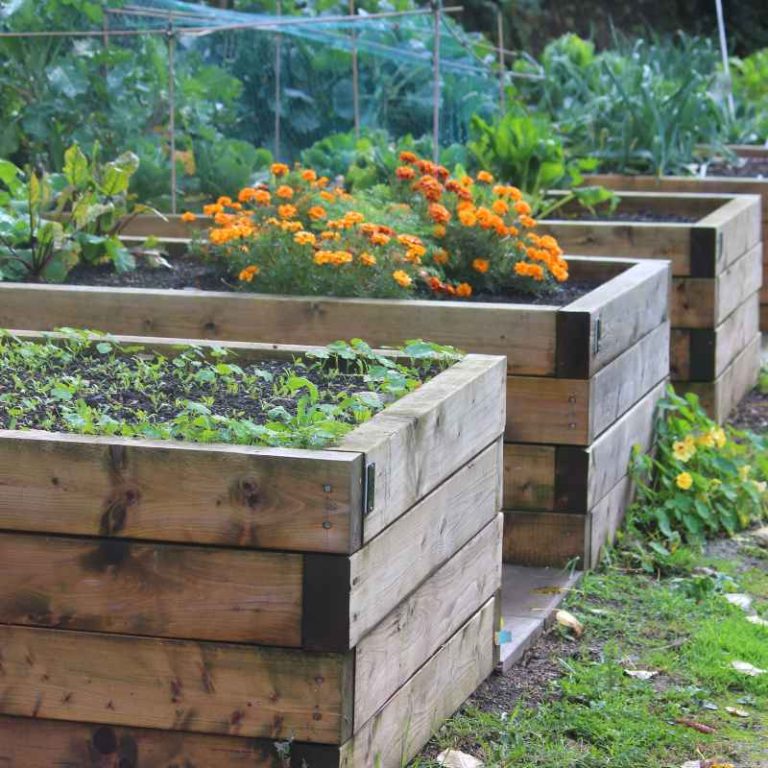
It’s possible to design a garden that is both beautiful and productive. Select flowers with complementary colors, heights, and bloom times to create visually pleasing combinations. For example, interplanting orange marigolds with purple basil, blue borage, and yellow calendula can yield a stunning, functional border.
Supporting Pollinator Health
Avoid using neonicotinoid-treated seeds or plants, as these chemicals are harmful to pollinators. Opt for organic or untreated flower seeds, and provide continuous blooms from early spring through late fall to support pollinators throughout their active season.

Case Study: Small-scale Urban Farm Integration
A small-scale urban farm in Portland, Oregon, adopted an intensive companion planting scheme in 2026. By alternating rows of tomatoes, peppers, and leafy greens with densely planted strips of marigolds, alyssum, and borage, the farm reported:
- Reduced pest outbreaks—fewer than 5% of tomato plants affected by hornworms, compared to 18% the previous year.
- Increased pollinator visits, leading to a 12% rise in cucumber and squash yields.
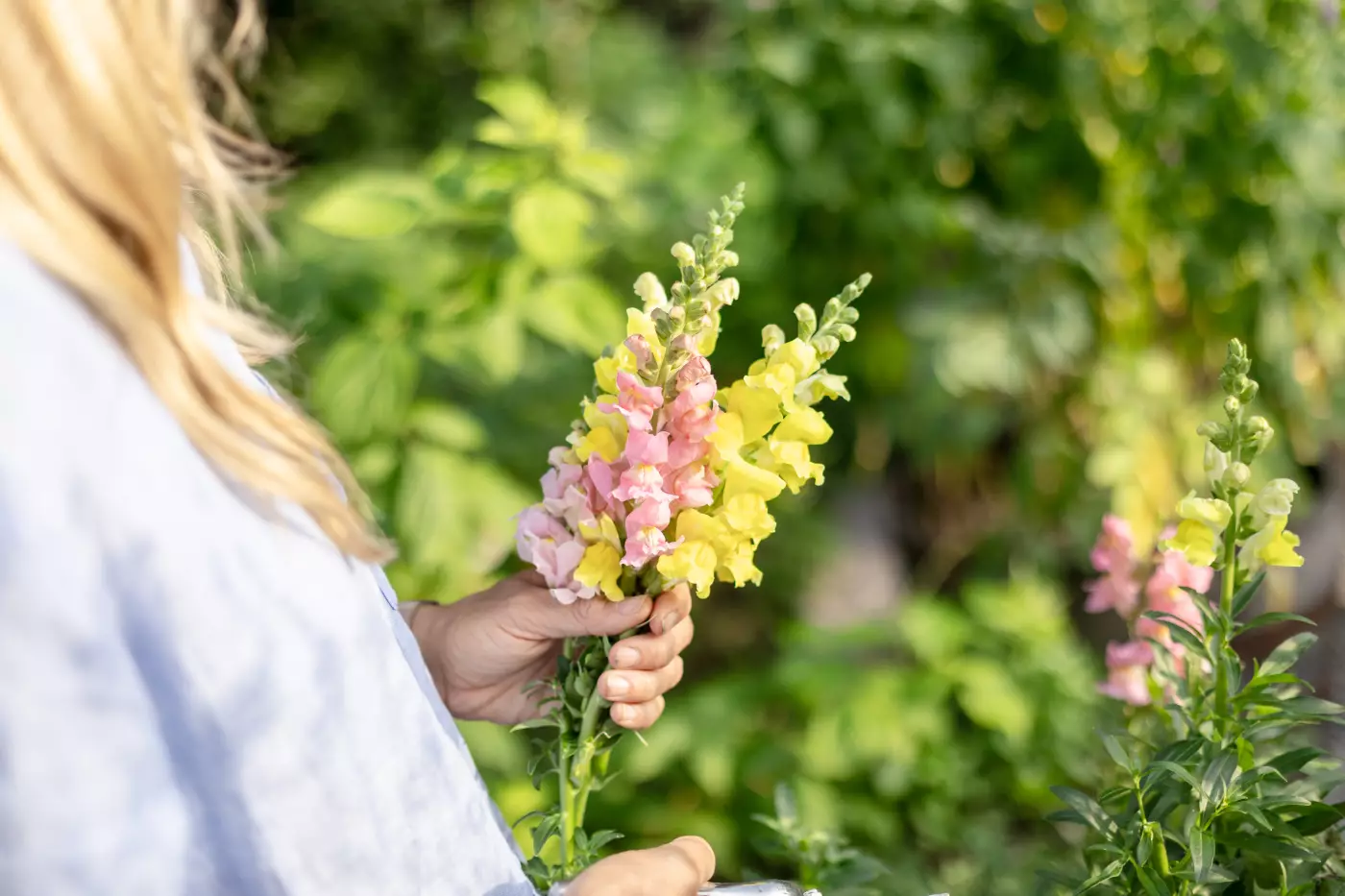
- Enhanced marketability—flower bouquets became a secondary income stream, using the same flowers planted for pest control.
This example highlights the economic, ecological, and aesthetic benefits of integrating flowers into diverse garden systems.
Getting Started: Actionable Steps For Gardeners
Ready to protect your vegetables with flowers? Here’s a simple plan:
- Assess your garden: Identify key pest threats and crops that need pollinator support.
- Select 2–4 flower species: Start with easy-to-grow options like marigolds, alyssum, nasturtiums, and calendula.
- Plan your layout: Use borders, interplanting, or flower strips based on your available space.
- Sow successively: Plant flowers with staggered bloom times for season-long coverage.
- Monitor and adjust: Observe pest, pollinator, and vegetable health, and refine your plantings annually.
- Stay organic: Avoid pesticides and synthetic fertilizers that can disrupt beneficial insect populations.
Final Thoughts
Incorporating flowers into your vegetable garden is a research-backed, time-tested strategy that offers far more than just visual appeal. By selecting the right species, planning strategic placement, and nurturing plant diversity, gardeners can harness natural pest control, foster pollinator abundance, and improve soil and crop health—all while reducing reliance on chemicals.
From small urban plots to large-scale organic farms, the power of flowers in sustainable vegetable production is clear.
Whether you’re a new gardener or a seasoned grower, embracing the synergy between flowers and vegetables will help you build a more resilient, productive, and beautiful garden ecosystem. For further reading, consult reputable sources such as the [Royal Horticultural Society](https://www.rhs.org.uk/prevention-protection/companion-planting), [SARE](https://www.sare.org/publications/insect-management/), and local extension offices for region-specific advice. Happy gardening!