Can Vegetable Plants Be Planted In Flower Gardens
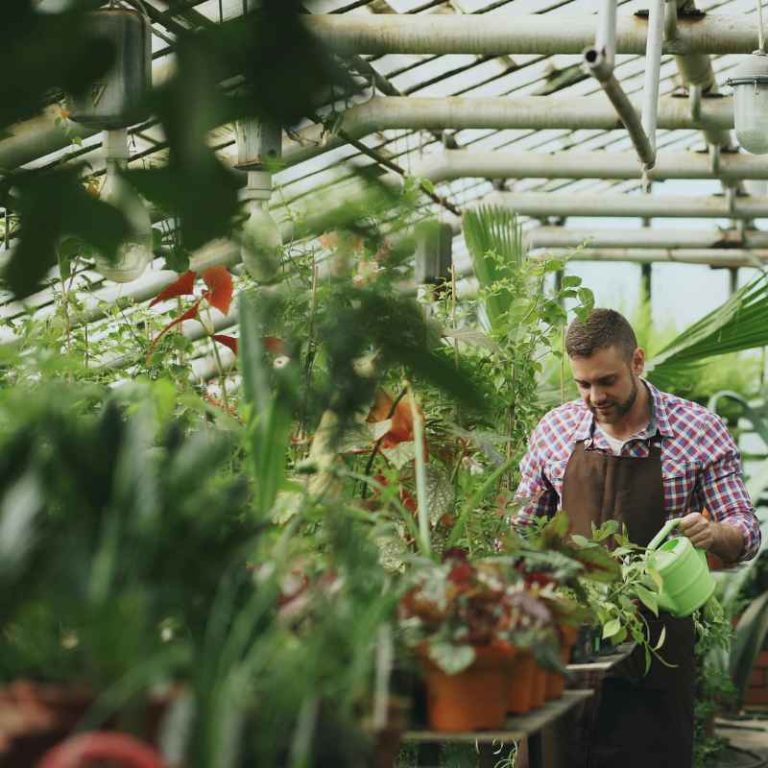
Gardening enthusiasts and homeowners often face a crossroads: should they keep their vegetable plants and flower gardens separate, or can they combine both for maximum beauty and yield? The traditional approach has long been to segregate edible and ornamental plants. However, modern gardening trends and ecological insights are challenging this notion, suggesting that integrating vegetables into flower gardens can offer surprising benefits, ranging from improved aesthetics to enhanced soil health and pest control.
As more people seek to optimize limited gardening space and create visually captivating landscapes, the concept of edible landscaping is gaining momentum. This method not only maximizes productivity but also transforms gardens into multi-purpose spaces that provide food, attract pollinators, and delight the senses. But is it truly practical to plant vegetable crops among your blooms? What challenges and advantages does this strategy present? In this comprehensive guide, we’ll explore the feasibility, science, and best practices of planting vegetable plants in flower gardens, providing actionable insights for both novices and seasoned gardeners.
Key Takeaways
- Vegetable plants can thrive in flower gardens, offering both ornamental and functional advantages when properly planned.
- Integrating edibles and ornamentals can improve biodiversity, soil health, and pest management.
- Strategic plant selection and garden design are crucial for maximizing yield and visual appeal.
- Practical considerations include light, soil compatibility, and maintenance routines.
- Real-world examples demonstrate the success of edible-ornamental integration in diverse climates and settings.
The Science Behind Mixing Vegetables And Flowers
Biodiversity And Ecosystem Benefits
Mixing vegetables and flowers fosters greater biodiversity in the garden, which translates to healthier plants and fewer pest problems. Diverse plantings attract a wider range of beneficial insects such as pollinators and predators of common pests. For instance, marigolds are known to deter nematodes in the soil, while nasturtiums can act as a trap crop for aphids, reducing infestations on your tomatoes or beans.
Research by the Royal Horticultural Society has shown that gardens with mixed plantings experience fewer outbreaks of pests compared to monocultures. Increased plant diversity also supports healthier soil microbiomes, which can enhance nutrient cycling and disease resistance.
Companion Planting Synergy
Companion planting leverages the natural interactions between different plant species. Certain flowers can enhance the growth and flavor of nearby vegetables by attracting pollinators or repelling harmful insects. For example, basil planted near tomatoes is believed to improve tomato flavor and growth, while calendula attracts pollinators and beneficial wasps.
This mutually supportive dynamic not only boosts productivity but also reduces the need for chemical interventions, making your garden more sustainable and eco-friendly.
Soil And Microclimate Improvements
Integrating vegetables with flowers can help optimize soil structure and create beneficial microclimates. Deep-rooted flowers like echinacea break up compacted soil, allowing vegetable roots to access water and nutrients more efficiently. Dense plantings also provide shade, reducing water evaporation and keeping soil temperatures stable, crucial during hot summer months.
Pro Tip: When planning your mixed garden, alternate shallow- and deep-rooted plants to optimize soil health and avoid competition for nutrients.
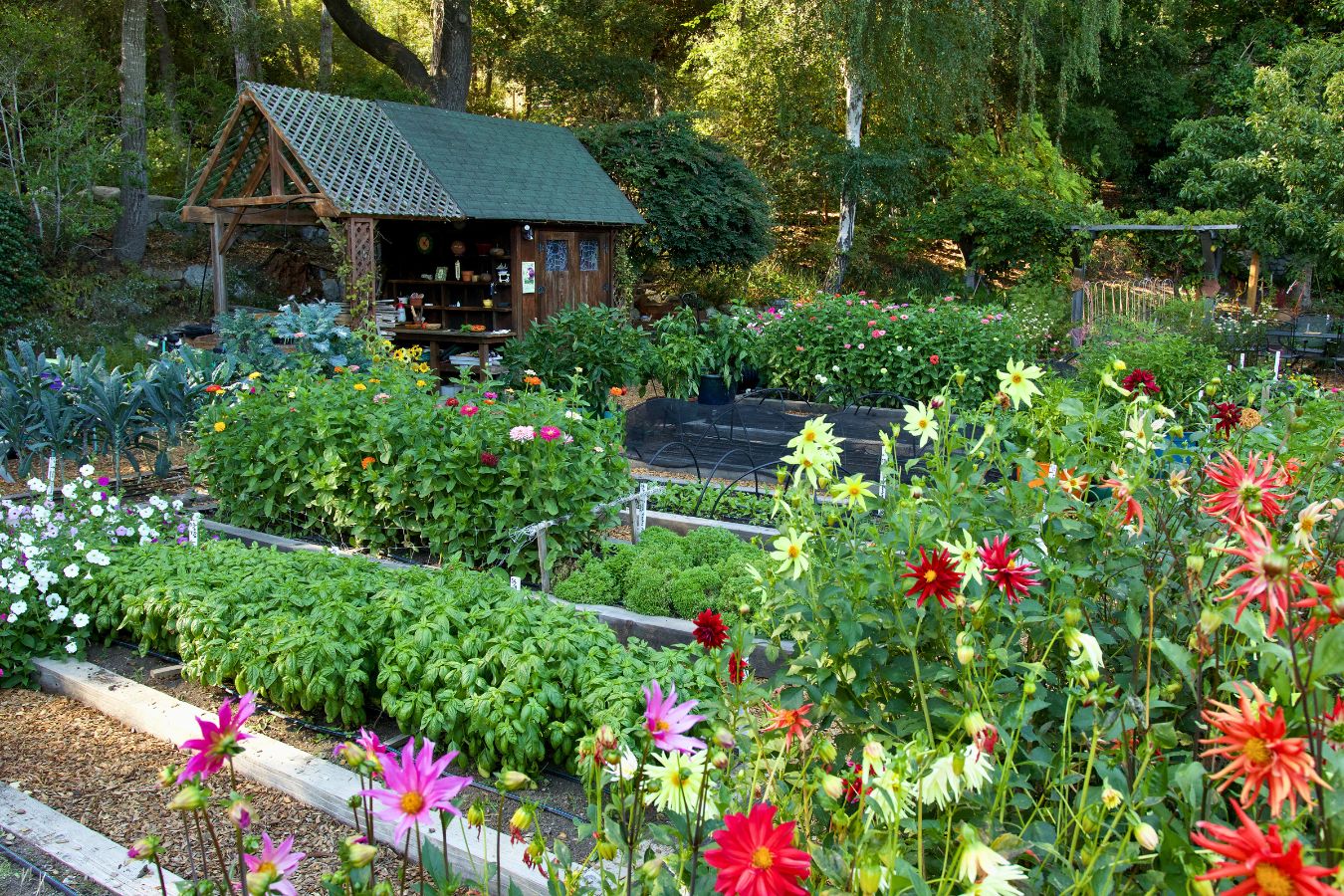
Credit: www.reneesgarden.com
Practical Considerations For Mixed Planting
Light And Space Requirements
Vegetable and flower species often have different light and spacing needs. Most vegetables, such as tomatoes and peppers, require at least 6-8 hours of direct sunlight daily. Flowers, on the other hand, can range from full sun to partial shade preferences. Proper planning is essential to ensure that sun-loving vegetables are not shaded out by taller ornamental plants.
A well-designed layout incorporates vertical layers, allowing climbing vegetables like beans or peas to grow up trellises behind low-growing flowers. This not only saves space but also creates a visually dynamic landscape.
Soil Compatibility And Amendments
While many vegetables and flowers thrive in rich, well-drained soil, some ornamentals prefer less fertile or more acidic conditions. Conducting a soil test before planting helps identify pH and nutrient levels, enabling gardeners to amend soils appropriately for both types of plants.
In my experience, adding compost and organic matter benefits both vegetables and flowers, ensuring steady nutrient availability throughout the growing season.
Watering And Fertilization
Different plants have varying water and nutrient requirements. Leafy greens, for example, need more consistent moisture than drought-tolerant perennials like lavender. Installing drip irrigation systems or grouping plants with similar needs can simplify maintenance and prevent over- or under-watering.
Maintenance And Harvesting
Combining vegetables with flowers may require adjustments in maintenance routines. Frequent harvesting of vegetables and regular deadheading of flowers keeps the garden productive and tidy. Mulching suppresses weeds and conserves moisture, benefiting both plant types.
Pro Tip: Plan pathways or stepping stones in your mixed beds for easy access to harvest vegetables without damaging ornamentals.
Table: Common Vegetable And Flower Pairings
| Vegetable | Companion Flower | Benefit |
|---|---|---|
| Tomato | Marigold | Repels nematodes and whiteflies |
| Carrot | Calendula | Attracts pollinators and beneficial insects |
| Cucumber | Nasturtium | Deters cucumber beetles |
| Lettuce | Alyssum | Attracts hoverflies (aphid predators) |
| Peppers | Petunia | Repels aphids and beetles |

Credit: www.gardenia.net
Design Principles For Edible-flower Gardens
Aesthetic Considerations
Blending vegetables into flower beds can transform utilitarian gardens into stunning landscapes. Many vegetable plants, such as purple cabbage or rainbow chard, offer ornamental foliage and vibrant colors. Tall, sturdy plants like corn or sunflowers add vertical drama, while trailing squash or peas soften garden edges.
For optimal aesthetics:
- Group vegetables with similar flower colors for harmony.
- Interplant bold-leafed vegetables with fine-textured flowers for contrast.
- Use edible flowers like nasturtium, borage, and calendula to blur the line between ornamental and edible.
Color And Texture Combinations
Pairing contrasting textures and hues creates depth and interest. For example, the feathery leaves of carrots or fennel complement the broad leaves of hostas or Swiss chard. Red-stemmed chard alongside blue salvia or orange marigolds creates a lively, eye-catching palette.
Seasonal Interest
Plan for year-round appeal by incorporating cool-season edibles (like kale or pansies in spring and fall) and warm-season vegetables (like tomatoes and zinnias in summer). As vegetables are harvested, fill gaps with annual flowers or quick-growing greens to maintain a lush look.
Structural Elements
Include pathways, trellises, and containers to organize the mixed planting. Raised beds or decorative edging help define spaces, making maintenance easier and enhancing visual order.
Table: Examples Of Ornamental Edible Plants
| Plant | Edible Part | Ornamental Feature |
|---|---|---|
| Swiss Chard | Leaves, stems | Brightly colored stems |
| Purple Basil | Leaves | Deep purple foliage |
| Scarlet Runner Bean | Pods, flowers | Scarlet blooms on vines |
| Kale (Redbor) | Leaves | Ruffled, purple leaves |
| Artichoke | Flower buds | Large, architectural leaves and blooms |
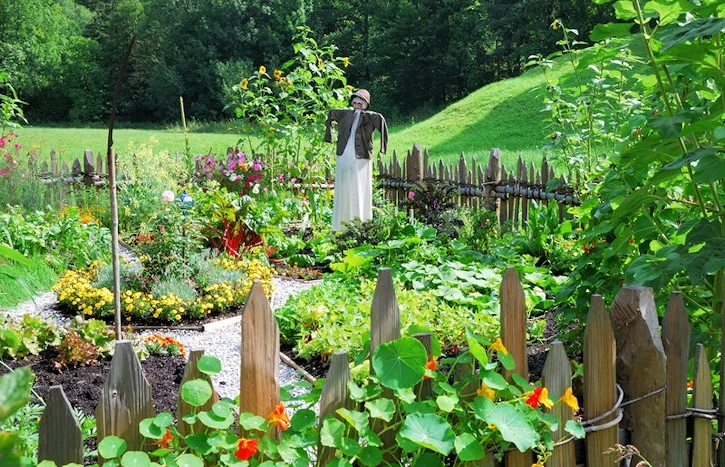
Credit: momfoodie.com
Benefits Of Integrating Vegetables Into Flower Gardens
Maximizing Limited Space
Urban and suburban gardeners often face space limitations. Integrating edibles into flower beds enables dual-purpose gardening, making every square foot productive. According to the National Gardening Association, even a small 100-square-foot garden can yield up to $700 worth of produce annually when intensively planted with vegetables and herbs.
Enhanced Pest Management
Mixed plantings disrupt pest cycles and provide habitats for natural predators. Flowers like alyssum attract hoverflies, whose larvae feed on aphids, while marigolds and nasturtiums repel soil-borne and airborne pests. This reduces reliance on pesticides and fosters a healthier ecosystem.
Improved Pollination
Many vegetables, especially fruiting types like squash, tomatoes, and beans, depend on pollinators. Including nectar-rich flowers in the same space boosts pollinator visits and increases yields. Studies from the University of California indicate that gardens with a diversity of flowering plants experience up to 30% higher vegetable pollination rates compared to monoculture beds.
Soil Health And Erosion Control
Diverse root structures stabilize soil and minimize erosion. Deep-rooted flowers and perennials create channels for air and water, while spreading vegetables like squash act as living mulch, suppressing weeds and conserving moisture.
Visual And Culinary Delight
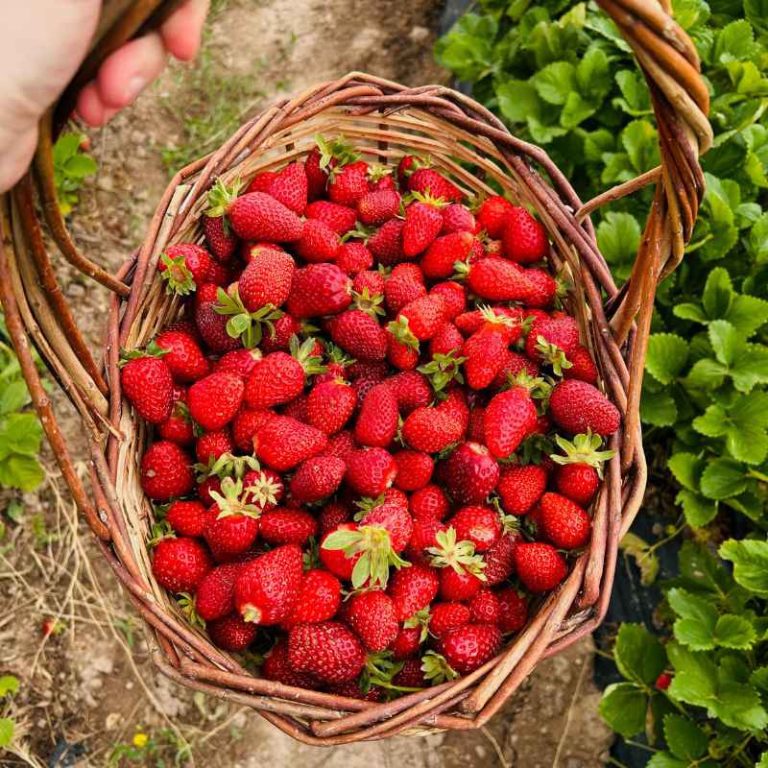
Edible landscaping offers a feast for the eyes and the table. Ornamental vegetables like rainbow chard or purple basil add color and texture, while edible flowers like calendula and nasturtium serve as garnishes in salads and desserts.
Table: Benefits Comparison, Traditional Vs. Mixed Planting
| Aspect | Traditional Segregated Beds | Mixed Edible-Flower Beds |
|---|---|---|
| Space Efficiency | Lower, requires more area | Higher, maximizes available space |
| Pest Control | Dependent on pesticides | Natural pest management via plant diversity |
| Pollination | Limited, unless nearby flowers | Enhanced, attracts more pollinators |
| Aesthetic Value | Functional, less ornamental | Blends beauty and productivity |
| Soil Health | May degrade with monoculture | Diverse roots improve soil structure |
Challenges And Solutions In Mixed Planting
Competition For Resources
Vegetables and flowers may compete for light, water, and nutrients. To mitigate this, match plants with similar requirements or use succession planting, replacing early-harvested vegetables with fast-growing flowers or vice versa.
Disease Transmission
Some diseases, such as powdery mildew or blight, can spread between closely spaced plants. Maintain adequate spacing, choose disease-resistant varieties, and remove diseased plants promptly to minimize risk.
Maintenance Complexity
Mixed beds can be more complex to manage, especially for beginners. Labeling plants, grouping by care requirements, and keeping detailed planting maps can help streamline tasks.
Harvest Disruption
Harvesting vegetables among dense flower plantings may disturb ornamentals. Design clear pathways and harvest-friendly zones to prevent accidental damage.
Pro Tip: Plan For Plant Maturity
Consider the mature size of both vegetables and flowers. Plant shorter vegetables in front, and taller or vining crops behind or on supports, to avoid shading and crowding.
Example: Overcoming Shading Issues
When a gardener in Portland, Oregon, noticed her tomatoes were struggling in a mixed bed, she rearranged the layout the following year, placing sunflowers and tall zinnias on the north edge to avoid shading the sun-loving vegetables. This simple change improved both tomato yields and the overall look of her garden.
Real-world Examples And Case Studies
Example 1: Urban Balcony Edible-flower Garden
In Chicago, an apartment dweller converted her small balcony into a thriving mixed garden. By interplanting cherry tomatoes, basil, and nasturtiums in large containers alongside petunias and verbena, she enjoyed continuous harvests and a vibrant display of blooms. Grouping plants with similar sunlight and water needs simplified care and maximized the use of a tight space.
Example 2: Community Garden Success
A community garden in Seattle adopted a mixed planting strategy to combat aphid infestations and improve yields. Planting marigolds among beans and carrots, and adding pollinator-attracting cosmos, led to noticeably fewer pest outbreaks and increased harvests. The diverse beds also became a focal point for neighborhood garden tours.
Example 3: School Garden Pollinator Project
A California elementary school integrated vegetables with native flowers in raised beds. Students monitored pollinator visits and found that beds with both edibles and flowers attracted twice as many bees and butterflies as those with only vegetables. The project received local recognition for promoting biodiversity and hands-on education.
Best Practices For Planting Vegetables In Flower Gardens
Start Small And Experiment
Begin by integrating a few vegetable plants into existing flower beds, monitoring which combinations thrive. Gradually increase diversity each season based on successes and challenges observed.
Choose The Right Varieties
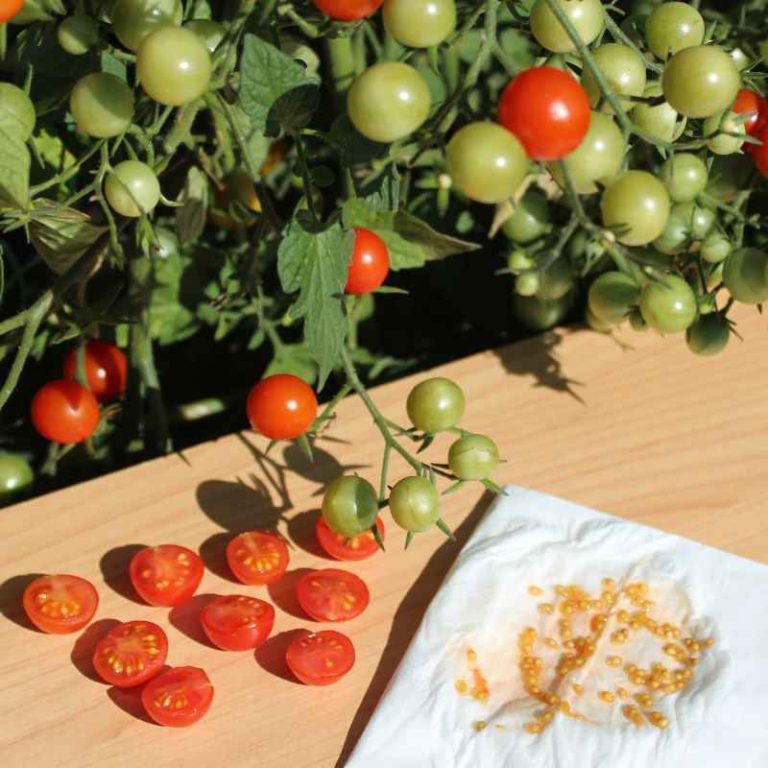
Select compact or ornamental vegetable varieties that blend well with flowers. Dwarf tomatoes, purple basil, and rainbow chard are attractive choices. Avoid aggressive spreaders or tall crops that may overshadow ornamentals unless used for vertical interest.
Plan For Continuous Color And Harvest
Stagger planting times and include succession crops to ensure there are always blooms and vegetables ready for harvest. Replace spent plants with fast-growing annuals or late-season greens.
Mulch And Fertilize Appropriately
Use organic mulches such as straw or shredded leaves to suppress weeds and conserve moisture. Fertilize based on the needs of the most demanding plants in each section, and avoid over-fertilizing, which can encourage excessive leafy growth at the expense of blooms.
Monitor Pests And Diseases Regularly
Inspect plants frequently for signs of pests or disease. Early intervention, such as hand-picking pests or removing infected leaves, can prevent larger problems.
Example: My Experience With Mixed Beds
When I tested a mixed bed of lettuce, calendula, and dwarf zinnias in my own garden, I found that the calendula attracted ladybugs, which helped keep aphids off the lettuce. The vibrant blooms also made the salad greens more appealing and easier to spot for harvest.
Plant Selection Guide For Mixed Gardens
Cool-season Vegetables And Compatible Flowers
For early spring or fall, combine cool-season vegetables like spinach, lettuce, and radishes with pansies, violas, and snapdragons. These plants thrive in similar conditions and provide color and yield before warm-season crops are planted.
Warm-season Vegetables And Summer Blooms
Pair tomatoes, peppers, cucumbers, and beans with marigolds, zinnias, and cosmos for a lush summer display. Use trellises or cages to support vining vegetables and create layers of color and texture.
Shade-tolerant Vegetables And Flowers
In partially shaded beds, grow leafy greens such as kale and chard alongside shade-loving flowers like impatiens or begonias. These combinations are ideal for north-facing gardens or areas beneath trees.
Herbs As Bridge Plants
Herbs like basil, oregano, and thyme can act as bridges between vegetable and flower sections, offering culinary value and attracting pollinators. Many herbs also have pest-repelling properties.
Table: Sample Mixed Planting Plan (10’x4′ Bed)
| Row | Plants | Features |
|---|---|---|
| 1 (North Edge) | Sunflowers, pole beans | Height, pollinator attractors |
| 2 | Tomatoes, marigolds | Edible, pest repellent |
| 3 | Swiss chard, zinnias | Ornamental foliage, blooms |
| 4 (Front Edge) | Lettuce, alyssum | Low-growing, pollinator support |
Environmental And Community Impact
Promoting Urban Agriculture
Integrating vegetables into flower gardens makes urban agriculture more accessible and visually appealing. This approach can help address food insecurity and encourage more people to grow their own produce, even in small spaces.
Supporting Pollinator Populations
Combining edibles and ornamentals provides continuous food sources for pollinators, which is critical given the decline in bee and butterfly populations globally. According to the U.S. Fish and Wildlife Service, pollinators are responsible for one out of every three bites of food Americans eat (U.S. Fish and Wildlife Service).
Fostering Community Engagement
Mixed gardens often become conversation starters and educational tools, fostering community interest in sustainable gardening and healthy eating. School and community gardens that adopt this model report higher engagement and satisfaction among participants.
Example: Public Park Edible Landscaping
In Minneapolis, a public park converted several traditional flower beds to edible landscaping, incorporating kale, chard, and cherry tomatoes among perennials. The project not only reduced maintenance costs (since vegetables replaced annuals that needed frequent replacement) but also provided free produce for local food banks.
Frequently Asked Questions
Can All Vegetables Be Grown In Flower Gardens?
Not all vegetables are ideal for integration with flowers. Root crops like carrots and beets, compact leafy greens, and bush beans usually blend seamlessly. However, sprawling crops like pumpkins or corn may overwhelm smaller beds or shade out flowers unless carefully placed or trained vertically.
Always consider the growth habits and mature size of each plant.
Are There Any Flower Species That Should Not Be Planted With Vegetables?
Some flowers, such as certain lilies or daffodils, can be toxic if their bulbs are accidentally harvested or consumed. Avoid planting toxic ornamentals near edible crops, especially in gardens used by children or pets. Additionally, highly competitive perennials like ornamental grasses may outcompete vegetables for resources.
How Do I Prevent Cross-contamination Between Ornamentals And Edibles?
To prevent cross-contamination of chemicals, avoid using synthetic pesticides or fertilizers on ornamentals near edibles. Use organic or food-safe products throughout the garden, and always wash vegetables thoroughly before consumption. Designate separate tools for edible and ornamental sections to further minimize risk.
Is It Safe To Eat Vegetables Grown Among Ornamentals?
Yes, provided that no harmful chemicals are used and toxic flowers are not planted nearby. In fact, vegetables grown in mixed beds can benefit from increased pollinator activity and reduced pests. Always harvest carefully to avoid confusing edible and non-edible plants, especially if you grow unfamiliar varieties.
Can I Use Cut Flowers From My Edible-flower Garden Indoors?
Absolutely. Many edible flowers, such as calendula, nasturtium, and borage, make beautiful cut arrangements. However, check that any flowers brought indoors have not been treated with non-food-safe chemicals. Some vegetables, like artichoke or chard, also offer striking foliage for bouquets.
Gardening is an evolving art and science. By thoughtfully blending vegetables with flowers, you can create spaces that are not only productive but also beautiful, resilient, and ecologically sound. Whether you’re working with a compact balcony or a sprawling backyard, the integration of edibles and ornamentals offers a rewarding path to sustainable gardening, one that delights the eye, nourishes the body, and supports the broader environment. For more on sustainable gardening and pollinator support, visit the Royal Horticultural Society.