How Many Dill Plants Should You Keep for Seed?
Keep 2 to 4 dill plants for seed if you want a dependable seed harvest while still leaving some plants for leaves; keep more only if you need a larger seed crop. If every plant goes to seed, leaf production drops fast, and self-sown dill can crowd nearby beds. This guide covers how many plants to leave, when to stop harvesting leaves, and how to balance seed set with volunteers.
Recommended dill plant counts for seed saving
For many home beds, about 2 to 4 dill plants is a practical seed-saving target. That gives you enough flower heads to collect seed without giving up every leaf plant, and it limits the amount of self-sown dill that can appear next season. For larger spaces, increase the count only if you have room for the extra height, spread, and mature seed heads.
Dill seed decision table
| Scenario | Recommended plants to retain | What to do with the extras | Expected harvest tradeoff |
|---|---|---|---|
| Seed-only patch | 4 to 6 plants | Remove or harvest the rest as leaves before flowering | Highest seed yield, very little leaf harvest |
| Mixed leaf-and-seed patch | 2 to 4 plants | Keep the strongest plants for seed and keep cutting leaves from the others early | Steady leaves early, moderate seed crop later |
| Volunteer patch | 1 to 3 plants, then let some heads dry in place | Thin weak seedlings and keep only the best plants | Lower control, but a good chance of next year’s self-sown stand |
Bed size, spacing, and overcrowding
In a 2×4 bed, a practical seed-saving setup is often 2 to 3 dill plants, with the rest of the space left open or used for short-lived companions; in a 4×4 bed, 4 to 6 plants is usually manageable if airflow stays good. In a container, one dill per 12-inch pot is the safer baseline. Overcrowding starts when stems touch early, light drops through the canopy, or the bed becomes too tight to stake and harvest without bending plants.
A simple count for seed-only beds
If the goal is seed, keep enough plants to give you a usable harvest, then let them flower and dry down. Four plants usually give a better buffer than one or two, because not every stem sets equally well. In a small bed, that count is enough for household use without turning the whole space over to seed.
A simple count for mixed leaf-and-seed beds
If you still want leaves, keep 2 to 4 plants for seed and harvest leaves from the rest before bloom. That split works because dill is a cool-season annual that can bloom fast once spring warmth arrives. Succession sowing herbs can help here, since new batches can feed the kitchen while older plants finish seed. saving herb seed is easiest when you separate the plants by job.
A simple count if you want volunteers next year
If you want dill to self-sow, keep 1 to 3 healthy plants and let some mature heads dry where they stand. Dill self-sows readily, but not every seed lands well or survives winter. A few mature plants are enough to seed the bed without making the whole area unmanaged.
How many dill plants do you need if you also want leaves?
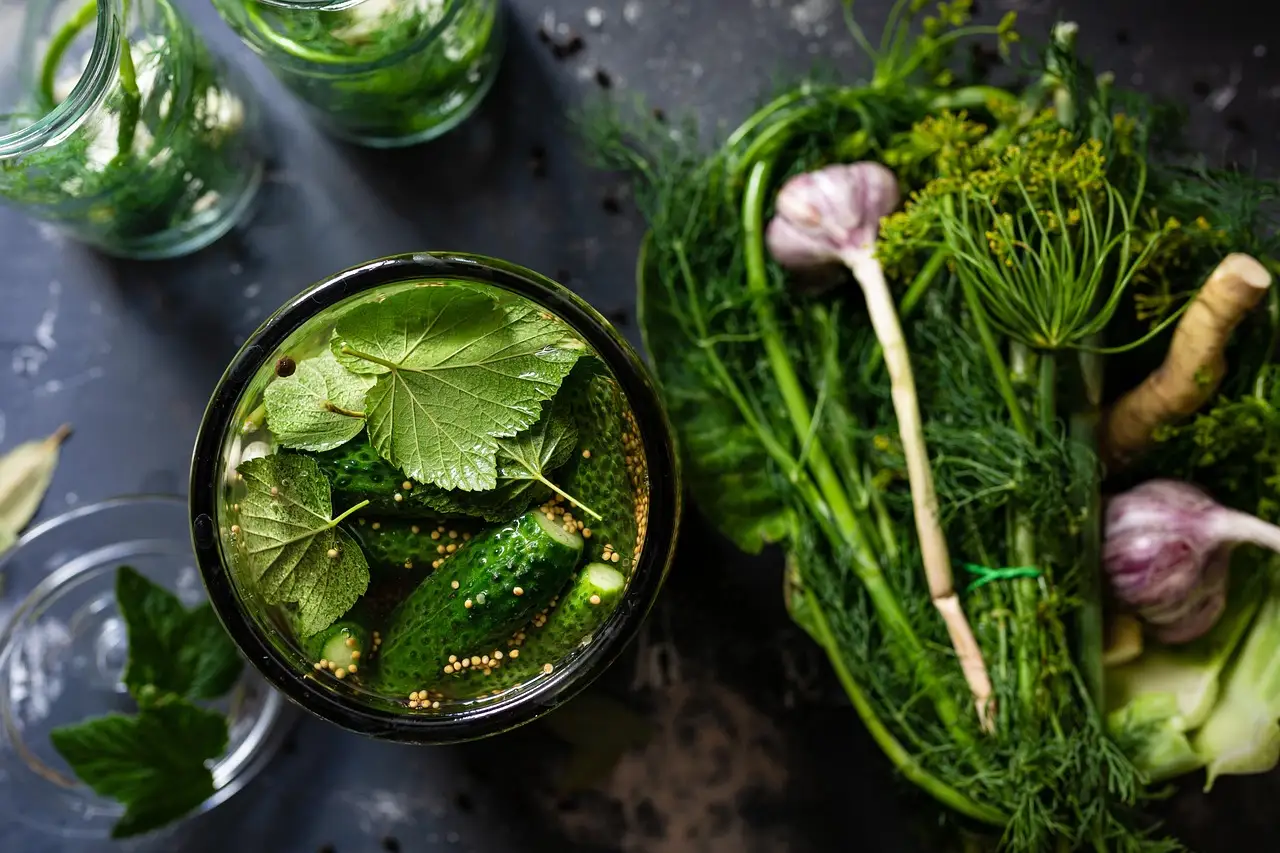
Keep leaf and seed plants separate if you want a dependable harvest of both. A practical split is to reserve about 2 to 4 plants for seed in a mixed bed and use the rest for leaf cutting, then replace spent leaf plants with new sowings about every 2 to 3 weeks. That keeps the bed productive longer and reduces the chance that all of the dill bolts at once.
Use succession sowing to keep leaves coming
Small sowings every 2 to 3 weeks work better than one large planting. Dill is easiest from seed and dislikes root disturbance, so direct sowing in prepared soil is the cleanest path. A new batch can take over leaf duty while older plants move toward flowering and seed.
Separate leaf plants from seed plants
Do not count on one planting to do both jobs forever. Harvest foliage before flowering if leaf quality matters, because once the umbels open, leaf growth slows and flavor can shift. Separate rows, blocks, or container sections make it easier to keep one group cut low and another group on seed duty.
Say your bed is 4 feet long and the dill is spaced so the plants can mature without crowding. Keep two plants for seed at one end, and keep cutting the others for foliage. That split gives you leaves in the short term and seed later, without forcing every plant into the same job.
Plan around the mature height
Mature dill commonly reaches about 3 to 4 feet tall under good growing conditions, so it can shade nearby crops and lean when the seed heads fill out. That height matters when you are dividing a bed. Put seed plants where they will not block low greens, and leave room for support before the stems get heavy. Royal Horticultural Society and University of Minnesota Extension both note the plant’s tall, airy habit.
When should you let dill go to seed?
Let dill move toward seed after you have taken enough leaves for the kitchen. The clean cutoff is flowering: once umbels start to form, stop heavy leaf harvest on the plants you want for seed. Leave those plants alone so they can build stronger heads and set mature seed.
Harvest leaves before flowering
Leaves are best before bloom. Once flowering starts, the plant shifts energy upward, and the leaves you leave behind are more important than the leaves you cut. If seed is the goal, finish leaf harvest early on the plants you plan to save.
Watch for flower umbels to form
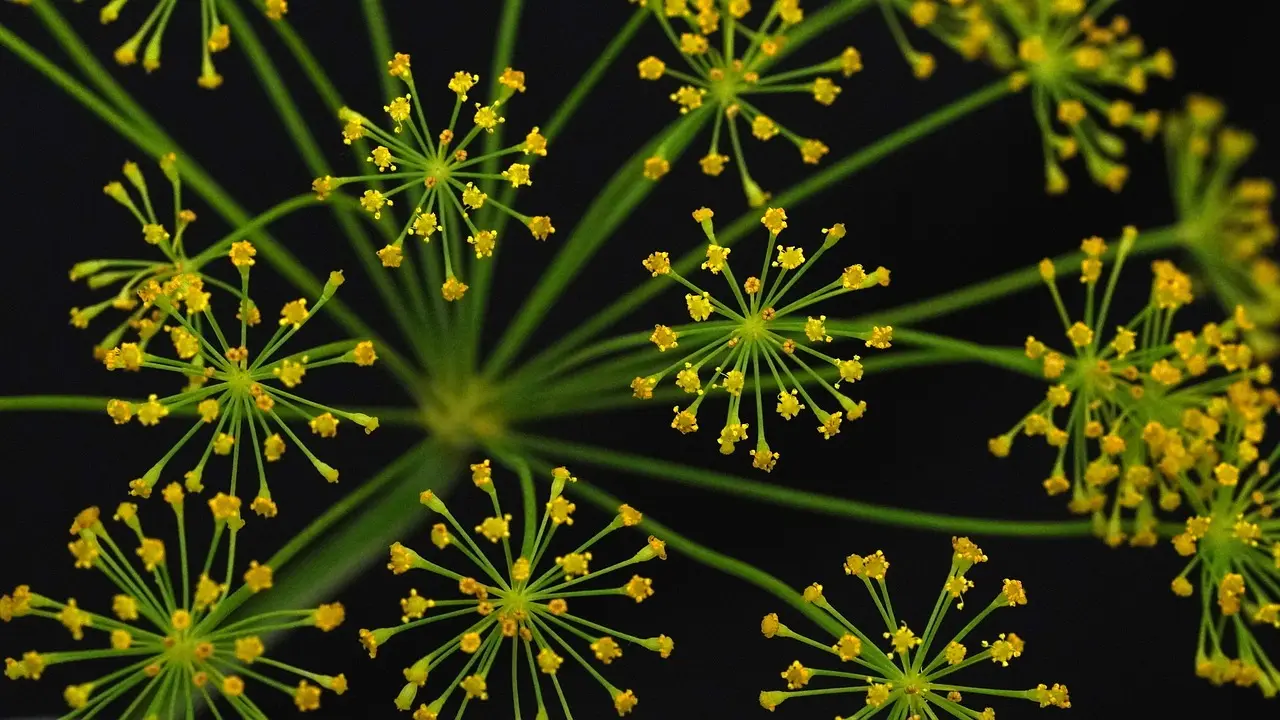
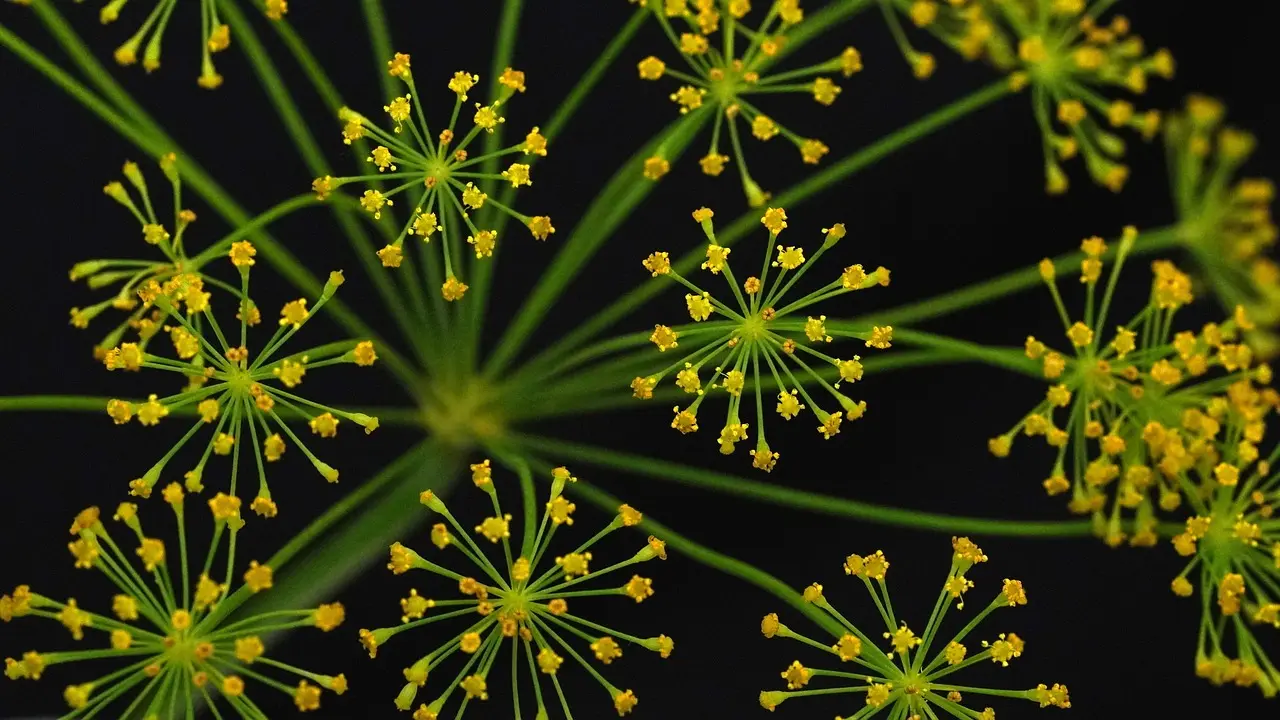
Flower heads are about six inches wide when fully open, and they signal that seed production is under way. Green heads can be used for pickling, but they are not ready for dry seed storage. For seed saving, wait until the heads turn tan and dry. The Old Farmer’s Almanac and University of Minnesota Extension both emphasize that dry-down stage for harvest.
Keep a few plants for maturity
Do not let every plant flower if you still want a steady leaf supply. Keep a small number for maturity, and keep harvesting the rest young. That approach gives you leaves first, seed later, and a better chance of spacing the two harvests across the season.
How do you harvest dill seed without ruining the plant?
Harvesting seed is a staged process. Cut some green heads for kitchen use if you want them, then leave other heads in place until they turn tan and dry. Once dry, cut the umbels, finish drying them indoors, and strip the seed before storage. That timing helps preserve viable seed while minimizing losses from shattering.
Cut green heads for pickling uses
Green seed heads are useful before dry-down, especially for pickling. If you want those heads, take only a few and leave the rest to mature. Removing every head at the green stage stops seed production, so decide in advance which plants are for pickles and which are for seed.
Wait for tan, dry heads for seed
Seed is ready when the heads turn tan and dry. At that stage, the plant has finished seed fill, and the umbels can be cut without taking the crop too early. Handle them carefully, because dry heads can shatter and drop seed if they are left too long in hot, windy weather. Walden Effect and Seed Savers Exchange both describe collecting seed after the umbels dry.
Dry seed heads before storage
After cutting, dry the heads fully before storage. That step matters because seed that holds moisture is more likely to mold or store poorly. Spread the heads in a dry, airy place, then clean the seed once it is crisp.
Growing conditions that affect seed set
Strong seed set starts with the right growing conditions. Dill wants full sun, cool-season timing, direct sowing, and enough space for air to move through the planting. Support helps too, because mature plants can get top-heavy and wind can bend or break them.
Full sun and cool-season timing
Dill is generally grown as a cool-season annual: it grows best in spring and often in fall weather, then tends to bolt as heat increases. It is commonly treated as an annual even in mild climates, although in warmer regions it may self-sow or persist a bit longer. The USDA Plant Hardiness Zone map classifies climate, not annual crop behavior, so hardiness zones are not the same as a guarantee that dill will overwinter everywhere. The Old Farmer’s Almanac and UF/IFAS-style growing guides describe it as a cool-weather herb that is typically grown from seed.
Direct sowing and taproot care
Dill has a long, sensitive taproot, so direct sowing is preferred. Transplanting can disturb that root and cause bolting, which shortens the useful window for leaves and can reduce the quality of the seed crop. If you need a seed patch, sow it where it will finish. University of Minnesota Extension recommends direct sowing for that reason.
Staking, spacing, water, and airflow
Support is useful once stems get tall. The plants can reach 3 to 4 feet, and a windy site can topple heavy umbels. Give them room, avoid overcrowding, and do not keep the soil too wet. Overwatering and tight spacing invite weak growth, mildew, and poor seed fill.
- Sow dill directly in prepared soil in a full-sun spot.
- Thin seedlings so the strongest plants have room to mature.
- Keep harvesting leaves from the plants you want to stay vegetative.
- Reserve 2 to 4 plants for seed in a mixed bed, or more in a seed-only patch.
- Stake tall plants early, before stems lean or umbels swell.
- Leave selected plants alone once flower heads form.
- Cut green heads only if you want pickling use.
- Wait for tan, dry heads before collecting seed for storage.
A common first-timer mistake is crowding dill into a narrow strip with lettuce or carrots and then hoping for both leaves and seed from every plant. The patch looks full at first, but airflow drops, stems stretch, and seed quality suffers. Give the seed plants their own space.
Can you save seed from any dill plant?
You can save seed from a healthy dill plant, but better seed starts with stronger plants. Choose plants that grew cleanly, stood well, and were not badly stressed by crowding, drought, or disease. Seed from weak or diseased plants is a poor bet for next season.
Choose healthy, true-to-type plants
Pick the best plants in the patch, not the earliest or tallest by default. Good candidates are upright, full, and free of obvious spotting or distortion. If the goal is a dependable crop next year, save seed from plants that matured normally and held their umbels well.
Avoid plants stressed by crowding or disease
Plants under stress are more likely to set weak seed. Crowding cuts airflow and can bring mildew, while damp, tight conditions can also invite damping off in seedlings. Aphids can weaken young growth and reduce vigor, so it pays to keep seed parents clean and roomy.
Expect some natural self-sowing
Dill can self-sow and volunteer next year, especially if you leave some heads to dry in place. That can be useful near a pollinator border or a loose herb patch. It is not guaranteed, though, so keep a few saved heads as backup if you want a sure crop.
Frequently asked questions
How many dill plants should I keep for seed?
Keep 2 to 4 dill plants for seed in a typical home bed. That number gives you a useful seed harvest without giving up all leaf production. If you want a larger batch for storage or sharing, keep more plants, but leave room for airflow and support.
Can I save dill seed from any plant?
Seed can be saved from any healthy plant, but the best results come from strong, undamaged plants. Avoid plants that were crowded, diseased, or badly water-stressed. Those problems can reduce flowering quality, seed fill, and the odds of a clean crop next year.
How many dill plants can I keep in one bed?
That depends on bed size, but the goal is room, not crowding. A small bed often works best with 2 to 4 seed plants and the rest cut for leaves or thinned away. Since mature dill can reach 3 to 4 feet, leave enough space for light and airflow.
Can I transplant dill if I want seed?
Direct sowing is the better choice for seed plants because dill has a long, sensitive taproot and can bolt if transplanted. If you want reliable seed, sow it where it will finish. Transplants are more likely to be short-lived and less dependable for flowering.