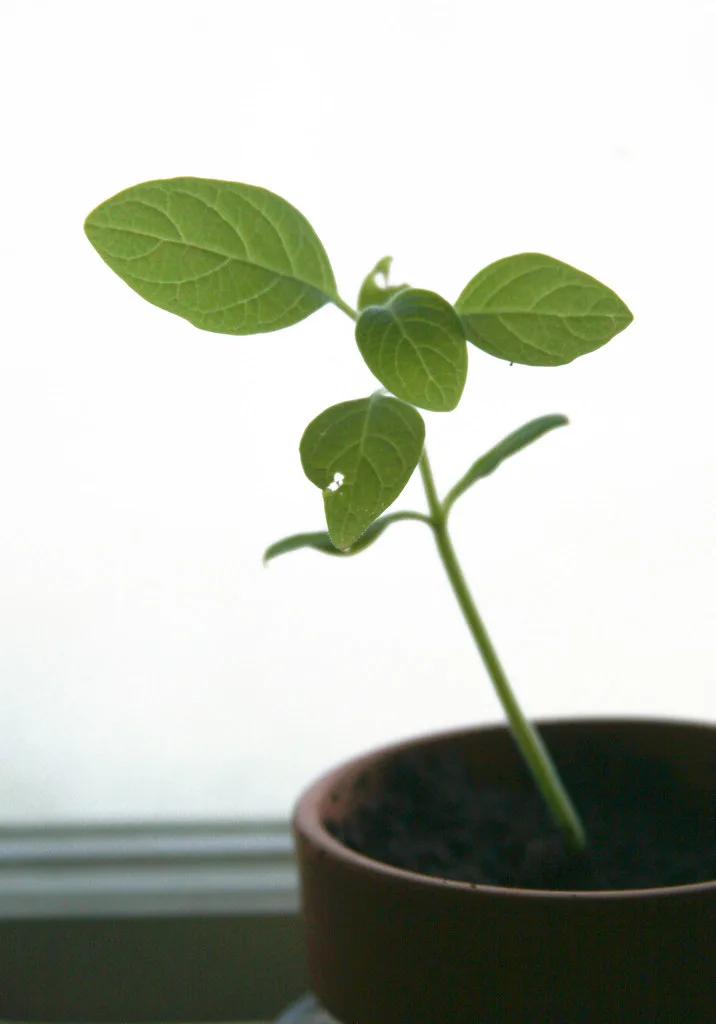
How Many Seedlings Should You Keep After Thinning?
Keep 1 seedling per cell for peppers, tomatoes, basil, lettuce, and most flowers; keep 2 in larger cells or pots for quick crops like radish, cilantro, or baby lettuce, then transplant extras instead of cutting them. Packed seedlings compete for light, water, nutrients, and root room, which leaves the plant you keep with a small root system, slower growth, and a higher chance of disease. This guide gives a simple keep-count rule by container size and crop type, plus when to keep one, two, or move extras.
How many seedlings should you keep?
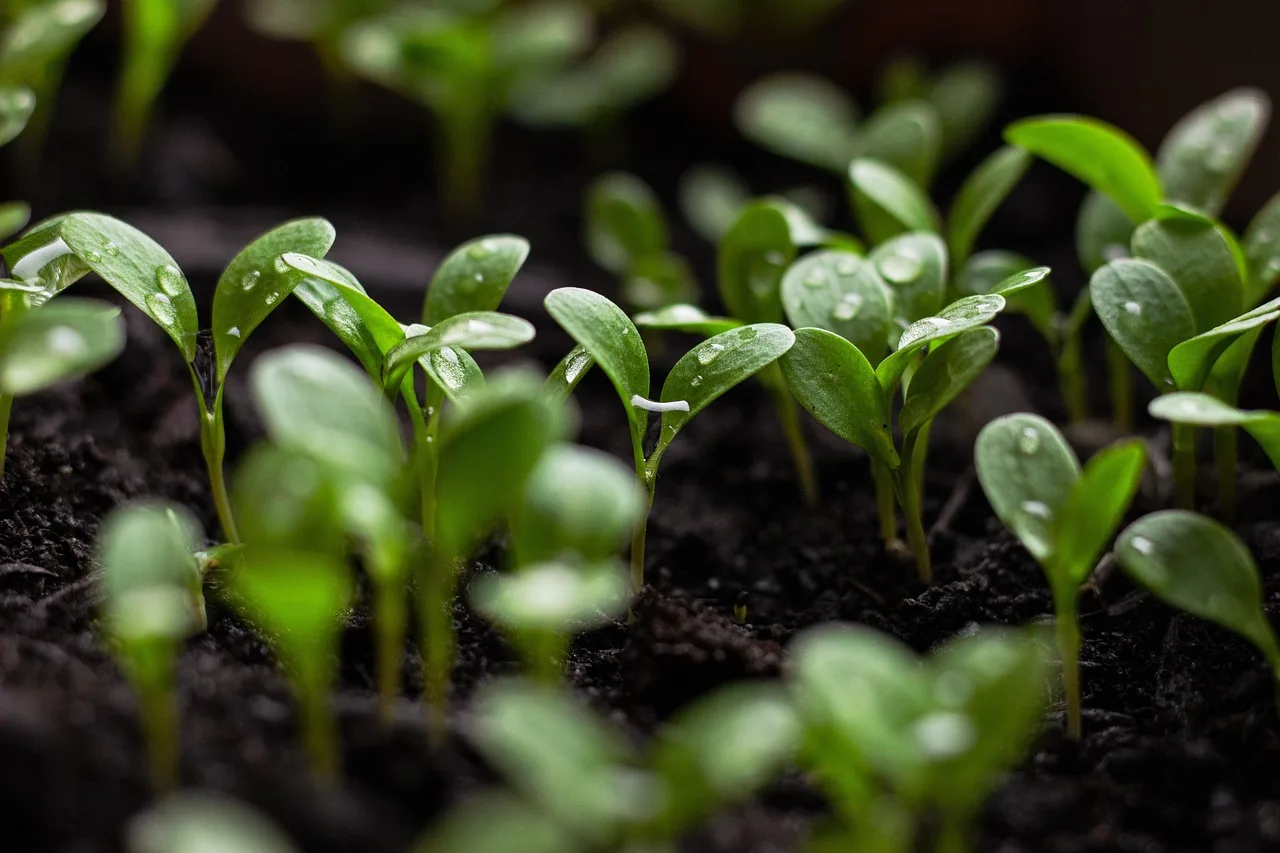


For most indoor starts, keep one seedling per cell or pot. If a crop naturally grows in a clump or you want backup plants, keep two only in larger cells or pots, then separate the extra while the roots are still small. For direct-sown beds, use the packet’s final spacing as a common target.
That rule fits the main goal of thinning: remove extra seedlings so the remaining plant has room to grow. SeedSavers recommends thinning indoor seedlings until only one remains in each cell or pot, and leaving one strong plant is the default for tomatoes, peppers, basil, and most flowers.
What you’ll need
- Garden scissors or snips
- A clean tray or pot for transplants
- Watering can with a gentle rose
- Seed packet with final spacing directions
How to use the keep-count rule
- Count the seedlings in each cell, pot, hill, or spot.
- Keep one for most indoor starts; keep two only for clumping crops or when you want a backup transplant.
- For direct-sown rows and beds, compare the seed packet’s final spacing to the crowding in the row.
- If the extras are worth saving, plan to transplant them now instead of waiting until roots tangle.
Say your herb tray has three basil sprouts in a cell. Keep one and cut the others at soil level. Suppose a lettuce cell has two seedlings and one has a thicker stem and broader first leaves. Keep that one, and move the other if the roots are still loose. Crop type decides if “keep one” or “keep two” fits the plant and the container.
When should you thin seedlings after germination?
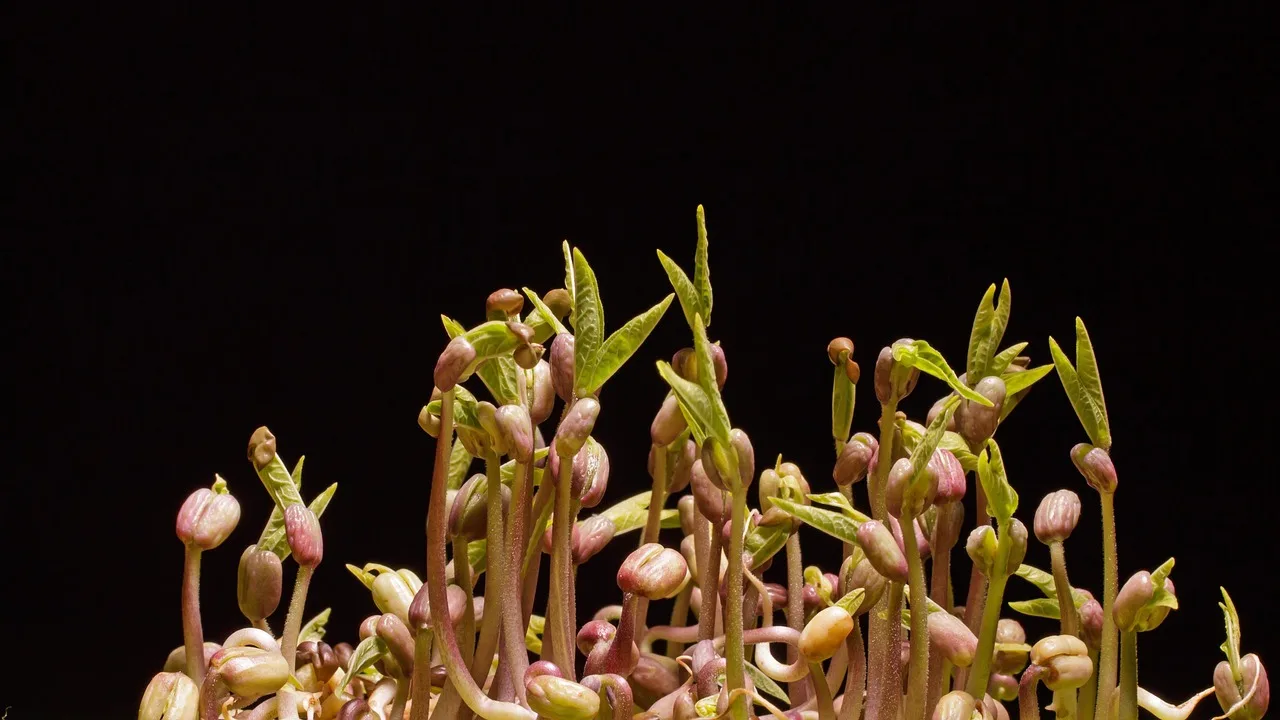
Thin when the seedlings have their first true leaves, not at the cotyledon stage. That is the point where leaf shape is more mature and the seedling is easier to judge. The same source recommends thinning when seedlings have one to two sets of true leaves, and Gardening Know How also points to the first set of true leaves.
Do it before roots knit together. Harvest to Table says to begin thinning as soon as seedlings are large enough to handle. Waiting too long makes the job harder and increases the chance of root tearing or stem damage when you remove extras.
Step 1: Check true leaves
- Look for the first true leaves, not the round cotyledons.
- Choose the seedling with the thickest stem, cleanest color, and most balanced leaf shape.
- Leave space around it so roots can expand instead of binding into a tight mat.
Step 2: Cut extras at soil level
- Use garden scissors or snips to cut unwanted seedlings at soil level.
- Keep the soil undisturbed around the seedling you want.
- Water lightly after thinning so the remaining roots settle back into contact with the mix.
Picture a crowded tray of brassicas with stems leaning toward one side of the light. Thin at the first true leaves, before the stems stretch and twist around each other. That timing gives the remaining plant a cleaner start and makes transplanting extras far less risky.
Can you transplant extra seedlings instead of throwing them away?
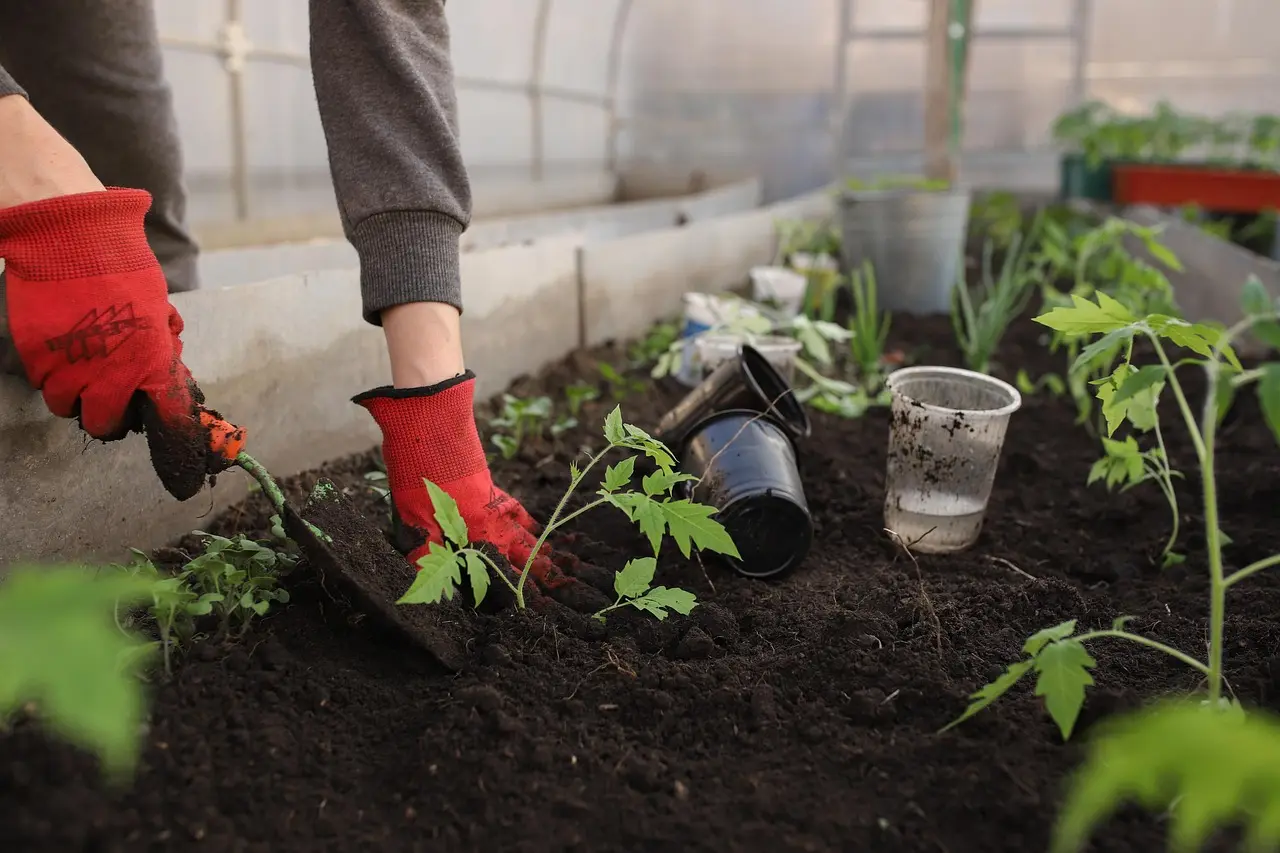
Yes, if the roots are still small and untangled. Transplanting works well for tomatoes, lettuce, brassicas, and many flowers. It is most successful when you move the extras early, keep the root ball intact, and replant them in a prepared cell, pot, or garden spot right away.
Skip transplanting for most root crops. Carrots, parsnips, radishes, and beets are usually better thinned in place by snipping, because disturbing the root can reduce the quality of the crop you keep. For direct-sown seedlings, use the packet spacing as the final target, not the number of sprouts you happened to get.
Seedling thinning decision table
| Crop type | Starting density | Keep count per cell, hill, or spot | Snip or transplant extras? | Risk level if you wait too long |
|---|---|---|---|---|
| Tomatoes | 2-4 seeds in a cell | 1 | Transplant extras early | High: tangling and stem damage |
| Lettuce | 2-3 seeds in a cell or thin row | 1 for indoor cells; 2 in larger pots if you plan to separate them | Transplant extras or snip if space is tight | Medium: crowding and weak leaves |
| Brassicas | 2-3 seeds per cell | 1 | Transplant extras early | High: roots knit quickly |
| Basil | 2-4 seeds per cell | 1 | Snip extras; transplant only if very young | Medium: stem crowding and shade |
| Carrots | Dense direct sowing | 1 every final spacing point | Snip extras; do not pull | High: root disturbance and forked roots |
| Radishes | 2-3 seeds per spot | 1 to 2, depending on packet spacing | Snip extras in place | Medium: swollen roots get crowded fast |
| Beets | 2-3 seeds per spot | 1 | Snip extras in place | High: damaged roots reduce crop quality |
| Many flowers | 2-4 seeds per cell | 1, or 2 in larger containers for clumping types | Transplant extras if roots are still loose | Medium: weaker stems and slower growth |
Which seedlings should you keep if they are crowded together?
Keep the strongest seedling, but judge strength by more than size. SeedSavers advises keeping the seedling with the thickest stem. Choose the one with sturdy upright growth, better color, and a true leaf shape that looks balanced rather than twisted or pale. Bigger is not always better if it is stretched and weak.
A common first-timer mistake is keeping the tallest seedling in a crowded tray. Tall often means it is reaching for light. A shorter plant with a thicker stem and tighter leaf spacing usually has better recovery after thinning.
- Keep the seedling with the thickest stem.
- Keep the one with the best leaf shape and color.
- Keep the plant that stands upright without leaning hard toward the light.
- For clumping crops, keep two only if the container has enough room.
Do you thin seedlings by pulling them or cutting them?
Cut them. Garden scissors or snips at soil level are the safer default because they leave the root zone of the seedling you want undisturbed. The same source recommends cutting unwanted seedlings at the soil level, and Harvest to Table also advises snipping at ground level instead of pulling them out.
Pulling can tear nearby roots, especially in small cells or dense rows. That matters most when seedlings are already close together. If you do need to remove extras, keep the soil still and avoid jarring the seedling you plan to keep.
Why cutting works better
- It avoids tugging on the remaining roots.
- It reduces disturbance in tight cells and pots.
- It lowers the chance of stalling the seedling you keep.
What happens if you don’t thin seedlings?
Unthinned seedlings compete for light, water, nutrients, and root space. Homes and Gardens notes that overcrowded seedlings compete for light, water, and nutrients, and the practical result is usually stunted growth, weaker stems, and lower yield. Direct-sown rows also end up below their packet spacing.
Roots may crowd and tangle. Stems can elongate as plants reach for light. Moist, packed trays also dry unevenly, which can raise the risk of damping-off in crowded starts. Thin early enough that the remaining plant can recover quickly.
If that didn’t work, try this next
- If the tray is already crowded, thin immediately at the first true leaves.
- If roots are starting to tangle, snip extras instead of trying to pull them out.
- If the remaining seedlings are leggy, move them to stronger light after thinning.
- If the seedlings have already overlapped heavily, plan to transplant only the most separated extras.
How do you thin root crops without damaging the ones you keep?
Snip root crops in place. Carrots, parsnips, radishes, and beets do best when extras are cut at soil level, because pulling can disturb the roots of the plant left behind. Thin to the final spacing shown on the packet, then leave the remaining plant undisturbed.
Do the job when the seedlings are small enough to handle but before the roots crowd each other. If you wait until the tops are large and the roots are intertwined, the cleanest option is still to cut the extras rather than tug them free.
Prevention
Sow a little more than you need, then thin to the packet spacing as soon as the first true leaves appear. That gives you room to choose the best seedling without forcing root crops or tight cells into a late rescue.
Can thinned seedlings be composted or eaten?
Yes. Most thinned seedlings can go to the compost pile, and some tender greens may be edible if they are clean and unsprayed. Use only seedlings from crops you would normally eat, and handle them gently so soil and debris do not end up in the bowl.
If the extras are from a crop that transplants well, move them instead of discarding them. If they are from a root crop or a tight direct-sown row, composting is usually the better choice.
Frequently asked questions
How many seedlings should I leave in each cell after thinning?
Leave one seedling per cell for most indoor starts. In larger cells or pots, you can leave two for quick crops or clumping types, then separate the extra early. The practical target is the final spacing your crop needs once it moves into its next container or the garden.