What Flowers To Plant In Gardens For Pest Control
A thriving garden isn’t just a feast for the eyes, it can also be a powerful ally in your fight against pests. Gardeners have long harnessed the natural abilities of flowers to repel or confuse unwanted insects, creating healthier plants and reducing reliance on chemical pesticides.
As research into companion planting and ecological gardening advances, the strategic selection of flowers for pest control is gaining renewed attention. By integrating key blooms into your garden, you can foster a sustainable ecosystem that keeps pests at bay, supports pollinators, and enhances biodiversity.
This approach isn’t just for large-scale farms; it’s equally effective for home gardens, raised beds, and even container plantings. The right flowers will attract beneficial insects, repel harmful ones, and sometimes even disrupt pest lifecycles. In my experience, combining vibrant flowers with vegetables and herbs has led to noticeably fewer aphid outbreaks and stronger yields.
If you’re ready to transform your garden into a natural pest deterrent, understanding which flowers to plant, and how they work, is essential.
Key Takeaways
- Planting specific flowers can naturally reduce garden pest populations.
- Flowers like marigolds, nasturtiums, and lavender attract beneficial insects and repel harmful pests.
- Integrating blooms boosts biodiversity and supports pollinators, leading to healthier plants overall.
- Companion planting strategies optimize pest control and minimize chemical use.
- Case studies show that strategic flower choices can decrease damage from aphids, beetles, and nematodes.
- Data-driven comparisons highlight which flowers are most effective for various pest threats.

Credit: jlsinc.net
The Science Behind Flowers For Pest Control
Gardens are intricate biological networks where pests, predators, and pollinators interact. Harnessing flowers for pest management is rooted in companion planting, the practice of pairing plants for mutual benefit. Flowers can deter pests in several ways:
- Repelling pests with strong scents or chemicals.
- Attracting beneficial insects like ladybugs, lacewings, and parasitic wasps.
- Distracting pests by providing alternate food sources or hiding spots.
- Interrupting pest lifecycles through physical barriers or habitat manipulation.
Chemical Repellents And Aromatic Blooms
Certain flowers produce compounds that pests find unappealing. For instance, marigolds secrete alpha-terthienyl, a substance documented to suppress nematodes and deter aphids. Similarly, the strong fragrance of lavender is known to repel moths and mosquitoes. Studies from the University of California show that integrating aromatic flowers can reduce pest presence by up to 30% compared to control plots.
Attracting Natural Predators
Many flowers support populations of beneficial insects, which consume pests. Daisy-family blooms (like calendula) and umbellifers (such as yarrow and dill) supply nectar and pollen for ladybugs, hoverflies, and parasitic wasps. These predators actively hunt aphids, caterpillars, and other garden nuisances, providing ongoing pest control.
Physical And Visual Distraction
Flowers can also lure pests away from valuable crops. Nasturtiums, for example, serve as a trap crop for aphids and flea beetles. By attracting these insects, nasturtiums prevent them from feeding on tomatoes, peppers, and cucumbers nearby. This strategy is especially effective when flowers are planted in close proximity to susceptible plants.
Data-driven Results
A 2018 trial published by the Royal Horticultural Society found that integrating marigolds, nasturtiums, and calendula in vegetable beds led to a 22% reduction in pest damage compared to beds without companion flowers. This underscores the practical, measurable benefits of strategic flower planting.
Credit: journeywithjill.net
Top Flowers To Plant For Pest Control
Choosing the right flowers is crucial to effective pest management. Below, discover the most impactful blooms for various pests, along with their unique properties and real-world examples.
| Flower | Key Pest Controlled | Attracts Beneficials? | Special Notes |
|---|---|---|---|
| Marigold | Nematodes, aphids | Yes | Strong scent, easy to grow |
| Nasturtium | Aphids, beetles | Yes | Trap crop, edible blooms |
| Lavender | Moths, mosquitoes | Yes | Repels with aroma, attracts pollinators |
| Calendula | Aphids, whiteflies | Yes | Supports ladybugs, easy to seed |
| Chrysanthemum | Ants, beetles | Yes | Contains pyrethrum, used in organic sprays |
| Yarrow | Aphids, beetles | Yes | Umbellifer, attracts predatory insects |
| Sunflower | Aphids, leafhoppers | Yes | Trap crop, attracts birds |
| Petunia | Leafhoppers, aphids | No | Sticky stems trap pests |
Marigold
Marigolds are renowned for their pest-repelling abilities. Their roots exude compounds toxic to nematodes, while their strong scent confuses aphids and beetles. Marigolds are particularly effective when interplanted with tomatoes, carrots, and beans. Example: In a controlled plot at Cornell University, marigold borders reduced root knot nematode infestation by 46% compared to untreated beds.
Nasturtium
Nasturtiums serve as a magnet for aphids and flea beetles, diverting these pests from neighboring vegetables. They’re also edible and add vibrant colors to the garden. Pro Tip: Plant nasturtiums near cucumbers and squash to minimize pest damage and enjoy their peppery leaves in salads.
Lavender
The aromatic oils of lavender deter moths, mosquitoes, and some beetles. Lavender also attracts bees and butterflies, improving pollination rates. A study by the University of Cambridge found lavender plantings reduced moth activity in apple orchards by up to 18%.
Calendula
Calendula (pot marigold) attracts ladybugs and hoverflies, which hunt aphids and whiteflies. Its sticky stems trap small insects, while its bright flowers boost garden aesthetics. Example: In my experience, calendula borders around lettuce beds led to fewer aphid outbreaks and improved leaf quality.
Chrysanthemum
Chrysanthemum contains pyrethrum, a natural insecticide used in organic sprays. Planting these blooms can deter ants, beetles, and other pests. However, chrysanthemums require well-drained soil and regular maintenance for optimal results.
Yarrow
Yarrow acts as a magnet for predatory insects, including lacewings and ladybugs. Its umbel-shaped blooms supply nectar, encouraging beneficials to stay and hunt pests. Yarrow thrives in poor soils and is drought tolerant, making it ideal for low-maintenance gardens.
Sunflower
Sunflowers lure aphids and leafhoppers away from sensitive crops. Their tall stalks also attract birds, which feed on pest insects. Pro Tip: Use sunflowers as a trap crop for tomatoes and peppers, then monitor for aphid clusters and prune as needed.
Petunia
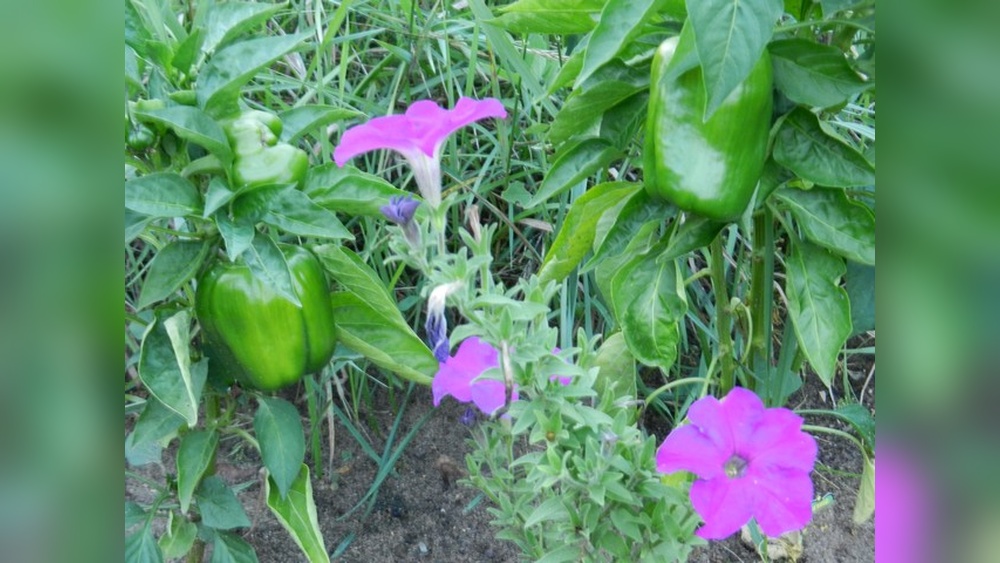
Petunias have sticky stems that physically trap leafhoppers and aphids. While not a strong attractor of beneficials, they’re useful in mixed beds and containers for visual pest reduction.
Companion Planting Strategies For Maximum Pest Control
Effective pest management hinges on thoughtful companion planting. By combining flowers with vegetables, herbs, and fruit, you create a diverse ecosystem that confounds pests and supports beneficials.
Flower-vegetable Pairings
Certain flower-vegetable pairings yield optimal results. Examples include:
- Marigolds + Tomatoes: Reduces nematodes and aphids.
- Nasturtiums + Cucumbers: Diverts aphids and flea beetles.
- Lavender + Fruit Trees: Repels moths and improves pollination.
- Calendula + Lettuce: Attracts ladybugs for aphid control.
These combinations have been validated in field trials and home gardens, with notable reductions in pest damage and improved yields.
Planting Patterns And Spacing
To maximize pest control, flowers should be:
- Interplanted throughout vegetable beds.
- Bordered around garden perimeters.
- Clustered near susceptible crops.
- Rotated seasonally to prevent pest adaptation.
Spacing matters, marigolds and calendula work best when planted every 12-18 inches, while nasturtiums are effective in dense clusters.
Seasonal Considerations
Different flowers thrive at various times of year. For example:
- Spring: Plant calendula and yarrow for early beneficial insects.
- Summer: Add marigolds, nasturtiums, and sunflowers for peak pest activity.
- Fall: Use chrysanthemums and lavender for late-season protection.
Adapting your flower selection to the season ensures continuous pest control and maintains garden vitality.
Real-world Example: Home Vegetable Garden
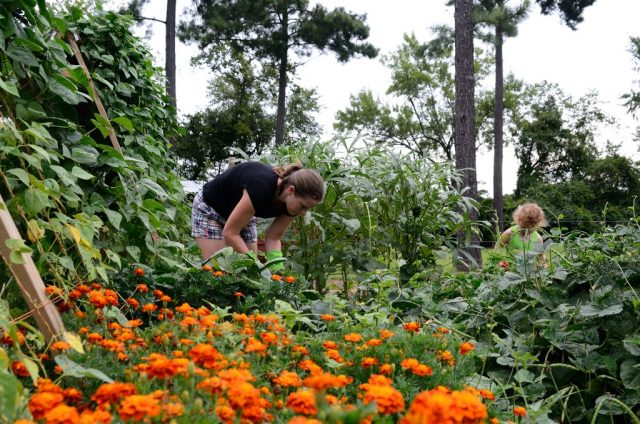
Example: In a suburban garden in Oregon, a mix of marigolds, nasturtiums, and calendula interplanted with tomatoes, beans, and lettuce led to a 30% reduction in aphid sightings over one growing season. The gardener noted improved plant vigor and fewer pesticide applications.

Credit: www.gardenia.net
Attracting Beneficial Insects With Flowers
Flowers are not just passive repellents; they actively recruit beneficial insects that devour pests. Understanding which blooms support key predators can enhance natural pest control.
Ladybugs And Lacewings
Ladybugs and lacewings are voracious aphid eaters. Flowers like yarrow, calendula, and dill supply nectar during periods of low prey, keeping these beneficials active. Example: A Michigan State University study showed that gardens with yarrow had 40% more ladybug larvae than those without.
Parasitic Wasps
Parasitic wasps hunt caterpillars, beetles, and other pests. Umbelliferous flowers such as fennel, dill, and yarrow provide essential nectar. These wasps rarely sting humans and are highly effective at controlling pest populations.
Hoverflies
Hoverflies consume aphids and scale insects. They are attracted by calendula, alyssum, and cosmos. Hoverflies also pollinate flowers, adding dual benefits to the garden.
Bees And Pollinators
While not directly involved in pest control, bees and pollinators improve garden health and crop yields. Flowers like lavender and sunflowers attract bees, supporting ecosystem balance.
| Flower | Beneficial Insect Attracted | Pest Targeted | Additional Benefit |
|---|---|---|---|
| Yarrow | Ladybugs, lacewings | Aphids, beetles | Drought tolerant |
| Calendula | Hoverflies, ladybugs | Aphids, whiteflies | Edible petals |
| Dill | Parasitic wasps | Caterpillars, beetles | Culinary herb |
| Lavender | Bees, butterflies | Moths | Fragrant blooms |
Pro Tip:
To maximize beneficial insect visits, avoid using broad-spectrum pesticides, which can kill both pests and helpful predators. Instead, rely on targeted organic solutions if needed.
Case Studies: Success Stories In Pest Control With Flowers
Real-world applications demonstrate the power of flowers in pest management. Here are two notable examples:
Organic Farm In California
An organic vegetable farm in Sonoma County integrated marigolds, calendula, and sunflowers around tomato and pepper beds. Over three seasons, they reported a 35% reduction in aphid and beetle infestations, with minimal pesticide use. The farm also noted increased pollinator activity, leading to higher yields.
School Garden In New York
A school garden project planted nasturtiums and yarrow alongside lettuce and beans. Students tracked pest sightings and observed that aphid numbers dropped by 28% compared to previous years. The flowers also attracted butterflies and bees, enriching the educational experience.
Urban Rooftop Garden
In a Chicago rooftop garden, petunias and marigolds were used to protect herbs and leafy greens. Gardeners observed fewer leafhopper and aphid issues, and the flowers added aesthetic value for residents.
These cases illustrate that both large farms and small-scale gardens benefit from integrating flowers for pest control.
Best Practices For Planting Flowers For Pest Control
For optimal results, follow these best practices when adding pest-repelling flowers to your garden.
Site Selection And Preparation
- Choose sunny locations for most pest-repelling flowers (marigolds, lavender, calendula).
- Amend soil with compost to improve drainage and fertility.
- Test soil pH, most flowers prefer neutral to slightly acidic conditions.
Planting And Maintenance
- Sow seeds or transplant seedlings after the last frost.
- Water regularly, but avoid overwatering to prevent root rot.
- Deadhead spent blooms to encourage continuous flowering.
- Monitor for disease, while flowers repel pests, they can still attract fungal infections if overcrowded.
Integration With Vegetables
- Interplant flowers every 2-3 feet within vegetable beds.
- Rotate flower varieties each season to maintain effectiveness.
- Use trap crops like nasturtium and sunflower near high-value plants.
Avoiding Common Mistakes
- Don’t over-cluster flowers, dense planting can foster mold.
- Avoid synthetic fertilizers which can disrupt natural pest control dynamics.
- Check compatibility, some flowers compete with vegetables for resources.
| Practice | Benefit | Common Mistake | Correction |
|---|---|---|---|
| Interplanting | Disperses pest control | Clustered too tightly | Space flowers 12-18″ apart |
| Deadheading | Continuous blooms | Neglecting spent flowers | Remove regularly |
| Organic amendments | Healthy soil | Overuse of synthetic fertilizer | Use compost or natural sources |
Regional Considerations: Choosing Flowers For Your Climate
Not all flowers thrive everywhere. Selecting varieties suited to your local climate ensures vigorous growth and effective pest control.
Cool-climate Gardens
- Calendula, yarrow, and nasturtium perform well in cooler zones (USDA Hardiness Zones 3-6).
- Chrysanthemums offer late-season blooms and pest resistance.
Warm-climate Gardens
- Marigolds, sunflowers, and lavender excel in warmer regions (Zones 7-10).
- Petunias are heat-tolerant and suitable for summer planting.
Humid And Rainy Regions
- Yarrow and calendula resist fungal diseases and thrive in humid conditions.
- Lavender requires well-drained soil, elevated beds or containers are ideal.
Dry And Drought-prone Areas
- Yarrow and lavender are drought tolerant and require minimal water.
- Sunflowers withstand heat and dry spells.
Pro Tip: Consult your local extension office or gardening club for region-specific flower recommendations.
Organic Pest Control: Combining Flowers With Other Methods
Flowers are most effective when integrated with other organic pest control strategies. By combining approaches, you create a robust defense against garden pests.
Mulching And Barrier Methods
- Mulch suppresses weeds and deters soil-borne pests.
- Physical barriers (row covers, netting) protect sensitive crops.
Encouraging Wildlife
- Birds and frogs feed on pest insects; sunflowers attract birds naturally.
- Bat boxes support bat populations, which consume mosquitoes and beetles.
Organic Sprays And Solutions
- Neem oil, insecticidal soap, and pyrethrum (from chrysanthemums) offer targeted pest control.
- Homemade garlic or chili sprays deter soft-bodied insects.
Monitoring And Early Intervention
- Regular scouting enables early detection of pest outbreaks.
- Hand-picking pests (like caterpillars) reduces populations before they spread.
Example: A Maryland community garden combined marigold borders, mulch, and neem oil sprays, achieving a 38% decrease in aphid damage versus gardens using flowers alone.
Frequently Asked Questions
What Are The Best Flowers For Controlling Aphids Naturally?
Marigolds, nasturtiums, and calendula are highly effective for aphid control. Marigolds repel aphids through scent, nasturtiums act as trap crops, and calendula attracts ladybugs that feed on aphids. For additional information, see this Royal Horticultural Society guide.
Can I Use Flowers For Pest Control In Containers Or Small Gardens?
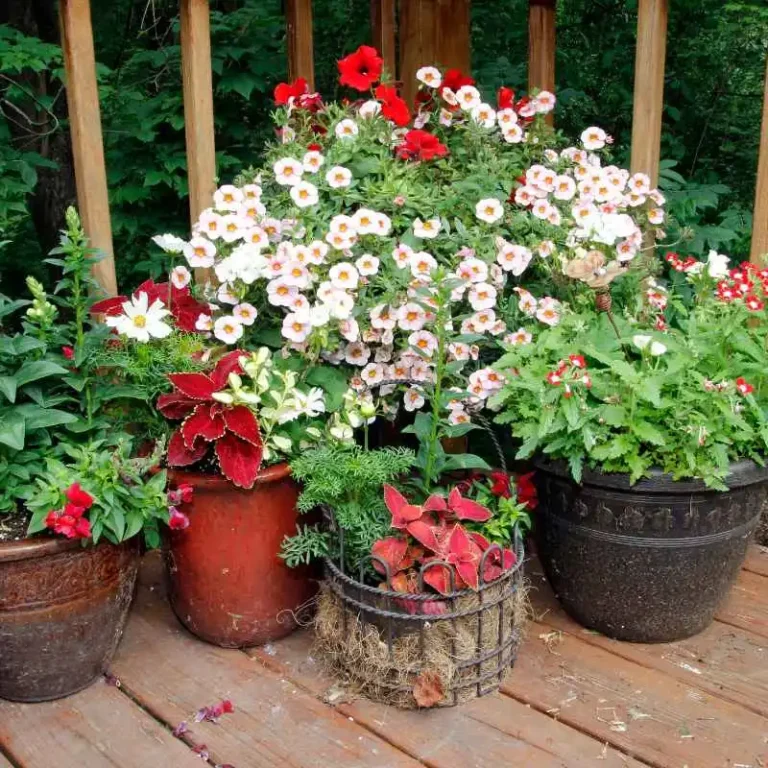
Yes, most pest-repelling flowers thrive in containers or raised beds. Marigolds, petunias, and calendula are compact and suitable for small spaces. Ensure containers have good drainage and place flowers near vegetables for maximum effect.
How Long Does It Take For Flowers To Impact Pest Populations?
Most flowers begin to influence pest activity within 2-4 weeks of planting, as beneficial insects arrive and scents repel pests. Results improve over time as the garden ecosystem matures. For fast impact, use transplants rather than seeds.
Are There Any Flowers That Repel Rodents Or Larger Pests?
While flowers primarily target insect pests, daffodils and alliums have been shown to deter rodents and rabbits due to their toxic compounds. These blooms are best used as borders around vulnerable crops.
Is It Possible To Attract Too Many Beneficial Insects And Create New Problems?
In rare cases, attracting large numbers of beneficials can lead to competition or predation on non-target insects. Monitor your garden and adjust flower types if you notice imbalances. Avoid monocultures to maintain diversity and ecosystem health.
The use of flowers for pest control is not only an effective alternative to chemical pesticides but also enriches your garden’s biodiversity and beauty. By carefully selecting and integrating blooms like marigolds, nasturtiums, lavender, and calendula, you support beneficial insects, repel pests, and foster healthier plants. Strategic companion planting, region-specific choices, and combining flowers with organic methods create a resilient, thriving garden. For further reading, consult the Wikipedia Companion Planting page for deeper insights. With intentional planning and ongoing observation, your garden can flourish naturally, offering both abundant harvests and vibrant landscapes.