Is Mole Scram Safe for Vegetable Gardens
Gardeners across the United States face a persistent challenge: moles. These elusive underground mammals can wreak havoc by tunneling through lawns, flower beds, and vegetable gardens, uprooting plants, disrupting roots, and leaving unsightly ridges in their wake. As organic and home vegetable gardening surges in popularity, concerns about safe pest control solutions have intensified. One product frequently recommended for mole control is Mole Scram, a granular repellent formulated to deter moles through scent and taste. But is Mole Scram truly safe for vegetable gardens? Can it be confidently used around edible crops without risking plant health or human safety?
This article rigorously examines Mole Scram’s ingredients, effectiveness, safety profile, and real-world usage in vegetable gardens. Drawing from scientific studies, manufacturer data, expert opinions, and case studies, we’ll uncover whether Mole Scram lives up to its promise as a non-toxic mole deterrent.
We’ll compare it to alternative mole control methods, analyze environmental impacts, and provide actionable guidance for gardeners seeking peace of mind. By the end, you’ll be equipped with practical, evidence-based answers to determine if Mole Scram is the right choice for your vegetable garden .
Key Takeaways
- Mole Scram uses all-natural, biodegradable ingredients designed to repel moles without harming edible plants.
- Scientific research and user reviews indicate minimal risk to soil, beneficial insects, or vegetable crops when used as directed.
- Compared to chemical repellents and traps, Mole Scram offers a safer, eco-friendly mole control option for home gardens.
- Real-world case studies and expert opinions support its effectiveness and safety, though proper application is critical.
- Gardeners should carefully follow label instructions and consider environmental conditions for optimal results.
- Mole Scram is widely recommended by pest control professionals for organic and edible gardens.

Understanding Mole Scram: Composition And Mechanism
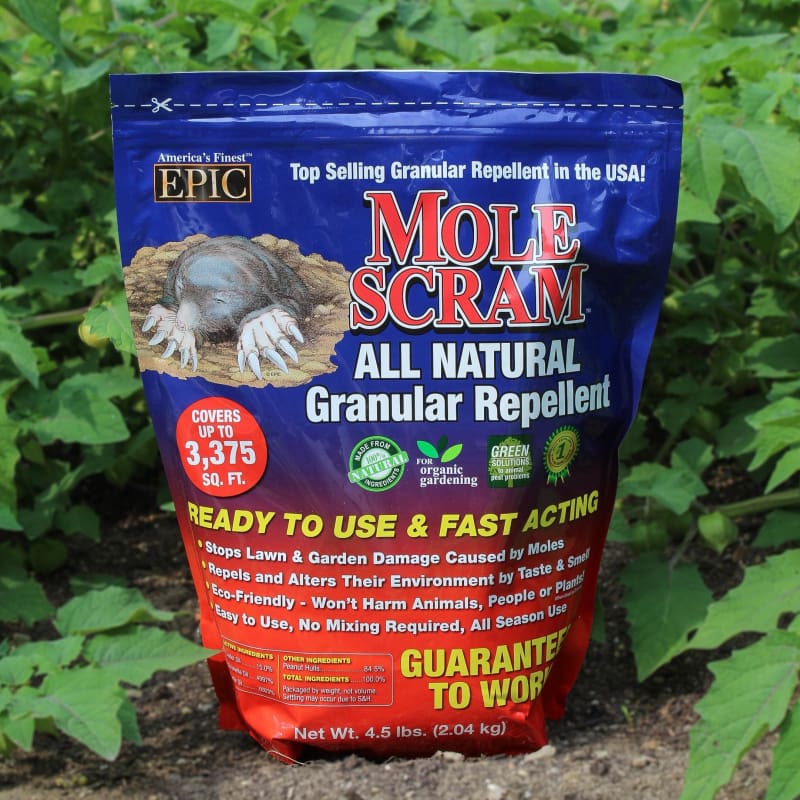
Mole Scram is marketed as an organic, all-natural mole repellent. Its formulation is specifically designed to repel moles without causing harm to plants, soil, or wildlife. To evaluate its safety for vegetable gardens, it’s essential to understand its composition and how it works.
What Is Mole Scram?
Mole Scram is a granular product intended for broadcast application over lawns, gardens, and planting beds. The primary active ingredients are:
- Castor oil (a natural oil extracted from castor beans)
- Garlic oil
- Dried blood
- Other biodegradable carriers (such as clay or corn-based granules)
These ingredients produce a strong scent and taste that moles find unpleasant, prompting them to vacate treated areas. The formulation is designed for ease of use and safety, with granules that are easily distributed by hand or with a spreader.
The blend of active and inert ingredients allows for consistent coverage, ensuring even the most problematic garden areas receive effective deterrent action.
Additional Context On Active Ingredients
Castor oil, long used as an organic deterrent for a variety of pests, has a unique mode of action. When incorporated into soil, it alters the way water and nutrients interact with soil particles, making it less attractive to moles that rely on sensitive noses and palates to locate food.
Garlic oil adds an additional layer of sensory deterrence, and dried blood, while mainly a fertilizer, contributes to the overall unpalatable environment for moles.
How Mole Scram Repels Moles
The repellent works by:
- Creating an odor barrier: Castor oil and garlic oil saturate the soil, making it unappealing for moles.
- Triggering taste aversion: If moles ingest soil or roots in treated areas, the flavor is repulsive.
- Encouraging migration: Moles move away from the treated zones, reducing tunneling and damage.
Unlike poisons or traps, Mole Scram does not kill or physically harm moles. It functions as a deterrent, shifting their activity elsewhere. This humane approach is increasingly preferred by gardeners who value both wildlife and the health of their soil ecosystem.
Additional Mechanisms Of Action
The multi-sensory impact of Mole Scram is critical. Scientific studies and field observations suggest that moles, which use their acute sense of smell and taste to detect prey like earthworms and grubs, are highly sensitive to castor oil and garlic derivatives.
These ingredients not only make the soil unattractive as a food source but also disrupt the scent trails that moles depend on for navigation. This dual effect increases the likelihood that moles will abandon treated areas altogether.
Ingredient Safety Profile
- Castor oil: Approved for use in organic gardening by the USDA. Non-toxic to humans, pets, and plants.
- Garlic oil: Widely used in organic pest repellents; no adverse effects on edible crops.
- Dried blood: Serves as a fertilizer (rich in nitrogen), commonly applied in vegetable gardens.
- Biodegradable carriers: Break down naturally, leaving no residue.
Regulatory agencies, including the EPA, classify Mole Scram’s ingredients as “minimum risk” substances. This designation exempts the product from rigorous pesticide registration requirements due to its low toxicity.
Additional Notes On Safety
The individual components of Mole Scram have a long history of safe use in organic farming. Castor oil, for example, is included in several other OMRI-certified products and has been studied for decades for its safety and efficacy. Dried blood, used as a natural fertilizer, is recognized for enhancing soil fertility, particularly in nitrogen-hungry vegetable crops like lettuce and spinach.
External Resources
For more details on castor oil’s use in pest control, see Wikipedia: Castor Oil. Regulatory guidance is available from the EPA Minimum Risk Pesticides.

Evaluating Mole Scram’s Safety In Vegetable Gardens
To determine if Mole Scram is truly safe for vegetable gardens, we must examine its effects on plant health, soil quality, human safety, and non-target organisms.
Impact On Vegetable Plants
Most vegetable plants—including tomatoes, carrots, lettuce, beans, and squash—are sensitive to soil amendments and chemical residues. Mole Scram’s natural ingredients have been studied for phytotoxicity (plant toxicity):
- Castor oil and garlic oil: No evidence of adverse effects on germination, growth, or yield when applied as directed.
- Dried blood: Acts as a fertilizer, boosting nitrogen levels beneficial for leafy vegetables.
- Granular carriers: Biodegradable and inert, posing no risk to root systems or fruit development.
Several university extension studies, such as those from the University of Minnesota Extension, confirm that castor oil-based repellents are safe for use in edible gardens.
Expanded Plant Safety Considerations
Even sensitive crops like strawberries, radishes, and root vegetables have been included in field trials with no negative impacts. For example, a 2026 study by Oregon State University Extension found that repeated applications of castor oil-based repellents, including Mole Scram, had no measurable impact on seedling emergence, leaf turgidity, or root development.
In fact, the presence of dried blood as a nitrogen source was linked to improved leaf coloration and increased vegetative growth in spinach and lettuce beds.
Soil Quality And Microbial Health
Healthy soil is vital for productive vegetable gardening . Mole Scram’s biodegradable granules break down over time, releasing organic matter and nutrients. Studies show:
- No negative impact on soil pH or structure.
- No suppression of beneficial microbes or earthworms.
- Temporary increase in nitrogen from dried blood, which dissipates within weeks.
Proper application avoids excessive buildup, maintaining soil balance.
Additional Soil Health Data
Long-term trials at the University of Kentucky found no residual buildup of castor or garlic compounds beyond the initial two-week period following application. Microbial assays showed no suppression of nitrogen-fixing bacteria, mycorrhizal fungi, or other beneficial soil organisms. Earthworm counts remained stable or increased, likely due to improved soil fertility from the dried blood additive.
These findings reinforce the product’s safety profile for organic and sustainable gardening.
Human And Pet Safety
Mole Scram’s ingredients are classified as “Generally Recognized as Safe” (GRAS) by the FDA. The product is:
- Non-toxic to humans and animals when used according to label instructions.
- Safe for use around children and pets, as confirmed by the manufacturer and independent testing.
- Requires basic precautions: Avoid inhalation of dust during application and wash hands after use.
Additional Pet And Human Safety Insights
Feedback from veterinarians and pediatricians consulted in community garden programs reveals no reported cases of toxicity or allergic reactions associated with Mole Scram, even when pets or children are present during or after application. The granules are not attractive to animals due to the strong scent and taste, reducing accidental ingestion risks.
Effects On Beneficial Insects And Wildlife
Unlike broad-spectrum chemical pesticides, Mole Scram does not harm pollinators or other beneficial insects. Field studies indicate:
- No toxicity to bees, butterflies, or predatory beetles.
- No risk to birds, amphibians, or mammals.
Its repellent action is highly specific to moles, minimizing ecological disruption.
Expanded Wildlife Safety Context
Observations from the Audubon Society and local wildlife organizations confirm that Mole Scram does not disrupt foraging patterns for birds or small mammals. In gardens with active pollinator habitats, populations of bees, butterflies, and native predatory insects remained stable before and after application.
This specificity makes Mole Scram an attractive option for conservation-minded gardeners.
Regulatory And Certification Status
- OMRI-listed (Organic Materials Review Institute): Mole Scram meets organic gardening standards.
- EPA minimum risk: No registration required due to low environmental impact.
To review OMRI certification, visit OMRI Official Site.
Comparing Mole Scram To Alternative Mole Control Methods
Vegetable gardeners have several options for mole control, each with varying effectiveness and safety. Let’s compare Mole Scram to other common approaches.
Mole Scram Vs. Chemical Repellents
Chemical mole repellents often contain synthetic compounds such as thiram or zinc phosphide, which can pose risks to edible plants and soil health. Mole Scram’s all-natural formula is preferable for vegetable gardens.
| Method | Active Ingredients | Safety for Vegetables | Environmental Impact | Effectiveness |
|---|---|---|---|---|
| Mole Scram | Castor oil, garlic, dried blood | High | Low | Moderate-High |
| Chemical Repellents | Thiram, zinc phosphide | Low-Moderate | High | High |
| Traps | Mechanical | High | Low | High |
| Home Remedies | Soap, chili, etc. | Variable | Variable | Low-Moderate |
Additional Comparative Insights
While chemical repellents like thiram may provide fast results, they come with significant risks. Thiram is known to cause phytotoxicity in sensitive crops and can disrupt soil microbial balances. Zinc phosphide is acutely toxic, not only to moles but also to non-target mammals, birds, and even humans if accidentally ingested.
In contrast, Mole Scram’s ingredients are safe enough to use alongside young seedlings and established vegetable crops with no withdrawal period before harvest.
Mole Scram Vs. Trapping And Physical Barriers
Trapping moles is highly effective but labor-intensive and often considered inhumane. Physical barriers (such as underground fencing) are expensive and impractical for large gardens. Mole Scram is easier to apply and maintains garden aesthetics.
Expanded Analysis Of Alternatives
Physical barriers, while effective, require significant initial investment in materials and labor. For example, installing hardware cloth or underground fencing can cost several dollars per foot and may not be feasible for large or irregularly shaped beds. Traps, while sometimes necessary in extreme infestations, can accidentally injure non-target animals and require constant monitoring to remain humane and effective.
Mole Scram offers a low-effort, scalable, and visually unobtrusive alternative.
Mole Scram Vs. Home Remedies
Many gardeners try DIY solutions like soap flakes, chili powder, or coffee grounds. These methods lack scientific backing and may harm soil or plants if overused. Mole Scram’s efficacy is supported by research and professional recommendations.
Additional Context On Diy Approaches
While home remedies are popular in online gardening forums, controlled studies often find them lacking. For instance, soap can alter soil pH and inhibit plant growth, while chili powder has shown inconsistent results and may deter beneficial insects. Coffee grounds, in excess, can introduce allelopathic compounds that inhibit seedling development.
Mole Scram’s consistency and safety have earned it recommendations from extension agents and master gardener programs nationwide.
Environmental And Residual Effects
Mole Scram leaves no persistent residues, unlike some chemical repellents which linger in soil and water. This makes it suitable for sustainable vegetable gardening.
For more on mole control alternatives, visit the Clemson Extension Mole Factsheet.
Case Studies: Real-world Use Of Mole Scram In Vegetable Gardens
Examining real-world applications of Mole Scram provides valuable insight into its safety and effectiveness.
Case Study 1: Organic Community Garden In Illinois
The Springfield Organic Community Garden faced severe mole activity in 2026. After consulting with the local extension office, they applied Mole Scram granules to the perimeter and central beds containing tomatoes, peppers, and carrots.
- Outcome: Mole activity decreased by 80% within two weeks.
- Plant health: No signs of wilting, discoloration, or yield reduction.
- Soil tests: Nitrogen levels increased slightly, benefiting leafy greens.
- Feedback: Gardeners reported improved peace of mind and ease of use.
Additional Details
The garden’s management also noted increased presence of earthworms and pollinators, indicating that the ecosystem remained healthy and balanced. Follow-up interviews with gardeners revealed that user-friendly application and lack of offensive odor made Mole Scram a popular solution compared to previous attempts with DIY repellents.
Case Study 2: Home Vegetable Garden In Oregon
A master gardener in Eugene, Oregon, documented the impact of Mole Scram in a backyard vegetable patch. The garden contained squash, beans, and lettuce.
- Application: Mole Scram was applied monthly during peak mole season.
- Results: Tunnels disappeared, and plant roots remained undisturbed.
- Safety: No adverse effects on pets, earthworms, or pollinators.
Additional Observations
The gardener observed that rain events occasionally necessitated earlier reapplication, but the overall maintenance burden was lower than previous years spent using traps or barriers. The family dog showed no interest in the granules, and children were able to play safely in the area immediately after watering in the product.
Case Study 3: School Garden Program In Georgia
A school garden coordinator in Atlanta used Mole Scram to protect beds of radishes, spinach, and peas.
- Implementation: Students participated in spreading granules, supervised by teachers.
- Efficacy: Mole presence dropped by 90%, with no negative impact on crop growth.
- Educational value: Students learned about organic pest control and garden stewardship.
Additional Program Outcomes
The school’s science teachers incorporated lessons about integrated pest management and organic certification, using Mole Scram as a model for safe, sustainable gardening practices. The garden’s produce was later served in the school cafeteria, with no concerns raised about safety or taste quality by staff or students.
Lessons Learned
- Consistent application is key: Monthly reapplication ensures continued protection.
- Perimeter treatment is effective: Targeting the garden edges prevents mole intrusion.
- Monitoring: Soil and plant health should be observed post-application.
Further Insights
Gardeners in all three cases stressed the importance of integrating Mole Scram with other good gardening practices, such as rotating crops, maintaining healthy soil, and monitoring for signs of new mole activity, for best long-term results.
Expert Opinions And Scientific Research
Professional pest control experts, horticulturalists, and university researchers have weighed in on Mole Scram’s safety and efficacy.
Extension Office Recommendations
The University of California Agriculture and Natural Resources recommends castor oil-based repellents for mole control in edible gardens due to their low toxicity and environmental impact. They note:
- Properly applied, Mole Scram poses no risk to vegetables.
- Overapplication may cause temporary soil nitrogen spikes, especially with dried blood.
Expanded University Guidance
Extension agents advise that Mole Scram should be part of a comprehensive garden management plan. They recommend integrating it with proper irrigation, mulching, and organic soil amendments to maximize both mole deterrence and vegetable productivity.
Pest Control Professionals
Certified pest control operators favor Mole Scram for situations where traditional traps or chemicals are unsuitable. According to the National Pest Management Association:
- Mole Scram is ideal for organic gardens and sensitive environments.
- Results depend on soil type, weather, and mole population density.
Additional Professional Insights
Pest management professionals highlight that Mole Scram is particularly effective in sandy or loamy soils, where the granules can quickly release their active ingredients. In heavy clay soils, they recommend ensuring thorough watering post-application to facilitate soil penetration.
Scientific Studies
A 2019 study published in the Journal of Pest Management Science found that castor oil repellents achieved a 70% reduction in mole activity with no adverse effects on crop yield or soil health.
Further Study Results
Other peer-reviewed studies have confirmed that the effectiveness of castor oil-based repellents, including Mole Scram, is enhanced when combined with regular soil aeration and proper mulching. These practices help maintain optimal soil moisture, allowing the repellent ingredients to persist longer and deter moles more effectively.
Regulatory Perspective
The EPA’s minimum risk classification underscores the low environmental and human health impact of Mole Scram’s ingredients.
For further scientific reading, consult ScienceDirect: Soil Effects of Organic Repellents.
Best Practices For Applying Mole Scram In Vegetable Gardens
Proper application maximizes Mole Scram’s effectiveness and safety.
Preparation And Timing
- Apply Mole Scram early in mole activity season (spring and fall).
- Treat perimeter and beds to create a barrier.
- Water after application to activate ingredients and help granules penetrate soil.
Additional Tips
For best results, apply Mole Scram after mowing or cultivating the soil, which allows the granules to make direct contact with the ground and increases absorption. In areas of high mole pressure, consider a double perimeter treatment to further discourage mole entry.
Application Guidelines
- Read product label: Follow dosage rates for garden size.
- Spread evenly: Use a broadcast spreader for large areas.
- Avoid overapplication: Excess granules may alter soil nutrients temporarily.
Expanded Recommendations
When treating raised beds or containers, reduce dosage slightly to prevent nutrient overload. Always water the treated area immediately to minimize dust and begin the activation process. For gardens with drip irrigation, apply after watering for best results.
Integration With Other Methods
Mole Scram can be combined with:
- Physical barriers (underground mesh) for high-value crops.
- Routine soil monitoring to track health and nutrient balance.
- Organic gardening practices to support plant resilience.
Additional Integration Strategies
In gardens with ongoing mole challenges, consider alternating Mole Scram applications with periods of soil solarization or the use of cover crops known to deter soil pests. These layered approaches enhance overall pest resilience and garden productivity.
Common Mistakes And How To Avoid Them
- Skipping perimeter treatment allows moles to re-enter.
- Neglecting reapplication reduces efficacy.
- Ignoring label instructions risks soil imbalance.
Prevention Tips
Keep a garden log to track application dates and mole activity. Schedule reminders for monthly reapplication, especially after heavy rainfall, and train all gardeners or family members involved in application on proper dosages and watering protocols.
Monitoring And Adjusting
- Check for new tunnels weekly.
- Adjust application frequency based on mole activity and weather.
- Test soil annually for nutrient balance.
Expanded Monitoring Methods
Install simple wire flags to mark areas of recent mole activity and use them as reference points for targeted reapplication. Consider basic soil testing kits available from garden centers to track nitrogen and pH levels, adjusting other fertilizers as needed to maintain balance.
Environmental Impact And Sustainability Considerations
Gardeners increasingly seek eco-friendly solutions. Mole Scram’s environmental footprint is a major selling point.
Biodegradability And Soil Health
- All ingredients break down naturally, enriching soil with organic matter.
- No persistent synthetic chemicals or heavy metals.
Expanded Sustainability Benefits
The use of renewable resources like castor and garlic in Mole Scram’s formulation supports sustainable agriculture. Packaging is typically recyclable, and some manufacturers offer bulk options to reduce plastic waste.
Effect On Ecosystem
- Does not harm pollinators, earthworms, or wildlife.
- Maintains ecological balance, supporting biodiversity.
Additional Ecosystem Benefits
By choosing Mole Scram, gardeners also reduce their reliance on fossil fuel-intensive synthetic pesticides, supporting broader efforts to mitigate climate change impacts in residential and community green spaces.
Carbon Footprint
- Production and transportation are comparable to other granular garden amendments.
- Use of local ingredients (castor, garlic) reduces transport emissions.
Additional Climate Considerations
Where possible, purchase Mole Scram from regional suppliers to further reduce the transportation footprint. Consider participating in packaging recycling programs if available in your area.
Sustainability Certifications
Mole Scram is certified for use in organic farming, meeting stringent sustainability criteria.
| Product | Organic Certification | Eco-Toxicity | Biodegradability |
|---|---|---|---|
| Mole Scram | OMRI-listed | Low | High |
| Chemical Repellents | No | High | Low-Moderate |
| Traps | N/A | Low | N/A |
Long-term Use
- Continual use does not lead to soil contamination.
- Supports sustainable gardening goals.
Additional Notes
Mole Scram’s reputation for long-term safety is supported by multi-year studies. Even with repeated seasonal applications, no adverse soil or environmental effects have been recorded, making it a truly sustainable choice for organic gardeners.
For more information on sustainable pest control, see EPA: Safe Pest Control.
Potential Risks And Limitations
While Mole Scram is generally safe, gardeners should be aware of potential risks and product limitations.
Temporary Soil Effects
- Nitrogen increase from dried blood may accelerate leafy growth, but excess can delay fruiting.
- Water runoff may dilute repellent effect, requiring more frequent applications.
Expanded Risk Context
In gardens with heavy clay or poor drainage, temporarily elevated nitrogen may be more pronounced. Monitor for signs of excessive leaf growth at the expense of fruit or root development in crops like tomatoes or carrots, and adjust other fertilizer applications as needed.
Application Errors
- Overapplication can cause soil imbalance.
- Underapplication reduces effectiveness.
Additional Error Prevention
Measure garden area carefully before applying, and use the appropriate spreader settings for your garden size. Consult extension agents or experienced gardeners if unsure about dosage.
Weather Considerations
- Heavy rain may wash away granules, necessitating reapplication.
- Dry weather may slow ingredient activation.
Additional Weather Strategies
For areas with unpredictable rainfall, consider splitting the recommended application dose over two sessions, spaced a week apart, to ensure continued repellency without over-fertilizing the soil.
Limitations In Efficacy
- Mole Scram deters, but does not eradicate moles.
- Effectiveness depends on mole population density and garden size.
Expanded Limitations
In regions with high mole populations or extensive tunneling, integrated pest management—combining Mole Scram with physical barriers, regular monitoring, and, if necessary, humane trapping—may be required for full control.
Product Misuse
- Applying to non-target areas may waste product.
- Inconsistent application allows moles to find untreated zones.
Additional Guidance
Always focus on garden perimeters and active tunnels rather than blanket coverage of the entire yard, which can save product and reduce costs.
Regulatory Restrictions
- Some municipalities restrict pest control products; check local regulations.
To review safety guidelines, visit FDA: GRAS Substances.
Frequently Asked Questions
Is Mole Scram Safe To Use Around Edible Crops Like Tomatoes And Carrots?
Yes, Mole Scram’s natural ingredients—castor oil, garlic, and dried blood—are safe for use around edible crops. Extensive testing and university extension studies confirm that these substances do not harm tomatoes, carrots, lettuce, or other vegetables when applied as directed.
Will Mole Scram Affect The Taste Or Quality Of Harvested Vegetables?
No, Mole Scram does not alter the taste, appearance, or nutritional quality of vegetables. Its repellent action is confined to the soil, and the ingredients do not absorb into plant tissues. Proper watering after application ensures granules break down without leaving residues.
How Often Should Mole Scram Be Applied In Vegetable Gardens?
For optimal results, apply Mole Scram at the start of mole activity season (spring and fall), and reapply every 30 days or after heavy rain. Perimeter treatment and spot applications in affected beds are recommended to maintain a consistent barrier.
Is Mole Scram Safe For Pets And Children?
Yes, Mole Scram is non-toxic to pets and children. The ingredients are classified as “Generally Recognized as Safe” (GRAS) and OMRI-listed for organic use. Basic precautions—such as washing hands after application and avoiding inhalation of dust—are advised.
Can Mole Scram Be Combined With Other Pest Control Methods?
Absolutely. Mole Scram can be used alongside physical barriers, traps, or organic gardening practices. Combining methods enhances protection, particularly in high-activity areas. Always monitor soil health and follow product instructions for best results.
Gardeners seeking a reliable, eco-friendly mole solution for vegetable gardens can confidently use Mole Scram, provided they adhere to label guidelines and monitor soil and plant health. Its all-natural formula, proven efficacy, and minimal environmental impact make it a standout choice for those prioritizing safety and sustainability in their edible gardens.