When Do Alabama Vegetable Gardens Die Out? Seasonal Guide
Alabama’s diverse climate, marked by hot summers and mild winters, gives gardeners a unique advantage—and challenge—when growing vegetables. If you’ve ever walked through an Alabama garden in late summer, you know the lushness can suddenly fade as the seasons shift. Understanding exactly when vegetable gardens die out is crucial for maximizing your harvests and planning for year-round productivity. Whether you’re a home gardener or a commercial grower, knowing the timing of your garden’s decline helps you avoid wasted effort and lost crops.
This comprehensive guide dives deep into the seasonal rhythms of Alabama vegetable gardens. We’ll explore climate data, planting calendars, regional variations, and real-world case studies. By the end, you’ll know not only when gardens typically “die out” in Alabama, but how to extend your growing season, what warning signs to watch for, and how to adapt to unpredictable weather patterns.
Let’s dig in and unlock the secrets to Alabama’s seasonal vegetable garden life cycle.
Key Takeaways
- Alabama vegetable gardens typically decline between late summer and late fall, depending on plant type and region.
- Climate zones and frost dates play a major role in garden longevity.
- Certain vegetables can be grown year-round or overwintered with proper planning.
- Garden die-off timing varies based on local weather, soil management, and crop rotation practices.
- Proactive steps can extend the productive life of your garden well past the usual “die-out” window.
- Understanding local climate data and using comparison tables helps optimize your planting and harvest schedules.

Alabama Climate And Growing Zones
Alabama is blessed with a humid subtropical climate that supports a wide range of vegetables. However, the state’s geography creates significant variation in climate zones and growing conditions.
Hardiness Zones And Regional Variation
Alabama spans USDA Hardiness Zones 7a to 9a, from the cooler northern hills to the warm, coastal south. These zones determine which vegetables thrive and how long they last in the garden.
- Zone 7a (North Alabama): Last frost mid-April, first frost mid-October
- Zone 8a/8b (Central Alabama): Last frost late March, first frost early November
- Zone 9a (South Alabama/Coastal): Last frost early March, first frost mid-November
The timing of garden die-out depends heavily on these zone boundaries. For more details, visit the Alabama Weather Center.
| Region | Zone | Last Spring Frost | First Fall Frost | Typical Garden Die-Out |
|---|---|---|---|---|
| North Alabama | 7a | April 15 | October 15 | Late September–Mid October |
| Central Alabama | 8a/8b | March 25 | November 5 | Mid October–Early November |
| South Alabama/Coastal | 9a | March 5 | November 15 | Early November–Late November |
How Microclimates Impact Growing Zones
Even within the same USDA zone, microclimates created by elevation, proximity to water, or urban heat islands can shift die-out dates by up to two weeks. For example, gardens on south-facing slopes may avoid early frosts, allowing for a longer harvest period, while low-lying or poorly drained areas may experience earlier declines due to cold air settling and increased disease pressure.
Temperature And Rainfall Patterns
Alabama’s average annual temperature ranges from 58°F in the north to 68°F in the south. Rainfall is generous, averaging 55 inches per year, but summer droughts and sudden cold snaps can accelerate garden die-out.
- Summer highs: 88–95°F, stress for heat-sensitive crops
- Autumn lows: 40–55°F, signaling end of warm-season growth
Humidity is another critical factor. High humidity fosters fungal diseases like powdery mildew and late blight, which often contribute to premature garden decline, especially in coastal and central regions. Excess moisture in late summer can exacerbate root rot and other soil-borne diseases, impacting yield and hastening die-out.
Frost Dates And Garden Longevity
The first frost is the primary trigger for garden decline. Most tender vegetables die back at the first frost, while hardy crops can survive longer.
- Tender crops: Tomato, pepper, cucumber—die out at first frost
- Hardy crops: Kale, collard greens, carrots—survive until deeper cold
For precise frost data, consult the National Weather Service.
Impact Of Variable Frost Dates
It’s important to note that actual frost dates can vary year by year. For instance, a late warm spell in October can extend summer crops, while an early cold snap might end the season abruptly in late September. Keeping a garden journal with annual frost dates can help you fine-tune your planting and harvesting strategies.

Seasonal Vegetable Garden Life Cycle
Understanding the seasonal cycles is key to predicting when your garden will die out. Alabama’s vegetable gardens follow distinct phases throughout the year.
Spring: Planting And Early Growth
In Alabama, spring arrives early. By late March (central/south) or mid-April (north), gardeners can sow cool-season crops like lettuce, spinach, and broccoli. Warm-season crops are transplanted after the last frost.
- Cool-season crops: Thrive from March–May
- Warm-season crops: Planted April–June
Example: In the Birmingham area, direct-seeded lettuce in late February can be harvested by mid-April, while tomato transplants set out in late April typically begin producing by mid-June.
Early Season Threats
Cool, wet springs can delay planting or foster fungal diseases in seedlings. Conversely, a sudden heat wave in late spring can cause premature bolting of greens, reducing yields before summer even begins.
Summer: Peak Production And Heat Stress
By June, gardens are at their most productive. Tomatoes, squash, beans, and peppers dominate. However, summer heat can cause:
- Bolting in leafy greens
- Fruit drop in tomatoes and peppers
- Powdery mildew in cucumbers and squash
Garden die-off can begin in late July–August for heat-sensitive crops, especially during drought.
Managing Summer Decline
To combat mid-summer die-out, gardeners often provide afternoon shade, increase irrigation, and use mulch to retain soil moisture. Some, especially in southern Alabama, shift to planting heat-tolerant varieties or use shade cloth for leafy greens. For example, Malabar spinach, a heat-loving green, can replace traditional spinach in mid-summer.
Autumn: Decline And Transition
As days shorten and nights cool, most gardens enter a decline phase.
- Warm-season crops: Die back after the first frost (October–November)
- Cool-season crops: Can be replanted for a fall harvest
Gardeners in southern Alabama can often plant a second crop in September for harvest before winter.
Late-season Planting Windows
Many gardeners seize the opportunity to plant a fall garden of collards, kale, or turnips in late August or early September. These crops mature quickly in cooling weather, and with protection, can be harvested well into winter.
Example: In Montgomery, a second planting of bush beans in late July often produces until the first frost, demonstrating how careful timing can squeeze extra harvests from the garden.
Winter: Dormancy And Overwintering
Most gardens lie dormant from November through February. However, some hardy vegetables—like collards, kale, and carrots—can survive with protection.
- Frost-tolerant vegetables: Survive into December/January
- Overwintering techniques: Row covers, mulch, cold frames
Winter Strategies
Row covers and cold frames are particularly effective for extending the harvest of lettuce, spinach, and root crops. For instance, a gardener in Huntsville who covered their carrot bed with a foot of straw was able to dig fresh carrots through January, demonstrating the impact of simple protection methods.
Real-world Example: Birmingham Community Garden
The Birmingham Urban Garden Society reports that their tomato and squash beds die out by late October, but their kale and collard patches remain productive until January with proper mulching and covers. This illustrates how microclimate and crop selection affect garden longevity.
Additionally, gardeners have noticed that beds near brick walls or concrete structures retain warmth longer, further extending the life of sensitive crops by up to two weeks compared to more exposed garden areas.
Factors Influencing Vegetable Garden Die-out
The timing of garden decline is shaped by multiple factors beyond just climate and frost dates.
Crop Type And Variety Selection
Some vegetables are naturally short-lived, while others can withstand Alabama’s autumn chill.
- Short-lived crops: Tomato, zucchini, cucumber
- Long-lasting crops: Kale, turnip greens, carrots
Selecting disease-resistant and heat-tolerant varieties can extend your garden’s productive period. For example, ‘Florida 91’ tomatoes resist heat stress and last longer in southern gardens.
Importance Of Variety Selection
Modern seed catalogs list varieties bred for the South’s conditions, such as ‘Southern Giant’ mustard or ‘Georgia Southern’ collards, which are more resilient against heat, humidity, and common regional diseases.
Soil Health And Management
Healthy, well-drained soil prolongs the life of vegetable gardens.
- Composting: Improves soil fertility and resilience
- Mulching: Retains moisture and moderates temperature
- Crop rotation: Prevents disease buildup
Poor soil accelerates die-off, especially during summer droughts or heavy rain.
Soil Testing And Amendments
Regular soil tests, available through the Alabama Cooperative Extension, help gardeners adjust pH and nutrient levels. Adding lime to acidic soils or supplementing with organic matter can improve both yield and garden longevity.
Pest And Disease Pressure
Alabama’s humid climate encourages pests and diseases, which can hasten garden decline.
- Common pests: Aphids, squash bugs, tomato hornworms
- Diseases: Powdery mildew, blight, root rot
Integrated pest management and regular scouting can delay garden die-out.
Preventative Measures
Encouraging beneficial insects, rotating crops, and promptly removing diseased plants reduces the risk of late-season outbreaks that can devastate gardens just before harvest.
Weather Extremes And Microclimates
Sudden heatwaves, cold snaps, or flooding can wipe out vegetable beds early. Gardens in urban areas or near bodies of water may have slightly extended seasons due to microclimate effects.
Example Of Weather Impact
A sudden September heatwave in 2019 resulted in the early death of spinach and lettuce plantings across central Alabama, while raised beds shaded by trees fared significantly better.
Real-world Example: Mobile Backyard Garden
A gardener in Mobile reported that her cucumber vines died out by late August due to extreme heat and fungal disease, while her okra and eggplant survived until November. Strategic watering and disease prevention made the difference.
Vegetable Garden Die-out Timing By Crop
Different vegetables have unique life spans and frost tolerances. Knowing when each crop dies out lets you optimize your planting schedule.
Warm-season Crops
These vegetables are sensitive to cold and die out immediately after the first frost.
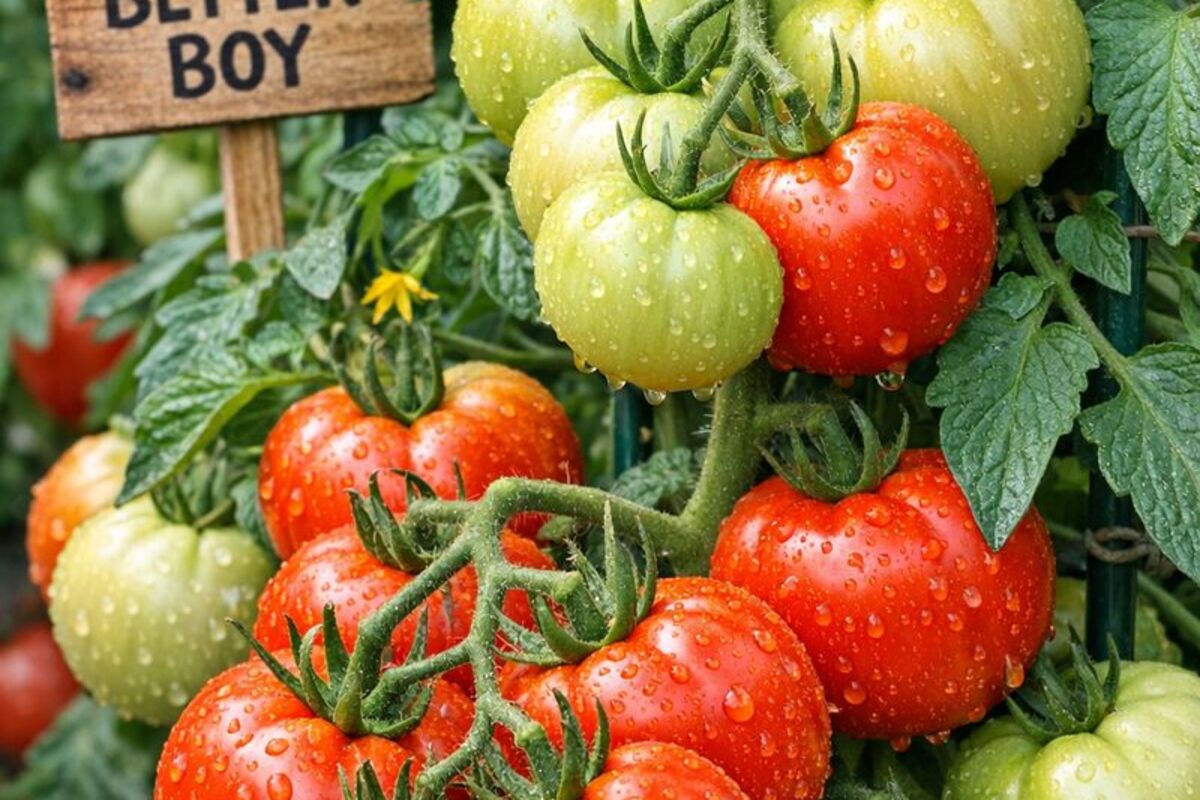
- Tomatoes: Die out mid-October (north), early November (central/south)
- Peppers: Similar to tomatoes; die out at first frost
- Squash and cucumbers: Usually decline in late September–October due to disease and cooling temperatures
- Corn: Dies out after harvest, usually late August–September
Example: Gardeners in Zone 9a often enjoy fresh peppers into late November, especially with floating row cover protection.
Cool-season Crops
Cool-season vegetables can survive into the late fall and sometimes overwinter.
- Kale and collards: Survive until December–January with protection
- Carrots and beets: Can last until January if mulched well
- Broccoli and cabbage: Die out by early December
Tips For Late Harvest
Mulching root crops like carrots and beets with 8–12 inches of straw or leaves can protect them from hard freezes, allowing harvest well after above-ground growth has stopped.
Perennial And Overwintering Crops
Some vegetables can survive multiple seasons or overwinter in Alabama’s mild climate.
- Asparagus: Dies back naturally in winter, regrows in spring
- Garlic: Planted in fall, harvested the following summer
Perennial Management
Proper mulching and leaving asparagus ferns uncut until after a hard frost helps nourish the roots and ensures strong regrowth in spring.
Data Table: Crop Die-out Timing
| Crop | Zone 7a | Zone 8a/8b | Zone 9a |
|---|---|---|---|
| Tomato | Mid-October | Early November | Mid-November |
| Kale | January | January | February |
| Squash | Late September | Early October | Mid-October |
| Carrots | January | January | February |
| Peppers | Mid-October | Early November | Mid-November |
| Garlic | Overwinters | Overwinters | Overwinters |
Real-world Example: Auburn University Research Farm
The Auburn University Research Farm found that their fall-planted carrots lasted until mid-January with heavy straw mulch, while their tomatoes died out after the first hard frost in late October. Their trials demonstrate how proper protection can extend harvest windows for hardy crops.
Additionally, their data shows that using high tunnels (unheated greenhouses) enabled the harvest of leafy greens and radishes into February, even after outside crops had succumbed to winter cold.
Extending Your Vegetable Garden’s Life
While Alabama gardens inevitably die out as seasons change, savvy gardeners can extend the productive period with a few strategic techniques.
Season Extension Strategies
- Row Covers and Low Tunnels: Lightweight fabric protects against frost, extending harvests for leafy greens and root crops.
- Mulching: Thick layers of straw or leaves insulate soil and roots, delaying crop die-out.
- Cold Frames and Greenhouses: Mini-greenhouses allow for winter lettuce, spinach, and even tomatoes.
Additional Tips
- Use water walls (thermal rings) around tomatoes and peppers in fall to capture daytime heat and release it overnight.
- Temporary hoop houses can be built from inexpensive PVC and clear plastic sheeting, creating microclimates that keep crops thriving well into winter.
Succession Planting
Staggering plantings ensures a continuous supply of vegetables.
- Plant new crops every 2–3 weeks during spring and fall
- Use quick-maturing varieties for late plantings
Example Succession Plan
Plant bush beans in late March, again in late May, and once more in late July. This strategy produces three rounds of harvests, maximizing your garden’s output before the final die-out.
Crop Selection For Extended Harvests
Choose crops that tolerate cold and heat:
- Heat-tolerant: Okra, sweet potato, eggplant
- Cold-tolerant: Kale, collards, carrots
Experimenting With New Crops
Some gardeners in southern Alabama have successfully grown Asian greens (like tatsoi and mizuna) for winter salads, which often outperform traditional lettuce during unpredictable warm-cool winter swings.
Soil And Water Management
Improving soil health and consistent watering can help crops survive longer during extreme weather.
- Deep watering during drought
- Compost amendments for resilience
Water Conservation
Drip irrigation and soaker hoses reduce evaporation and disease risk, especially important during late-summer dry spells when surface watering may not penetrate deeply enough to sustain roots.
Case Study: Montgomery School Garden
A Montgomery elementary school garden used low tunnels to harvest spinach and lettuce through December, while their tomato beds died out in late October. The use of season extension tools allowed for a longer growing period and educational opportunities.
The school also involved students in weekly monitoring of soil temperature and humidity, teaching them how these factors influence crop health and longevity.
Signs Your Alabama Vegetable Garden Is Dying Out
Recognizing the warning signs of garden decline lets you act quickly to salvage late crops or prepare for the next season.
Visual Indicators
- Leaf yellowing and wilting
- Fruit drop or failure to set
- Stunted growth and reduced yields
- Presence of dead or decaying stems
Additional Visual Signs
Notice increased insect damage or fungal spots as the season wanes. Late in the year, unharvested vegetables may crack, split, or rot more readily due to fluctuating moisture and temperature.
Environmental Triggers
- First frost: Most warm-season crops die out overnight
- Day length: Shortening days slow growth, especially for tomatoes and peppers
- Soil temperature: Drops below 50°F, roots stop absorbing nutrients
Tracking Daylight
Alabama’s days shorten rapidly after the fall equinox. Using a daylight calculator can help you plan your last plantings so crops reach maturity before low light halts growth.
Pest And Disease Outbreaks
- Increased presence of aphids, mites, and fungal diseases
- Late-season pests take advantage of weakened plants
Pest Management
Monitor for stink bugs, which become more active in late summer and can devastate tomato and pepper crops just before die-out.
Harvest Quality Decline
- Fruits and vegetables become smaller, less flavorful
- Increased blemishes and rot
Storage Tips
Harvest root crops just before a hard freeze and store in a cool, moist environment (like sandboxes or root cellars) to maximize shelf life and minimize loss from late-season decay.
Real-world Example: Huntsville Family Garden
A Huntsville family reported that their vegetable beds exhibited yellowing leaves and poor fruit set by mid-October, coinciding with the first frost. By recognizing these signs, they transitioned to cover crops and prepared soil for spring.
They also noted that removing diseased plant material promptly helped reduce pest populations for the following year.
Planning For Year-round Gardening In Alabama
While gardens naturally die out, Alabama’s climate allows for almost year-round productivity with planning and adaptation.
Crop Rotation And Planning Calendars
Using a seasonal calendar helps maximize harvests:
- Spring: Cool-season crops (March–May)
- Summer: Warm-season crops (June–August)
- Fall: Second cool-season planting (September–November)
- Winter: Hardy greens and root crops (December–February)
The Alabama Extension Planting Calendar offers region-specific guidance.
Year-round Schedule Example
A gardener in Mobile might plant potatoes in February, tomatoes in March, okra in May, collards in September, and garlic in October, ensuring something is always growing or being harvested.
Overwintering And Perennial Crops
Some crops can be planted in fall and harvested in spring:
- Garlic and onions
- Collards and kale
- Carrots and beets
Overwintering Techniques
Use floating row covers for tender greens and thick mulch for root crops. In southern Alabama, some gardeners successfully overwinter sugar snap peas, harvesting early pods before the spring heat sets in.
Cover Cropping
After garden die-out, plant cover crops to protect soil and add nutrients. Rye, clover, and vetch are popular.
Benefits Of Cover Crops
Cover crops suppress weeds, improve soil structure, and fix nitrogen (in the case of legumes). Turn under winter cover crops in early spring to add organic matter and boost fertility for the upcoming season.
Garden Planning Tools
- Digital calendars and reminders
- Soil temperature thermometers
- Frost blankets and protective gear
Using Technology
Apps like Garden Planner or platforms from local extension offices help track sowing dates, expected harvests, and frost warnings.
Real-world Example: Tuscaloosa Urban Farm
The Tuscaloosa Urban Farm rotates crops throughout the year, using cover crops after die-out and cold frames in winter. This approach keeps their beds productive and soil healthy.
They also employ succession planting and maintain a greenhouse for starting transplants early, further extending their growing season and crop variety.
Data Comparison: Alabama Vs. Neighboring States
How does Alabama’s garden die-out timing compare to nearby states like Georgia, Mississippi, and Florida?
| State | Typical Die-Out Window | Growing Zone Range | Year-Round Gardening Potential |
|---|---|---|---|
| Alabama | Late Sept–Late Nov | 7a–9a | Moderate (with protection) |
| Georgia | Mid Oct–Late Nov | 7a–9b | Moderate–High |
| Mississippi | Early Oct–Mid Nov | 7b–9a | Moderate |
| Florida | Rarely dies out | 8a–11a | High |
Alabama’s timing is similar to Georgia and Mississippi, but Florida’s subtropical climate allows for nearly continuous vegetable gardening. For comparative growing guides, visit Wikipedia: Plant Hardiness Zones.
Regional Growing Notes
Central and southern Alabama often enjoy a longer fall garden, while extreme northern regions may see an earlier end to warm-season crops. Florida’s unique climate allows for tropical vegetables and winter tomatoes, illustrating the influence of temperature and frost on garden longevity.
Practical Tips For Managing Garden Die-out
To maximize your harvest and minimize loss, follow these practical, data-backed strategies.
Monitor Weather And Soil Conditions
- Use local weather apps and soil thermometers
- Track frost dates and plan accordingly
Advanced Monitoring
Consider installing a simple outdoor weather station to track microclimate data and adjust irrigation or row cover usage in real time.
Clean Up And Prepare For Next Season
- Remove dead plants and compost responsibly
- Add organic matter and mulch to beds
Disease Prevention
Avoid composting diseased plant material. Instead, dispose of it in the trash to prevent overwintering pathogens from infecting next year’s crops.
Protect Perennial And Overwintering Crops
- Install row covers or cold frames
- Apply thick mulch to root crops
Extra Protection
Use straw bales or old blankets to insulate garden beds during unexpected hard freezes, especially for overwintered greens.
Pest And Disease Control
- Remove diseased plants quickly
- Use natural pest deterrents
Biological Controls
Introduce beneficial insects like ladybugs and lacewings in spring to help keep pest populations in check and reduce the risk of late-season outbreaks.
Community Resources
Connect with local gardening groups and extension services for advice. The Alabama Cooperative Extension System provides up-to-date recommendations.
Local Networking
Joining community gardens or local gardening Facebook groups can provide timely alerts about local pest outbreaks, frost warnings, and planting tips tailored to your region.
Frequently Asked Questions
What Is The Main Cause Of Vegetable Garden Die-out In Alabama?
The primary cause is the arrival of the first frost, which kills tender warm-season crops. Additional factors include heat stress, drought, pest infestations, and disease, all of which can accelerate die-out during the growing season.
Can I Grow Vegetables Year-round In Alabama?
Yes, with proper planning and use of season extension techniques like row covers, cold frames, and crop selection, gardeners can harvest vegetables nearly year-round, especially in southern Alabama.
Which Vegetables Survive Longest In Alabama Gardens?
Kale, collards, carrots, and garlic are among the longest-lasting crops. With protection, they can persist through winter, especially in central and southern regions.
How Do I Know When My Garden Is Dying Out?
Common signs include yellowing leaves, stunted growth, reduced yields, and increased pest or disease presence. Environmental triggers like frost and shortened daylight accelerate the process.
What Should I Do After My Garden Dies Out?
After die-out, remove dead plants, add compost and mulch, and consider planting cover crops to protect and enrich the soil. Plan your next season’s crops based on your garden’s performance.
References And Further Reading
- National Weather Service: Frost and Freeze Information
- Alabama Extension Planting Calendar
- Alabama Weather Center
- Alabama Cooperative Extension System
- Wikipedia: Plant Hardiness Zones
- Gardening Know How: Southern Vegetable Gardening
Alabama’s vibrant gardening culture thrives on understanding the nuances of seasonal die-out. By tracking climate data, choosing the right crops, and implementing strategic techniques, gardeners can enjoy extended harvests and healthier soil. Whether you’re a backyard hobbyist or a commercial producer, knowing when and how gardens die out lets you plan for the next cycle—and ensures your Alabama vegetable garden remains productive season after season.