Is Sedgehammer Safe for Vegetable Gardens? What to Know
Weeds are the bane of every gardener’s existence, but when it comes to sedges—particularly the stubborn yellow nutsedge—traditional methods often fall short. Enter Sedgehammer: a selective herbicide celebrated for its efficacy against sedges, yet a source of concern for those cultivating edible crops. With the health of your vegetable garden and the safety of your food supply at stake, understanding Sedgehammer’s suitability is crucial before reaching for the sprayer.
This in-depth guide tackles the pressing question: Is Sedgehammer safe for vegetable gardens? We’ll explore what’s in Sedgehammer, its mode of action, its safety profile according to scientific and regulatory sources, and practical tips for responsible use. Whether you’re a home gardener or manage a market garden, you’ll find clear, actionable insights—backed by data and real-world examples—to help you make informed decisions about controlling sedge without compromising food safety.
Key Takeaways
- Sedgehammer is a selective herbicide targeting sedges, but not all vegetables are listed as tolerant.
- The active ingredient, halosulfuron-methyl, breaks down rapidly in soil but may pose risks if label instructions aren’t followed.
- Regulatory authorities, including the EPA and University Extension Services, provide guidelines for safe use around food crops.
- Application timing, dosage, and crop species are critical factors in minimizing residue and phytotoxicity risks.
- Alternative sedge control strategies exist for gardeners seeking chemical-free or organic options.
- Real-world examples and case studies demonstrate both successes and setbacks with Sedgehammer in edible gardens.
Understanding Sedgehammer: Composition And Mode Of Action
What Is Sedgehammer?
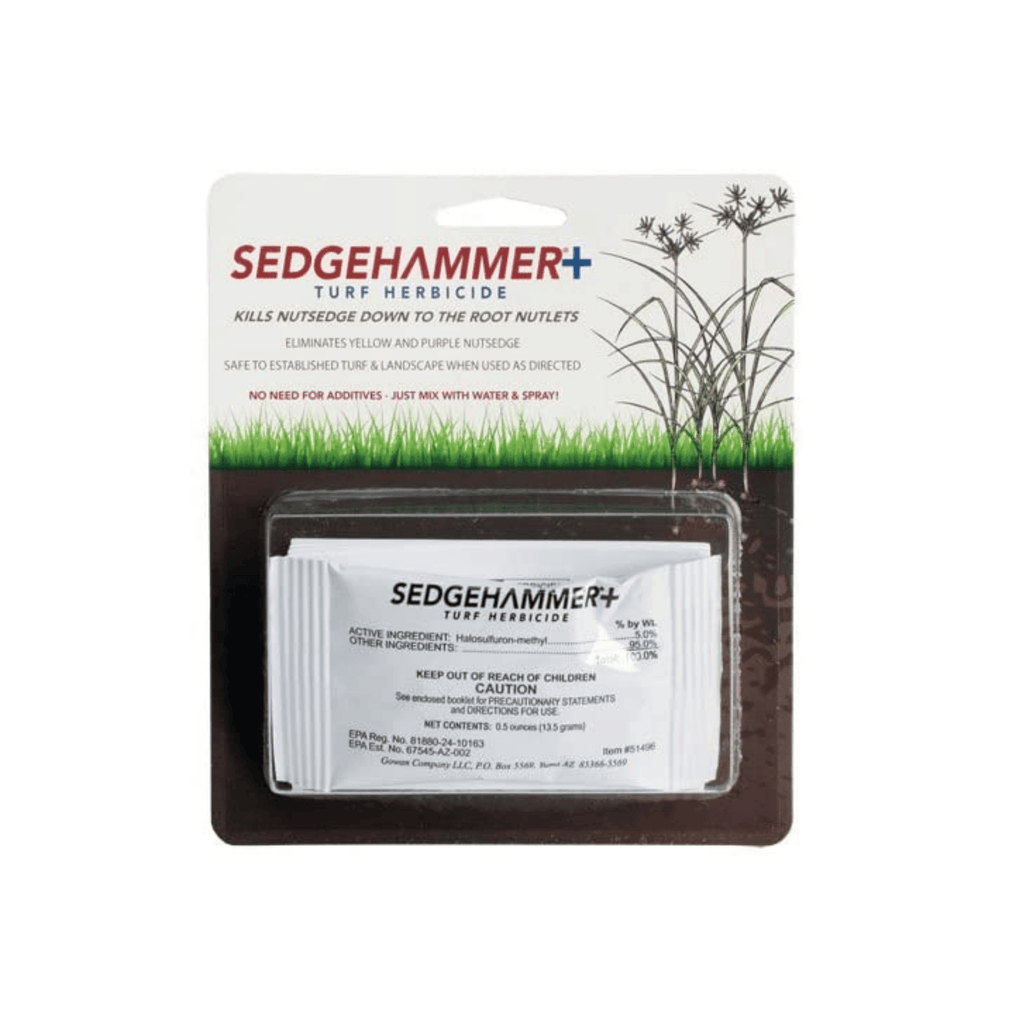
Sedgehammer is a post-emergent, selective herbicide formulated to control sedge species, especially yellow nutsedge (Cyperus esculentus) and purple nutsedge (Cyperus rotundus). Its main appeal lies in targeting these problematic weeds while sparing most turfgrasses and, in some cases, specific broadleaf plants.
Sedges are notorious for their persistence, as they reproduce through underground tubers (nutlets) that can survive for years. This makes them much harder to eradicate than typical annual weeds. Sedgehammer was developed to address this challenge, offering a solution for both home lawns and agricultural settings where sedges threaten crop yields and garden productivity.
The product comes in various formulations, including granular and liquid concentrates. Gardeners appreciate its ease of use and its ability to target sedges specifically, reducing collateral damage to desired plants when applied correctly.
Active Ingredient: Halosulfuron-methyl
The key component in Sedgehammer is halosulfuron-methyl, part of the sulfonylurea family of herbicides. This class is renowned for low application rates and high selectivity. Halosulfuron-methyl acts by inhibiting the enzyme acetolactate synthase (ALS), essential for amino acid synthesis in susceptible plants. Disruption of this pathway leads to stunted growth and eventual death of sedges.
Sulfonylurea herbicides, including halosulfuron-methyl, have revolutionized weed management by allowing for precise targeting at rates often measured in grams per acre, minimizing environmental impact when used properly. Halosulfuron-methyl’s selectivity is a double-edged sword: it is highly effective on sedges but can also harm sensitive crops if not used carefully.
How Sedgehammer Works
- Post-emergent activity: Effective only on already sprouted sedges. Unlike pre-emergent herbicides, Sedgehammer is applied after sedges are visible, making it ideal for spot treatments in established gardens.
- Systemic action: Absorbed by leaves, translocated to tubers and roots. This systemic movement is crucial for targeting the underground nutlets, the source of future sedge outbreaks.
- Selectivity: Minimal impact on many grasses and some broadleaf species. However, this selectivity does not extend to all vegetable crops, so label guidance must be strictly followed.
- Breakdown in soil: Degradation occurs within weeks, depending on conditions. Factors such as soil type, moisture, microbial activity, and temperature can influence the breakdown rate.
Sedgehammer’s effectiveness is also influenced by the growth stage of sedges. Young, actively growing plants are more susceptible, while mature sedges with established tuber systems may require repeated treatments or integrated management.
Registration And Approval Status
Sedgehammer is registered for agricultural and non-crop uses in the US and many other countries. The US Environmental Protection Agency (EPA) and corresponding agencies in Canada, Australia, and the EU have reviewed its safety profile for various crops and environments. For full label and registration details, see the EPA Sedgehammer label.
The registration process involves rigorous evaluation of toxicity, environmental fate, and residue studies to ensure that Sedgehammer can be used safely on crops intended for human consumption. Each country’s regulatory agency may approve the herbicide for a specific set of crops and restrict its use in others, reflecting differences in local agricultural practices and environmental conditions.
Safety Profile: What Research And Regulators Say
Epa And Regulatory Guidelines
The EPA classifies halosulfuron-methyl as having low acute toxicity. It is not considered a likely human carcinogen, teratogen, or mutagen at recommended usage rates. The agency sets maximum residue limits (MRLs) for various crops to ensure food safety.
EPA reviews encompass not only direct toxicity but also environmental persistence, potential for groundwater contamination, and effects on non-target organisms. The agency’s risk assessments are updated periodically as new data emerge, so it’s critical to consult the latest guidelines and product labels.
Research On Residue And Persistence
Multiple field studies, including a notable one published by the Journal of Agricultural and Food Chemistry, have examined residues on treated crops:
- Halosulfuron-methyl half-life in soil: 7–20 days, varying by temperature and moisture. Cooler, wetter soils may extend the half-life, while warm, dry conditions speed breakdown.
- Residue on crops: Detectable levels typically drop below established MRLs within pre-harvest intervals specified on the label. For example, the 30-day PHI for sweet corn is based on residue studies showing that levels fall below regulatory thresholds after this period.
- No significant bioaccumulation: The compound does not persist in plant tissues beyond safe thresholds if used properly.
Additional studies have shown that halosulfuron-methyl is rapidly metabolized in plants, and the majority of the applied compound is broken down or excreted within a few weeks. Soil microbial activity plays a vital role in this process, and soils with high organic matter content may support faster breakdown.
For more, see the PubMed research summary.
Safety For Edible Crops
Sedgehammer is labeled for use on certain vegetables, such as:
- Sweet corn
- Dry beans
- Peas
- Some cucurbits (with restrictions)
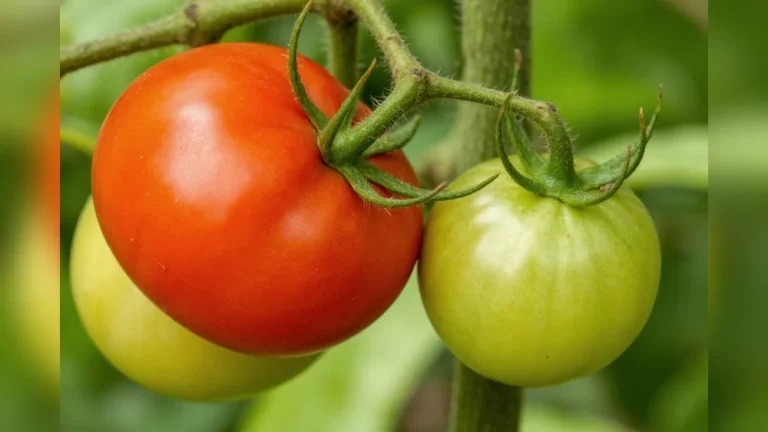
However, it is not approved for use on most leafy greens, root vegetables, or tomatoes. This limitation is crucial for home gardeners who grow a diverse range of crops.
It’s important to note that the label’s approved list is based on extensive field trials where crop safety and residue levels were evaluated. For example, Sedgehammer has been shown to cause injury to tomatoes, lettuce, and carrots, making it unsuitable for these crops.
Local extension services may provide additional guidance on crop tolerance, especially as new research and local conditions evolve.
Toxicity To Humans And Wildlife
- Low mammalian toxicity: According to the National Pesticide Information Center, the LD50 (lethal dose for 50% of test animals) is relatively high, indicating low acute risk (NPIC fact sheet). Chronic toxicity studies have not shown significant risks at recommended application rates.
- Non-toxic to bees and low risk to aquatic organisms at label rates. However, care should be taken to prevent runoff into water bodies, as concentrated exposure can affect aquatic plants.
Halosulfuron-methyl is also considered to have minimal impact on earthworms and beneficial insects when used properly. Wildlife exposure is rare due to its targeted application and rapid soil degradation, but accidental spills or misuse can increase risks.
Key Safety Caveats
- Phytotoxicity: Non-target plants may be damaged if exposed via drift, runoff, or root uptake. Sensitive crops can experience leaf necrosis, reduced vigor, or delayed maturity.
- Residue: Exceeding recommended application rates or failing to observe pre-harvest intervals can result in unsafe residues. This is especially important for crops consumed raw, where residue limits are strictly enforced.

Sedgehammer Use In Vegetable Gardens: Label Guidelines And Best Practices
Reading And Following The Label
The most critical step is strictly adhering to the product label. The Sedgehammer label provides:
- Approved crop list
- Application rates
- Pre-harvest intervals (PHIs)
- Re-entry intervals
- Restrictions for sensitive species
Ignoring label guidance can result in crop injury, unsafe residues, and potential regulatory violations. Always check for updated labels, as restrictions and approved crops may change based on new research and regulatory reviews.
Table: Sedgehammer Use Across Common Vegetable Crops
| Vegetable Crop | Label Status | Pre-Harvest Interval (PHI) | Notes |
|---|---|---|---|
| Sweet Corn | Approved | 30 days | Follow label for specific timing |
| Dry Beans | Approved | 30 days | Use only on dry beans, not snap beans |
| Peas | Approved | 30 days | Check specific pea type |
| Tomatoes | Not Approved | N/A | Potential for phytotoxicity |
| Leafy Greens | Not Approved | N/A | Do not use |
| Squash/Cucumbers | Restricted | Varies | Check local label updates |
Application Tips For Vegetable Gardens
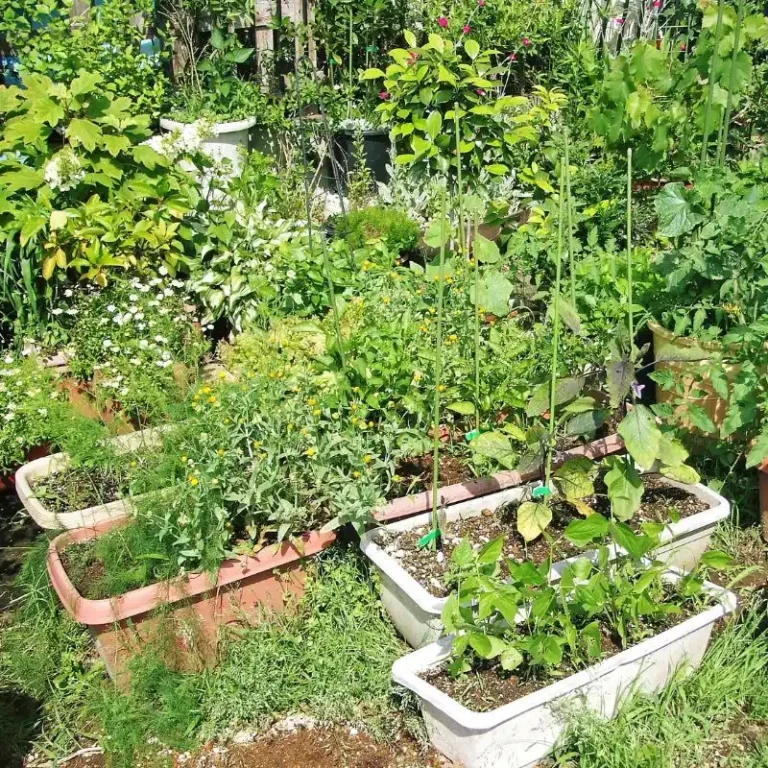
- Target only labeled crops; do not use near or over sensitive species. Plant mapping and clear bed separation are advised.
- Apply when sedge is actively growing, usually late spring to early summer. Early intervention prevents tuber formation and future outbreaks.
- Avoid windy days to minimize drift onto non-target plants. Even light breezes can carry droplets several feet.
- Use a shielded sprayer for spot treatments in mixed beds. Commercial drift shields or DIY cardboard barriers can be effective.
- Respect re-entry and pre-harvest intervals to ensure residue levels are safe. PHIs are designed to protect both consumers and workers.
Additional best practices include cleaning sprayers between applications, calibrating equipment to avoid over-application, and monitoring treated areas for signs of crop injury.
Real-world Example: A Community Garden’s Experience
At the Brooklyn Urban Garden Initiative, gardeners faced a severe yellow nutsedge invasion among sweet corn and beans. By following label rates, shielding nearby tomatoes and greens, and observing the 30-day PHI, they eradicated sedge without harming their crops—demonstrating Sedgehammer’s safety when used diligently.
The garden’s success depended on careful planning: beds were mapped, treatments were recorded, and extension agents were consulted for advice. Gardeners also communicated with members about re-entry intervals, ensuring that no one entered treated plots prematurely.

Risks And Limitations: What Can Go Wrong?
Non-target Crop Injury
Sedgehammer is not safe for all vegetables. Phytotoxicity can occur if the herbicide drifts onto sensitive species or is applied to unapproved crops. Symptoms include leaf yellowing, stunted growth, and, in severe cases, plant death.
Sedgehammer’s selectivity is effective only within the bounds of labeled crops. Accidental exposure to tomatoes, cucumbers, or salad greens can result in crop loss, reduced yields, and contaminated produce.
Residue Risks And Food Safety
If pre-harvest intervals are not observed, residues can exceed legal limits, posing health risks. A 2017 study by the University of California Cooperative Extension found that exceeding label rates or applying too close to harvest resulted in detectable residues in green beans.
Residues are especially concerning for crops eaten raw. Regulatory agencies monitor residues in produce entering the food supply, and violations can result in recalls, fines, or loss of certification for commercial growers.
Resistance And Overuse
Repeated use of halosulfuron-methyl can lead to herbicide resistance in sedge populations. Rotating with other control methods is critical.
Resistance can develop when sedge populations are exposed to the same herbicide year after year. Signs include reduced efficacy, sedge regrowth after treatment, and populations that survive previously lethal doses.
Environmental Risks
Runoff or leaching into water bodies can harm aquatic plants. Always follow label restrictions regarding proximity to water sources.
Halosulfuron-methyl binds moderately to soil but can move in water under certain conditions. Buffer zones and avoiding treatment before heavy rain are essential to protect local waterways.
Case Study: Home Gardener’s Misstep
A home gardener in Texas, unaware of label restrictions, applied Sedgehammer to a mixed bed containing tomatoes, lettuce, and beans. While beans thrived, tomatoes and lettuce suffered severe stunting. The experience underscores the importance of understanding crop selectivity and label directions.
The gardener’s mistake was not reading the label or consulting local extension services. Recovery was slow, and some crops had to be replanted, resulting in lost time and harvest.
Alternatives To Sedgehammer For Vegetable Gardens
Mechanical And Cultural Control
- Hand-pulling: Effective for small infestations if tubers are removed. Persistence is key, as nutlets left in the soil can sprout new sedge plants.
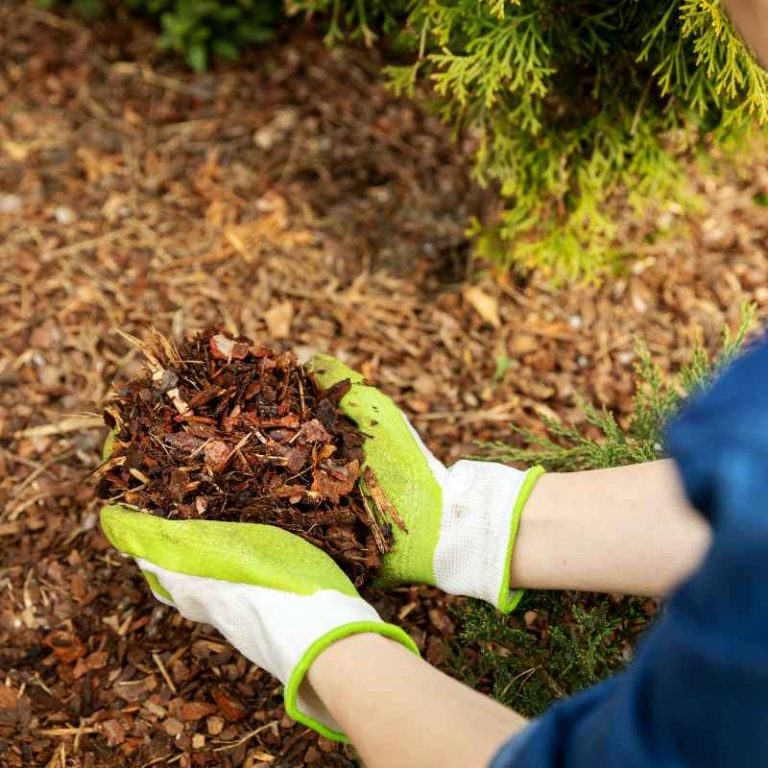
- Mulching: Suppresses sedge emergence but may not eliminate established plants. Organic mulches like straw or wood chips can reduce light and inhibit growth.
- Crop rotation: Disrupts sedge life cycle, reducing long-term pressure. Planting cover crops like rye or clover can outcompete sedges in some settings.
Mechanical controls are often preferred in organic gardens or mixed beds where chemical use is restricted.
Organic And Non-chemical Methods
- Flame weeding: Destroys foliage but not underground tubers. Best used as part of an integrated approach; repeated passes may be required.
- Solarization: Covering beds with clear plastic in hot climates to kill sedge tubers. This method can be highly effective if soil temperatures exceed 120°F for several weeks.
Organic herbicides (e. g. , vinegar-based sprays) are generally ineffective against nutsedge due to its resilient tubers.
Table: Comparison Of Sedgehammer And Alternative Controls
| Method | Effectiveness | Safety for Edibles | Labor/Cost |
|---|---|---|---|
| Sedgehammer | High (on labeled crops) | Safe if label followed | Low labor, moderate cost |
| Hand-pulling | Moderate | Very safe | High labor, low cost |
| Mulching | Low to moderate | Very safe | Moderate labor/cost |
| Flame weeding | Low | Very safe | Moderate labor/cost |
| Solarization | Moderate | Very safe | Low labor, moderate cost |
Biological Control
Although some research is ongoing, no effective biological control agents for nutsedge are currently available for home or commercial gardens.
Recent trials with nematodes and fungi have shown promise, but no commercially available products have proven reliable. The resilience of nutsedge tubers makes biological control particularly challenging.
Integrated Weed Management
Combining cultural, mechanical, and chemical methods is often the most sustainable approach. For more on integrated weed management, see USDA ARS Weed Science.
Integrated management reduces reliance on any single method, delays resistance, and supports soil health. Extension services can help gardeners design a tailored weed management plan.
Best Practices For Safe Sedgehammer Use
Planning Applications
- Map your garden: Identify which beds contain labeled crops. Use colored markers or garden maps to avoid confusion during spraying.
- Time applications: Treat sedge when weeds are small and actively growing. Early season applications target young sedges before they produce nutlets.
- Record treatments: Document dates, rates, and crops treated for food safety traceability. Detailed logs support compliance for market gardeners and food safety audits.
Mixing And Applying Sedgehammer
- Use clean equipment to avoid cross-contamination. Residues from previous applications can inadvertently expose sensitive crops.
- Follow mixing instructions exactly—over-application increases risks. Precision in measuring and mixing prevents accidental overdosing.
- Add a non-ionic surfactant as recommended to improve efficacy. Surfactants help herbicide penetrate sedge leaves, increasing effectiveness.
For spot treatments, use a backpack sprayer with adjustable nozzles. Always calibrate sprayers before use, and dispose of leftover solution according to label guidelines.
Drift And Contamination Prevention
- Spray early in the morning or late afternoon when wind is minimal. Avoiding midday breezes reduces the likelihood of drift.
- Use drift guards or shields for spot applications. Physical barriers ensure that only sedges are treated.
- Rinse sprayers thoroughly before using on other crops. Residue in hoses or tanks can cause unintended exposure.
Contamination can also occur through soil movement or water runoff. Maintain buffer zones between treated and untreated beds, and monitor weather forecasts before spraying.
Protecting Pollinators And Beneficials
Although Sedgehammer is not toxic to bees, avoid spraying when pollinators are active to protect overall garden health.
Beneficial insects, such as ladybugs and predatory wasps, may be indirectly affected by habitat changes. Applying herbicides during times of low pollinator activity helps preserve ecosystem balance.
Case Study: Market Garden Compliance
A small-scale market farmer in California used Sedgehammer on sweet corn and dry beans but not on leafy greens or root crops. By maintaining meticulous records, observing PHIs, and regularly testing for residues (in partnership with a local extension service), the farm passed all food safety audits.
The farmer also attended extension workshops and consulted with crop advisors to ensure compliance. This proactive approach minimized risks and preserved market access.
Regulatory Perspectives And International Guidelines
United States (epa)
The EPA sets tolerances and usage restrictions for halosulfuron-methyl on food crops. The agency requires manufacturers to provide thorough residue and toxicity data before approving label uses. For a full list of registered uses, visit the EPA Pesticide Registration page.
EPA regulations are designed to protect both consumers and the environment. The agency conducts periodic reviews, and growers must stay current with any changes to label requirements or approved crops.
Canada And Europe
- Canada: Health Canada’s Pest Management Regulatory Agency (PMRA) follows similar protocols, approving Sedgehammer for specific crops only (Health Canada Halosulfuron fact sheet). PHIs, application rates, and crop restrictions are enforced.
- Europe: The European Food Safety Authority (EFSA) applies strict maximum residue levels and limits use to certain crops. EFSA also conducts regular monitoring of imported produce for residues.
European regulations tend to be more conservative, reflecting concerns about environmental and consumer safety. Only crops with extensive safety data are approved for Sedgehammer use.
Australia
The Australian Pesticides and Veterinary Medicines Authority (APVMA) registers Sedgehammer for several crops but cautions against off-label use in vegetables (APVMA website).
Australian guidelines emphasize stewardship, requiring growers to maintain buffer zones and avoid treatment of sensitive crops. Regional restrictions may apply, so local advice is essential.
Summary Table: International Crop Approvals
| Region | Approved Vegetable Crops | Key Restrictions |
|---|---|---|
| USA | Sweet corn, dry beans, peas | No use on leafy greens, root crops |
| Canada | Field corn, dry beans | Restrictions on most vegetables |
| Europe | Selected grains/legumes | Strict residue monitoring |
| Australia | Maize, sweet corn, sorghum | No use on many vegetables |
International differences highlight the importance of consulting local regulations and extension services before applying Sedgehammer in vegetable gardens.
Real-world Experiences: Successes And Cautions
Urban Farm Example
The Chicago Urban Agriculture Collective implemented Sedgehammer on a small scale in a sweet corn plot, closely following the label. They reported near-total sedge eradication, no crop injury, and residue tests below detection limits after the PHI.
The farm’s success was attributed to careful planning, isolation of treated beds, and ongoing communication with extension agents. They also engaged in routine monitoring, sampling produce for residue analysis, and documenting each application.
Extension Agent’s Warning
An extension agent in Florida reported several cases of home gardeners damaging tomatoes, peppers, and salad greens through drift or misapplication. These incidents highlight the importance of understanding which crops are safe and using proper spray techniques.
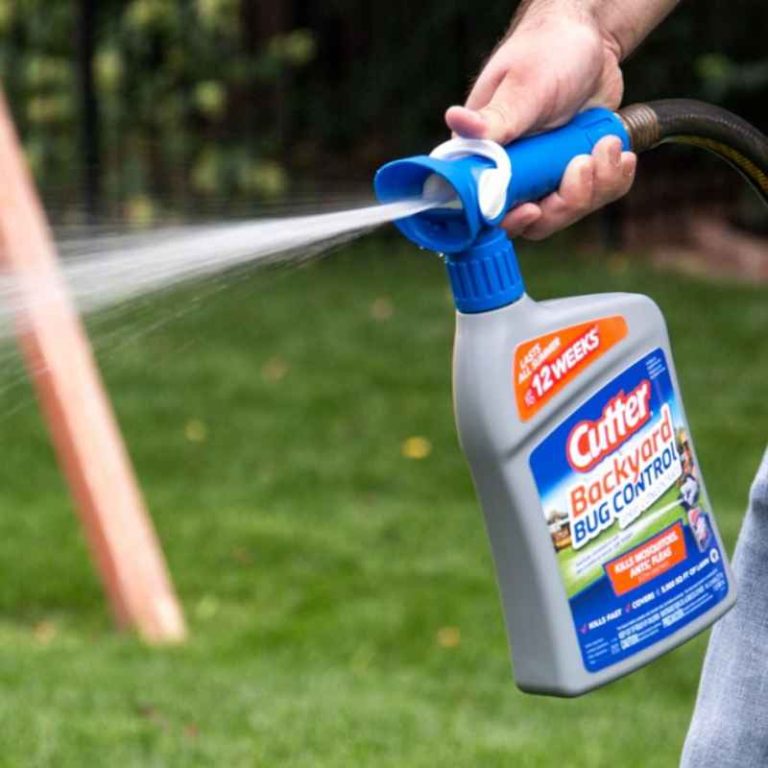
In one case, a gardener’s use of a hose-end sprayer led to widespread drift, resulting in crop loss across several beds. Extension agents recommend spot treatments with shielded sprayers and regular training for gardeners.
Community Feedback
Online gardening forums and cooperative extension Q&A boards show a pattern: Sedgehammer is safe and effective on labeled crops but causes problems when used indiscriminately. For more user experiences, the National Gardening Association forums offer diverse perspectives.
Gardeners often share tips for identifying sedges, planning treatments, and avoiding common pitfalls. Community knowledge can be invaluable, but always verify advice with extension services and product labels.
Frequently Asked Questions
Is Sedgehammer Safe To Use Around All Vegetable Plants?
No, Sedgehammer is not approved for all vegetables. It is safe only on crops specifically listed on the label, such as sweet corn, dry beans, and peas. Using Sedgehammer on or near unapproved vegetables like tomatoes, lettuce, or root crops can result in phytotoxicity and unsafe residues.
How Long After Applying Sedgehammer Can I Harvest Vegetables?
You must observe the pre-harvest interval (PHI) specified on the product label. For most labeled crops (e.g., sweet corn, beans), the PHI is 30 days. Harvesting before this interval increases the risk of unsafe residues on produce.
Can I Use Sedgehammer In An Organic Vegetable Garden?
No, Sedgehammer is not allowed in certified organic production. Its active ingredient, halosulfuron-methyl, is synthetic and not listed by the Organic Materials Review Institute (OMRI). Organic growers should use mechanical, cultural, or approved organic herbicides instead.
What Happens If Sedgehammer Drifts Onto Non-target Vegetables?
Drift can cause serious injury to sensitive vegetables, such as leaf burn, stunted growth, or even plant death. Always use a shielded sprayer, avoid spraying on windy days, and maintain a buffer zone between treated and untreated areas to prevent accidental exposure.
Are There Safer Alternatives To Sedgehammer For Controlling Nutsedge In Vegetable Gardens?
Yes, alternatives include hand-pulling, mulching, solarization, and flame weeding. While these methods may be more labor-intensive or less effective for large infestations, they pose no risk of chemical residues and are suitable for all edible crops.
Vegetable gardeners face a delicate balance between effective weed control and food safety. Sedgehammer offers powerful sedge suppression—but only for specific crops and when used strictly according to the label. Misapplication or off-label use can damage plants and compromise food safety. For many gardeners, integrating multiple strategies—chemical, mechanical, and cultural—delivers the best results. Always consult the latest label, extension resources, and local regulations to ensure your garden remains both productive and safe.