How to Use Blood Meal in Vegetable Gardens (Right Way)
Few soil amendments are as potent, misunderstood, and controversial as blood meal. This organic fertilizer, derived from dried animal blood (usually cattle), packs a nitrogen punch and can revolutionize vegetable gardening when used correctly. But improper application can lead to burnt plants, wasted money, or even attract unwelcome pests. As organic gardening gains traction and gardeners seek sustainable alternatives, blood meal stands out as a valuable, albeit tricky, tool for achieving lush, productive vegetable beds.
Whether you’re a beginner seeking high-yield harvests or an experienced gardener navigating nutrient deficiencies, mastering the right way to use blood meal can transform your soil and your crops. This comprehensive guide dives deep into blood meal’s chemistry, benefits, potential risks, and step-by-step application methods. We’ll also explore real-world case studies, comparison tables, and actionable tips to ensure you get maximum results—while avoiding common pitfalls.
Key Takeaways
- Blood meal is a fast-acting, organic nitrogen fertilizer ideal for vegetables with high nitrogen demands.
- Proper application prevents plant burn, pest issues, and environmental harm.
- Blood meal works best when soil is tested, applied at recommended rates, and integrated with other amendments.
- Real-world case studies show measurable improvements in yield and plant health.
- Understanding blood meal’s pros, cons, and alternatives helps optimize garden performance.
- Always store and handle blood meal safely to protect pets, wildlife, and your garden ecosystem.

What Is Blood Meal? Nutrient Profile And Origins
Blood meal is an organic fertilizer produced by drying and grinding animal blood, typically from cattle slaughterhouses. Its appeal lies in its high nitrogen content and rapid nutrient release, making it a favorite among organic growers and sustainable agriculture advocates.
Nutrient Composition
Blood meal’s primary nutrient is nitrogen (N), but it contains trace amounts of phosphorus (P) and potassium (K). Typical guaranteed analysis:
- Nitrogen: 12–15%
- Phosphorus: 1–2%
- Potassium: 0–0.5%
| Fertilizer | Nitrogen (%) | Phosphorus (%) | Potassium (%) | Release Rate |
|---|---|---|---|---|
| Blood Meal | 12–15 | 1–2 | 0–0.5 | Fast (2–6 weeks) |
| Fish Meal | 5–6 | 3–4 | 1–2 | Medium (1–3 months) |
| Compost | 1–3 | 0.5–2 | 1–2 | Slow (3–12 months) |
The high nitrogen concentration in blood meal makes it particularly effective for quickly remedying nitrogen deficiencies, which are a common problem in many intensively cultivated or sandy soils. Unlike synthetic nitrogen sources, blood meal contributes organic matter as it breaks down, which can further enhance soil structure and microbial activity over time.
How Is Blood Meal Made?
Blood meal is manufactured in a controlled process:
- Collection: Blood is gathered from slaughterhouses.
- Sterilization: Heated to eliminate pathogens, often at temperatures exceeding 100°C (212°F), ensuring safety for garden use and preventing the transmission of diseases such as BSE (bovine spongiform encephalopathy).
- Drying: Moisture is removed through evaporation or spray-drying, leaving a stable, dry powder.
- Grinding: Powder is finely milled for easy application and uniformity.
The result is a dark, odorless powder that’s safe for garden use. The processing steps are critical for product safety and quality, as improper sterilization can lead to contamination risks. For more on manufacturing standards and safety, see Wikipedia.
Environmental Impact
Blood meal is considered organic but is not vegan. It recycles animal by-products that would otherwise be waste, supporting circular agriculture. However, sourcing and processing must adhere to strict environmental and ethical standards. For example, reputable blood meal producers source blood from regulated slaughterhouses and follow stringent waste management practices to minimize environmental impact.
Some gardeners may have ethical concerns about using animal-derived fertilizers, but from an environmental perspective, blood meal helps close the nutrient loop by returning valuable nutrients to the soil. Additionally, because it is a byproduct, its production generally has a lower carbon footprint compared to manufacturing synthetic fertilizers.
For additional insights on sustainable sourcing, visit USDA Organic Certification.

Why Use Blood Meal In Vegetable Gardens?
Understanding the specific advantages and drawbacks of blood meal helps gardeners make informed decisions for their vegetable beds.
Benefits Of Blood Meal
- Rapid Nitrogen Boost: Blood meal delivers nitrogen quickly, which is critical for lush foliage and healthy growth in vegetables like lettuce, spinach, and tomatoes. Nitrogen is the key macronutrient driving vegetative growth, chlorophyll production, and overall plant vigor.
- Organic Certification: Approved for use in certified organic gardens, making it a sustainable choice. Blood meal is often listed by the Organic Materials Review Institute (OMRI) and can be an essential tool for organic growers who are restricted from using synthetic options.
- Soil Microbe Support: Encourages beneficial microbial activity, improving soil structure. The decomposition of blood meal stimulates soil biology, which can indirectly make other nutrients more available to plants and improve resilience against diseases.
- Corrects Deficiencies: Effective at remedying yellowing leaves and stunted growth due to nitrogen deficiency. In just a few weeks, visible improvements in plant color and growth are common, especially in fast-growing crops.
- Versatile Use: Can be used as a top-dressing, soil amendment, or in compost activation. Its versatility means it fits into many different gardening systems, from raised beds to traditional rows to no-till gardens.
Additionally, blood meal is valued for its ability to jumpstart cold soils in early spring, when microbial activity is still low and organic matter decomposition is slow.
Drawbacks And Risks
- Overapplication: Excess blood meal can “burn” plants, causing leaf scorch or death. The high nitrogen content is potent; too much can disrupt plant metabolism and damage roots.
- Pest Attraction: If not buried, blood meal may attract dogs, raccoons, or rodents. The smell, while faint to humans, can be enticing to animals, leading to garden disturbances or even health risks if consumed by pets.
- Odor Issues: Some brands may have a lingering smell, especially when wet. This can be problematic in urban or small-space gardens where odor control is essential.
- Limited Nutrients: Offers little phosphorus and potassium; may require supplementation. Relying solely on blood meal can result in imbalanced nutrition, impacting flowering and fruiting.
Some gardeners have also reported that repeated heavy use can acidify soil over time, particularly in sandy or low-buffering soils. Monitoring pH is advised if blood meal is used regularly.
Vegetable Types That Benefit Most
Vegetables with high nitrogen needs respond best to blood meal:
- Leafy Greens: Lettuce, spinach, kale, arugula
- Nightshades: Tomatoes, peppers, eggplant
- Brassicas: Cabbage, broccoli, cauliflower
These crops need sustained nitrogen throughout the growing season to maintain leaf and shoot growth. In contrast, root crops (carrots, beets, potatoes) require less nitrogen, as excessive nitrogen can lead to lush tops but poor root development.
Other crops, such as legumes (beans, peas), actually fix atmospheric nitrogen through symbiotic bacteria and can suffer from excessive nitrogen. For these, blood meal is unnecessary and potentially harmful.
| Crop Type | Blood Meal Suitability | Recommended Application Rate |
|---|---|---|
| Leafy Greens | Excellent | 1–2 lbs/100 sq ft |
| Nightshades | Good | 1–1.5 lbs/100 sq ft |
| Root Crops | Low | 0.5 lbs/100 sq ft |
| Legumes | Poor | Avoid |
For a deeper understanding of crop-specific nutrient requirements, consult University of Minnesota Extension.
How To Apply Blood Meal: Step-by-step Guide
Proper application is crucial to maximize benefits and prevent damage. Follow these steps for safe and effective use in vegetable gardens .
Soil Testing: The Foundation
Before any fertilizer is applied, conduct a soil test to determine nutrient levels and pH. Most county extension offices offer affordable testing services. Blood meal works best in soils with:
- Nitrogen levels below 20 ppm
- PH between 6.0 and 7.0
A soil test can also reveal other nutrient imbalances and help you avoid unnecessary or counterproductive applications. If your soil is already high in nitrogen, adding blood meal can lead to toxicity, environmental leaching, and wasted resources.
Soil pH is also crucial. Blood meal tends to slightly acidify soils as it breaks down. If your soil is already acidic (below 6. 0), consider adding lime or using blood meal sparingly.
Calculating Application Rates
Use blood meal sparingly:
- General guideline: 1–2 lbs per 100 sq ft
- For container gardens: 1–2 teaspoons per gallon of soil
- Always consult product labels for specific recommendations
To calculate exact rates, determine your bed’s square footage (length × width) and adjust accordingly. It’s better to under-apply and reapply later than to risk burning your plants with a single heavy dose.
For new beds or when correcting severe deficiencies, use the higher end of the rate range. For established or moderately fertile beds, use the lower rate.
Methods Of Application
- Top-Dressing
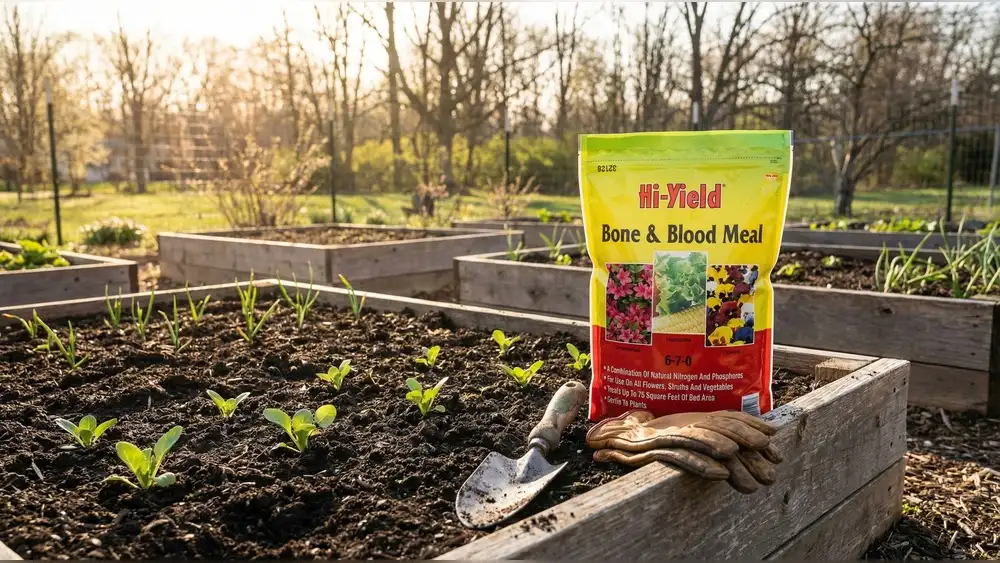
- Sprinkle blood meal evenly around plants, avoiding direct contact with stems or leaves.
- Gently scratch into the top inch of soil using a hand fork or rake to prevent runoff and minimize animal attraction.
- Water thoroughly to activate nutrients and help the blood meal integrate into the soil matrix.
- Pre-Plant Incorporation
- Mix blood meal into soil before planting seeds or transplants.
- Apply recommended rate and till or dig into a depth of 6 inches to distribute nutrients throughout the root zone.
- This method is ideal for preparing new beds or rejuvenating depleted soils.
- Compost Activation
- Add blood meal to compost piles to accelerate decomposition, especially if the pile is “carbon heavy” (lots of leaves or straw).
- Use 1 cup per cubic yard of compost. Mix thoroughly to encourage even microbial activity.
- Liquid Fertilizer
- Dissolve blood meal in water (1 tbsp per gallon), let sit for several hours or overnight, then apply as a foliar spray or soil drench.
- This method offers a quick nutrient boost to rapidly growing plants but should be used with caution to avoid overfeeding.
Timing And Frequency
- Apply blood meal in spring when plants begin active growth, as this is when their nitrogen demand peaks.
- Repeat every 6–8 weeks if needed, but always monitor for symptoms of excess nitrogen.
- For crops with extended growing seasons (such as tomatoes or peppers), a midseason top-up may be beneficial.
- Avoid applying blood meal late in the season, as it can delay fruiting and encourage soft, frost-susceptible growth.
Safety Precautions
- Wear gloves and a mask to avoid inhaling dust or accidental contact, as blood meal can cause skin and respiratory irritation.
- Keep out of reach of pets and children. Blood meal is not toxic but can cause digestive upset if ingested in large quantities.
- Store in a cool, dry place to prevent clumping, spoilage, or contamination.
For more detailed safety tips, review guidelines from EPA.
Real-world Examples: Successes And Challenges
Examining actual garden scenarios illustrates the impact of blood meal—both positive and negative.
Case Study 1: Boosting Tomato Yield
A community garden in Portland, Oregon, faced sluggish tomato growth and pale leaves. After a soil test confirmed nitrogen deficiency, gardeners applied blood meal at 1. 5 lbs per 100 sq ft. Within three weeks, tomatoes showed vibrant green foliage and produced 30% more fruit compared to untreated beds.
Takeaway: Strategic blood meal application revived plant health and increased yield.
In this case, careful measurement and soil testing were key. The gardeners monitored plant response and avoided further applications once plants appeared healthy, demonstrating best practices for sustainable fertilization.
Case Study 2: Leafy Greens Explosion
In a backyard garden in Atlanta, spinach and lettuce suffered from yellowing and slow growth. Blood meal was top-dressed and watered in. Plants responded with rapid leaf production, leading to weekly harvests. However, overuse resulted in a few burned leaves, highlighting the importance of moderation.
Takeaway: Blood meal delivers quick results, but over-application can cause harm.
This gardener learned to apply smaller amounts in future plantings, emphasizing the importance of incremental feeding and observation.
Case Study 3: Pest Attraction Problem
A gardener in San Diego sprinkled blood meal on the soil surface without incorporating it. Local raccoons dug up beds searching for the source. After switching to buried or dissolved application, pest issues disappeared.
Takeaway: Proper application prevents unwanted animal attraction.
This example illustrates the value of following application guidelines—not only for plant health but also for deterring unwanted wildlife visits.
Case Study 4: Compost Activation
A school garden in Iowa used blood meal to jumpstart a sluggish compost pile. Within two months, pile temperature increased, decomposition accelerated, and finished compost was ready weeks ahead of schedule.
Takeaway: Blood meal is an effective compost activator.
This case underscores blood meal’s utility beyond direct plant feeding—helping to recycle nutrients in a closed-loop system.
For more case studies and research, see ScienceDirect.
Blood Meal Vs Other Organic Nitrogen Sources
Blood meal is not the only organic option for nitrogen supplementation. Comparing blood meal to alternatives helps gardeners make the right choice for their needs.
Blood Meal Vs Fish Meal
Blood meal offers higher nitrogen, but fish meal provides more phosphorus and potassium. Fish meal also has a slower release, reducing burn risk. However, fish meal can have a stronger odor and is more expensive.
Fish meal’s slower release is ideal for steady feeding, while blood meal is preferred for urgent nitrogen deficiencies. Gardeners looking to balance fertility may use a combination of both.
Blood Meal Vs Compost
Compost supplies a balanced array of nutrients but releases them slowly. Blood meal is ideal for quick corrections, while compost excels at long-term soil health.
Unlike blood meal, compost also improves soil texture, water-holding capacity, and microbial diversity. Many organic gardeners layer compost and blood meal applications for both immediate and lasting benefits.
Blood Meal Vs Synthetic Fertilizers
Synthetic fertilizers deliver precise nutrient ratios and fast results but may harm soil microbes and cause runoff. Blood meal is gentler on the environment and supports soil biology.
Synthetic sources, such as urea, offer much higher concentrations of nitrogen but can be risky for young plants and can lead to groundwater pollution if misapplied. Blood meal, in contrast, is less likely to cause environmental harm when used at recommended rates.
| Source | Nitrogen (%) | Release Speed | Organic Status | Best Use |
|---|---|---|---|---|
| Blood Meal | 12–15 | Fast | Yes | Quick nitrogen boost |
| Fish Meal | 5–6 | Medium | Yes | Balanced nutrients |
| Compost | 1–3 | Slow | Yes | Long-term health |
| Synthetic (Urea) | 46 | Very Fast | No | Immediate correction |
For a detailed comparison, refer to Gardener’s Supply Company.
Common Mistakes And How To Avoid Them
Even experienced gardeners can make errors when using blood meal. Avoid these pitfalls for best results.
Overapplication
Applying too much blood meal is the most frequent mistake. Symptoms include:
- Leaf burn (brown, crispy edges)
- Stunted growth or sudden wilting
- Excessive foliage with reduced flowering or fruit set
Solution: Always measure and follow recommended rates. If in doubt, use less and observe plant response over a couple of weeks before reapplying.
Inadequate Incorporation
Leaving blood meal on the surface can attract pests and reduce effectiveness. Rain and irrigation can also wash away surface-applied blood meal, leading to nutrient loss and groundwater contamination.
Solution: Mix into soil or dissolve in water. For top-dressing, use a hand rake or trowel to gently incorporate into the top inch of soil.
Using On Nitrogen-fixing Crops
Legumes (beans, peas) fix their own nitrogen and don’t need supplementation. Over-applying nitrogen to these crops can actually suppress their natural nitrogen-fixing bacteria, reducing yields.
Solution: Avoid blood meal on legumes; focus on phosphorus and potassium sources if needed.
Ignoring Soil Testing
Applying blood meal to already nitrogen-rich soils leads to waste and potential harm. Symptoms of excess nitrogen include deep green, floppy foliage, delayed flowering, and increased pest or disease susceptibility.
Solution: Test soil before fertilizing and repeat tests every 2–3 years, or after significant amendments.
Improper Timing
Applying blood meal late in the season can encourage leafy growth at the expense of fruit or root development. Late applications can also leave excess nitrogen in the soil over winter, increasing leaching risks.
Solution: Apply early in the growth cycle, and avoid late-summer or fall applications except in compost piles.
For more on avoiding fertilizer mistakes, see Royal Horticultural Society.
Integrating Blood Meal With Other Soil Amendments
Blood meal works best as part of a balanced soil fertility strategy. Combining it with other amendments delivers optimal results.
Pairing With Compost
Compost provides slow-release nutrients and improves soil structure. Blood meal supplies an immediate nitrogen boost. This combination supports both short-term and long-term plant health.
A common practice is to mix a small amount of blood meal into finished compost before application, ensuring a balanced nutrient profile for new plantings.
Supplementing Phosphorus And Potassium
Since blood meal is low in phosphorus and potassium, pair it with:
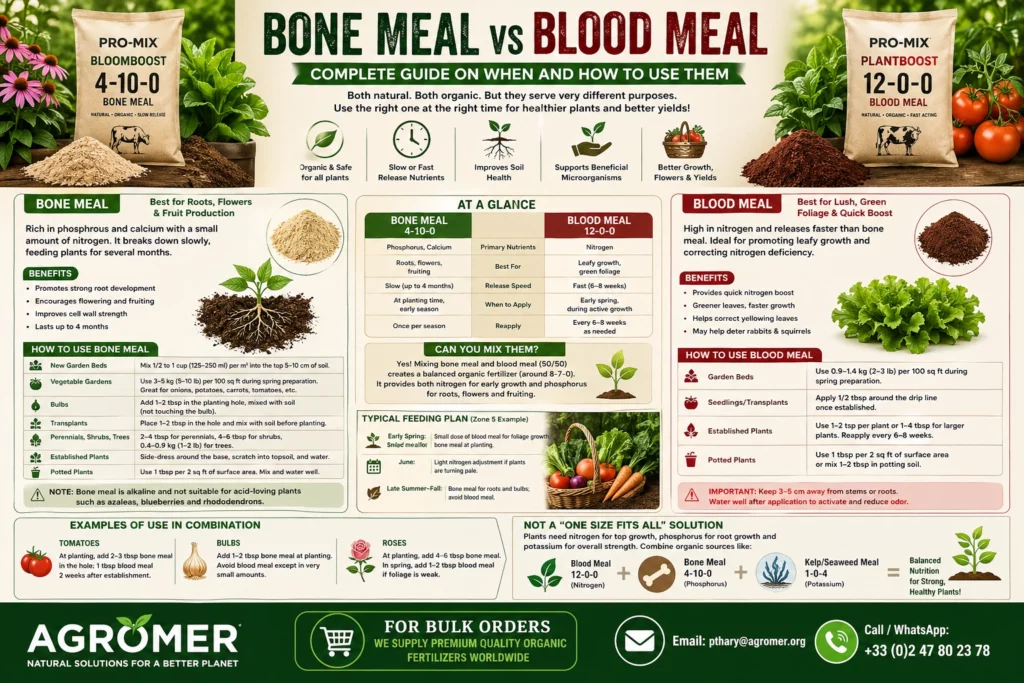
- Bone meal (for phosphorus): Ideal for flowering and fruiting crops, bone meal breaks down slowly, providing a steady supply of phosphorus.
- Wood ash or greensand (for potassium): These amendments correct potassium deficiencies, especially in sandy soils, and help improve drought resistance and overall plant hardiness.
Consider using a balanced organic granular fertilizer that contains all three major nutrients (NPK) if your soil test shows widespread deficiencies.
Using Organic Mulches
Mulching with straw or leaves helps retain soil moisture and suppress weeds, allowing blood meal nutrients to remain available for plant uptake. Mulch also moderates soil temperature, encouraging optimal microbial activity and reducing volatilization losses of nitrogen.
Integrated Pest Management
Avoid attracting animals by combining blood meal with pest deterrents like hot pepper flakes or citrus peels. In some cases, gardeners use blood meal itself as a deterrent for deer and rabbits, applying it around the perimeter of beds (though this should not be relied upon as the sole strategy).
Integrating blood meal into a holistic soil management plan leads to robust, resilient plants and reduces the need for synthetic inputs.
Blood Meal Storage, Safety, And Environmental Considerations
Handling blood meal responsibly protects your garden, pets, and the environment.
Storage Guidelines
- Store blood meal in airtight containers away from moisture to prevent clumping and spoilage. Moisture can cause the product to mold or lose potency.
- Keep out of reach of pets—dogs are especially attracted to blood meal and may dig into bags or treated soil.
- Label containers clearly to prevent confusion with other garden amendments or food products.
- Store in a cool, dark place to maximize shelf life; blood meal can remain effective for up to two years if stored properly.
Environmental Safety
Blood meal is biodegradable and does not contribute to chemical runoff. However, excessive use can cause nitrogen leaching into groundwater, especially in sandy or heavily irrigated soils.
Tip: Apply only what plants need and avoid fertilizing before heavy rain. Consider using slow-release organic amendments for long-term fertility rather than relying solely on quick-release options like blood meal.
When using blood meal as part of a composting program, monitor pile temperature and moisture. Excess nitrogen can lead to ammonia odors and anaerobic conditions, so balance with ample carbon-rich materials.
Handling Precautions
- Use gloves and masks when applying to prevent inhalation or contact with skin, as blood meal can be a mild irritant.
- Wash hands thoroughly after use, especially before eating or touching your face.
- Clean up spills immediately, especially on patios, walkways, or areas accessible to pets.
For more on environmental best practices, see USDA NRCS.
Frequently Asked Questions
What Is The Best Time Of Year To Apply Blood Meal?
Apply blood meal in early spring, just as vegetables begin active growth. This timing ensures plants receive a nitrogen boost when they need it most. Avoid late-season applications, as these can encourage leafy growth over fruit or root development. For overwintering crops, such as garlic, apply in late fall only if soil tests indicate a deficiency.
Can Blood Meal Be Used In Container Gardens?
Yes, blood meal is effective in container gardens. Use 1–2 teaspoons per gallon of potting soil and mix thoroughly. Monitor plants closely for signs of excess nitrogen, such as leaf burn or lush foliage without fruit. Container-grown plants often require more frequent feeding due to limited soil volume and faster nutrient depletion.
Is Blood Meal Safe For Pets And Wildlife?
Blood meal can attract pets, particularly dogs, who may dig up garden beds or ingest the product. Always bury blood meal or dissolve it in water to reduce attraction. Store securely and supervise pets in treated areas. If ingestion occurs, consult a veterinarian, as large amounts can cause gastrointestinal distress.
Does Blood Meal Improve Composting?
Absolutely. Blood meal accelerates compost decomposition by supplying a concentrated nitrogen source. Add 1 cup per cubic yard of compost to boost microbial activity and speed up the process. Monitor your pile for excess ammonia odors, which indicate too much nitrogen—add more carbon-rich materials (leaves, straw) if needed.
How Can I Tell If My Vegetables Need More Nitrogen?
Common symptoms of nitrogen deficiency include yellowing leaves (especially older ones), stunted growth, and weak stems. In severe cases, plants may drop leaves prematurely or fail to produce expected yields. Conduct a soil test to confirm low nitrogen levels before applying blood meal.
Visual assessment should be paired with analytical testing for the most accurate diagnosis.
References And Further Reading
- Blood Meal – Wikipedia
- USDA Organic Certification
- University of Minnesota Extension
- ScienceDirect: Environmental Impact of Organic Fertilizers
- Gardener’s Supply Company: Organic Fertilizer Guide
- USDA NRCS: Conservation Practices
Blood meal is a powerful, organic nitrogen source that can dramatically enhance vegetable garden productivity when used correctly. By understanding its composition, benefits, risks, and integration with other soil amendments, gardeners can achieve lush, healthy crops while protecting their soil and environment.
Always test your soil, follow recommended rates, and apply blood meal with care—and your vegetable garden will reward you with vibrant growth and abundant harvests. With responsible use, blood meal can be a cornerstone of sustainable gardening that bridges the gap between organic principles and high-yield performance.