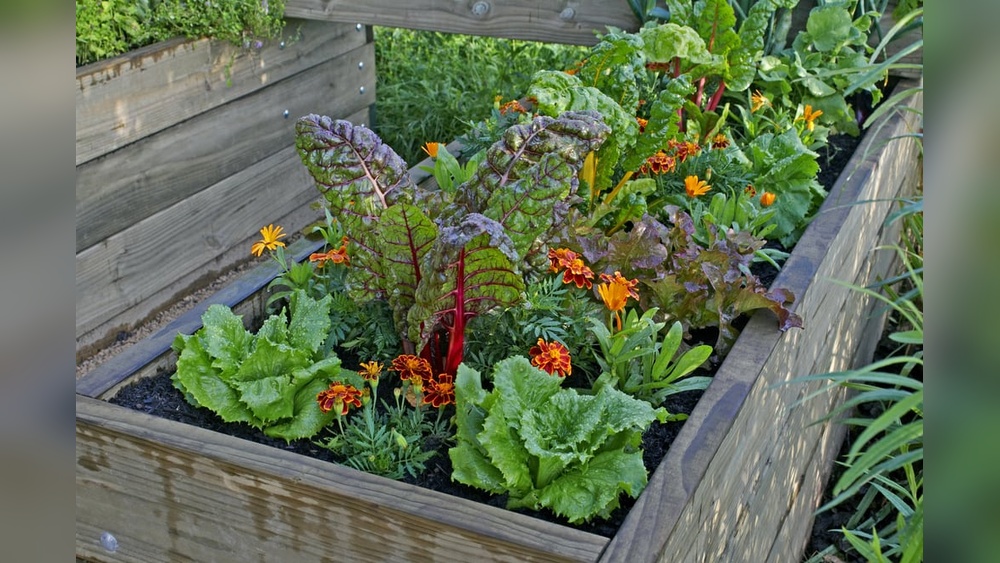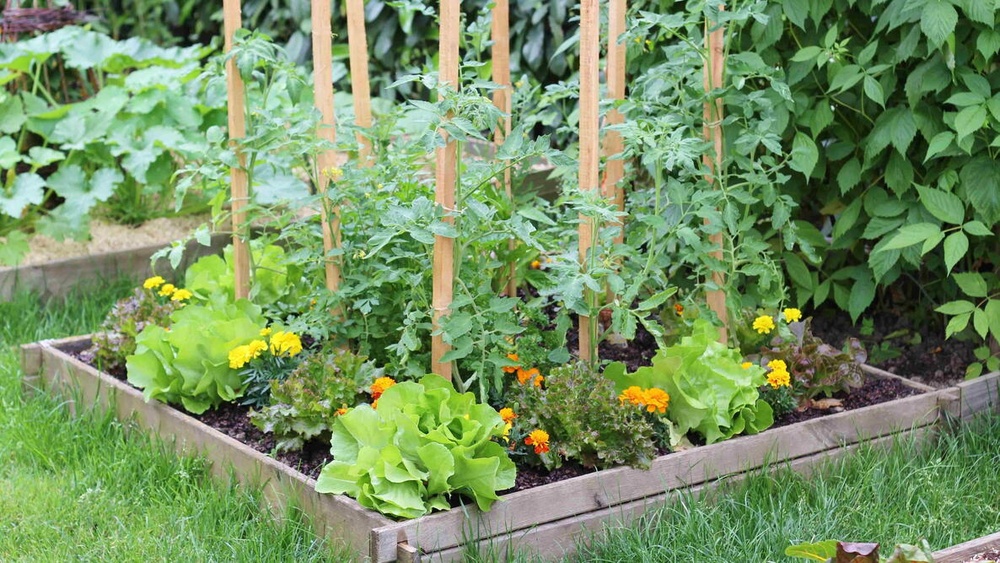

Gardening enthusiasts and homeowners alike are constantly seeking effective ways to protect their lawns and gardens from destructive pests. One product that often comes up in this conversation is Grub-X, a well-known chemical grub control solution. But while Grub-X is celebrated for its effectiveness against lawn grubs, many gardeners wonder: Can Grub-X be safely used in vegetable gardens? The answer is not as straightforward as it may seem, and making the wrong decision could have serious implications for both your crops and your health.
With the increasing focus on food safety, organic gardening, and environmental impact, it’s vital to understand exactly how products like Grub-X work, what their risks are, and whether they have a place in your vegetable patch. This comprehensive guide explores the science behind Grub-X, regulatory guidelines, real-world outcomes, and safer alternatives for vegetable gardeners.
If you want to protect your harvest without compromising safety, read on for an in-depth, data-driven analysis.
Key Takeaways
- Grub-X is not recommended for vegetable gardens due to potential health and environmental risks.
- The active ingredient in Grub-X is designed for turfgrass, not edible crops, and can leave harmful residues.
- Regulatory agencies such as the EPA prohibit Grub-X use on food crops.
- Safer alternatives for vegetable gardens include beneficial nematodes, manual removal, and organic controls.
- Proper application timing, method, and safety measures are critical for all pest control products.
- Understanding the differences between lawn and garden pest management is essential for a safe, productive harvest.

Understanding Grub-x: Composition, Uses, And Limitations
What Is Grub-x?
Grub-X is a commercial brand name for a class of insecticides commonly used to control lawn grubs, particularly those caused by beetle larvae such as Japanese beetles, June beetles, and chafers. The main active ingredient in most Grub-X products is chlorantraniliprole, a chemical classified as an anthranilic diamide. Some previous formulations contained imidacloprid, a neonicotinoid insecticide, but recent shifts in regulation and public concern have led to changes in formulations.
Chlorantraniliprole stands out for its selective action against chewing insects, especially those in the larval stage, while generally sparing many beneficial insects and earthworms. Still, this selectivity does not extend to all non-target organisms, and the persistence of the chemical in the environment can result in subtle impacts on the surrounding ecosystem.
For example, while Grub-X may not immediately harm pollinators such as bees when used as directed on turf, the potential for drift, runoff, or accidental misapplication can extend its influence beyond the intended turfgrass targets.
How Does Grub-x Work?
Grub-X operates by disrupting the calcium balance in insect muscle cells, causing paralysis and eventual death. It’s highly effective against soil-dwelling grubs, which feed on grassroots and can destroy entire lawns if left unchecked. The product is typically applied as a granular spreader or liquid drench, watered into the soil to target larvae at their most vulnerable stage.
The application process is designed to maximize soil penetration, ensuring the chemical reaches the zone where grubs are most active. Timing is crucial; applications are most effective when grubs are small and feeding near the surface—typically late spring through early summer.
Application outside this window often results in reduced efficacy and greater persistence of residues in the soil, elevating the risk of unintentional contamination.
Label Restrictions And Intended Uses
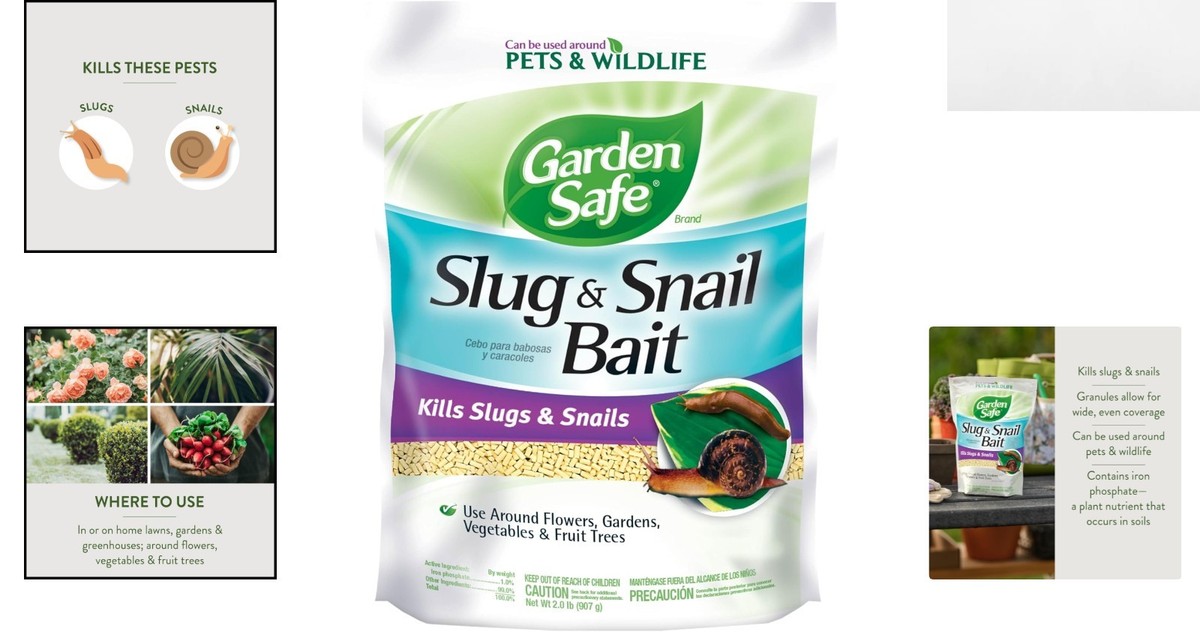
According to the manufacturer’s guidelines and the Environmental Protection Agency (EPA), Grub-X is strictly labeled for use on turfgrass only. This includes residential lawns, golf courses, and some ornamental landscapes. The product label explicitly warns against use on food crops, edible plants, or in vegetable gardens. Violation of these guidelines can result in contamination of food, fines, and legal consequences.
Manufacturers invest considerable resources in testing and registering their products for specific uses. The stringent language on the label reflects not only the limitations of existing safety data but also the legal framework governing pesticide use. Applying Grub-X outside of its labeled context, even with good intentions, exposes users to liability and can have unforeseen consequences on food safety.
Risks And Limitations
- Residue in Edible Plants: Studies have shown that chemical residues from turf insecticides can be taken up by certain crops, particularly root vegetables and leafy greens.
- Environmental Impact: Runoff from treated areas can affect beneficial insects, pollinators, and aquatic life.
- Non-Target Toxicity: Chlorantraniliprole is considered less toxic to humans and pets than older chemicals, but risks remain if misapplied.
- Persistence: The chemical’s long half-life means that residues may remain in the soil or be taken up by subsequent crops, even if the area is replanted months later.
Regulatory Overview
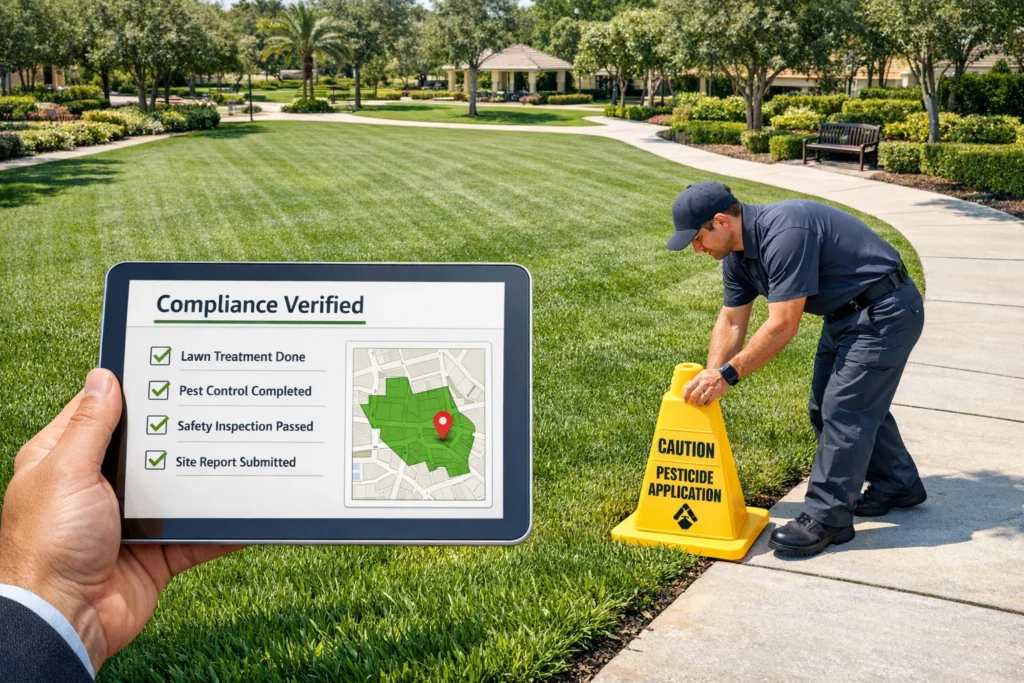
According to the EPA’s Pesticide Product Label System (EPA Product Label System), it is illegal to use any pesticide in a manner inconsistent with its labeling. This includes using Grub-X on vegetables, which is a clear violation.
State and local agencies may impose additional restrictions, and the penalties for misuse can include not only fines but also loss of certification for organic growers and restrictions on selling produce. For community gardens and educational institutions, following these regulations is especially important to maintain public trust and program integrity.
Why Vegetable Gardens Require Special Considerations
Differences Between Turf And Food Crops
The physiology and growth habits of vegetable plants differ significantly from turfgrass. Edible crops may absorb and accumulate certain chemicals at rates and in ways not anticipated by products designed solely for lawns. Many root vegetables (like carrots and potatoes) and leafy greens (such as lettuce and spinach) are particularly susceptible to absorbing soil-borne residues, presenting a direct risk to human health.
Additionally, the metabolic pathways and transpiration rates in food plants can facilitate the uptake and concentration of chemical residues, especially when applied near or during the growing season. The edible portion of the plant—whether root, leaf, stem, or fruit—acts as the final collection point for any systemic chemicals present in the soil.
Unlike lawns, where clippings are rarely ingested, vegetables are directly consumed, increasing the importance of avoiding contamination.
Human Health Implications
The Centers for Disease Control and Prevention (CDC) reports that exposure to certain insecticide residues can lead to:
- Short-term effects: Nausea, headaches, skin or eye irritation.
- Long-term effects: Endocrine disruption, increased cancer risk, neurological issues.
While chlorantraniliprole is considered low-risk compared to older chemicals, the data on chronic, low-level dietary exposure remains incomplete. The EPA sets maximum residue limits (MRLs) for food crops, but Grub-X is not tested or approved for such use, which means no safe threshold has been established.
Emerging research suggests that even low-dose, chronic exposure to certain pesticides may contribute to subtle but significant health effects, particularly in vulnerable populations such as children, pregnant women, and those with compromised immune systems. As a result, regulatory agencies err on the side of caution, prohibiting the use of non-food-labeled chemicals on vegetables.
Soil Health And Microbial Activity
Vegetable gardens rely on robust soil biology—a diverse community of microbes, fungi, and beneficial nematodes that decompose organic matter and support plant growth. Broad-spectrum insecticides can inadvertently disrupt this delicate ecosystem, reducing soil fertility and resilience over time.
Healthy soil is more than just a medium for plant roots; it’s a living system where nutrient cycling, disease suppression, and water retention are all interdependent. Pesticides like chlorantraniliprole, while less toxic than some alternatives, can still reduce populations of beneficial soil organisms.
Over time, this can lead to compacted, less productive soil and an increased reliance on external inputs such as fertilizers.
Regulatory And Organic Certification Barriers
- USDA Organic Standards strictly prohibit the use of synthetic insecticides like Grub-X in certified organic gardens.
- Using non-approved chemicals can result in loss of organic certification and may disqualify produce from farmers’ markets or local food programs.
In addition, many local and regional food programs require documentation of growing practices. A single application of a non-approved chemical may be grounds for exclusion from these programs, impacting not only individual growers but also community food security initiatives.
Real-world Example: The Risk Of Cross-contamination
In a 2026 case study from a community garden in Michigan, a well-intentioned gardener applied a leftover lawn grub control product to raised vegetable beds. Residue testing later found detectable levels of chlorantraniliprole in harvested carrots, exceeding the EPA’s accepted limits for food crops. The entire harvest was discarded, resulting in financial loss and community concern.
This incident also prompted a reevaluation of the garden’s protocols, leading to stricter storage controls for pesticides and more comprehensive education for all volunteers. It illustrates the importance of clear communication and ongoing training in shared gardening spaces.
Grub-x And Its Active Ingredient: A Scientific And Regulatory Perspective
Chlorantraniliprole: Efficacy And Safety Data
Chlorantraniliprole was introduced as a “reduced risk” insecticide due to its low toxicity to mammals, birds, and many beneficial insects. According to a 2014 review in the Journal of Agricultural and Food Chemistry, it exhibits:
- High selectivity for certain insect pests
- Minimal acute mammalian toxicity
- Low volatility and persistence in the environment
However, its soil half-life can range from 30 to 180 days depending on conditions, raising concerns about accumulation in edible crops.
Chlorantraniliprole’s mode of action is highly specific, but this specificity does not mean it is universally benign. The compound’s stability in soil, coupled with its potential for uptake by non-target plants, makes it unsuitable for environments where crops for human consumption are grown.
The environmental fate of the chemical varies with soil type, moisture, temperature, and microbial activity, complicating predictions about its persistence and movement.
Toxicological Profile: Human And Environmental Health
| Parameter | Chlorantraniliprole | Imidacloprid | Carbaryl |
|---|---|---|---|
| Acute Oral Toxicity (LD50, mg/kg, rat) | >5,000 (low) | 450 (moderate) | 250 (moderate) |
| EPA Food Crop Approval | Some crops (not vegetables in Grub-X form) | Yes (with restrictions) | Yes (with restrictions) |
| Persistence in Soil (half-life) | 30-180 days | 40-997 days | 7-28 days |
| Pollinator Toxicity | Low | High | Moderate |
The data above highlights that while chlorantraniliprole is less acutely toxic than older alternatives, its persistence can still pose a risk in the wrong setting. Imidacloprid’s extremely long half-life and high toxicity to pollinators have led to severe restrictions on its use in many countries.
Label Language: What The Manufacturer Says
A review of Grub-X product labels reveals clear prohibitions such as:
*“Do not use on food plants or in vegetable gardens. For use on lawns and landscape ornamentals only. ”*
This is reinforced by regulatory agencies; the EPA and state extension offices consistently warn against misuse.
These warnings are not simply legal disclaimers—they reflect the absence of residue studies, risk assessments, and regulatory approval for food crops. Manufacturers invest heavily in the data required for food crop registration, and the lack of such data for Grub-X formulations means their safety cannot be assured in edible gardens.
Residue Transfer And Food Safety
A 2017 study published by the United States Department of Agriculture (USDA) found that:
- Chlorantraniliprole residues were not detected in treated lawn clippings after 30 days, but root crops grown in contaminated soil absorbed trace amounts.
- The World Health Organization (WHO) recommends limiting dietary exposure by restricting use in food production environments (WHO Fact Sheet).
These findings reinforce the principle of keeping non-food-approved pesticides out of vegetable beds, even if the intended use is nearby or the area is converted from turf to garden.
Regulatory Summary Table
| Agency | Position on Grub-X in Vegetable Gardens | Reason |
|---|---|---|
| EPA | Prohibited | Not labeled for edible crops; residue risk |
| USDA | Not allowed in organic gardens | Synthetic pesticide |
| University Extension | Not recommended | Soil and crop contamination risk |
| Manufacturer | Prohibited | Label restriction |
Real-world Outcomes: Case Studies And Practical Experiences
Case Study 1: Home Vegetable Garden Contamination
In 2026, a suburban gardener in Pennsylvania unknowingly applied Grub-X to a tomato bed to control beetle larvae. Months later, routine soil tests revealed chlorantraniliprole concentrations above safe thresholds for food crops. The gardener reported no immediate illness, but all produce from the affected bed was discarded as a precaution. This underscores the importance of reading labels and understanding product scope.
It also highlights the value of local extension services, who provided guidance on remediation and safe practices for future seasons. The case serves as a cautionary tale about the lingering consequences of even a single misapplication.
Case Study 2: Community Education And Prevention
A Master Gardener program in Oregon included a session on pesticide safety after a member used leftover lawn chemicals in a school vegetable garden. The incident prompted the group to launch an educational campaign, distributing materials from the National Pesticide Information Center (NPIC) (NPIC) and hosting workshops on safe pest management practices.
As a result, awareness of pesticide regulations increased dramatically among participants, leading to improved signage in shared tool sheds and the implementation of a garden log to track all inputs and applications. These simple but effective practices have since been adopted by other community gardens in the region.
Example 3: Organic Farm Certification Loss
A small certified-organic farm in California lost its certification after routine residue testing detected synthetic insecticides consistent with turf products. The source was traced to a neighbor’s runoff, emphasizing that even indirect contamination poses serious risks.
The farm was required to undergo a three-year transition period to regain certification, resulting in significant financial loss and reputational damage. This incident underscores the importance of communication and cooperation among neighboring properties, especially in areas with diverse land uses.
Lessons Learned
- Always read and follow label instructions.
- Educate all gardeners about the risks of misapplied chemicals.
- Test soil if contamination is suspected.
- Community awareness can prevent costly mistakes.
- Establish clear buffer zones between treated areas and food crops.
Safe And Effective Alternatives For Vegetable Gardens
Biological Controls
- Beneficial nematodes (e.g., *Steinernema* spp. And *Heterorhabditis* spp.) Are microscopic worms that parasitize and kill soil-dwelling grubs without harming plants, pets, or people. They are available commercially and can be applied with water to affected beds.
- Milky spore powder (containing *Paenibacillus popilliae*) targets Japanese beetle larvae and is safe for use around edibles.
These biological controls are species-specific, targeting pests without disrupting the broader ecosystem. For instance, beneficial nematodes are compatible with organic certification programs and can be integrated into most soil types. Milky spore, though slow to establish, can provide long-term suppression with a single application, making it an excellent investment for persistent grub issues.
Organic And Mechanical Methods
- Hand picking: Regularly inspect soil and manually remove grubs.
- Crop rotation: Disrupts pest life cycles and reduces grub populations naturally.
- Encourage natural predators: Birds, ground beetles, and other beneficial insects help keep grub numbers in check.
Hand picking, while labor-intensive, provides immediate results and is especially effective in small gardens. Crop rotation and the addition of cover crops like clover or vetch can enhance soil health and reduce pest pressure over time. Encouraging predator habitat—such as brush piles or birdhouses—adds another layer of resilience to your pest management plan.
Approved Organic Insecticides
- Neem oil and spinosad are OMRI-listed and permitted in organic food production. Always follow application rates and timing for best results.
- Diatomaceous earth can be used as a soil amendment to deter soft-bodied pests.
Neem oil is a broad-spectrum botanical insecticide that works by disrupting insect growth and feeding. Spinosad, derived from soil bacteria, is effective against a range of garden pests and breaks down quickly in the environment. Diatomaceous earth, though non-toxic, should be used with caution to avoid inhalation and to minimize impact on non-target soil organisms.
Cultural Practices For Prevention
- Maintain healthy soil with compost and organic matter, which supports beneficial organisms.
- Water properly: Overwatering can make soil more attractive to certain pests.
- Monitor regularly for early signs of damage, as early intervention is key.
A holistic approach to soil and plant health can reduce the need for intervention. For example, compost not only boosts fertility but also fosters the beneficial microbes that compete with or prey upon soil-dwelling grubs. Consistent monitoring allows for rapid response if pest populations begin to rise, minimizing potential crop loss.
Table: Comparison Of Grub Control Methods For Vegetable Gardens
| Method | Effectiveness | Safety for Edibles | Environmental Impact | Cost |
|---|---|---|---|---|
| Beneficial Nematodes | High | Safe | Low | Moderate |
| Milky Spore | Moderate | Safe | Very Low | Moderate |
| Neem Oil | Moderate | Safe | Low | Low |
| Hand Picking | Low-Moderate | Safe | None | Free |
| Grub-X | High (for lawns) | Not Safe | Moderate | Moderate |
External Resources For Organic Pest Management
- EPA Safe Pest Control
- Gardening Know How: Beneficial Nematodes
- Rodale’s Organic Life: Lawn Grub Control
Safe Grub Control In Lawns Vs. Vegetable Gardens
Application Differences
- Lawns: Grub-X can be safely applied to established turf where there is no risk of food crop contamination. The granules are spread with a broadcast spreader and watered in deeply.
- Vegetable Gardens: Application is prohibited due to residue risks. Only products labeled for food crops should be used.
The distinction in application is critical: while the turf environment is designed to isolate and manage residues, vegetable gardens are open systems where chemicals can move unpredictably and be absorbed by edible plants. Always clean and store spreaders and other tools away from garden areas to prevent cross-contamination.
Barrier Planting And Buffer Zones
If you must use Grub-X in your yard, maintain a buffer zone of at least 10-20 feet between treated turf and vegetable gardens to minimize drift and runoff. Install physical barriers such as landscape edging to prevent soil movement.
In addition, consider planting non-edible buffer species—such as ornamental grasses or native wildflowers—between lawn and garden areas. These plantings can absorb runoff, trap particles, and provide habitat for beneficial insects, further reducing the risk of contamination.
Integrated Pest Management (ipm)
Adopt an IPM approach:
- Monitor for grubs and assess damage threshold.
- Use cultural, mechanical, and biological controls first.
- Reserve chemical controls for last resort—and only those labeled for vegetables.
IPM is a holistic strategy that emphasizes prevention, monitoring, and targeted intervention. By integrating multiple tactics, you reduce reliance on any one method and minimize risks to people, pets, and the environment. Educational materials on IPM are available from extension services and organizations such as the Regional IPM Centers.
Timing And Environmental Considerations
- Apply grub controls when larvae are small (typically late spring or early summer).
- Avoid application before heavy rainfall to reduce runoff.
Understanding the life cycle of common grubs in your region can help you time interventions for maximum effect. For example, Japanese beetle larvae are most susceptible to control in late July to early August, while other species may have different windows of vulnerability.
Real-world Example: Successful Ipm Adoption
A school garden in Colorado implemented an IPM plan after losing crops to grubs. They introduced nematodes, improved composting, and installed physical barriers. Within a season, grub damage was reduced by 80% without synthetic chemicals.
The success led to broader adoption of IPM principles throughout the school district, with students learning firsthand about sustainable pest management and environmental stewardship.
Step-by-step Safety Guide For Pest Management In Vegetable Gardens
Step 1: Identify The Pest
- Use a hand trowel to inspect soil for grubs or larvae.
- Take photos or samples to your local extension service for confirmation.
Correct identification is key to effective and safe management. Not all soil-dwelling insects are harmful, and many, like earthworms, are beneficial.
Step 2: Assess Damage And Threshold
- Not all grubs cause significant harm; low populations may not require intervention.
- Research the economic threshold for your specific crops.
Understanding thresholds helps you avoid unnecessary treatments, saving time and money while preserving beneficial organisms.
Step 3: Choose Safe Alternatives
- Select from beneficial nematodes, milky spore, neem oil, or hand-picking.
- Avoid all turf-only products and check the label for food crop approval.
When in doubt, consult extension agents or reputable gardening resources for guidance on safe product selection.
Step 4: Application Best Practices
- Follow all label directions for dosage, timing, and re-entry intervals.
- Apply in early morning or late evening to minimize impact on pollinators.
- Wear gloves and wash hands after handling any pest control product.
Protective clothing and careful handling reduce your exposure and the risk of accidental contamination.
Step 5: Post-application Monitoring
- Re-inspect soil and plants 1-2 weeks after treatment.
- Record effectiveness and adjust future strategies as needed.
Keeping a garden journal or log helps you track outcomes and refine your approach over time.
Step 6: Prevent Future Infestations
- Rotate crops each season.
- Add organic matter to support healthy soil.
- Attract beneficial wildlife with companion planting.
Prevention is always more effective and less costly than cure. Incorporate multiple preventive tactics for best results.
Safety Checklist
- Never use products not labeled for vegetables.
- Store chemicals securely and away from children.
- Dispose of unused product according to local regulations.
- Clean all tools and equipment after use to prevent cross-contamination.
Table: Vegetable Garden Pest Management Safety Checklist
| Task | Frequency | Notes |
|---|---|---|
| Inspect soil for grubs | Monthly | Especially in spring and summer |
| Review product labels | Before every application | Ensure food crop approval |
| Apply biological controls | As needed | Follow timing recommendations |
| Monitor for effectiveness | 1-2 weeks post-treatment | Adjust strategy if needed |
| Rotate crops | Annually | Prevents pest buildup |
Frequently Asked Questions
Can Grub-x Be Used Around Fruit Trees Or Berry Bushes?
No. Grub-X is not labeled for use around edible crops, including fruit trees and berry bushes. Applying it in these areas risks contaminating fruit and violates EPA regulations. Use only products specifically approved for use around edible plants.
What Should I Do If I Accidentally Applied Grub-x To My Vegetable Garden?
If Grub-X has been accidentally applied to a vegetable garden, do not harvest or consume any crops from the treated area during the growing season. Remove contaminated soil if possible and contact your local extension office for guidance. Consider soil testing for residues before replanting edible crops.
Are There Any Grub Control Products Safe For Vegetables?
Yes. Products containing beneficial nematodes, milky spore, neem oil, and spinosad are generally safe for edible crops when used as directed. Always check for OMRI certification or food crop approval on the label before applying.
Can I Compost Grass Clippings From A Lawn Treated With Grub-x?
It is not recommended to compost grass clippings from a recently treated lawn (within 30 days of application), as residues could transfer to the compost and subsequently to your vegetable garden. Wait until the re-entry and degradation period specified on the label has passed before composting.
How Can I Tell If My Garden Soil Is Contaminated By Pesticides?
Soil testing is the most reliable way to detect pesticide contamination. Many state university extension offices or private labs offer this service. Symptoms in plants may include poor growth, leaf discoloration, or unusual residue, but these are not definitive indicators.
Growing your own vegetables is a rewarding pursuit, but it demands careful attention to the safety of every product you use. Grub-X, while effective for lawns, is not suitable for vegetable gardens due to residue risks, regulatory prohibitions, and potential health implications. By understanding the science, reading product labels, and choosing safer alternatives like beneficial nematodes or organic controls, you can protect both your crops and your health. For more information, consult reputable resources such as the Penn State Extension: Integrated Pest Management in Vegetable Gardens and always prioritize safety and stewardship in your gardening practices.