What Kills Grubs In Vegetable Gardens? Best Methods That Work
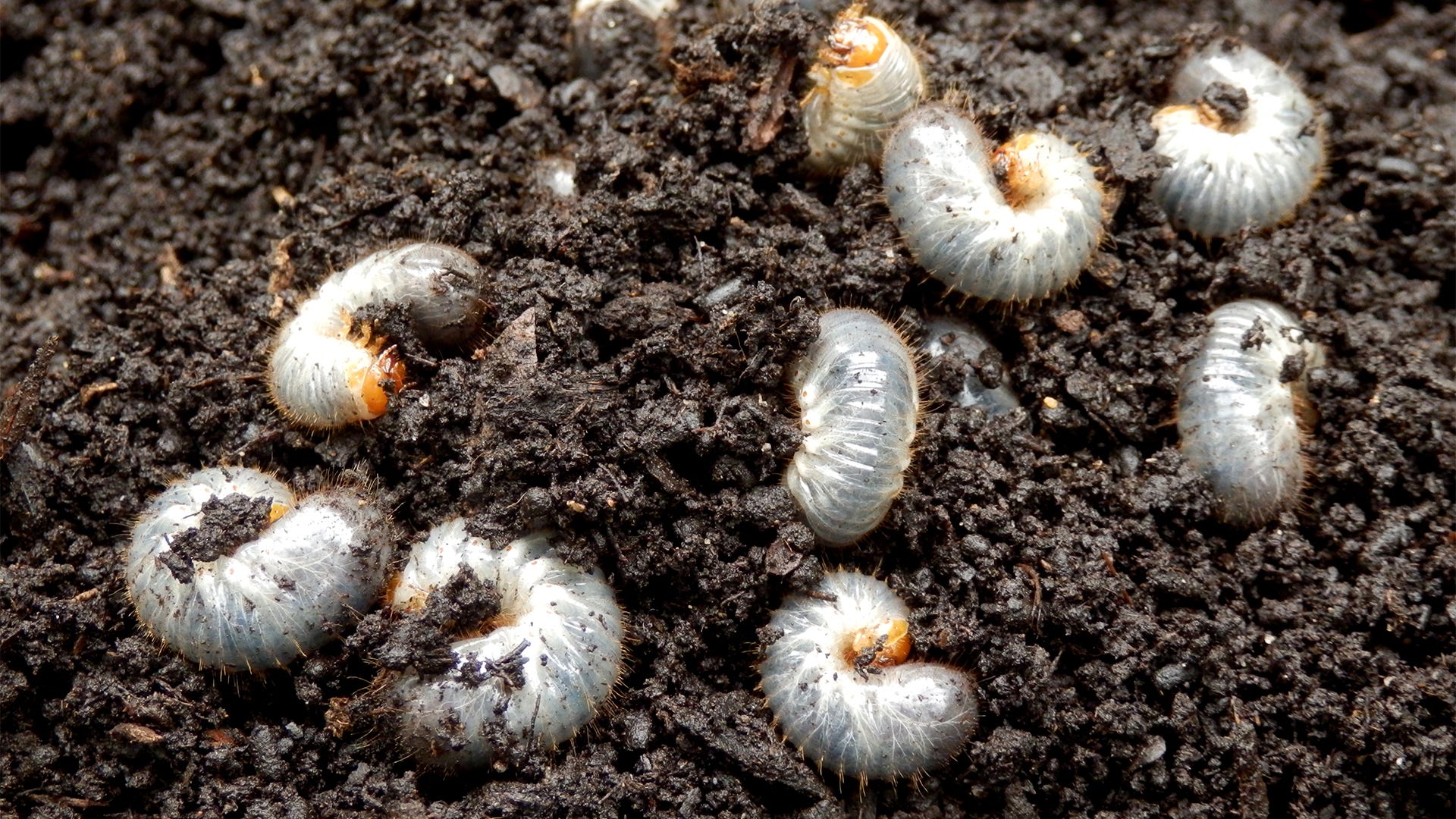
Grubs—those fat, white, C-shaped larvae lurking beneath the soil—can wreak havoc in vegetable gardens , turning healthy roots into feasts and leaving plants wilted, stunted, or dead. If you’ve noticed yellowing leaves, unexplained plant decline, or birds digging in your garden, you might have a grub problem.
While grubs are most notorious for damaging lawns, their impact on vegetable gardens can be devastating, especially when populations surge. Understanding what kills grubs and how to protect your crops is essential for both novice and experienced gardeners.
This comprehensive guide explores proven methods to eliminate grubs from vegetable gardens, blending science-backed solutions with practical strategies. We’ll examine the biology of grubs, why they’re such persistent pests, and how to identify an infestation. You’ll find detailed comparisons of organic, chemical, and integrated pest management approaches, along with real-world case studies and actionable tips.
Whether you prefer natural remedies or targeted chemical interventions, you’ll discover effective options that safeguard your harvest and soil health.
Key Takeaways
- Grubs are destructive root-feeding larvae of beetles, causing significant crop losses.
- Effective control requires correct identification and a combination of prevention and treatment.
- Organic solutions like nematodes and milky spore are highly effective and environmentally safe.
- Chemical controls can offer quick results but must be used responsibly to protect beneficial soil life.
- Integrated pest management blends multiple strategies for sustainable grub suppression.
- Regular monitoring and early intervention are key to maintaining grub-free vegetable gardens.

Understanding Grubs: Biology And Impact
Grubs are the larval stage of several beetle species, most commonly the Japanese beetle, June beetle, and European chafer. These larvae live underground, feeding voraciously on plant roots. Their damage is often most visible during late spring and early summer, when larvae are actively growing.
Life Cycle And Types Of Grubs
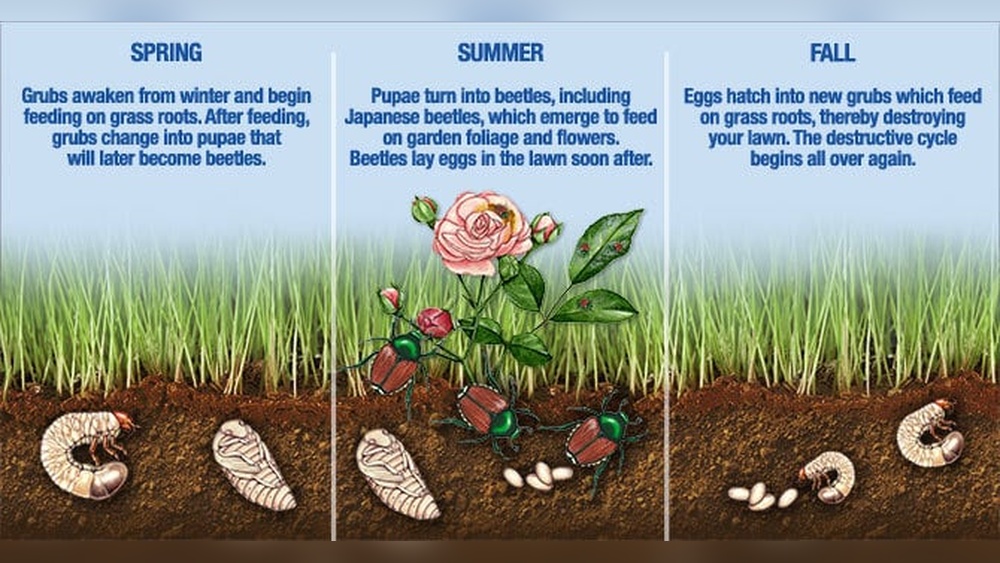
Grubs hatch from eggs laid by adult beetles in soil during midsummer. After hatching, they feed on roots until late fall, then overwinter deeper in the ground. In spring, they return to the upper soil layers to feed before pupating and emerging as adult beetles.
The complete life cycle of a typical white grub can last one to three years, depending on species and climate. For example, June beetles typically have a three-year life cycle, meaning grubs can persist in the soil for multiple seasons, making management more challenging.
Japanese beetles, on the other hand, complete their life cycle in a single year, but their large populations can result in repeated infestations if not addressed.
Common grub species in vegetable gardens:
- Japanese beetle grubs (Popillia japonica)
- June beetle grubs (Phyllophaga spp.)
- European chafer grubs (Rhizotrogus majalis)
Each species has slight differences in life cycle timing, preferred soil types, and host plant preferences. Understanding which grub species you’re dealing with can help tailor your management strategy. For instance, Japanese beetle grubs prefer moist, organic-rich soils, while European chafers are more common in sandy soils.
Symptoms And Damage In Vegetable Gardens
Grubs attack the roots of crops like tomatoes, carrots, potatoes, lettuce, and a wide variety of leafy greens and root vegetables. They can also damage young transplants and seedlings, which are particularly vulnerable due to their shallow root systems.
Typical signs of grub damage include:
- Wilting or yellowing leaves: Despite adequate watering, plants may appear drought-stressed.
- Stunted growth: Plants do not reach their expected size, and yields are noticeably reduced.
- Sudden plant collapse: Severed roots can cause plants to topple over without warning, especially after windy or rainy conditions.
- Birds or mammals digging in soil: Birds, skunks, raccoons, and moles may dig up beds in search of grubs, creating additional disturbance and crop loss.
- Patchy garden appearance: Affected areas may appear uneven or “bald” where plants have died off.
Estimates suggest grubs cause over $150 million in annual crop losses in the US alone (Wikipedia). The damage is most severe in gardens with sandy or well-drained soils, where beetles prefer to lay eggs. In addition to direct root feeding, grubs can create openings in roots that make plants more susceptible to secondary infections from pathogens or opportunistic pests.
How Grubs Differ From Other Soil Pests
Grubs are often confused with wireworms or root maggots. However, grubs are distinguished by their C-shaped bodies, white color, and brown heads. Wireworms, the larval stage of click beetles, are slender and cylindrical with a hard, yellow-brown exoskeleton. Root maggots are smaller, more slender, and lack the distinct “C” shape.
Proper identification is crucial because management strategies vary by pest. For example, nematodes effective against grubs may not work as well on root maggots, and vice versa.
| Pest | Appearance | Damage Type | Common Hosts |
|---|---|---|---|
| Grub | White, C-shaped, brown head | Root chewing | Vegetables, lawn grass |
| Wireworm | Thin, yellow-brown, straight | Root boring | Potatoes, carrots, corn |
| Root Maggot | Small, white, legless | Root tunneling | Radishes, onions, cabbage |
Organic Methods That Kill Grubs
Gardeners increasingly favor organic approaches to grub control, driven by concerns over soil health and pollinator safety. These methods harness natural predators, bio-control agents, and cultural strategies, all of which can be tailored for different garden sizes and crop types.
Beneficial Nematodes
Steinernema and Heterorhabditis nematodes are microscopic worms that parasitize grubs, entering their bodies and releasing bacteria that kill the pest within days. Studies from the University of California Agriculture show nematodes can reduce grub populations by up to 80% (UCANR).
Nematodes are available in various formulations, such as sponges, gels, or powders, and must be kept refrigerated until use to maintain viability. They are sensitive to UV light and drying out, so application is best done on cloudy days or in the evening, and the soil should be kept moist for several weeks after application.
Application tips:
- Water soil before and after nematode application to ensure nematodes can move through soil pores and reach grubs.
- Apply in spring or fall when soil temperatures are between 55–85°F (13–29°C) and grubs are near the surface.
- Avoid direct sunlight during application, as UV rays can kill nematodes.
- Mix nematodes with water and apply using a watering can, hose-end sprayer, or backpack sprayer.
- Repeat applications may be needed in areas with heavy infestations or persistent grub populations.
Benefits: Nematodes are species-specific, pose no risk to humans, pets, or beneficial insects, and do not leave harmful residues.
Milky Spore Disease
Milky spore (Bacillus popilliae) is a bacteria targeting Japanese beetle grubs. Applied as a granular powder, it infects grubs, causing death and spreading naturally. It’s slow-acting but offers multi-year protection. Once established, milky spore can persist in soil for up to a decade, becoming more effective over time as each infected grub releases more spores back into the soil.
Advantages:
- Long-lasting (up to 10 years)
- Safe for humans, pets, and beneficial insects
- Easy to apply with a shaker or spreader
Limitations:
- Targets only Japanese beetle grubs (not effective against other species)
- Takes 1-2 years for full effect, requiring patience and consistent application
- Effectiveness depends on soil temperature (best applied when soil is above 65°F or 18°C)
Best practices: Avoid using broad-spectrum chemical insecticides in conjunction with milky spore, as these can kill the grubs necessary for the bacteria to multiply and spread.
Physical Removal And Barriers
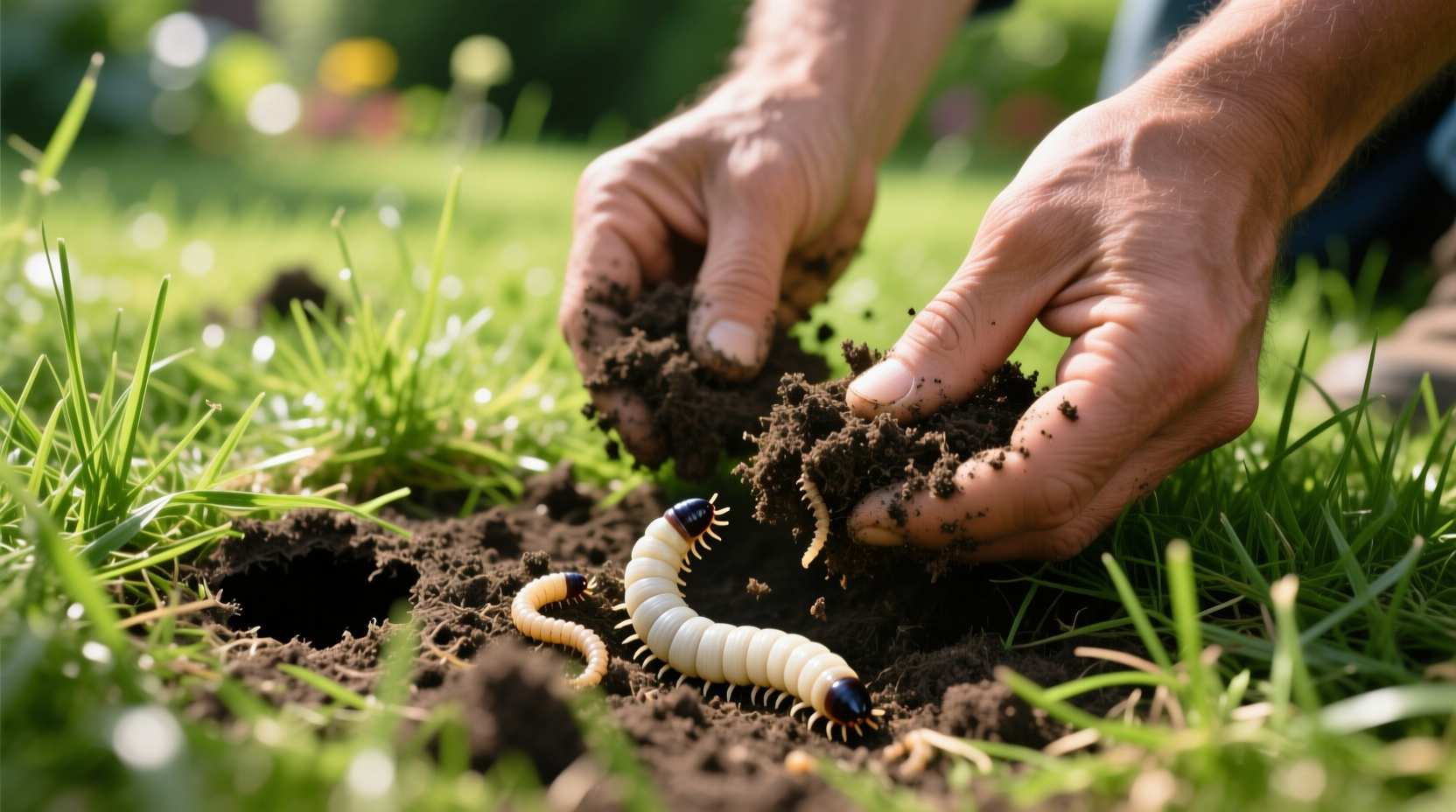
Hand-picking grubs during soil preparation is a direct but labor-intensive method. It is especially effective in small gardens or raised beds, where soil can be easily turned and inspected. Removing grubs by hand can quickly reduce populations before planting sensitive crops.
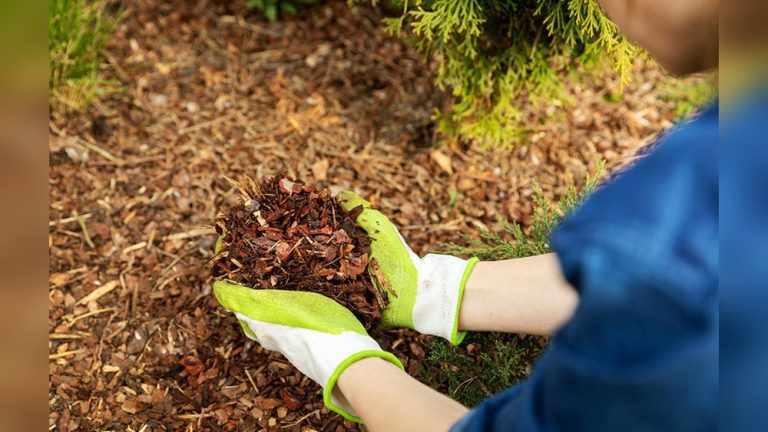
Using row covers and mulch can also deter beetle egg-laying and protect young plants. Light-colored or reflective mulches may further reduce beetle activity by making the soil less attractive for egg-laying.
Best practices:
- Inspect soil during transplanting or when preparing beds in early spring.
- Use lightweight row covers during beetle flight periods (typically late June through August) to physically block adults from accessing the soil.
- Remove covers during pollination if growing flowering crops, then replace to continue protection.
Encouraging Natural Predators
Birds, moles, and predatory beetles feed on grubs. Encouraging these natural predators can lead to a more balanced ecosystem and reduce the risk of severe infestations.
Examples:
- Install bird feeders or baths to attract insect-eating birds such as robins and starlings.
- Maintain native plant borders or hedgerows to provide habitat for beetles and ground-dwelling predators.
- Avoid the use of broad-spectrum insecticides, which can kill beneficial insects along with pests.
Certain predatory beetles (such as ground beetles) and parasitic wasps also target grubs or their adult beetle forms, further supporting long-term control.
Organic Soil Amendments
Certain soil amendments, like neem cake and compost, may deter beetle egg-laying and improve soil resilience. Neem cake, a byproduct of neem oil production, contains azadirachtin, which acts as an antifeedant and growth regulator for grubs.
Additional organic amendments:
- Compost: Increases populations of beneficial microbes that compete with or prey on grubs and other soil pests. Improved soil structure also supports healthier plants, making them more resilient to damage.
- Diatomaceous earth: Sprinkled on the soil surface, it acts as a physical barrier and can damage the soft-bodied grubs as they move near the surface, though its effectiveness is more limited than nematodes or milky spore.
Application tips:
- Work neem cake into the top few inches of soil before planting.
- Use compost as a mulch or soil amendment annually to maintain high organic matter and biological activity.
Chemical Controls: Pros, Cons, And Safety
Chemical insecticides offer rapid grub suppression but require careful use in vegetable gardens to prevent harm to non-target organisms and soil health.
Synthetic Insecticides
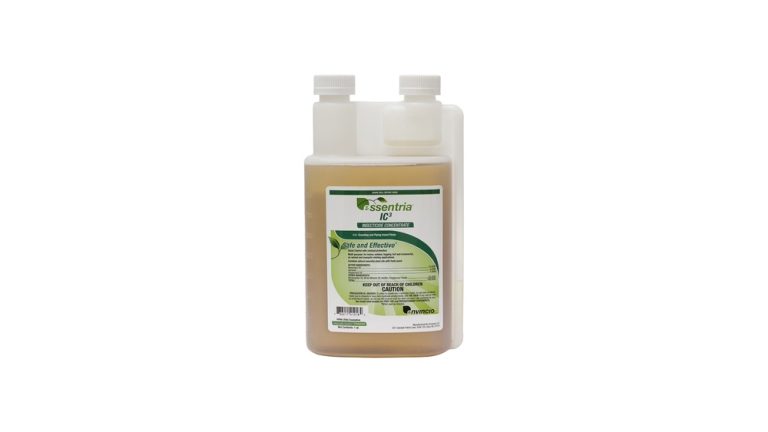
Imidacloprid and chlorantraniliprole are common grub killers. These systemic chemicals are effective but controversial due to pollinator risks. They are absorbed by plant roots and translocated throughout the plant, which means they can protect against root-feeding grubs but may also affect pollinators if plants flower after application.
Effectiveness rates: Imidacloprid can achieve 90%+ grub mortality, but residues may linger in soil (EPA). Chlorantraniliprole is less toxic to bees but still requires careful handling.
Application guidance:
- Apply only when grubs are small (spring or early summer), as larger grubs are harder to kill.
- Follow label instructions strictly, including recommended rates and timing.
- Avoid applications near flowering plants, as residues can be taken up by blossoms and impact bees and other pollinators.
- Water treated areas after application to move product into the root zone where grubs feed.
Risks: Overuse of chemical controls can lead to resistance, harm beneficial soil life (such as earthworms), and cause secondary pest outbreaks.
Granular Vs. Liquid Formulations
Granular products are easier for home gardeners to distribute, while liquid formulations offer faster uptake by plants and more uniform coverage, especially in larger areas.
| Formulation | Ease of Use | Speed of Action | Environmental Impact |
|---|---|---|---|
| Granular | Simple application | Slower | Lower runoff risk |
| Liquid | Requires sprayer | Faster | Higher runoff risk |
Granules are less likely to drift during application and are generally safer for use near sensitive areas. Liquids, when applied with a sprayer, can penetrate mulch and thatch more effectively, but require careful calibration to avoid over-application and runoff.
Organic-approved Pesticides
Some organic pesticides, like spinosad and pyrethrin, are labeled for soil pests. While less persistent, they can harm beneficial insects if misapplied. Spinosad, derived from soil bacteria, disrupts the nervous system of insects and breaks down quickly in sunlight. Pyrethrin, extracted from chrysanthemum flowers, is a contact insecticide with a short residual life.
Pros:
- Short soil half-life, breaking down quickly and leaving minimal residue.
- Minimal residue on edible crops when applied according to label instructions.
Cons:
- Lower efficacy on larger, mature grubs.
- Repeat applications needed for sustained control, especially in heavy infestations.
- Can harm earthworms or predatory insects if overused.
Safety Considerations
To protect edible crops, always:
- Use chemicals only on non-harvested soil or according to label restrictions for food crops.
- Observe pre-harvest intervals (the time between application and harvest).
- Wear gloves, long sleeves, and eye protection during application.
- Store pesticides securely, away from children and pets, and dispose of unused product per local regulations.
Consult resources like EPA Safe Pest Control for up-to-date safety recommendations.
Integrated Pest Management For Grub Control
Integrated pest management (IPM) combines prevention, monitoring, and targeted interventions to manage grubs sustainably. This approach emphasizes using multiple compatible methods to achieve long-term control with minimal environmental impact.
Monitoring And Thresholds
Regular soil inspections determine if treatment is needed. The University of Minnesota Extension recommends action if more than 5 grubs per square foot are found (UMN Extension). Some crops, especially root vegetables, may tolerate lower thresholds before yield losses occur, so adjust sampling based on crop sensitivity.
Monitoring steps:
- Dig a 12-inch square, 3-inch deep section of soil.
- Sift through the soil to count all visible grubs and record numbers.
- Repeat in several spots throughout the garden, particularly near plants showing symptoms.
- Average counts to determine overall infestation level.
Accurate monitoring helps avoid unnecessary pesticide use and allows for timely intervention before populations reach damaging levels.
Cultural Controls
Rotating crops and adjusting planting dates disrupt grub life cycles. Deep tilling after harvest exposes grubs to predators and weather, reducing overwintering populations.
Effective cultural practices:
- Rotate root crops with non-hosts (beans, corn) to interrupt grub feeding cycles.
- Till soil in late fall to bring grubs to the surface, where they may be eaten by birds or killed by freezing temperatures.
- Avoid excessive use of organic mulches during peak beetle egg-laying periods, as moist, organic-rich soil can attract adult beetles.
Additional strategies:
- Maintain proper irrigation: Overly wet soil during beetle flight can attract egg-laying females.
- Use trap crops: Plant small areas of highly attractive crops away from main beds, then destroy infested trap crops to reduce beetle and grub populations.
Combining Methods For Greater Impact
An IPM approach may include:
- Applying nematodes in spring to target emerging grubs.
- Using row covers during beetle flight to prevent egg-laying.
- Monitoring soil regularly for early detection.
- Spot-treating with organic pesticides as needed.
- Rotating crops and tilling soil to reduce overwintering grubs.
The combination of biological, cultural, and chemical controls, along with diligent monitoring, maximizes effectiveness and minimizes environmental impact.
Example: Ipm Case Study
A community garden in Maryland faced annual grub outbreaks. By integrating nematode applications, rotating crops, and using row covers, grub counts dropped from 8 per square foot to less than 2 within two years, reducing plant losses by 75%. This approach was documented in the Maryland Cooperative Extension‘s pest management survey (UMD Extension).
Key elements of their success included regular training for garden members, clear monitoring protocols, and record-keeping to track progress and adapt strategies annually.
Real-world Examples And Success Stories
Learning from real gardens helps illustrate which strategies are most effective.
Example 1: Organic Milky Spore Success
A backyard gardener in Ohio used milky spore powder on a Japanese beetle-infested vegetable plot. Within two years, grub numbers dropped by 80%, with carrots and tomatoes showing strong root health.
Key factors:
- Consistent application across all affected beds.
- Favorable soil temperature during application.
- Avoidance of broad-spectrum pesticides, allowing milky spore to persist and multiply.
The gardener reported reduced beetle activity in subsequent years and improved yield consistency across previously affected areas.
Example 2: Nematode Integration
A California CSA farm applied Steinernema nematodes after spring tillage. Combined with compost amendment, grub populations decreased markedly, and lettuce yields increased by 20%. The farm observed improved soil structure and moisture retention, attributed to increased microbial activity from regular compost use.
Lessons learned:
- Watering nematodes in well ensured even distribution.
- Avoiding nematode exposure to sunlight improved survival rates.
- Annual monitoring allowed the farm to adjust application rates as needed.
Example 3: Chemical Intervention For Severe Infestation
In a Wisconsin greenhouse, a severe grub infestation prompted use of a granular imidacloprid product. Within weeks, grub damage ceased, but beneficial insect populations declined, prompting a switch to organic controls the following season.
Takeaway: Chemical methods are effective for emergencies but may disrupt ecosystem balance. The greenhouse adopted nematodes and compost amendments in subsequent years, with good results and fewer secondary pest outbreaks.
Comparing Grub Control Methods: Effectiveness, Safety, And Cost
Choosing the right method depends on garden size, crop type, infestation severity, and environmental priorities.
| Method | Effectiveness | Safety | Cost (per 1000 sq ft) | Longevity | Notes |
|---|---|---|---|---|---|
| Nematodes | High (80%) | Safe | $30-$45 | Seasonal | Apply in moist soil |
| Milky Spore | Moderate (60-80%) | Very Safe | $40-$50 | Multi-year | Only for Japanese beetle grubs |
| Hand Removal | Low-Moderate | Very Safe | $0 | Immediate | Labor-intensive |
| Chemical (Imidacloprid) | High (90%+) | Moderate | $25-$35 | Seasonal | Potential pollinator impact |
| Organic Pesticides | Moderate | Safe | $20-$30 | Short-term | Repeat applications needed |
When weighing options, consider not only the up-front cost but also the long-term impact on soil health, beneficial organisms, and garden productivity.
Prevention Strategies: Keeping Grubs Out
Preventing grubs is often more effective than treating an infestation. Focus on habitat management and beetle deterrence for sustainable results.
Healthy Soil Practices
Healthy, biologically active soil is less attractive to egg-laying beetles. Regular composting and mulching support beneficial organisms that compete with or prey on grubs. Strong root systems also help plants recover more quickly from minor grub feeding.
Tips:
- Add compost annually to improve soil structure, nutrient content, and microbial diversity.
- Avoid excessive watering, which attracts beetles seeking moist soil for egg-laying.
- Apply mulch in late spring or early summer, after the risk of beetle egg-laying has passed.
Timing Planting And Harvest
Planting early or late can avoid peak grub feeding periods. For example, starting root crops earlier in the season allows them to establish before grubs reach their most destructive stage. Similarly, harvesting root vegetables before late summer can reduce losses from grub feeding.
Timing strategies:
- Use growing degree days or local extension service guidance to plan planting and harvesting.
- Monitor beetle flight activity to anticipate risk periods.
Crop Rotation
Rotating susceptible crops with resistant varieties breaks grub life cycles. Use crops like beans, corn, or leafy greens between root vegetables. Crop rotation also reduces the buildup of other soil-borne pests and diseases.
Recommended rotation schedule:
- Year 1: Root crops (carrots, potatoes)
- Year 2: Beans, corn, leafy greens
- Year 3: Root crops
Tip: Keep detailed records of crop placement each year to ensure effective rotation.
Garden Hygiene And Sanitation
Remove plant debris and till soil after harvest. Dispose of grub-infested plants away from the garden to reduce the likelihood of overwintering larvae. Clean tools and boots before moving between beds to prevent spreading grubs or eggs.
Best practices:
- Clean tools regularly, especially when working in infested areas.
- Remove weeds, which attract beetles and provide additional egg-laying sites.
- Use dedicated compost piles for infested plant material, ensuring thorough decomposition.
Use Of Physical Barriers
Row covers and mulch deter beetle egg-laying and protect young plants. Black plastic mulch also heats soil, disrupting grub development and reducing survival rates of overwintering larvae.
Additional options:
- Install collars around plant bases to deter egg-laying.
- Use reflective mulches to confuse or repel adult beetles.
Environmental Impact And Sustainability
Considering the environmental impact of grub control methods is crucial for sustainable gardening.
Organic Vs. Chemical Approaches
Organic controls like nematodes and milky spore support soil health and reduce pesticide reliance. These methods preserve beneficial organisms, enhance soil fertility, and contribute to long-term ecosystem balance. Chemical methods, while effective, can harm non-target organisms and disrupt soil ecology.
Statistics:
- Organic methods increase soil biodiversity by up to 40% (ScienceDirect).
- Chemical residues persist in soil for months, affecting earthworms and pollinators.
In addition, repeated chemical use can lead to pest resistance, requiring higher doses or more toxic products over time.
Water Quality Concerns
Runoff from chemical pesticides can contaminate water bodies, harming aquatic life and potentially entering drinking water supplies. Always follow local guidelines for pesticide use and disposal.
EPA recommendations:
- Avoid applications before rain to minimize runoff.
- Use buffer strips of grass or native plants near water sources to filter runoff (EPA Nutrient Pollution).
- Store and mix pesticides well away from wells, streams, or storm drains.
Biodiversity And Pollinator Protection
Maintaining diverse plantings and avoiding broad-spectrum insecticides protects bees, butterflies, and other beneficial insects. Gardens rich in flowering plants and native vegetation support a more robust food web, helping keep pest populations in check naturally.
Actions:
- Plant pollinator-friendly flowers such as borage, calendula, or clover around vegetable beds.
- Use targeted treatments only when monitoring shows grub populations exceed action thresholds.
- Avoid neonicotinoid insecticides where possible, as these are particularly harmful to pollinators.
Frequently Asked Questions
How Do I Know If Grubs Are Damaging My Vegetable Garden?
Grub damage usually appears as wilting, yellowing, or stunted plants, especially during the growing season. To confirm, dig around affected plants and look for white, C-shaped larvae in the soil. Checking multiple spots increases accuracy.
Are Organic Methods As Effective As Chemical Grub Killers?
Organic methods like nematodes and milky spore are highly effective, especially for mild to moderate infestations. While chemical insecticides may act faster, organic approaches protect soil health and beneficial organisms, making them ideal for long-term control. The choice depends on your garden’s needs and your commitment to sustainability.
Can I Use Chemical Grub Killers In Edible Gardens?
Yes, but always choose products labeled safe for vegetables and observe pre-harvest intervals. Avoid applying chemicals near flowering plants or pollinator habitats. Refer to the EPA’s guidelines for safe use. Remember that some chemicals are restricted for use on food crops, so always read the label thoroughly.
How Often Should I Apply Nematodes Or Milky Spore?
Apply nematodes in spring and fall when grubs are near the soil surface. Milky spore is applied once every few years, as the bacteria persist in soil and multiply naturally. Follow manufacturer instructions for best results, and avoid disrupting treated soil unnecessarily.
What Are The Best Prevention Strategies For Grubs?
Focus on healthy soil, crop rotation, and timing planting to disrupt grub life cycles. Use row covers and mulch to deter beetle egg-laying, and monitor soil regularly to catch infestations early. Combining these strategies creates a resilient garden system less prone to severe outbreaks.
Protecting your vegetable garden from grubs requires vigilance, accurate identification, and a thoughtful blend of organic, chemical, and integrated methods. Whether you choose natural nematodes, milky spore, or targeted insecticides, early intervention and prevention are vital. By supporting soil health, monitoring regularly, and adapting your strategies, you’ll enjoy resilient crops and thriving harvests—free from the destructive reach of grubs.