5 Best Seedling Watering Cans and Sprayers (2026): we compared
For seedlings, I start with a small fine-mist sprayer for the first 1–2 weeks, then move to a narrow-spout can or squeeze bottle once roots hold the mix. Aim for soft droplets and control, not volume. Bad watering can flatten cells, expose stems, and invite damping-off. This guide compares watering cans and sprayers by droplet size, reach, and capacity for different tray setups.
Quick comparison
| Product | Badge | Best for | Price | ||
|---|---|---|---|---|---|
 | Eurysman Precision Spout 0.45L Watering Can – Perfect forEurysman | Our pick | 0.45L capacity · precision spout · brown | $8.99 Price as of 29 Sep 2026 | View |
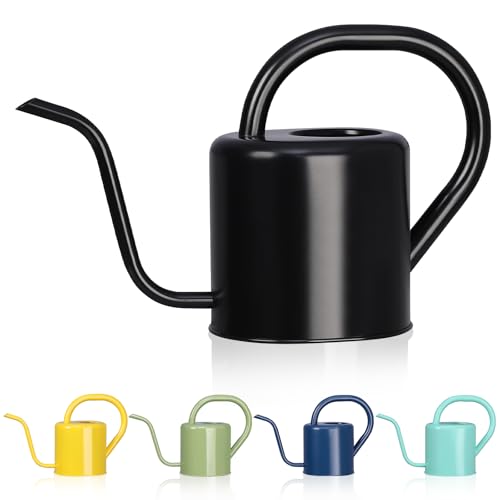 | Watering Can, Stainless Steel Watering Can for Indoor &gegemaoyi | Also great | 1L capacity · stainless steel · long spout | $14.99 Price as of 29 Sep 2026 | View |
 | 1 Gallon Long Spout Plastic Watering Can with HandleKELINFONG | Budget pick | 1 gallon capacity · plastic · lightweight | $7.98 Price as of 29 Sep 2026 | View |
 | WEEFLOS 2 Gallon Battery Powered Garden Sprayer, Electricweeflos | Upgrade pick | 2 gallon capacity · battery powered · retractable wand | $40.99 Price as of 29 Sep 2026 | View |
 | Metal Watering Can for Outdoor Plants, Watering Can Decor 1SunnyTong | Pair with it | 1 gallon capacity · metal · removable spout | $22.99 Price as of 29 Sep 2026 | View |
The best choice changes with seedling stage and tray layout. Tiny cells on a sunny windowsill do well with very small, gentle delivery; dense trays under lights usually need a long spout; larger tray runs and frequent watering call for more capacity and a steadier grip.
According to 11 Best Watering Cans of 2024 — The Floral Society Steel Watering Can holds "2.25 liters."
How we chose
We compared tools by droplet size and flow control first. That matters most for keeping mix in place and leaves dry.
We also weighed reach for shelves, windowsills, and grow-light benches. A tool that hits the back row without bumping stems is worth more than a decorative can with the same capacity.
Capacity and weight mattered next. Indoor seed work usually favors a lighter fill, while bigger tray runs can justify more volume if the handle and balance stay manageable.
Finally, we looked at replaceable parts and long-term value. A detachable rose or nozzle can save money when one small part wears out.
Best watering can and sprayer choices for seedlings
- Compact 0.45L capacity is lightweight and easy to hold
- One spray head with two ways to water
- Suitable for beginners and experienced gardeners
For most indoor trays, the best starting point is a small watering can with an ultra-fine rose. It gives better control than a full-size can, reaches the soil line, and stays light enough for repeated passes without tipping the tray or blasting seedlings flat.
Mist sprayer: best for very delicate seedlings
A mist sprayer is best for the first days after germination, when roots are short and the surface dries unevenly. It lays down fine droplets with little soil disturbance, which helps tiny seeds stay covered and limits splash onto stems. It is slower than a can, though, and can become too superficial once trays fill in.
Best uses by seedling stage
Use misting for freshly sown trays, very small seeds, and mix that dries on top before the bottom layer does. It also helps on trays where a strong pour would expose seeds or shift vermiculite. Once cotyledons open and roots start grabbing the mix, misting alone usually stops being enough.
Limits of misting on dense trays
Dense cell packs are where mist sprayers start to struggle. The surface may look wet while the root zone stays dry, and repeated misting can encourage shallow watering habits. That is one reason damping-off prevention is about delivery pattern, not just water amount; the top layer should not stay soggy while stems sit wet.
What to look for in a sprayer pattern
Choose a sprayer that makes a fine, even pattern instead of a harsh stream. A narrow cone or very fine fan is better than a coarse burst, because it reduces splash and keeps media where it belongs. For very small seedlings, the best sprayer is the one that can wet the surface without digging channels.
Small-capacity watering can: best for indoor seed trays
- Crafted from premium rust-resistant stainless steel
- Long, narrow precision spout reaches deep into roots
- Wide top opening for quick refills
A small-capacity indoor watering can works best once seedlings have roots and you need more than misting. Around 1 to 2 liters is often a practical range for many indoor trays because it stays fairly light, tips precisely, and can cover several cells without feeling awkward in the hand.
Why 1 liter to 2 liters works well indoors
Smaller cans are easier to aim at the soil line. They also reduce the urge to pour too much at once, which is where trays get washed out and stems get splashed. The Haws Handy Indoor Can is typically around one liter, and that size fits well when trays sit on a shelf or windowsill.
At the same time, a slightly larger can can be more practical if you water several flats in one session. The Floral Society Steel Watering Can holds 2.25 liters, which is still in the indoor-friendly range when you need a bit more reach without jumping to a heavy garden can.
Why a long spout helps on shelves and windowsills
- Made of thick-walled, impact-resistant plastic
- Lightweight and portable design
- Holds a 1 gallon capacity
A long spout lets the user reach the back row without leaning over fragile stems. Farmstand notes that a long spout helps reach trays under grow lights, and that matters because overhead fixtures make hand position tight. Longer reach also keeps the spout low, so water lands at the soil line rather than on the leaves.
Rose shape and hole size to look for
The rose, or sprinkler head, matters more than brand. Farmstand calls the rose the most important part, and that matches practical seedling care: hole size changes flow, and an ultra-fine spray is gentler than a loose, heavy shower. A detachable rose can also be useful because it lets one can serve both mistier seed work and ordinary houseplants.
Haws brass roses are known for an incredibly fine, soft spray, which is exactly the pattern seedlings need when the tray surface is still delicate. Fixed roses are simpler and usually less fiddly, but a detachable style gives more flexibility and better replacement value if the nozzle wears out.
Seedling watering decision table
| Seedling stage | Tray height and density | Setup location | Best tool type and capacity | When to change tools |
|---|---|---|---|---|
| Just sown, before emergence | Shallow tray, very dense surface sowing | Windowsill | A mist sprayer with a fine droplet pattern, roughly 1 pint to 1 liter. | Switch once the first roots hold the mix and the surface no longer shifts with a light mist |
| Cotyledons just open | Shallow cells, moderate density | Shelf | Small watering can with ultra-fine rose, around 1 liter to 1.5 liters | Move from misting when leaves are up and the top layer begins drying faster than the root zone |
| Early true leaves | Medium-density trays, slightly taller cells | Grow-light bench | A long-spout watering can, roughly 1 to 2.25 liters. | Use a can when mist stops reaching the root zone and watering needs a soil-line target |
| Transplant-ready seedlings | Lower density, larger spacing | Bench or floor setup | An ergonomic or dual-handle can, around 1.5 gallons, may suit bigger runs. | Step up in capacity when tray count rises and repeated refills become the main bottleneck |
| Large tray runs | Many flats, mixed heights | Grow-light bench | Dual-handle or ergonomic can, up to 2 gallons for heavy sessions | Use only when the fill, carry, and pour stay comfortable and the extra volume reduces trips |
What kind of watering can is best for seedlings?
The best watering can for seedlings is a small can with a very fine rose, a narrow spout, and enough capacity to finish a tray without becoming heavy. That combination gives control at the soil line and helps prevent the harsh splash that can move mix, wet stems, and raise damping-off risk.
For many indoor gardeners, a 1 liter to 2 liter can is the most practical starting point. Larger cans can work, but they are only helpful if tray count is high enough to justify the extra weight and if the handle and balance keep pouring steady.
Do seedlings need a watering can with a rose head?
Yes, seedlings usually do better with a rose head because it breaks water into smaller droplets and softens the pour. Farmstand points to the rose as the most important part for preventing dislodging seeds and stem damage. The finer the spray, the less chance of washing out the top layer.
A detachable rose is useful if the same can needs to handle other houseplants later. A fixed rose is simpler, but it gives less flexibility if the spray pattern is too coarse for seed trays or if the nozzle wears out over time.
Is a mist sprayer or watering can better for seedlings?
Neither is best for every stage. A mist sprayer is better for tiny, newly sown seeds and very delicate germination surfaces. A watering can becomes better once roots can hold the mix, because it reaches deeper, wets more evenly, and is faster for multiple trays.
The practical switch point is when misting stops wetting the root zone. If the top looks damp but the cell dries out quickly, move to a fine-rose can or a squeeze bottle with a narrow tip.
How do I water seedlings without washing out the soil?
Use a low-angle pour aimed at the soil, not the foliage. Keep the spout close to the tray rim, move slowly across the cells, and stop before water pools hard enough to disturb the mix. The goal is to soak gently, not to blast the surface.
For crowded trays, bottom-watering can be a good backup when the surface is very fragile. Add water to the tray beneath, then let the mix wick it upward. That reduces splash and keeps stems drier, but it works best once the root system is established enough to pull moisture up.
Simple anti-washout steps
- Hold the spout low and close to the tray edge.
- Use the fine rose or the sprayer’s softest pattern.
- Water in short passes instead of one long dump.
- Watch for soil movement around stems and stop if it starts.
- Keep the foliage dry whenever possible.
What size watering can is easiest to use for seed trays?
For most indoor seed trays, 1 liter to 2 liters is the easiest range to handle. It is light enough to tip precisely and small enough to keep the water stream controlled. A 1 pint can can work for a few tiny trays, but it often feels too small once watering becomes repetitive.
Very large cans, such as 1.5 gallons or 2 gallons, make more sense for bigger tray runs or frequent watering sessions where refill trips waste time. The tradeoff is obvious: more capacity means more weight, and more weight can turn a careful pour into a shaky one.
Should I keep seedling foliage dry when watering?
Yes, keeping foliage dry is a smart habit. Wet leaves are not the main problem by themselves, but repeated wetting on small seedlings can encourage disease pressure and makes it easier for splash to carry mix onto stems. Watering at the soil line is the safer default.
This is one reason a long spout matters. It lets the user reach under grow lights and into packed trays without dragging the nozzle over leaves. A fine rose helps too, because soft droplets are less likely to bounce back onto the plant.
What features should I look for in a watering can for seedlings?
Look for a fine rose, controlled flow, and a shape that is easy to tip without jerking. A long spout helps in crowded shelves. A lightweight body matters for indoor trays, while a dual-handle or ergonomic design is useful when full cans start to strain the wrist.
Material choice matters too. Plastic is usually the lightest and easiest to carry. Stainless steel adds durability and still keeps a clean feel. Galvanized steel is tougher and often better for bigger jobs, but it usually weighs more and is less pleasant for repeated indoor passes.
Material tradeoffs that actually matter
Plastic is the simplest choice for seedlings because it keeps weight down. The Dramm 1-Liter can is made from high-impact plastic, which is a practical material when the can is going to get knocked around near benches or shelves.
Stainless steel gives a sturdier feel and can hold up well to frequent use. The gegemaoyi 1L stainless model fits that lane. Galvanized steel is usually better when durability outweighs weight, like in the SunnyTong 1 gallon or the Behrens 2-Gallon Steel Can category for bigger jobs.
Value over time
Replacement parts matter more than many buyers expect. A detachable rose or separate nozzle can extend the life of the can, especially if the head clogs or the pattern gets too coarse. That lowers cost-per-use because a worn part can be swapped instead of replacing the whole can.
For very small seedlings, a dedicated sprayer can also be a value play because it handles the most delicate stage without forcing a larger can to do a job it was not shaped for. Once plants size up, the same sprayer may get used less often, so the best purchase is the one that fills a real gap in the seed-starting routine.
Can I use a regular watering can for tiny seedlings?
Yes, but only if it has a very fine rose and enough control to avoid a harsh pour. A regular can with a wide, fast stream is a poor fit for tiny seedlings. It can flatten cells, expose stems, and move the seed mix before roots anchor it.
If a regular can is the only option, pour from low height, slow down the flow, and water the tray edge first. A can with a detachable rose, narrow spout, and small capacity is far more workable than a standard garden can with a broad outlet.
Which one should you buy
For tiny seedlings in dense cells, buy a fine mist sprayer first, then move to a 1 liter can with an ultra-fine rose as soon as the roots hold the mix. That two-step setup covers the fragile stage without forcing one tool to do everything.
For mixed-age trays, choose a long-spout can around 1 liter to 2.25 liters. It reaches the back row, targets the soil line, and is easier to use than a large can when seedlings are at different stages in the same bench.
For larger tray runs or frequent watering, a dual-handle or ergonomic can in the 1.5-gallon to 2-gallon range makes sense. The extra volume cuts refill trips, but only if the fill weight still feels stable enough to pour carefully.
If you want the lowest upkeep cost, look for detachable roses and replaceable nozzles. The best value is usually not the cheapest body; it is the can that keeps working after the spray head wears or the flow pattern changes.
Among the listed options, the Eurysman Precision Spout 0.45L Watering Can is a strong fit for tiny indoor starts, while the gegemaoyi 1L stainless model is more versatile for trays on shelves. The SunnyTong 1 gallon and Behrens 2-gallon style belong more to larger watering rounds than delicate seedling work.
Frequently asked questions
What kind of watering can is best for seedlings?
A small watering can with a very fine rose is usually best once seedlings have roots. It gives more control than a standard garden can, keeps water at the soil line, and reduces splash. For the earliest stage, a mist sprayer can be gentler than any can.
Do seedlings need a watering can with a rose head?
Most seedlings do better with a rose head because it breaks the stream into softer droplets. That helps prevent soil washout and stem damage. A detachable rose is even better when you want one can to handle seedlings now and houseplants later.
Is a mist sprayer or watering can better for seedlings?
Mist sprayers are better for freshly sown trays and very delicate seedlings. Watering cans are better once roots hold the mix and the tray needs deeper, more even moisture. Many gardeners use both, then switch when misting stops reaching the root zone well enough.
How do I water seedlings without washing out the soil?
Use a low-angle pour, keep the spout close, and aim at the soil instead of the leaves. Short passes work better than one long pour. If the surface is still fragile, bottom-watering can reduce splash and keep the media in place.
Should I keep seedling foliage dry when watering?
Yes. Dry foliage lowers splash risk and helps reduce disease pressure around tender stems. Watering at the soil line is safer for small seedlings, especially in crowded trays. A long spout or fine rose makes it easier to hit the root zone without wetting leaves.
Can I use a regular watering can for tiny seedlings?
Only if the can has a very gentle rose and a controlled flow. A broad, fast stream is too harsh for tiny seedlings and can flatten cells or expose stems. If a regular can is all you have, keep it low, slow, and aimed at the tray edge.