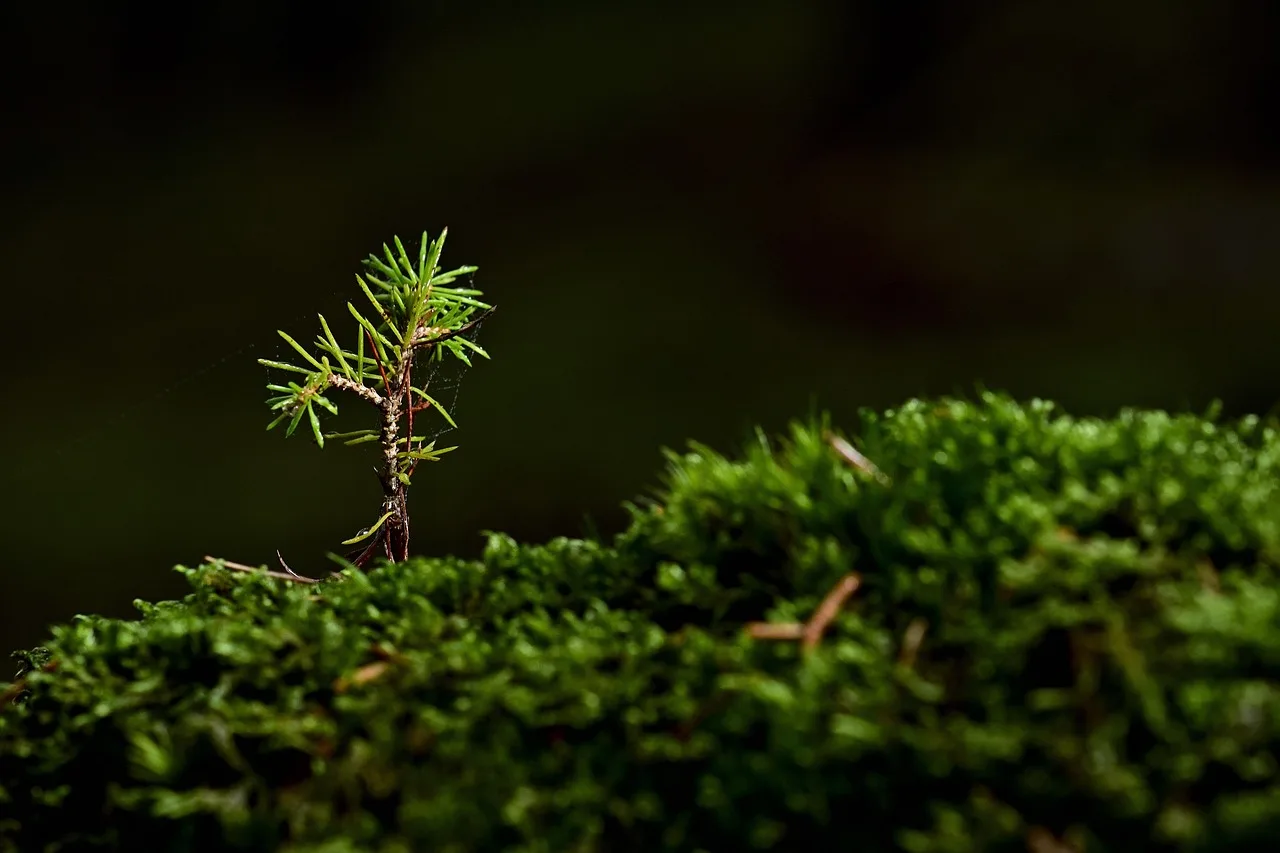
How Much Light Do Seeds Need After Planting? A Guide
Most seeds germinate without light; keep them under soil or in darkness until they sprout, then give seedlings a daily period of bright light afterward. I see leggy starts fail fast when they get too little light. Stems stretch, topple, and die before the plant can build sturdy leaves. This guide explains which seeds need light, when light becomes necessary, and how much indoor or outdoor light seedlings need.
Do seeds need light after planting?
For most crops, seeds do not need light to germinate. Seeds spend germination on moisture, warmth, and oxygen, and many do better kept dark until they break the surface. The light question matters most after emergence, when the plant has turned into a seedling and its light demand changes fast.
Why seed packet directions matter more than guesswork
Seed packet information should guide light requirements because germination needs vary by species. Some packets say to cover the seed, others say to sow on the surface, and some say to keep dark. That wording is the best starting point for home gardeners.
Many seeds germinate better in dark conditions than in light. Some species, like begonia, require sunlight to germinate. That is why the packet matters more than a blanket rule.
The one-sentence rule for germination versus seedling light
Use darkness or light exactly as the packet says until sprouting, then switch to strong light for the seedling stage. Once the shoot is above the soil, the plant needs bright light and a real dark period every day.
According to How Much Light Do Seedlings Need? & When To Use Grow Lights… — Seedlings should not receive 24-hour light.
Which seeds need light, and which should stay dark?
There are three practical buckets: seeds that should stay dark, seeds that need light to germinate, and seedlings that need bright light after sprouting. The packet usually tells you which bucket you are in, often with phrases like cover lightly, surface sow, or keep dark.
Seeds that germinate better in darkness
Many seeds germinate better in darkness because buried seed is protected from drying out and stays in the moisture band where germination starts well. For home gardeners, this usually means a shallow covering of mix, not a bright windowsill.
Seeds that need light to germinate
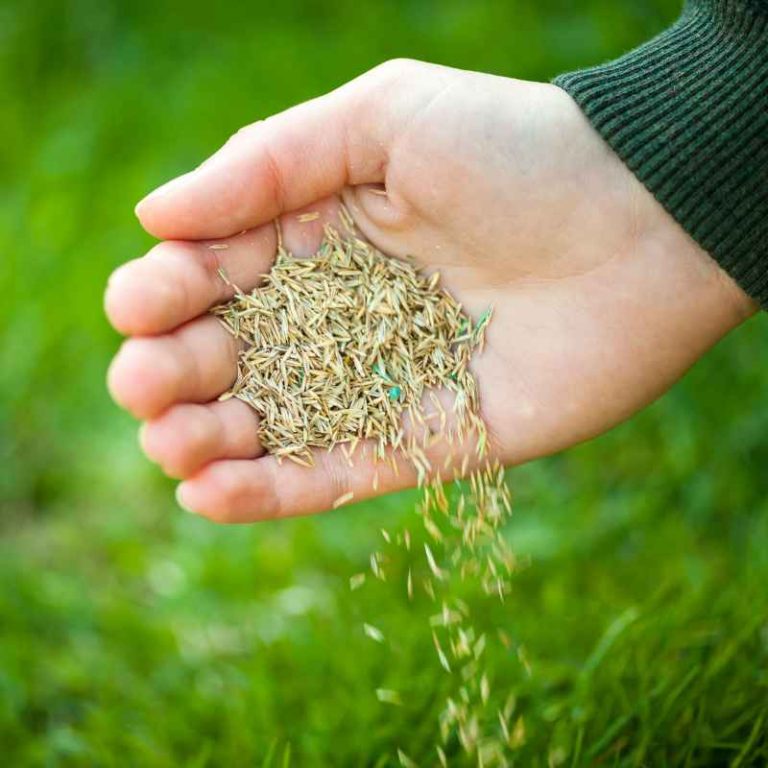
Some seeds need light to germinate, and begonia is a clear example. These are usually surface-sown or pressed onto the mix instead of buried deeply. If a packet says surface sow, treat that as a light cue, not a suggestion to cover heavily.
How to read packet wording
- Cover lightly: give the seed only a thin layer of medium.
- Surface sow: place the seed on top of the mix.
- Keep dark: block light until sprouting.
- After germination: move seedlings into strong light right away.
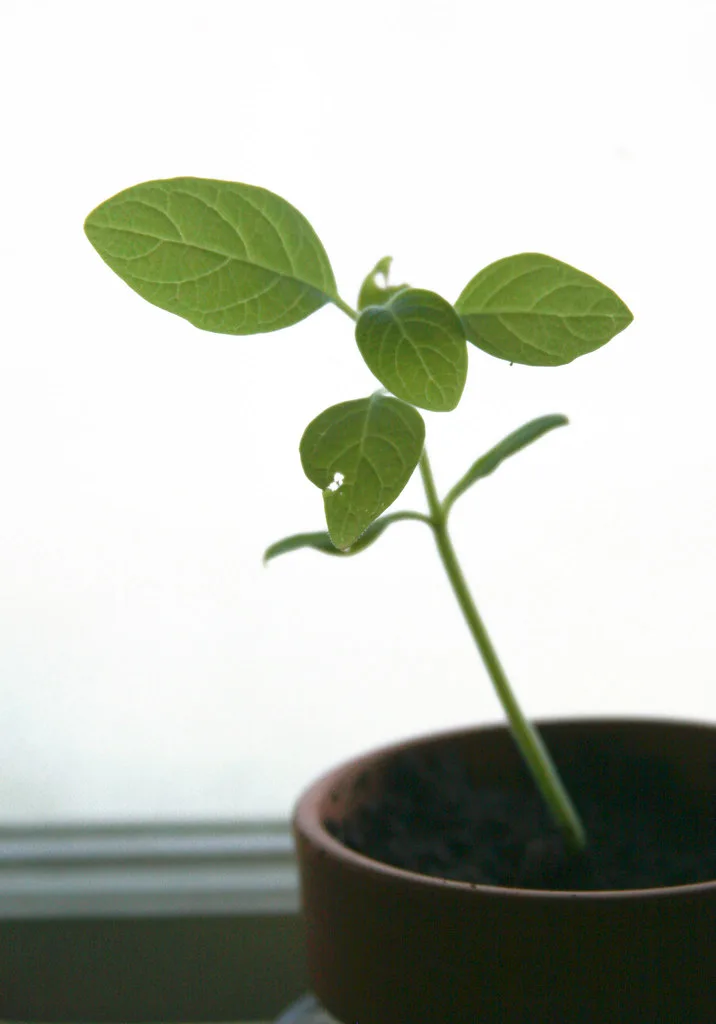
How much light do seedlings need each day?
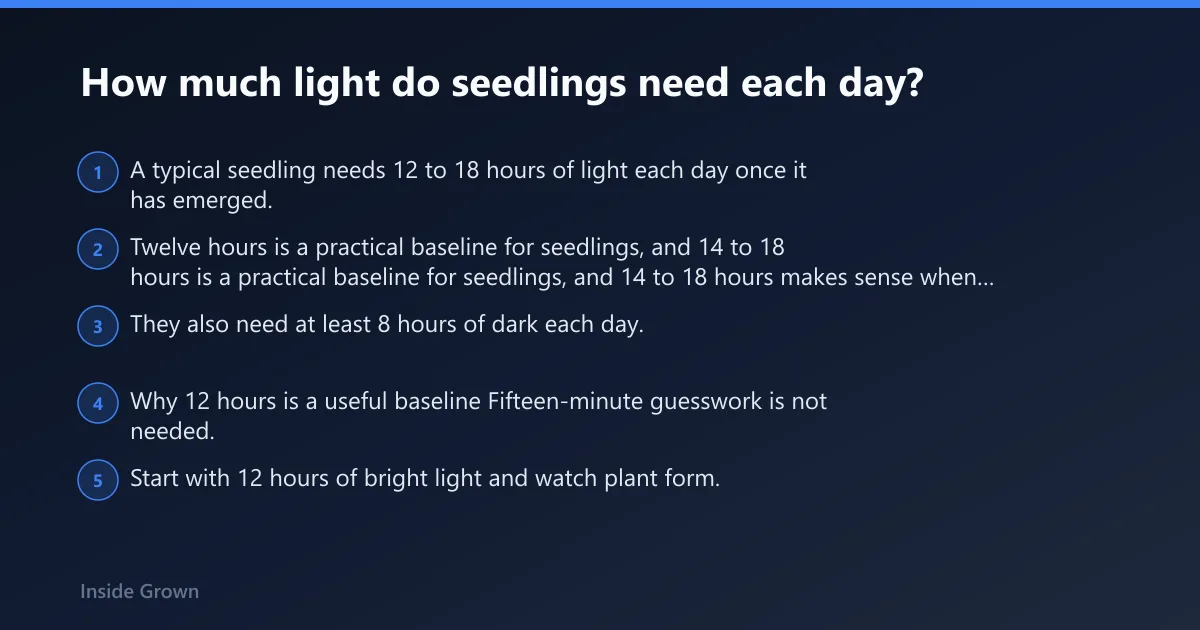
A typical seedling needs 12 to 18 hours of light each day once it has emerged. Twelve hours is a practical baseline for seedlings, and 14 to 18 hours makes sense when indoor light is weak or the crop grows slowly. They also need at least 8 hours of dark each day.
Why 12 hours is a useful baseline
Fifteen-minute guesswork is not needed. Start with 12 hours of bright light and watch plant form. If stems begin to lean, stretch, or lose color, the plant usually needs more intensity or a longer light window.
When 14 to 18 hours makes more sense indoors
Indoors, a short winter day or a dim window often leaves seedlings hungry for light. In that situation, a longer schedule within the 12 to 18 hour range can help, as long as the plants still get a true dark break.
Seedlings should not receive 24-hour light. Continuous light can push fragile growth and leaves the plant without the dark period it needs to recover and regulate growth.
Why seedlings still need darkness
Seedlings need at least 8 hours of dark each day. That dark break helps prevent soft, weak growth and keeps the plant from acting as if every hour is peak day.
When should you use grow lights?
Use grow lights when natural light is too weak, too short, or too far away from the tray. A bright window can work for some crops, but a small indoor setup often needs a light source placed close and on a daily timer.
Signs a window is not bright enough
If seedlings bend toward the glass, grow slowly, or turn pale while the soil moisture is normal, the window is probably not enough. Natural sunlight can work outdoors or in a very bright window when timing and crop needs line up.
Which grow light types are common
Grow lights can be full-spectrum, and common home options include LED and fluorescent styles. Brightness and spectrum can vary, so a light that works for one tray may be weak for another.
How close the light should be
Distance matters. If the light is too far away, seedlings stretch toward it. If it is too close or too intense, leaves can wilt or burn. Start with the fixture close enough to brighten the tray evenly, then adjust based on plant response.
- Place the tray where the full canopy gets light, not just the center row.
- Keep the light on a timer for the daily light period.
- Raise the fixture if leaves curl, bleach, or dry at the edges.
- Lower it if stems lengthen and lean.
How much sunlight do seeds need to grow?
For outdoor sowing, the answer depends on the crop and the planting depth. Sunlight matters after emergence, but many seeds still need darkness while they sit in soil. Once the plant is a seedling, the site has to match the crop’s sun needs and the season’s strength.
Why outdoor sowing is different from indoor trays
Outdoors, the soil itself buffers the seed. A buried seed can stay dark and moist while it germinates, then receive full sun only after sprouting. That natural switch is why many garden seeds do fine outdoors when timing is right.
When sun exposure can be too strong
Young seedlings can be damaged by too much direct or intense light. Leaf wilt and leaf burn are common warning signs, especially when a tender plant is moved too fast from shade or a window to strong midday sun.
How to match the crop to the site
Leafy greens, many herbs, and cool-season flowers often handle bright conditions better than shade-loving starts. Tall, delicate seedlings usually need a gentler hand when moving from inside to outside. Check the packet and match the site to the crop before planting.
Use the decision table: dark, light, or bright light after sprouting
This table separates the seed stage from the seedling stage. The biggest mistake is giving all planted seeds the same treatment. Some need darkness, some need light, and all healthy seedlings need strong light after they emerge.
| Stage | What to do | Plain-English symptom check |
|---|---|---|
| Seeds that should stay dark | Keep covered or in darkness until they sprout, as the packet directs. | If the seed dries at the surface, germination often stalls. |
| Seeds that need light to germinate | Surface sow or press into the medium so light can reach the seed. | If they are buried too deeply, sprouting can fail or slow down. |
| Seedlings after sprouting | Give 12 to 18 hours of bright light each day with at least 8 hours of darkness. | If stems stretch, the light is too weak; if leaves scorch, it is too strong. |
How do you know if seedlings need more or less light?
Too little light shows up as long, thin stems, leaning, and slow color development. Too much light often looks like leaf wilt, pale patches, or burn marks. Water stress and heat can look similar, so check the whole setup, not just the leaves.
Too little light: leggy stems, leaning, slow color development
Leggy seedlings are the classic sign. They stretch toward the nearest bright spot, flop over, and may stay weak even if the soil is moist. Too little light makes seedlings fragile and leggy, which is why timing and fixture placement matter.
Too much light: leaf wilt, pale patches, burn marks
Strong direct light or a fixture placed too close can damage tender tissue. When leaves wilt despite moist soil, or when pale or burned patches appear, back the light away or shorten the exposure window.
Light, heat, and water problems that look similar
Seedlings under hot lamps or hot glass may wilt because of heat, not light alone. Overwatered roots can also weaken growth and make plants collapse. Check the potting mix, the air temperature, and the light before changing all three at once.
Frequently asked questions
How much light do seeds need to grow
Seeds do not all need the same light while they are still seeds. Many germinate better in darkness, while some need light to sprout. Once they emerge, seedlings need bright light for 12 to 18 hours each day and a real dark break.
How much sunlight do seeds need to grow
Sunlight matters most after the seed has emerged. Outdoors, direct sun can work well when the crop needs it and the planting site matches the species. Before sprouting, many seeds should stay dark or be covered only as the packet directs.
Do newly planted seeds need light
Usually no. Newly planted seeds are often better off in darkness or under a thin cover of mix until they sprout. The exception is species that need light to germinate, such as begonia, which should be surface-sown.
Do seeds need light to grow
Seeds need the right germination conditions more than light in the early stage. After germination, the plant becomes a seedling and then light becomes mandatory. That is the key split: seed stage first, seedling stage second.
How many hours of light do seedlings need each day
A typical seedling needs 12 to 18 hours of light each day. Twelve hours is a practical baseline, and many indoor starts do better with a longer window. They also need at least 8 hours of darkness to avoid weak, stressed growth.
Can seeds germinate in the dark
Yes. Many seeds germinate better in dark conditions than in light. That is why packet directions matter so much. Some seeds should be covered, while others need light at the surface to trigger sprouting.
When should I use grow lights for seedlings
Use grow lights when a window or outdoor spot does not provide enough brightness for steady seedling growth. Common options include LED, fluorescent, and full-spectrum lights. Set them close enough for strong light, then adjust if stems stretch or leaves scorch.