How to Test Seed Germination at Home Before Sowing
Test a small sample of seeds on a damp paper towel. If most of them sprout, you can usually sow normally. If a moderate number sprout, consider increasing your seeding rate. If only a few sprout, consider replacing the seed. Skip the test and you can waste bed space, time, and a whole planting window on seed that will not fill in. This guide shows the home check, how to read the result, and how to turn it into a sowing plan.
What you’ll need
- 10 to 20 seeds from the packet, saved lot, or mixed-age batch
- Paper towel or other plain absorbent paper
- Resealable plastic bag or similar covered container
- Marker and label for the crop name and test date
- Small plate or tray to carry the towel
- Warm place with steady conditions
- Clean water for dampening the towel
Set the rest of the seed aside for planting later. A small sample is enough for a home check, and leaving plenty of seed untested matters if you still need to sow the rest of the bed.
📊 The germination rate formula is sprouted seeds times 100 divided by total tested. Source: How to Test Seed Germination: Easy Paper Towel Method.
What seed germination testing tells you
A seed germination test measures seed viability, which is the chance that seeds will sprout. Older seed, poor storage, and crop type all affect that chance, so a packet that looked fine last season may now perform very differently.
The test gives a germination percentage, not a perfect yes-or-no verdict. It can tell you whether to sow as planned, sow more thickly, retest, or replace the lot before you spend a full bed on it.
Seed age matters. Some seeds have a shelf life of just 1 to 2 years, while others can stay good for 5 years or longer. Storage conditions matter too: cool, dry storage usually helps seed last longer than warm, damp storage.
What a home test can and cannot prove
Home testing shows how a small sample behaves under steady moisture and warmth. It does not prove that every seed in the packet is identical, and it does not separate dead seed from dormant seed without extra context.
That distinction matters. A hard-coated seed, a seed that needs cold stratification, or a seed that needs scarification may sprout slowly or unevenly even when it is still viable.
How do I do a seed germination test at home?
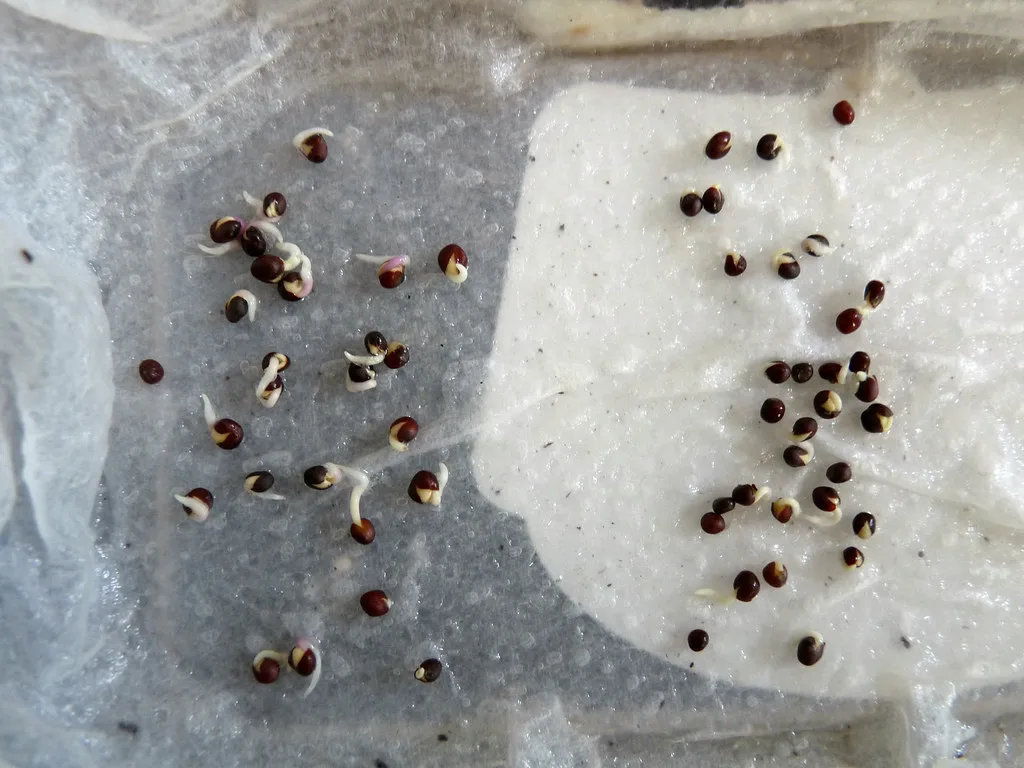
Use a small sample, keep it evenly damp, and check for normal seedlings on a schedule. The paper towel method is the simplest home method, because it places seeds where you can inspect sprouting without digging through soil.
- Count out 10 to 20 seeds and record the total.
- Dampen a paper towel so it is lightly moist, not dripping.
- Spread the seeds on half the towel and fold it over.
- Seal the towel in a ziplock bag or similar container.
- Label the bag with crop name, date, and sample count.
- Place it in a warm, steady spot out of direct sun.
- Check it on a set schedule and keep the towel lightly damp.
- Count only normal seedlings with a root and early shoot.
Picture a packet of lettuce seed stored in a pantry drawer for two seasons. A 10-seed test now can tell you whether it is still worth a normal sowing rate or whether you need to seed more heavily.
How do I calculate seed germination rate?
Use the formula sprouted x 100 / tested. If about 8 out of 10 seeds sprout, the germination rate is around 80%. If 17 sprout out of 20 tested, the rate is 85%.
Count only normal seedlings. A swollen seed that never sends out a root, or a seed with a damaged, stunted sprout, should not be counted as a healthy germinated seed in a home planning decision.
| Seeds tested | Sprouted | Germination rate | Reading |
|---|---|---|---|
| 10 | 8 | 80% | Good enough for normal sowing |
| 10 | 6 | 60% | Seed more thickly |
| 20 | 17 | 85% | Strong lot; sow as planned |
| 10 | 4 | 40% | Replace the lot |
If sprouts appear unevenly, keep the test going until the usual check window ends for that crop. A slow start does not always mean dead seed; some lots simply need more time.
What should you do if my germination test results are poor?
If the rate is low, do not assume every seed is dead. First decide whether the lot is genuinely weak, still dormant, or asking for pretreatment. Then choose one action: sow more thickly, retest under better conditions, or replace the seed lot.
| Germination rate | Next step | How to sow | Troubleshooting |
|---|---|---|---|
| 80% to 100% | Sow as planned | Use your usual rate | Check only for normal spacing issues |
| 60% to 79% | Oversow by a set margin | Increase your seeding rate by about 25% | Watch for uneven sprouting; retest if results were patchy |
| 40% to 59% | Retest or oversow heavily | Increase your seeding rate by about 50% | Check for dormancy, old storage, or a hard seed coat |
| Below 40% | Replace the lot | Do not rely on normal spacing | Dead seed, bad storage, or mislabeled seed is likely |
Quick troubleshooting: mold on the towel usually means too much moisture or too little airflow; slow sprouting can point to dormancy or a crop that needs cold treatment; uneven results can mean a mixed-age saved lot or moisture that was not even across the towel.
If that did not work, try this next: repeat the test with a fresh 10-seed sample, use a new towel, and keep the bag only lightly sealed so the towel stays damp without turning wet. If the second test is still weak, replace the seed or switch to a crop with a better rate.
How do I know if old seeds are still good enough to plant?
Test older seed before sowing, because age and storage conditions reduce viability. If the packet is a year or two old, or if the seed was saved from a previous season, a quick home test gives a better planting decision than guessing.
Test older seed a few days to weeks before sowing time so you still have room to replace the lot. A late test can leave you with a weak result and no time to buy or order new seed.
How to separate dead seed from dormant or treated seed
Some low results come from dormancy, not death. A hard-coated seed may need scarification, while others need cold stratification before they will sprout. If the crop usually needs a pretreatment, repeat the test after that step rather than discarding the lot immediately.
Suppose a flower seed batch gives 3 sprouts out of 10 after a short test. If that crop commonly needs cold stratification, the better move is to retest after the required chill period instead of replacing it on the spot.
What is the paper towel method for seed germination?
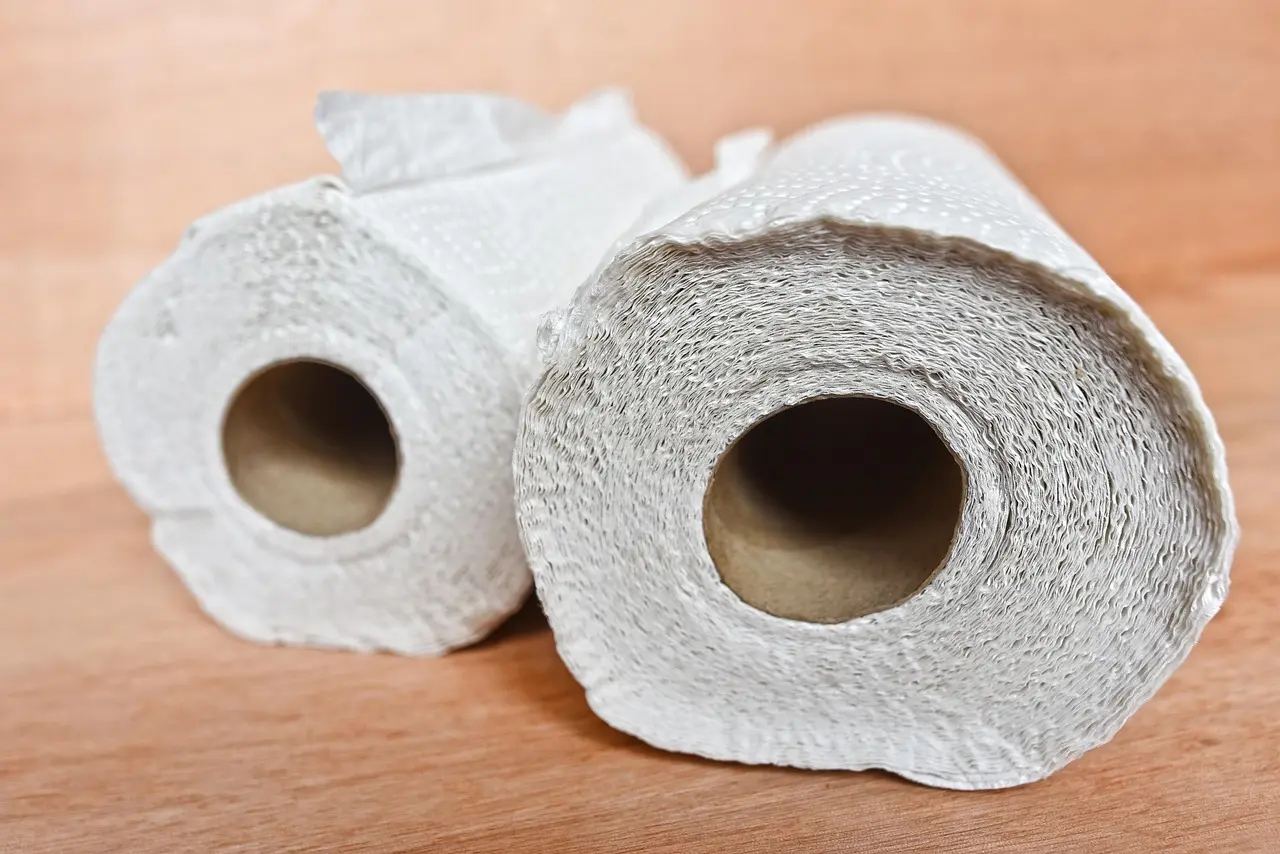
The paper towel method places seeds on a damp paper towel inside a ziplock bag or similar cover so you can watch them sprout. It is quick, easy, and low cost, and it is often easier to read than soil because you can inspect each seed directly.
Use plain paper towel, not a towel that sheds fibers or contains cleaners. The towel should stay consistently lightly damp, because dry paper stops sprouting and soggy paper can invite mold.
Should I test seeds in paper towel or in soil?
Use paper towel when you want a fast read on viability and easy counting. Use soil if the crop reacts badly to handling, or if you want to mimic the planting medium more closely. For most home checks, the paper towel method is the better first step.
For grass seed, the paper towel method works well when you want a quick viability check before reseeding a patch. For mixed saved lots, it also helps separate strong seed from weak seed before you sow an entire row.
How many seeds should I test for germination?
Ten to 20 seeds is the usual home sample. More seeds improve accuracy, but you still need to leave enough seed untested for planting. A 10-seed check is fast; a 20-seed check gives a steadier estimate when the lot is old or mixed-age.
The sample should be large enough to reflect the packet, not so large that you run short for sowing. A good practical move is to start with 10 seeds when time is short, then test another 10 if the result is borderline or uneven.
How long does a germination test take?
A simple germination test can be done a few days to weeks before sowing time. Faster crops may show sprouts in days, while slower crops need more time, so plan the test to finish before your recommended sowing window closes.
Common first-timer mistake: testing too late and finding a poor result after the bed is already prepared. Start early enough that you can sow normally, sow more thickly, or replace the seed without losing the planting slot.
How to test grass seed for germination
Use the same paper towel method, but pay closer attention to how many seeds are still viable before you seed a lawn or patch. Grass seed often goes down densely, so a weak lot can leave thin, patchy coverage if you do not adjust the rate.
- Count a 10- or 20-seed sample from the grass seed bag.
- Lay the seed on a damp paper towel and fold it over.
- Seal it in a bag, label it, and keep it warm.
- Check for normal seedlings at the expected interval for that grass type.
- Use the rate table above to decide whether to sow normally or sow thicker.
If the result is borderline, oversow by the margin shown in the decision table rather than gambling on a thin stand.
Common mistakes
- Letting the towel dry out: Check daily and re-dampen as needed.
- Keeping it soggy: Drain extra water before sealing the bag.
- Counting mold as sprouts: A true sprout has a root and organized seedling growth.
- Ignoring dormancy needs: Retest after scarification or cold stratification when the crop requires it.
- Testing too late: Start a few days to weeks before sowing.
- Using too small a sample: Ten seeds is the bare minimum; 20 gives a steadier result.
Prevention is simple: label the bag with the crop and date, and check it at the same time each day so moisture stays even.
Frequently asked questions
How do I do a seed germination test at home?
Count 10 to 20 seeds, place them on a damp paper towel, seal them in a bag, and keep them warm until sprouts appear. Then count only normal seedlings and calculate the percentage with sprouted x 100 / tested.
How do I calculate seed germination rate?
Divide the number of sprouted seeds by the number tested, then multiply by 100. If 8 of 10 sprout, the result is 80%. If 17 of 20 sprout, the result is 85%.
How do I know if old seeds are still good enough to plant?
Test them before sowing rather than guessing from the packet date. If the rate is strong, sow as planned; if it is moderate, sow more thickly; if it is weak, retest for dormancy or replace the lot.
What is the paper towel method for seed germination?
It is a simple check that places seeds on a damp paper towel inside a bag so you can inspect sprouting without digging. It is quick, low cost, and usually easier to read than a soil test.
How long does a germination test take?
That depends on the crop, but the test should finish before your sowing window closes. Start a few days to weeks before planting so you still have time to change seed or adjust the rate.
What should I do if my germination test results are poor?
Use the rate to decide between oversowing, retesting, or replacing the seed. A weak or uneven lot may need a second test after dormancy treatment, while a very low rate usually means the packet should not be trusted for normal sowing.