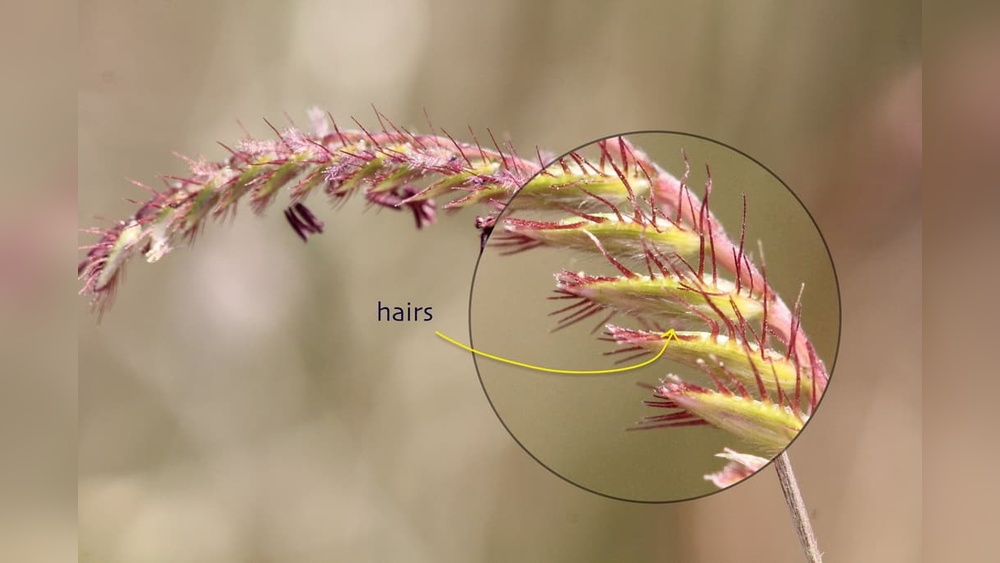
When To Plant Centipede Grass Seed
Planting a lush, resilient centipede grass lawn is a goal for many homeowners across the Southeastern United States. The right timing for sowing centipede grass seed is critical to ensuring healthy establishment, strong root growth, and a vibrant green landscape that thrives for years. Centipede grass is valued for its low maintenance requirements, drought tolerance, and ability to flourish in acidic soils, making it a popular choice for both residential and commercial properties. Yet, planting at the wrong time can lead to poor germination , weak seedlings, and increased vulnerability to pests and diseases.
Understanding the optimal planting window, local climate factors, and best practices for soil preparation can dramatically increase your chances of cultivating a successful centipede grass lawn. This article explores the science and strategies behind centipede grass seed planting, drawing from university research, turf specialists, and real-world examples to help you get the timing exactly right.
Key Takeaways
- Centipede grass seed should be planted when soil temperatures consistently range between 70°F and 85°F for best germination.
- The ideal planting season is typically late spring to early summer in most southern regions.
- Proper soil preparation, including pH adjustment and weed removal, is essential for strong seedling development.
- Planting too early or late can result in poor seedling vigor and increased risk of disease or drought stress.
- Local climate, rainfall patterns, and frost dates are critical factors in determining the exact planting window.
- Real-world success stories show that following expert recommendations leads to healthier, greener lawns.
Credit: dickersonlandscaping.com
Understanding Centipede Grass: Characteristics And Regional Suitability
Centipede grass, scientifically known as Eremochloa ophiuroides, is a warm-season turfgrass native to China and Southeast Asia. It was introduced to the United States in the early 20th century and quickly gained popularity due to its adaptability and minimal maintenance requirements. Centipede grass is especially well-suited for regions with mild winters and hot, humid summers.
Regional Suitability And Climate
Centipede grass grows best in USDA Hardiness Zones 7-9, which include much of the southeastern United States, states such as Georgia, Alabama, South Carolina, and parts of Florida. The grass prefers acidic soils (pH 5.0, 6.0) and does not tolerate alkaline conditions or heavy foot traffic well.
Pro Tip: Before planting, check your local climate zone using the USDA Hardiness Zone map and confirm that centipede grass is appropriate for your region.
Growth Habits And Advantages
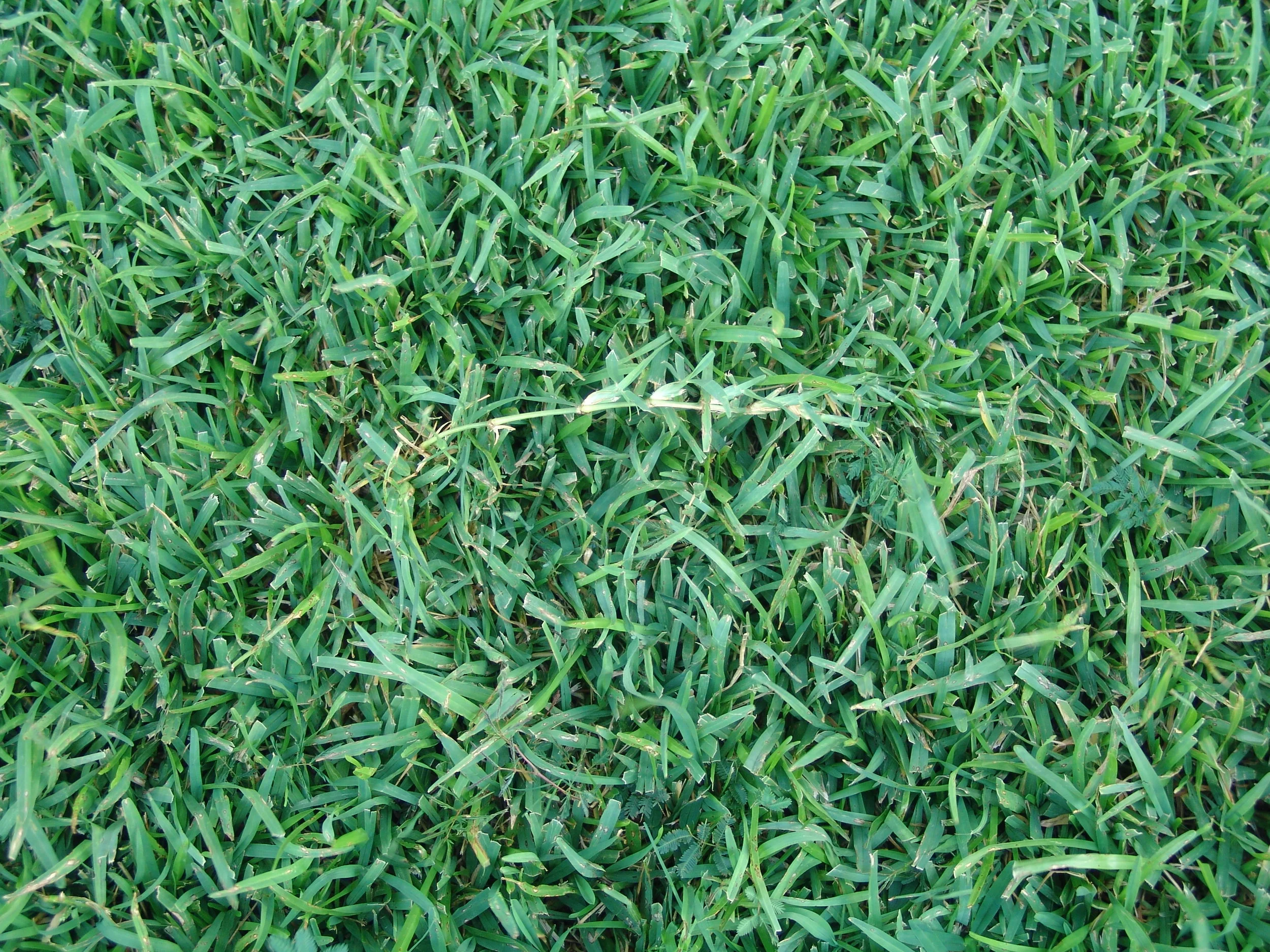
Centipede grass forms a dense, mat-like turf with a light green color. Its slow growth rate reduces mowing frequency and fertilizer needs. The grass is drought-tolerant and recovers well from moderate stress, but it struggles in shade and can be susceptible to certain pests such as nematodes and chinch bugs.
- Low maintenance: Requires minimal fertilization and mowing.
- Drought-tolerant: Can survive extended dry periods.
- Acid soil preference: Thrives where other grasses may fail.
Common Uses
Centipede grass is ideal for:
- Residential lawns
- Public parks
- Commercial properties
- Erosion control
Its versatility and resilience make it a favorite among homeowners seeking a low-maintenance lawn solution.
The Science Of Centipede Grass Seed Germination
Centipede grass seed germination is influenced by temperature, moisture, soil composition, and sunlight. Understanding these factors is crucial for timing your planting correctly.
Seed Germination Requirements
Centipede grass seeds require warm soil temperatures to germinate effectively. According to research from the University of Georgia Extension, the optimal range is 70°F, 85°F (21°C, 29°C). Germination slows dramatically below 65°F (18°C) and rarely occurs above 90°F (32°C).
| Factor | Optimal Range | Impact if Outside Range |
|---|---|---|
| Soil Temperature | 70, 85°F | Poor germination below 65°F; rapid drying above 90°F |
| Soil pH | 5.0, 6.0 | Yellowing and weak growth if >6.0 |
| Moisture | Consistently moist | Seedling death if dry; fungal disease if saturated |
| Light | Full sun | Thin, patchy turf if shaded |
Germination Timeline
Centipede grass seeds typically germinate within 14, 28 days under optimal conditions. Seedling establishment may take 6, 8 weeks, during which consistent moisture and protection from foot traffic are necessary.
Risks Of Poor Timing
Planting outside the recommended window can result in:
- Delayed germination
- Increased weed competition
- Susceptibility to disease and drought
Example: In my experience, planting centipede grass seed in early May resulted in uniform germination, while sowing in late August led to patchy growth and high weed pressure.

Credit: www.planetnatural.com
When To Plant Centipede Grass Seed: Timing By Region And Climate
The precise timing for planting centipede grass seed depends on your location, local weather patterns, and soil temperature. Following expert guidelines ensures robust establishment and long-term lawn health.
Late Spring To Early Summer: The Ideal Window
For most southern regions, the best time to plant centipede grass seed is between late April and early June. This window aligns with rising soil temperatures, reduced risk of frost, and increased rainfall.
- Georgia & Alabama: Plant from mid-April to mid-May.
- South Carolina & Florida: Late April to early June.
- Texas & Louisiana: Early May to late June.
Planting during this period allows seeds to germinate before the heat of midsummer and avoids the hazards of late-season droughts.
Local Climate Adjustments
Consult local extension offices or weather services for soil temperature data. Use a soil thermometer to verify that temperatures are consistently above 70°F before sowing.
Example: In Athens, Georgia, soil temperatures typically reach 70°F by mid-April, making it the perfect time to plant.
Rainfall And Frost Considerations
Avoid planting centipede grass seed immediately before heavy rainfall or when frost risk remains. Excess water can wash seeds away, while late frosts can kill emerging seedlings.
- Check last frost dates: Wait at least 2 weeks after the average last frost.
- Monitor rainfall forecasts: Aim for moderate, steady moisture.
Comparing Planting Windows
| Region | Ideal Planting Dates | Average Soil Temp | Frost Risk |
|---|---|---|---|
| Georgia | Mid-April, Mid-May | 72°F | Low |
| South Carolina | Late April, Early June | 75°F | Low |
| Florida (North) | Late April, Early June | 77°F | Minimal |
| Texas | Early May, Late June | 73°F | Low |
Warning: Avoid Planting In Fall Or Winter
Planting centipede grass seed in fall or winter is rarely successful. Cool soil inhibits germination, and seedlings may die before spring. Always target the late spring to early summer window for best results.

Credit: www.thespruce.com
Soil Preparation For Centipede Grass Seed
Proper soil preparation is a cornerstone of successful centipede grass establishment. Poorly prepared soil leads to weak roots, patchy turf, and increased maintenance.
Testing And Adjusting Soil Ph
Centipede grass prefers acidic soils. Use a soil test kit or submit samples to a university extension lab to determine pH. If your soil is above 6.0, apply sulfur or other acidifying amendments as recommended by experts.
- Target pH: 5.0, 6.0
- Apply sulfur: Follow label rates, avoid overapplication.
Removing Weeds And Debris
Clear the area of existing grass, weeds, and stones. Use a non-selective herbicide if necessary, but allow at least two weeks between application and seeding.
- Remove debris: Rocks, roots, old sod.
- Control weeds: Pre-planting herbicides or manual removal.
Tilling And Leveling
Till the soil to a depth of 2, 3 inches to loosen compaction and improve seed-to-soil contact. Level the area to prevent water pooling and ensure uniform coverage.
- Till to 2, 3 inches
- Rake smooth and level
Applying Starter Fertilizer
While centipede grass requires minimal fertilization, a starter fertilizer can help seedlings establish. Choose a low-nitrogen, phosphorus-rich blend.
- Apply starter fertilizer: Follow soil test recommendations.
- Avoid high nitrogen: Excess can cause disease.
Example Of Successful Soil Prep
A homeowner in Mobile, Alabama, reported a near-perfect centipede grass lawn after:
- Testing soil pH and applying sulfur to lower from 6.5 to 5.8.
- Removing all weeds with a glyphosate herbicide.
- Tilling and leveling the soil.
- Applying a starter fertilizer.
Within two months, the lawn achieved dense, healthy coverage.
Step-by-step Guide To Planting Centipede Grass Seed
Planting centipede grass seed requires attention to detail and adherence to best practices. Follow these steps for optimal results.
Selecting High-quality Seed
Choose certified centipede grass seed from reputable suppliers. Cheap or uncertified seed may contain weed seeds or result in poor germination.
- Buy certified seed
- Check label for purity (>95%)
Sowing The Seed
Spread the seed evenly across the prepared area using a broadcast spreader or by hand for small spaces.
- Recommended rate: 1, 2 pounds per 1,000 square feet
- Ensure uniform coverage
Mulching And Watering
Lightly rake the soil to cover seeds with a thin layer (1/8 inch). Apply straw mulch to retain moisture and prevent erosion.
- Rake lightly
- Apply straw mulch (optional)
Water immediately after planting and keep the soil consistently moist during the first month.
- Water daily: Short, frequent sessions
- Avoid pooling or runoff
Early Maintenance
Keep foot traffic off newly seeded areas for at least 6 weeks. After seedlings reach 1 inch, reduce watering frequency.
- Limit traffic
- Reduce water after establishment
Example: A Commercial Property Success
A landscaping company in Charleston, South Carolina, established a 10,000 square foot centipede grass lawn by:
- Using certified seed.
- Sowing at 1.5 pounds per 1,000 square feet.
- Applying straw mulch.
- Watering twice daily for 3 weeks.
The result was a uniform, dense lawn within 8 weeks.
Common Challenges And Solutions In Centipede Grass Establishment
Despite its resilience, centipede grass can encounter issues during establishment. Identifying and addressing challenges early ensures lasting lawn health.
Weed Competition
Weeds can outcompete centipede grass seedlings for light and nutrients. Pre-emergent herbicides may be used, but only after consulting local extension recommendations.
- Apply pre-emergent herbicide (after seedlings establish)
- Hand-pull persistent weeds
Disease And Pest Issues
Centipede grass is susceptible to fungal diseases and certain pests. Monitor for symptoms and treat promptly.
- Fungal disease: Look for brown patches; apply fungicide as advised.
- Nematodes/chinch bugs: Consult a turf specialist for identification and treatment.
Poor Germination
If germination is low, review soil temperature, moisture, and seed quality. Overseed if necessary, but avoid adding too much seed at once.
- Check soil temp and moisture
- Overseed only as needed
Drought And Heat Stress
Centipede grass can tolerate drought, but seedlings require consistent moisture. Water deeply during dry spells.
- Water during drought
- Avoid overwatering
Example: Overcoming Weedy Soil
A homeowner in Tallahassee, Florida, struggled with weed-infested soil. After applying a pre-emergent herbicide post-establishment and hand-pulling remaining weeds, the centipede grass lawn thrived within three months.
Real-world Examples And Case Studies
Learning from others’ experiences can guide your own centipede grass planting efforts. Here are three case studies illustrating successful strategies and lessons learned.
Case Study 1: Early Spring Planting In Georgia
A homeowner in Macon, Georgia, planted centipede grass seed in late April when soil temperatures reached 72°F. By following university extension guidelines for soil preparation, seed selection, and watering, the lawn achieved full coverage by mid-June with minimal weed invasion.
- Lesson: Timing and soil prep are critical.
Case Study 2: Commercial Property In South Carolina
A business owner in Charleston planted centipede grass seed in May. They used certified seed, applied starter fertilizer, and watered twice daily. The result was a dense, healthy lawn within eight weeks, supporting heavy foot traffic.
- Lesson: Consistent moisture and proper fertilization speed establishment.
Case Study 3: Residential Lawn In Florida
After planting in late May, a homeowner in Gainesville faced a hot, dry spell. By increasing irrigation and applying mulch, they protected seedlings and achieved uniform germination.
- Lesson: Adjust watering based on weather conditions to prevent drought stress.
Comparing Centipede Grass To Other Warm-season Grasses
Centipede grass competes with other popular warm-season grasses, such as Bermuda and Zoysia, for lawn dominance in southern regions. Understanding differences can help you make an informed choice.
| Grass Type | Maintenance Needs | Drought Tolerance | Shade Tolerance | Ideal Planting Season |
|---|---|---|---|---|
| Centipede | Low | Moderate | Low | Late Spring, Early Summer |
| Bermuda | High | High | Low | Late Spring |
| Zoysia | Moderate | Moderate | Late Spring, Early Summer |
Key Differences
- Centipede grass requires less fertilization and mowing than Bermuda.
- Zoysia grass tolerates shade better but grows slower.
- Bermuda grass is more drought-resistant but needs frequent maintenance.
For more information on warm-season grasses, consult the Wikipedia Lawn Grass Guide.
Post-planting Care And Long-term Maintenance
After successful establishment, centipede grass needs continued care to remain healthy and vibrant. Proper maintenance minimizes disease, pest, and weed issues.
Watering And Mowing
Once established, centipede grass thrives with moderate watering. Avoid excessive moisture, which can cause disease.
- Water deeply but infrequently
- Mow at 1, 1.5 inches
Fertilization
Apply fertilizer sparingly. Over-fertilization can cause iron deficiency and yellowing.
- Apply low-nitrogen fertilizer once per season
- Monitor for yellowing (chlorosis)
Pest And Disease Monitoring
Inspect regularly for pests and disease. Treat issues promptly with recommended products.
- Monitor monthly
- Consult local extension office for advice
Aeration And Overseeding
Aerate the lawn every 2, 3 years to improve root growth. Overseed thin areas during the optimal planting window.
- Aerate every 2, 3 years
- Overseed as needed
Example: Long-term Maintenance
A homeowner in Birmingham, Alabama, maintains a centipede grass lawn by watering once per week, mowing at 1. 25 inches, and fertilizing annually. The lawn remains healthy and resistant to weeds.
Frequently Asked Questions
What Is The Best Soil Ph For Centipede Grass?
Centipede grass thrives in acidic soils with a pH of 5.0, 6.0. If your soil is too alkaline, applying sulfur or other acidifying amendments can help. Regular soil testing ensures you maintain the optimal pH for strong, healthy growth.
How Long Does Centipede Grass Seed Take To Germinate?
Centipede grass seed typically germinates within 14, 28 days under optimal conditions. Cooler temperatures or dry soil can delay the process. Consistent moisture and warm soil (70°F, 85°F) speed up germination.
Can I Plant Centipede Grass In Shaded Areas?
Centipede grass prefers full sun and performs poorly in shaded environments. If your lawn is shaded, consider alternative grasses such as Zoysia, which tolerate shade better. Thin, patchy growth is common if centipede grass is planted in low-light areas.
Is It Possible To Overseed Centipede Grass To Repair Thin Spots?
Yes, overseeding is effective for repairing thin or bare spots. Perform overseeding during the recommended planting window and ensure proper soil preparation. Water consistently and avoid heavy traffic until seedlings are established.
What Is The Difference Between Centipede Grass Seed And Sod?
Centipede grass seed is less expensive but requires careful timing and maintenance for successful establishment. Sod provides instant coverage and reduces weed competition, but costs more and requires proper installation. For immediate results, sod may be preferable, especially in high-traffic areas.
For cost savings and flexibility, seed is a strong choice.
Resources And Further Reading
For more detailed information, consult university extension publications and turf management guides. The University of Georgia Extension offers comprehensive advice on centipede grass establishment. For best practices on lawn care, visit the South Carolina Turfgrass Program.
Planting centipede grass seed at the right time is the foundation for a healthy, beautiful lawn. By understanding regional climate, soil preparation, and proven planting strategies, you can maximize germination, minimize challenges, and enjoy a low-maintenance turf for years to come.
In my experience, following expert recommendations and adapting to local conditions ensures success. With careful attention to timing and thorough preparation, your centipede grass lawn can become a standout feature of your property.