Why Vegetable Leaves Turn Yellow and How to Fix It?
Yellow vegetable leaves usually point to water stress, nutrient mismatch, pH trouble, or disease. Start with where yellowing begins, then correct the cause instead of reaching for fertilizer first. Left alone, the problem can cut harvests, slow growth, and let root damage or infection spread. This guide shows how to read symptom patterns, plant stage, and growing setup to find the fix.
How yellowing patterns reveal the root cause


Yellowing is a symptom, not a diagnosis. On vegetables, the fastest clue is where the color change starts: older leaves, new growth, leaf veins, or leaf edges. Plant stage matters too. Seedlings often yellow for different reasons than flowering or fruiting plants, and container crops often fail from watering or root issues before nutrition.
What you’ll need
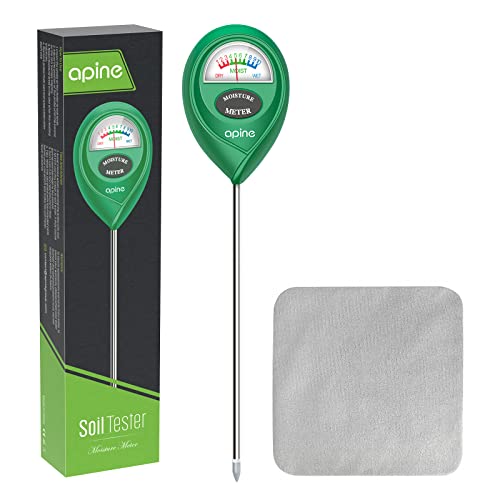
- Moisture meter
- Soil test kit
- Balanced fertilizer
- Pruners and gloves
- Watering can or hose with a gentle flow
- Mulch for beds and large containers
Vegetable leaf diagnostic table
| Stage and system | Symptom pattern | Likely cause | Confirmation check | First fix |
|---|---|---|---|---|
| Seedling, container | First true leaves pale, cotyledons fading normally | Normal early growth or light stress | Check whether cotyledons are yellow or pale green, which is typical on tomato seedlings | Hold fertilizer 5 to 7 days; keep soil evenly moist |
| Seedling, raised bed | Yellowing starts at the base and growth slows | Low nitrogen or cold, wet soil | Look for older leaves paling first | Apply a balanced fertilizer at label rate |
| Seedling, in-ground | Wilted yellow leaves after rain | Overwatering or poor drainage | Soil stays wet below the surface for hours | Stop watering, loosen surface crust, improve drainage |
| Transplant, container | New setting yellowing with droop | Transplant shock or root disturbance | Plant was moved recently; roots are not yet filling the pot | Water deeply, then wait before feeding |
| Transplant, raised bed | Lower leaves yellow first after planting out | Nitrogen shortfall or root-setback | Bottom leaves fade before top growth | Use a nitrogen-rich or balanced fertilizer |
| Transplant, in-ground | Yellowing persists after feeding | pH lockout or compacted soil | Soil test shows pH out of range or weak root penetration | Test pH and address compaction before refeeding |
| Flowering, container | New leaves yellow while veins stay green | Iron deficiency | Newest growth is affected first | Check pH, then use foliar iron if needed |
| Flowering, raised bed | Older leaves show interveinal chlorosis | Magnesium deficiency | Yellowing appears between veins on lower leaves | Try Epsom salt only if the pattern fits |
| Fruiting, in-ground | Yellow leaves with spots, droop, or dieback | Fungal disease or root rot | Excess moisture, leaf spots, or soft roots | Remove affected tissue and improve drainage |
- Inspect the plant from the bottom up. Note whether yellowing starts on older leaves, new growth, or between the veins, because that pattern narrows the cause fast.
- Check soil moisture 2–3 inches down with your finger, then compare it with a moisture meter. Dry below the surface points one way; soggy soil points the other.
- Look at the roots, drainage holes, and soil surface. If water sits in the pot or bed after watering, poor drainage may be part of the problem.
- Test pH if yellowing continues after feeding. A soil test can identify missing nutrients and pH issues, which matter when fertilizer does not correct the color change.
- Check leaf undersides for aphids, spider mites, mealybugs, or whiteflies. Treat pests first if you see sap-sucking insects, webbing, sticky residue, or clusters on tender growth.
- Apply the smallest useful fix, then recheck in about 5 to 7 days. For magnesium, one tomato guide suggests one teaspoon per gallon of water; another guide recommends one tablespoon per gallon of water for magnesium deficiency, so follow the product label and avoid repeating doses too soon.
Step 1: Check the leaf pattern
Where the yellowing starts tells you more than the color itself. Older leaves yellow first when nitrogen is short, while new growth yellowing with green veins points toward iron trouble. Interveinal yellowing on older leaves fits magnesium deficiency, and drooping with yellowing often points to water stress or root damage.
Step 2: Check roots, drainage, and soil pH
Roots need oxygen as much as water. Waterlogged roots lose oxygen, and yellow leaves often arrive with drooping or soft stems. If yellowing stays after watering changes, test pH. High-pH soil can lock out iron and other nutrients even when fertilizer is present.
Suppose a pepper in a 5-gallon container turns pale after three rainy days. The mix stays wet, the lower leaves droop, and the pot drains slowly. That pattern fits overwatering far better than a nutrient shortage, so pause watering and improve drainage first.
How can you tell if yellow leaves are from overwatering or underwatering?
Overwatering usually leaves soil wet, roots short on oxygen, and foliage limp or drooping. Underwatering usually leaves soil dry, edges crisp, and leaves papery before they yellow. A moisture meter helps separate the two when the surface looks one way but the root zone feels different.
Overwatering clues
Look for yellow leaves plus limp stems, slow growth, and soil that stays damp long after watering. In containers, drainage holes may drip for too long or stay blocked. In beds, compacted soil can hold water around roots and create the same stress pattern.
Underwatering clues
Dry-soil stress often shows as leaf-edge crisping before full yellowing. The plant may perk up briefly after watering, then sag again if the root zone dries too fast. Deep, consistent watering usually works better than light, frequent sprinkles.
Container and bed checks
Container vegetables dry out faster in heat and wind, while raised beds can swing between dry and soggy if the mix is shallow. In-ground plantings usually fail more from compaction or poor drainage than from short-term drying. Mulch around the base helps hold moisture and steadies soil temperature.
Step 3: Correct nutrients, pests, and disease
Feed only after the symptom pattern matches the deficiency. Nitrogen deficiency starts on lower leaves and affects chlorophyll-related greening, so a balanced or nitrogen-rich fertilizer is the usual fix. Iron deficiency starts in new growth, magnesium on older leaves, and both can benefit from foliar feeding while you correct the root-zone cause.
Picture a tomato with pale new leaves, green veins, and no wet soil issue. That pattern points away from overwatering and toward iron lockout, especially if the soil runs alkaline. A foliar iron spray may green the newest growth faster, but the pH problem still needs a soil test and correction.
Common mistakes
Feeding without diagnosis: fertilizer will not fix drainage, compacted roots, or pH lockout. If yellowing persists after feeding, stop guessing and test the soil.
Using Epsom salt too soon: magnesium helps only when the symptom pattern matches. It is not a general cure for every yellow leaf.
Removing too many leaves: yellow lower leaves still photosynthesize for a while. Remove only leaves that are fully yellow, diseased, or touching wet soil.
If that didn’t work, try this next
- Retest moisture after 24 hours. If the mix is still wet, reduce watering frequency and improve drainage before adding anything else.
- Top-dress or feed with a balanced fertilizer at the label rate, then wait 5 to 7 days before judging the result.
- Use a foliar feed for iron or magnesium only when the symptom pattern fits, because it corrects leaves faster than roots but does not fix the base problem.
- Remove leaves that are fully yellow, spotted, or collapsing, then clean up dropped debris to slow disease spread.
Should you remove yellow leaves from vegetable plants?
Remove them only when they are fully yellow, diseased, or dragging on the soil. Keep leaves that still have green tissue, because they still help the plant. For lower leaves that are yellow from normal aging, pruning can improve airflow, but do not strip the plant bare.
Frequently asked questions
Why are my vegetable leaves turning yellow?
The most common causes are watering errors, nutrient mismatch, pH trouble, pests, or disease. Start by checking where the yellowing begins and whether the plant is in a container, raised bed, or in-ground bed. That pattern usually points to the real fix faster than fertilizer alone.
What nutrient deficiency causes yellow leaves on vegetables?
Nitrogen deficiency often starts on older or lower leaves. Iron deficiency usually shows up first in new growth with green veins, and magnesium deficiency often appears as interveinal chlorosis on older leaves. A soil test helps separate a true shortage from pH lockout.
Why are the lower leaves on my vegetable plants turning yellow first?
Lower leaves often yellow first from nitrogen deficiency or normal aging. In fruiting crops, the plant may also shed shaded, older leaves as it puts energy into new growth and fruit. If the yellowing spreads quickly or starts after wet weather, check roots and drainage too.
What does yellowing between leaf veins mean?
Interveinal yellowing usually points to magnesium or iron issues, depending on age of growth. Older leaves with yellow tissue between green veins suggest magnesium. New leaves with green veins and pale tissue suggest iron. A pH test is the next step if feeding does not help.
How do I fix yellow leaves on container vegetables?
Check drainage holes first, then probe the mix 2–3 inches down. If the pot stays wet, pause watering and let excess moisture leave the root zone. If the mix is dry, water deeply and consistently. Containers also lose nutrients faster, so a balanced fertilizer may be needed after moisture is corrected.
When should I use Epsom salt for yellow leaves?
Use it only when older leaves show interveinal chlorosis and the plant is likely low on magnesium. One teaspoon per gallon of water, while another recommends one tablespoon per gallon of water for magnesium deficiency. Apply once, then recheck before repeating.
How do I know if pests or disease are causing yellow leaves?
Inspect the undersides of leaves for aphids, spider mites, mealybugs, or whiteflies. Look for spots, sticky residue, webbing, or distorted new growth. Fungal problems often follow excess moisture and may need removal of affected tissue plus better drainage before any feeding helps.