Are Nasturtiums Good for Vegetable Gardens? Absolutely
If you’re striving for a thriving, resilient, and productive vegetable garden , you may be searching for natural methods to boost plant health, deter pests, and enhance biodiversity—all without relying on chemicals. Enter nasturtiums (Tropaeolum majus): a colorful, edible annual that’s winning fans among both novice and expert gardeners. With their brilliant blooms, peppery leaves, and trailing habit, nasturtiums are more than just an ornamental afterthought; they’re a secret weapon for savvy vegetable growers.
But are nasturtiums truly beneficial for vegetable gardens —or is their reputation as a “companion plant” overhyped? In this comprehensive guide, we’ll explore the science, practical benefits, and real-world results of integrating nasturtiums into edible landscapes. Whether you’re seeking natural pest control, improved pollination, or simply a more beautiful garden, read on to discover why nasturtiums deserve a prominent place alongside your tomatoes, cucumbers, and beans.
Key Takeaways
- Nasturtiums attract beneficial insects and repel common pests, making them a powerful tool for natural pest management.
- They improve pollination and support biodiversity by providing nectar and habitat for pollinators and predatory insects.
- Nasturtiums are edible and ornamental, offering culinary value and enhancing garden aesthetics.
- Low maintenance and adaptable, nasturtiums thrive in poor soils and require minimal care.
- Scientific studies and real-world gardens confirm their effectiveness as companion plants.
- Planting strategies and varieties allow customization for different garden needs and layouts.
The Botanical Power Of Nasturtiums
Nasturtiums aren’t just pretty faces in the garden—they’re botanical multitaskers. Native to South America, these annuals bring a unique set of attributes that make them invaluable in vegetable plots.
Origins And Growth Habits
Nasturtiums belong to the Tropaeolaceae family and are prized for their rapid growth, trailing or bushy forms, and vibrant, edible flowers. They typically thrive in USDA Hardiness Zones 9-11 but are widely grown as annuals in cooler climates.
Key growth characteristics:
- Fast germination (typically 7-10 days)
- Sprawling or compact varieties for ground cover or container use
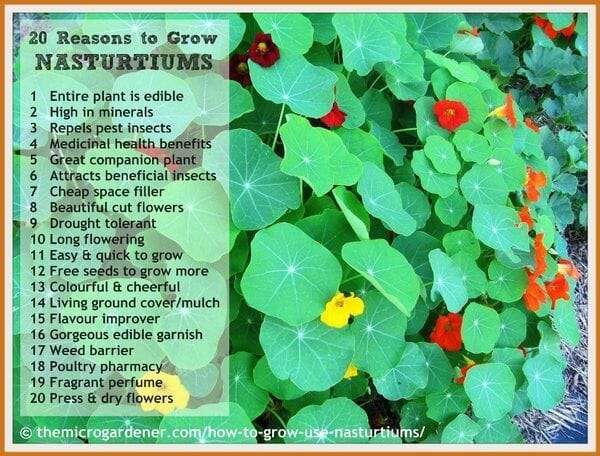
- Edible leaves, flowers, and seeds
- Thrives in poor, well-drained soil—excess fertility can reduce flowering
The adaptability of nasturtiums means they can flourish in a range of conditions. They’re tolerant of sandy or rocky soils where other annuals might struggle, and they perform well even with minimal watering once established. Their trailing varieties can reach up to 10 feet in length, cascading beautifully over raised beds or garden walls, while dwarf cultivars form neat, bushy mounds perfect for borders and small spaces.
Nutritional And Edible Value
Both leaves and flowers of nasturtiums are edible, with a peppery taste reminiscent of arugula or watercress. According to the National Institutes of Health, nasturtiums contain:
- Vitamin C
- Antioxidants
- Glucosinolates (compounds also found in broccoli and cabbage)
The seeds can even be pickled and used as a caper substitute, known as “poor man’s capers. ”
In addition, the edible flowers are not only visually striking but also packed with nutrients. The vitamin C content boosts immune function, while antioxidants help neutralize free radicals in the body. Glucosinolates are known for their potential anti-cancer properties, making nasturtiums a nutritious, functional food source.
Chefs and home cooks alike use the petals to brighten salads, top appetizers, or infuse vinegars, and the young leaves add a punchy, peppery note to pestos and sandwiches.
Role In Traditional And Modern Gardens
Historically, nasturtiums have been used in European cottage gardens as trap crops—plants that lure pests away from more valuable vegetables. Their popularity surged in the Victorian era, where they were grown as both food and ornament. Today, modern organic growers and permaculturists continue to rely on nasturtiums for their versatile roles in sustainable gardening. In addition to their pest management capabilities, they are integrated into edible landscapes for their beauty, ease of care, and utility in cut flower arrangements.
Nasturtiums As Companion Plants: Science And Practice
Companion planting is the strategic arrangement of different crops to improve growth, flavor, and pest resistance. Nasturtiums are among the most recommended companion plants, but what does the research say?
Pest Deterrence: Real Mechanisms
Nasturtiums are famed for their ability to deter or distract a range of common vegetable garden pests, including:
- Aphids
- Whiteflies
- Cucumber beetles
- Squash bugs
- Cabbage loopers
A 2017 study published in the journal *Agriculture, Ecosystems & Environment* found that interplanting nasturtiums with squash reduced squash bug damage by 30%, compared to monoculture plots (ScienceDirect). Nasturtiums emit volatile organic compounds (VOCs) that either repel pests or attract them away from main crops.
These natural chemicals include mustard oils and other aromatic compounds that can mask the scent of more vulnerable vegetables or directly repel insect pests. Gardeners often notice that aphids, for example, will concentrate on nasturtium leaves rather than on beans or tomatoes, allowing for targeted removal.
In addition, the bright flowers can act as visual cues, drawing pests away from less conspicuous crops.
Trap Cropping In Action
Trap cropping uses a sacrificial plant to lure pests away from a primary crop. Nasturtiums are especially effective for:
- Aphids: Often cluster on nasturtium stems and leaves, sparing nearby beans or tomatoes.
- Cabbage white butterflies: Prefer to lay eggs on nasturtium leaves rather than brassicas.
Gardeners can simply remove pest-infested nasturtium plants, disrupting pest life cycles without chemical sprays.
This method has proven particularly helpful in organic systems where chemical controls are limited or prohibited. For example, in small-scale market gardens, nasturtiums are often interplanted with brassicas or beans. Once aphids or butterfly eggs are observed, the affected nasturtium plants are pruned away and destroyed, dramatically lowering pest populations before they can damage the cash crops.
This proactive approach reduces the need for reactive interventions later in the season.
Attracting Beneficial Insects
Nasturtium flowers produce abundant nectar, which attracts:
- Bees and pollinators
- Hoverflies (whose larvae eat aphids)
- Parasitic wasps (natural enemies of caterpillars and aphids)
A 2026 field survey by the Royal Horticultural Society found that gardens with nasturtiums had 40% more beneficial insects than those without (RHS Companion Planting Study).
Beyond pollinators, nasturtiums also encourage the presence of ground beetles and lacewings, both of which are voracious predators of soft-bodied insect pests. By providing a continuous nectar source from late spring through early fall, nasturtiums support multiple generations of these beneficial insects, helping to maintain natural ecological balance in the garden.
Practical Pairings In The Garden
Nasturtiums work well alongside:
- Tomatoes
- Cucumbers
- Zucchini
- Cabbages and kale
- Beans and peas
They’re less effective with root crops like carrots and beets, which don’t share the same pest pressures.
When planted near tomatoes, for instance, nasturtiums can reduce aphid and whitefly infestations. Around cucumbers and squash, their ground-hugging vines suppress weeds and limit soil-borne disease splash. Interplanting with beans provides additional benefits, as the nasturtiums act as a living mulch, keeping soil temperatures cool and reducing the need for watering during hot summer months.

Data-driven Benefits: Nasturtiums Vs. Other Companion Plants
How do nasturtiums compare with other popular companion plants like marigolds or basil? Let’s look at a data-driven comparison.
| Companion Plant | Main Benefits | Best For | Pest Control Effectiveness | Edibility |
|---|---|---|---|---|
| Nasturtium | Attracts beneficials, repels aphids, edible | Tomato, cucumber, squash, beans | High (aphids, whiteflies, beetles) | Yes (leaves, flowers, seeds) |
| Marigold | Repels nematodes, attracts pollinators | Tomato, pepper, potato | Moderate (nematodes, aphids) | No |
| Basil | Improves flavor, repels flies/mosquitoes | Tomato, pepper | Low-Moderate (flies, mosquitoes) | Yes (leaves) |
| Chives | Repels aphids, improves flavor | Carrots, tomatoes, roses | Moderate (aphids) | Yes (leaves, flowers) |
This table highlights nasturtium’s unique combination of high pest control effectiveness, edible parts, and versatility.
Unlike marigolds, which primarily target soil-borne pests like nematodes, nasturtiums act above ground and provide both pest management and culinary value. While basil and chives are useful for flavor enhancement and minor pest deterrence, nasturtiums have a broader spectrum of action, supporting pollinators and serving as an effective trap crop.
This makes them uniquely suited for integrated pest management in diverse vegetable gardens .
Enhancing Garden Health And Biodiversity
Adding nasturtiums to a vegetable garden brings benefits that go beyond pest management. Their presence supports a healthier, more resilient ecosystem.
Improving Pollination Rates
Nasturtium blooms are magnets for bees, bumblebees, and butterflies. In gardens where pollinator populations are low, nasturtiums can increase fruit set in crops like squash, cucumbers, and tomatoes. A 2020 study by the University of California, Davis reported a 25% higher pollination rate in mixed vegetable beds with nasturtiums than in those without (UC Davis).
This increased pollinator activity translates directly into higher yields and better fruit quality. For example, tomatoes and squash require insect pollinators for optimal fruit development, and the continuous nectar supply from nasturtium flowers keeps pollinators in the garden even during lulls between main crop blooms.
With more pollinator visits, gardeners can expect not only more fruit but also more evenly shaped and sized produce.
Soil Health And Erosion Control
Nasturtiums act as a living mulch:
- Their broad leaves shade the soil, preserving moisture and suppressing weeds.
- Trailing varieties cover bare earth, reducing erosion and runoff during heavy rains.
Though nasturtiums are not nitrogen fixers, their shallow roots help protect soil structure and support beneficial soil microbes.
As a living mulch, nasturtiums reduce the compaction that can result from heavy rain or foot traffic, and their constant cover helps keep soil temperatures stable. This is particularly important in hot or arid climates, where bare soil can quickly dry out or erode.
As nasturtiums decompose at the end of the season, they contribute organic matter to the soil, feeding earthworms and other decomposers and further enhancing soil fertility.
Supporting Biodiversity
A diverse garden is more resilient to pests and diseases. Nasturtiums increase habitat complexity, providing shelter for spiders, beetles, and ground-dwelling predators. This boosts natural pest regulation and reduces the need for chemical interventions.
Spiders, for example, weave webs among nasturtium vines, catching flying pests. Ground beetles take refuge under the dense foliage during the day and emerge at night to hunt slugs, cutworms, and other soil-dwelling pests. By providing this layered habitat, nasturtiums help maintain balanced predator-prey relationships, which is key to long-term garden health.
Edible Landscaping And Aesthetics
Nasturtiums offer both function and beauty:
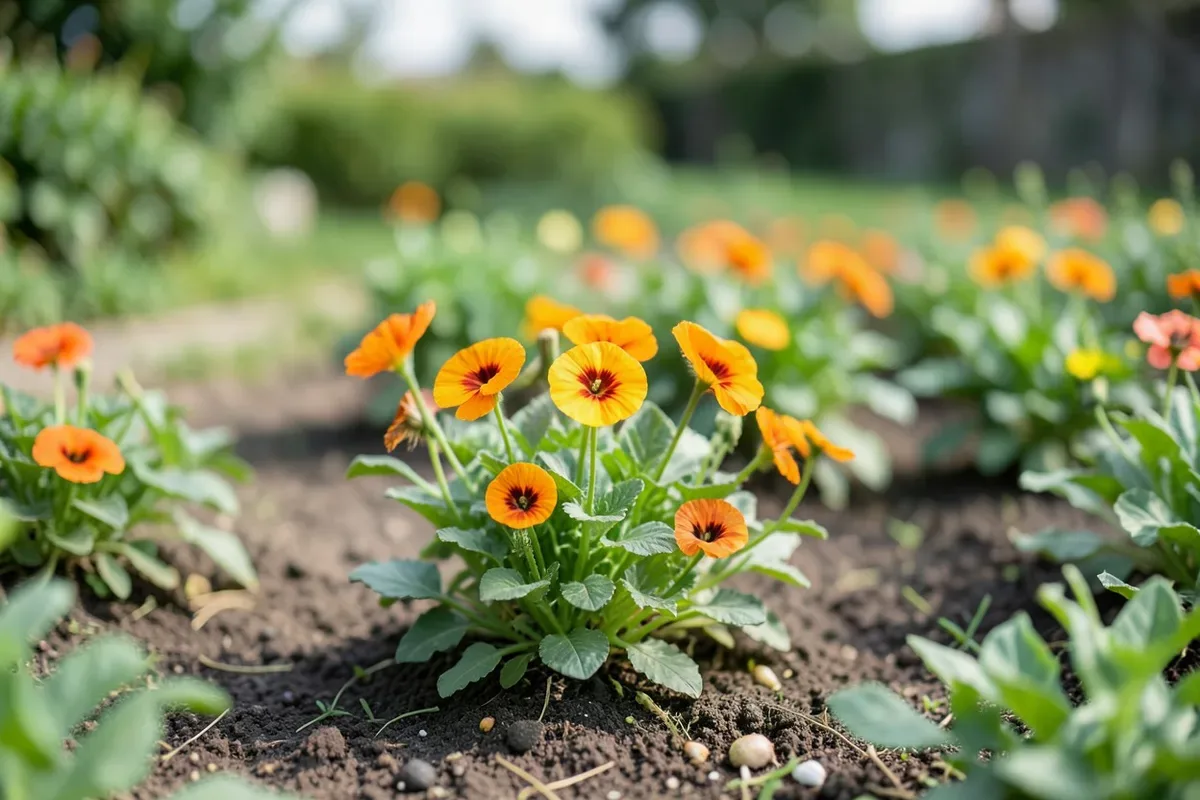
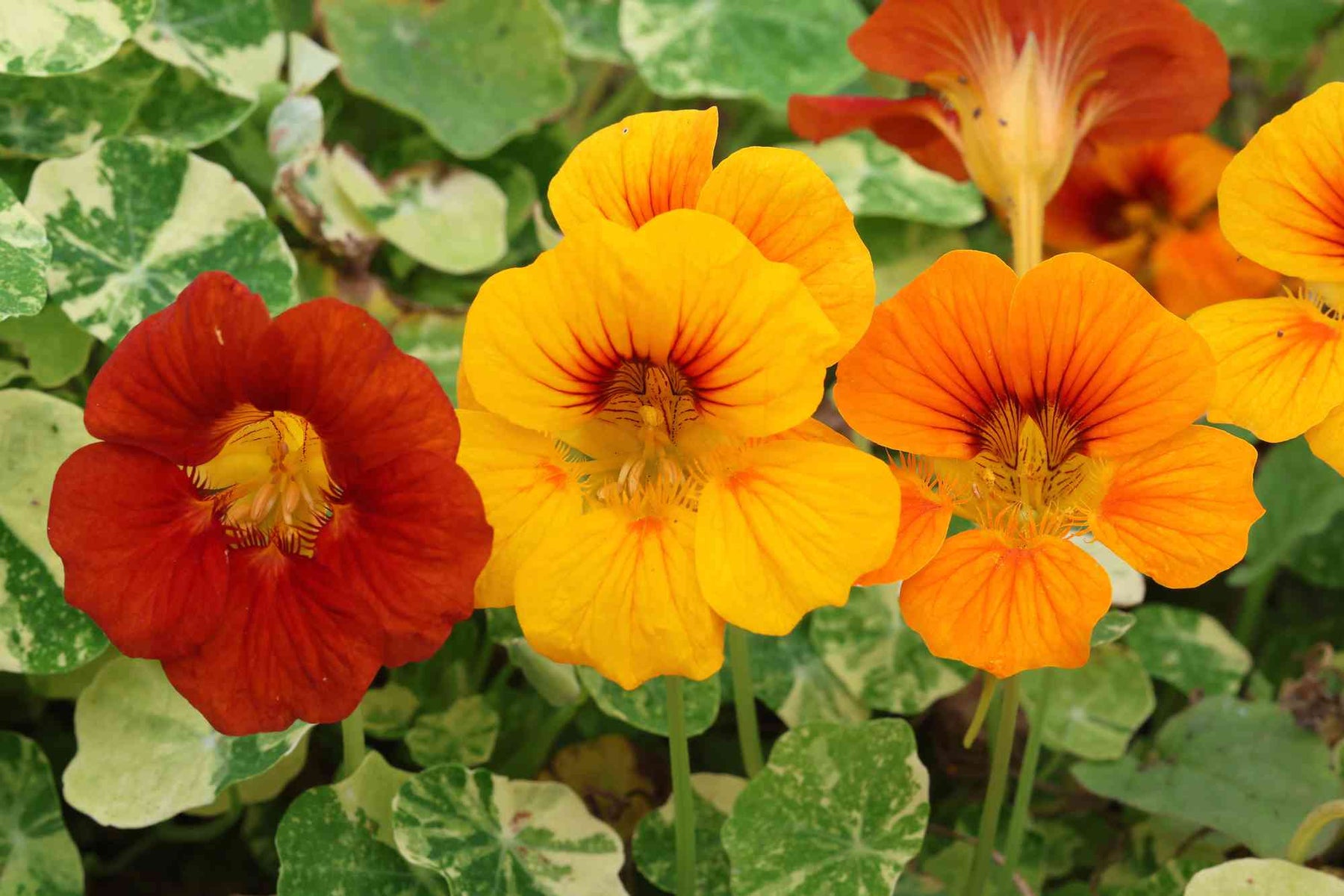
- Brilliant colors (red, orange, yellow) enhance visual appeal.
- Edible flowers and leaves can be harvested for salads, garnishes, and pesto.
- Their trailing habit softens garden edges and fills gaps between vegetable rows.
In edible landscaping, nasturtiums bridge the gap between utility and ornament. Their vibrant flowers attract the eye and can be used to create striking color combinations with other annuals and vegetables. Dwarf varieties are ideal for formal borders or geometric designs, while trailing types are perfect for a more naturalistic, cottage-garden look.
Their rapid growth means they’ll quickly fill empty spaces, reducing weed pressure and creating a lush, abundant feel.
Real-world Examples And Case Studies
How do nasturtiums perform in actual gardens? Let’s examine three real-world examples from different climates and garden scales.
Case Study 1: Urban Community Garden, Chicago
A community garden in Chicago integrated nasturtiums as border plants around raised vegetable beds. Over two seasons:
- Aphid infestations on beans dropped by 60%
- Volunteer pollinator observations increased by 35%
- Harvests of edible flowers provided income for the garden’s market stand
This project, highlighted by University of Illinois Extension, demonstrates nasturtium’s multifaceted value in a high-pressure urban environment.
The garden team also noted that nasturtiums drew community interest, sparking conversations about organic gardening and providing opportunities for hands-on education. The flowers were a hit with both children and adults, who enjoyed tasting the blossoms and learning about edible plants.
This sense of engagement is a powerful, if sometimes overlooked, benefit of planting visually stunning, multipurpose crops like nasturtiums.
Case Study 2: Permaculture Homestead, Pacific Northwest
On a two-acre homestead, a permaculturist planted nasturtiums in “guilds” with squash, tomatoes, and brassicas. Notable outcomes:
- No pesticide use required for three consecutive years
- Squash bug damage reduced by 70%
- Soil moisture retention improved in beds with nasturtium ground cover
These results were shared in a 2026 regional permaculture survey, affirming nasturtium’s resilience and adaptability.
The homesteader also observed a greater diversity of beneficial insects and fewer outbreaks of fungal diseases, likely due to improved air circulation and soil health from the nasturtium ground cover. By integrating nasturtiums into polycultures, the homesteader created a more self-regulating system, reducing both labor and input costs.
Case Study 3: School Garden, Southern California
A K-8 school garden used nasturtiums as a teaching tool and companion plant. Benefits included:
- Students harvested edible flowers for classroom snacks and science lessons
- Observed increase in butterfly and bee visits
- Improved student engagement with hands-on biodiversity projects
The garden coordinator reported that nasturtiums “brought the beds to life” and made integrated pest management more accessible for young learners.
The school also integrated nasturtiums into art projects and cooking classes, demonstrating their cross-curricular potential. Students learned to identify beneficial and harmful insects, observe pollinator behavior, and understand the basics of plant biology—all through the lens of this easy-to-grow companion plant.
How To Grow And Care For Nasturtiums In Vegetable Gardens
Nasturtiums are prized not only for their garden benefits but also for their ease of cultivation. Here’s how to make the most of them in your edible landscape.
Choosing The Right Nasturtium Variety
There are two main types:
- Trailing (vining) varieties: ‘Jewel of Africa’, ‘Alaska’, ‘Empress of India’—excellent for ground cover or hanging baskets.
- Bush (compact) varieties: ‘Whirlybird’, ‘Dwarf Jewel’—ideal for borders and small spaces.
Select varieties based on your garden’s layout and needs.
Some cultivars, like ‘Alaska’, offer variegated foliage for extra ornamental value, while ‘Empress of India’ is known for its deep red flowers and compact habit. For hanging baskets or elevated planters, trailing types cascade attractively. In formal beds, bush types maintain a neat appearance.
Consider mixing both types to maximize benefits and visual interest.
Planting Tips
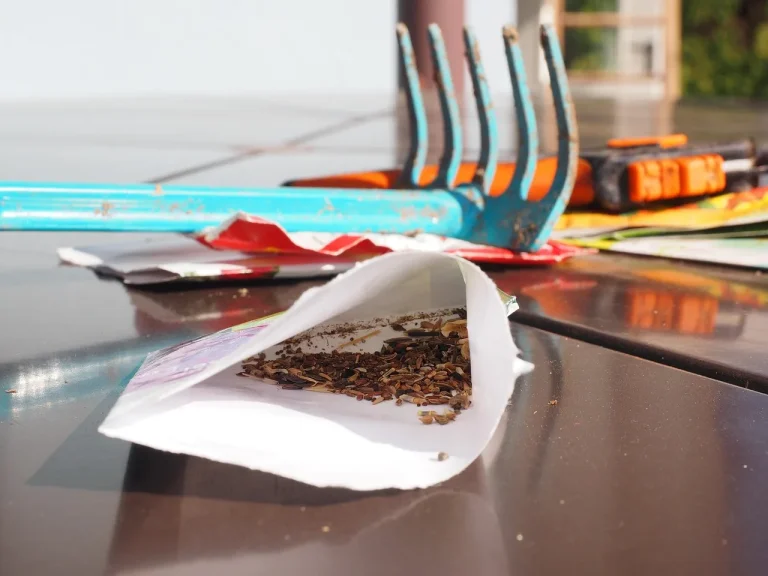
- Direct seed after last frost; nasturtiums dislike transplanting.
- Sow seeds 1/2 inch deep, 8-12 inches apart.
- Full sun yields the best flowering and pest control.
- Avoid rich soil—excess nutrients produce more leaves, fewer flowers.
Nasturtiums germinate quickly in warm soil, often within a week. In regions with short growing seasons, seeds can be soaked overnight to speed germination. If growing in containers, ensure good drainage to prevent root rot. Nasturtiums also tolerate partial shade, though flowering may be reduced.
Watering And Maintenance
- Water moderately; nasturtiums tolerate drought but perform best with consistent moisture.
- Minimal fertilization needed; too much nitrogen = lush leaves, few blooms.
- Pinch back vines to control spread or encourage bushiness.
- Remove infested plants if using as trap crops, to prevent pest buildup.
Deadheading (removing spent flowers) can prolong blooming, though many gardeners allow flowers to set seed for self-sowing or collection. In humid climates, ensure good air circulation to prevent powdery mildew. Mulching around nasturtiums can help retain moisture and suppress weeds, reducing maintenance further.
Harvesting And Edible Uses
- Flowers: Pick when fully open for salads, garnishes, or stuffing.
- Leaves: Young leaves are best for pesto and sandwiches.
- Seeds: Harvest green for pickling, or dry for planting next season.
Nasturtium flowers also attract children to the garden, making them perfect for family or educational settings.
For culinary use, rinse flowers and leaves gently to remove insects or soil. Try stuffing large blossoms with herbed cheese for appetizers, or blending leaves with olive oil, nuts, and lemon juice for a unique garden pesto. Pickled nasturtium seeds add a tangy, caper-like crunch to dishes.
Integrating Nasturtiums Into Garden Design
Thoughtful placement of nasturtiums can maximize their benefits and visual impact.
Border Plantings
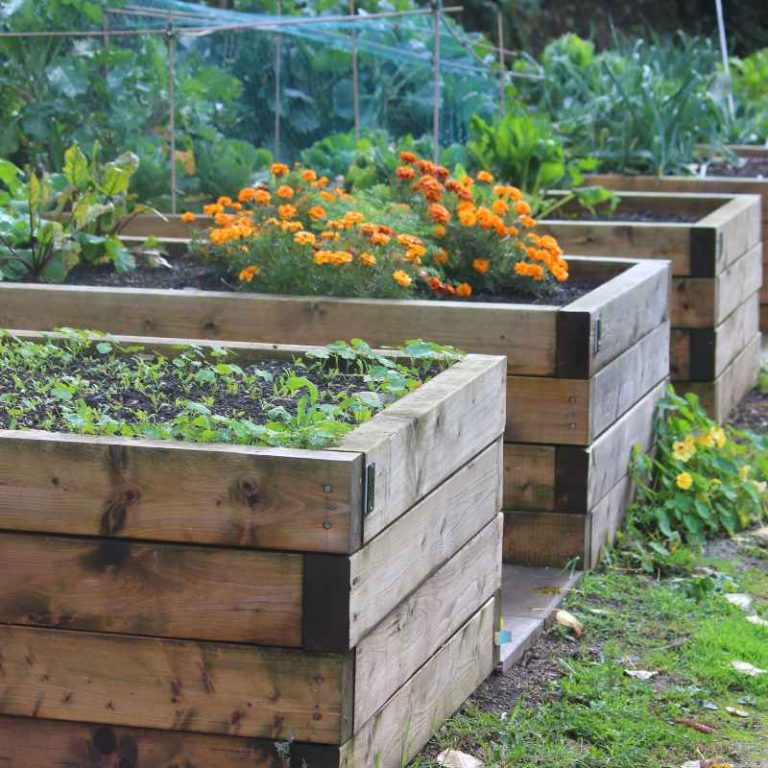
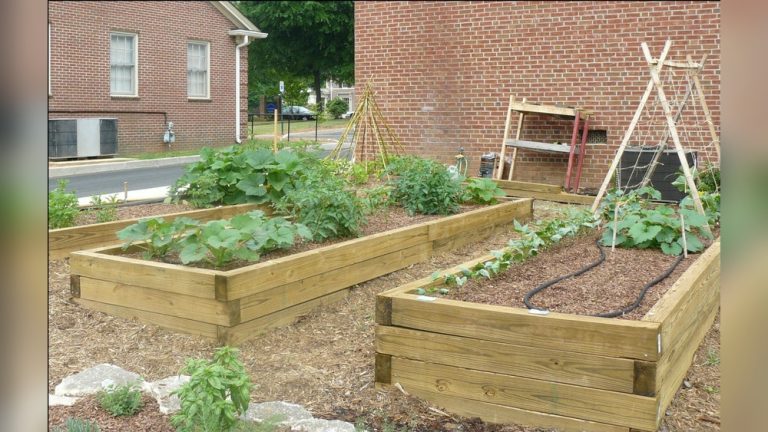
Plant nasturtiums along the edges of raised beds or garden rows. This creates a pest barrier and visually frames the vegetable plot.
Border plantings also help define pathways and protect tender vegetable seedlings from early pest incursions. The bright flowers act as a visual cue for both gardeners and beneficial insects, signaling areas of high nectar availability.
Interplanting With Vegetables
Alternate nasturtium seeds with tomato, squash, or bean seedlings. Their sprawling growth will fill gaps and shade weeds.
Interplanting encourages a more natural, polyculture system, which increases resilience to pests and diseases. Nasturtiums fill in quickly, creating a living mulch that reduces weeding and conserves soil moisture. In mixed plantings, their vivid blooms add interest and highlight the diversity of crops.
Vertical Supports
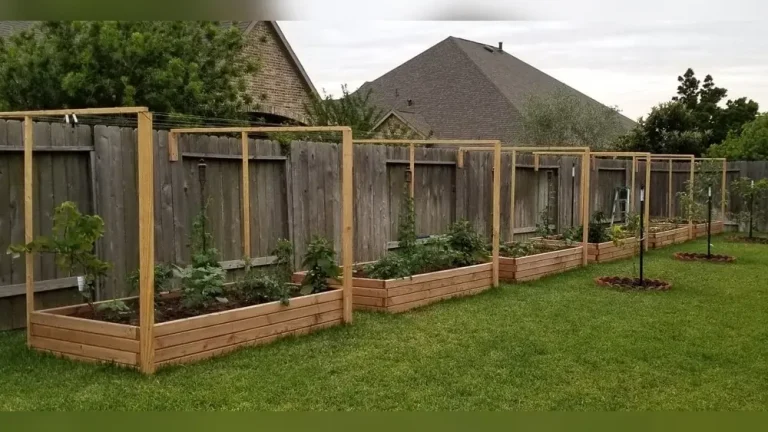
Train vining nasturtiums up trellises, fences, or obelisks. This adds height and attracts pollinators at multiple garden levels.
Vertical gardening with nasturtiums is especially useful in small spaces, where maximizing vertical real estate can boost overall productivity. Elevated blooms are more visible to pollinators from a distance, helping draw bees and butterflies into the garden.
Container And Companion Combinations
Nasturtiums excel in containers, where they can be paired with herbs like basil or chives for patio gardens or balcony spaces.
In window boxes, nasturtiums cascade over the sides, softening hard edges and creating a lush, abundant feel. Pairing with edible herbs creates a mini-kitchen garden that’s both functional and beautiful. Nasturtiums also thrive in hanging baskets, where their trailing vines and bold flowers create an eye-catching display.
| Garden Setting | Recommended Nasturtium Type | Primary Benefit | Design Tip |
|---|---|---|---|
| Raised Beds | Bush or compact | Border pest control | Plant every 12 inches along edges |
| Ground Plots | Trailing/vining | Living mulch, erosion control | Let vines sprawl between crops |
| Containers | Compact or dwarf | Edible flowers, pollinator draw | Combine with herbs for culinary use |
| Vertical Gardens | Vining/trailing | Pollinator support, aesthetics | Use trellises or hanging baskets |
Potential Drawbacks And How To Manage Them
While nasturtiums are overwhelmingly beneficial, a few potential issues can arise.
Pest Overload
If not managed, nasturtiums can become heavily infested with aphids or caterpillars, especially when used as a trap crop. Solution:
- Regularly inspect nasturtium plants for pests.
- Remove and dispose of infested plants before pests spread.
In high-pressure pest years, consider planting successive rows of nasturtiums to ensure continuous coverage and allow for removal without leaving gaps in your defenses. Integrated pest management should always include monitoring and prompt intervention.
Aggressive Growth
Vining varieties can overrun smaller plants if not pruned. Control by:
- Pinching back vines as needed.
- Planting bush forms in tighter spaces.
In addition, regular harvesting of leaves and flowers helps keep growth in check while providing a steady supply of edible greens. In mixed plantings, monitor the vigor of neighboring vegetables and adjust nasturtium density if crowding becomes an issue.
Limited Winter Hardiness
Nasturtiums are frost-tender. In colder climates, they die back after the first frost but can be replanted each spring.
To extend the season, start seeds indoors a few weeks before the last frost, or use row covers to protect young seedlings from late cold snaps. In mild climates, nasturtiums may self-seed and return year after year.
Not A Cure-all
Nasturtiums are not effective against all pests (e. g. , carrot root fly, potato beetle) and should be part of an integrated pest management plan.
For comprehensive protection, combine nasturtiums with other companions like marigolds and alliums, and rotate crops each year to reduce pest carryover.
Nasturtiums In Sustainable And Organic Gardening
Nasturtiums align perfectly with the principles of sustainable, organic, and permaculture gardening.
Reducing Chemical Inputs
By attracting beneficial insects and distracting pests, nasturtiums reduce the need for chemical pesticides and herbicides, supporting soil health and water quality.
Their dense foliage also suppresses weeds naturally, cutting down on herbicide use. In organic systems, every reduction in chemical input supports the overall health and resilience of the ecosystem.
Supporting Closed-loop Systems
Their edible flowers and leaves provide food, while their biomass can be composted, returning nutrients to the soil.
This closed-loop approach means that every part of the nasturtium serves a purpose. Leftover stems, spent flowers, and roots can be added to compost piles, accelerating decomposition and enriching the soil for future crops.
Enhancing Resilience
Gardens with diverse plantings—like those including nasturtiums—are better able to recover from pest outbreaks, droughts, or disease.
Nasturtiums’ drought tolerance means they can withstand periods of low rainfall, providing consistent ground cover and pest protection when other annuals may falter. Their rapid growth allows them to fill gaps quickly, helping the garden recover from setbacks.
Community And Education
Nasturtiums are ideal for teaching companion planting and biodiversity concepts in community and school gardens, fostering the next generation of eco-conscious growers.
They’re also frequently featured in public demonstration gardens as an example of low-input, high-output gardening. Their bold colors and quick germination make them especially popular in children’s gardens, where they spark curiosity and hands-on exploration.
For more on organic gardening principles, see the Rodale Institute.
Frequently Asked Questions
What Pests Do Nasturtiums Repel In Vegetable Gardens?
Nasturtiums are known to repel or trap aphids, whiteflies, cucumber beetles, squash bugs, and cabbage loopers. Their strong scent and volatile oils either deter pests or lure them away from main crops, making them a favorite for natural pest management.
Are Nasturtiums Edible, And How Can I Use Them In Cooking?
Yes! Both the flowers and leaves are edible, with a peppery, slightly spicy flavor. Use fresh flowers in salads, sandwiches, or as a garnish. Young leaves make a zesty addition to pesto or mixed greens. Nasturtium seeds can be pickled as a caper substitute. For recipe inspiration, see BBC Good Food.
Will Nasturtiums Take Over My Vegetable Bed?
Trailing nasturtiums can sprawl widely, but bush varieties are more compact. Control vining types by pruning or training up supports. In small spaces, opt for compact cultivars to prevent overcrowding.
Can Nasturtiums Grow In Containers Or Small Gardens?
Absolutely. Nasturtiums are excellent for containers, window boxes, and hanging baskets. Choose dwarf or bush forms, and pair with herbs or dwarf vegetables for maximum utility and visual appeal.
Are Nasturtiums Safe For Pets And Children?
Nasturtiums are non-toxic to humans and pets. Their edible flowers and leaves make them a great choice for family and school gardens. Always introduce any new edible in moderation, especially with young children.
As you plan your next vegetable garden, consider the humble nasturtium—not just as a pretty face but as a multifunctional ally for pest management, pollinator support, and culinary delight. Their proven benefits, ease of care, and dazzling presence make nasturtiums an essential addition for gardeners seeking a healthier, more beautiful, and productive vegetable plot. For more on companion planting strategies, explore resources from the Garden Organic UK and the Wikipedia Companion Planting page. With a little planning, your garden—and your table—will reap the rewards.