Is Miracle-Gro Good for Vegetable Gardens? What to Know
Every gardener dreams of lush, productive vegetable beds—bountiful tomatoes, crisp lettuces, and peppers bursting with flavor. In the pursuit of an abundant harvest, many turn to well-known fertilizers like Miracle-Gro. The brand’s iconic blue crystals and green-labeled bottles promise quick, visible results, but is Miracle-Gro truly beneficial for vegetable gardens ? Does it enhance yields safely, or are there hidden drawbacks that home growers should consider?
With the rise of organic gardening and concerns about synthetic chemicals, the use of Miracle-Gro in edible gardens has become a hotly debated topic among horticulturists, master gardeners, and home growers. This article takes a deep dive into the science, real-world experiences, and expert recommendations to answer the pressing question: Is Miracle-Gro good for vegetable gardens ? Whether you’re a new grower or a seasoned green thumb, understanding the pros, cons, and alternatives will help you cultivate a garden that’s healthy—for both your plants and your family.
Key Takeaways
- Miracle-Gro delivers fast, visible growth due to its balanced blend of essential nutrients.
- Its synthetic formula raises questions about long-term soil health and impacts on beneficial soil organisms.
- Overuse or misuse can lead to nutrient runoff, potential water pollution, and plant “burn.”
- Organic and slow-release alternatives offer safer, sustainable options for edible gardens.
- Understanding your soil needs and following best practices is key to maximizing benefits and minimizing risks.
- Real-world results vary: Some gardeners achieve record yields, while others prefer organic approaches for taste and safety.
What Is Miracle-gro? A Breakdown Of Ingredients And Formulas
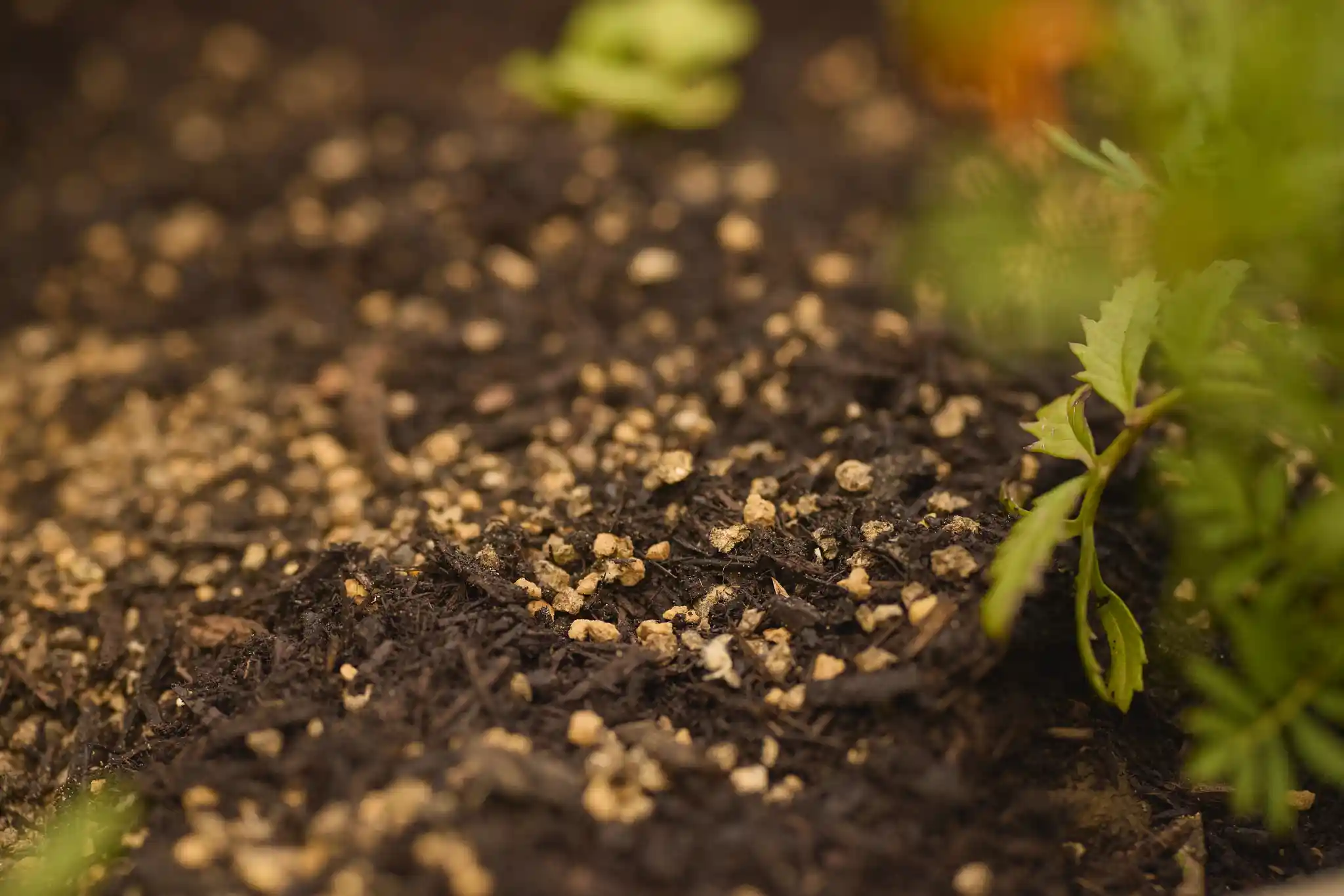
Miracle-Gro is a household name in gardening, but what exactly is inside that famous blue fertilizer, and how does it work?
The Core Formulas
Miracle-Gro Water Soluble All Purpose Plant Food is the flagship product. Its formulation typically contains:
- Nitrogen (N): Promotes leafy growth, vital for developing strong stems and lush foliage, and is essential for the photosynthesis process.
- Phosphorus (P): Encourages root development and flowering, helping plants establish strong root systems and increasing resistance to disease.
- Potassium (K): Supports overall plant health and resistance, playing a critical role in the regulation of water uptake and improving fruit quality.
A common N-P-K ratio for Miracle-Gro is 24-8-16, meaning 24% nitrogen, 8% phosphorus, and 16% potassium. This high level of nitrogen is particularly noticeable in the speedy vegetative growth that gardeners often observe after application.
Additional Ingredients
Alongside primary nutrients, Miracle-Gro products may include:
- Micronutrients: Iron, manganese, copper, zinc, and boron, all of which are essential in small amounts for plant enzyme function and disease resistance.
- Fillers & Stabilizers: Ingredients such as inert salts and anti-caking agents are added to maintain product stability, solubility, and shelf-life.
- Synthetic Salts: Most nutrients are in the form of synthetic (non-organic) salts, making them fast-acting but potentially harsh on soil microbes and earthworms when overapplied.
Miracle-gro Product Variants For Vegetables
Miracle-Gro offers several formulas tailored for vegetables:
- Water Soluble Tomato Plant Food (18-18-21): Higher phosphorus and potassium to support fruiting and flowering.
- Performance Organics Edibles Plant Nutrition (derived from natural sources): OMRI-listed for organic gardening, offering a blend of natural inputs while still providing the Miracle-Gro ease of use.
- Shake ‘N Feed Tomato, Fruit & Vegetable Plant Food (includes calcium for fruit development): Designed to address blossom end rot in tomatoes and peppers, a common calcium deficiency issue.
These variants adjust nutrient ratios or include additional minerals to address specific vegetable needs, such as increased calcium for fruiting crops or higher phosphorus for root vegetables.
How Miracle-gro Works In Soil
Miracle-Gro’s water-soluble formulas dissolve quickly, making nutrients immediately available to plants via their roots. This fast-acting response is why gardeners often see rapid greening and growth within days. However, the synthetic salts do not build long-term soil fertility and, if overapplied, can disrupt soil biology.
Additionally, since the nutrients are delivered in a form that does not require microbial breakdown, the fertilizer bypasses the natural nutrient cycling processes and can sometimes cause a flush of growth that the soil ecosystem cannot sustain in the long term.
This can be both a benefit for quick results and a drawback for soil health.
Miracle-gro’s Impact On Vegetable Growth: Benefits And Limitations
How does Miracle-Gro affect vegetables compared to other fertilizers? Understanding both its strengths and weaknesses is essential for informed gardening.
Benefits: Why Many Gardeners Use Miracle-gro
- Rapid, Noticeable Growth: The immediate availability of nutrients leads to quick results—lush leaves, vibrant colors, and strong stems. Especially in the early stages of vegetable growth, this can translate into earlier harvests and healthier transplants.
- Convenience: Easy to mix and apply, Miracle-Gro is user-friendly for beginners. The clear instructions and measured scoops reduce the risk of misapplication compared to some organic blends that require composting or mixing.
- Balanced Nutrition: Formulas are designed to supply all major nutrients, reducing the risk of deficiencies. This is particularly helpful in urban gardens or raised beds where native soil may be poor or absent.
- High Yields: Many users report increased fruit and vegetable production, especially in depleted soils. Fast-growing crops like lettuce, spinach, and radishes respond particularly well to the quick nutrient boost.
- Versatility: Miracle-Gro can be used for a variety of crops, from leafy greens to fruiting vegetables, and is suitable for both in-ground and container gardening.
Limitations And Risks
- Synthetic Origin: Miracle-Gro is a synthetic fertilizer. While effective, it does not improve soil structure or organic matter, which are essential for long-term soil fertility and resilience.
- Potential for Overfertilization: Fast-acting formulas can easily be overapplied, leading to root burn or salt buildup, particularly in containers or poorly draining soils.
- Soil Microbe Impact: Repeated use may harm beneficial microorganisms that help cycle nutrients naturally, potentially reducing the soil’s ability to self-regulate and recover from disturbances.
- Not Certified Organic: Miracle-Gro products are generally not allowed in certified organic gardening, limiting their use for those aiming for organic certification or adhering to organic principles.
- Short-Term Boost, Long-Term Decline: While plants may initially thrive, continued reliance on synthetic fertilizers can lead to declining soil health, reduced organic matter, and increased susceptibility to pests and diseases.
Data Comparison: Miracle-gro Vs. Organic Fertilizers
Below is a comparative table of Miracle-Gro and a popular organic alternative, Espoma Garden-tone.
| Feature | Miracle-Gro Water Soluble | Espoma Garden-tone (Organic) |
|---|---|---|
| N-P-K Ratio | 24-8-16 | 3-4-4 |
| Source | Synthetic salts | Natural ingredients (bone meal, feather meal, etc.) |
| Application Frequency | 1–2 weeks | 4–6 weeks |
| Organic Certification | No | Yes |
| Soil Improvement | No (may degrade over time) | Yes (adds organic matter) |
| Microbial Support | Limited or negative impact | Supports and increases activity |
| Residual Effect | Short-lived, requires frequent reapplication | Long-term, cumulative benefits |
What Research Says
A study published by the University of California, Davis found that synthetic fertilizers like Miracle-Gro can lead to rapid plant growth but may result in lower soil organic matter and microbial activity compared to organic amendments (UC ANR). Research also suggests that while synthetic fertilizers boost initial yields, they may not sustain soil health over multiple growing seasons.

Real-world Results: Case Studies From Home And Community Gardens
Examining actual experiences helps clarify how Miracle-Gro performs in diverse gardening scenarios.
Case Study 1: Suburban Home Garden
Location: Pennsylvania, USA
Garden Type: Raised beds, mixed vegetables
Fertilizer Used: Miracle-Gro Water Soluble All Purpose Plant Food
Result: The gardener applied Miracle-Gro every two weeks as instructed. Tomato plants grew over 6 feet tall with prolific fruiting. Lettuce and peppers also thrived. However, the gardener noted that the soil became compacted and less friable over the season, requiring additional compost to restore texture.
Lesson: Yields were impressive, but supplemental organic matter was needed to counteract soil degradation. The gardener observed that while the plants produced heavily, the long-term structure of the soil declined, making future planting more challenging unless organic amendments were added.
Case Study 2: Community Organic Plot
Location: Austin, Texas
Garden Type: Community plot, organic focus
Fertilizer Used: Miracle-Gro Performance Organics Edibles
Result: Using the certified organic line from Miracle-Gro, volunteers saw steady, healthy growth of zucchini, beans, and carrots. The soil structure improved due to the organic ingredients, and there were no issues with plant burn.
Lesson: Organic alternatives provide similar benefits without the risks of synthetic buildup. Gardeners noted that the crops did not show sudden growth spurts but had consistent development, with fewer pest issues and better water retention in the soil.
Case Study 3: Urban Balcony Containers
Location: San Francisco, California
Garden Type: Containers on balcony
Fertilizer Used: Miracle-Gro Tomato Plant Food
Result: Container tomatoes and herbs responded quickly, growing lush and productive. However, after several months, white crusts appeared on the soil, indicating salt buildup, and some herbs showed leaf yellowing.
Lesson: In containers, synthetic fertilizers require careful watering and occasional soil flushing to prevent salt accumulation. The gardener found that repotting and using a mix of compost with Miracle-Gro reduced these issues, but regular monitoring was essential.
Additional Observations
Across multiple gardens, the consensus is that Miracle-Gro delivers on its promise of rapid, noticeable growth. However, gardeners who relied exclusively on Miracle-Gro without supplementing with compost or organic matter found their soil quality diminished over time, resulting in lower yields in subsequent years unless corrective measures were taken.

Miracle-gro And Soil Health: Short-term Gains Vs. Long-term Consequences
While Miracle-Gro offers immediate growth benefits, it’s crucial to understand its long-term effects on soil and ecosystem health.
Impact On Soil Microbes
Healthy soil teems with beneficial bacteria, fungi, and earthworms, all of which play a role in breaking down organic matter and releasing nutrients. Studies indicate that repeated use of synthetic fertilizers like Miracle-Gro can:
- Reduce populations of mycorrhizal fungi and nitrogen-fixing bacteria, which are critical for nutrient cycling and plant health.
- Lead to a decline in earthworm activity, affecting soil aeration and structure, as earthworms are sensitive to high levels of synthetic salts.
- Cause a buildup of soluble salts, which can harm sensitive seedlings and inhibit seed germination.
A landmark paper in Nature highlighted the role of organic matter in supporting soil biodiversity—a component not replenished by synthetic fertilizers (Nature). The absence of organic matter can reduce soil’s resilience to drought, compaction, and disease.
Effects On Soil Structure
Unlike compost or manure, Miracle-Gro does not add organic material to the soil. Over time, heavy reliance on synthetic fertilizers may:
- Lead to compaction and reduced water infiltration, making roots less able to access oxygen and nutrients.
- Decrease soil’s capacity to retain nutrients during heavy rains, increasing the risk of leaching.
- Increase vulnerability to erosion, as organic matter helps bind soil particles together.
The result is soil that may become less productive and harder to manage, requiring more inputs each year to maintain yields.
Nutrient Runoff And Environmental Concerns
If overapplied, water-soluble fertilizers can leach into groundwater or run off into streams, contributing to algal blooms and water quality issues. The Environmental Protection Agency (EPA) warns about nutrient pollution from home and commercial fertilizers (EPA).
Even small-scale home gardens can contribute to local waterway pollution if fertilizers are not used carefully, especially in areas with heavy rainfall or sandy soils.
Cumulative Effects
Long-term use of synthetic fertilizers without organic amendments can create a cycle of dependency, where soil health declines and plants become increasingly reliant on external inputs. This undermines the natural fertility and resilience that organic matter and microbes provide.
How To Use Miracle-gro Safely In Vegetable Gardens
If you choose to use Miracle-Gro, following best practices ensures healthy plants and minimizes negative impacts.
Application Guidelines
- Read the Label: Always follow package directions for mixing and application rates. Overdosing can cause more harm than good.
- Timing: Apply during active growth, not on stressed or dormant plants, to maximize uptake and reduce waste.
- Water Thoroughly: Rinse leaves and water deeply to help distribute nutrients and prevent burning. Deep watering also helps move nutrients to the root zone.
- Avoid Overlap: Don’t fertilize right before heavy rain to reduce runoff, and avoid applying during midday heat to prevent leaf scorch.
- Target the Soil: Where possible, apply fertilizer directly to the soil rather than foliage to minimize the risk of foliar burn.
Frequency And Dosage
- Most Miracle-Gro products recommend feeding every 1–2 weeks.
- For sensitive crops (lettuce, spinach), use half-strength solutions or fertilize less frequently.
- Monitor plant response and adjust accordingly—signs of over-fertilization include leaf tip burn, wilting despite adequate water, and white salt crusts on the soil.
Container Gardens
In containers, salts build up faster. Flush pots with plain water every few weeks and repot with fresh soil annually to maintain health. Consider using a mix of compost and potting soil to buffer against salt accumulation.
Integrating With Organics
Combining Miracle-Gro with compost or mulch can help offset soil structure decline. Rotate with organic fertilizers to support long-term soil health. For example, alternate Miracle-Gro applications with top dressings of compost or use a slow-release organic fertilizer at planting.
Record-keeping
Keep a gardening journal to track fertilizer applications, plant responses, and any soil issues. This helps you fine-tune your approach each season.
Miracle-gro Vs. Organic Fertilizers: A Detailed Comparison
Choosing between synthetic and organic fertilizers depends on your goals, values, and local soil conditions. Here’s a closer look:
Nutrient Release Patterns
| Fertilizer Type | Release Speed | Duration of Effect | Risk of Burn |
|---|---|---|---|
| Miracle-Gro (Synthetic) | Fast (1–2 days) | Short (1–2 weeks) | Moderate–High if overapplied |
| Organic Fertilizers | Slow (weeks–months) | Long (4–8 weeks+) | Low |
Soil Health And Sustainability
- Organic fertilizers (compost, manure, fish emulsion) build soil structure, increase microbial activity, and release nutrients gradually. They foster a living soil ecosystem that is resilient and self-sustaining.
- Miracle-Gro delivers quick results but can degrade soil quality with long-term exclusive use. It is best viewed as a supplement rather than a stand-alone solution for soil fertility.
Safety For Edibles
- Both can produce healthy, safe-to-eat vegetables if used correctly.
- Organic options are favored by those concerned about synthetic chemical residues, environmental impact, or certification requirements.
Cost And Convenience
- Miracle-Gro is inexpensive and widely available, with easy-to-follow instructions and consistent results.
- Organic alternatives may cost more per bag or require more labor (e.g., composting) but offer broader ecosystem benefits and may reduce long-term input needs.
Environmental Impact
- Organic fertilizers have a lower carbon footprint, especially if sourced locally, and support sustainable gardening practices.
- Synthetic fertilizers, including Miracle-Gro, require significant energy to produce and can contribute to pollution if misused.
External Perspectives
The Rodale Institute—a leader in organic agriculture—advocates for organic fertilizers, emphasizing their role in regenerative gardening (Rodale Institute). Their research highlights the importance of building soil health for long-term productivity and ecological balance.
Risks And Controversies Surrounding Miracle-gro Use
While Miracle-Gro remains popular, it’s not without critics. Key concerns include:
Environmental Pollution
Overuse can contribute to:
- Waterway pollution via runoff, leading to harmful algal blooms that deplete oxygen and harm aquatic life.
- Groundwater contamination in sandy soils, particularly where fertilizer is applied heavily or frequently.
- Greenhouse gas emissions during manufacturing, as the production of synthetic fertilizers is energy-intensive.
Residue In Edible Crops
There is minimal evidence that Miracle-Gro leaves harmful residues in edible portions of vegetables when used as directed. However, those seeking absolute certainty prefer organic solutions. Some consumers are concerned about cumulative chemical exposure, although regulatory agencies consider Miracle-Gro safe when applied properly.
Regulatory And Certification Issues
- Certified organic farms cannot use most Miracle-Gro products, and home gardeners may face restrictions in community or school gardens with organic mandates.
- Some municipalities encourage or require the use of slow-release or organic fertilizers to protect local waterways.
Public Perception
Surveys by the National Gardening Association show a growing preference for natural and organic gardening methods, reflecting broader consumer trends (National Gardening Association). This shift is driven by health, environmental, and sustainability concerns.
Ethical And Sustainability Concerns
Some gardeners avoid synthetic fertilizers due to concerns about supporting large chemical companies, the environmental cost of manufacturing, and the potential for long-term soil degradation.
Best Practices For Fertilizing Vegetable Gardens
Regardless of fertilizer choice, certain practices maximize plant health and minimize problems.
Soil Testing
Start with a soil test to determine nutrient needs. Many university extensions offer affordable testing (University of Minnesota Extension). Testing helps identify deficiencies and prevents unnecessary fertilizer use, saving money and reducing environmental impact.
Proper Fertilizer Selection
- Use vegetable-specific formulas for tomatoes, peppers, and leafy greens. Tomatoes, for example, benefit from extra calcium and lower nitrogen during fruiting.
- Adjust nitrogen levels for crops prone to excess leafy growth (e.g., tomatoes), as too much nitrogen can delay fruit set and reduce yields.
Timing And Method
- Fertilize at planting and during peak growth, usually when plants begin to flower or set fruit.
- Apply to moist soil and avoid contact with leaves to prevent burning. Use a watering can or drip system for even distribution.
Complementary Practices
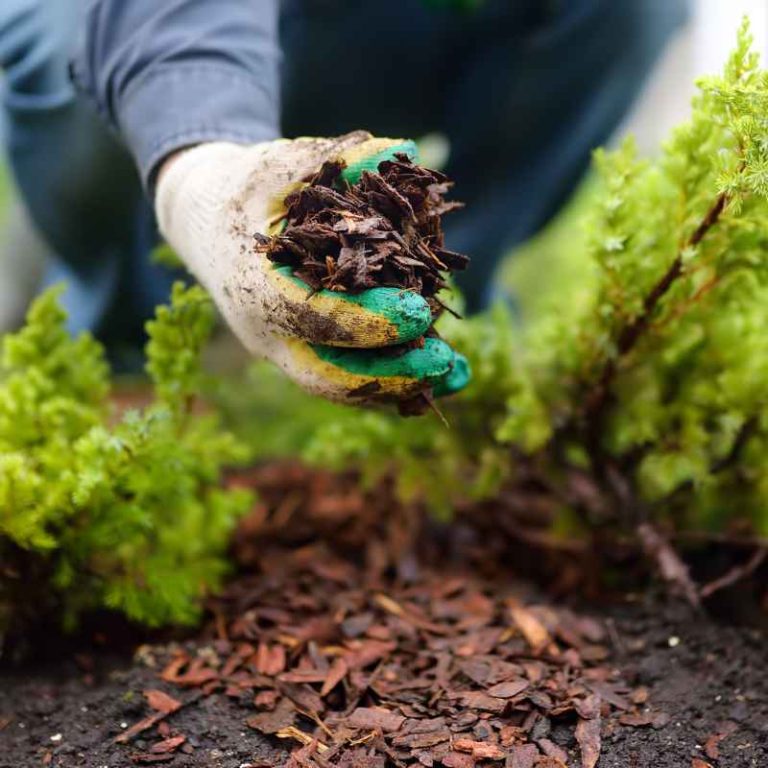
- Mulch to conserve moisture, suppress weeds, and feed soil microbes as it breaks down.
- Crop rotation to balance nutrient demand and suppress disease, preventing the build-up of pests or depletion of specific nutrients.
- Cover cropping in the off-season to add organic matter and fix nitrogen.
Integrated Nutrient Management
Combine synthetic and organic sources, rotating or blending as appropriate for your garden’s needs. For example, use Miracle-Gro for rapid growth early in the season and switch to compost-based feeds as crops mature.
Monitoring And Adjusting
Observe plant health regularly and be ready to adjust your fertilization program. Symptoms such as yellowing leaves, stunted growth, or poor fruit set may indicate nutrient imbalances.
Alternatives To Miracle-gro: Sustainable And Organic Options
For those seeking organic or environmentally-friendly solutions, several options exist.
Compost
- Homemade or purchased compost is rich in nutrients and improves soil health by increasing organic matter, enhancing water retention, and supporting beneficial microbes.
- Releases nutrients slowly, reducing risk of burn or runoff. Compost can be used as a soil amendment, mulch, or even brewed into compost tea for foliar feeding.
Worm Castings
- Packed with plant-available nutrients and beneficial microbes, worm castings improve soil structure and suppress diseases.
- Excellent for seed starting and container gardens, as they are gentle on young roots and provide a balanced nutrient profile.
Organic Blends
- Products like Dr. Earth Organic Tomato, Vegetable & Herb Fertilizer provide balanced nutrition from natural sources, including fish bone meal, kelp, and alfalfa.
- Many blends are OMRI-listed and suitable for certified organic gardens.
Fish Emulsion And Seaweed
- Fast-acting, organic liquid feeds that supply a range of nutrients and trace minerals.
- Boost growth with trace minerals and plant hormones, and can be used as a foliar spray or soil drench.
Diy Fertilizers
- Banana peels (potassium), crushed eggshells (calcium), and coffee grounds (nitrogen) can supplement nutrients, though less precisely.
- Homemade compost teas or fermented plant juices can provide micronutrients and beneficial microbes.
Mulches And Green Manures
- Use straw, grass clippings, or chopped leaves as mulch to feed the soil as they decompose.
- Plant green manures (cover crops) such as clover or vetch to fix nitrogen and add organic matter.
External Resources
The United States Department of Agriculture (USDA) offers guidance on organic fertilizer use for home gardeners (USDA). Local extension services can also provide tailored recommendations for your region.
Frequently Asked Questions
Is Miracle-gro Safe To Use On Vegetables Meant For Human Consumption?
Miracle-Gro can be safely used on edible vegetables when applied according to label instructions. The nutrients are the same elements (nitrogen, phosphorus, potassium) found in all fertilizers. However, the synthetic nature and potential for overuse prompt some to prefer organic alternatives for peace of mind.
Does Miracle-gro Make Vegetables Taste Different?
Some gardeners claim that organically grown vegetables have richer flavor and better texture, though scientific evidence is mixed. Taste differences are more likely due to soil health, variety selection, and ripeness at harvest than fertilizer type alone.
Can Miracle-gro Be Used In Organic Gardening?
Most Miracle-Gro products are not allowed in certified organic gardening due to their synthetic ingredients. Miracle-Gro’s Performance Organics line, however, is OMRI-listed and suitable for organic production.
What Should I Do If I Over-fertilize With Miracle-gro?
If you suspect over-fertilization, water the affected area thoroughly to leach excess salts from the soil. Remove any visibly burned or damaged leaves and withhold further fertilizer applications until plants recover.
How Often Should I Fertilize My Vegetable Garden With Miracle-gro?
For most vegetables, apply Miracle-Gro every 1–2 weeks during active growth, following label rates. Reduce frequency for leafy greens and seedlings, and always monitor plants for signs of overfeeding.
A thriving vegetable garden depends on balancing immediate plant nutrition with long-term soil health. Miracle-Gro delivers fast and impressive growth, making it a popular choice for home gardeners seeking quick results. Yet, it’s important to consider the potential downsides—such as soil degradation, environmental impact, and limitations for organic production. Blending synthetic fertilizers with organic practices, rotating feeding methods, and always testing your soil can yield the best of both worlds: abundant harvests today and sustainable gardens for the future.