Can I Cover Plants With Garbage Bags For One Night
When temperatures drop unexpectedly or frost threatens your garden, the urge to protect plants is immediate. Many gardeners reach for whatever is handy, and garbage bags often seem like a quick solution. But is covering plants with garbage bags for one night safe, effective, or potentially harmful? Understanding the science behind plant protection, the risks and benefits of using plastic, and best practices is essential for making the right decision for your garden.
Many factors determine whether a garbage bag is suitable for temporary plant protection. From material properties to environmental impact, the choice influences plant health, survival, and future growth. This article explores the pros and cons, compares garbage bags with alternative covers, and offers expert guidance to help you make informed decisions for your specific situation.
Key Takeaways
- Garbage bags can offer temporary frost protection but pose risks if misused.
- Proper ventilation and removal are crucial to avoid overheating or moisture buildup.
- Safer alternatives include frost cloths, blankets, and burlap.
- One-night use of garbage bags is less harmful than prolonged covering.
- Real-world examples demonstrate both successes and failures with plastic covers.
- Consult local extension offices or horticultural experts for plant-specific advice.
Understanding Plant Vulnerability To Cold
Plants are sensitive to sudden temperature drops, especially during late spring or early fall when frost can surprise even experienced gardeners. The most vulnerable are tender annuals, young seedlings, and tropical plants. Frost can damage leaves, stems, and roots, leading to stunted growth or death.
How Frost Damages Plants
Frost occurs when water vapor in the air freezes on plant surfaces. This process draws heat away from the plant, causing cell walls to rupture and tissue to die. Even brief exposure can have lasting effects. According to the University of Minnesota Extension, most vegetable plants experience damage when temperatures fall below 32°F (0°C).
Signs Of Cold Injury
Typical indicators include:
- Blackened or wilted leaves
- Soft, mushy stems
- Discoloration on foliage
- Delayed growth in spring
These symptoms may appear the morning after a frost event, making immediate protection crucial.
Seasonal Timing
Not all frost events are equally dangerous. Early autumn frosts often affect annuals and late bloomers, while late spring frosts threaten new growth. Understanding local climate patterns helps you anticipate and prepare for these events.
Credit: insideclimatenews.org
The Science Behind Covering Plants
Covering plants creates a microclimate, trapping heat from the soil and reducing exposure to cold air. The effectiveness depends on the material used, how it is applied, and the duration.
Heat Retention Explained
Soil releases heat at night, which can be trapped under covers. The National Weather Service suggests that covers can raise temperatures around plants by 2, 5°F, often enough to prevent frost damage. However, the material must allow heat to escape during the day to avoid overheating.
Material Properties Matter
Common covering materials include:
- Plastic (including garbage bags)
- Fabric (blankets, sheets)
- Specialty frost cloths
Each has unique properties affecting insulation, breathability, and water resistance. Garbage bags are non-breathable, trapping moisture and heat, which can be beneficial overnight but risky if left on during the day.
Duration And Timing
Short-term use (one night) is generally safer than prolonged covering. Covers should be applied in the evening and removed early in the morning to prevent sun-induced heat stress.
Credit: insideclimatenews.org
Pros And Cons Of Using Garbage Bags
Garbage bags are convenient but controversial as plant covers. Weighing their advantages and drawbacks is essential before deploying them in your garden.
Advantages Of Garbage Bags
- Readily available: Most households have garbage bags on hand.
- Waterproof: Protects plants from rain and wet snow.
- Lightweight: Easy to handle and apply quickly.
- Cost-effective: Minimal expense compared to specialty covers.
Drawbacks And Risks
- Lack of breathability: Traps moisture, which can promote fungal growth.
- Potential for overheating: If left on after sunrise, plants may suffer heat damage.
- Condensation issues: Moisture buildup inside the bag can lead to rot.
- Environmental concerns: Single-use plastic contributes to landfill waste.
Comparison Table: Garbage Bags Vs. Other Covers
| Cover Type | Breathability | Insulation | Moisture Protection | Environmental Impact |
|---|---|---|---|---|
| Garbage Bag | Poor | Moderate | Excellent | High (single-use) |
| Blanket | Good | High | Moderate | Low (reusable) |
| Frost Cloth | Excellent | High | Good | Low (reusable) |
| Burlap | Good | Moderate | Moderate | Low (biodegradable) |
Pro Tip:
If you use a garbage bag, ensure it’s black or dark-colored. Light-colored bags may allow more light and heat, leading to uneven protection.

Credit: www.yourobserver.com
How To Safely Cover Plants With Garbage Bags
If you choose to use a garbage bag for one night, following proper technique is vital to minimize risks and maximize protection.
Step-by-step Instructions
- Select the right size: Ensure the bag covers the entire plant, including the root zone.
- Avoid direct contact: Use stakes or a frame to keep the bag from touching leaves and stems.
- Secure edges: Anchor the bag with rocks or soil to prevent wind from blowing it away.
- Ventilation: Create small holes at the top for moisture release, especially in humid climates.
- Remove promptly: Take off the bag early in the morning before sunlight warms the plant.
When To Use Garbage Bags
Garbage bags are best reserved for:
- Emergency frost protection when other covers are unavailable.
- Short-term (overnight) use only.
- Protecting small, container-grown plants or seedlings.
Example: Successful Use In A Frost Event
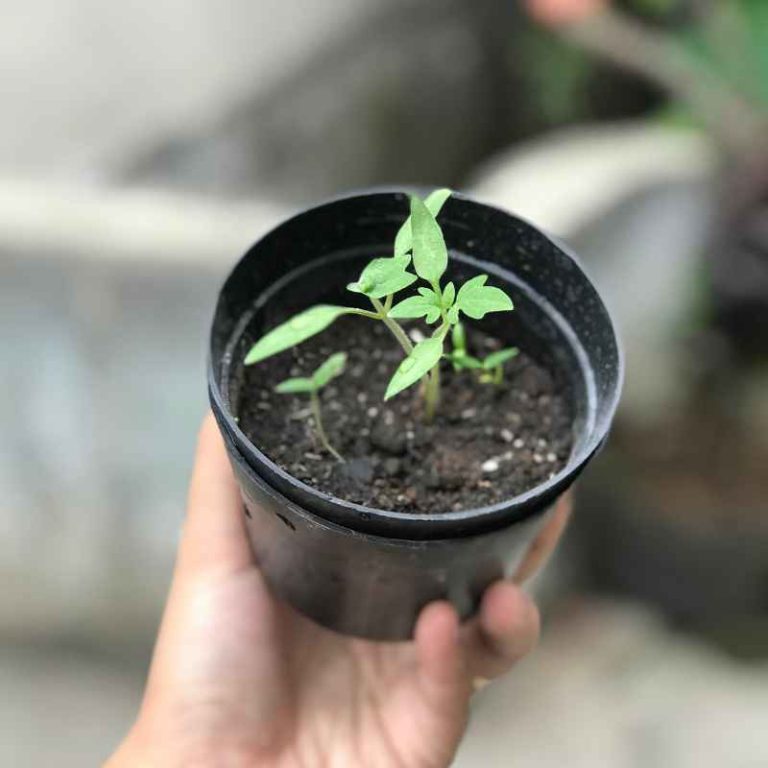
A gardener in Kansas City used garbage bags to protect tomato seedlings during a late April frost. By applying the bags at sunset and removing them before 7 a.m., the plants survived unharmed. The gardener reported no signs of moisture damage after one night.
Warning:
Never leave garbage bags on plants for more than one night. Extended covering can cause suffocation and heat stress, especially in sunny weather.
Real-world Examples And Case Studies
Examining outcomes from gardeners and horticultural experts offers practical insights into the effectiveness of garbage bags as plant covers.
Case Study 1: Urban Gardeners In Chicago
During an unexpected May frost, urban gardeners used garbage bags to shield pepper plants. They placed bamboo stakes to keep the bags from touching foliage and secured the bags with bricks. The next morning, plants remained healthy, but condensation was noted on leaves.
After removing the bags, plants resumed normal growth.
Case Study 2: Greenhouse Growers In Oregon
Greenhouse growers experimented with garbage bags versus frost cloths for overnight protection. Frost cloths provided consistent warmth and allowed moisture to escape, while garbage bags trapped humidity and occasionally caused leaf spotting. Frost cloths proved superior for repeated use, but garbage bags were effective in one-off emergencies.
Example: Personal Experience
In my experience, covering a single basil plant with a garbage bag during a late spring cold snap saved it from frost. I used a wire hoop to prevent contact, punched two small holes in the bag, and removed it at sunrise.
The plant showed no ill effects, but I would not recommend this for frequent or long-term protection.
Lessons Learned
- Garbage bags work in a pinch, but preparation and monitoring are essential.
- Combining garbage bags with internal supports and ventilation enhances safety.
- Alternative materials offer greater peace of mind for frequent frost events.
Comparing Garbage Bags With Alternative Covers
Selecting the best cover depends on plant type, weather conditions, and available resources. Here’s how garbage bags stack up against other options.
Frost Cloths
Frost cloths are engineered for plant protection, offering breathability, insulation, and durability. They can be left on for several days without risk.
Blankets And Sheets
Household blankets and sheets are breathable and offer high insulation. They work well for larger plants and shrubs but require waterproof layering in wet conditions.
Burlap
Burlap is biodegradable, breathable, and provides moderate insulation. It is suitable for larger garden beds and can be reused seasonally.
Comparison Table: Cover Effectiveness
| Material | Ease of Use | Cost | Best For | Reuse Potential |
|---|---|---|---|---|
| Garbage Bag | Very Easy | Low | Emergency, Small Plants | Low |
| Frost Cloth | Easy | Moderate | All Plants | High |
| Blanket | Moderate | Low | Large Plants/Shrubs | High |
| Burlap | Easy | Low | Garden Beds | Moderate |
Pro Tip:
For repeated frost events, invest in reusable covers to reduce waste and ensure consistent plant health.
Environmental And Safety Considerations
Using garbage bags raises environmental and safety questions. Responsible gardening requires attention to both plant health and ecological impact.
Plastic Waste And Sustainability
Single-use plastic bags contribute to landfill waste and microplastic pollution. According to the Environmental Protection Agency, over 300 million tons of plastic are produced annually, with a significant portion ending up in the environment. Repeated use of garbage bags for gardening is discouraged.
Safe Removal And Disposal
After use, garbage bags should be cleaned and recycled when possible. Avoid leaving fragments or debris in the garden. Check local recycling guidelines for plastic bag disposal.
Chemical Concerns
Some garbage bags contain additives or residues that may leach onto plant surfaces. Always use plain, unscented bags free from printed logos or dyes.
Alternatives For Eco-conscious Gardeners
Eco-friendly options include:
- Compostable bags
- Reusable fabric covers
- Biodegradable mulch films
For more information on sustainable gardening practices, visit the EPA Recycling website.
Expert Recommendations And Best Practices
Leading horticultural experts and extension services offer practical advice for plant protection during cold snaps.
University Extension Guidance
The University of California Agriculture & Natural Resources recommends breathable covers for frost protection and cautions against prolonged use of plastic. For emergencies, plastic can be used overnight if removed early. For detailed recommendations, consult your local extension office or the UCANR resource.
Tips For Effective Plant Protection
- Use a frame or stakes to prevent direct contact with leaves.
- Remove covers early to avoid sun damage.
- Monitor weather forecasts for frost warnings.
- Prioritize reusable, breathable materials for regular protection.
When To Seek Professional Advice
If you grow rare, valuable, or sensitive plants, consult a horticulturist or master gardener for tailored strategies. Plant-specific needs vary widely, and expert guidance ensures optimal outcomes.
Example: Extension Service Success
A community garden in Denver followed extension recommendations, using garbage bags only when frost cloths were unavailable. By adhering to best practices, they avoided plant losses during an unexpected cold spell.
Frequently Asked Questions
What Happens If I Leave Garbage Bags On Plants For More Than One Night?
Leaving garbage bags on plants for extended periods can cause overheating, moisture buildup, and fungal diseases. Plastic traps humidity and blocks sunlight, which may lead to tissue damage and stunted growth. Always remove covers early in the morning to prevent these risks.
Are Scented Or Colored Garbage Bags Safe For Plants?
Scented or colored garbage bags may contain chemicals that can leach onto plant surfaces, potentially harming foliage or altering soil chemistry. Choose plain, unscented, and unprinted bags for emergency use, and avoid using bags with dyes or fragrances.
Can Garbage Bags Be Used For Protecting Fruit Trees?
While garbage bags can shield small fruit tree saplings for one night, they are unsuitable for larger trees or repeated use. Fruit trees require breathable, insulating covers such as frost cloths or blankets for optimal protection during cold snaps.
What Alternatives To Garbage Bags Are Best For Frequent Frost Protection?
For frequent frost events, invest in frost cloths, garden blankets, or burlap. These materials offer better insulation, breathability, and durability. They can be reused multiple times, minimizing environmental impact and maximizing plant health.
How Can I Recycle Used Garbage Bags After Plant Protection?
After use, rinse garbage bags to remove soil and debris, then check local recycling guidelines for plastic bag disposal. Some communities offer drop-off centers for plastic films. Avoid landfill disposal whenever possible to reduce environmental footprint.
Protecting plants from sudden cold is a challenge every gardener faces. While garbage bags offer an emergency solution for one-night frost protection, their limitations and risks should not be overlooked. By following best practices, considering environmental impact, and consulting expert resources, you can safeguard your garden effectively and sustainably.
Always prioritize plant health and eco-friendly methods, and remember that preparation is the best defense against unpredictable weather. For more on this, see our guide on Planting .