How to Propagate Houseplants in Water
Root soft-stem houseplants in water by cutting just below a node, setting one node under the water line, and potting up once roots reach about 2 to 4 inches long. Use the wrong plant or let the cutting sit soggy, and you waste weeks to rot, weak roots, and stalled growth. This guide shows which houseplants root best in water, when to move them to soil, and when another method works better.
How water propagation works

- No installation needed
- Sturdy wooden stand
- Works for cuttings or fresh flowers
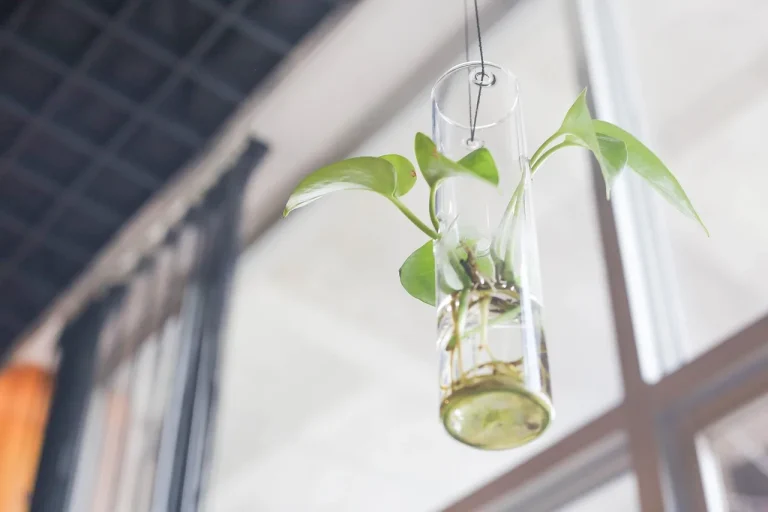
Water propagation works because many common houseplants can form new roots from a stem node, not from the middle of a bare stem or a random leaf. For stem cuttings, water is a starter medium. It lets you watch rooting, but it is usually not the final home unless the plant is one of the few suited to a water culture setup.
Why nodes matter more than leaf count
A node is the point where leaves or smaller stems attach. It is the main rooting point for many cuttings, and it must stay underwater for water propagation to work. A cutting with several leaves and no node usually fails, even if it looks healthy on the counter.
Leaf count matters less than node count. A long bare stem with one leaf can root more reliably than a leafy tip with no node in the water line.
Which cuttings root from stems versus leaves?
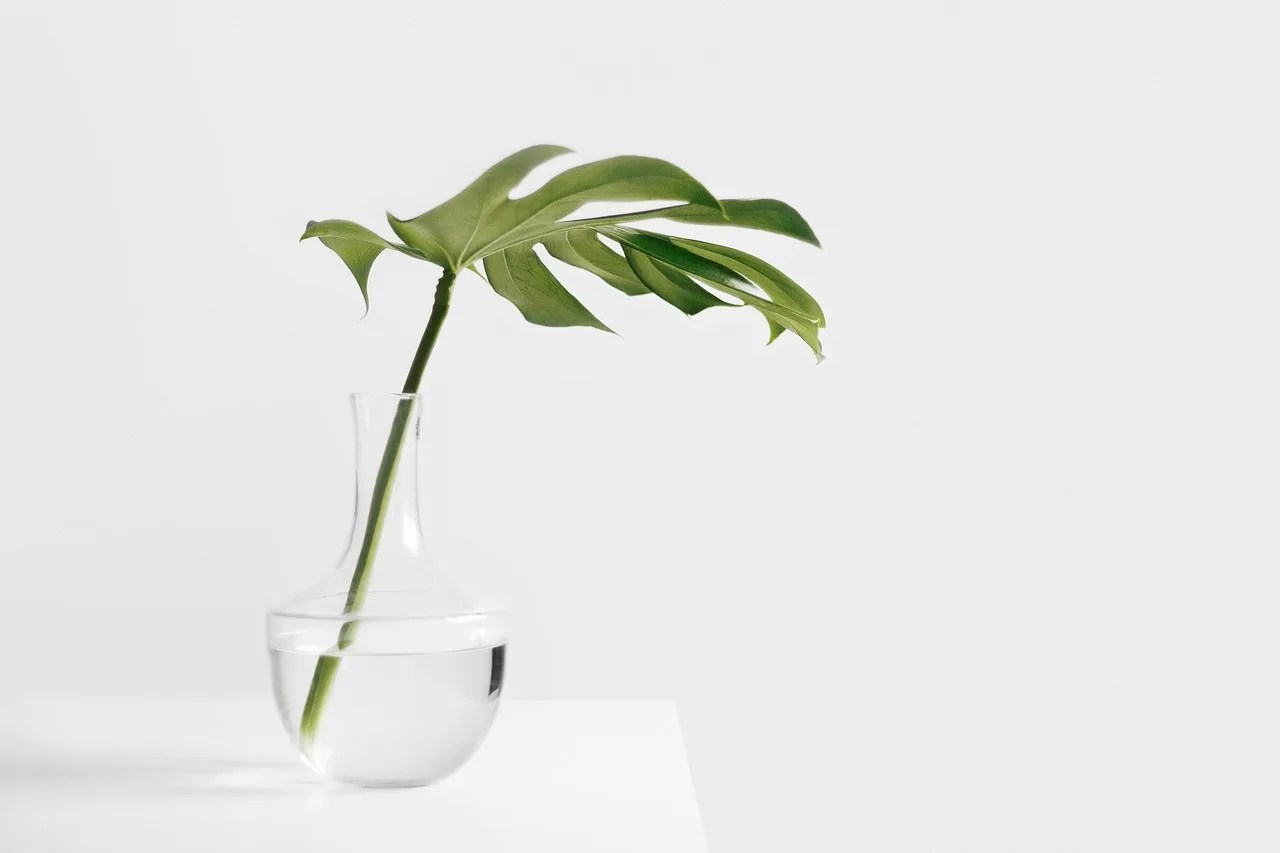
Stem cuttings are the standard choice for pothos, philodendron, monstera, hoya, arrowhead vine, and many peperomias. Leaf cuttings work for some begonias and a few other groups, while plants with underground storage or clumping crowns often do better by division. That is why not every houseplant belongs in a glass of water.
When water is a starter medium, not the finish line
For most water-rooted cuttings, the goal is to move from stem to roots to soil. Water keeps the node hydrated while roots form, then a well-draining potting mix takes over. Keeping a cutting in water too long can leave it with water roots that stall after transplanting or collapse in heavier soil.
What you need before you cut
Start with a healthy parent plant, a clean, sharp tool, and a clear container that can hold the node underwater. Keep the cutting in bright, indirect light and a warm spot. Fresh cuttings slow down in harsh sun and cool rooms, so set up the space before the first cut.
Choose a clean cutting tool and jar
Use sharp pruning shears or scissors, and sterilize them with rubbing alcohol or diluted bleach before cutting. Clean tools cut disease spread between plants. A clear glass container or jar makes it easier to track root growth, but it should be cleaned when you change the water.
Set up the light and temperature
Bright, indirect light is the target. Avoid harsh direct sun on fresh cuttings, which can scorch leaves and heat the water too fast. A warm location supports rooting, especially for tropical plants that slow down when nights cool.
How do you take a cutting?
Take a stem cutting just below a node, usually about 3 to 6 inches long, and aim for at least 2 nodes when possible. Remove any leaves that would sit in water. That gives you a shorter, cleaner cutting that loses less energy to rot and can focus on root formation.
Find the node and cut below it
Look for the slight bump or joint where a leaf meets the stem. Cut just below that point so the node sits low enough to enter the water. If the stem is long and vine-like, take more than one cutting rather than forcing a single weak section to do all the work.
Remove lower leaves and stray tissue
Strip off any leaves that would sit below the water line. Leaves in water rot quickly, cloud the jar, and feed bacteria. If a stem is fuzzy, damaged, or bruised at the cut end, trim back to clean tissue before placing it in the jar.
Should this cutting go in water table
This table helps you decide whether a cutting is a good candidate for water propagation. Read the plant type first, then check node count, expected rooting time, and the pot-up trigger. If the top failure risk is a poor match for your plant, use another method instead of waiting through a slow rot cycle.
| Plant type | Node count | Expected rooting time band | Water-change cadence | Pot-up trigger | Top failure risk |
|---|---|---|---|---|---|
| Pothos, philodendron, arrowhead vine | 2 or more | 1 to 3 weeks for first roots | Top up as needed; replace about weekly | Roots about 1 to 2 inches long | Leaves sitting in water |
| Monstera | 2 or more | 2 to 6 weeks | Top up as needed; replace about weekly | Roots about 1 to 2 inches long and active | Slow start from low light |
| Hoya | At least 2 | 3 to 8 weeks | Top up as needed; replace about weekly | Roots about 1 to 2 inches long | Stem rot from stagnant water |
| Peperomia, pilea | At least 2 | 2 to 5 weeks | Top up as needed; replace about weekly | Roots visible and firm, then pot up soon | Soft stems and cloudy water |
| Begonia | 1 to 2, depending on cutting type | 2 to 6 weeks | Top up as needed; replace about weekly | Roots are established enough to handle soil | Leaf or petiole rot |
| Do not water-propagate: clumping plants, bulbs, thick succulents better divided or leaf-propagated | Not a fit | Not a fit | Not a fit | Use division or leaf cuttings instead | Base rot and wasted time |
What roots fastest in water?
The fastest, most reliable water-rooters are usually pothos, philodendron, and arrowhead vine. Many of these root quickly because their stems carry active nodes that respond well to bright, indirect light and warm indoor conditions. Slower groups can still work, but they need more patience and steadier water care.
Best bets for beginners
Pothos and philodendron are common first choices because their vines usually carry several nodes and root quickly from healthy stem sections. Arrowhead vine is also a solid pick when you take a cutting with at least two nodes and keep one node underwater. These are forgiving, but not invincible.
Slower but workable groups
Monstera, hoya, peperomia, pilea, and begonia can root in water, but they often take longer or fail when cut too small. Weak mother plants are a problem here. If the parent plant is already stretched, pale, or dehydrated, wait for stronger growth before cutting.
Say your pothos vine has a 5-inch section with two healthy nodes and one leaf. That cutting is a good candidate for water, because the node count is enough and the stem is easy to keep clean. If the same vine is taken from a dim corner and looks thin, rooting usually slows down.
Plants that are better divided or leaf-propagated instead
Can all plants be propagated in water? No. Many clumping houseplants should be divided, and some plants take leaf cuttings rather than stem cuttings. If a plant stores energy in a crown, rhizome, or bulb, water is often the wrong start point and can speed rot instead of root growth.
How often should you change the water?
Top up evaporated water as needed and replace the water about weekly. Cloudy water is a warning sign. Clear water helps the node stay oxygenated and keeps bacteria from building up around the cut end, which is where rot usually starts.
What to do on water-change day
Remove the cutting, rinse the jar, and refill it with fresh water before returning the stem. Keep the node submerged, but leave the leaves above the surface. If the water smells sour or looks hazy before the week is up, change it sooner.
How to spot stalled or rotting cuttings
A stalled cutting often keeps its leaves but grows no visible roots after the expected band for that plant type. A rotting cutting softens near the node, turns brown or black, and may smell bad. Trim back to clean tissue and restart in fresh water if healthy nodes remain.
A common first-timer mistake is leaving a two-node cutting in a dark hallway because the jar looks neat there. The stem may stay green for a while, then the node softens and clouds the water. Move it to bright, indirect light and trim away any slimy tissue before trying again.
When should you pot up water roots?
Move a water-rooted cutting into soil when roots are about 1 to 2 inches long, or when the root system seems established enough to support transplanting. Do not wait for the calendar alone. A cutting ready in ten days should move sooner than one that needs a month.
Use root length, not the calendar alone
Competitor guidance commonly points to roots about 1 inch or longer, with many gardeners waiting until roots are 1 to 2 inches. That range gives the cutting enough structure to handle potting without snapping every new root. For large or slow-rooting cuttings, a fuller root mass is safer than a single thread.
Move into a well-draining mix
Use a well-draining potting mix, often amended with perlite or vermiculite, and do not let it stay soggy. Water after transplanting, but only enough to settle the mix around the roots. A cuttings pot that stays wet for days invites the same rot you were trying to avoid in water.
Aftercare for the first two weeks
Keep the newly potted cutting in bright, indirect light and a warm spot while it adapts. Water when the top of the mix starts to dry, not on a fixed daily schedule. If the leaves droop for a short period after transplanting, that can be normal; if the stem turns soft, the mix is too wet.
How do you propagate plants in water?
Take a stem cutting below a node, place the node in clean water, and keep the cutting in bright, indirect light until roots form. Change the water about weekly, and move the plant to a well-draining potting mix once roots are around 1 to 2 inches long. That sequence fits most soft-stem houseplants.
Frequently asked questions
How do you grow houseplants in water?
Some houseplants can stay in water for a long stretch, but most are only in water long enough to root. Keep the node submerged, change the water regularly, and watch for roots and leaf health. If the plant is meant for soil, pot it up once roots are established.
How do you propagate houseplants?
The method depends on the plant. Many soft-stem houseplants root from stem cuttings with nodes, while clumping plants are better divided and some species respond to leaf cuttings. Start by identifying the plant type, then choose the propagation method that matches its growth habit.
Can all plants be propagated in water?
No. Many common houseplants can be multiplied asexually, but not all of them root well in water. Some plants stall, rot, or form weak roots. Others should be divided or started from leaf pieces rather than stem cuttings in a jar.
What houseplants can you root in water?
Common water-rootable houseplants include pothos, philodendron, monstera, begonia, hoya, peperomia, pilea, and arrowhead vine. Even within those groups, cutting quality matters. Choose a healthy stem with at least one good node and avoid leaves that would sit in the water.
How long does it take cuttings to root in water?
Fast-rooting vines can show new roots in 1 to 3 weeks, while slower groups may take 3 to 8 weeks. Light, warmth, node count, and season all change the timeline. If a cutting has stalled past its normal band, inspect it for rot or poor node placement.
When should you move a water-rooted cutting into soil?
Move it when roots are about 1 to 2 inches long, or when the root system looks sturdy enough to handle transplanting. Put it into a well-draining mix and water it in lightly. Waiting far longer than that can make the move harder, not easier.
How do you bottom water houseplants?
Bottom watering is different from propagation. It means setting a potted plant in water so the mix can draw moisture upward through the drainage holes. It does not help a cutting root in a jar, and it should not be used as a substitute for putting a node in water.
How do you water houseplants properly?
For potted plants, water according to the plant’s needs and the dryness of the mix, not on a fixed guess. For cuttings in water, the goal is clean water around the node, not a soaked pot. Those are separate tasks with separate warning signs.