Gardening Tips for Container Vegetables on Patios
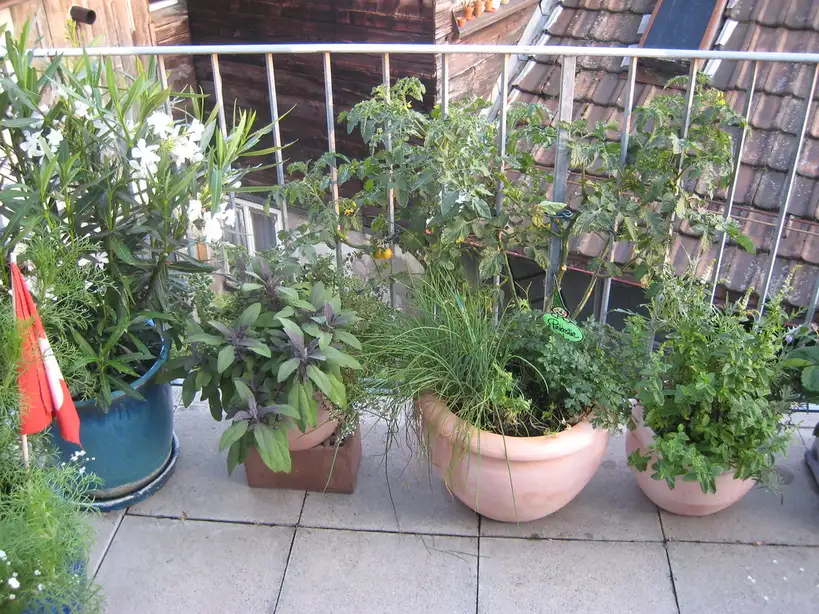
For container vegetables on patios and balconies, give them 6–8 hours of direct sun, use large light pots, and pick compact crops like tomatoes, peppers, beans, lettuce, radishes, and herbs; if your balcony gets limited sun, growing greens and herbs is often a better choice. Wrong containers on balconies can lead to scorched leaves, toppled pots, stunted plants, and water stress fairly quickly. I see the same pattern again and again: sun, wind, weight limits, watering speed, and the crops that can actually finish in tight outdoor spaces.
This guide is part of our When to plant seeds and bulbs series.
What you’ll need

![Arcadia Garden Products PSW Pot Collection [17.5 inch] Plastic/Stone/Wood Composite Window Box Rectangular Planter – No](https://m.media-amazon.com/images/I/41Om-tc3InL._SL500_.jpg)

- Containers with drainage holes
- Lightweight pots made from fiberglass, plastic, or foam composites
- Potting mix, not garden soil
- Liquid fertilizer for vegetables
- Saucer or catch tray for runoff
- Trellis, cage, or stakes for climbing and tall crops
- Hand trowel and watering can
- Wind screen, if the balcony gets gusts
- Soft ties or clips for support
Why patio and balcony containers fail or thrive
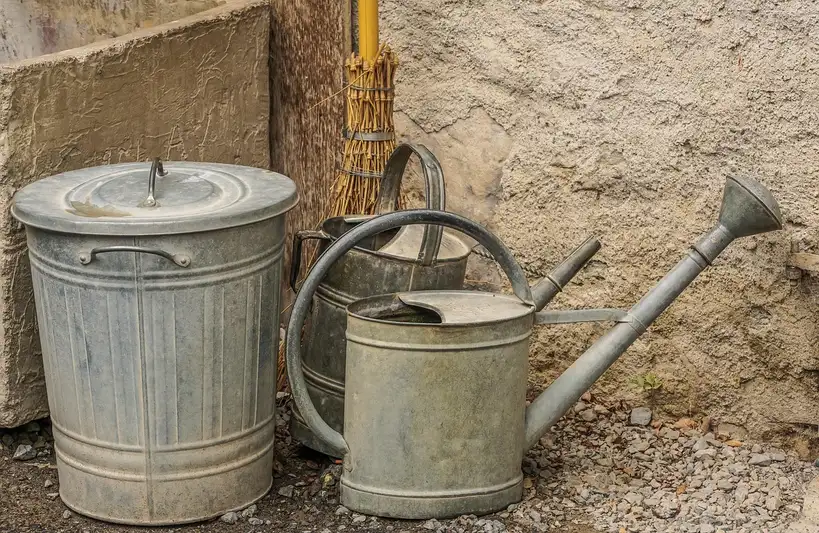
Balcony success comes down to three things: light, drying speed, and load. Most vegetables need 6 to 8 hours of direct sunlight daily, but wind and reflected heat can make a pot behave like a hotter, smaller site. Leafy greens take partial shade better than fruiting crops.
Sun, wind, and reflected heat change the rules
Concrete walls, railings, and paving bounce heat back into the pot. That pushes root-zone stress up fast, especially on south-facing balconies. Wind strips moisture from leaves and the mix, so a container that looks fine in the morning may need water by midday.
Weight, access, and railing safety come first
Large pots insulate roots better, but they also weigh more when wet. On balconies, choose lightweight materials such as fiberglass, plastic, or foam composites when weight matters. Keep pots off unstable railings unless the planter is made for that use, and leave enough room to water, turn, and harvest without leaning over the edge.
Which vegetables work best on a patio or balcony?
The best balcony crops are compact, productive, and forgiving in containers. Tomatoes, peppers, lettuce, green beans, radishes, cucumbers, and zucchini can all work in balcony containers, depending on sun, wind, and the support each plant needs. Leafy greens fit lower-light spots; fruiting crops need the strongest sun.
Best beginner crops for small containers
Lettuce and radishes are the easiest starters because they grow fast and stay small. Bush beans also do well if the balcony gets enough sun and the planter stays evenly moist. Peppers are a good next step because they stay smaller than many fruiting crops and handle pots well.
Crops that need more sun, space, or support
Tomatoes and cucumbers need strong sun, regular feeding, and support. Zucchini can work in a large pot, but it takes space and drinks a lot of water. Green beans are simple once established, yet climbing types need a trellis and can shade nearby pots if they are packed too tightly.
When to skip a crop and choose a better fit
If the balcony gets strong wind, skip tall top-heavy plants unless you can anchor them well. If the light is weak, avoid fruiting crops and grow lettuce or other greens instead. If the only available space is a narrow rail shelf, pick small containers for herbs or radishes rather than crops that need deep root room.
How should you size containers for each crop?
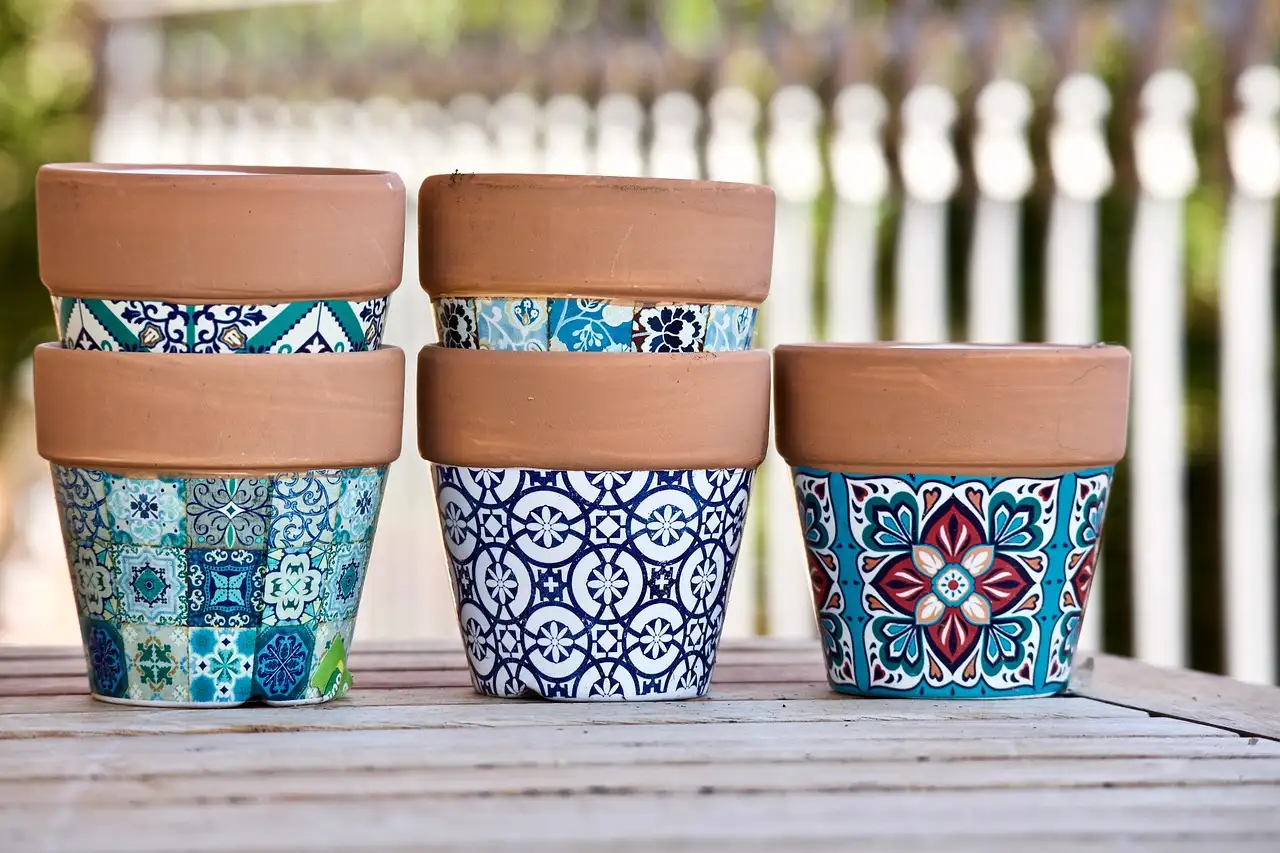
Container size should match both root space and drying speed. Small containers dry out faster, while larger pots hold moisture longer and buffer root temperature better. For balcony use, the extra water reserve in a larger pot often matters more than saving space with a tiny one.
Minimum pot size by vegetable
| Crop | Minimum pot size | Sun | Watering frequency | Support or setup |
|---|---|---|---|---|
| Tomatoes | 5 gallons or larger | Full sun | Daily in hot weather | Staking or cage needed |
| Cucumbers | 5 gallons or larger | Full sun | Daily in hot weather | Trellis needed; hand-pollination may help |
| Peppers | 3 to 5 gallons | Full sun | Every 1 to 2 days | No staking for most compact types |
| Lettuce | 6 to 8 inches deep | Sun to partial shade | Daily when warm | Railing-safe if securely placed |
| Green beans | 3 to 5 gallons | Full sun | Every 1 to 2 days | Bush types can skip support; pole types need a trellis |
| Radishes | 6 inches deep | Full sun to partial shade | Keep evenly moist | Railing-safe if shallow and stable |
| Zucchini | 10 gallons or larger | Full sun | Daily in hot weather | Needs room; not ideal for tight rail setups |
When larger pots help with heat and drying speed
A larger pot usually performs better on hot concrete and in windy exposure because it holds more water and shields roots from heat spikes. Plastic pots keep moisture better than clay pots, which helps on balconies that dry fast. Small pots work for herbs or radishes, but they are poor choices for tomatoes or cucumbers.
Lightweight container choices for balconies
Fiberglass, plastic, and foam-composite containers are practical when weight limits matter. Clay looks steady, but it dries faster and gets heavy when wet. If a planter must sit near a railing, use a low, broad container with a stable base instead of a tall narrow one.
How do you set up pots for sun, wind, and access?
Place containers where they can get 6 to 8 hours of direct sun, but keep them close enough to water and inspect every day. On balconies, the best spot is often the one with morning sun and some afternoon shelter from reflected heat or strong gusts. Good placement matters as much as pot choice.
Use walls, screens, or grouping to reduce wind stress
Group pots together so they shade one another slightly and slow evaporation. A screen, trellis, or even a chair placed upwind can cut the worst gusts. Tall crops should sit behind shorter ones so leaves do not whip and dry out as fast.
Keep walkway and railing access clear
Leave enough space to reach every pot without stepping around a crowded path. Avoid placing loose containers where they can shift against a railing or tip in wind. If a planter sits on a ledge or shelf, check that its base is wider than the support surface beneath it.
How do you plant and water container vegetables?
Use potting mix, not garden soil, because it is light, airy, and free-draining while still holding nutrients and oxygen around the roots. Fill the pot to near the top, set plants at the proper depth, then water until moisture reaches the full root zone. Containers need more frequent checks than garden beds.
- Choose the crop for the light you have.
- Set the pot on a level surface with drainage holes clear.
- Fill with potting mix and press lightly, not hard.
- Plant at the correct depth and space the crop for its mature size.
- Water in slowly until runoff appears.
- Check moisture daily and water when the top inch feels dry.
- Feed with liquid fertilizer at least twice a month during the growing season, following label directions.
If that didn’t work, try this next
- Move the pot away from reflected heat from walls, concrete, or metal railings.
- Shift the container into a larger pot if the mix is drying out too fast.
- Add a windbreak or group pots tighter together.
- Use a saucer only to catch runoff, then empty standing water after watering.
What does the planning table say for each crop?
This planning table makes the tradeoffs clear: tomatoes and cucumbers need the most support, lettuce and radishes are easiest in tight space, and peppers sit in the middle. The more sun and water a crop needs, the more important pot size and access become. Use the table to match the plant to the balcony, not the other way around.
Crop-by-crop container planning guide
| Crop | Minimum pot size | Sun requirement | Watering frequency | Needs staking, hand-pollination, or railing-safe setup? |
|---|---|---|---|---|
| Tomatoes | 5 gallons or larger | 6 to 8 hours of direct sun | Daily in hot weather | Staking or cage; railing-safe setup if elevated |
| Cucumbers | 5 gallons or larger | 6 to 8 hours of direct sun | Daily in hot weather | Trellis; hand-pollination can help on upper floors |
| Peppers | 3 to 5 gallons | 6 to 8 hours of direct sun | Every 1 to 2 days | Usually no staking; railing-safe if compact |
| Lettuce | 6 to 8 inches deep | Partial shade to sun | Keep evenly moist | Railing-safe if shallow and stable |
| Green beans | 3 to 5 gallons | 6 to 8 hours of direct sun | Every 1 to 2 days | Bush beans usually no; pole beans need support |
| Radishes | 6 inches deep | 6 hours of sun or light shade | Keep evenly moist | Railing-safe if the container is secure |
| Zucchini | 10 gallons or larger | 6 to 8 hours of direct sun | Daily in hot weather | Needs plenty of room; hand-pollination may help |
Which crops suit beginners first
Beginners usually do best with lettuce, radishes, bush beans, and compact peppers. Those crops forgive small errors better than tomatoes or cucumbers. If the balcony is bright but windy, lettuce and radishes are safer than trying to force a large fruiting plant into a small pot.
Common mistakes
Most failures come from containers that are too small, too light, or too exposed. The plant may look fine at planting, then fail when heat, wind, and fast drying stack up. Fix the setup early and most problems never start.
- Do not use pots without drainage holes; roots need oxygen, and standing water can damage them.
- Do not use garden soil in containers; it packs too tightly.
- Do not place sun-loving crops in shade and expect fruit.
- Do not leave small containers to dry on hot afternoons.
- Do not crowd tall plants at the railing where wind can topple them.
Prevention: Put the thirstiest pots closest to the hose or watering can, and keep a daily check routine for the top inch of mix.
Frequently asked questions
What vegetables grow best on a patio or balcony?
Lettuce, radishes, bush beans, compact peppers, tomatoes, cucumbers, and zucchini can all work if the pot size and sun match the crop. Leafy greens take partial shade better, while fruiting vegetables need stronger direct sun and more careful watering.
How big should pots be for container vegetables?
Use at least 5 gallons for tomatoes and cucumbers, 3 to 5 gallons for peppers and beans, and shallow but broad containers for lettuce and radishes. Larger pots hold moisture longer and buffer root temperature better, which helps on hot balconies.
How much sun do container vegetables need?
Most vegetables need 6 to 8 hours of direct sunlight daily. If a balcony gets less than that, shift toward lettuce, spinach-like greens, and herbs rather than fruiting crops. Strong morning sun is often easier to manage than hot late-afternoon exposure.
What kind of potting mix should I use for vegetables in containers?
Use potting mix, not garden soil. It should feel light and fluffy, drain well, and still hold enough air and nutrients for root growth. Heavy soil compacts fast in pots and makes watering problems worse.
How often do container vegetables need watering in hot weather?
Check moisture daily and water when the top inch feels dry. In hot weather, many balcony containers need water every day, sometimes more than once if wind and reflected heat are strong. Small pots dry much faster than larger ones.
Do balcony vegetable containers need drainage holes?
Yes. Drainage holes are needed so excess water can leave the pot and roots can keep breathing. Without them, the mix can stay wet too long after watering or rain, which raises the risk of root problems fast.