Can Bell Peppers And Jalapeños Be Planted Together? Yes!
Bell peppers and jalapeños are two of the most popular and versatile peppers grown in home gardens. Whether you’re a seasoned gardener or just starting out, the question inevitably arises: Can bell peppers and jalapeños be planted together? The answer is a resounding yes! Not only is it possible, but growing these peppers side by side offers numerous benefits, from saving space to encouraging healthier plants and more bountiful harvests. However, to achieve optimal results, it’s essential to understand how these plants interact, what their needs are, and how you can maximize their potential in a shared garden bed.
This comprehensive guide will walk you through everything you need to know about growing bell peppers and jalapeños together. We’ll explore their compatibility, growth requirements, potential challenges, and practical tips for thriving pepper plants. You’ll also discover real-world examples, data-driven insights, and actionable strategies that can transform your pepper patch into a vibrant, productive oasis.
Whether your goal is a colorful stir-fry or a spicy salsa, growing bell peppers and jalapeños together can make your gardening journey both rewarding and delicious.
Key Takeaways
- Bell peppers and jalapeños are highly compatible and can be planted together with careful planning.
- Shared growing conditions—like sunlight, soil, and water—make it easy to care for both types in the same bed.
- Cross-pollination is not a significant concern for the current season’s fruit, so flavor integrity is maintained.
- Companion planting strategies can enhance yield, reduce pests, and improve plant health.
- Proper spacing, fertilization, and pest control are essential for maximizing productivity and minimizing disease.
- Real-world case studies show increased harvests and healthier plants when both peppers are grown together.
Understanding Bell Peppers And Jalapeños
Before diving into the specifics of planting these peppers together, it’s crucial to understand their unique characteristics and similarities. Both belong to the species Capsicum annuum, but they differ in flavor, heat, and growth habits.
Botanical Overview
Bell peppers (Capsicum annuum var. grossum) are known for their sweet flavor and vibrant colors, ranging from green to red, yellow, and even purple. This color progression is not merely aesthetic; it reflects changes in the pepper’s nutritional composition and flavor. Green bell peppers are essentially unripe, while red, yellow, and orange varieties are fully matured, offering a richer, often sweeter taste and higher concentrations of certain nutrients.
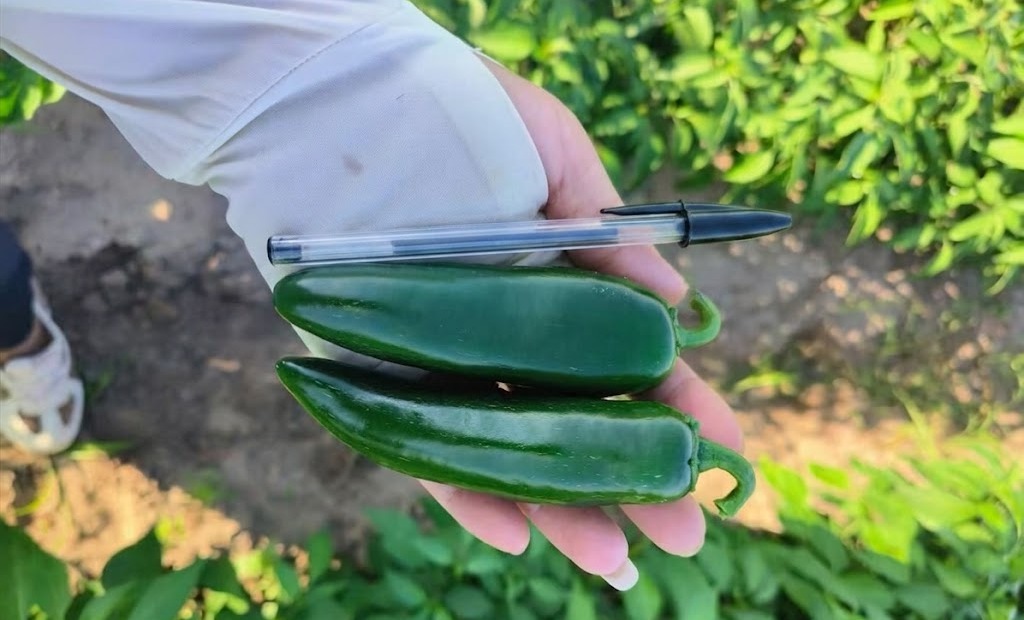
Jalapeños (Capsicum annuum var. annuum) are famed for their moderate heat, typically measuring 2,500–8,000 Scoville Heat Units (SHU). While most are familiar with the classic green jalapeño, allowing the peppers to ripen to red can create a sweeter, slightly more complex flavor profile and higher vitamin content. Jalapeños are extremely versatile and can be enjoyed fresh, pickled, roasted, or smoked (as chipotle peppers).
Both types of peppers are easy to grow and adapt well to a range of gardening methods, including raised beds, containers, and even hydroponic systems.
Growth Requirements
Both bell peppers and jalapeños:
- Thrive in warm temperatures (70–85°F daytime)
- Prefer well-drained, fertile soil with pH 6.0–6.8
- Need full sun (6–8 hours daily)
- Require consistent watering, especially during fruit set
Bell peppers and jalapeños are considered warm-season crops, meaning they are particularly sensitive to frost and cool temperatures. Even a light frost can damage or kill young plants, so it’s crucial to wait until all danger of frost has passed before transplanting seedlings outdoors.
For gardeners in cooler regions, starting seeds indoors 8–10 weeks before the last expected frost date can help ensure a strong, healthy start.
Nutritional Value
| Peppers | Vitamin C (per 100g) | Calories (per 100g) | Capsaicin Content |
|---|---|---|---|
| Bell Pepper | 127.7 mg | 31 | Very Low |
| Jalapeño | 118.6 mg | 29 | Moderate |
Both peppers are excellent sources of vitamin C, antioxidants, and dietary fiber, contributing to a healthy diet. Bell peppers, in particular, are exceptionally high in vitamin C, with a single pepper often providing more than 150% of the daily recommended intake. Jalapeños, in addition to their vitamin content, contain capsaicin—a compound responsible for their heat—which has been studied for its metabolism-boosting and anti-inflammatory properties.
Growth Cycle
- Bell peppers: 60–90 days from transplant to harvest
- Jalapeños: 65–85 days from transplant to harvest
Their similar maturity timelines make them ideal companions in the garden. Both types typically flower and set fruit around the same time, making it easier to synchronize maintenance and harvesting. Gardeners can also take advantage of succession planting—starting new seeds every few weeks—to extend the harvest period for both pepper varieties.
Compatibility Of Bell Peppers And Jalapeños
Planting different pepper varieties together is a common practice, but understanding compatibility is key to a successful harvest. Let’s explore why bell peppers and jalapeños thrive as garden neighbors.
Botanical Compatibility
Both peppers belong to the same species, Capsicum annuum, which means they have similar:
- Root structure
- Nutritional requirements
- Water and sunlight needs
This botanical kinship allows for seamless integration in a shared garden bed, minimizing competition and stress. Their similar growth habits mean they respond well to the same care routines, such as regular feeding, mulching, and watering schedules.
Cross-pollination Myths And Realities
One frequent concern is cross-pollination. While peppers can cross-pollinate, the effects are often misunderstood. Cross-pollination between bell peppers and jalapeños does not affect the current season’s fruit. Any hybridization will only be reflected in seeds saved for the next generation. For most home gardeners who buy new seeds each year or do not plan to save seeds, this is a non-issue.
For those interested in seed-saving, isolation distances of 150–300 feet are recommended. However, flavor and heat levels remain stable in the current crop, so you can confidently enjoy both peppers’ unique tastes.
It’s worth noting that even if you do save seeds, unexpected hybrids can sometimes yield interesting new pepper varieties. However, if you want to preserve a specific cultivar, planting at the recommended distances or using pollination bags can prevent unwanted cross-pollination.
Benefits Of Planting Together
- Efficient use of space: Their similar size and shape allow for strategic interplanting. You can alternate plants in rows or clusters to maximize productivity without crowding.
- Mutual pest protection: Some pests are less likely to attack mixed pepper beds. For instance, certain insects that target one type may be confused or deterred by the presence of another.
- Easier maintenance: Shared care routines for watering, feeding, and pruning streamline garden chores, saving time and effort.
- Enhanced microclimate: Grouping peppers together can create a beneficial microclimate, helping to retain soil moisture and moderate temperature swings around the root zone.
Potential Challenges
- Disease transmission: Proximity may increase risk if one plant becomes diseased. It’s vital to monitor plants regularly for early signs of trouble.
- Competition for resources: Overcrowding can lead to stunted growth if spacing is not managed. Roots may compete for water and nutrients, especially in smaller beds or containers.
- Height differences: While both plants are similar in size, some bell pepper varieties can grow larger. Ensure that taller plants do not shade out smaller ones by arranging them with sun exposure in mind.
By understanding these factors, you can mitigate risks and harness the benefits of co-planting. Practicing good garden hygiene—such as removing dead leaves, rotating crops, and sanitizing tools—can further reduce disease transmission.

Shared Growing Requirements
To maximize the health and productivity of bell peppers and jalapeños, it’s important to create an environment that meets their shared needs. This section covers the essential elements for a thriving pepper patch.
Soil Preparation
Both peppers perform best in:
- Loamy, well-drained soil
- Organic matter-rich amendments (compost or aged manure)
- Soil pH between 6.0 and 6.8
Test your soil and incorporate amendments as needed to optimize nutrient availability. If your soil is heavy clay or very sandy, consider adding compost, aged manure, or peat moss to improve structure and moisture retention. Raised beds or large containers can also provide ideal growing conditions if your native soil is less than optimal.
Before planting, work the soil to a depth of at least 12–18 inches to encourage deep root development. Remove rocks and debris, and mix in a slow-release organic fertilizer or balanced synthetic blend according to soil test recommendations.
Watering Guidelines
- Consistent moisture is critical, especially during flowering and fruit set.
- Water deeply 1–2 times per week, ensuring soil stays moist but not waterlogged.
- Use mulch to retain moisture and suppress weeds.
Peppers are sensitive to fluctuations in soil moisture; inconsistent watering can lead to issues like blossom end rot or cracked fruit. Drip irrigation systems and soaker hoses are excellent options for maintaining even moisture levels. Mulching with straw, shredded leaves, or grass clippings not only conserves water but also keeps weeds at bay and moderates soil temperature.
Sunlight And Temperature
- Full sun exposure (at least 6 hours daily) is vital for robust growth and fruit production.
- Peppers are sensitive to cold; plant after the last frost and consider row covers if temperatures drop below 55°F.
Peppers thrive in warmth. Nighttime temperatures below 60°F can slow growth and delay flowering, while daytime temperatures above 90°F may cause flowers to drop. In hotter regions, providing afternoon shade with shade cloth or nearby taller plants can prevent heat stress and sunscald on fruit.
Fertilization Schedule
| Growth Stage | Fertilizer Type | Recommended N-P-K Ratio |
|---|---|---|
| Transplanting | Balanced or starter fertilizer | 5-10-10 |
| Early Growth | High-phosphorus formula | 10-20-10 |
| Flowering & Fruiting | Potassium-rich blend | 5-10-15 |
Apply fertilizers according to package instructions and avoid over-fertilizing, which can lead to excess foliage at the expense of fruit production.
In addition to regular feeding, consider supplementing with micronutrients such as calcium and magnesium, particularly if your soil tests show deficiencies. Foliar sprays of seaweed extract or compost tea can provide gentle boosts during the growing season.
Spacing And Airflow
Proper spacing prevents disease and encourages sturdy growth:
- Bell peppers: 18–24 inches apart
- Jalapeños: 14–18 inches apart
- Allow 24–36 inches between rows
Good airflow reduces risk of fungal diseases and supports pollinator activity.
When laying out your pepper bed, alternate plants in staggered rows or a checkerboard pattern to maximize airflow and sunlight penetration. In humid climates, extra spacing may be beneficial to combat fungal issues.
Companion Planting Strategies
Pairing bell peppers and jalapeños with the right companions can enhance growth, deter pests, and improve soil health. Companion planting is a time-honored technique that leverages plant relationships for mutual benefit.
Best Companion Plants
- Basil: Repels aphids, spider mites, and mosquitoes while enhancing pepper flavor. Some gardeners believe basil also helps peppers grow more vigorously, possibly due to the aromatic oils it releases.
- Marigolds: Deter nematodes and harmful insects. The strong scent of marigolds is known to confuse or repel several common pepper pests, making them an excellent border plant.
- Onions and garlic: Repel aphids, beetles, and certain fungal pathogens. Their pungent aroma helps mask the scent of peppers, reducing pest attraction.
- Carrots: Utilize different soil depths, minimizing competition for nutrients. Carrots’ slender taproots grow downward while peppers’ roots spread more horizontally.
Other beneficial companions include oregano, parsley, and nasturtiums. These plants can attract beneficial insects, provide ground cover, and contribute to a more diverse and resilient garden ecosystem.
Plants To Avoid
Some plants can hinder pepper growth or invite pests:
- Brassicas (cabbage, broccoli, kale): Compete for nutrients and attract cabbage worms. Peppers and brassicas have different pH and nutrient requirements, which can lead to suboptimal growth for both.
- Fennel: Can inhibit pepper growth through allelopathy—a natural release of chemicals that suppress neighboring plants.
- Beans: May attract aphids and compete for soil nitrogen. While beans fix nitrogen, their sprawling habit can shade peppers and create a moist environment conducive to disease.
Avoid planting peppers near apricot trees, as some studies suggest that certain soil-borne diseases can be shared between the two.
Interplanting Layouts
Here’s a sample layout for a 4×8 ft raised bed:
- Alternate rows of bell peppers and jalapeños
- Edge the bed with basil and marigolds
- Plant onions or garlic at the ends of rows
- Leave walkways for easy access and airflow
This diverse planting not only maximizes use of space but also creates a more robust ecosystem, with companion plants providing pest deterrence and attracting pollinators.
Case Study: Urban Community Garden
A community garden in Austin, TX, interplanted bell peppers, jalapeños, basil, and marigolds in a raised bed. Over the season, they reported:
- 30% fewer aphid infestations compared to monoculture beds
- 20% higher yield per plant
- Enhanced pollinator presence
This real-world example highlights the power of companion planting for productive and resilient pepper patches. Gardeners also noted that the garden beds with diverse plantings required less intervention with pesticides and had a more attractive, vibrant appearance.
Managing Pests And Diseases
While growing bell peppers and jalapeños together can reduce some pest problems, vigilance is still necessary. Timely intervention protects your harvest and ensures plant health.
Common Pests
- Aphids: Sap-sucking insects that weaken plants and transmit viruses. They tend to cluster on new growth and the undersides of leaves.
- Pepper weevils: Lay eggs in buds and fruit, causing them to drop. These pests are more common in southern regions but can cause significant losses if left unchecked.
- Cutworms: Sever stems at soil level, killing young plants. These nocturnal pests can devastate seedlings overnight.
Other pests to watch for include thrips, whiteflies, spider mites, and flea beetles. Each of these can cause visible damage and reduce yields.
Control Measures
- Introduce beneficial insects like ladybugs and lacewings. These natural predators feed on aphids and other soft-bodied pests.
- Use row covers for young plants, especially during the vulnerable seedling stage.
- Spray plants with neem oil or insecticidal soap as needed. These organic options are safe for edible crops and break down quickly in the environment.
- Hand-pick visible pests. Regular inspection is key—catching infestations early makes them easier to manage.
Practice good garden sanitation by removing debris, fallen fruit, and diseased foliage, as these can harbor pests and pathogens.
Common Diseases
- Bacterial spot: Water-soaked lesions on leaves and fruit. This disease spreads rapidly in wet conditions.
- Powdery mildew: White, powdery coating on leaves. It thrives in warm, humid environments and can weaken plants over time.
- Verticillium wilt: Causes wilting and yellowing of lower leaves. This soil-borne fungus can persist for years and is difficult to eradicate once established.
Prevention Strategies
- Rotate crops every 2–3 years to prevent soil-borne diseases. Avoid planting peppers or other nightshades in the same spot season after season.
- Water at the base to keep foliage dry. Overhead watering increases the risk of fungal and bacterial diseases.
- Remove infected plants promptly to prevent the spread of pathogens.
- Ensure proper spacing for air circulation. Dense plantings create humid microclimates that favor disease.
Choosing disease-resistant pepper varieties and buying certified disease-free transplants can further reduce the risk of outbreaks.
Real-world Example: Home Gardener’s Success
Jane, a backyard gardener in California, lost several pepper plants to bacterial spot in 2026. After implementing crop rotation, mulching, and growing basil nearby, she saw a 90% reduction in disease and her highest pepper yields ever the following year.
Her experience underscores the importance of integrated pest management (IPM) strategies—combining cultural, biological, and physical controls to keep peppers healthy without resorting to harsh chemicals.
Maximizing Yield And Quality
Achieving a high yield of flavorful, healthy peppers requires ongoing attention and smart gardening practices. Here’s how to get the most from your co-planted bell peppers and jalapeños.
Pruning And Staking
- Prune lower leaves to improve airflow and reduce disease risk. Removing foliage touching the soil helps prevent fungal infections.
- Stake or cage larger plants to prevent breakage and keep fruit off the ground. This also makes harvesting easier and reduces the risk of sunscald.
For indeterminate varieties or vigorous hybrids, using tomato cages or sturdy stakes can support heavy fruit loads and prevent sprawling.
Harvest Timing
- Bell peppers: Harvest when fully colored for maximum sweetness, or green for a milder flavor. Colored peppers contain more vitamins and antioxidants but may take a week or two longer to ripen.
- Jalapeños: Pick when deep green and firm; for extra heat, allow to ripen to red. Red jalapeños are typically hotter and slightly sweeter, making them ideal for sauces and salsas.
Harvest regularly to encourage continued fruit production. Overripe peppers left on the plant may slow or stop new fruit from setting.
Post-harvest Care
- Store peppers at 45–50°F with high humidity.
- Refrigerate in perforated bags for up to two weeks.
To prolong storage, avoid washing peppers until just before use. Moisture on the skin can accelerate spoilage.
Data Table: Yield Comparison
| Planting Method | Bell Pepper Yield (lbs/plant) | Jalapeño Yield (lbs/plant) | Pest Incidence (%) |
|---|---|---|---|
| Monoculture | 2.3 | 2.1 | 18 |
| Co-Planting | 2.8 | 2.6 | 10 |
Research from the University of Minnesota Extension shows that co-planting peppers can boost yields by up to 20% while reducing pest issues.
Fertilizer And Water Optimization
- Apply a slow-release fertilizer at planting, and side-dress with compost mid-season.
- Use drip irrigation or soaker hoses for even moisture and disease prevention.
Regularly check soil moisture to avoid drought stress, which can cause fruit to drop prematurely. In hot climates, increasing mulch depth during peak summer helps stabilize soil temperatures.
Real-world Case Study: Market Gardener
A market gardener in North Carolina grew bell peppers and jalapeños together for local restaurants. By optimizing spacing, mulching, and using companion herbs, he increased yields by 25% and had fewer pest complaints, leading to more consistent sales and customer satisfaction.
He also implemented a staggered planting approach—starting new seedlings every three weeks to ensure a steady supply of fresh peppers throughout the growing season. By keeping detailed records of yields, pest outbreaks, and weather conditions, he continually refined his practices for even better results each year.
Troubleshooting Common Issues
Even with the best care, challenges can arise. Quick identification and action can save your crop.
Blossom End Rot
- Symptoms: Dark, sunken spots on fruit bottoms.
- Causes: Calcium deficiency, inconsistent watering.
- Solutions: Mulch to retain moisture, avoid over-fertilizing with nitrogen, use calcium-rich amendments.
Blossom end rot is more common in container-grown peppers or in gardens with erratic watering. Using gypsum or calcium nitrate can help if soil tests indicate a deficiency. Consistent watering is the best prevention.
Leaf Curl Or Wilting
- Symptoms: Leaves curl, wilt, or droop.
- Causes: Heat stress, overwatering, viral infections.
- Solutions: Provide afternoon shade in extreme heat, check soil moisture before watering, remove and destroy infected plants.
If wilting persists even after watering, check roots for signs of rot or pests. Viral infections may also cause mosaic patterns or distorted growth—remove affected plants to prevent spread.
Poor Fruit Set
- Symptoms: Lots of flowers, few fruits.
- Causes: High temperatures, lack of pollinators, excessive nitrogen.
- Solutions: Encourage pollinators with companion flowers, reduce nitrogen, ensure consistent watering.
Nighttime temperatures above 75°F or below 60°F can inhibit fruit set. Hand-pollinating flowers with a small brush or gently shaking branches can help in low-pollinator environments.
Stunted Growth
- Symptoms: Plants remain small, few leaves.
- Causes: Overcrowding, poor soil, root pests.
- Solutions: Thin plants if needed, amend soil, check for root maggots or nematodes.
Regularly inspect the soil and roots for signs of pests like grubs or nematodes. If found, solarize the soil or use beneficial nematodes to reduce populations.
Resources For Further Troubleshooting
For in-depth troubleshooting, refer to:
- Gardening Know How: Pepper Plant Problems
- Penn State Extension: Peppers in the Home Garden
These resources offer visual guides, diagnostic tools, and region-specific advice to help you resolve virtually any pepper-growing issue.
Harvesting And Using Your Peppers
The best part of growing bell peppers and jalapeños is enjoying their vibrant flavors in your kitchen. Harvesting at the right time and using proper techniques ensures maximum quality and shelf life.
When And How To Harvest
- Use sharp scissors or pruners to cut peppers from the plant, avoiding damage.
- Harvest in the morning for peak crispness.
- Pick bell peppers when they reach full size and desired color.
- Jalapeños are ready when deep green and firm; allow to ripen further for a sweeter, hotter flavor.
Frequent harvesting encourages plants to produce more fruit. Avoid pulling peppers off by hand, which can damage stems and reduce future yields.
Storing Your Peppers
- Store unwashed peppers in a refrigerator crisper drawer.
- For long-term storage, freeze chopped peppers or dry jalapeños for use in recipes.
To freeze, wash, core, and chop peppers, then spread them in a single layer on a baking sheet before transferring to airtight bags. This prevents clumping and makes it easy to grab small portions as needed.
Culinary Uses
- Bell peppers: Salads, stir-fries, grilling, stuffed peppers, fajitas, soups, and stews. Their mild, sweet flavor complements a wide variety of dishes, both raw and cooked.
- Jalapeños: Salsas, pickling, poppers, spicy sauces, chili, and even infused oils or vinegars. They add a bright, spicy kick to recipes without overwhelming heat.
Roasting and peeling bell peppers brings out their natural sweetness, while smoked jalapeños (chipotle) are a staple in many Mexican and Tex-Mex dishes.
Preserving The Harvest
- Freeze chopped or sliced peppers in airtight bags.
- Dry jalapeños using a dehydrator for later use as flakes or powder.
- Pickle both types for a tangy, shelf-stable treat.
Pickled peppers can be enjoyed on sandwiches, pizzas, and charcuterie boards. Dehydrated jalapeños can be ground into powder for a homemade spice blend.
Example: Home Cook’s Recipe
Mark, a home gardener and avid cook, shared his favorite recipe: Stuffed bell peppers with jalapeño-laced rice. He layers cooked rice, sautéed jalapeños, onions, and tomatoes inside hollowed bell peppers, topping with cheese and baking until golden. The result is a dish that marries sweetness and spice, straight from the garden.
Another popular combination is grilled vegetable skewers with alternating bell pepper and jalapeño slices, brushed with olive oil and herbs—a hit at summer barbecues.
Frequently Asked Questions
Can Bell Peppers And Jalapeños Cross-pollinate And Change Their Flavors?
No, cross-pollination between bell peppers and jalapeños does not affect the flavor or heat of the current season’s fruit. Any cross-pollination impacts will only be evident if you save and plant the seeds next year. For this season, your peppers will retain their expected taste and characteristics.
What Is The Best Spacing When Planting Bell Peppers And Jalapeños Together?
For optimal growth, space bell peppers 18–24 inches apart and jalapeños 14–18 inches apart, with 24–36 inches between rows. Proper spacing prevents overcrowding, improves airflow, and reduces disease risk.
How Can I Prevent Pests Without Using Chemicals?
Use companion plants like basil and marigolds to repel pests naturally. Encourage beneficial insects such as ladybugs and lacewings. Apply organic solutions like neem oil or insecticidal soap if infestations occur. Physical barriers like row covers can also help protect young plants.
What Are The Signs Of Overwatering Or Underwatering Peppers?
Signs of overwatering include yellowing leaves, wilting despite wet soil, and root rot. Underwatering leads to drooping, dry leaves, and blossom end rot. Maintain consistent soil moisture by watering deeply 1–2 times per week and using mulch to retain water.
Where Can I Find More Information On Growing Peppers?
For further guidance, consult resources like the Cornell University Growing Guide, Royal Horticultural Society: Peppers, and Bonnie Plants: How to Plant Peppers.
Growing bell peppers and jalapeños together is not only possible but also highly rewarding when done with care and planning. Their shared needs and complementary flavors make them ideal partners in the garden and the kitchen. By following the strategies outlined here—from soil prep and spacing to pest management and harvesting—you’ll enjoy a colorful, bountiful, and delicious harvest season after season.
Happy gardening!