
Turkey manure is often hailed as a rich, organic fertilizer packed with nutrients that can transform lackluster soil into a bountiful garden bed. But alongside its reputation as a powerhouse amendment, questions—and myths—persist: Does turkey manure burn plants and vegetable gardens? Can such a potent resource cause more harm than good? The truth is nuanced, rooted in both science and real-world gardening experiences.
Gardeners, farmers, and sustainable agriculture advocates regularly debate the safety and effectiveness of turkey manure. Some tout its exceptional nitrogen content and balanced nutrient profile, while others warn of the risks of “burning” crops due to improper application. This article explores the science behind turkey manure, distinguishes between raw and composted forms, and provides practical guidance to harness its benefits without damaging your plants.
Drawing on research, case studies, and expert insights, we’ll reveal the real impact of turkey manure on vegetable gardens—and how you can use it safely and effectively.
Key Takeaways
- Raw turkey manure has a high nitrogen content, which can burn plants if applied directly without composting.
- Composting turkey manure reduces the risk of burning and transforms it into a safe, nutrient-rich soil amendment.
- Proper application rates and timing are crucial for maximizing benefits and minimizing risks.
- Real-world examples and studies confirm both the potential hazards and the significant advantages of using turkey manure correctly.
- Integrating turkey manure into a garden plan requires knowledge of nutrient content, soil needs, and best practices for application.

Understanding Turkey Manure: Nutrient Profile And Composition
What Makes Turkey Manure Unique?
Turkey manure is prized for its high nutrient content, particularly nitrogen (N), phosphorus (P), and potassium (K)—the essential elements for plant growth. Unlike cow or horse manure, turkey manure tends to be richer in these nutrients, making it a powerful fertilizer when managed correctly.
- Nitrogen: Essential for leaf and stem growth, but excessive nitrogen can lead to “burning” of tender plant tissues. Nitrogen is also critical for chlorophyll production, which enables plants to photosynthesize and produce energy.
- Phosphorus: Supports root development and flowering. Adequate phosphorus is especially important for young plants, as it helps them establish strong root systems and increases their resilience to environmental stresses.
- Potassium: Aids in overall plant health, disease resistance, and water regulation. Potassium helps regulate plant metabolism, strengthens cell walls, and is crucial for fruit and seed development.
Turkey manure also contains micronutrients such as calcium, magnesium, zinc, and copper, which, although required in smaller quantities, play important roles in plant health and productivity. This rich nutrient spectrum sets turkey manure apart from many other organic fertilizers.
Typical Nutrient Analysis
A typical analysis of raw turkey manure (values per ton, wet weight):
- Nitrogen (N): 30-40 lbs
- Phosphorus (P2O5): 30-45 lbs
- Potassium (K2O): 20-30 lbs
These values can vary depending on the birds’ diet, bedding material, and handling processes. According to the University of Minnesota Extension (source), turkey manure is one of the most nutrient-dense animal wastes used in agriculture.
It’s important to note that the form of nutrients—whether immediately available or slowly released—also impacts how plants respond to turkey manure. For instance, a large proportion of the nitrogen in raw manure is in the form of ammonium, which is highly soluble and can quickly affect plant growth.
Raw Vs. Composted Turkey Manure
Raw turkey manure is fresh from the coop, containing high levels of ammonia and pathogens. In its raw state, it is considered a “hot” manure because its high nitrogen content can result in chemical burns to plants if applied without treatment. Raw manure may also contain viable seeds from undigested feed, as well as harmful bacteria, making it risky for both plants and human health.
Composted turkey manure, on the other hand, has been aged and processed, reducing pathogens and stabilizing nutrients, making it safer for direct application to gardens. The composting process also converts volatile forms of nitrogen into more stable organic compounds, reducing the risk of nitrogen loss through volatilization and minimizing plant injury.
Moisture Content And Bedding
Turkey manure often includes bedding materials such as wood shavings or straw, which dilute nutrient concentrations but also add organic matter to the soil. The moisture content in fresh manure can exceed 60%, impacting weight, nutrient availability, and ease of handling.
Bedding materials not only help absorb excess moisture but also contribute carbon to the composting process, which is essential for balancing the high nitrogen content of the manure.
The presence of bedding can also influence the speed of decomposition and the final nutrient profile of the composted product. For example, wood shavings decompose more slowly than straw, potentially tying up some nitrogen during the composting process but ultimately providing long-term benefits to soil structure.
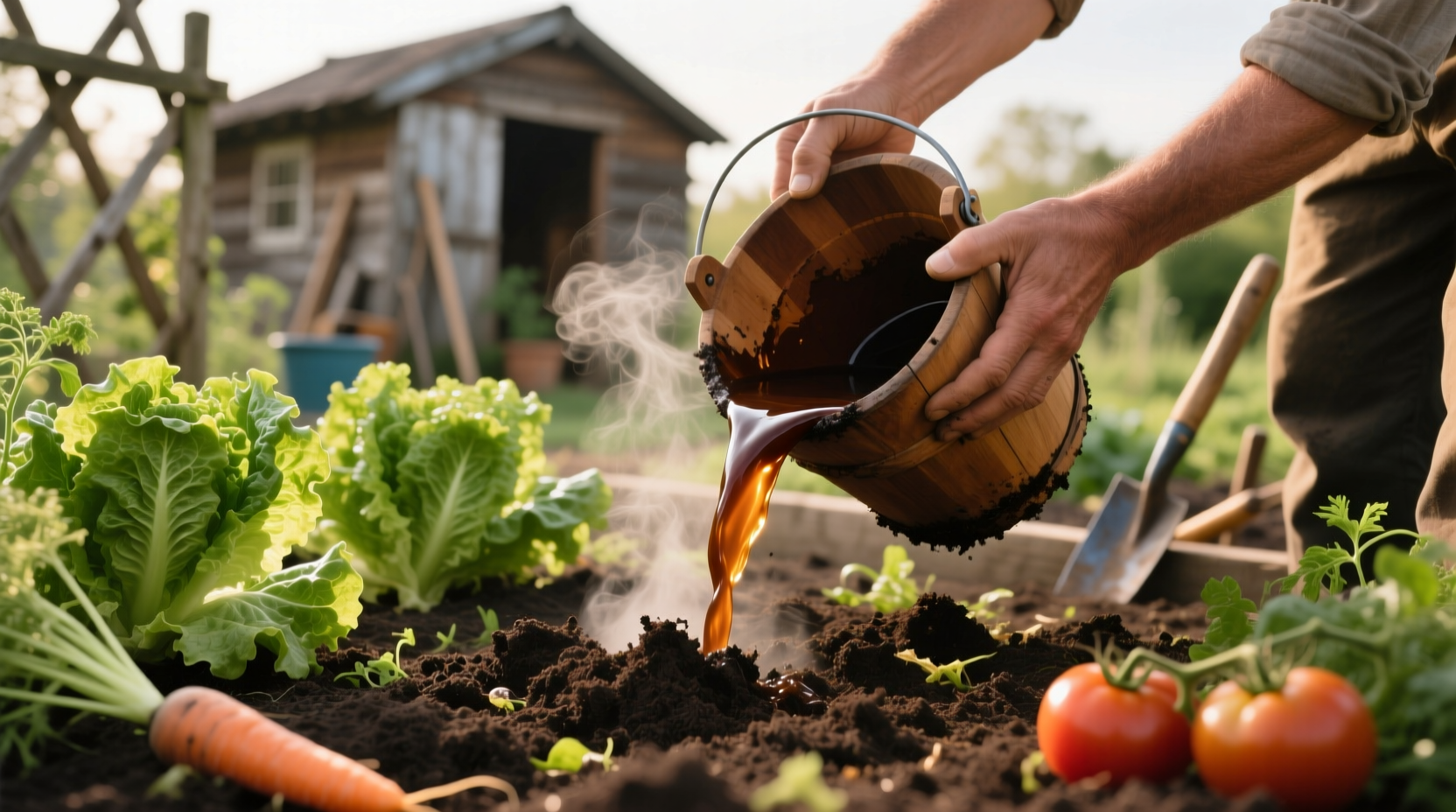
Can Turkey Manure Burn Plants? The Science Explained
The Risk Of Plant Burn
“Burning” refers to chemical injury to plants caused by excessive salts, ammonia, or nutrients—primarily nitrogen—in manure. When raw turkey manure is applied directly to soil or plants:
- The high nitrogen content can lead to ammonia toxicity, damaging roots and foliage. Ammonia is particularly toxic to young roots and can cause rapid leaf yellowing and wilting.
- Soluble salts can desiccate roots, interfering with water uptake. High salt concentrations in the soil solution draw water out of plant roots through osmosis, leading to physiological drought even when soil moisture is adequate.
- Young seedlings and tender vegetable crops are most susceptible. These plants have underdeveloped root systems and are less able to buffer against sudden changes in nutrient or salt concentrations.
In addition to direct chemical burns, excess nitrogen can also stimulate lush, vegetative growth at the expense of fruit and flower production, potentially leading to imbalances in crop quality.
Scientific Evidence
Research from the Iowa State University Extension and Outreach (source) confirms that fresh poultry manure can cause fertilizer burn due to its high ammonia and salt levels. Case studies show that improper application can result in stunted growth, yellowed leaves, and even plant death.
Several peer-reviewed studies have documented the impact of raw poultry manure on various crops. In one experiment, direct application of raw turkey manure reduced seedling survival rates by over 40% in sensitive crops like lettuce and spinach. Conversely, composted manure applied at recommended rates showed no adverse effects and improved yields.
Key Factors Influencing Burn Risk
- Application Rate: Over-application increases risk. Even composted manure can cause problems if applied in excess of crop needs.
- Timing: Applying raw manure close to planting time is hazardous. The closer to planting or the active growing period, the greater the risk.
- Soil Type: Sandy soils are more prone to nutrient leaching and burn than clay soils. Clay soils buffer salts and nutrients better, reducing burn risk.
- Weather Conditions: Hot, dry conditions can exacerbate burn symptoms. Drought-stressed plants are more sensitive to high salt and ammonia concentrations.
Other factors such as soil microbial activity, existing soil fertility, and irrigation practices also influence how plants respond to manure applications.
Ammonia Volatilization
Ammonia in raw manure can volatilize, especially in warm, moist conditions, causing both plant injury and loss of valuable nitrogen to the atmosphere. This process not only reduces the fertilizer value of the manure but also contributes to air pollution and potential odor issues.
Proper composting reduces these risks substantially by converting ammonia into more stable organic forms and reducing the total amount of volatile compounds.

Composting Turkey Manure: Making It Safe For Gardens
Why Compost Turkey Manure?
Composting transforms raw turkey manure into a stable, pathogen-free, and plant-safe amendment. The process:
- Reduces ammonia and volatile organic compounds, making the manure safer for plants and more pleasant to handle.
- Destroys weed seeds and harmful pathogens, including Salmonella and E. coli, through sustained high temperatures.
- Converts nitrogen into slow-release organic forms, ensuring a steady supply of nutrients throughout the growing season rather than a sudden surge.
Composted turkey manure also improves soil structure, increases microbial activity, and boosts the soil’s ability to retain water and nutrients, supporting long-term soil health.
The Composting Process
Step-by-step composting:
- Mix manure with carbon-rich bedding (wood shavings, straw) to achieve a balanced C: N ratio (~25-30:1). This balance is critical for efficient decomposition and odor control.
- Pile and aerate: Build piles or windrows and turn regularly to maintain oxygen levels. Aeration prevents anaerobic conditions that can lead to foul odors and slow decomposition.
- Monitor temperature: Piles should reach 130–150°F to ensure pathogen destruction. Use a compost thermometer to track internal temperatures, and turn the pile if temperatures drop below the target range.
- Cure: Allow compost to age for at least 4–6 months before garden use. Curing ensures that any remaining ammonia is converted to stable forms and that the compost matures, further reducing the risk of plant injury.
The composting process can be adapted for different scales, from backyard bins to large-scale windrows. Adding finished compost or garden soil as an inoculant can help introduce beneficial microbes and jump-start decomposition.
Table: Raw Vs. Composted Turkey Manure
| Property | Raw Turkey Manure | Composted Turkey Manure |
|---|---|---|
| Nitrogen Form | High Ammonia | Stable Organic Nitrogen |
| Pathogen Risk | High | Low |
| Application Safety | Can burn plants | Safe for most uses |
| Odor | Strong, unpleasant | Earthy, mild |
| Weed Seeds | Possible | Destroyed by heat |
Best Practices For Composting
- Maintain adequate moisture (like a wrung-out sponge) to support microbial activity and prevent overheating or drying out.
- Turn piles every 1–2 weeks for even decomposition and to reintroduce oxygen, which speeds up the breakdown of organic materials.
- Test finished compost for nutrient content and maturity using a compost test kit or by sending samples to a lab. Mature compost should have a dark, crumbly texture and an earthy smell, with no detectable ammonia odor.
Real-world Example
A small-scale organic farm in Pennsylvania switched from raw to composted turkey manure after repeated crop burns. Within one season, they observed improved yields and eliminated plant injury, highlighting the value of proper composting. Their soil organic matter increased, and disease incidence decreased as beneficial soil microbes flourished in the presence of mature compost.
Application Strategies: How To Use Turkey Manure Safely
Determining The Right Application Rate
Applying too much turkey manure—even composted—can overwhelm plants with nutrients. The USDA Natural Resources Conservation Service (source) recommends soil testing before any manure application.
- Raw manure: Not recommended for direct application to vegetables due to high risk of burn and pathogen contamination.
- Composted manure: Apply at 20–40 lbs nitrogen per 1,000 sq ft, based on crop needs. For light feeders, use the lower end of the range; for heavy feeders, the upper end may be appropriate.
A soil test will provide baseline fertility information and help tailor manure application rates to the specific requirements of your crops, minimizing the risk of over-fertilization and nutrient imbalances.
Timing And Methods
- Apply composted turkey manure in the fall or early spring, several weeks before planting. This allows time for nutrients to integrate into the soil and reduces the risk of nutrient leaching.
- Incorporate manure into the top 6–8 inches of soil using a tiller or garden fork. Shallow incorporation helps distribute nutrients evenly and prevents loss through runoff or volatilization.
- Avoid applying fresh manure within 120 days of harvest for crops in contact with soil (per FDA Food Safety Modernization Act guidelines). For crops not in contact with soil (e.g., fruiting crops like tomatoes grown on stakes), a 90-day interval is recommended.
Table: Application Timing And Crop Safety
| Manure Type | Timing | Minimum Wait Before Harvest | Recommended Crops |
|---|---|---|---|
| Raw Turkey Manure | Fall (post-harvest) | 120 days | Field crops, cover crops |
| Composted Turkey Manure | Spring or fall | 0–30 days | Vegetables, fruits, ornamentals |
Avoiding Common Mistakes
- Do not apply manure directly to foliage, as this increases the risk of burn and pathogen transfer.
- Water thoroughly after application to prevent salt buildup and help move nutrients into the root zone.
- Rotate manure-amended beds with non-manured areas to balance soil fertility and prevent excess nutrient accumulation over time.
Additional tips include avoiding manure application before heavy rain (to reduce runoff), and using mulch to further buffer soil and reduce evaporation.
Case Study
A community garden in Colorado experienced severe leaf burn on tomatoes after applying raw turkey manure in spring. The following year, after switching to composted manure and reducing the rate, yields increased by 30% and plant health improved markedly. Participants also observed fewer pest and disease problems, likely due to improved soil health from the composted amendment.
Comparing Turkey Manure To Other Animal Manures
Nutrient Comparison
Turkey manure stands out for its high nutrient density compared to other common animal manures.
| Manure Type | Nitrogen (N) | Phosphorus (P2O5) | Potassium (K2O) | Burn Risk (Raw) |
|---|---|---|---|---|
| Turkey | 3.0% | 2.5% | 2.0% | High |
| Chicken | 2.8% | 2.3% | 1.7% | High |
| Cow | 0.6% | 0.4% | 0.5% | Low |
| Horse | 0.7% | 0.3% | 0.6% | Low |
| Sheep | 0.9% | 0.5% | 0.8% | Medium |
In addition to the primary nutrients, turkey and chicken manures tend to have higher concentrations of micronutrients, which can benefit soil fertility but also increase the risk of accumulation if used excessively.
Pros And Cons Of Turkey Manure
Advantages:
- High nutrient content means smaller amounts are needed compared to cow or horse manure, making transportation and handling more efficient.
- Boosts organic matter and microbial activity in soil, which improves soil structure, aeration, and water retention.
- Effective for correcting nitrogen and phosphorus deficiencies, especially in intensively cropped or depleted soils.
- Can reduce reliance on synthetic fertilizers, supporting organic and regenerative agriculture goals.
Disadvantages:
- High burn risk if raw due to concentrated nutrients and salts.
- Requires careful handling, storage, and composting to avoid odor, disease, and environmental issues.
- Potential for odor and pathogen concerns if mismanaged, particularly in urban or suburban settings where neighbors may be affected.
When To Choose Turkey Manure
- Ideal for nutrient-poor soils or where rapid fertility increase is needed, such as new garden beds or depleted farmland.
- Not recommended for sensitive crops (lettuce, spinach, seedlings) unless fully composted, as these are especially prone to nitrogen burn.
- Suitable for gardeners seeking a sustainable, organic fertilizer alternative to synthetic products, with proper composting and application.
External Resources
For more in-depth manure comparison data, see the Cornell Waste Management Institute (source).
Environmental Impacts And Safety Considerations
Runoff And Water Quality
Improper manure management can lead to nutrient runoff, contaminating groundwater and surface waters with nitrogen and phosphorus. This can cause algal blooms and harm aquatic ecosystems, as reported by the United States Environmental Protection Agency (source).
- Apply manure at rates matching crop nutrient uptake to minimize excess nutrients in the environment.
- Use buffer zones near waterways, such as grass strips or vegetative barriers, to filter runoff and capture nutrients before they reach water bodies.
- Store manure properly to prevent leaching. Covered storage and containment systems prevent nutrients from washing away during rainfall.
Careful nutrient management plans can help farmers and gardeners maximize the benefits of turkey manure while protecting environmental quality.
Pathogen Risks
Raw turkey manure can harbor Salmonella, E. coli, and other pathogens. Composting at high temperatures (>130°F) for several weeks is essential to eliminate these risks. Pathogen reduction is especially important for manure that will be used on food crops.
Following the National Organic Program (NOP) guidelines for composting ensures that manure is safe for use in organic food production systems. These guidelines specify minimum time and temperature requirements to kill harmful organisms.
Personal And Food Safety
- Always wear gloves when handling manure to prevent direct contact with pathogens or irritants.
- Wash vegetables thoroughly before eating, regardless of manure type used. This is especially important for root crops and leafy greens.
- Observe pre-harvest intervals (120 days for raw manure, 0–30 days for composted manure) to minimize risk of contamination.
For added safety, avoid using manure on crops that are consumed raw unless it is fully composted and meets all regulatory guidelines.
Sustainability Aspects
Turkey manure is a renewable resource that recycles waste into valuable soil amendments, reducing reliance on chemical fertilizers and supporting sustainable agriculture practices. By closing nutrient loops, turkey manure helps build resilient food systems and reduces the environmental footprint of crop production.
Utilizing manure also helps manage waste streams from poultry production, turning a potential disposal problem into an asset for soil health and food security.
Maximizing Benefits: Tips For Successful Turkey Manure Use
Soil Testing And Nutrient Balancing
- Test soil before and after manure application to avoid over-fertilization and nutrient imbalances. Many extension services offer affordable soil testing for home gardeners and commercial growers.
- Balance turkey manure with other amendments as needed (lime to adjust pH, gypsum to improve soil structure, or additional compost to increase organic matter).
Matching Application To Crop Needs
- Heavy feeders (corn, tomatoes, squash) benefit most from turkey manure. These crops require ample nitrogen and phosphorus for optimum growth.
- Light feeders (beans, carrots, leafy greens) require less or diluted manure. Over-application can lead to excessive vegetative growth and poor root or fruit development.
Adjusting application rates based on crop rotation plans and previous manure additions can help maintain balanced fertility.
Integrating With Crop Rotation
- Rotate crops to avoid nutrient buildup and pest cycles. Incorporating cover crops between manure applications can further improve soil health and reduce erosion.
- Alternate manure-amended beds with cover crops such as clover, vetch, or rye to enhance soil structure, add biomass, and prevent nutrient leaching.
Monitoring Plant Health
- Watch for signs of burn: Yellowing, wilting, stunted growth, or leaf browning. Early detection allows for corrective action, such as leaching excess salts with irrigation.
- Adjust future applications based on plant response and yield data. Keeping records of manure applications and crop outcomes will help fine-tune your fertility program over time.
Real-world Example
A market gardener in Oregon implemented annual composted turkey manure applications, paired with regular soil testing. Over three years, organic matter increased from 2. 5% to 4. 1%, and yields of tomatoes and peppers rose by 25%, demonstrating the long-term benefits of proper turkey manure management.
The gardener also noticed improved soil tilth, easier cultivation, and greater drought resilience in their crops.
External Resource
For practical guides on composting and manure use, visit the Rodale Institute (source).
Common Myths And Misconceptions About Turkey Manure
Myth 1: All Manure Is Safe To Use Fresh
Many gardeners assume that any animal manure can be applied straight to the garden. In reality, raw turkey manure is particularly potent and can burn plants or contaminate produce with pathogens. Safe use requires knowledge of composting and timing.
Myth 2: Composting Destroys All Nutrients
Some believe that composting turkey manure “wastes” nutrients. In fact, composting stabilizes nitrogen, making it available more slowly and safely to plants while preserving most of the nutrient content. Properly composted manure provides a steady, long-lasting nutrient supply.
Myth 3: More Manure Means Better Growth
Over-applying turkey manure can lead to excess salts, nutrient imbalances, and environmental harm. Always follow recommended rates and test your soil to optimize results. More is not always better—quality and timing matter most.
Myth 4: Turkey Manure Is Only For Large Farms
While turkey manure is common in commercial agriculture, it’s equally valuable for home gardens when handled and composted properly. Small-scale gardeners can benefit from its nutrient density and soil-building properties.
Myth 5: Vegetable Gardens Don’t Need Animal Manure
Vegetable gardens often deplete soil nutrients quickly. Organic matter from turkey manure improves fertility, structure, and water retention—key to productive home gardens. Integrating manure into your fertility plan supports robust, healthy crops.
Frequently Asked Questions
Does Raw Turkey Manure Always Burn Plants?
Raw turkey manure is very high in ammonia and nitrogen, which can easily burn plants, especially tender seedlings and leafy vegetables. However, the risk depends on how much is applied, the timing, and soil conditions. To avoid burning, compost turkey manure before use or apply it only in the fall, well ahead of planting.
How Long Should Turkey Manure Be Composted Before Using In A Vegetable Garden?
Turkey manure should be composted for at least 4–6 months. This allows the pile to reach temperatures high enough to kill pathogens and stabilize nutrients. Properly composted turkey manure is safe to use in gardens and will not burn plants.
What Are The Best Crops For Turkey Manure Application?
Heavy-feeding crops such as tomatoes, corn, squash, and peppers benefit most from turkey manure’s high nutrient content. For leafy greens and root vegetables, use lower rates or blend turkey manure compost with other amendments to avoid excess nitrogen.
Can Turkey Manure Be Used In Organic Gardening?
Yes, composted turkey manure is approved for use in certified organic systems by the USDA National Organic Program. Always confirm with your certifier and ensure manure is properly composted to meet organic standards.
What Are The Signs Of Manure Burn In Vegetable Plants?
Symptoms of manure burn include:
- Yellowing or browning of leaf edges
- Wilting despite adequate watering
- Stunted growth
- In severe cases, plant death
If these symptoms appear after turkey manure application, flush the soil with water and refrain from further manure use until plants recover.
Is Turkey Manure Safe For Container Gardening?
Composted turkey manure can be used in containers if mixed thoroughly with potting soil or other organic matter. Apply at lower rates than in ground beds, as nutrients are less buffered in containers. Monitor plants closely for signs of over-fertilization.
Can Turkey Manure Help Remediate Poor Soils?
Yes, turkey manure can improve poor soils by adding nutrients and organic matter. Over time, regular applications (composted, at safe rates) can boost soil structure, increase fertility, and stimulate beneficial microbial activity.
Additional Resources
For further reading and best practices:
- University of Minnesota Extension: Manure Nutrient Content
- Iowa State University Extension: Safe Manure Use
- USDA NRCS: Manure Management
- Cornell Waste Management Institute: Organic Fertilizers
- EPA: Nutrient Pollution
- Rodale Institute: Composting Manure
Understanding how to use turkey manure safely and effectively can dramatically improve your garden’s productivity while protecting plant health and the environment. With proper composting, application, and soil management, turkey manure is a sustainable, high-value resource for both home gardeners and commercial growers.
Always follow best practices, monitor your plants, and enjoy the abundant yields that healthy, living soil can provide.