Gardening Tips for Pruning Shrubs Without Hurting Blooms
Prune spring-flowering shrubs right after bloom, and prune summer-flowering shrubs in late winter or early spring; a common rule of thumb is to remove no more than about one-third of the plant unless the species needs renewal pruning. Cutting at the wrong time can remove flower buds and leave you with fewer blooms next season. This guide shows how flowering habit, pruning severity, and timing work together so you keep shape without sacrificing flowers.
What flowering shrubs need
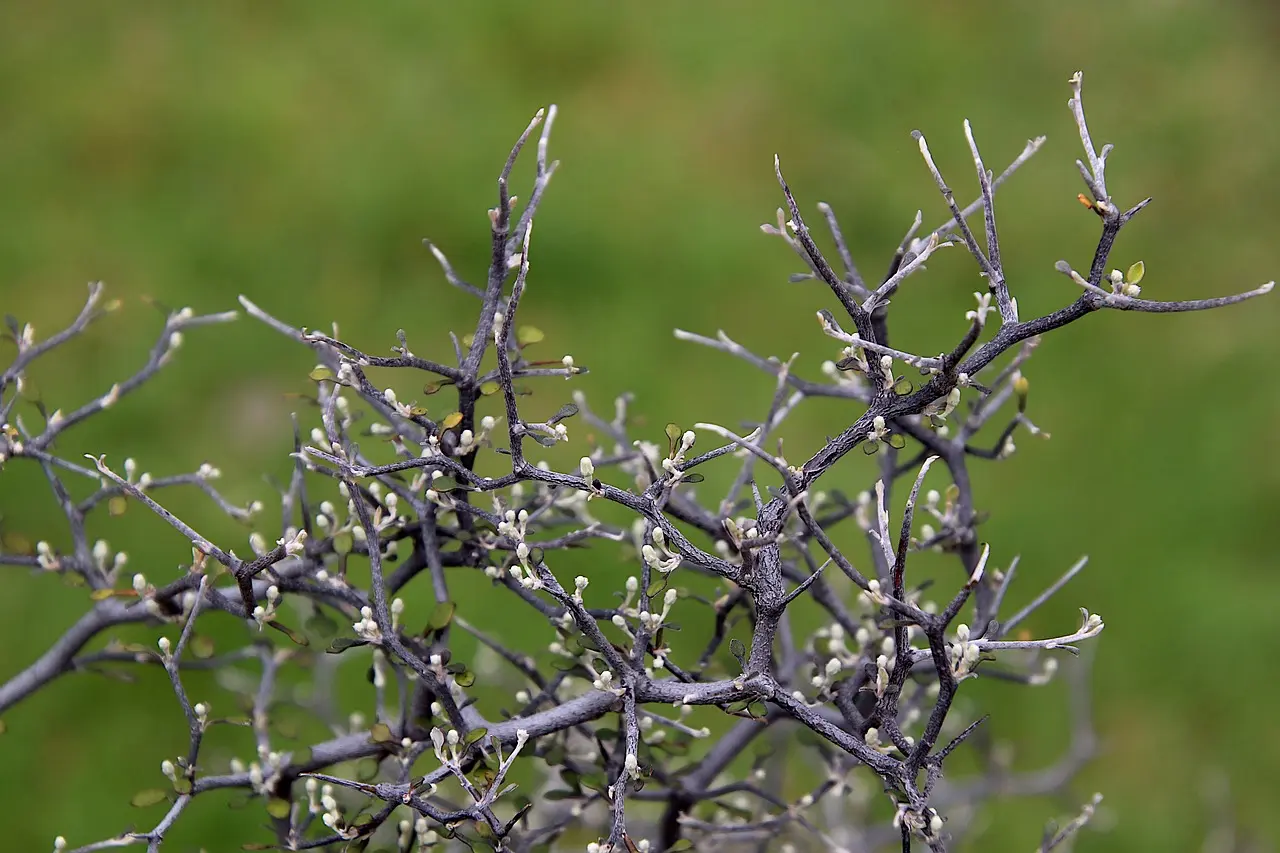


Start with why you are pruning. Most shrubs do not need regular cutting to stay healthy and attractive, and pruning decisions should begin with the goal: shape, size, renewal, airflow, or cleanup. The wrong cut at the wrong time can remove the buds that would have opened next season.
Flowering shrubs fall into two practical groups. Old wood shrubs set next year’s flower buds soon after flowering, so pruning them too late removes those buds. New wood shrubs set flower buds on current-season growth, so they can usually be cut in late winter or early spring before growth starts.
How bloom wood changes the plan
Old wood shrubs include lilac, forsythia, weigela, azalea, and deutzia. New wood shrubs include butterfly bush, panicle hydrangea, and rose of Sharon. If you do not know which kind you have, wait for the plant to bloom, then use the table below to decide whether to prune soon after bloom or before spring growth. (Purdue)
What you’ll need
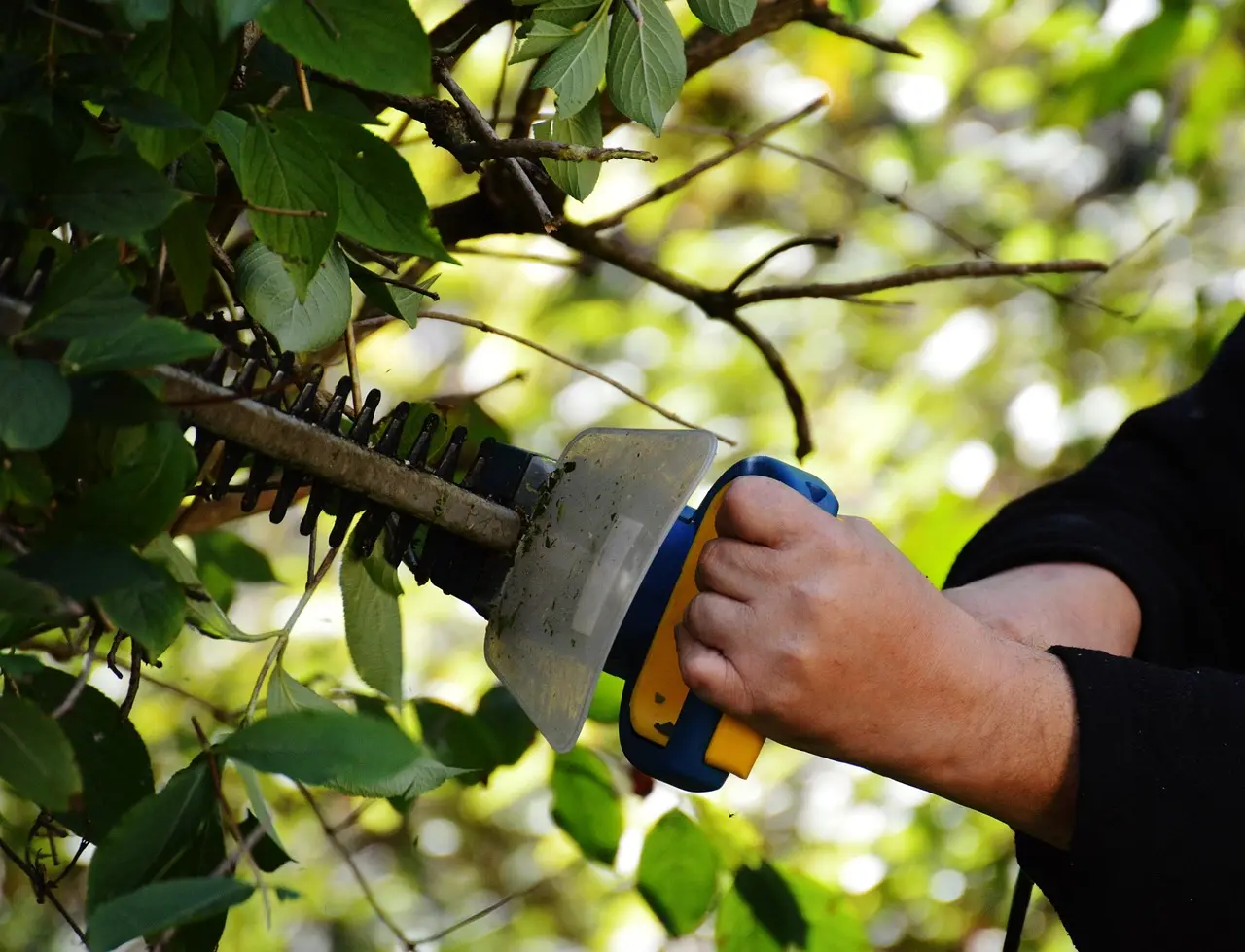
- Bypass pruners for small stems and precise cuts on roses and hydrangeas
- Loppers for medium-sized branches that hand pruners cannot cleanly cut
- Pruning saw for thick stems too large for loppers
- Gloves and eye protection
- Rubbing alcohol or another blade sanitizer for cleaning between plants
- Disinfected bypass pruners with sharp blades
Tool choice by stem size
Use bypass pruners on stems up to about 1/2 inch thick when you want a clean cut. Move to loppers for stems about 1/2 inch to 1 1/2 inches thick, where stronger cutting action keeps the bark from crushing. Use a pruning saw for anything thicker than that, or when loppers bind before the cut is finished.
Pruning decision table
| Shrub type | Bloom wood | Safest pruning window | Maximum practical cutback | Tool choice | Bloom-risk warning |
|---|---|---|---|---|---|
| Lilac | Old wood | Immediately after flowering | About one-third | Bypass pruners, then loppers for thicker stems | Late pruning can remove next year’s buds |
| Forsythia | Old wood | Immediately after flowering | About one-third | Bypass pruners and loppers | Hard winter pruning usually means fewer blooms |
| Weigela | Old wood | Immediately after flowering | About one-third | Bypass pruners | Late pruning trims off flower buds for next season |
| Azalea | Old wood | Immediately after flowering | Light shaping; avoid hard cuts | Bypass pruners | Heavy cutting can reduce blooms and spoil form |
| Deutzia | Old wood | Immediately after flowering | About one-third | Bypass pruners and loppers | Pruning too late removes next season’s buds |
| Butterfly bush | New wood | Late winter or early spring | Up to one-third for maintenance; more only for renewal on tolerant plants | Bypass pruners, loppers, pruning saw for older wood | Pruning too early is usually fine; pruning too late is less likely to hurt bloom, but can delay it |
| Panicle hydrangea | New wood | Late winter or early spring | About one-third | Bypass pruners and loppers | Shearing or extreme cuts can make stems weak and awkward |
| Rose of Sharon | New wood | Late winter or early spring | About one-third | Bypass pruners and loppers | Hard cuts are possible, but blooms may shift higher on the shrub |
When should you prune flowering shrubs?
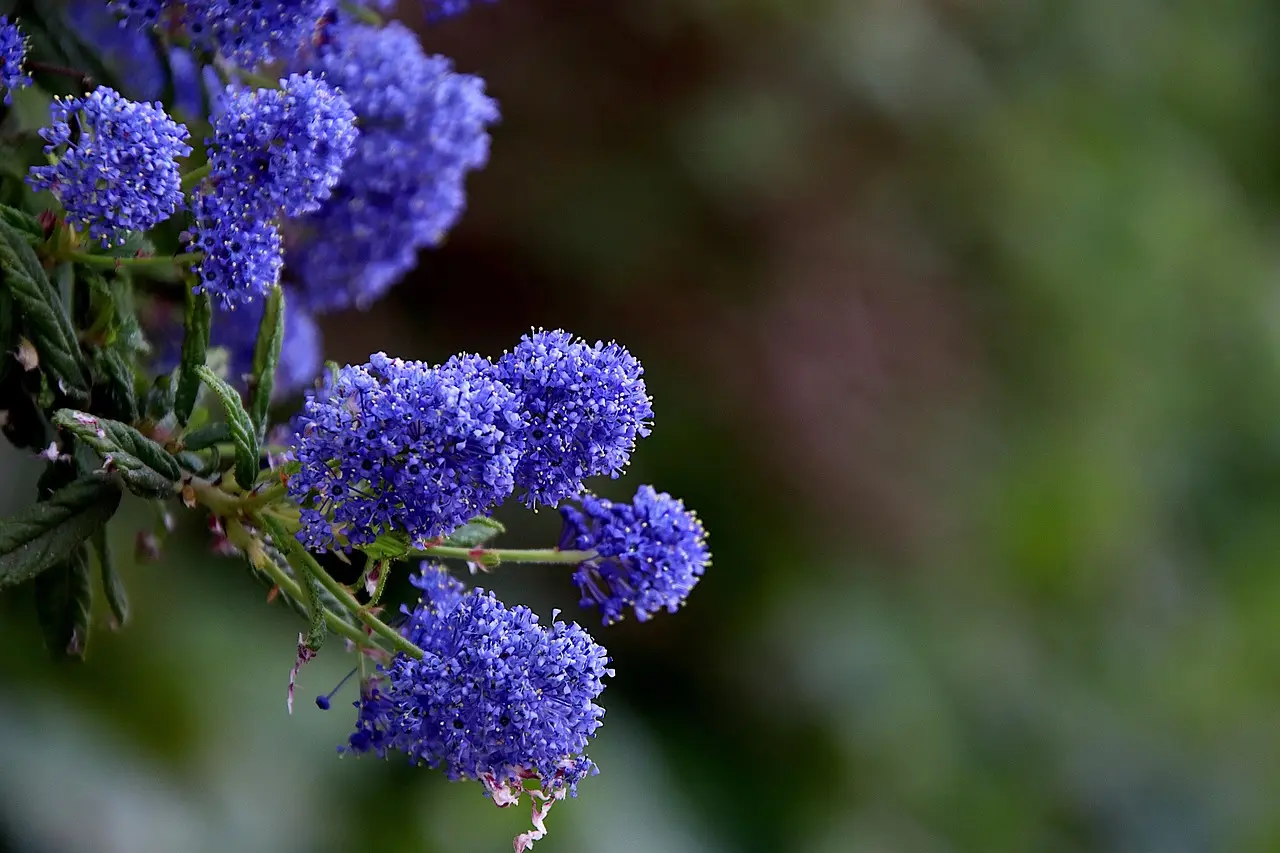
Prune spring-flowering shrubs right after they finish blooming, and prune summer-flowering shrubs in late winter or early spring. Remove dead, damaged, and diseased wood any time of year. That order protects flower buds on old wood shrubs and still lets you clean up problem growth whenever you notice it.
Prune spring bloomers after flowering
For lilac, forsythia, weigela, azalea, and deutzia, the main pruning window is immediately after flowering. These shrubs set next year’s flower buds soon after bloom, so waiting until summer, fall, or winter can remove the buds you wanted to keep. Light shaping after bloom is usually enough.
Prune summer bloomers before growth starts
Butterfly bush, panicle hydrangea, and rose of Sharon bloom on new wood. Because they flower on current-season growth, you can prune them in late winter or early spring before growth starts. That gives you a clean structure and fresh flowering wood without cutting away next season’s buds.
Remove damaged wood anytime
Dead, damaged, and diseased wood can be removed at any time of year. Cut back to sound tissue or to the branch collar where a branch meets the trunk or another branch. This keeps problems from spreading and helps wounds close properly.
- Identify the shrub as old wood, new wood, or unknown before you cut.
- Choose the right window: after bloom for old wood shrubs, late winter or early spring for new wood shrubs.
- Remove dead, damaged, and diseased stems first.
- Make thinning cuts to open the shrub and preserve its shape.
- Use heading cuts only where you want branching or size control.
- Stop after removing about one-third of the plant unless the shrub is a strong candidate for renewal pruning.
How should you make each cut?
Use thinning cuts first, heading cuts second, and deadheading for faded flowers. Thinning cuts remove whole stems back to a main stem or the ground, which improves airflow and keeps the shrub looking natural. Heading cuts shorten a stem back to a bud, which directs new growth in the direction that bud faces.
Use thinning cuts to open the shrub
For most flowering shrubs, thinning cuts are the safest main move. Cut a stem back to the branch collar or remove it at the base if it is crowded, crossing, weak, or old. That reduces bulk without turning the plant into a clipped ball.
Use heading cuts only where branching is wanted
Heading cuts shorten a stem to a bud. The bud’s direction matters, because new growth tends to follow it. Use this cut sparingly when you need a shrub to branch, fill out, or stay within a limit. Repeated heading cuts can create dense outer growth and fewer interior flowers.
Deadhead spent flowers without cutting too deep
Deadheading removes faded blooms just above the first set of healthy leaves. On repeat-flowering shrubs, that can push more bloom. Keep the cut shallow. Do not remove developing buds lower on the stem while tidying the spent flower.
How hard can you cut back an overgrown shrub?
Overgrown shrubs can sometimes be reduced, but hard cuts are not right for every species. A careful target is about one-third of the plant at a time. If a shrub is badly congested or very large, rejuvenation pruning can cut it back to 6 to 24 inches above the ground, but only on shrubs that tolerate it.
Use renewal cuts only on tolerant shrubs
Rejuvenation pruning removes the oldest branches or cuts the whole shrub back hard to force fresh growth. It can rescue a tired plant, but it also removes much of the existing framework. Some species respond well; others lose shape or bloom poorly afterward. If the shrub resists hard pruning, reduce it gradually.
Reduce large shrubs over more than one season
When a shrub is overgrown but valuable, remove the oldest canes first and spread the rest of the work across seasons. A common first-timer mistake is cutting everything back at once, then waiting for a full bloom the next year. That often leaves a smaller shrub with far fewer flowers.
Picture a tall lilac with bare lower stems. Picture a 10-foot lilac that blooms at the top and is crowded inside. Thin out the oldest stems from the base right after bloom, then shorten only a few remaining shoots. That keeps the shrub flowering while avoiding the shock of a full hard cut.
Common mistakes to avoid
Most pruning problems come from timing, tool choice, or cutting too much. If you avoid those three, you avoid most bloom loss. Keep cuts purposeful and stop before you turn a flowering shrub into a hacked outline.
Shearing flowering shrubs into balls
Shearing cuts off many shoots to the same length, which often strips away flower buds and leaves a dense outer shell. It is a poor default for flowering shrubs. Use thinning cuts instead, and shape only with selective heading where needed.
Using the wrong tool for stem size
Do not force bypass pruners through stems that belong to loppers, and do not force loppers through wood that needs a saw. Forced cuts crush stems and leave ragged wounds. If a cut feels tight or flexes the stem, switch tools.
Pruning a newly planted shrub too hard
Can you prune newly planted shrubs the first year? Light cleanup is fine, but avoid major reduction unless you are removing dead, broken, or crossing wood. Newly planted shrubs need leaves and stems to build roots, so heavy pruning can slow establishment and reduce bloom on small plants.
Do a quick cleanup after cutting
Remove clippings from around the base and inspect the shrub for torn bark or stubs longer than the branch collar. If you see a stub, recut it cleanly. If the plant was diseased, discard the debris instead of leaving it under the shrub.
Frequently asked questions
When should I prune shrubs so I don’t lose blooms?
Prune spring bloomers right after flowering and summer bloomers in late winter or early spring. If you do not know the bloom wood, wait until after the shrub flowers, then do only light shaping. That timing protects the buds that form on old wood shrubs soon after bloom.
How do I know if my shrub blooms on old wood or new wood?
If the shrub flowers in spring and sets next year’s buds soon after blooming, it blooms on old wood. If it flowers on the season’s fresh growth, it blooms on new wood. Lilac, forsythia, weigela, azalea, and deutzia are old wood examples; butterfly bush, panicle hydrangea, and rose of Sharon are new wood examples.
Can I prune dead, damaged, or diseased branches anytime?
Yes. Dead, damaged, and diseased wood can be removed at any time of year. Cut back to healthy tissue or to the branch collar with clean bypass pruners, loppers, or a saw sized to the stem. That keeps the shrub safer without waiting for a specific season.
What cuts should I use on flowering shrubs: thinning or heading?
Use thinning cuts for most of the work because they open the plant and keep its natural shape. Use heading cuts only when you want a bud to drive branching or a stem to stop longer growth. Deadheading is separate; it removes faded flowers just above the first set of healthy leaves.
How hard can I cut back an overgrown shrub without ruining flowering?
Around one-third is a practical limit for routine pruning. For tolerant shrubs, rejuvenation pruning can cut the plant to 6 to 24 inches above the ground, but that is a special reset, not routine care. If the species resists hard cuts, reduce it over more than one season instead.
Should I avoid shearing flowering shrubs into a ball?
Yes, in most cases. Shearing removes too many stems at the same height, which often cuts off flower buds and leaves dense outer growth. Thinning cuts preserve bloom better and keep the shrub more open. If size control is needed, shorten selected stems instead of flattening the whole plant.